Milwaukee Waterfront Deli
Positioned along Milwaukee's North Water Street corridor, Milwaukee Waterfront Deli occupies a stretch of the city where the riverfront dining scene has evolved from industrial afterthought to genuine destination. For visitors mapping the city's casual dining tier against its more formal rooms, the deli format offers a distinct counterpoint to the white-tablecloth restaurants that define the area's upper bracket.
Pearl is the En Primeur Club membership app — saves, bookings, and concierge access live there. Same editors, same standards.
- Address
- 761 N Water St, Milwaukee, WI 53202
- Phone
- +14142209300
- Website
- milwaukeewaterfrontdeli.com
- Directions
- Get directions
 Saves & bookings on Pearl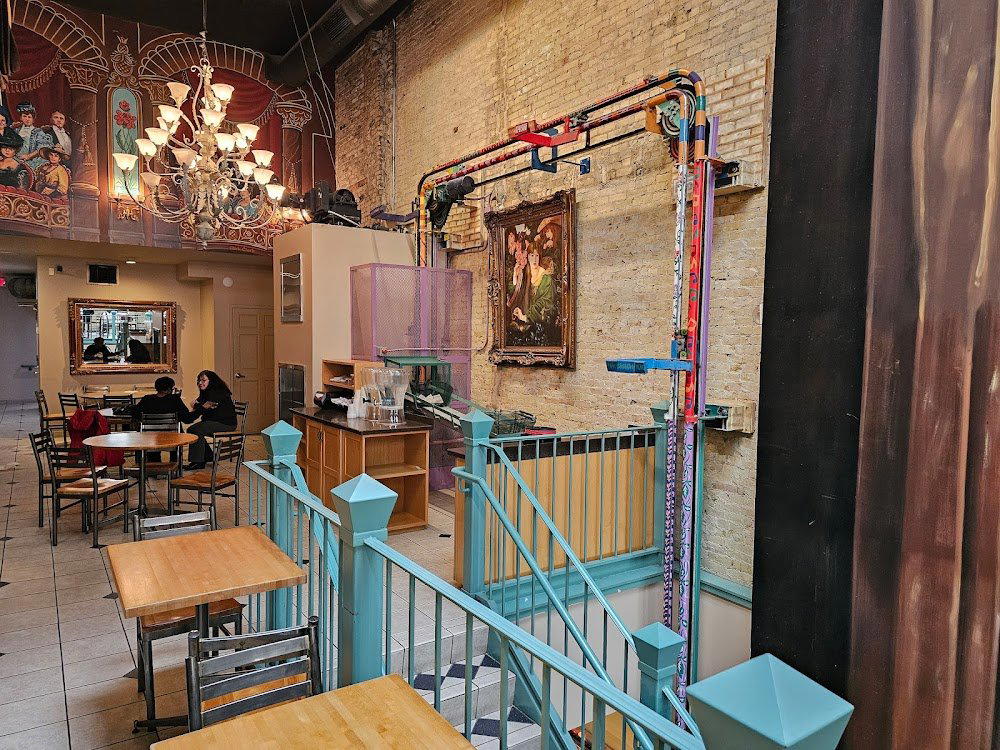
North Water Street and the Shape of Milwaukee's Riverfront Dining
Milwaukee's restaurant geography has a logic to it that rewards attention. The stretch of North Water Street running through the Third Ward and into downtown proper has accumulated, over the past two decades, a density of dining options that spans from counter-service casual to the kind of formally plated rooms that draw comparison with peers in Chicago and beyond. Bacchus, A Bartolotta Restaurant anchors the fine-dining end of the riverfront corridor, while The Diplomat represents the mid-tier's more chef-driven ambitions. Milwaukee Waterfront Deli at 761 N Water St sits in a different register entirely, occupying the casual, accessible tier that every functioning food neighborhood requires as counterweight to its destination restaurants.
That tier matters more than it's often credited. In cities where the dining ecosystem is genuinely healthy, think of the relationship between corner bistros and three-Michelin-star rooms in cities like New York or San Francisco, the casual layer does real work. It absorbs the lunch crowd, the spontaneous dinner, the visitor who wants something honest rather than theatrical. Delis, in particular, carry a specific American cultural freight: they are the spaces where a city's food identity is often most legibly local, less filtered through the aspirations of a tasting-menu format.
The Physical Address and What It Signals
The address itself, North Water Street, steps from the Milwaukee River, places the venue inside one of the city's more consequential food corridors. Real estate along this stretch has been contested by hospitality operators for good reason: the riverfront setting draws foot traffic from the adjacent entertainment districts, the convention center catchment, and the growing residential population in the converted loft buildings nearby. A deli format at this address implies a particular kind of pragmatic confidence: the intention to serve a broad, recurring local clientele rather than position primarily as a destination for visiting food tourists.
For context, the North Water Street corridor includes the kind of diversity of formats that makes a neighborhood dining scene legible as a whole. Amilinda operates with a more focused, chef-driven menu that leans into Iberian influence, while Birch represents the new-American mid-tier. Against those reference points, a deli-format operation occupies a role that is less about culinary ambition and more about reliable, repeatable execution, the kind of place that accumulates regulars rather than one-time pilgrims.
Design Logic of the Deli Format
The deli as a spatial typology has its own interior logic, distinct from the open-kitchen theater of contemporary casual dining or the hushed seriousness of fine-dining rooms. Counter service, display cases, stacked shelving, and communal or closely spaced seating are the grammar of the format. These design choices are functional rather than decorative: they compress the distance between the food and the customer, make the selection process visible, and create an energy driven by throughput rather than lingering. The physical container communicates something immediate about what the experience will be, there's no ambiguity about formality level, no dress code inference to make, no question about whether you need a reservation.
In a city where the formal dining tier is well represented, Bartolotta's Lake Park Bistro operates with the kind of French-influenced polish that places it in a comparable set alongside rooms in larger American cities, the casual counter format serves a distinct social function. It's the format that makes a neighborhood usable daily, not just on occasion.
Milwaukee's Deli and Casual Dining Position in a Broader American Context
Across the American Midwest, the casual dining tier has been under pressure from fast-casual chains and delivery aggregators in ways that have hollowed out some neighborhood food cultures. Cities that have maintained independently operated casual formats, delis, lunch counters, neighborhood sandwich shops, tend to have more coherent food identities than those where the middle tier has been absorbed by national brands. Milwaukee's food scene, which has generated genuine critical attention for its mid-to-upper tier with restaurants earning recognition in national food media, benefits from having a functioning casual layer beneath its more decorated rooms.
To understand where a Milwaukee waterfront deli fits in a national picture, it's useful to consider what the upper end of American dining looks like. Restaurants like Alinea in Chicago or Le Bernardin in New York City operate at the level of multi-year reputation and documented critical recognition. The French Laundry in Napa, Lazy Bear in San Francisco, and Single Thread Farm in Healdsburg represent the farm-to-format end of that upper tier. Closer in ambition and geography, Blue Hill at Stone Barns in Tarrytown and The Inn at Little Washington define what regional fine dining looks like when it fully commits. A casual deli is not in competition with any of these, but it occupies the base of the same food culture ecosystem that makes those upper-tier rooms possible.
Internationally, formats like 8 1/2 Otto e Mezzo Bombana in Hong Kong or Atomix in New York City demonstrate what happens when a dining culture invests heavily in its upper registers. Cities with strong casual foundations tend to sustain those upper tiers more durably. Restaurants like Providence in Los Angeles, Addison in San Diego, and Emeril's in New Orleans all benefit from cities where casual and mid-tier options keep the broader dining culture active and local.
The Essentials
Comparable venues nearby, for context on price, style, and recognition.
| Venue | Cuisine | Price | Notes |
|---|---|---|---|
| Milwaukee Waterfront DeliThis venue — the venue you are viewing | Juneau Town, American Deli | $$ | Not listed |
| Story Hill BKC | Story Hill, New American Share Plates | $$ | Not listed |
| Jing's | Historic Third Ward, Shanghai Chinese | $$ | Not listed |
| Mason Street Grill | Not listed | $$$ | Juneau Town, Classic American Steakhouse & Grill |
| Birch | Not listed | $$$ | Lower East Side, Contemporary Midwest Farm-to-Table |
| Harbor House | Not listed | $$$ | Lakefront, New England-Style Seafood & Steakhouse |
Continue exploring
More in Milwaukee
Restaurants in Milwaukee
Browse all →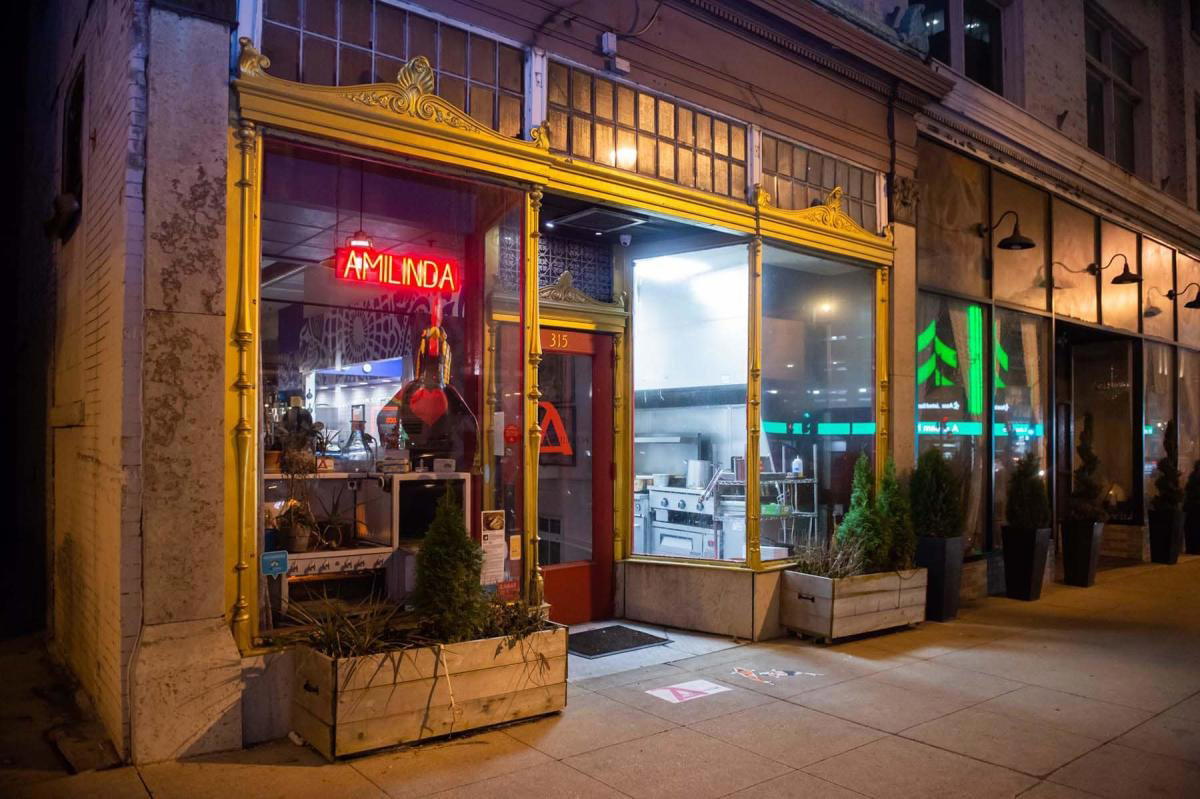
Bars in Milwaukee
Browse all →
At a Glance
- Cozy
- Business Dinner
- Waterfront
- Waterfront
Current opening hours
- Monday
- 7 AM–2:30 PM
- Tuesday
- 7 AM–2:30 PM
- Wednesday
- 7 AM–2:30 PM
- Thursday
- 7 AM–2:30 PM
- Friday
- 7 AM–2:30 PM
- Saturday
- Closed
- Sunday
- Closed
Hours can change for holidays and private events. Last verified .
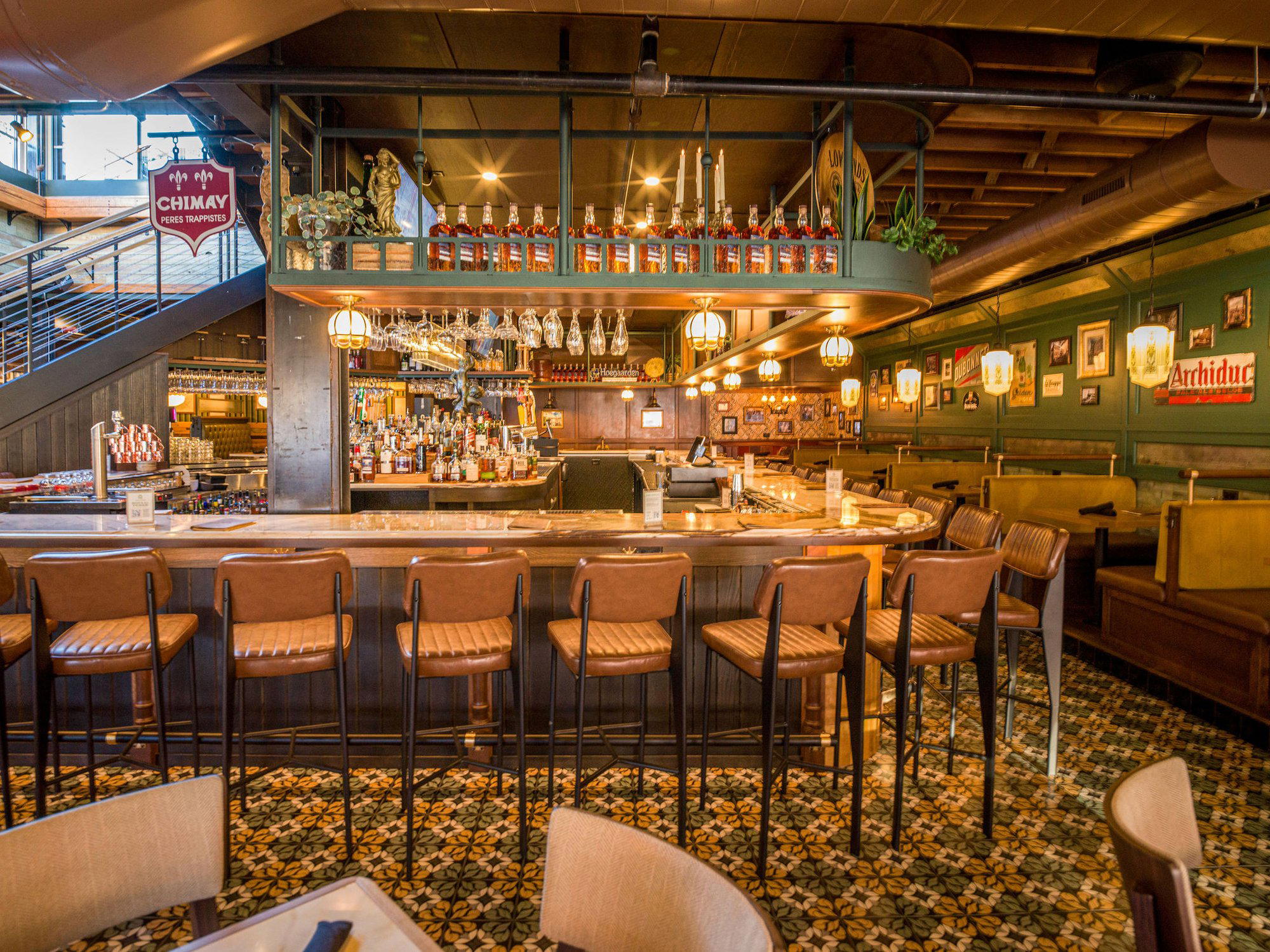
Fun and efficient downtown deli atmosphere with distinctive decor and two-level seating.