Fall Creek Vineyards
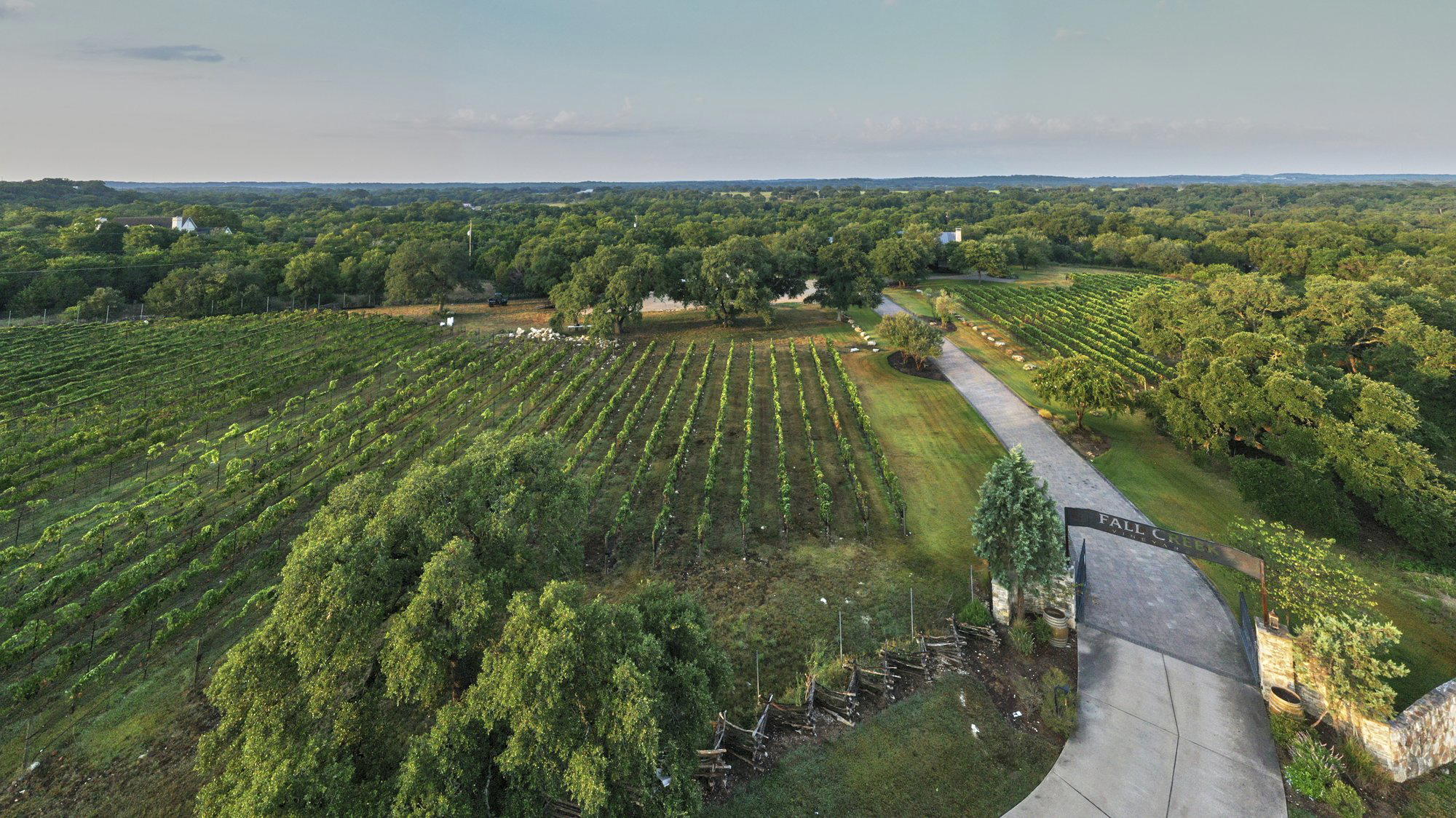
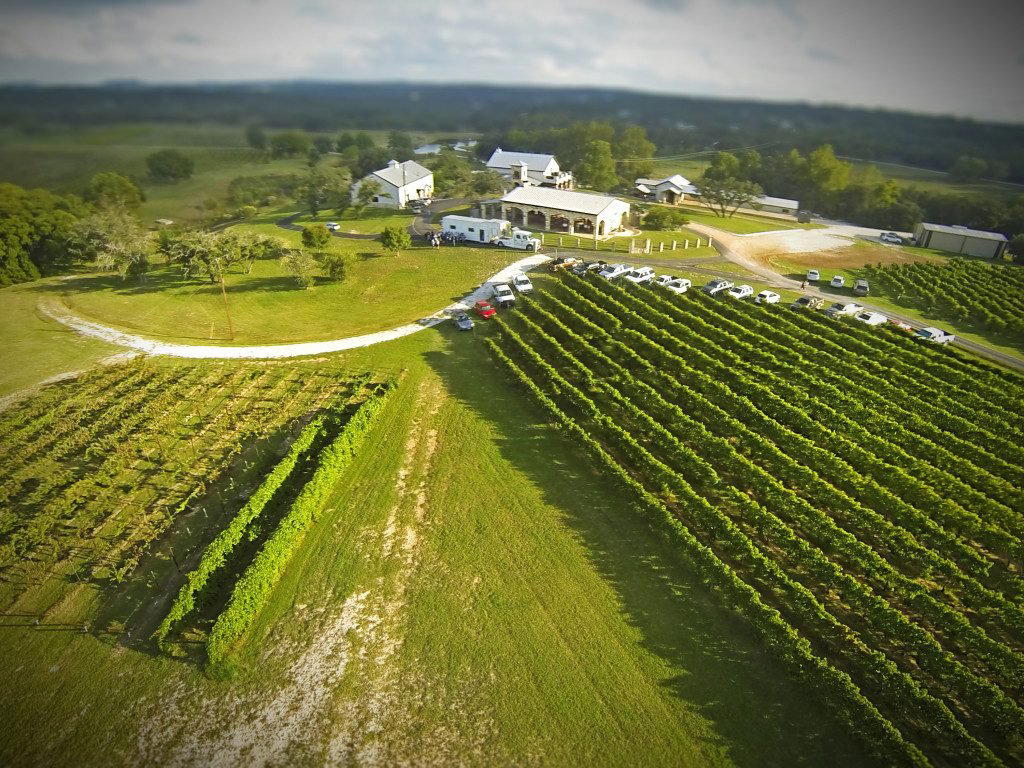
Fall Creek Vineyards operates from the Hill Country town of Tow, Texas, where the granite-and-limestone terrain along Lake Lyndon B. Johnson shapes a wine identity that sits well outside the California mainstream.

Pearl is the En Primeur Club membership app — saves, bookings, and concierge access live there. Same editors, same standards.
- Address
- 1820 County Road 222, Tow, TX 78672, United States
- Phone
- (325) 379-5361
- Website
- fcv.com
- Directions
- Get directions
Hill Country Terroir at the Edge of the Texas Wine Belt
The drive into Tow, Texas does most of the editorial work before you arrive anywhere near a tasting room. County Road 222 threads through cedar-studded limestone bluffs above Lake Lyndon B. Johnson, the land alternating between exposed granite outcroppings and thin, red-clay soils that retain almost no water during the long, dry summers. This is not Napa topography, and it was never meant to be. The Hill Country's viticultural argument rests on altitude, dramatic diurnal temperature swings, and a mineral density in the ground that pushes vines toward concentration rather than volume. Fall Creek Vineyards sits inside that argument at 1820 County Road 222 — a property that has become one of the reference points for understanding what Texas wine can reasonably claim as its own.
Texas wine occupies a contested position in the American premium wine conversation. The state's heat, drought cycles, and Pierce's disease pressure create production challenges that California's established appellations have largely engineered around over decades. Yet those same stressors, managed carefully, produce wines with a structural character distinct from West Coast benchmarks. The Hill Country sub-AVA, where Fall Creek operates, draws comparisons less to coastal California than to high-altitude Spanish appellations or parts of southern France: warm days, cool nights, thin soils, and a sun intensity that accelerates phenolic development. For producers working this ground seriously, the terroir forces decisions rather than simply permitting them.
What the Land Produces
Understanding Fall Creek Vineyards requires understanding the Lake LBJ microclimate before considering any specific wine. The lake moderates temperature extremes that would otherwise stress vines during Texas summers, extending the effective growing window and allowing slower ripening in favorable vintages. The granitic and limestone subsoils drain quickly, stressing root systems into deeper vertical growth rather than lateral spread, a condition associated with wines of greater complexity and longer hang time. This is the same soil logic that underpins the reputation of producers working volcanic granite in parts of Beaujolais or the limestone-clay mix favored by serious operators in Paso Robles, such as Adelaida Vineyards, where chalk and calcareous soils drive a similarly mineral-forward house style.
The Hill Country's best-performing varieties under these conditions tend toward heat-tolerant Mediterranean and Iberian grapes, though Texas producers have increasingly tested Rhône varieties alongside the Tempranillo and Sangiovese that perform reliably in the region. Producers seeking comparison points for Rhône-style work in warmer American climates often look at Alban Vineyards in Arroyo Grande or Andrew Murray Vineyards in Los Olivos, where the terroir-heat dynamic creates a partially analogous production environment. Fall Creek operates in a warmer, more continental version of that logic — more unpredictable vintage to vintage, but capable of producing wines with genuine regional identity when the season cooperates.
Within the Texas wine category, this positions the property in the upper tier of credentialed producers, where the field remains smaller than in California or Oregon but the quality ceiling has risen measurably over the past decade. Texas wine's credentialing infrastructure is still maturing: Michelin does not cover the state's wine country, and the major national wine competitions have historically underrepresented Hill Country producers. Regional recognition, EP Club designations, and placement on serious Texas wine retail lists have therefore carried disproportionate weight in signaling quality to outside visitors.
To calibrate the 2 Star Prestige level in a national context, it helps to look at what comparable designations mean in better-documented American wine regions. Napa operators at the prestige tier, from houses like Accendo Cellars in St. Helena or Alpha Omega Winery in Rutherford, carry that level of recognition alongside Michelin adjacency and deep allocation lists. For Fall Creek, operating in a market with fewer structural credentialing mechanisms, a 2 Star Prestige signals that the wines are performing at a level that warrants a detour from Austin or San Antonio rather than a casual drive-by. The roughly two-hour drive southwest from Austin to Tow is a committed trip, which means visitors who make it are generally arriving with wine-specific intent.
Texas wine has split into two recognizable tiers over the past decade. The first tier consists of large-volume operations bottling affordable regional blends for the state's considerable domestic market. The second is a smaller cohort of estate-focused producers working specific Hill Country or High Plains sites with defined varietal programs and export ambitions. Fall Creek belongs to the second group, alongside a handful of Hill Country neighbors who have invested in canopy management, water stress protocols, and cellar practices capable of producing wines that travel outside Texas without apology.
This positioning puts Fall Creek in a different conversation than the volume producers, but also in a different conversation than the coastal California prestige tier. For visitors whose reference points are Sonoma heavyweights like B.R. Cohn Winery in Glen Ellen or Carneros producers like Artesa Vineyards and Winery in Napa, or those who track Burgundy-trained producers in Oregon such as Adelsheim Vineyard in Newberg, the Texas experience requires recalibrating expectations around fruit expression, structural weight, and vintage variation. Texas wines from credentialed Hill Country producers tend toward fuller body and higher alcohol in warm vintages, with more dramatic variation between growing seasons than producers in more temperate regions manage. That variability is part of the honest terroir argument, not a deficiency.
Visitors arriving from other American wine regions with an appetite for category comparison rather than category validation tend to find the Hill Country more interesting than those seeking a warm-weather California surrogate. The Santa Barbara County producers working similar heat-and-cooling dynamics, including Babcock Winery in Lompoc and Au Bon Climat in Santa Barbara, offer useful contrast points for understanding how different American terroirs respond to sun intensity. The Hill Country version is drier, more continental, and less mediated by marine influence.
Planning a Visit to Tow
Tow itself is a small community on the north shore of Lake LBJ, with limited lodging and dining infrastructure of its own. The practical base for visiting Fall Creek and the broader Hill Country wine corridor is either Marble Falls, roughly 45 minutes east, or Fredericksburg, an hour southwest, which has developed a concentrated wine tourism infrastructure over the past decade. For visitors combining Texas wine country with a broader regional itinerary, Austin serves as the logical hub, with the Hill Country accessible as a day trip or short overnight. Those building a more extended American wine tour will find useful comparison points in our coverage of producers from Calistoga, including Aubert Wines, or in international contexts such as Achaia Clauss in Patras, where Mediterranean heat creates its own distinct version of concentrated, terroir-driven wine. For a broader survey of what the Tow area offers, see our full Tow restaurants and experiences guide.
Given the rural setting and the property's prestige designation, contacting Fall Creek directly in advance of any visit is advisable. Tasting availability, seasonal programming, and tour formats at estate wineries in this tier typically require advance coordination, and the Lake LBJ area sees heavier visitor traffic during summer weekends when the lake draws recreational visitors alongside wine-focused guests. Shoulder season visits in spring and early autumn generally offer better conditions for tasting focus and quieter access to the estate environment.
A Quick Peer Check
Comparable venues nearby, for context on price, style, and recognition.
| Venue | Cuisine | Price | Notes |
|---|---|---|---|
| Fall Creek VineyardsThis venue — the venue you are viewing | Tempranillo, Cabernet | $10–20 | Not listed |
| Ron Yates Wines | Tempranillo, Sangiovese | Not listed | Texas Hill Country |
| Texas Hills Vineyard | Chardonnay, Tempranillo | $30–50 | Pedernales River Valley |
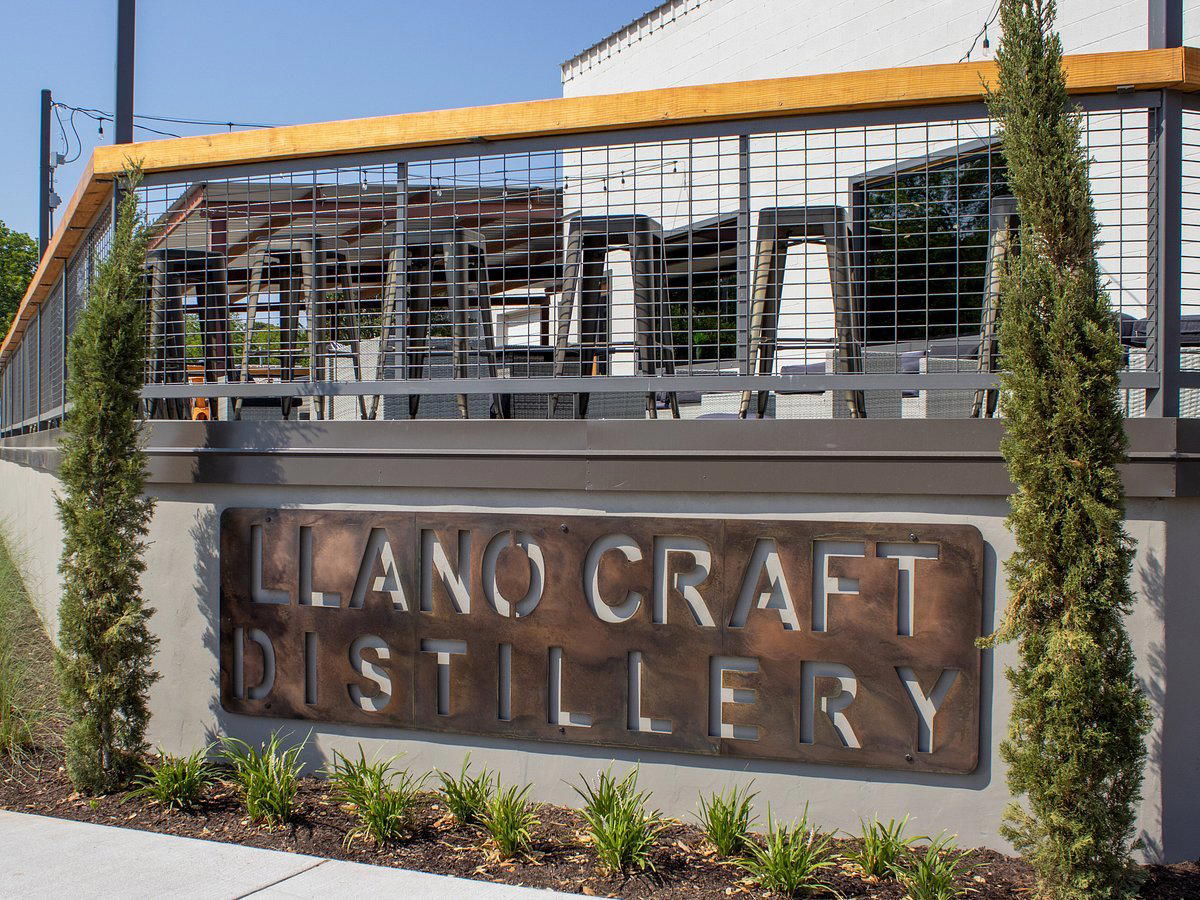
| Rebecca Creek Distillery | Texas | Not listed | Bulverde Road area |
| Wilson Valley Mercantile | Texas High Plains | Not listed | Little River-Academy |
| Spirit of Texas Distillery | malted barley | Not listed | Pflugerville |
Details
- Scenic
- Rustic
- Quiet
- Cozy
- Romantic Getaway
- Group Outing
- Solo Exploration
- Wine Education
- Vineyard Tour
- Estate Grounds
- Picnic Area
- Panoramic View
- Vineyard
- Garden
- Tempranillo
- Cabernet
- Merlot
- Sauvignon Blanc
- Still Red
- Still White
- Table Side Tasting
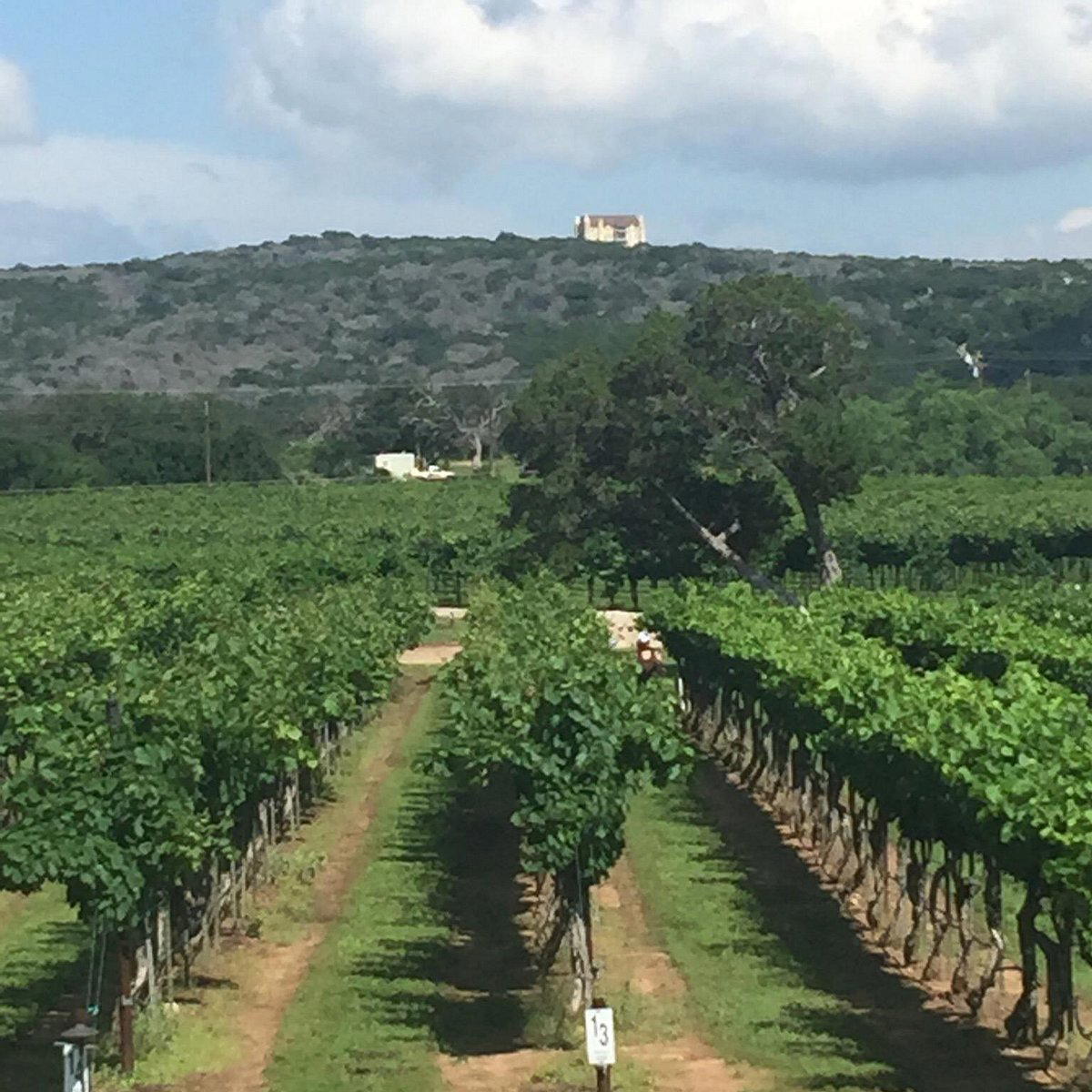
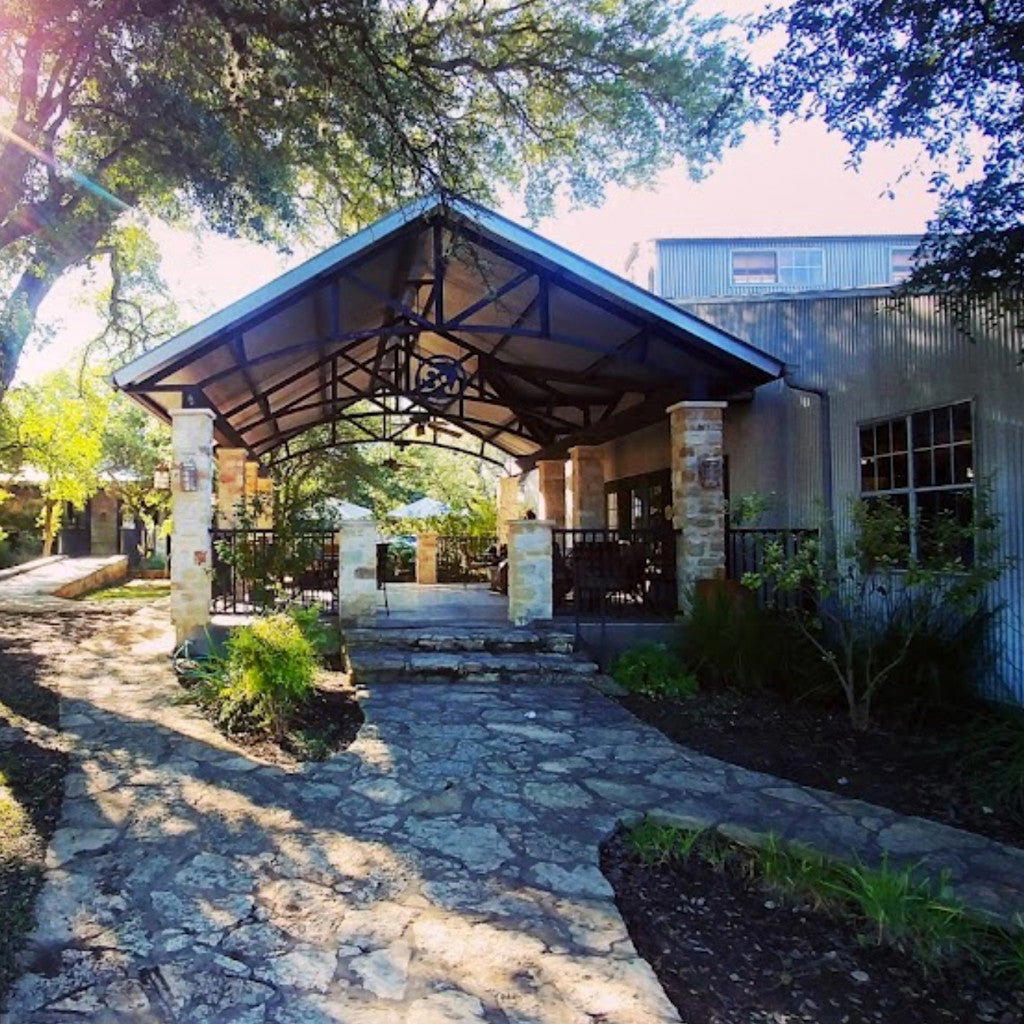
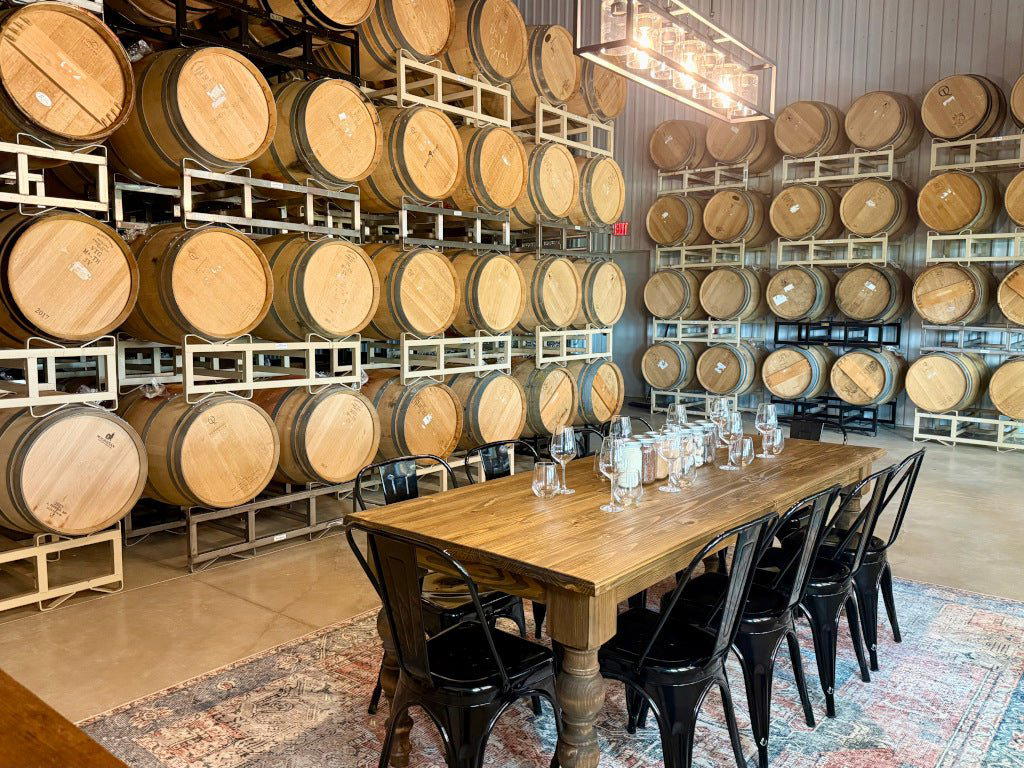
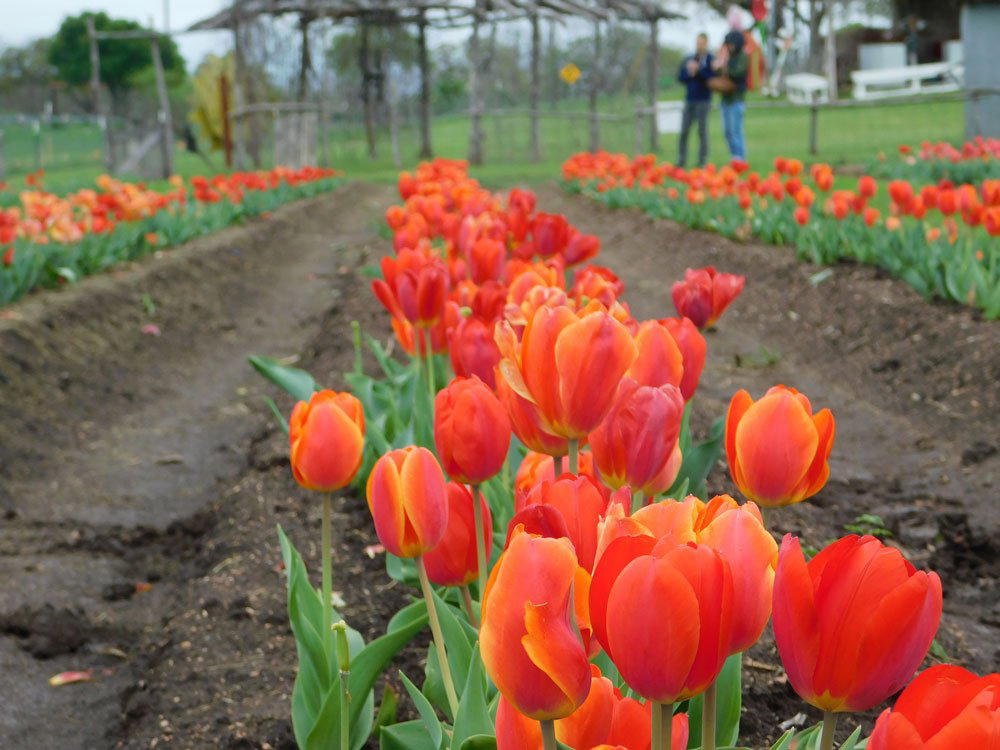
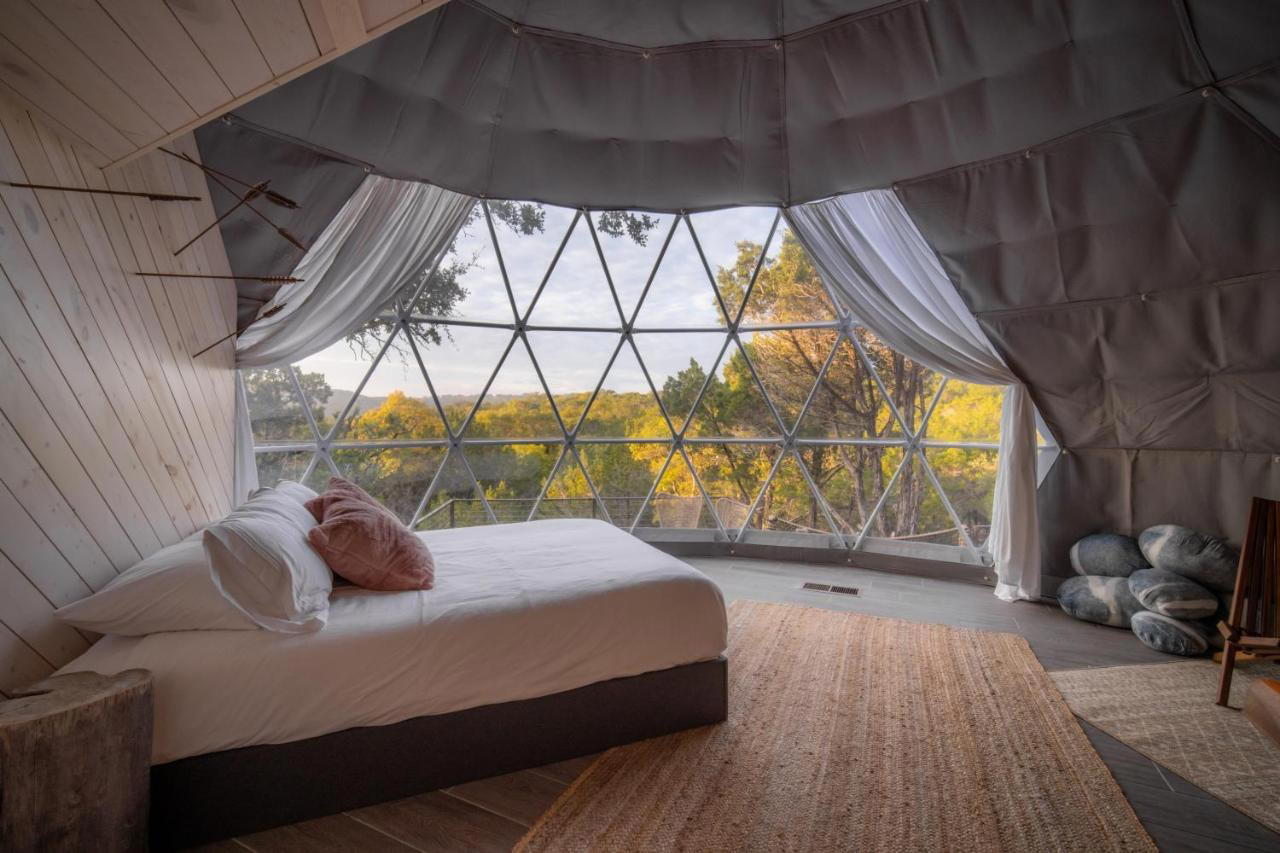
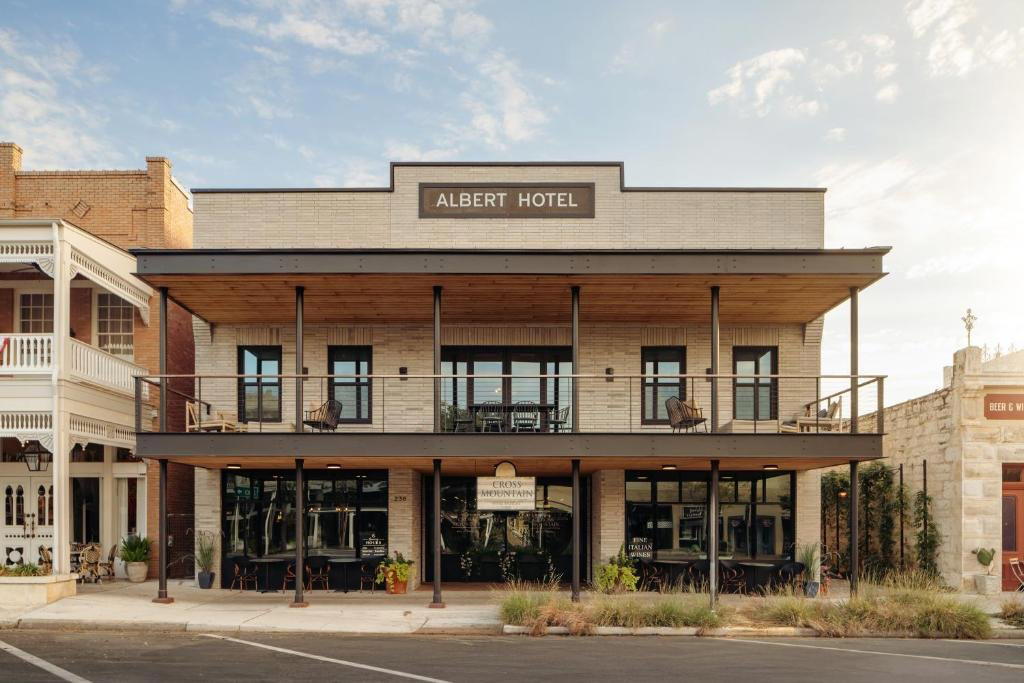
Peaceful and charming with a European feel, surrounded by large trees, flowers, and vineyard views; comfortable indoor tasting room and inviting outdoor patio.