Skip to Main Content
Traditional Osaka Battera Sushi

Google: 4.2 · 86 reviews

← Collection
Osaka, Japan

Sushitsune

CuisineSushi
Executive ChefIshikawa Satoru
Price¥¥
Dress CodeSmart Casual
ServiceUpscale Casual
NoiseQuiet
CapacityIntimate
Michelin

Sushitsune in Osaka's Kita Ward holds consecutive Michelin Bib Gourmand recognition for 2024 and 2025, and sits at the living centre of Naniwa oshizushi tradition. The fourth-generation chef continues the house's original bateira — pressed mackerel sushi dressed with white-sheet kombu — alongside bozushi and temarizushi that read as a concise survey of Osaka's distinct sushi culture. Pricing sits in the mid range, making this one of the more accessible entries into a serious craft lineage.

Pearl is the En Primeur Club membership app — saves, bookings, and concierge access live there. Same editors, same standards.

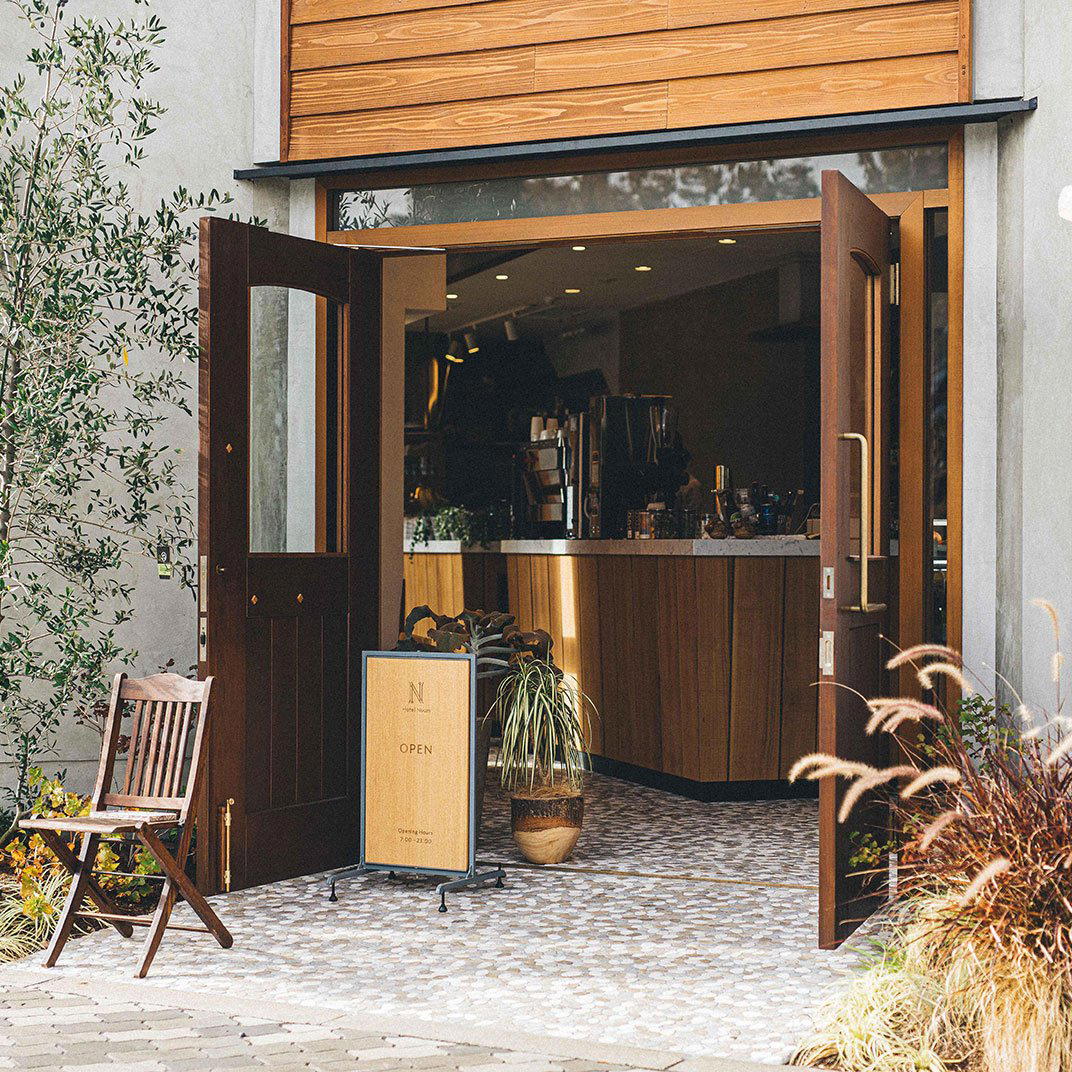
Sushitsune restaurant in Osaka, Japan
About

Where Pressed Sushi Meets Long Practice

On Tenjinbashi, one of Osaka's oldest and longest covered shopping streets, the conventions of presentation are quiet and deliberate. There are no theatrical flourishes, no chef's counter drama in the Tokyo omakase mould. What you find instead is a format rooted in the city's mercantile history: oshizushi, pressed sushi, built for precision over spontaneity, made to be held, admired, and eaten without ceremony. Sushitsune, at 2 Chome-4-3 Tenjinbashi in Kita Ward, occupies that tradition with four generations of unbroken practice behind it.

Osaka's Sushi Identity — and Why It Differs

To understand what Sushitsune represents, it helps to understand why Osaka's sushi culture diverged from Edo's. Tokyo's sushi lineage centres on nigiri: the chef's hands forming rice and fish in a single motion, the product eaten within seconds. Osaka developed differently. As Japan's commercial capital for centuries — the city earned the name Naniwa, and later its reputation as Japan's Kitchen , its food culture prioritised ingredients that could be prepared, pressed, and sold with a tradesman's efficiency. Oshizushi, in which fish is pressed onto vinegared rice using a wooden mould called an oshibako, gave form and shelf stability to that impulse.

That historical divergence is why the sushi served at counters like Sushitsune, Sushi Harasho, and Matsuzushi looks and tastes so different from what you encounter at Harutaka in Tokyo or Sushi Shikon in Hong Kong. The pressed format is not a lesser version of nigiri , it is a separate discipline with its own craft logic, its own pressure calculations, its own relationship between rice temperature, vinegar balance, and the density of the fish layer above.

The Bateira: A House Dish That Became a City Tradition

The dish most associated with Sushitsune is the bateira, a form of pressed mackerel sushi that the house's founding generation conceived. The construction involves pickled mackerel pressed onto sushi rice inside a boat-shaped wooden frame , bateira means boat in Portuguese, a linguistic trace of the city's trading history , then finished with a translucent layer of white-sheet kombu laid over the fish. The kombu contributes both flavour and a faint sheen; it also signals the chef's understanding of layered seasoning, where the curing of the mackerel, the acidity of the rice, and the mineral note of the kombu are calibrated rather than applied by instinct.

What the Michelin inspectors documented across their 2024 and 2025 Bib Gourmand awards is the fourth-generation chef's handling of that process. The description in the awards record is precise: the chef applies just the right force when unravelling the sushi rice, a detail that sounds minor until you consider that oshizushi rice, over-compressed, loses its capacity to separate on the palate. The craft lies in pressing firmly enough to hold the piece together but lightly enough that the rice texture survives. That balance is the product of long practice, and it is not automatically inherited.

Bozushi, Temarizushi, and the Broader Naniwa Canon

Beyond the bateira, Sushitsune's menu extends into bozushi formats , cylindrical pressed sushi made with horse mackerel and conger eel , and temarizushi, the ball-shaped variety that requires a different application of hand pressure and lends itself to delicate toppings. Taken together, these preparations constitute a working summary of what food writers and food historians mean when they reference Naniwa oshizushi as a distinct culinary category. The horse mackerel and conger eel in the bozushi carry the oily, saline character that Osaka cooks have historically worked with, sourcing fish from nearby coastal markets with supply lines that predate refrigeration.

This breadth of format distinguishes the Sushitsune experience from single-style pressed sushi specialists and places it closer to what venues like Sushi Hoshiyama and Sushi Murakami Jiro offer , a considered range within a tradition rather than a single signature performed repeatedly.

Seasonality and the Pressed Sushi Calendar

The editorial angle for Sushitsune is inseparable from timing. Oshizushi formats are particularly sensitive to seasonal ingredient cycles because pressed sushi relies on curing, marinating, and pickling rather than the immediate freshness that governs nigiri. Mackerel, the central fish in the bateira, has a defined seasonal arc: in Japan, shimesaba (vinegar-cured mackerel) preparations tend to improve in autumn and winter when the fish carry more fat. The pickled mackerel used in Sushitsune's bateira engages with that seasonal logic , a leaner summer fish and a richer autumn fish produce different results even under identical technique.

Conger eel, featured in the bozushi, follows its own calendar. Anago is considered at its most delicate in summer, when it has been caught in shallow coastal waters before winter weight gain. Visitors planning their visit around maximum seasonal alignment would find different nuance at different points in the year rather than a static menu experience. This is not the seasonality of a kaiseki house like Gion Sasaki in Kyoto , whose seasonal sensitivity spans a dozen courses , but the quieter, ingredient-specific variation of a specialist house where two or three fish carry the entire calendar.

For visitors arriving in Osaka during the autumn and winter months, the bateira argument is at its strongest. Spring and summer visits are not diminished, but the seasonal case for the conger eel bozushi sharpens noticeably from late spring through midsummer. Factoring this into a broader Kansai itinerary , one that might include akordu in Nara or a kaiseki dinner , means the timing question has real bearing on what you eat and how it reads on the plate.

Sushitsune in the Osaka Dining Tier Structure

Sushitsune's ¥¥ price positioning places it below the Michelin-starred kaiseki houses that define Osaka's premium dining tier , venues like Taian and Kashiwaya Senriyama operate at ¥¥¥ and above, as does the kaiseki-influenced French work at La Cime. The Bib Gourmand designation, which Michelin applies to venues offering quality food at moderate prices, formally signals this position: the inspectors are not comparing Sushitsune against the same competitive set as a ¥¥¥¥ tasting menu venue like Hajime or Fujiya 1935. They are making a different kind of argument , that the craft here justifies the price at a more accessible entry point.

That argument has specific value for readers building an Osaka dining week. A city with the ambition documented in our full Osaka restaurants guide rewards visitors who mix tiers deliberately. A lunch at Sushitsune followed by an evening at a kaiseki house produces a more instructive sense of Osaka's food identity than either visit would alone. Sushi specialists like Sushi Sanshin fit a comparable planning logic. For readers whose itinerary extends beyond Osaka, reference points exist at Goh in Fukuoka, 1000 in Yokohama, 6 in Okinawa, and Shoukouwa in Singapore , each operating within the same broad commitment to Japanese sushi craft at different price and format points.

Sushitsune's Tenjinbashi address also connects naturally to the neighbourhood's density of food culture. The street itself is a practical orienting point for anyone using our full Osaka hotels guide, our full Osaka bars guide, our full Osaka wineries guide, or our full Osaka experiences guide to build out a longer stay in Kita Ward.

Planning Your Visit

Reservations: Booking method not confirmed in available data , contact directly or check current availability through local dining platforms. Budget: ¥¥ tier; accessible mid-range pricing consistent with the Michelin Bib Gourmand designation. Address: 2 Chome-4-3 Tenjinbashi, Kita Ward, Osaka 530-0041. Timing: Autumn and winter visits align with peak mackerel season for the bateira; late spring through midsummer for the conger eel bozushi at its most delicate. Hours: Not confirmed in available data , verify directly before visiting.

Signature Dishes
Battera
Frequently asked questions

Price Lens

A small comparison set for context, based on the venues we track.

At a Glance
Vibe
  • Intimate
  • Cozy
  • Classic
  • Hidden Gem
Best For
  • Solo
  • Date Night
  • Special Occasion
Experience
  • Chefs Counter
Drink Program
  • Sake Program
Dress CodeSmart Casual
Noise LevelQuiet
CapacityIntimate
Service StyleUpscale Casual
Meal PacingStandard

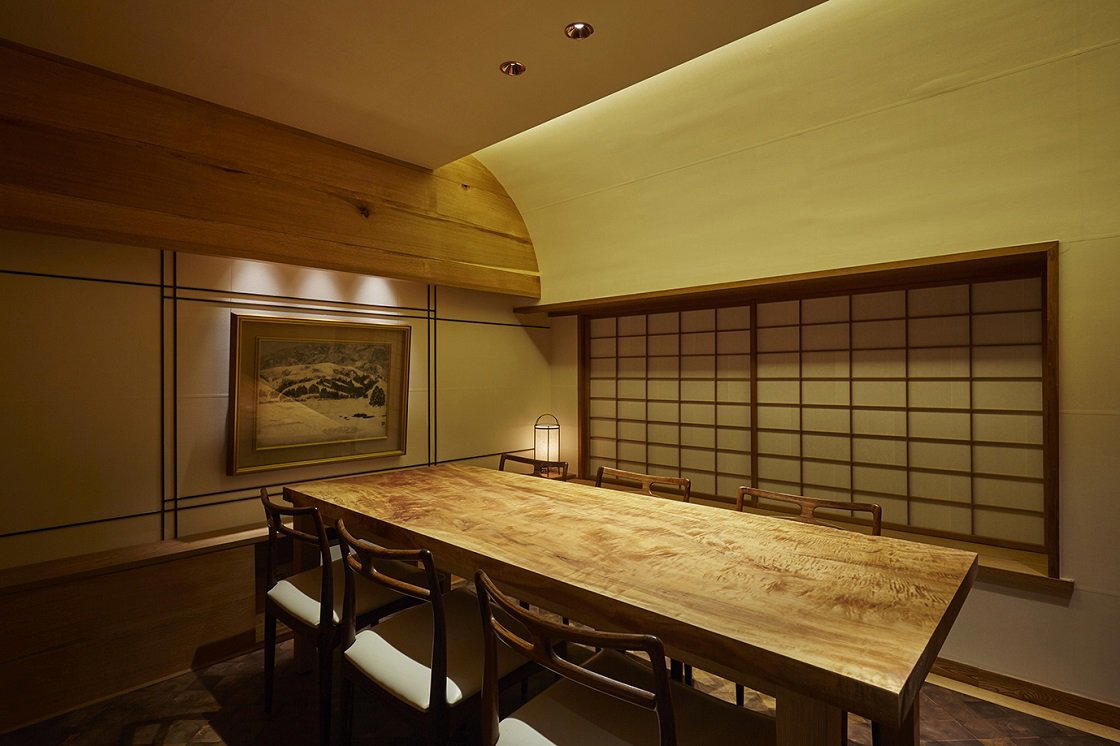
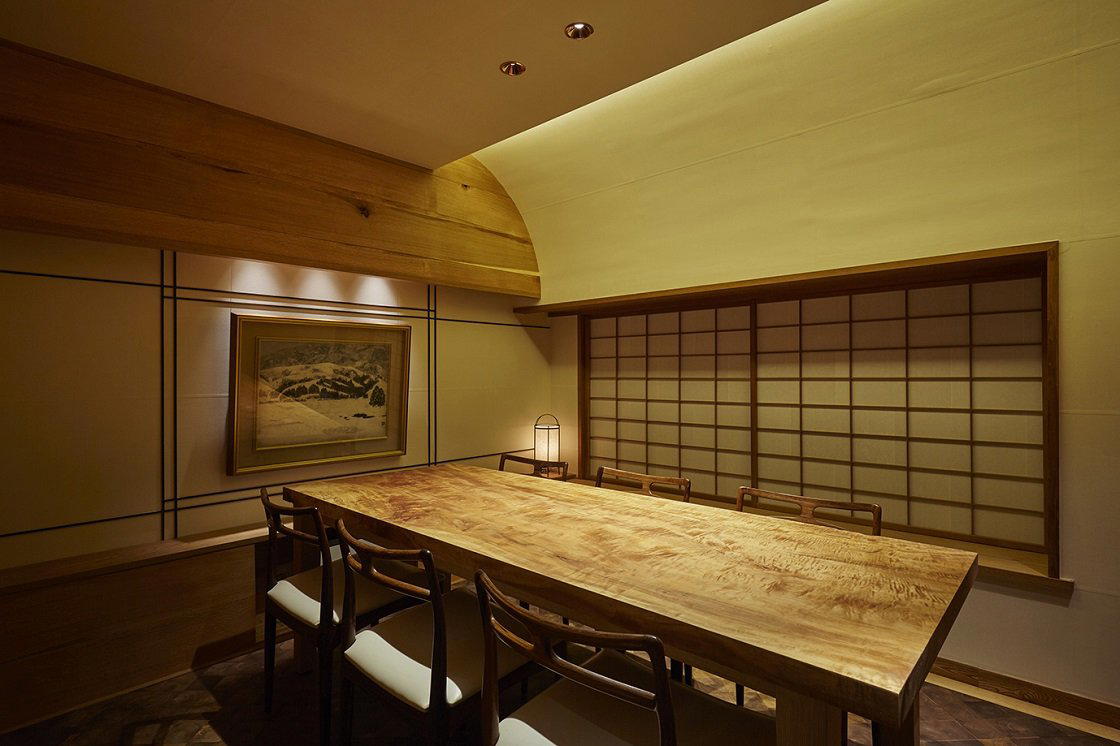
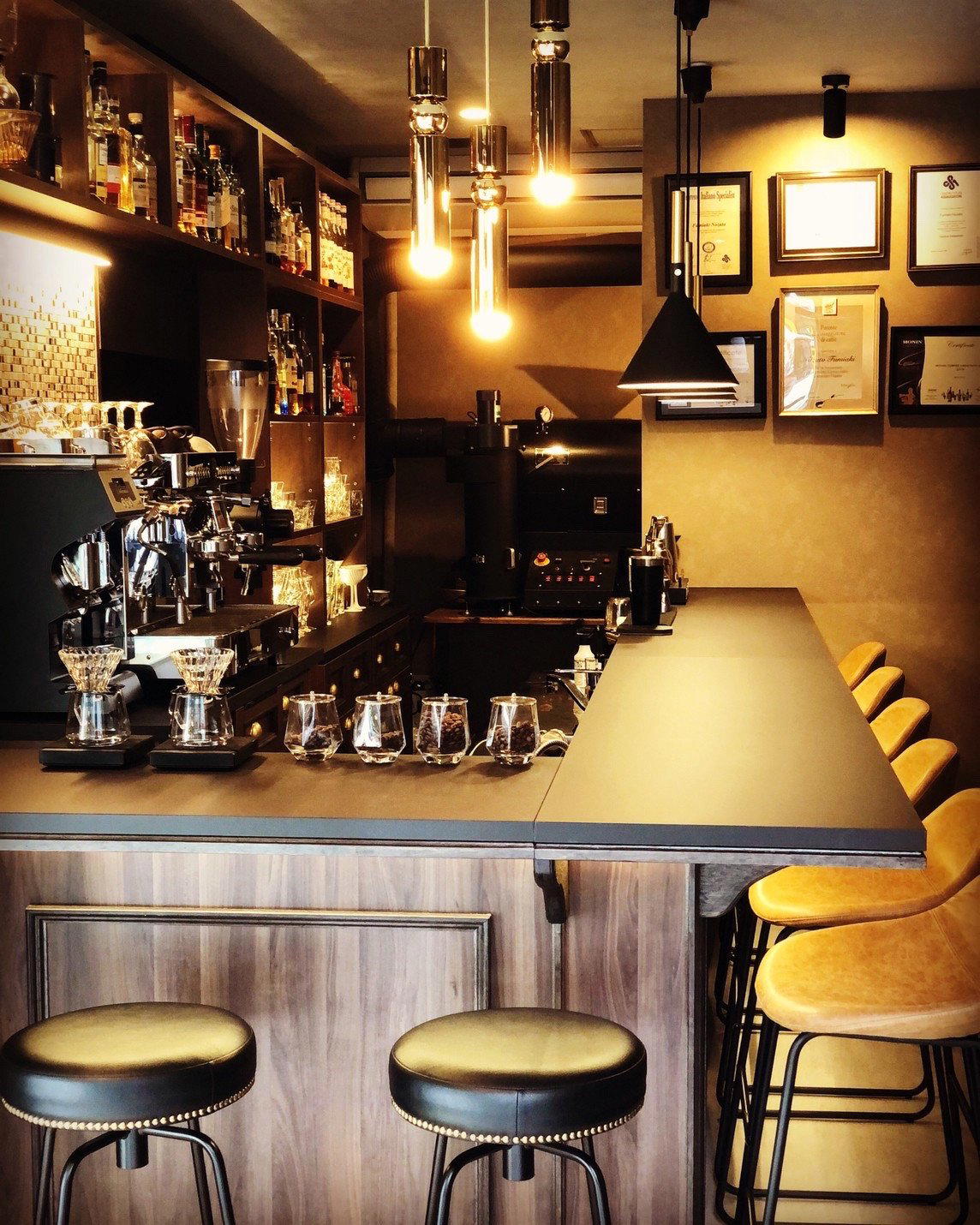
Cozy and intimate counter seating with a relaxing, traditional atmosphere and warm hospitality from the owner.

Signature Dishes
Battera