Sushi Takeda


Michelin Plate
Our verdict
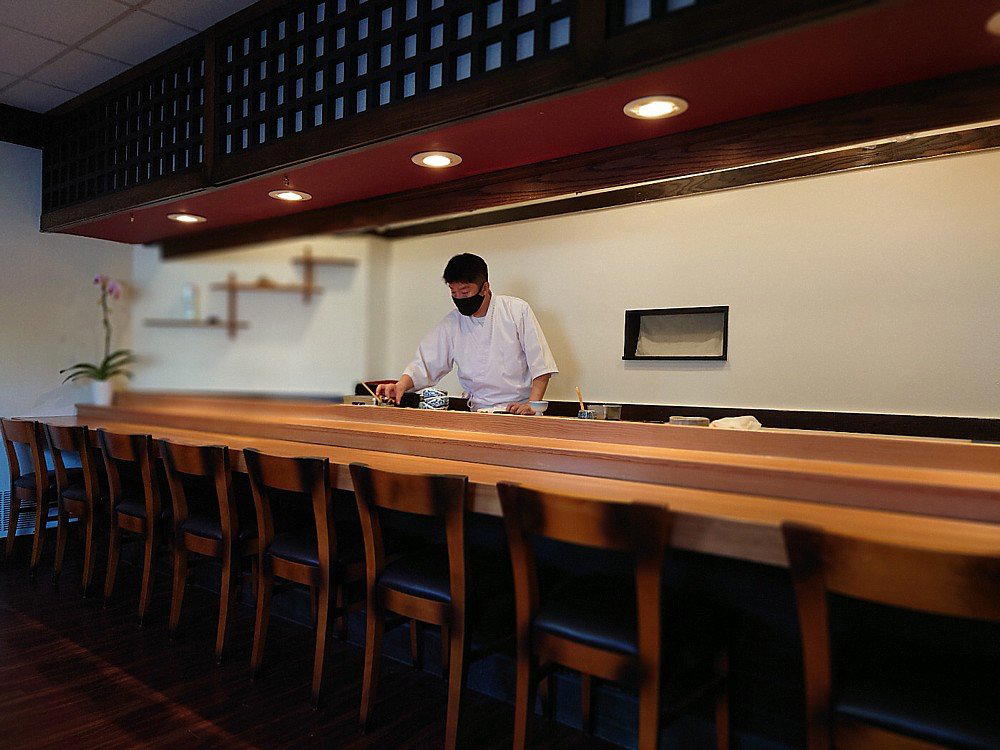
Sushi Takeda operates from a third-floor Japantown address that most visitors walk past without looking up. Chef Hide Takeda has earned consecutive Opinionated About Dining North America rankings since 2023 and back-to-back Michelin Plate recognition, placing this counter in the mid-tier of Los Angeles omakase, serious enough to draw comparison with the city's most decorated sushi rooms, accessible enough to still book if you plan a few weeks ahead.

Pearl is the En Primeur Club membership app, where members save venues, book tables and use the concierge.
The menu
What to order
- Uni-ikura don
- Iwashi-maki
- Nodoguro nigiri
Where Los Angeles Omakase Stands in 2025
The Los Angeles sushi market has sorted itself into three discernible tiers over the past decade. At the leading, a handful of counters, including Sushi Kaneyoshi and Nozawa Bar, command prices and wait times that benchmark against New York rooms like Masa or Toronto's Sushi Masaki Saito. Below them sits a growing mid-tier: counters with consistent critical recognition, chef-driven sourcing discipline, and price points in the upper four-figures per head that still leave room for repeat visits. Sushi Takeda occupies that mid-tier with some conviction. Three consecutive Opinionated About Dining North America rankings, #146 in 2023, #167 in 2024, and #162 in 2025, alongside back-to-back Michelin Plate recognition, signal a counter that has compounded its reputation steadily rather than spiked and faded. That trajectory matters in a city where new omakase rooms open and close within eighteen months.
Japantown, Third Floor: Why the Address Is Part of the Proposition
Sushi Takeda sits on the third floor of a building on Astronaut Ellison S. Onizuka Street in Los Angeles's Japantown district, a compact area in the southern edge of downtown that has housed Japanese-American commercial life since the early twentieth century. The address rewards the kind of guest who researches before arriving. First-time visitors often walk past the building entirely, then discover an elevator that opens onto a room insulated from street noise in a way that ground-floor restaurants in this price range rarely achieve. Japantown's dining concentration, running alongside comparable counters and izakayas, means the neighbourhood functions as a reference point rather than a destination in isolation. For omakase specifically, the district's character leans toward counters where the experience is self-contained, with the room and the chef doing most of the communicative work. Nearby counters like Morihiro have built comparable reputations from similar low-profile addresses in the broader Japanese dining corridor of Los Angeles.
Ingredient Sourcing as the Central Editorial Argument
In the upper tiers of nigiri-focused omakase, sourcing has replaced technique as the primary competitive differentiator. Any chef operating at this level has technique; what separates counters in the critical record is the supply chain behind the fish. Japan-direct relationships, with specific wholesale markets, day-boat fisheries, or farm operations feeding into aging protocols, have become the standard signal of seriousness. Domestically, counters increasingly source through West Coast purveyors with direct pier relationships in markets like Santa Barbara, Hokkaido-adjacent cold waters off the Pacific Northwest, and the established tuna lines running through San Diego. The seasonal implications are significant: spring and early summer bring different fish into peak condition than the late autumn months, and a counter with genuine sourcing depth reflects that shift visibly on the menu rather than rotating through the same twelve nigiri year-round. At the price point Sushi Takeda operates within, the expectation is that the omakase menu reflects what is at peak condition in a given week rather than what is consistently available. Guests visiting in late spring, when Pacific bluefin runs align with warmer Kuroshio current patterns, will encounter a different counter than those arriving in December, when hirame and other white-fleshed fish move into prime season. This is the operative logic behind booking at any serious omakase room, and it applies directly here.
Comparing Sushi Takeda against other $$$$ Japanese counters in Los Angeles clarifies what category of experience the room offers. Shin Sushi in Studio City operates a longer-running omakase program with a different price architecture. Asanebo, also in Studio City, represents an older generation of Japanese fine dining that predates the omakase-only format now dominant in this tier. What the OAD rankings place Sushi Takeda alongside is a cohort of counters across North America where the critical methodology rewards fish quality, sourcing traceability, and rice temperature calibration above décor or service theatre. The 2025 ranking of #162 in North America positions the counter in a tier that includes serious rooms in New York, Chicago (see Alinea for how Chicago handles its own fine-dining tier-setting), and San Francisco. That Los Angeles holds multiple counters in this band reflects how comprehensively the city's Japanese dining scene has matured since the mid-2010s. In a city also producing strong fine-dining results across French-adjacent formats, Lazy Bear in San Francisco and The French Laundry in Napa define the Northern California benchmark for tasting menus, the sushi counter format remains the format most resistant to interpolation from non-Japanese culinary traditions. That insularity is a feature, not a limitation.
Planning a Visit: What the Schedule Demands
Sushi Takeda runs two service windows Tuesday through Saturday: lunch from 11:30 am to 1:30 pm and dinner from 6:00 pm to 8:30 pm. Monday and Sunday are closed. The dinner window is narrow by the standards of a Western tasting menu format, 8:30 pm represents a hard close, which means arrivals need to be prompt and the pacing moves faster than a two-and-a-half-hour European meal might suggest. Lunch omakase at this price tier offers a different rhythm than dinner: natural light, a different composition of guests, and, at some counters, a shorter format with marginally fewer courses. Whether Takeda operates a differentiated lunch format is worth confirming at booking. The address on Astronaut Ellison S. Onizuka Street is walkable from the Little Tokyo Metro stop on the A Line, making this one of the few $$$$ counters in Los Angeles that rewards arriving without a car. Parking in the immediate area is available in adjacent structures, but the transit option is more reliable during peak downtown hours. For guests building a broader Los Angeles itinerary, the full Los Angeles restaurants guide, hotels guide, bars guide, wineries guide, and experiences guide provide the surrounding planning context.
The Broader North American Omakase Argument
It is useful to frame Sushi Takeda against the wider North American omakase category to understand what the OAD ranking means in practice. The list sits alongside restaurants operating in formats as different as Le Bernardin in New York or Emeril's in New Orleans in terms of the editorial methodology applied, but the omakase cohort within that list is evaluated on its own internal logic: rice quality, fish sourcing, aging, temperature, and the coherence of a progression that moves from lighter to heavier nigiri without losing the guest's attention. Single Thread Farm in Healdsburg operates in a related register of hyper-seasonal sourcing discipline applied to a counter format, different cuisine, same sourcing philosophy.
What do people recommend at Sushi Takeda?
Given that Sushi Takeda operates an omakase format, where Chef Hide Takeda determines the progression of courses, there is no fixed menu to recommend individual items from. What the critical record consistently identifies is the sourcing discipline behind the fish selection. The counter's three-year presence on the Opinionated About Dining North America list, combined with Michelin Plate recognition in both 2024 and 2025, places the overall omakase experience in a tier where the nigiri progression, rice calibration, and seasonal fish sourcing are the primary reasons to book. Guests focused on Pacific bluefin should consider timing a visit to the warmer-current months when tuna quality peaks. The lunch service, Tuesday through Saturday, 11:30 am to 1:30 pm, offers a more accessible entry point into the same kitchen than the evening window, which runs 6:00 pm to 8:30 pm.
Peers in This Market
| Venue | Cuisine | Price | Awards | Notes |
|---|---|---|---|---|
| Sushi TakedaThis venue (the venue you are viewing) | Traditional Japanese Omakase | $200–300 | Michelin Plate | Not listed |
| Kato | Modern Taiwanese Fine Dining | $300–500 | 2 Michelin Stars · World's 50 Best #49 | New Taiwanese, Asian |
| Hayato | Traditional Japanese Kaiseki | $300–500 | 2 Michelin Stars · La Liste Top Restaurants | Japanese |
| Vespertine | Avant-Garde Tasting Menu | $200–300 | 2 Michelin Stars · La Liste Top Restaurants | Progressive, Contemporary |
| Camphor | Modern French with Southeast Asian influences | $150–200 | Michelin Plate · World Best Burgers World's 101 Best Burgers #15 | French-Asian, French |
| Gwen | Contemporary American Steakhouse | $50–100 | Michelin Plate · Wine Spectator Best of Award of Excellence | New American, Steakhouse |
Recognition history
Dated appearances from independent guides and award organizations, with the underlying list record or original source where available.
Michelin Plate
Michelin · 2026 Michelin Plate
Opinionated About Dining Top Restaurants in North America Recommended
Opinionated About Dining
Full recognition history (7 entries)
Michelin Plate
Michelin
Opinionated About Dining Top Restaurants in North America Ranked #162
Opinionated About Dining
Michelin Plate
Michelin
Opinionated About Dining Top Restaurants in North America Ranked #167
Opinionated About Dining
Opinionated About Dining Top Restaurants in North America Ranked #146
Opinionated About Dining
Continue exploring
More in Los Angeles
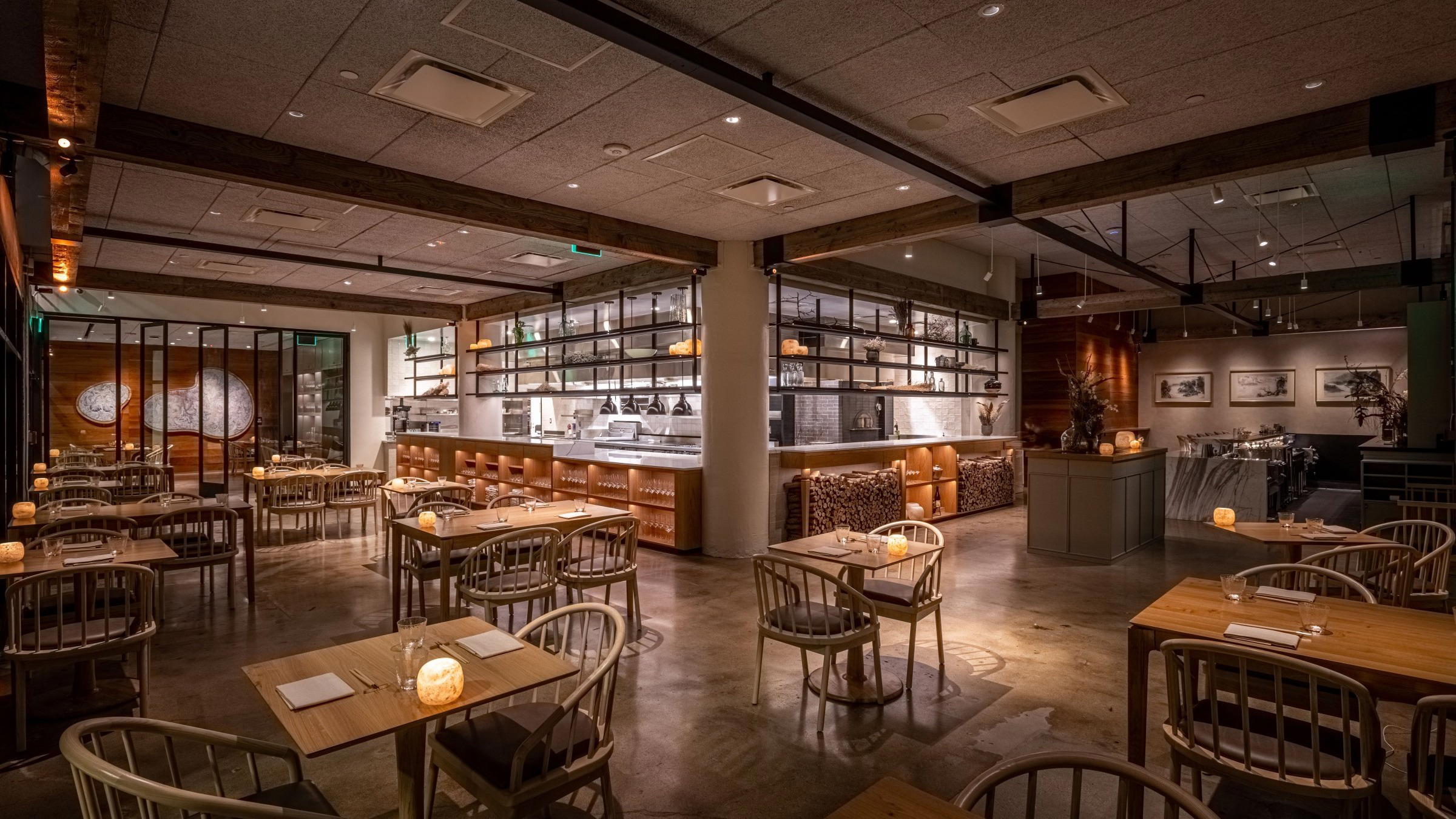
Restaurants in Los Angeles
All restaurants in Los Angeles →
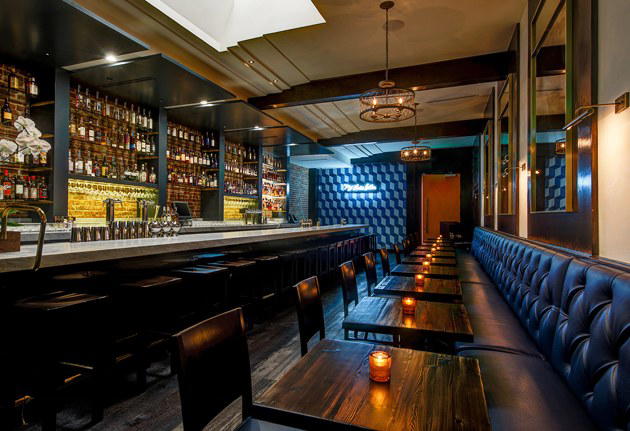
Bars in Los Angeles
All bars in Los Angeles →
Hotels in Los Angeles
All hotels in Los Angeles →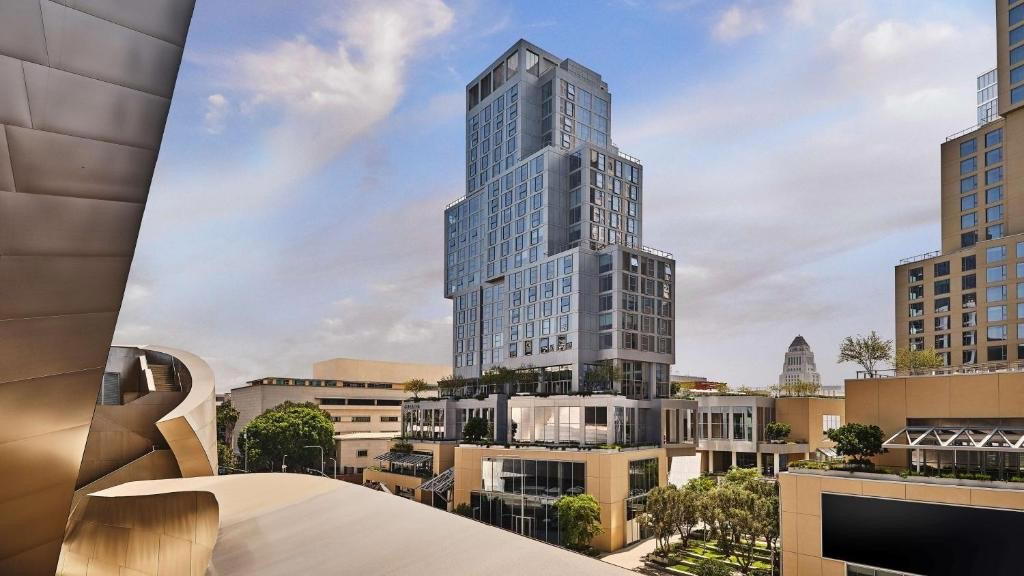
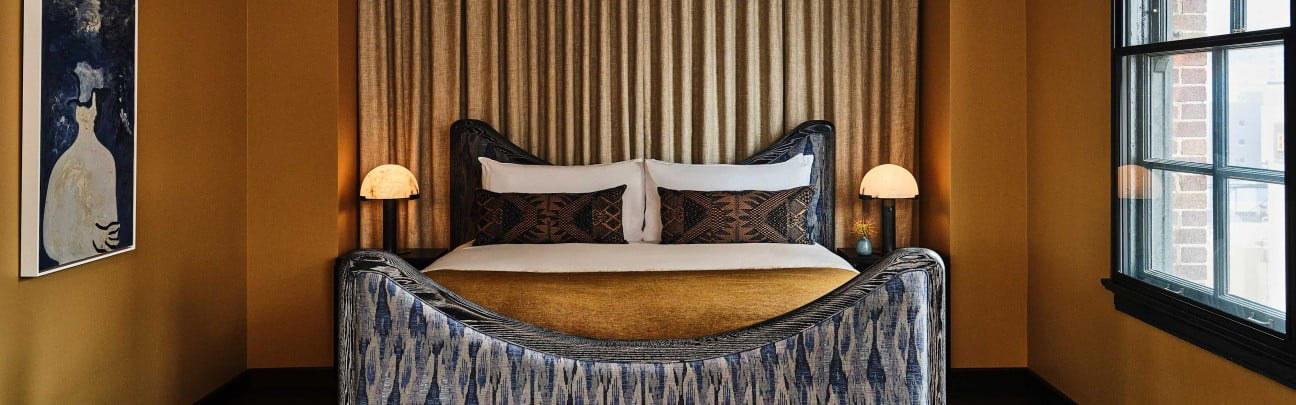
Wineries in Los Angeles
All wineries in Los Angeles →
Details
- Intimate
- Elegant
- Sophisticated
- Date Night
- Special Occasion
- Chefs Counter
- Sake Program
- Omakase
- Counter Dining
- Sake
- Pescatarian Friendly
Current opening hours
- Monday
- Closed
- Tuesday
- 11:30 AM–1:30 PM, 6–8:30 PM
- Wednesday
- 11:30 AM–1:30 PM, 6–8:30 PM
- Thursday
- 11:30 AM–1:30 PM, 6–8:30 PM
- Friday
- 11:30 AM–1:30 PM, 6–8:30 PM
- Saturday
- 11:30 AM–1:30 PM, 6–8:30 PM
- Sunday
- Closed
Hours can change for holidays and private events. Hours as of .
Intimate sushi counter with focused, warm service and a purist atmosphere dedicated to sushi craftsmanship.