Sushi Spot
Sushi Spot occupies a direct address on Ventura Boulevard in Tarzana, positioning itself within the San Fernando Valley's everyday sushi corridor rather than the high-ceremony omakase tier. The restaurant sits on a stretch known for neighborhood dining across a range of cuisines, from Indian to French to Jewish deli. Details on pricing, awards, and booking format are best confirmed directly at 19658 Ventura Blvd.
Pearl is the En Primeur Club membership app — saves, bookings, and concierge access live there. Same editors, same standards.
- Address
- 19658 Ventura Blvd, Tarzana, CA 91356
- Phone
- +18183458651
- Website
- sushispotonventura.com
- Directions
- Get directions
 Saves & bookings on Pearl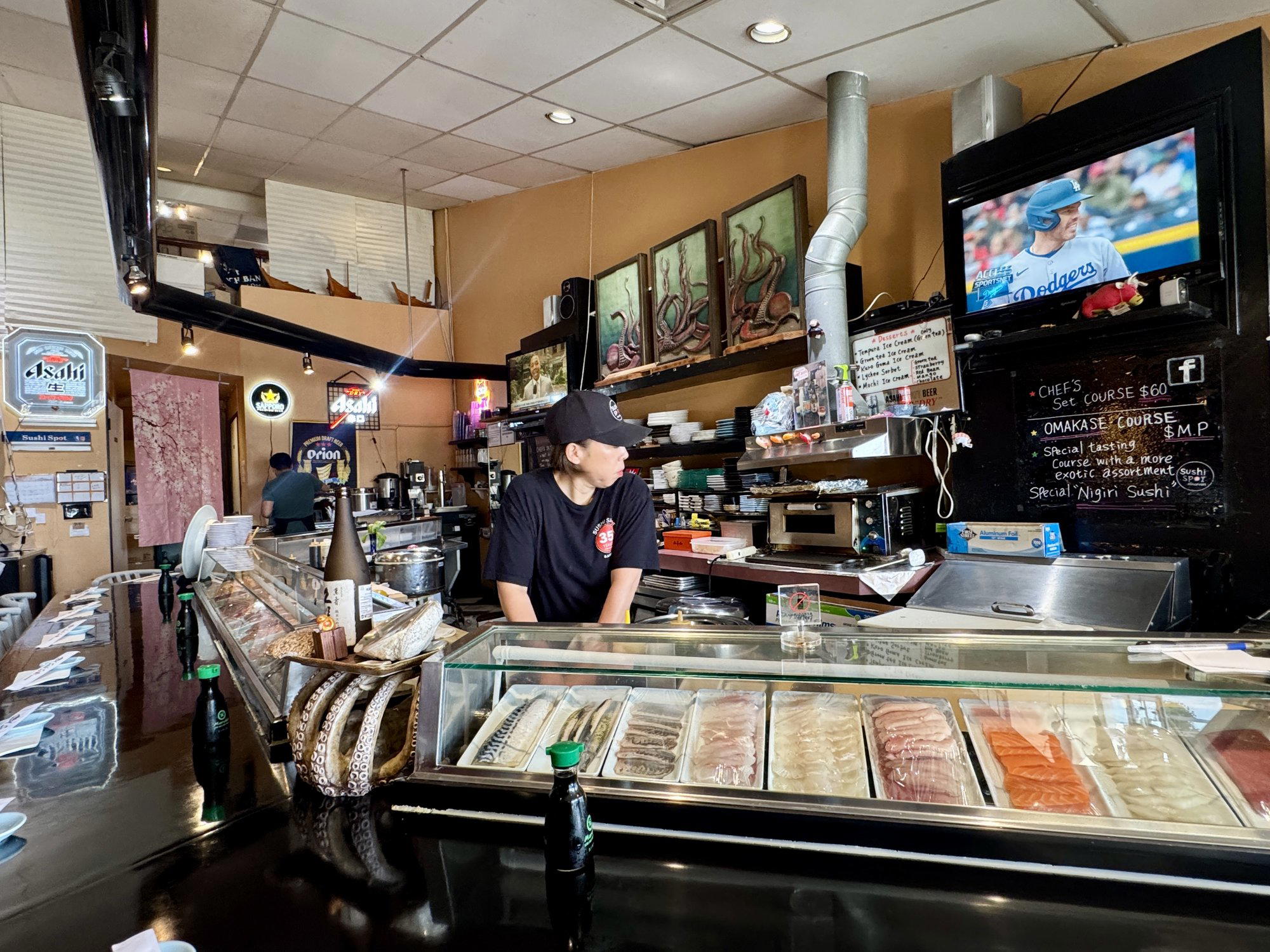
Ventura Boulevard and the Valley's Sushi Habit
The San Fernando Valley has long maintained its own sushi culture, running parallel to but distinct from the higher-profile counters in West Hollywood, Beverly Hills, or Little Tokyo. Along Ventura Boulevard, the commercial spine that threads through Tarzana, Encino, and Sherman Oaks, sushi restaurants occupy a practical, neighborhood-first tier. These are not the reservation-only omakase rooms where a single seat commands three figures; they are the places a local returns to weekly, where the fish rotates with market availability and the room fills with regulars rather than destination diners.
Understanding that context matters when placing Sushi Spot within Tarzana's dining picture. The boulevard's dining options span considerable range: Agra Tandoori represents the area's Indian contingent, Le Sanglier occupies the French bistro niche, Famous Label's Deli handles the Jewish deli tradition, Cici's Cafe covers the cafe end, and TLV Tapas brings a Mediterranean-Israeli approach. Sushi Spot adds Japanese to a corridor that already reads as a condensed survey of everyday global dining. For a broader picture of what the area offers, the full Tarzana restaurants guide maps the neighborhood's dining character in more detail.
The Cultural Weight Behind Neighborhood Sushi
Sushi's journey from Edo-period Tokyo street food to a format served in virtually every American suburb is one of the more consequential migrations in culinary history. What began as narezushi, fermented fish pressed with rice, evolved through centuries into the nigirizushi that most American diners now recognize, and which arrived in Los Angeles in a meaningful way in the 1960s and 1970s. Southern California, and the San Fernando Valley specifically, absorbed that tradition early, partly because of Japanese-American community presence and partly because of the region's Pacific Rim supply chains giving restaurants access to quality fish at working prices.
That history explains why sushi restaurants in the Valley often function differently from those in higher-visibility markets. The competition is not the Michelin-tracked omakase counter, it is the three or four other neighborhood spots within a few miles, each building loyalty through consistency, familiarity, and fair value. The measuring stick is whether the maguro is fresh, whether the rice temperature is right, and whether the staff know the regulars by name. This is sushi in its functional, post-migration suburban form, and it represents the majority of how Americans actually engage with Japanese cuisine day to day.
For comparison, the highest tier of American sushi now plays in the same register as Providence in Los Angeles, or at the level of destination dining represented by Le Bernardin in New York City and Alinea in Chicago. Closer to the San Fernando Valley's culinary register, venues like Addison in San Diego or Single Thread Farm in Healdsburg represent the kind of chef-driven, award-tracked dining that occupies a completely separate category from the neighborhood sushi corridor. Sushi Spot does not compete in that tier, nor is it trying to.
What the Room Signals
Ventura Boulevard addresses tend to communicate their register clearly through their storefronts. In Tarzana's stretch of the boulevard, the signage is direct, the parking is strip-mall adjacent, and the dining room is shaped around turnover and comfort rather than ceremony. This is the physical grammar of neighborhood sushi across Southern California: functional, lit for practicality, and designed to make repeat visits easy rather than to stage a performance. Where the high-end omakase counter in Ginza or West Hollywood uses the room to signal scarcity and ritual, the boulevard the restaurant uses the room to signal availability and ease.
For those arriving from outside the neighborhood, whether from central Los Angeles or from other parts of the Valley, Ventura Boulevard is accessible by car along the 101 corridor, with Tarzana sitting between Woodland Hills to the west and Encino to the east. The practical logistics of a visit are direct: the address is fixed, parking along this stretch of the boulevard is generally available, and the format is walk-in friendly in the way that neighborhood restaurants on this corridor have always been. Specific hours and current booking format should be confirmed directly with the restaurant.
Placing Sushi Spot in the American Sushi Conversation
American sushi culture in 2024 has fractured into at least three distinct tiers. The first is the omakase counter, intimate, expensive, credential-heavy, and often requiring weeks of advance booking. Venues like Atomix in New York City or internationally, 8 1/2 Otto e Mezzo Bombana in Hong Kong, gesture at what the upper tier of Asian fine dining now looks like globally. The second tier is the mid-range sushi restaurant with a full menu, sake list, and kitchen roll output, serving both purists and the California roll contingent. The third is the neighborhood spot, operating on volume, familiarity, and proximity. The restaurant addresses on Ventura Boulevard place it in conversation with that third tier, which is also, by volume of covers, the tier that actually feeds most of the American sushi-eating public.
That is not a diminishment. The farm-to-table ethos championed by restaurants like Blue Hill at Stone Barns in Tarrytown or the tasting-menu discipline of The French Laundry in Napa and Lazy Bear in San Francisco are legitimate and significant, but they are not what most diners are choosing on a Tuesday night. The neighborhood sushi restaurant, at its functional leading, delivers what those destinations cannot: immediacy, habit, and the particular pleasure of a familiar meal prepared well. Emeril's in New Orleans and The Inn at Little Washington built their reputations on making special occasions feel meaningful; neighborhood sushi builds its reputation on making ordinary evenings feel right.
Planning a Visit
The restaurant is located at 19658 Ventura Blvd, Tarzana, CA 91356. Pricing is about $60 per person, hours are Tue-Sat 5:00 PM to 9:30 PM, and reservations are recommended. Calling ahead during busier service windows is advisable.
A Pricing-First Comparison
Comparable venues nearby, for context on price, style, and recognition.
| Venue | Cuisine | Price |
|---|---|---|
| Sushi SpotThis venue — the venue you are viewing | Tarzana, Traditional Japanese Sushi | $$ |
| Cici's Cafe | Tarzana, American Comfort Breakfast Cafe | $$ |
| Famous Label's Deli | Tarzana, Classic Jewish Deli | $$ |
| Agra Tandoori | Tarzana, Authentic Indian Tandoori | $$ |
| TLV Tapas | Tarzana, Mediterranean Tapas | $$$ |
| Le Sanglier | Tarzana, Classic French Bistro | $$$ |
Continue exploring
More in Tarzana
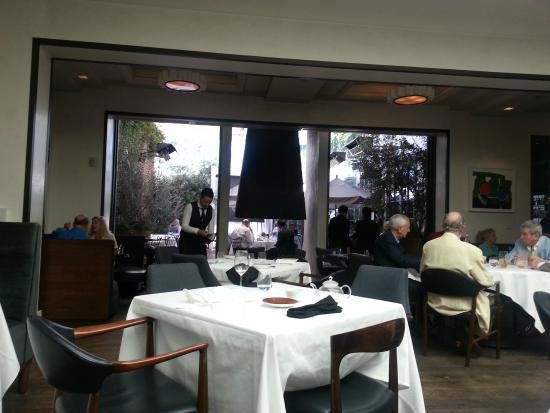
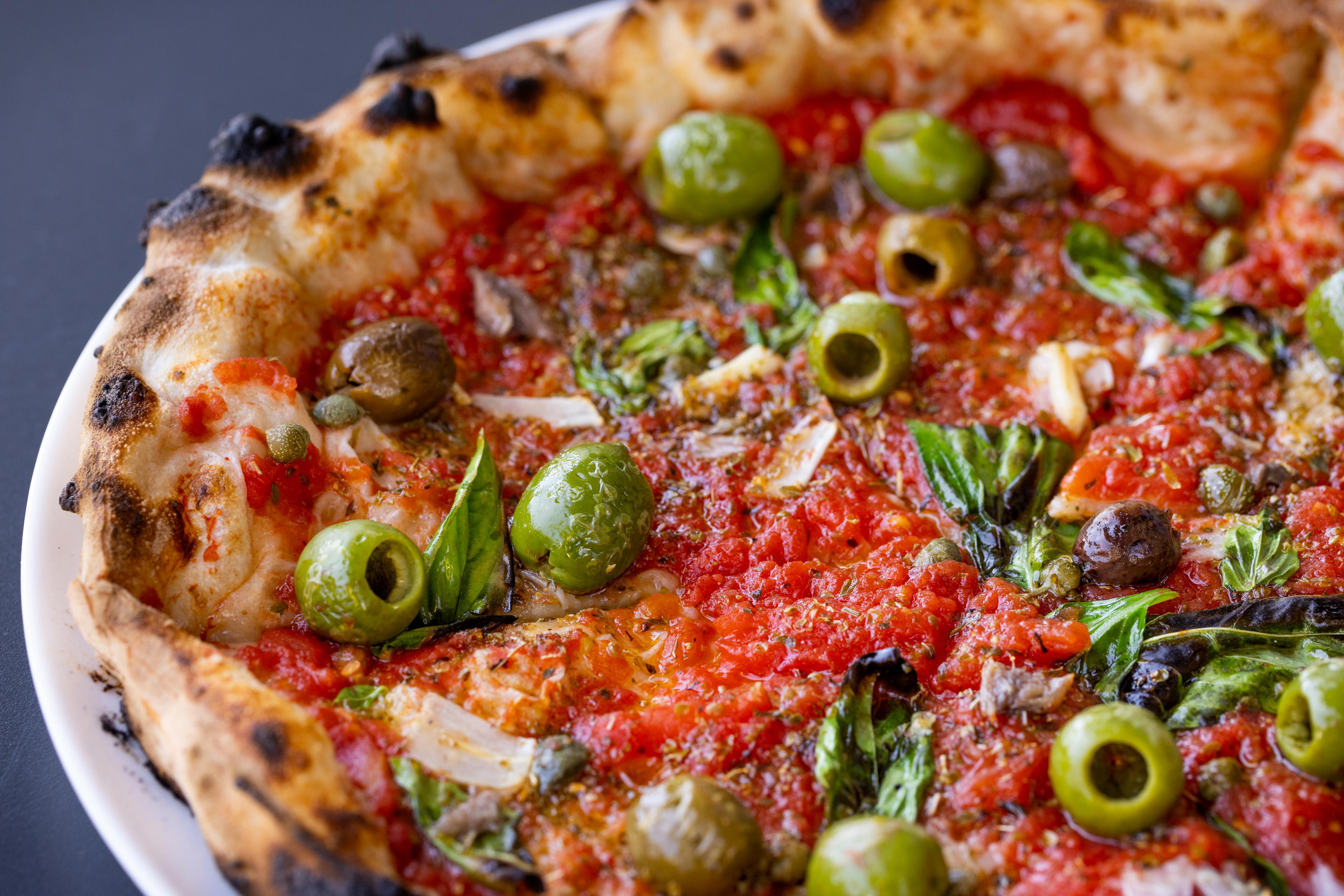
Restaurants in Tarzana
Browse all →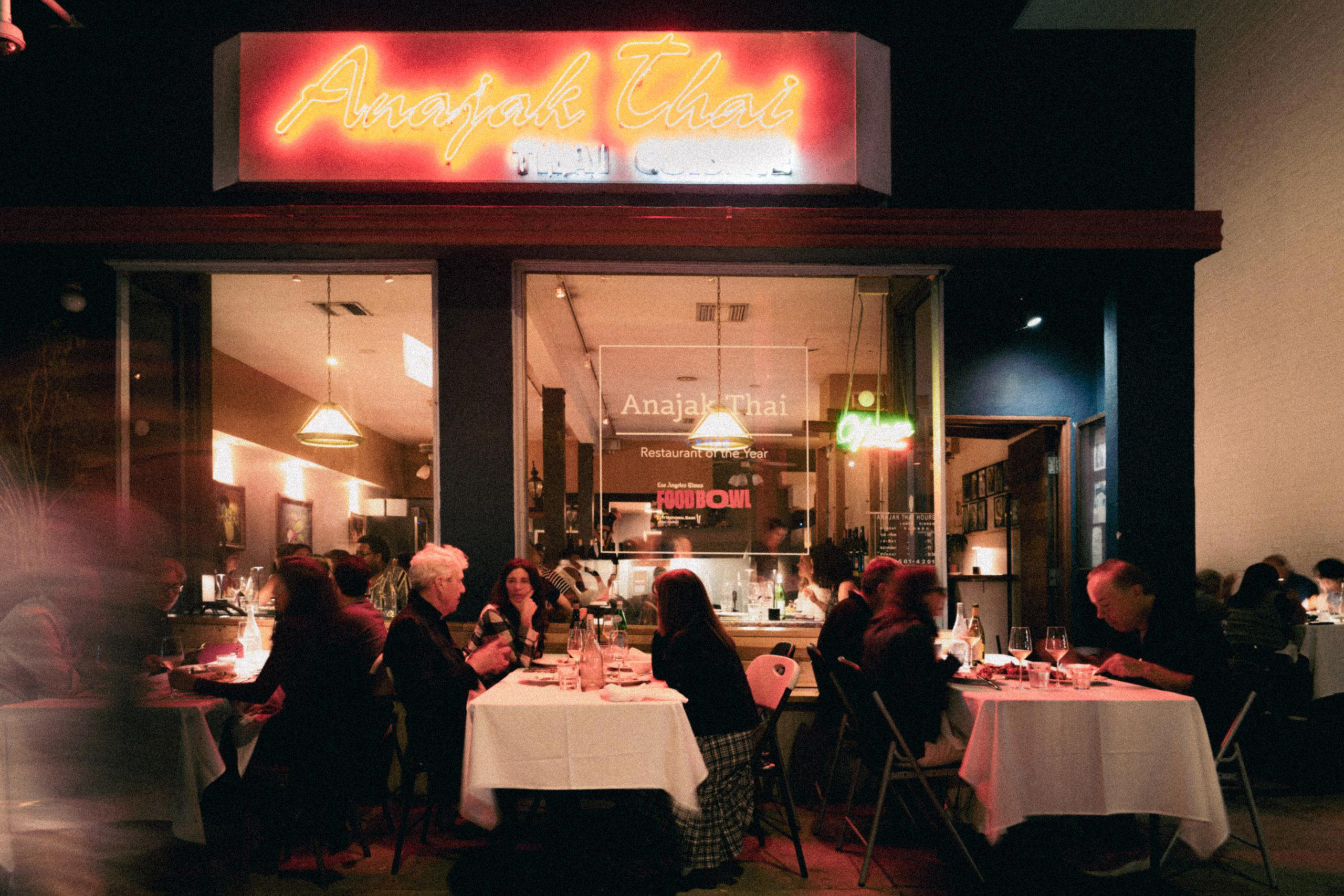
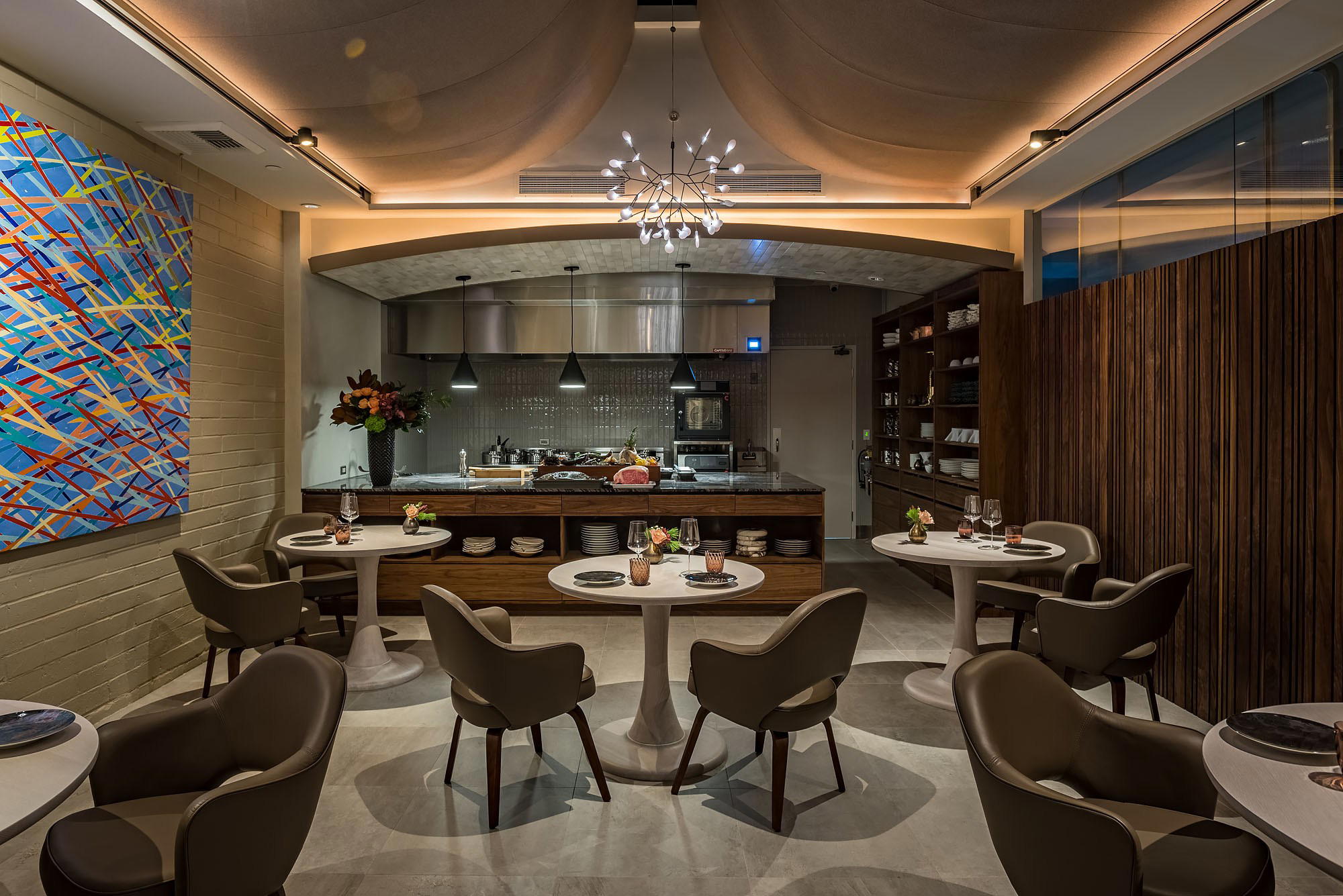
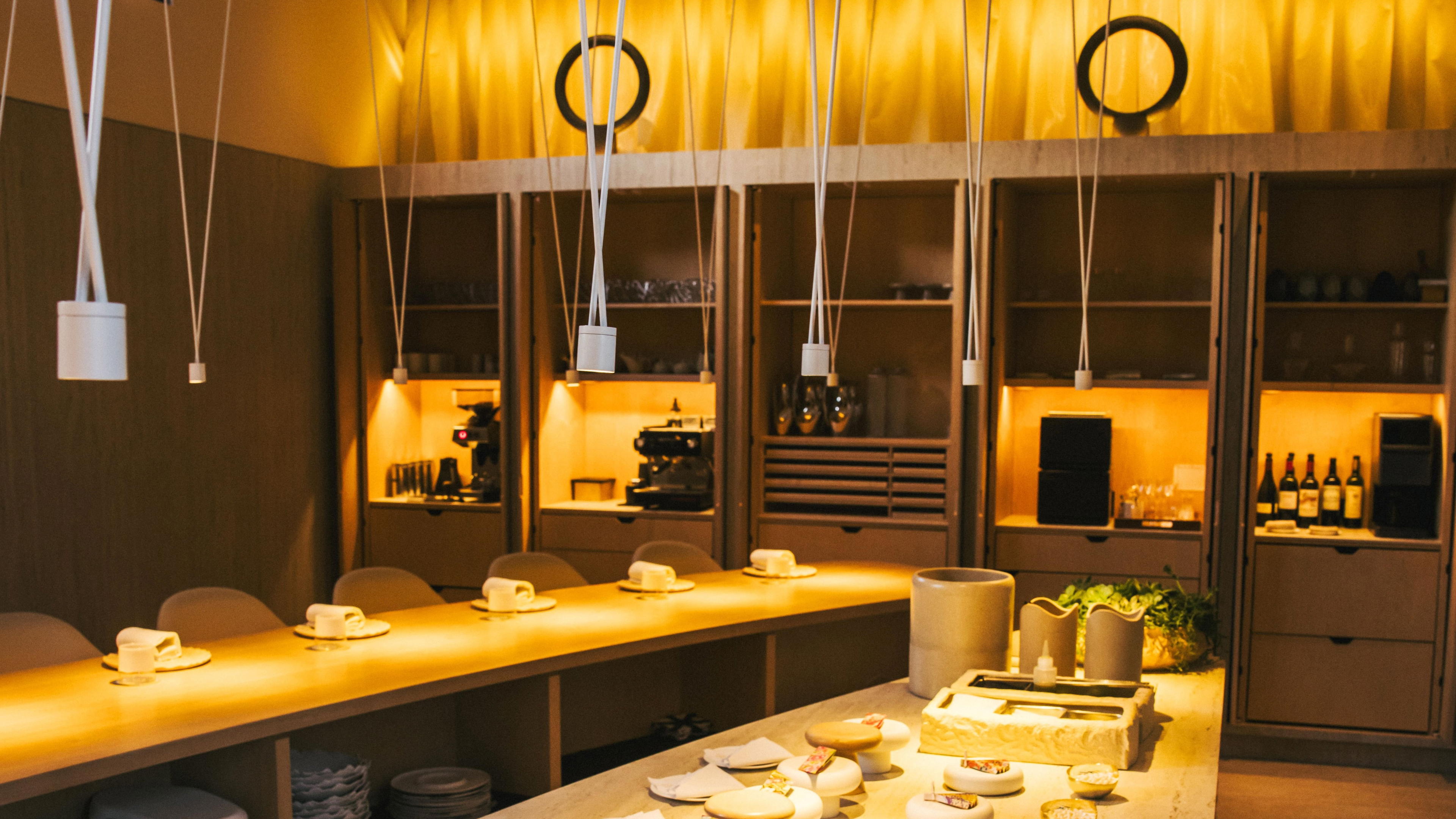
Bars in Tarzana
Browse all →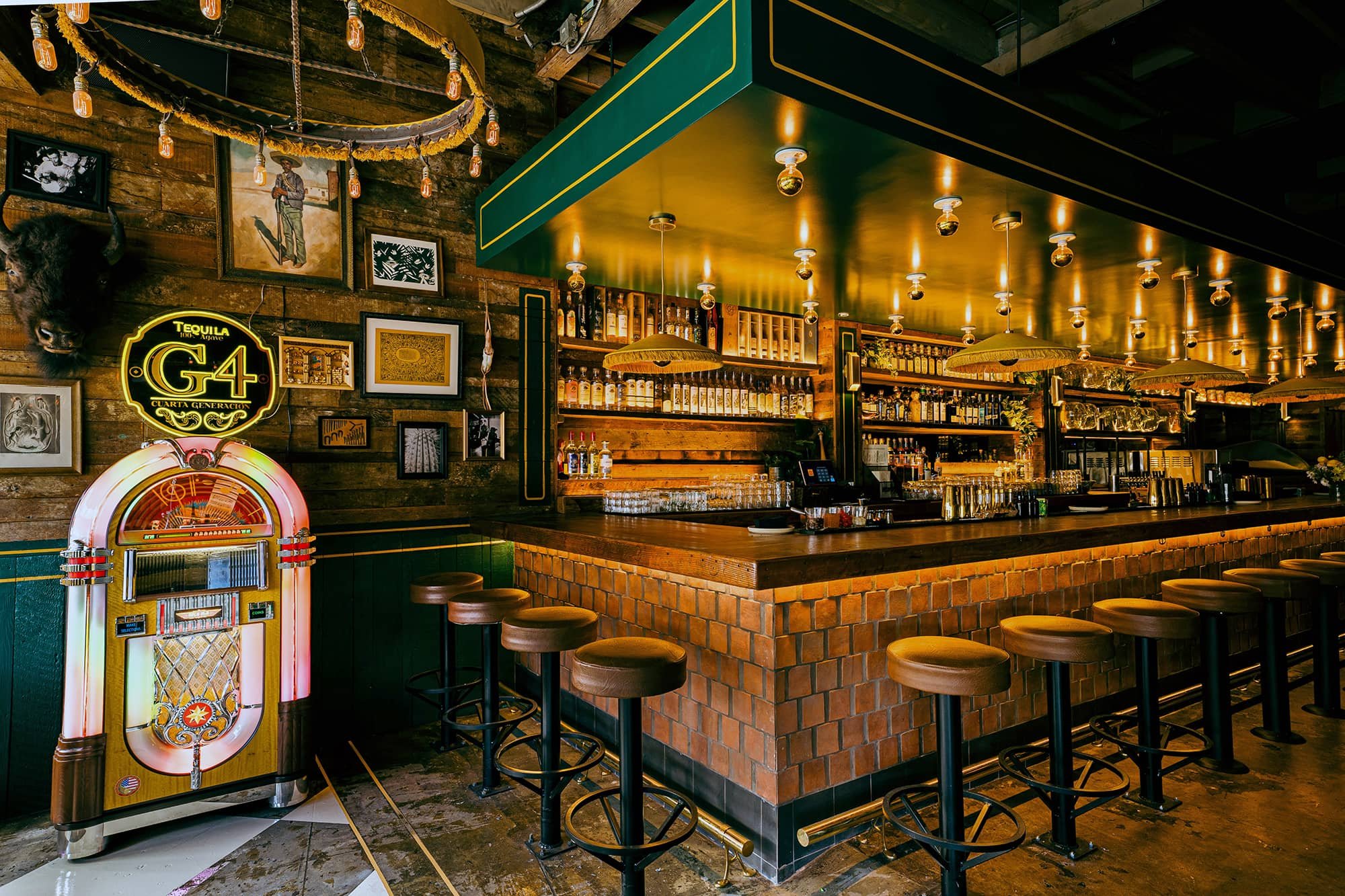
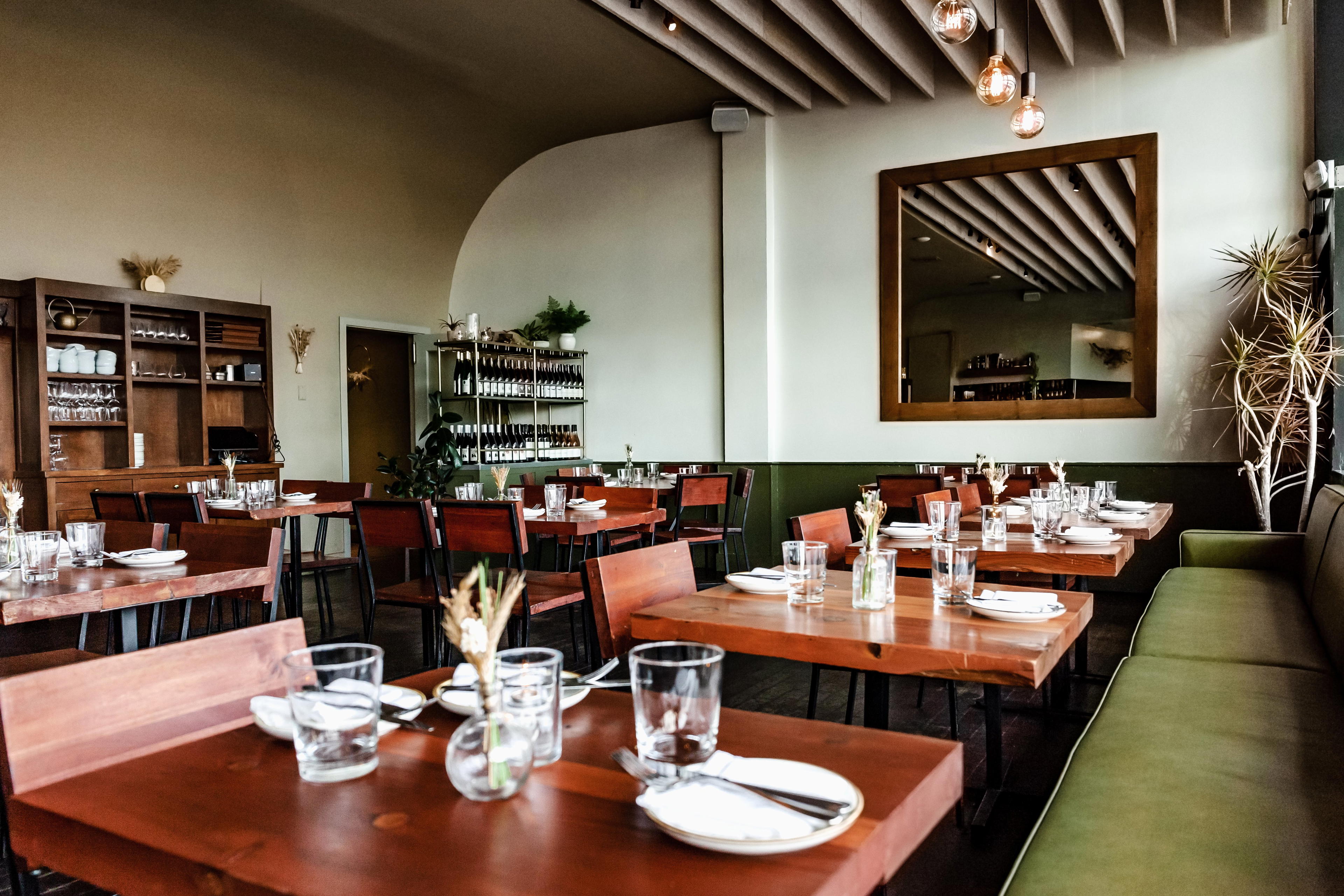
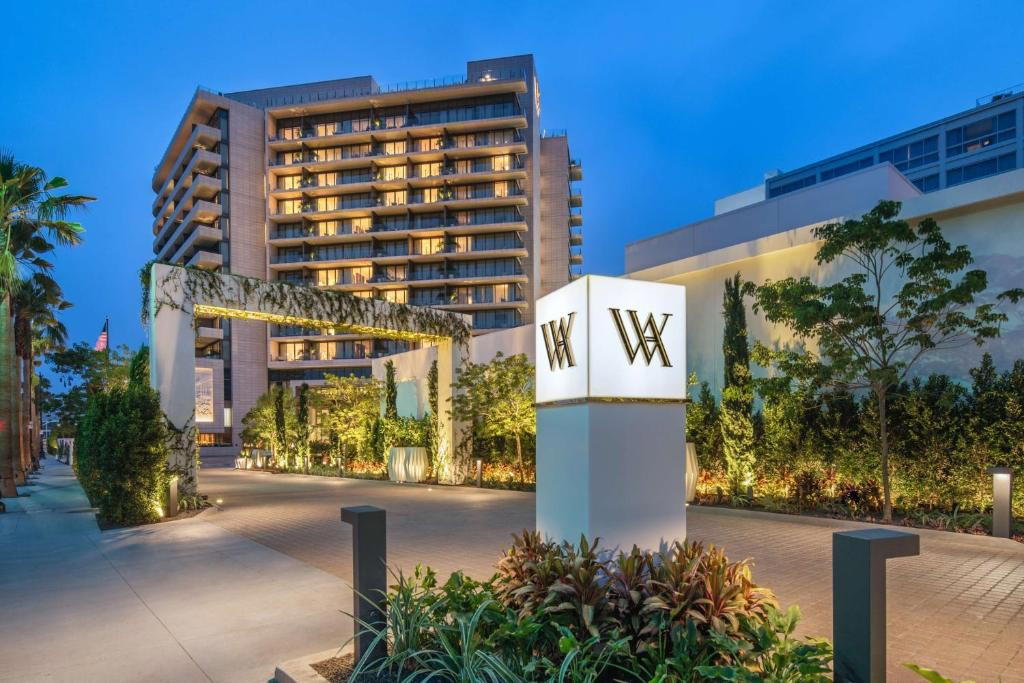
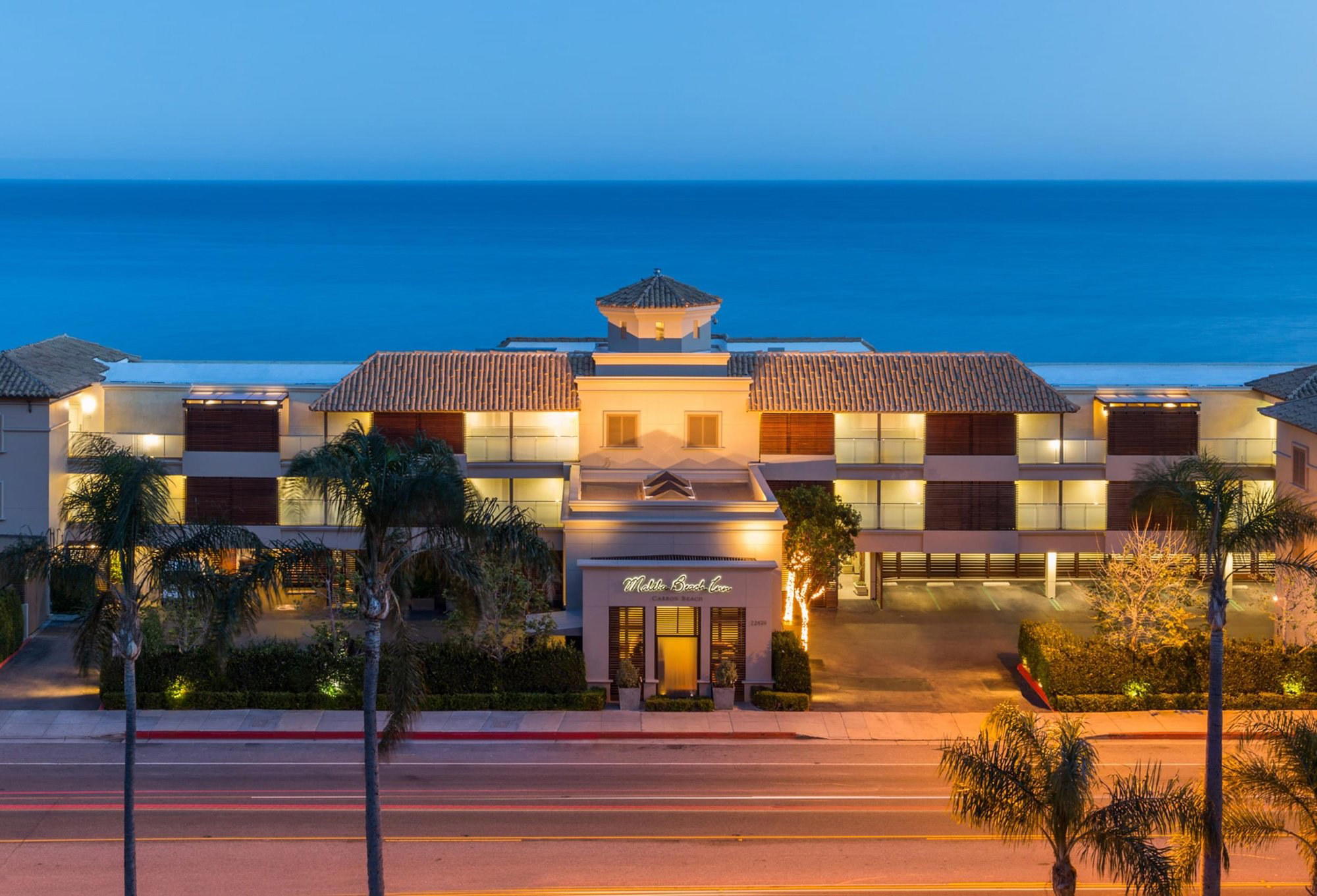
Hotels in Tarzana
Browse all →

Wineries in Tarzana
Browse all →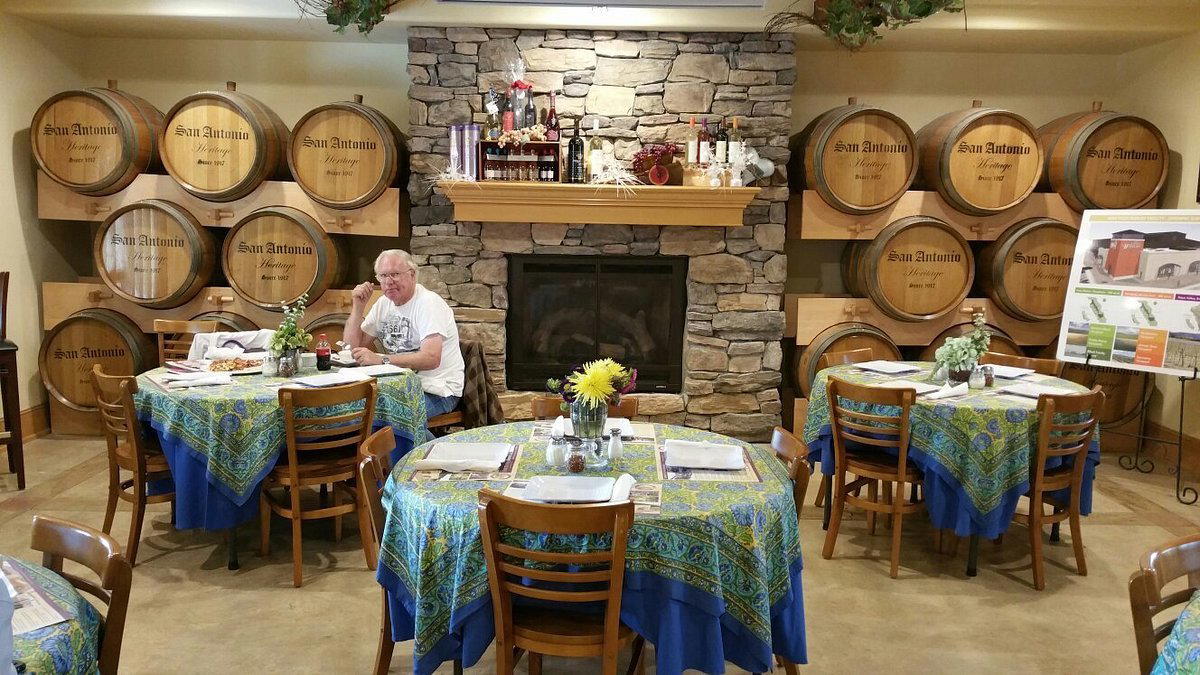
At a Glance
- Classic
- Cozy
- Casual Hangout
- Solo
- Date Night
- Sake Program
- Sustainable Seafood
Current opening hours
- Monday
- Closed
- Tuesday
- 5–9:30 PM
- Wednesday
- 5–9:30 PM
- Thursday
- 5–9:30 PM
- Friday
- 5–9:30 PM
- Saturday
- 5–9:30 PM
- Sunday
- Closed
Hours can change for holidays and private events. Last verified .
Tiny, classic sushi bar with chaotic parking, eclectic playlists like Brazilian disco, and a casual, welcoming atmosphere.