Le Sanglier
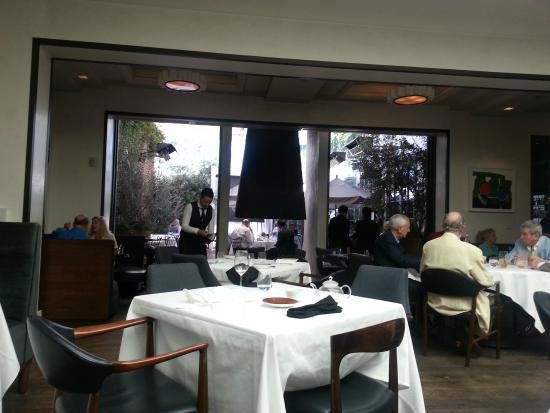
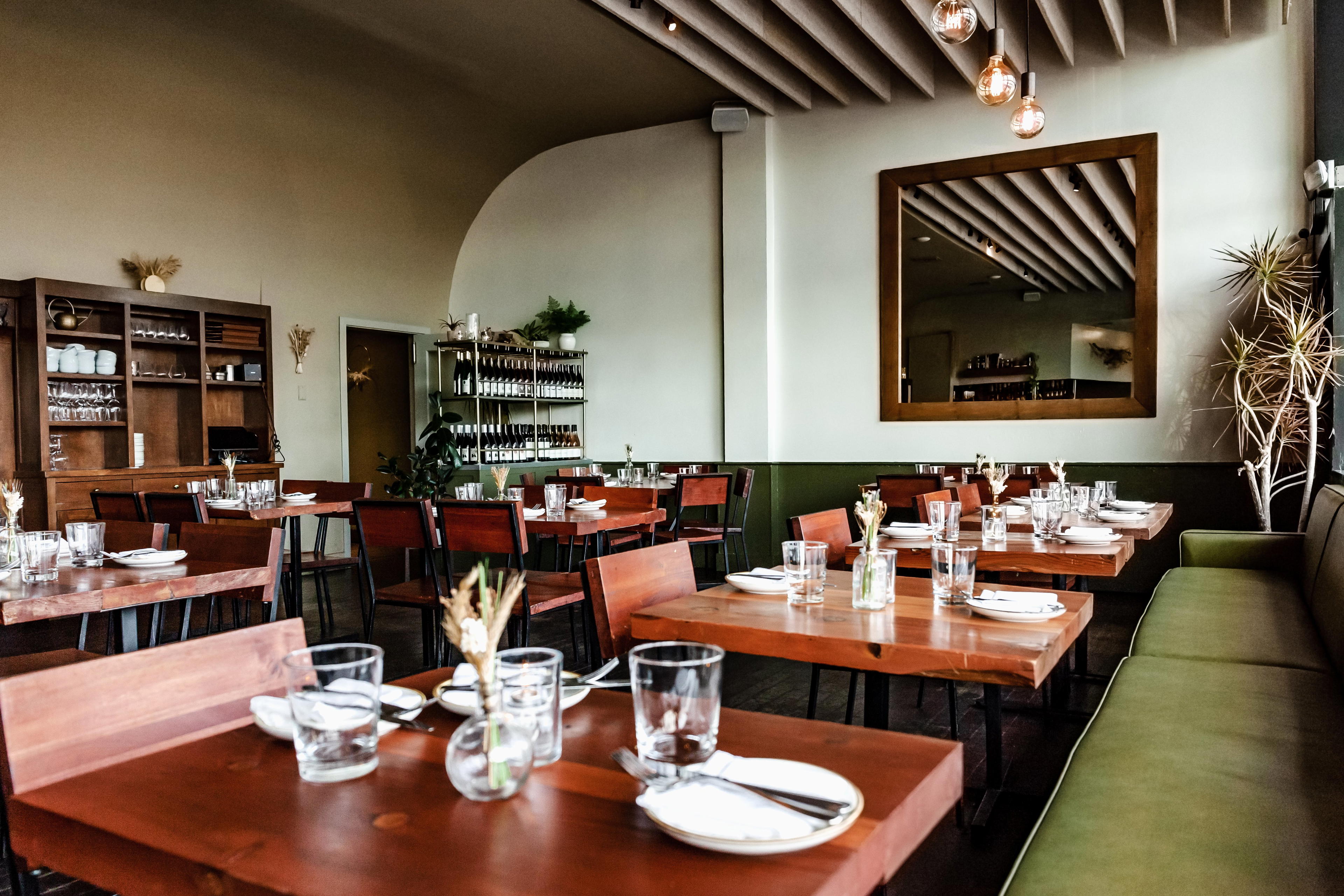
Le Sanglier is a Classic French Bistro in Tarzana for leisurely dinner service, with a formal setting, quiet room, and an extensive wine list.
Pearl is the En Primeur Club membership app — saves, bookings, and concierge access live there. Same editors, same standards.
- Address
- 5522 Crebs Ave, Tarzana, CA 91356
- Phone
- +18183450470
- Website
- lesanglierrestaurant.com
- Directions
- Get directions
 Saves & bookings on Pearl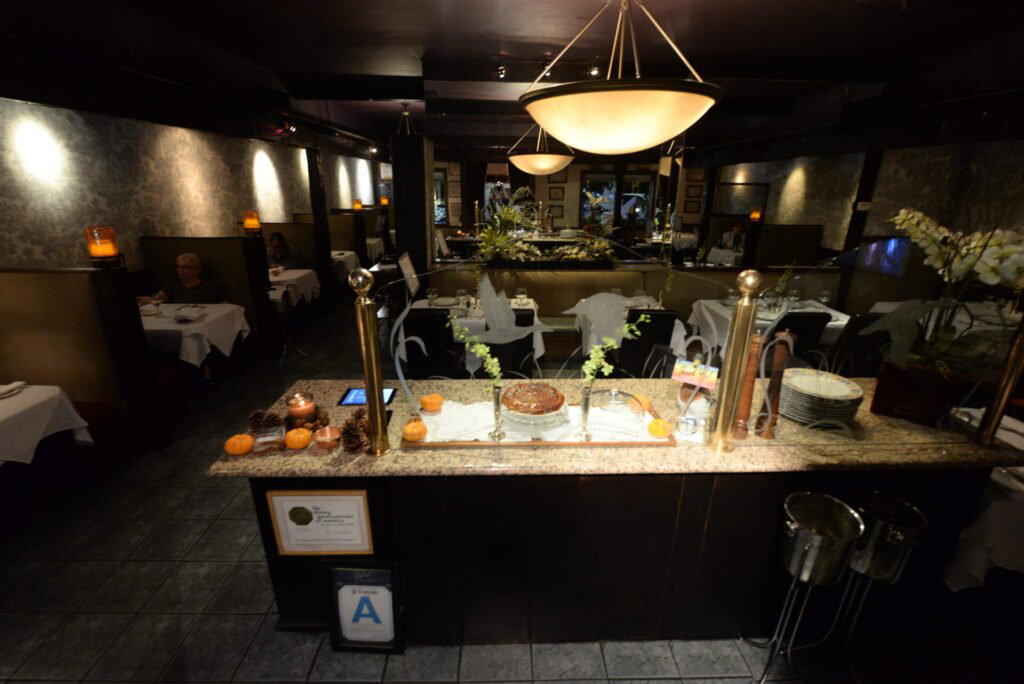
A French Name on a Quiet Tarzana Street
Crebs Avenue is not a street that announces itself. The residential block in Tarzana, tucked into the western San Fernando Valley, carries the quiet domesticity that defines much of the neighborhood: low-slung buildings, mature trees filtering the afternoon light, a pace that feels removed from the churn of Ventura Boulevard a few blocks south. Into this setting, Le Sanglier occupies its address at 5522 Crebs Ave with the kind of understated presence that, in Los Angeles dining, often signals something worth paying attention to. The name itself, French for "the wild boar," gestures toward a culinary tradition in which the land and its animals are the starting point, not the finishing detail.
Ingredient Sourcing as the Central Argument
French provincial cooking, at its most considered, is organized around a single discipline: knowing where your ingredients come from and letting that knowledge shape every decision at the stove. The boar is not incidental to this tradition. Wild game in classical French cuisine represents the apex of ingredient-led thinking, protein that cannot be factory-farmed, that carries the character of its terrain, that demands the cook adapt to the animal rather than the reverse. A restaurant that places the sanglier at the center of its identity is making an argument about sourcing before a single dish is described.
This orientation separates a category of French restaurants from those that simply deploy French technique on commodity ingredients. Across American dining, the venues that have sustained credibility in this lane, from Blue Hill at Stone Barns in Tarrytown to Single Thread Farm in Healdsburg, share a common posture: the sourcing decision comes first, and the menu is built around what that sourcing makes possible. Le Sanglier, in its naming at least, aligns with that posture rather than with the broader category of French bistros that treat provenance as a marketing footnote.
Tarzana's Dining Context
Tarzana's restaurant scene is more varied than its suburban character might suggest. The neighborhood supports a range of cuisines operating in close proximity, from the tandoor-driven cooking at Agra Tandoori to the Mediterranean-influenced small plates at TLV Tapas, from the Japanese counter at Sushi Spot to the deli tradition at Famous Label's Deli, alongside neighborhood staples like Cici's Cafe. French cooking, however, occupies a smaller niche within that mix. The valley's relationship with French cuisine has historically been more casual than in West Hollywood or Beverly Hills, which means a restaurant positioning itself around classical French sourcing traditions is operating in relatively open territory rather than against a dense field of direct competitors.
That positioning matters because Los Angeles, broadly, has developed a sophisticated appetite for ingredient-driven cooking over the past decade. The city's access to notable produce, its proximity to ranches and fishing operations, and its cultural openness to ingredient-led menus have created conditions in which a French kitchen organized around sourcing can find an audience that might not have existed twenty years ago. Restaurants like Providence in Los Angeles have demonstrated that the city will support serious, sourcing-conscious cooking at a high level. Le Sanglier operates on a different scale and in a different part of the city, but the broader appetite is there.
The French Provincial Register
French provincial cooking as a category is often undersold in American dining because it gets conflated either with the formality of haute cuisine or with the casualness of a bistro. The provincial tradition sits between those poles. It is technically serious but not performance-driven. Its reference points are regional, rooted in the specific climates and animals of places like the Ardennes, the Auvergne, or Gascony, each of which has its own relationship to game, to preserved meats, to root vegetables and forest mushrooms. Wild boar, in that tradition, is not an exotic gesture. It is seasonal, practical, and deeply embedded in a cooking culture that has known how to handle it for centuries.
For context on how seriously sourcing-led cooking is taken at the highest American levels, consider the emphasis placed on ingredient provenance at The French Laundry in Napa, or the farm-to-counter discipline at Lazy Bear in San Francisco. At the other end of the format spectrum, Le Bernardin in New York City has built its entire reputation on the integrity of a single sourcing category. These are not directly comparable venues to the restaurant in scale or format, but they represent the same underlying argument: that knowing your ingredient's origin is the first act of cooking, not a secondary concern. See also how tasting-menu formats at Alinea in Chicago, Atomix in New York City, Addison in San Diego, The Inn at Little Washington, Emeril's in New Orleans, and 8 1/2 Otto e Mezzo Bombana in Hong Kong each use sourcing as a central editorial statement.
Planning a Visit
The restaurant is located at 5522 Crebs Ave, Tarzana, CA 91356, within walking distance of local streets and accessible from the 101 Freeway via Reseda Boulevard or Tampa Avenue exits.
- Roasted Rack of Lamb with Rosemary Butter
- Wild Boar Chops
- Venison with Bordelaise Berry Sauce
- Tarte Tatin
- Cherries Jubilee
- Escargot Bourgogne
Fast Comparison
Comparable venues nearby, for context on price, style, and recognition.
| Venue | Cuisine | Price | Notes |
|---|---|---|---|
| Le SanglierThis venue — the venue you are viewing | Classic French Bistro | $$$ | Not listed |
| Agra Tandoori | Authentic Indian Tandoori | $$ | Tarzana |
| Famous Label's Deli | Classic Jewish Deli | $$ | Tarzana |
| Cici's Cafe | American Comfort Breakfast Cafe | $$ | Tarzana |
| TLV Tapas | Mediterranean Tapas | $$$ | Tarzana |
| Sushi Spot | Traditional Japanese Sushi | $$ | Tarzana |
Continue exploring
More in Tarzana
Restaurants in Tarzana
Browse all →
Bars in Tarzana
Browse all →
Hotels in Tarzana
Browse all →
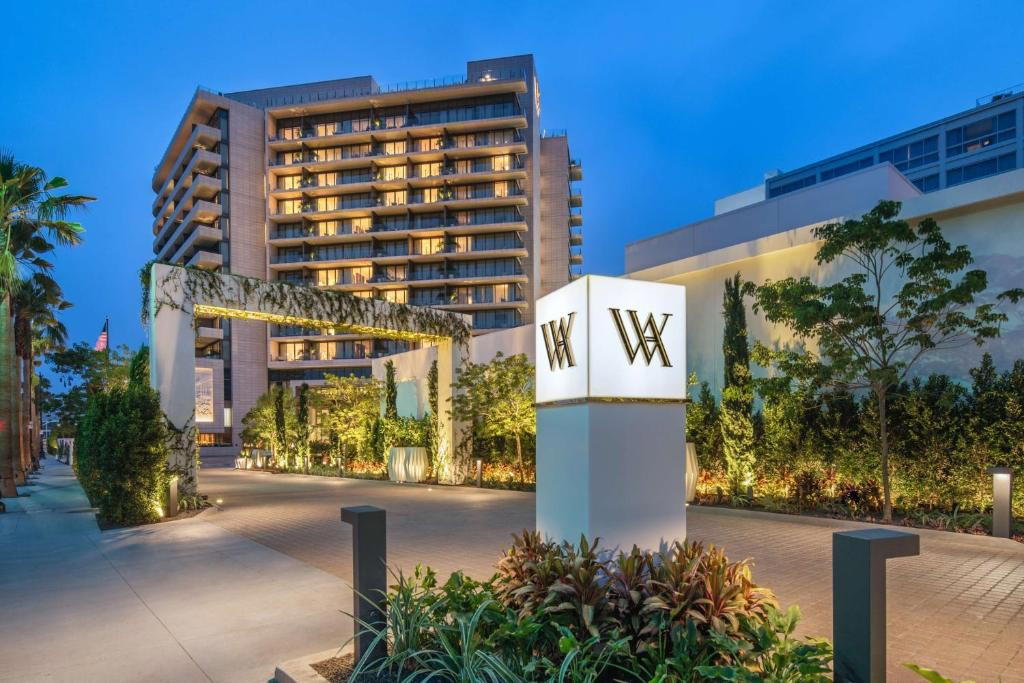
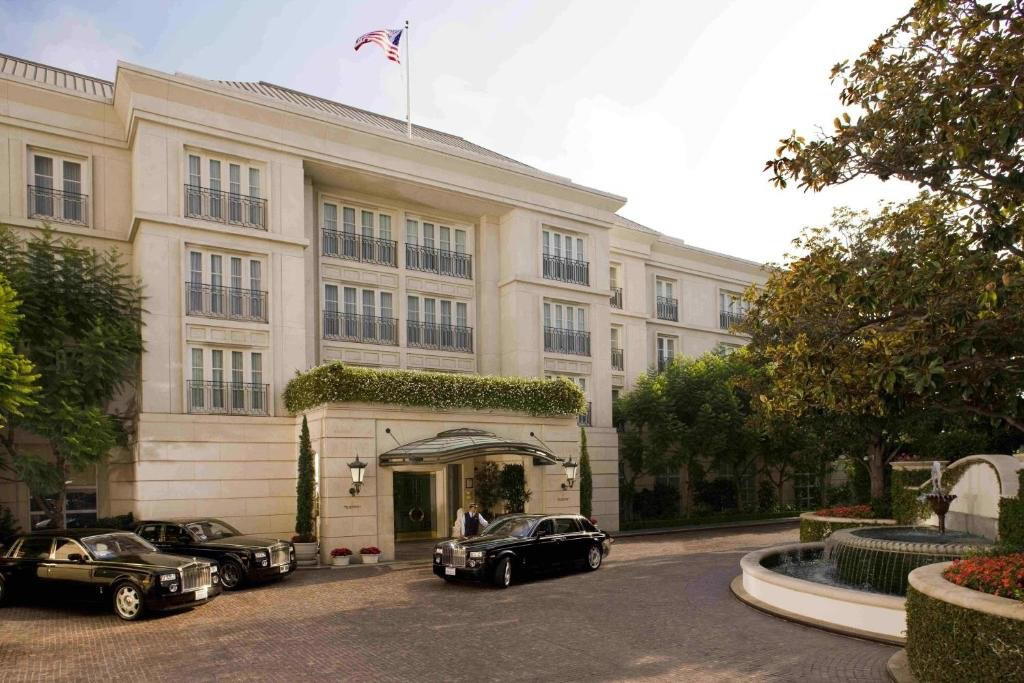
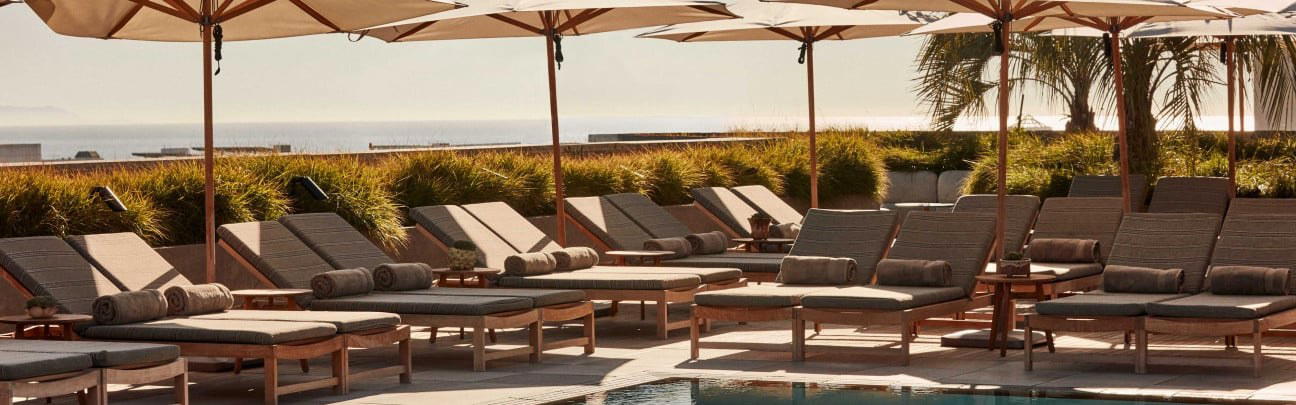
Wineries in Tarzana
Browse all →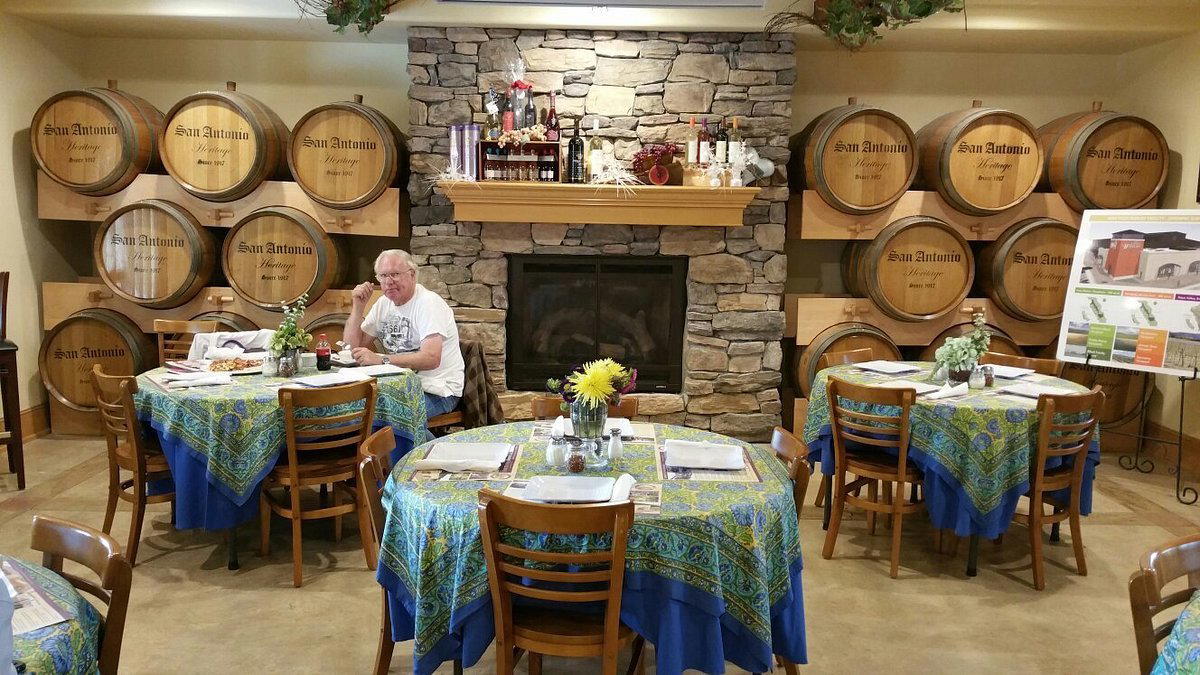
At a Glance
- Romantic
- Classic
- Intimate
- Cozy
- Elegant
- Date Night
- Special Occasion
- Celebration
- Business Dinner
- Private Dining
- Historic Building
- Standalone
- Extensive Wine List
Current opening hours
- Monday
- Closed
- Tuesday
- Closed
- Wednesday
- 5–9 PM
- Thursday
- 5–9 PM
- Friday
- 5–9 PM
- Saturday
- 5–9 PM
- Sunday
- Closed
Hours can change for holidays and private events. Last verified .