Sushi of Shiori
Seven to nine covers, counter seating, and a chef working in plain view: Sushi of Shiori on Drummond Street operated at a scale that made anonymity impossible and execution non-negotiable. The restaurant, run by chef-patron Takashi Takagi and his wife Hitomi, drew consistent attention from London food writers for the precision of its sashimi and the restraint of its presentation, with the Evening Standard among the publications that reviewed it formally. Takagi's background shaped the kitchen's direction from the outset. Trained in Kyoto and previously cooking at Umu, he brought a technique-first sensibility to a room that could seat fewer guests than most London restaurants seat at the bar. The omakase format suited the setting: a canapé-style sequence of sushi and sashimi courses, with the chef calibrating each piece to the pace of the room. Dishes noted across reviews included grilled eel sushi, wagyu nigiri, and chirashi, alongside the house Shiori plate. The Drummond Street address placed the restaurant in a quiet stretch near Euston and Warren Street, a neighbourhood better known for South Asian cooking than Japanese counter dining. That context made the format more deliberate: there was no foot traffic to sustain a room this small, and the kitchen operated on the assumption that diners had sought it out specifically. Set meal options ran from around £23 to £35; omakase pricing reached £40 and above, positioning the restaurant at the higher end of London's Japanese dining at the time. Sushi of Shiori later relocated to Moscow Road near Queensway, where the format shifted toward kaiseki, with lunch and dinner menus ranging from approximately £28.50 to £105. The move expanded the kitchen's ambition without abandoning the intimacy that defined the Drummond Street years. For London diners interested in Japanese counter cooking at this register, the restaurant's trajectory from focused sushi bar to kaiseki dining room reflects a progression that relatively few kitchens in the city have attempted at comparable scale.
- Address
- 144 Drummond Street, London, England, NW1 2PA, United Kingdom
- Phone
- 02073889962
- Website
- sushiofshiori.co.uk
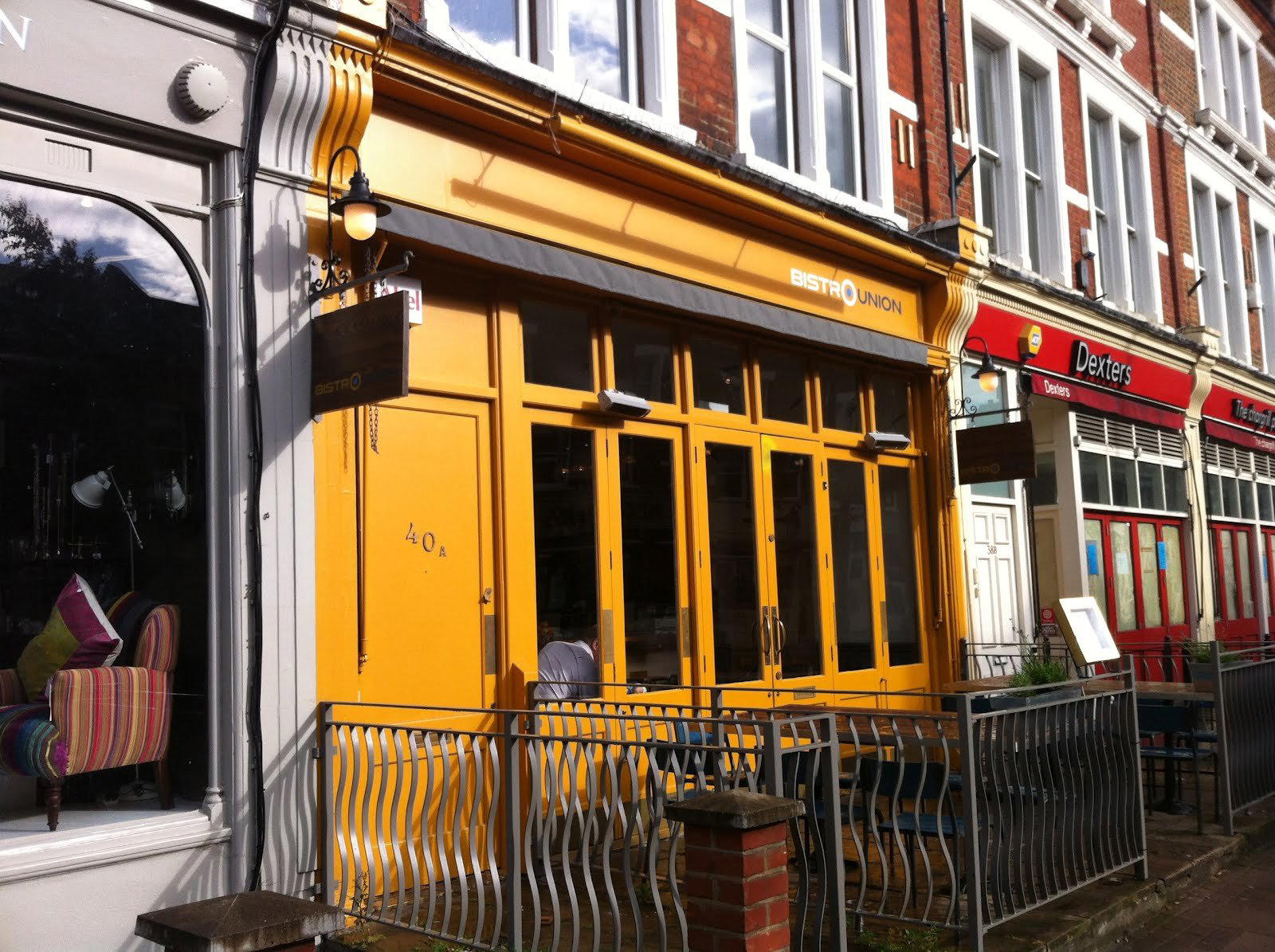
Seven to nine covers, counter seating, and a chef working in plain view: Sushi of Shiori on Drummond Street operated at a scale that made anonymity impossible and execution non-negotiable. The restaurant, run by chef-patron Takashi Takagi and his wife Hitomi, drew consistent attention from London food writers for the precision of its sashimi and the restraint of its presentation, with the Evening Standard among the publications that reviewed it formally.
Takagi's background shaped the kitchen's direction from the outset. Trained in Kyoto and previously cooking at Umu, he brought a technique-first sensibility to a room that could seat fewer guests than most London restaurants seat at the bar. The omakase format suited the setting: a canapé-style sequence of sushi and sashimi courses, with the chef calibrating each piece to the pace of the room. Dishes noted across reviews included grilled eel sushi, wagyu nigiri, and chirashi, alongside the house Shiori plate.
The Drummond Street address placed the restaurant in a quiet stretch near Euston and Warren Street, a neighbourhood better known for South Asian cooking than Japanese counter dining. That context made the format more deliberate: there was no foot traffic to sustain a room this small, and the kitchen operated on the assumption that diners had sought it out specifically. Set meal options ran from around £23 to £35; omakase pricing reached £40 and above, positioning the restaurant at the higher end of London's Japanese dining at the time.
Sushi of Shiori later relocated to Moscow Road near Queensway, where the format shifted toward kaiseki, with lunch and dinner menus ranging from approximately £28.50 to £105. The move expanded the kitchen's ambition without abandoning the intimacy that defined the Drummond Street years. For London diners interested in Japanese counter cooking at this register, the restaurant's trajectory from focused sushi bar to kaiseki dining room reflects a progression that relatively few kitchens in the city have attempted at comparable scale.
How It Compares
Comparable venues nearby, for context on price, style, and recognition.
| Venue | Cuisine | Notes |
|---|---|---|
| Sushi of ShioriThis venue — the venue you are viewing | Dining | Not listed |
| Ruben's Bakehouse | Dining | London |
| Lal Qila | Dining | London |
| La Buvette | Dining | London |
| The Blue Elephant | Dining | London |
| Fish and Chip Shop | Dining | London |
Continue exploring
More in London
Restaurants in London
Browse all →
Bars in London
Browse all →
Hotels in London
Browse all →


At a Glance
Current opening hours
- Monday
- 11 AM–4:30 PM
- Tuesday
- 11 AM–4:30 PM
- Wednesday
- 11 AM–4:30 PM
- Thursday
- 11 AM–4:30 PM
- Friday
- 11 AM–4:30 PM
- Saturday
- Closed
- Sunday
- Closed
Hours can change for holidays and private events.