Sushi Masa Lakeland
Sushi Masa Lakeland brings a focused Japanese counter format to South Lakeland, operating at 5700 Florida Ave S in a local dining scene that otherwise skews toward casual American and Italian. The menu architecture follows the logic of traditional omakase and à la carte sushi formats, placing it in a distinct niche among Lakeland's restaurant options. For sushi in central Florida outside of Tampa or Orlando, this address is worth tracking.
Pearl is the En Primeur Club membership app — saves, bookings, and concierge access live there. Same editors, same standards.
- Address
- 5700 Florida Ave S, Lakeland, FL 33813
- Phone
- +18634504456
- Website
- sushimasaus.com
- Directions
- Get directions
 Saves & bookings on Pearl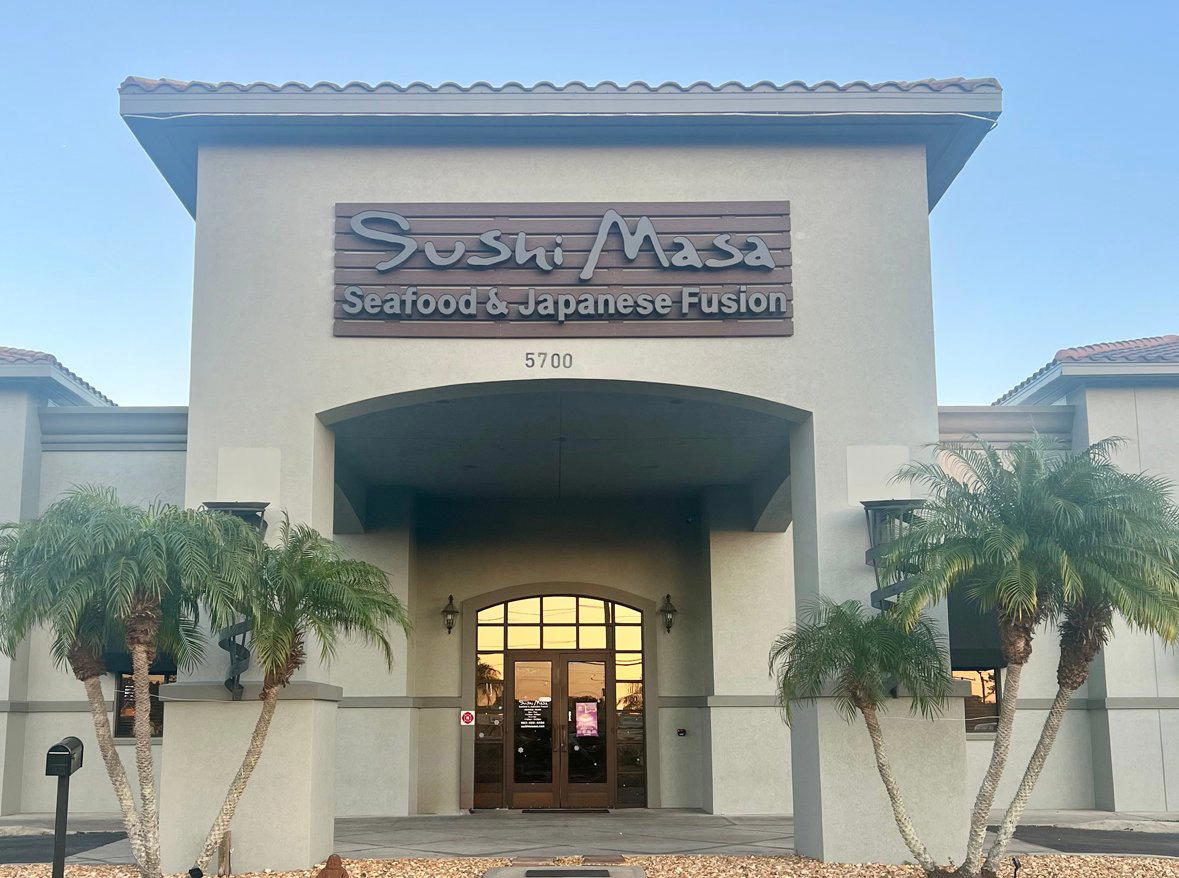
A Sushi Counter in Central Florida's Interior
Most of Florida's serious sushi addresses cluster along the coasts or inside the Tampa and Orlando metro areas. The interior of the state, anchored by cities like Lakeland, has historically leaned toward casual American formats, Italian-American standards, and chain dining that follows interstate traffic patterns. Against that backdrop, a dedicated sushi operation at 5700 Florida Ave S occupies a specific and underserved position. Lakeland's dining identity has been broadening in recent years, with operators like Nineteen61 and Scarpa's Italian Restaurant demonstrating that the city's appetite extends well beyond chains and diners. Sushi Masa fits into that broader shift, offering a format that still requires a guest to seek it out rather than stumble upon it.
What the Menu Format Signals
In American sushi dining, menu architecture is one of the clearest signals of a kitchen's ambitions. At one end of the spectrum sit the large-format Japanese-fusion menus common to suburban strip-mall operations: dozens of specialty rolls, teriyaki proteins, and a hibachi option. At the other end sit stripped-down omakase counters where the chef dictates everything and the guest concedes almost all control. Most credible mid-market sushi houses operate in the space between, offering à la carte nigiri and sashimi alongside constructed rolls, with the quality of the former indicating how seriously the kitchen treats the craft.
The way a menu is organized tells you something about intended pacing. A menu that leads with nigiri and sashimi before arriving at rolls signals that the kitchen wants guests to engage with the fish first, unadorned. A menu that buries nigiri at the bottom and promotes specialty rolls on a separate laminated insert is optimizing for comfort and familiarity. For sushi operations in secondary American markets like Lakeland, the dominant pull is toward the latter, because it aligns with the broadest local demand. What distinguishes a serious house in that environment is the willingness to maintain a tight, quality-led nigiri program even when it might not be the most commercially direct path.
This is the frame through which Sushi Masa is most usefully assessed. In a city where KPOT Korean BBQ and Hot Pot draws guests with an interactive, social dining format, and where Chef T's Garden Grill anchors a different kind of local loyalty, a sushi-specific address is making a structural choice to specialize.
Where Lakeland Sits in the Regional Sushi Conversation
Central Florida's sushi scene is not homogeneous. Tampa has developed a cluster of Japanese counter restaurants that compete meaningfully with larger markets, and Orlando's tourist economy has attracted enough volume to support high-throughput Japanese dining at multiple price points. Lakeland, positioned roughly midway on the I-4 corridor, draws from both cities' commuter populations without fully replicating their dining density.
That positioning creates a practical opportunity. Guests who want serious Japanese food but prefer not to make a 45-minute drive to Tampa or Orlando have historically had limited options within Lakeland proper. A sushi-forward operator at South Lakeland's Florida Avenue addresses that gap directly. The question the menu always has to answer in this context is whether the kitchen is calibrated to serve a guest who has made a choice to stay local, or whether it is genuinely competing for the visit of someone who might otherwise drive to Tampa. The former is a viable neighborhood restaurant strategy; the latter requires a higher standard of fish sourcing, knife work, and rice preparation.
For reference on what that higher standard looks like in American dining, operations like Le Bernardin in New York City and Providence in Los Angeles have long demonstrated that serious seafood-focused kitchens earn their position through consistency and sourcing rigor rather than spectacle. Closer to the Japanese counter format, Atomix in New York City illustrates how Korean-inflected fine dining can refine a secondary cuisine category in an American city through format discipline. These are not peer comparisons for Sushi Masa in terms of scale or price, but they are useful reference points for understanding what serious intent looks like across different market sizes.
Lakeland's Dining Scene and Where Sushi Fits
Lakeland's restaurant identity has been shaped more by its residential character than by tourism. The city lacks a centralized dining district of the kind found in Tampa's Seminole Heights or Orlando's Mills Avenue corridor. Instead, restaurants spread across commercial corridors, and discovery tends to happen through local word of mouth and repeat neighborhood patronage. Keke's Breakfast Cafe exemplifies the kind of format that succeeds here: accessible, consistent, and built for return visits rather than destination traffic.
Sushi, as a category, travels differently in this environment. It depends on a guest who has already decided on Japanese food and is willing to calibrate expectations toward what a mid-size Florida city can credibly produce. The South Lakeland address on Florida Ave places the restaurant in an accessible commercial area rather than a pedestrian dining district, which means it functions primarily as a destination visit rather than a casual walk-in. That has implications for how the menu should be structured: guests who have made a deliberate trip are typically more engaged with the food and more likely to order across multiple categories. For the broader picture of what Lakeland's dining scene offers across formats and price points, our full Lakeland restaurants guide provides a useful framework.
Planning a Visit
Sushi Masa is located at 5700 Florida Ave S in Lakeland's south side. The address sits along a major commercial corridor, making it accessible by car from most parts of the city and from the surrounding Polk County area. Specific hours, booking procedures, and pricing were not available at time of writing, so contacting the restaurant directly before a visit is the practical first step. For guests weighing a sushi dinner against other Lakeland options on a given evening, the most relevant question is whether the kitchen's current program matches the level of intentionality the format promises. That assessment is leading made with current local intelligence rather than assumptions based on category alone.
Guests with a broader appetite for reference points across American fine dining may find it useful to consider how different markets handle specialized cuisines at varying price tiers. Operations like The French Laundry in Napa, Alinea in Chicago, Lazy Bear in San Francisco, Single Thread Farm in Healdsburg, Blue Hill at Stone Barns in Tarrytown, Addison in San Diego, The Inn at Little Washington, Emeril's in New Orleans, and 8½ Otto e Mezzo Bombana in Hong Kong each demonstrate that format discipline and sourcing rigor are the variables that determine whether a specialized restaurant earns lasting standing in its market, regardless of city size.
At a Glance
- Cozy
- Modern
- Group Dining
- Casual Hangout
- Family
- Sake Program
Current opening hours
- Monday
- 11 AM–9:30 PM
- Tuesday
- 11 AM–9:30 PM
- Wednesday
- 11 AM–9:30 PM
- Thursday
- 11 AM–9:30 PM
- Friday
- 11 AM–10:30 PM
- Saturday
- 11 AM–10:30 PM
- Sunday
- 11 AM–9:30 PM
Hours can change for holidays and private events. Last verified .
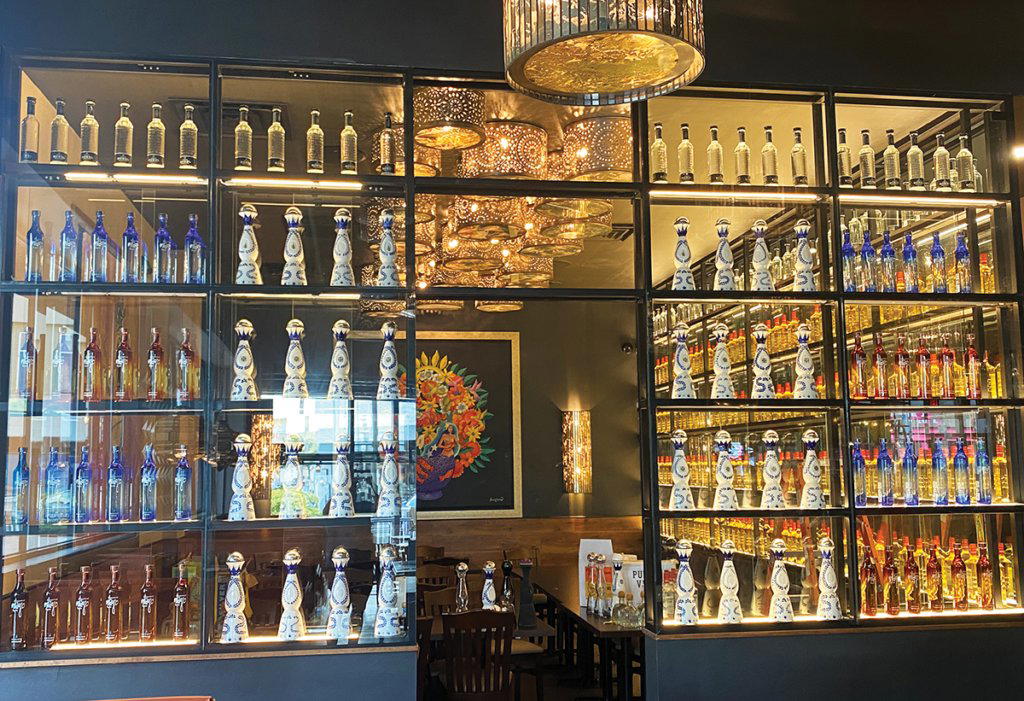
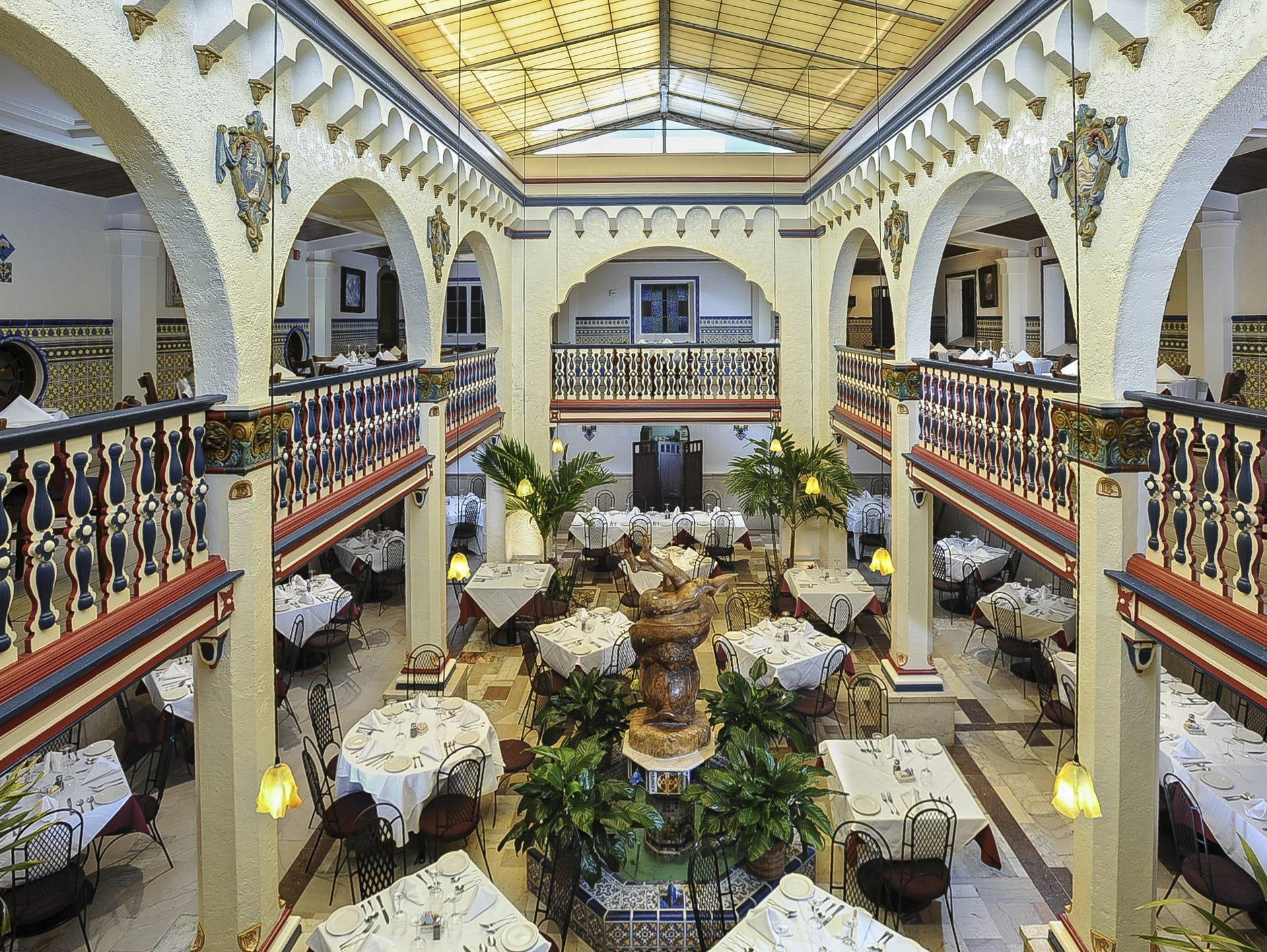
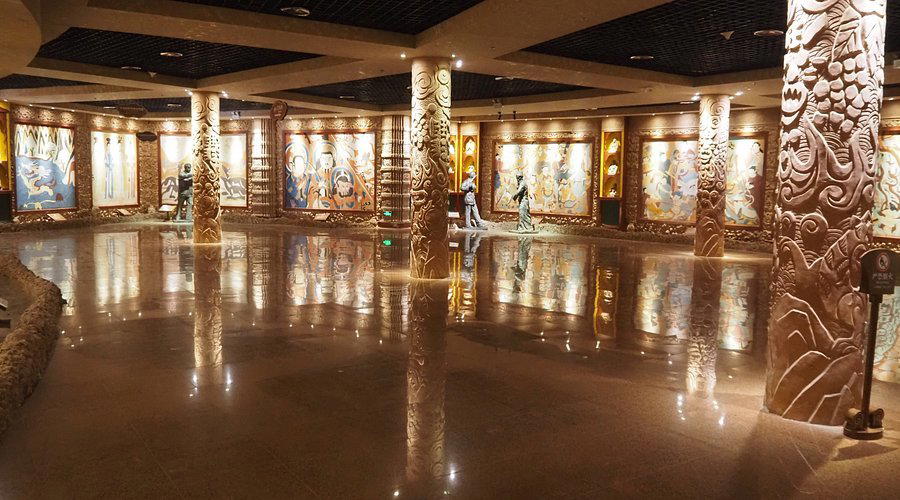
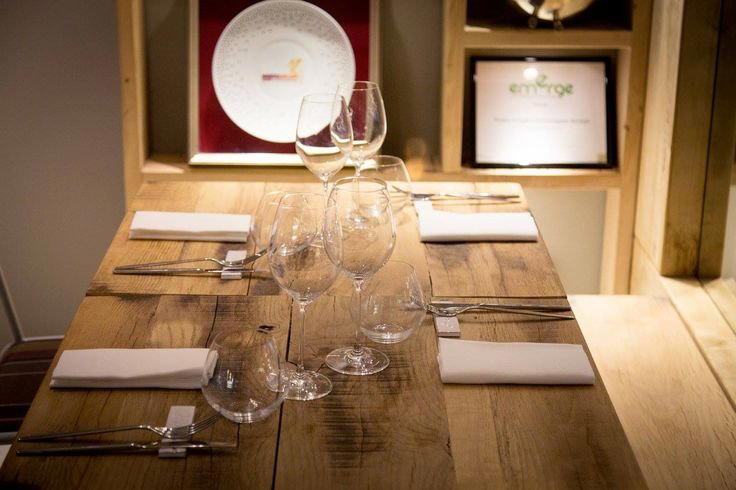
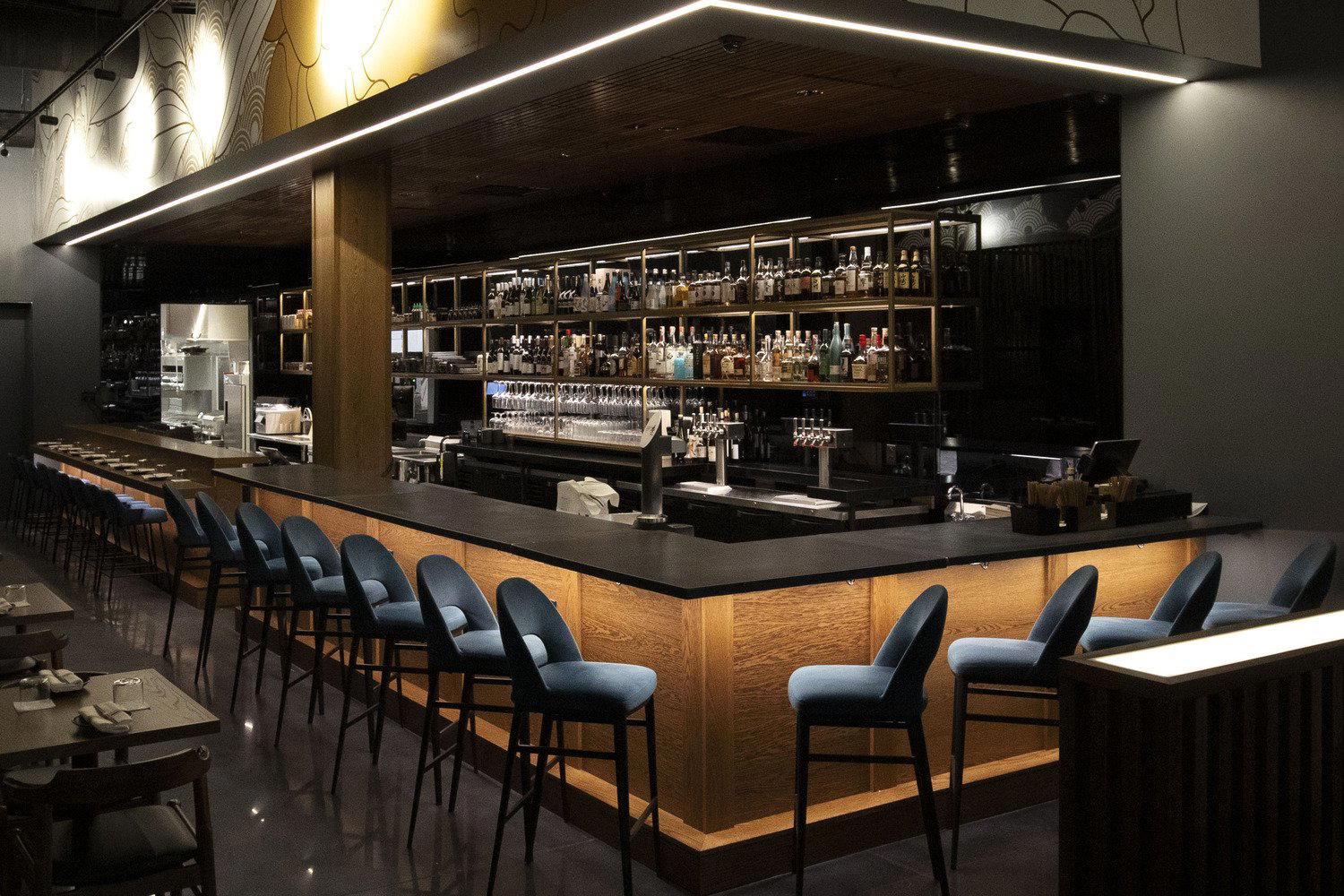
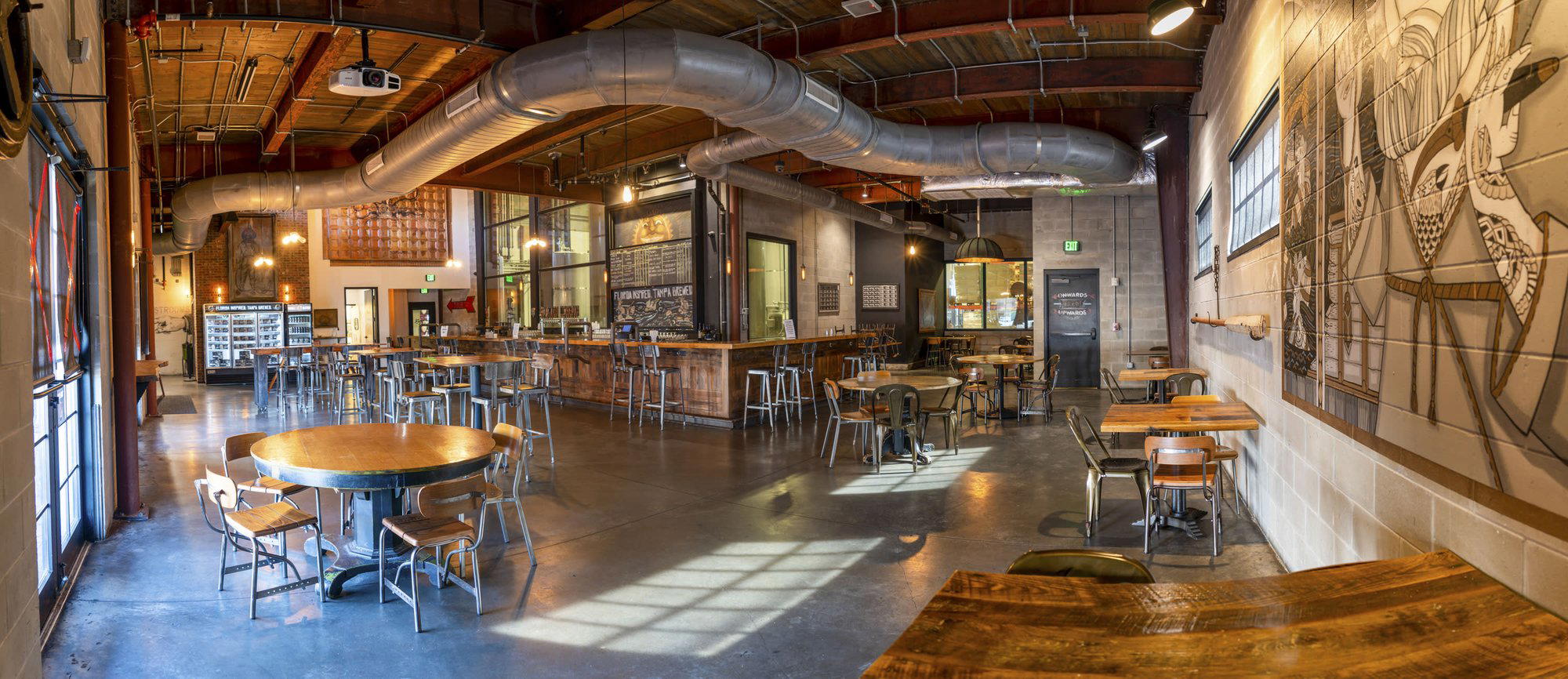
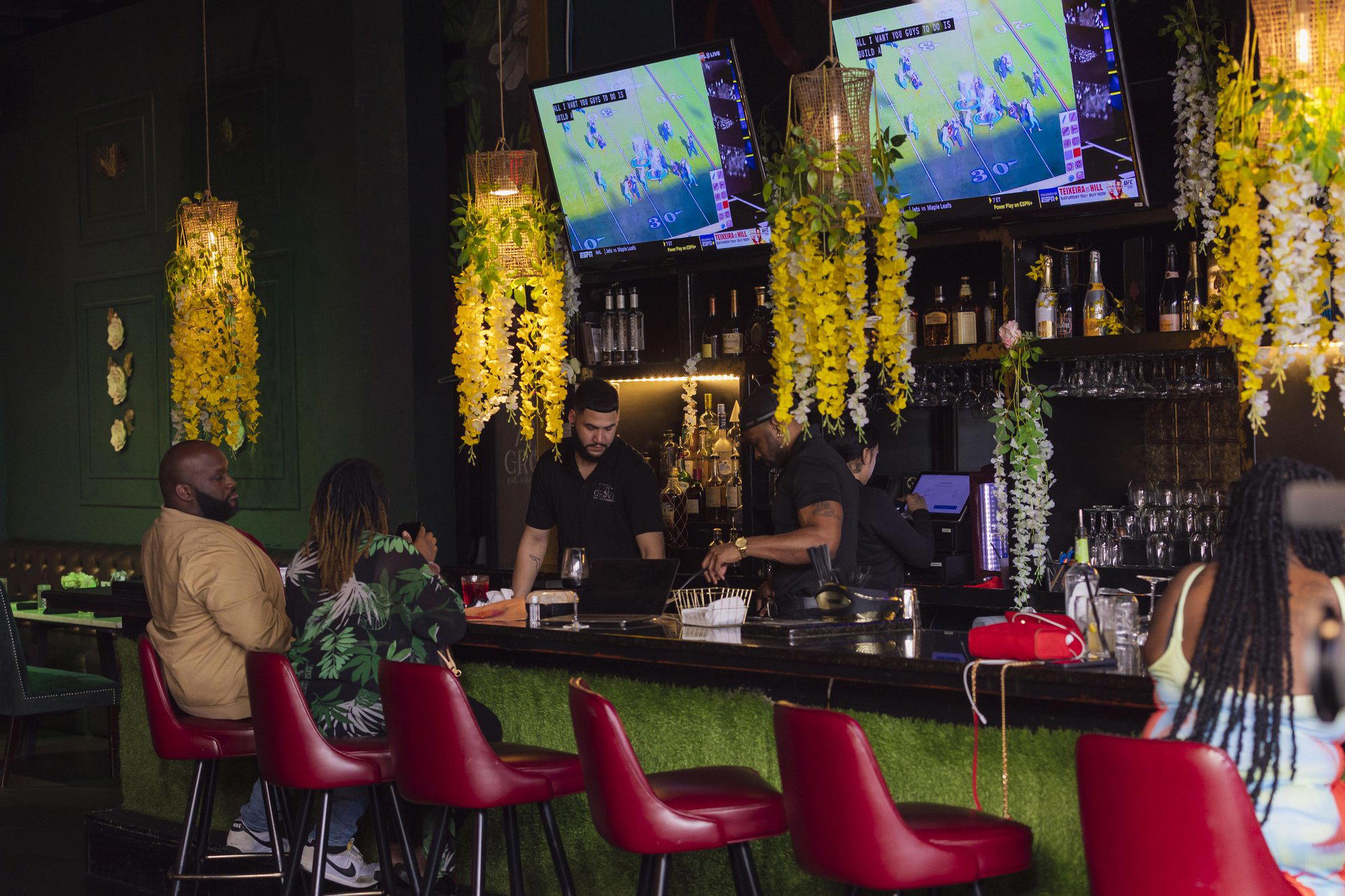
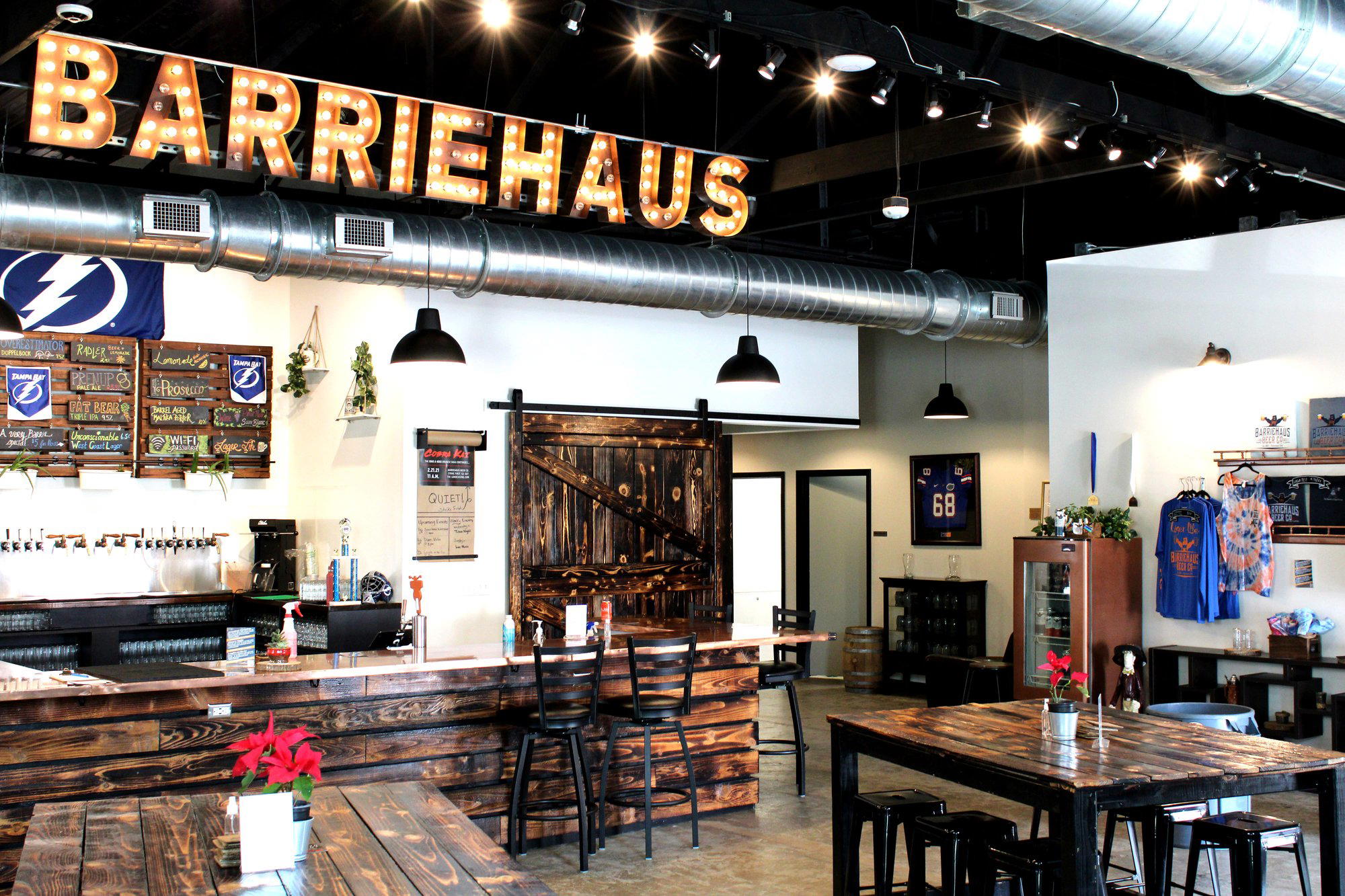
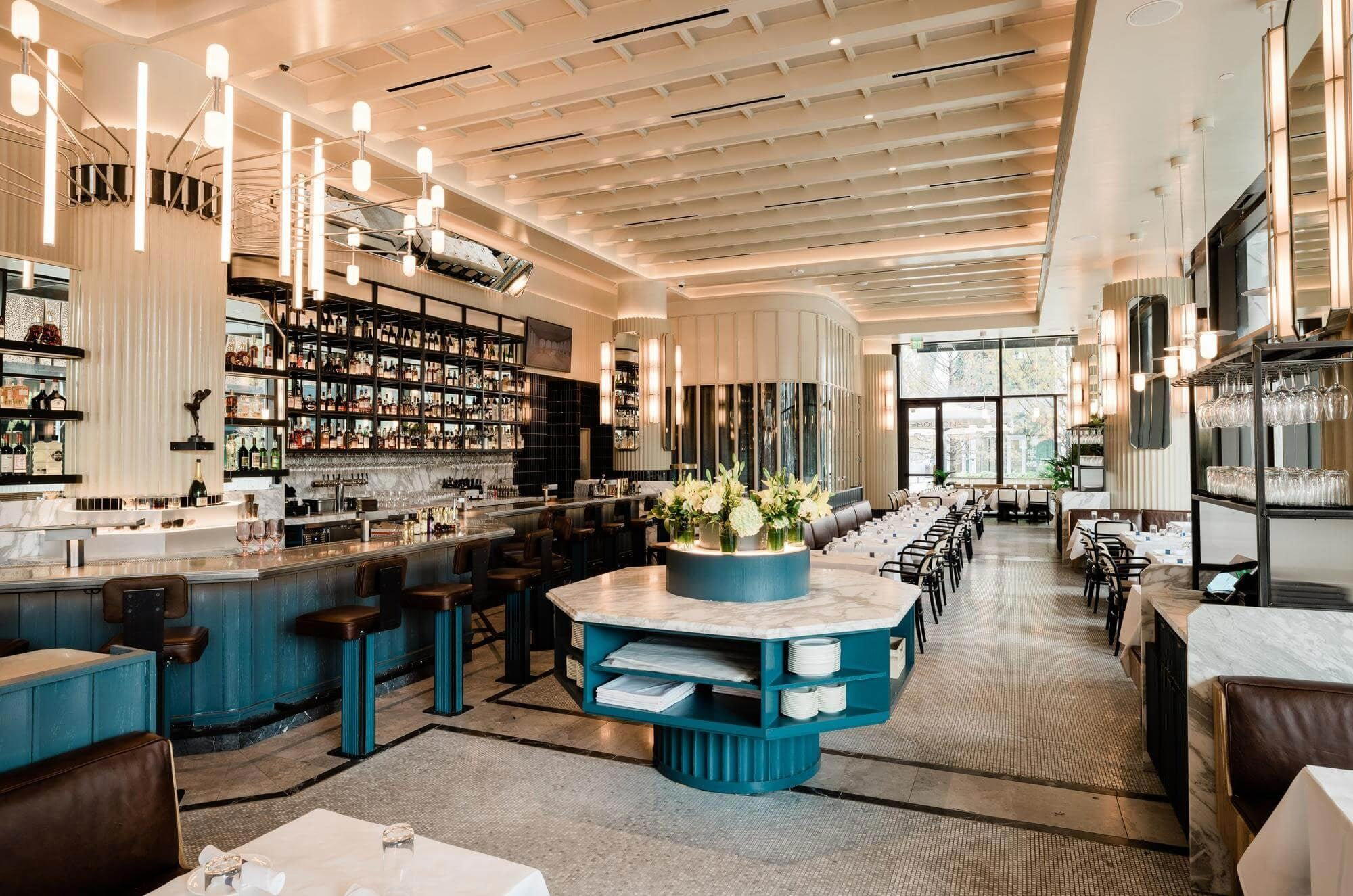
Cozy and attractive interior with ample seating and a welcoming, casual atmosphere.
Know Before You Go
- Getting there
- 5700 Florida Ave S, Lakeland, FL 33813