KPOT Korean BBQ & Hot Pot
KPOT Korean BBQ & Hot Pot brings the interactive Korean tabletop dining format to Lakeland's Town Center Drive, combining charcoal-and-broth cooking with a broad ingredient spread that positions it as one of central Florida's more committed entries in the dual-concept Korean BBQ and hot pot category. The format rewards groups and repeat visits, where the sourcing range and cook-your-own structure define the experience more than any single dish.
Pearl is the En Primeur Club membership app — saves, bookings, and concierge access live there. Same editors, same standards.
- Address
- 1568 Town Center Dr, Lakeland, FL 33803
- Phone
- +18636038318
- Website
- thekpot.com
- Directions
- Get directions
 Saves & bookings on Pearl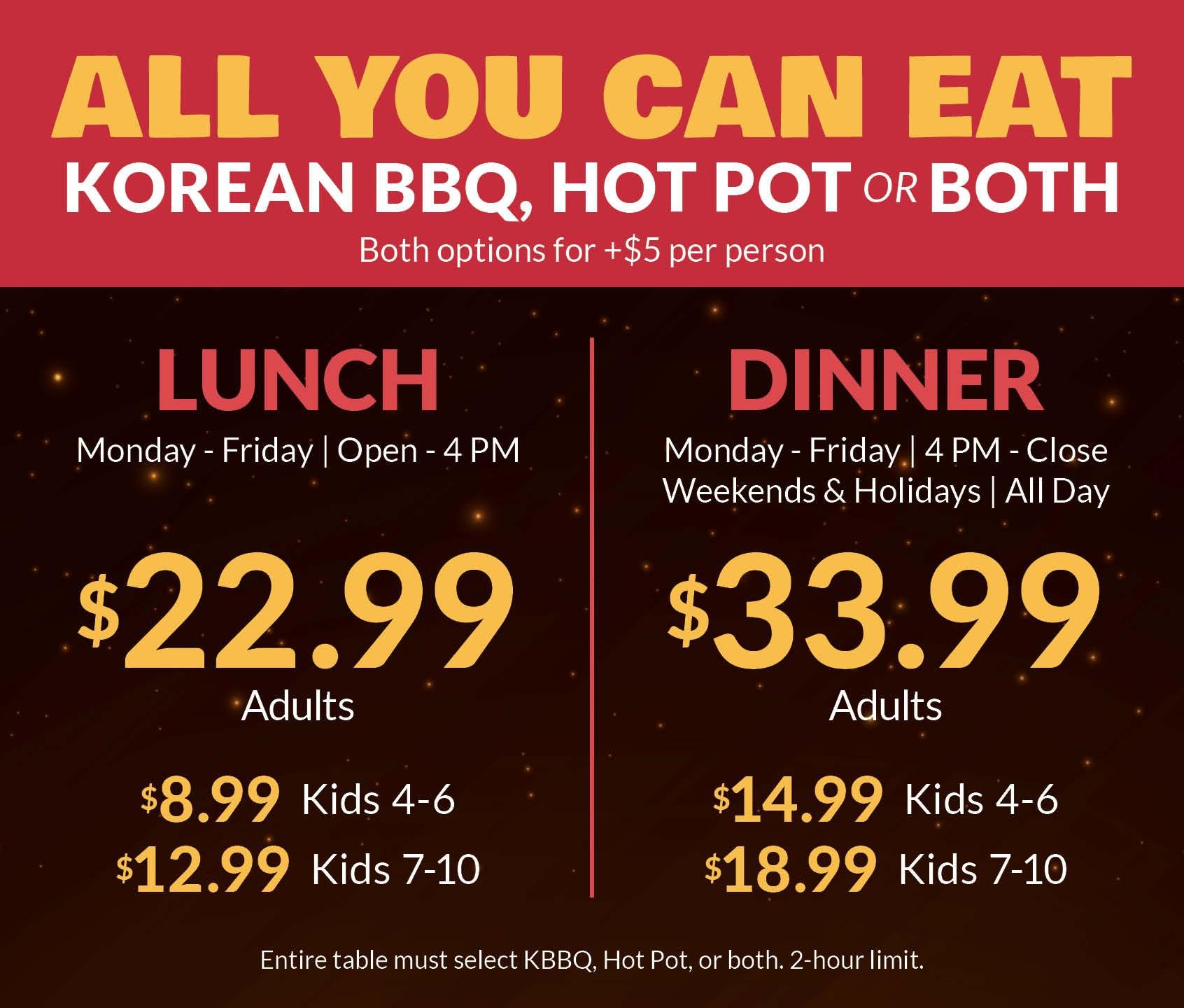
The Tabletop Tradition Arrives in Central Florida
Korean BBQ and hot pot dining occupies a specific place in the American restaurant conversation: it is one of the few formats where the kitchen's role is deliberately transferred to the guest. The grill embedded in the table, the simmering broth at its center, the raw proteins and vegetables arranged in careful rows — these are not theatrical gestures but functional tools that put the pace and preference of cooking firmly in the diner's hands. That tradition, which traces its Korean roots to centuries-old communal eating practices, has expanded steadily beyond the coastal Korean-American corridors of Los Angeles and New York over the past decade, reaching mid-sized Florida cities like Lakeland with enough critical mass to sustain dedicated dual-concept venues.
KPOT Korean BBQ & Hot Pot, located at 1568 Town Center Dr in Lakeland's retail corridor, operates within the KPOT chain's broader national footprint, a network that has grown by targeting suburban markets where Korean tabletop dining had limited representation. The format — simultaneous access to a center hot pot basin and a surrounding grill surface, compresses two distinct Korean dining traditions into one session, which changes how a table orders and what they prioritize across an evening.
Two Formats, One Table: What the Dual Concept Means in Practice
In Seoul's Mapo district or along LA's Koreatown stretch on 6th Street, hot pot and Korean BBQ typically occupy separate restaurants with distinct supply chains, service rhythms, and social occasions. Hot pot dining, with its slow-simmered broths and submerged proteins, is a longer, more contemplative format. Korean BBQ moves faster, with thinner cuts seared over high heat and eaten immediately with banchan and lettuce wraps. Combining both at a single table is an American adaptation, and it shifts the sourcing logic: the kitchen must supply ingredients that work across fundamentally different heat applications and cooking times.
At venues like KPOT, the ingredient spread tends to emphasize variety over provenance depth, a wider selection of proteins, vegetables, and broths rather than a focus on single-origin cuts or hyper-regional Korean preparations. This is consistent with how the dual-concept format has evolved in the American suburban market, where accessibility and volume drive the menu architecture. Compared to single-concept Korean BBQ counters in cities like Atlanta or Houston, which may source specific regional pork belly cuts or aged wagyu grades, the dual-concept format is designed for broad participation rather than ingredient granularity. That is not a criticism; it is a format distinction that shapes what kind of dining KPOT is suited for.
For context, the kind of ingredient-sourcing specificity you find at fine dining venues like Blue Hill at Stone Barns in Tarrytown or Single Thread Farm in Healdsburg, where the origin of each vegetable or protein is a primary editorial point, operates in a different register entirely from high-volume interactive dining. The same is true of hyper-precise sourcing programs at The French Laundry in Napa or Le Bernardin in New York City. What Korean tabletop venues offer is a different kind of value proposition: the ingredient spread is the canvas, and the guest does the final cooking.
Lakeland's Dining Context and Where KPOT Fits
Lakeland's restaurant scene has developed notably along its retail corridors and downtown blocks over the past several years, with a range of independent and regional chain options that collectively give the city more dining diversity than its population size might suggest. The Town Center Drive address places KPOT in a commercial zone with easy parking and proximity to a shopping corridor, which is consistent with how KPOT has positioned its locations nationally, accessible suburban footprints that draw from a broad catchment rather than foot traffic from a dense urban neighborhood.
Within Lakeland specifically, the dining options span a range of formats and cuisines. Nineteen61 and Scarpa's Italian Restaurant represent the city's more ingredient-focused independent dining. Chef T's Garden Grill operates on a different register, closer to the approachable American grill format. Sushi Masa Lakeland fills the Japanese counter niche. KPOT sits apart from all of these in format: it is explicitly a participation dining venue, which means the occasion type it serves, group celebrations, family meals, extended social dinners, does not overlap significantly with the sit-and-be-served model of the city's other notable restaurants. For a broader orientation to the city's dining options, the full Lakeland restaurants guide maps the scene across categories.
The breakfast category, meanwhile, is well served by Keke's Breakfast Cafe, which occupies a morning slot that doesn't compete with KPOT's dinner-oriented model.
The Korean BBQ Format and Its American Evolution
Understanding what KPOT is requires understanding what the Korean tabletop format has become in the United States. Venues like Atomix in New York City represent the haute Korean dining end of the spectrum, tasting menus that recontextualize Korean culinary tradition through fine-dining technique. That model is miles away from the communal grill format, which serves a fundamentally different cultural function: shared cooking as social ritual. The American expansion of Korean BBQ has largely followed a volume-driven, accessible model, with chains and regional operators building out suburban footprints precisely because the format travels well without requiring the chef-dependent precision of a tasting menu.
Hot pot operates similarly. Where a restaurant like Providence in Los Angeles or Alinea in Chicago relies on kitchen craft to transform ingredients at the point of cooking, hot pot venues provide a curated ingredient selection and a carefully balanced broth, then hand the thermal control to the table. The craft shifts from kitchen execution to ingredient sourcing and broth development, two areas where the quality differential between operators is most apparent to a returning guest.
Planning a Visit: What to Know Before You Go
KPOT's Town Center Drive location is accessible by car with standard suburban parking, which is the expected logistical format for this part of Lakeland. The dual-concept venue model typically operates on a per-person pricing structure that covers access to the full ingredient spread, which means group size directly affects the overall value calculation. Groups of four or more tend to extract the most from the format, given that variety across the grill and hot pot simultaneously requires multiple people managing different cook times and protein selections.
As a national chain with locations across multiple states, KPOT operates standardized booking procedures through its broader reservation infrastructure. For weekend visits, particularly in the early evening, advance planning is advisable given the format's popularity with families and groups. The experience runs longer than a standard restaurant dinner by design: the cook-your-own structure means pacing is entirely self-directed, and sessions of two hours or more are not unusual at a full table.
At a Glance
- Lively
- Energetic
- Trendy
- Group Dining
- Casual Hangout
- Celebration
- Family
- Open Kitchen
Current opening hours
- Monday
- 12–10:30 PM
- Tuesday
- 12–10:30 PM
- Wednesday
- 12–10:30 PM
- Thursday
- 12–10:30 PM
- Friday
- 12–11:30 PM
- Saturday
- 12–11:30 PM
- Sunday
- 12–10:30 PM
Hours can change for holidays and private events. Last verified .
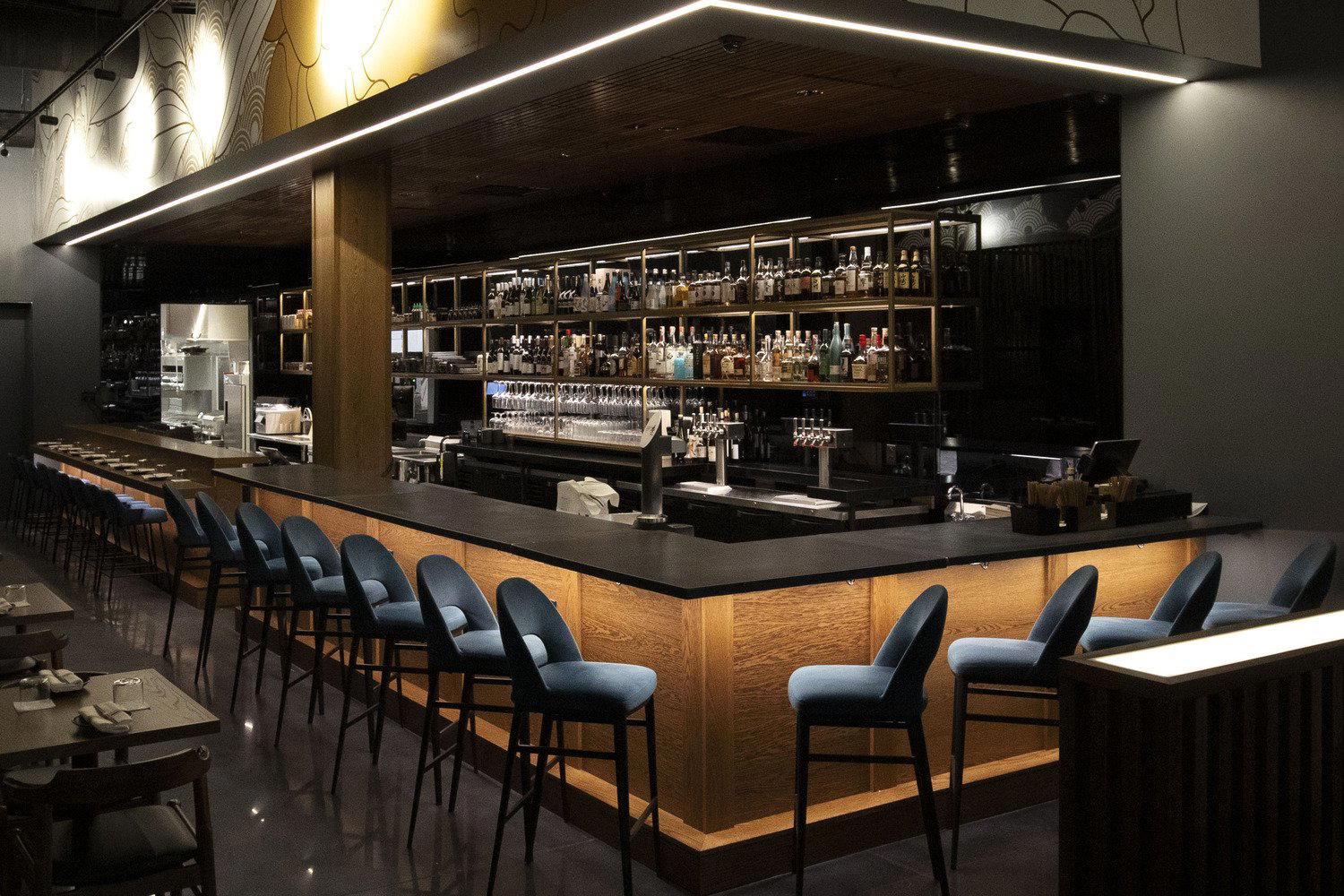
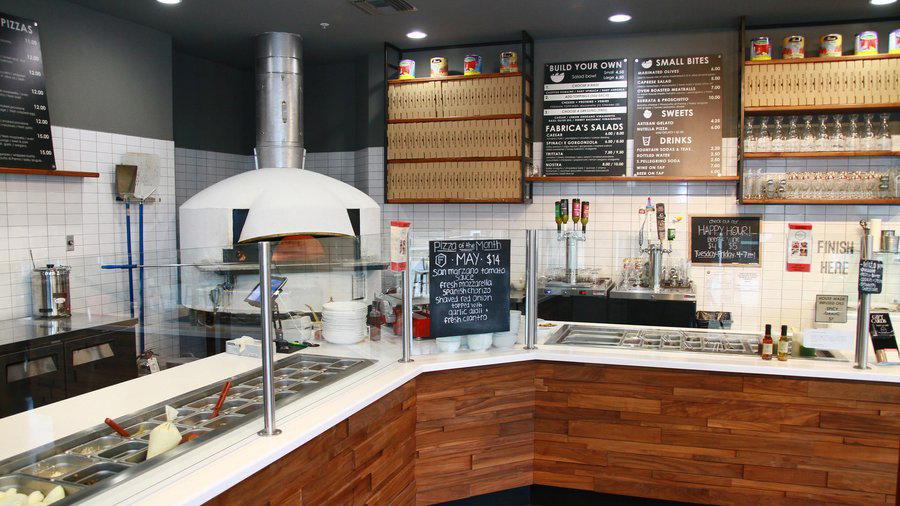
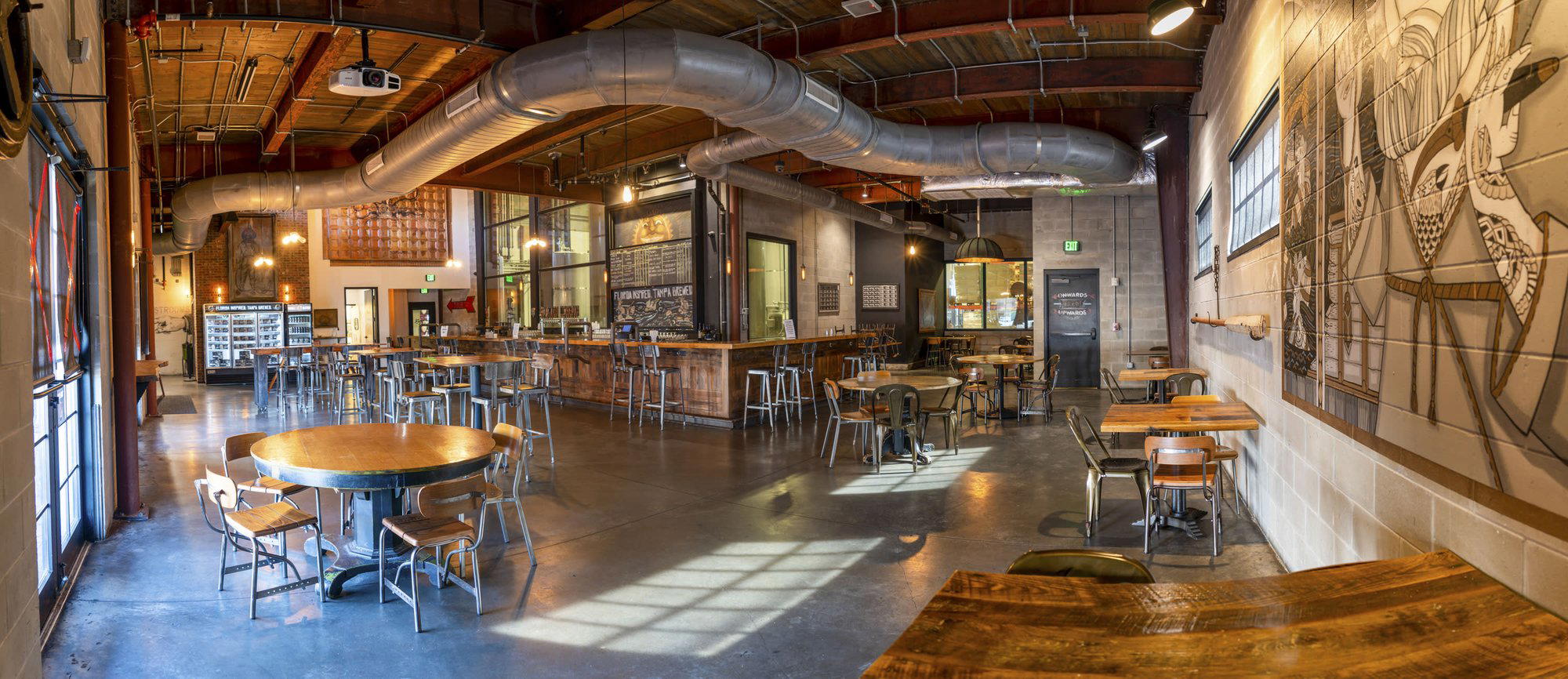
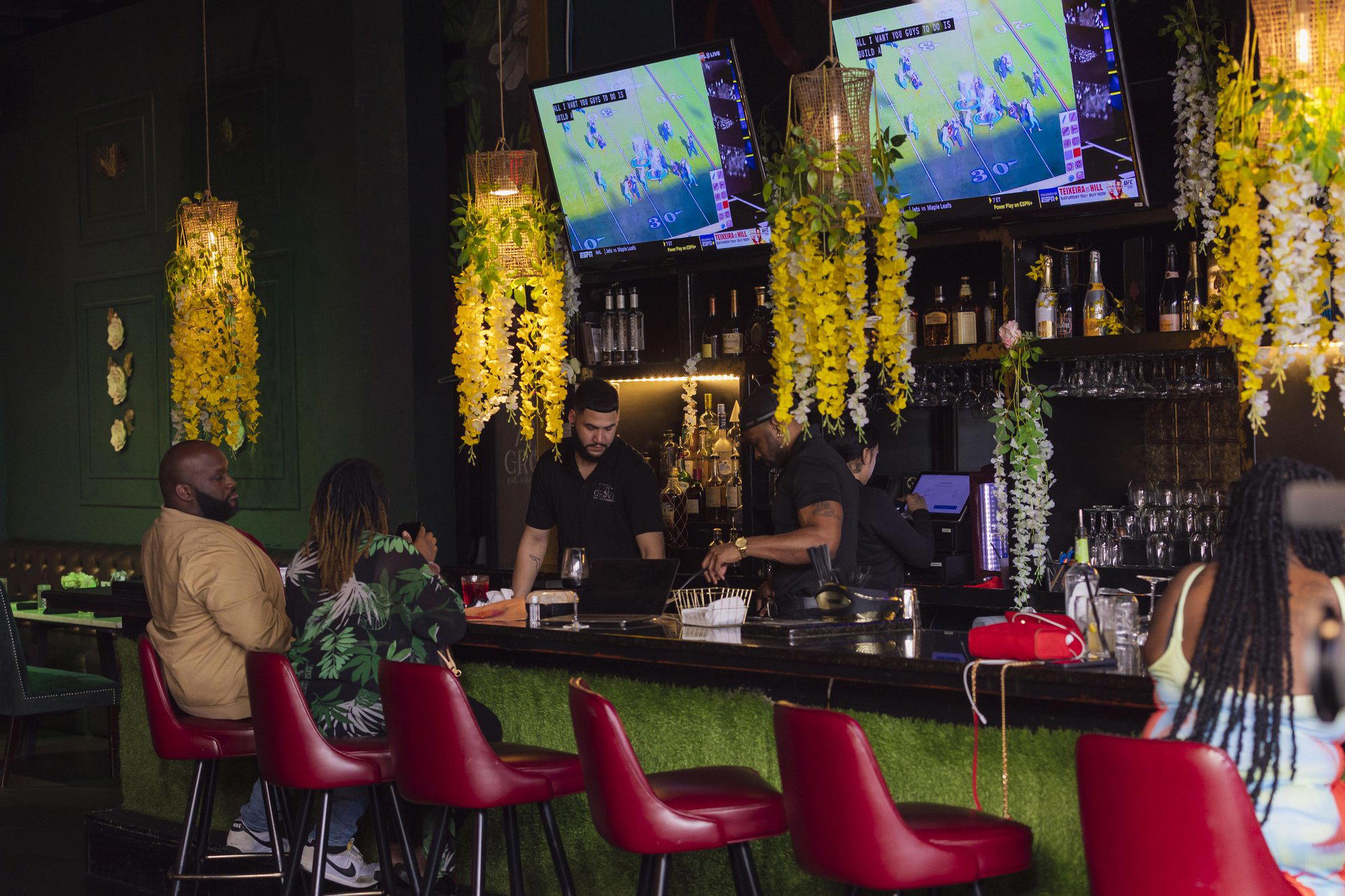
Energetic and social dining environment with table grills creating an interactive, entertainment-focused atmosphere where groups cook together.
Know Before You Go
- Getting there
- 1568 Town Center Dr, Lakeland, FL 33803