Sushi Kanesaka




1 Michelin Star · La Liste Top Restaurants · AA Rosettes 3 Rosettes
Our verdict
Sushi Kanesaka occupies a first-floor counter room inside 45 Park Lane, bringing the Tokyo omakase format of the Kanesaka lineage to Mayfair. The roughly 18-piece menu draws on European seafood and Yamagata rice, placing it among a small tier of London restaurants where Japanese counter dining operates at the highest price bracket. La Liste awarded it 92 points in its 2026 ranking.

Pearl is the En Primeur Club membership app, where members save venues, book tables and use the concierge.
The menu
What to order
- Chawanmushi
- Chutoro sushi
- Kobe beef
- Eel hand roll
- Negitoro maki
Omakase Comes to Mayfair: The Tokyo Counter Format in London
London's Japanese fine dining offer has changed substantially over the past decade. Where the city once relied on a handful of high-volume Japanese restaurants concentrated around Soho and the West End, a second tier has since emerged: small-format, counter-led omakase rooms that position themselves against peer operations in Tokyo and New York rather than against the broader London market. Sushi Kanesaka, operating from within 45 Park Lane in Mayfair, belongs to that second tier. It is an outpost of the Tokyo counter bearing Chef Shinji Kanesaka's name, and its presence in London represents a meaningful moment in the evolution of the city's appetite for Japanese counter dining at the highest price point.
For context on how this fits into London's wider dining scene, our full London restaurants guide maps the city's major fine dining tiers, from Modern British institutions like CORE by Clare Smyth and Dinner by Heston Blumenthal to European-rooted flagship rooms such as Restaurant Gordon Ramsay, Sketch, The Lecture Room and Library, and The Ledbury.
From Tokyo to Mayfair: How the Format Has Travelled
The Kanesaka name is closely associated with the Ginza omakase tradition in Tokyo, where multi-star counters compete on the quality of their rice, sourcing relationships, and the chef's ability to read each sitting's pace and preferences. When that format travels internationally, something necessarily shifts. The ingredient sourcing changes, the service culture adapts to a new audience, and the room must carry the weight of Japanese aesthetic discipline inside a context that is not Tokyo. What distinguishes Sushi Kanesaka London is how deliberately that transition has been managed.
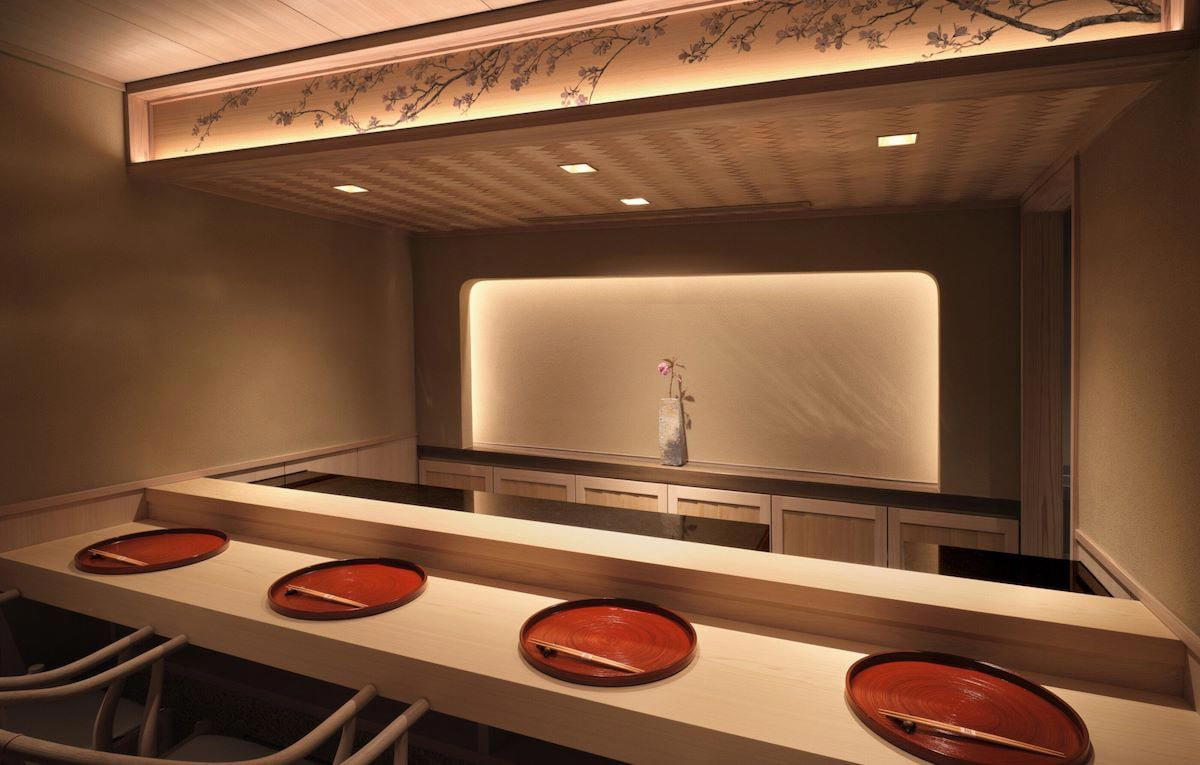
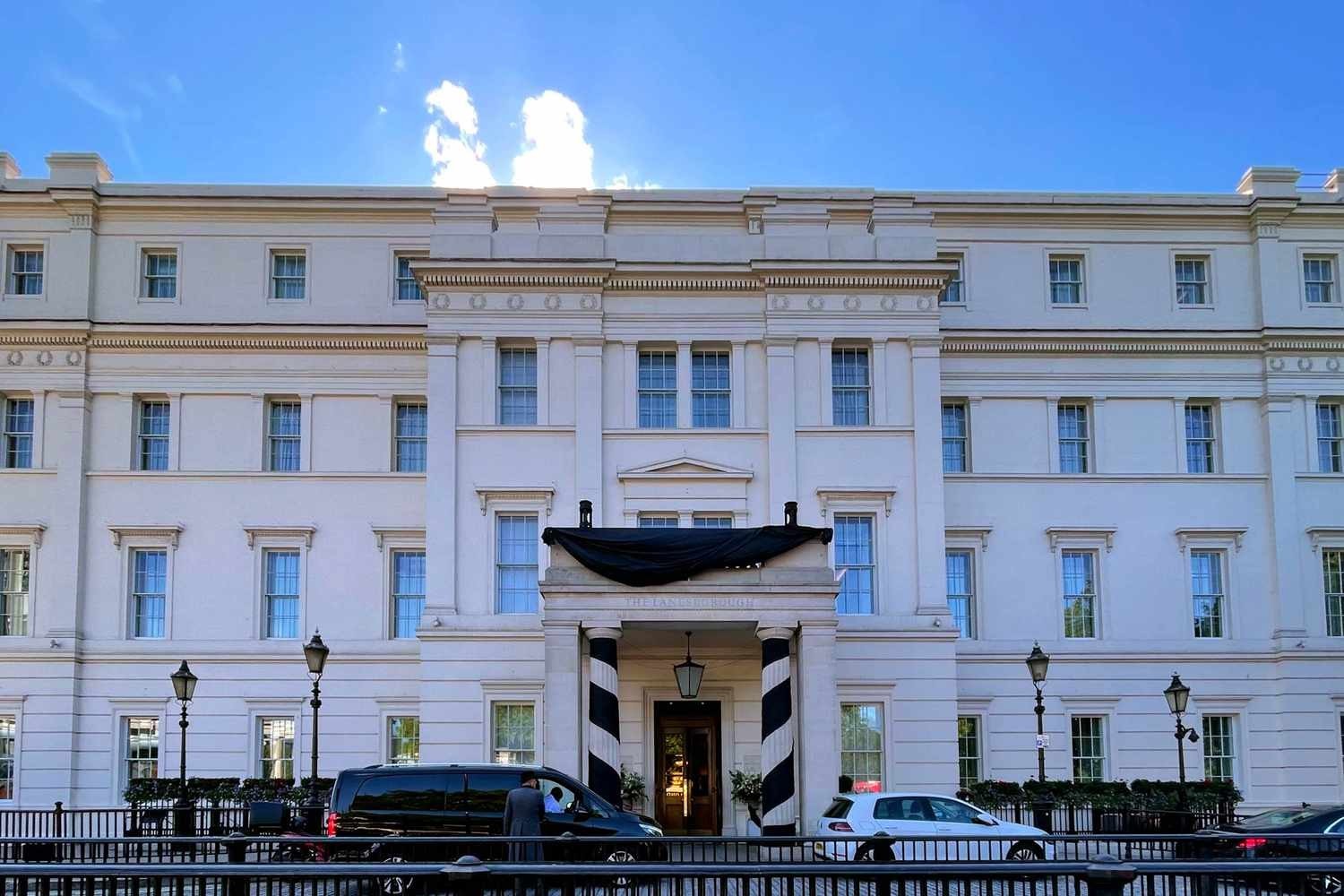
The room sits on the first floor of the 45 Park Lane hotel, reached via the lobby and an escort from staff rather than a direct street entrance. That approach is not incidental: the separation from the hotel's public spaces is part of how the counter maintains the atmosphere of a dedicated omakase room rather than a hotel restaurant. The counter itself is cut from a single piece of hinoki cypress wood, a material choice that communicates both material investment and alignment with Japanese craft traditions. Bamboo, ceramics, and kumiko panels complete the interior, creating a space that reads as a considered replication of Tokyo counter aesthetics rather than a Western interpretation of them.
La Liste, which ranks restaurants across a global set and scored Sushi Kanesaka 92 points in its 2026 edition, cited the authenticity of the experience as a distinguishing quality. In the context of that publication's methodology, 92 points places the counter in the upper tier of London's restaurant scene and aligns it with operations that compete internationally rather than locally.
The Menu: European Ingredients, Japanese Discipline
The omakase format here runs to approximately 18 pieces. The nigiri sequence is interspersed with cooked dishes including steamed abalone and grilled Kobe beef, a structure that mirrors the pacing conventions of Tokyo counters where the chef controls the rhythm of the meal and cooked preparations punctuate the raw fish sequence. Much of the seafood is sourced from European waters, and the rice is drawn from Yamagata prefecture in Japan, a region with a specific reputation for short-grain rice cultivation suited to sushi.
The sourcing approach reflects a tension that most international omakase counters must resolve: whether to import Japanese fish at significant cost and logistical complexity, or to adapt the format to premium local sourcing while importing the structural and technical elements. Sushi Kanesaka has taken a hybrid position, using European seafood under Japanese counter discipline while retaining the Japanese rice as a non-negotiable anchor. This is consistent with how some of the most serious Japanese counters outside Japan have approached the question, and it places the menu in a more interesting editorial position than either a pure-import model or a wholesale local adaptation would achieve.
For comparison in the broader world of seafood-led fine dining at this level, Le Bernardin in New York City and Atomix in New York City both represent counter and tasting formats where technical precision and sourcing credibility are the primary editorial claims. The conversation about what premium fish-led dining looks like outside its country of origin is one that connects these very different operations.
How London's Omakase Tier Has Evolved
Ten years ago, the idea of a Tokyo-pedigreed omakase counter operating inside a Mayfair hotel and drawing direct comparisons to Ginza originals would have been unusual. The market for that format in London simply did not exist at scale. Its emergence is partly a function of wealth concentration in central London, partly a shift in how internationally travelled diners evaluate Japanese dining, and partly the result of several high-profile counters in New York and Hong Kong demonstrating that the format could sustain itself outside Japan. Sushi Kanesaka arrived into a London market that had been primed by those precedents, and its La Liste ranking suggests it has established itself within that context rather than remaining an experiment.
The evolution also touches on where Mayfair sits as a dining destination. The neighbourhood has historically been dominated by European fine dining and hotel restaurants with international guest bases, seen across operations at properties including 45 Park Lane itself. The arrival of a Japanese counter at this price tier represents a category addition rather than a replacement, and it signals that Mayfair's dining offer is expanding its technical range rather than simply adding more rooms at the same tier. London's hotel dining scene more broadly is covered in our full London hotels guide.
Beyond London, the broader UK fine dining conversation is anchored by operations in the regions: The Fat Duck in Bray, L'Enclume in Cartmel, Moor Hall in Aughton, Gidleigh Park in Chagford, Hand and Flowers in Marlow, and Le Manoir aux Quat' Saisons in Great Milton. None of these operate in the Japanese counter format, which underlines how specific Sushi Kanesaka's position is within the national picture.
For visitors building a broader Mayfair itinerary, our full London bars guide, full London wineries guide, and full London experiences guide map the surrounding offer in detail.
Planning Your Visit
Sushi Kanesaka operates Tuesday through Saturday, with dinner seatings from 6 PM to 10:30 PM. The counter is closed on Sundays and Mondays. The restaurant is located at 45 Park Lane, London W1K 1PN, with access through the hotel lobby. Given the counter format and limited capacity, reservations well in advance are advisable, particularly for weekend sittings.
Quick reference: 45 Park Lane, Mayfair; dinner Tue-Sat 6 PM-10:30 PM; closed Sun-Mon; La Liste 92pts (2026).
Frequently asked questions
What is Sushi Kanesaka known for?
Sushi Kanesaka is known for bringing the Tokyo Kanesaka counter tradition to London in a format that retains the discipline and material detail of the original. The operation earned 92 points from La Liste in 2026, with reviewers specifically citing the authenticity of the experience: the hinoki cypress counter, kumiko panel room, and an approximately 18-piece omakase that sequences nigiri alongside cooked preparations including steamed abalone and grilled Kobe beef. Within London's Japanese dining offer, it occupies the highest price tier and holds a rare direct lineage to a named Tokyo counter.
What do regulars order at Sushi Kanesaka?
The format is omakase, meaning the sequence is determined by the chef rather than the diner. Based on La Liste's verified account of the menu, the approximately 18-piece progression includes nigiri made with European-sourced seafood and Yamagata rice, punctuated by cooked courses such as steamed abalone and grilled Kobe beef. There is no à la carte selection; the counter format places the ordering decision entirely with the kitchen, which is consistent with how the Kanesaka lineage operates in Tokyo.
How does Sushi Kanesaka in London differ from other omakase counters in the city?
Sushi Kanesaka carries direct lineage from a named Tokyo counter, which places it in a specific category within London's Japanese dining offer: an internationally pedigreed counter rather than a London-originated concept. The room's material details, including a counter made from a single piece of hinoki cypress wood and traditional kumiko panelling, align with the aesthetic conventions of leading Ginza counters rather than the more interpretive design approaches seen elsewhere in the city. Its 92-point La Liste score in 2026 positions it at the upper end of London's Japanese fine dining tier.
Peers Worth Knowing
| Venue | Cuisine | Price | Awards | Notes |
|---|---|---|---|---|
| Sushi KanesakaThis venue (the venue you are viewing) | Traditional Edomae Omakase | $300–500 | 1 Michelin Star · La Liste Top Restaurants | Not listed |
| The Ledbury | Modern British Fine Dining | $300–500 | 3 Michelin Stars · World's 50 Best #42 | Modern European, Modern Cuisine |
| Sketch, The Lecture Room and Library | Modern French Fine Dining | $200–300 | 3 Michelin Stars · World's 50 Best #18 | Modern French |
| CORE by Clare Smyth | Modern British Fine Dining | $150–200 | 3 Michelin Stars · World's 50 Best #97 | Modern British |
| Restaurant Gordon Ramsay | French Fine Dining | $200–300 | 3 Michelin Stars · World's 50 Best #13 | Contemporary European, French |
| Dinner by Heston Blumenthal | Historic British Fine Dining | $200–300 | 2 Michelin Stars · World's 50 Best #45 | Modern British, Traditional British |
Recognition history
Dated appearances from independent guides and award organizations, with the underlying list record or original source where available.
Michelin 1 Star
Michelin
La Liste Top Restaurants
La Liste
AA Rosettes 3 Rosettes
AA Rosettes
Opinionated About Dining Newly Added European Restaurants
Opinionated About Dining
Full recognition history (6 entries)
Opinionated About Dining Top Restaurants in Europe Recommended
Opinionated About Dining
Michelin 1 Star
Michelin
Continue exploring
More in London
Restaurants in London
All restaurants in London →
Bars in London
All bars in London →
Hotels in London
All hotels in London →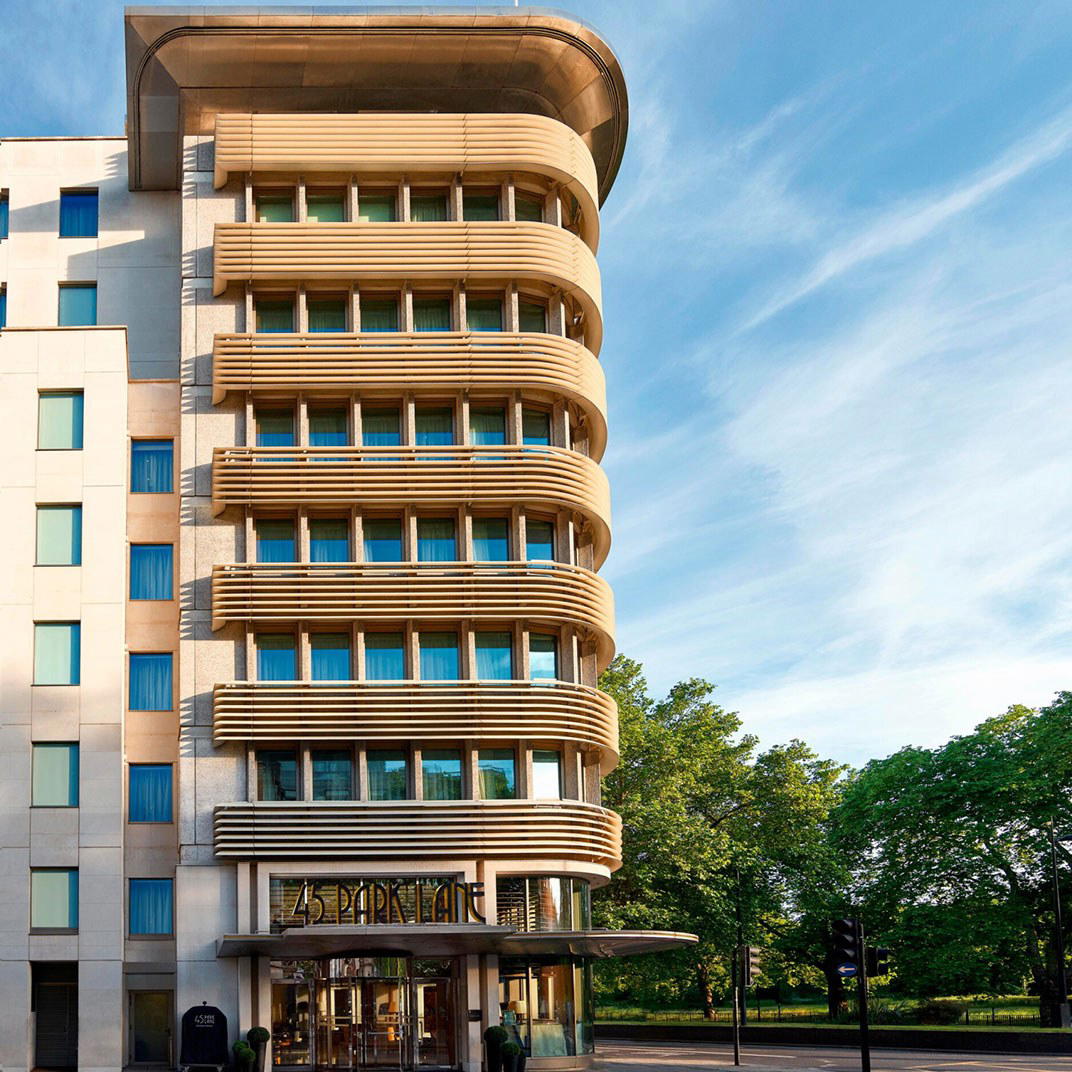



Details
- Elegant
- Intimate
- Minimalist
- Sophisticated
- Special Occasion
- Date Night
- Chefs Counter
- Sake Program
- Sommelier Led
- Sustainable Seafood
- Omakase
- Counter Dining
- Sake
Current opening hours
- Monday
- Closed
- Tuesday
- 6–10:30 PM
- Wednesday
- 6–10:30 PM
- Thursday
- 6–10:30 PM
- Friday
- 6–10:30 PM
- Saturday
- 6–10:30 PM
- Sunday
- Closed
Hours can change for holidays and private events. Hours as of .
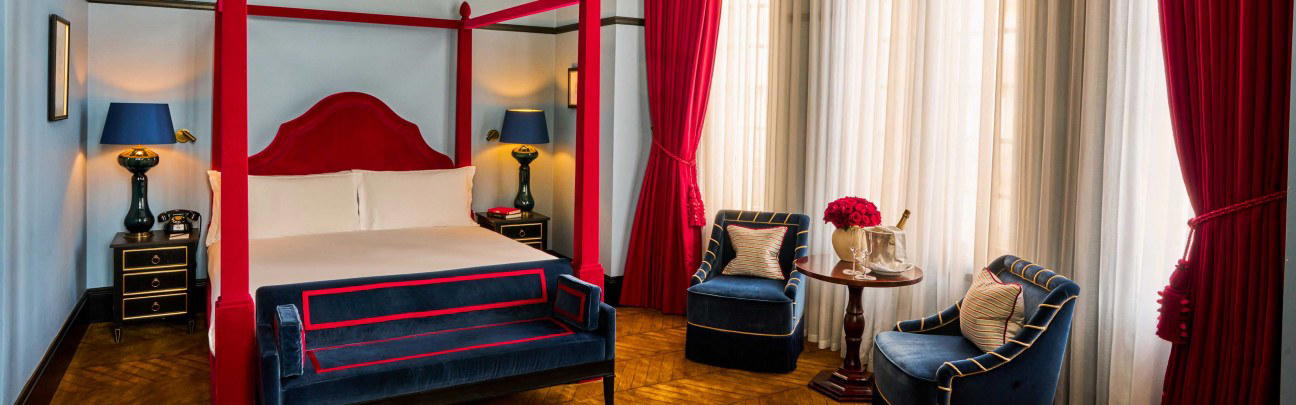
Muted minimal interiors with pale woods, intensely bright lighting over the chef's counter, and a serene, capsule-like atmosphere evoking a sense of transcendence.