Occupying a 17th-century marble palace that sits entirely on Lake Pichola, the Lake Palace Hotel is one of Rajasthan's most architecturally significant hospitality addresses. The property positions itself at the intersection of Mewar royal heritage and contemporary luxury hotel operation, drawing guests seeking both the architectural spectacle and the dining traditions associated with the former royal court of Udaipur.
Pearl is the En Primeur Club membership app — saves, bookings, and concierge access live there. Same editors, same standards.
- Address
- Lake Pichola, Pichola, Udaipur, Rajasthan 313004, India
- Phone
- +91 294 242 8800
- Website
- tajhotels.com
- Directions
- Get directions
 Saves & bookings on Pearl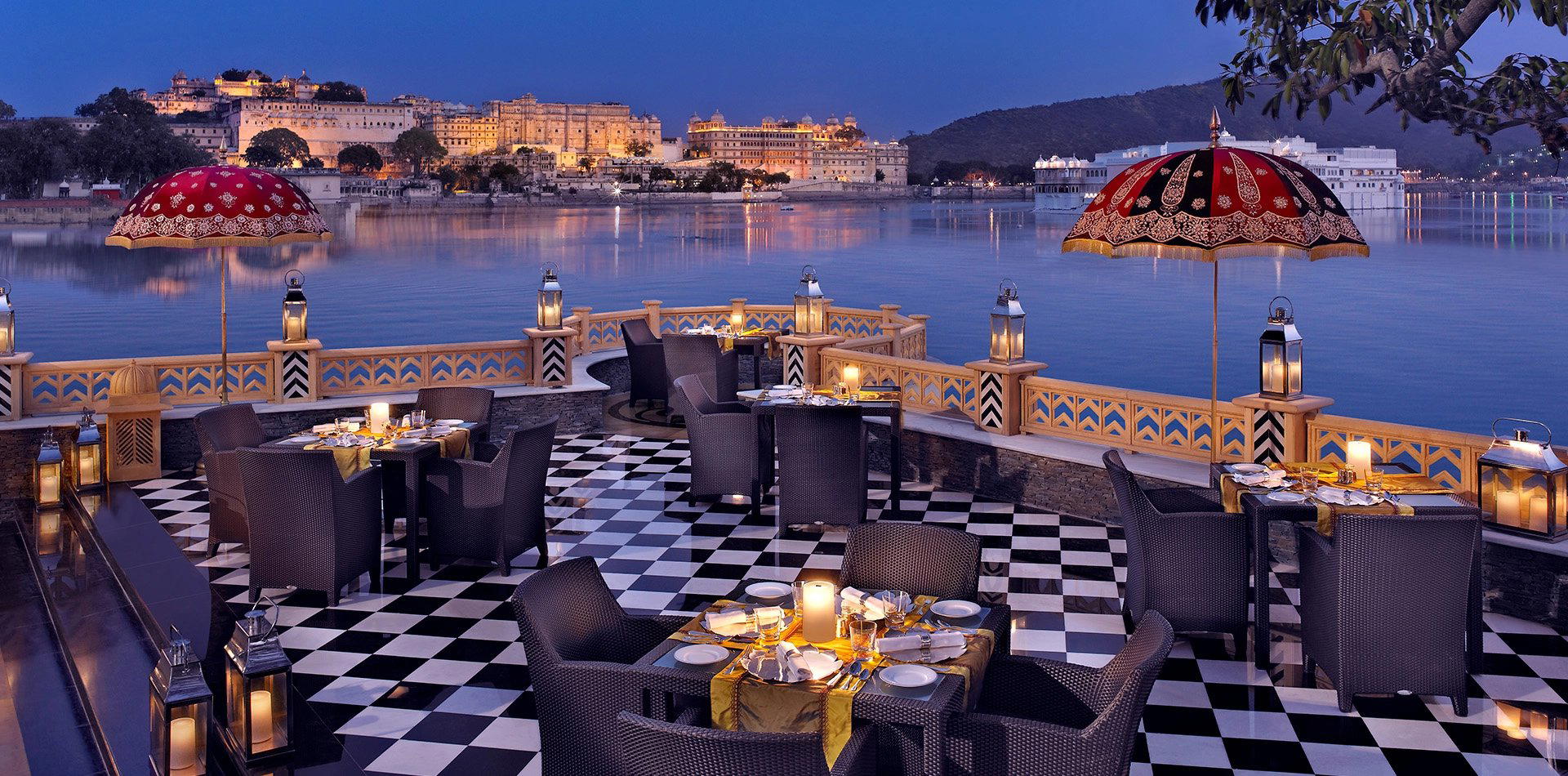
A Palace Without a Shore
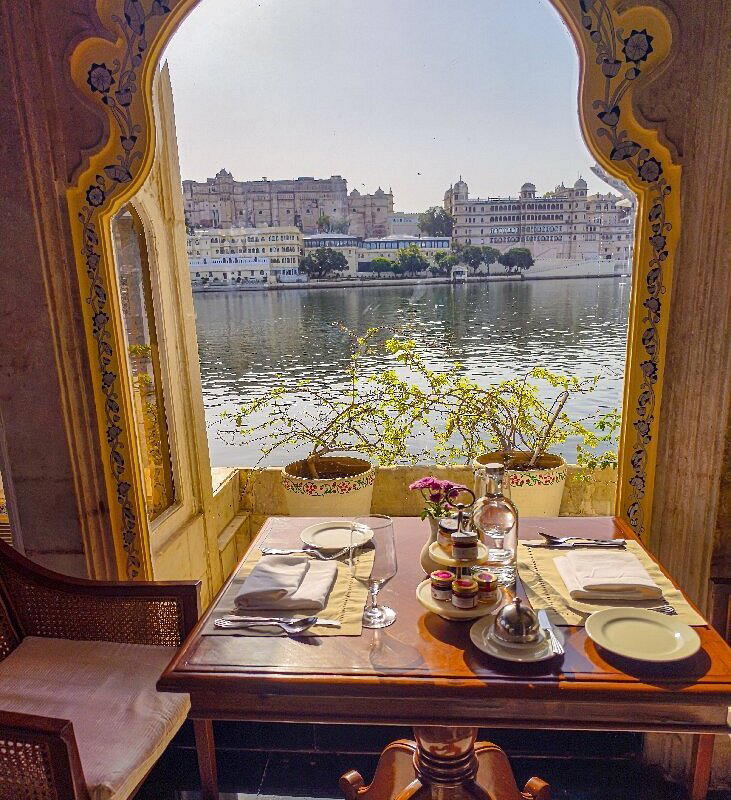
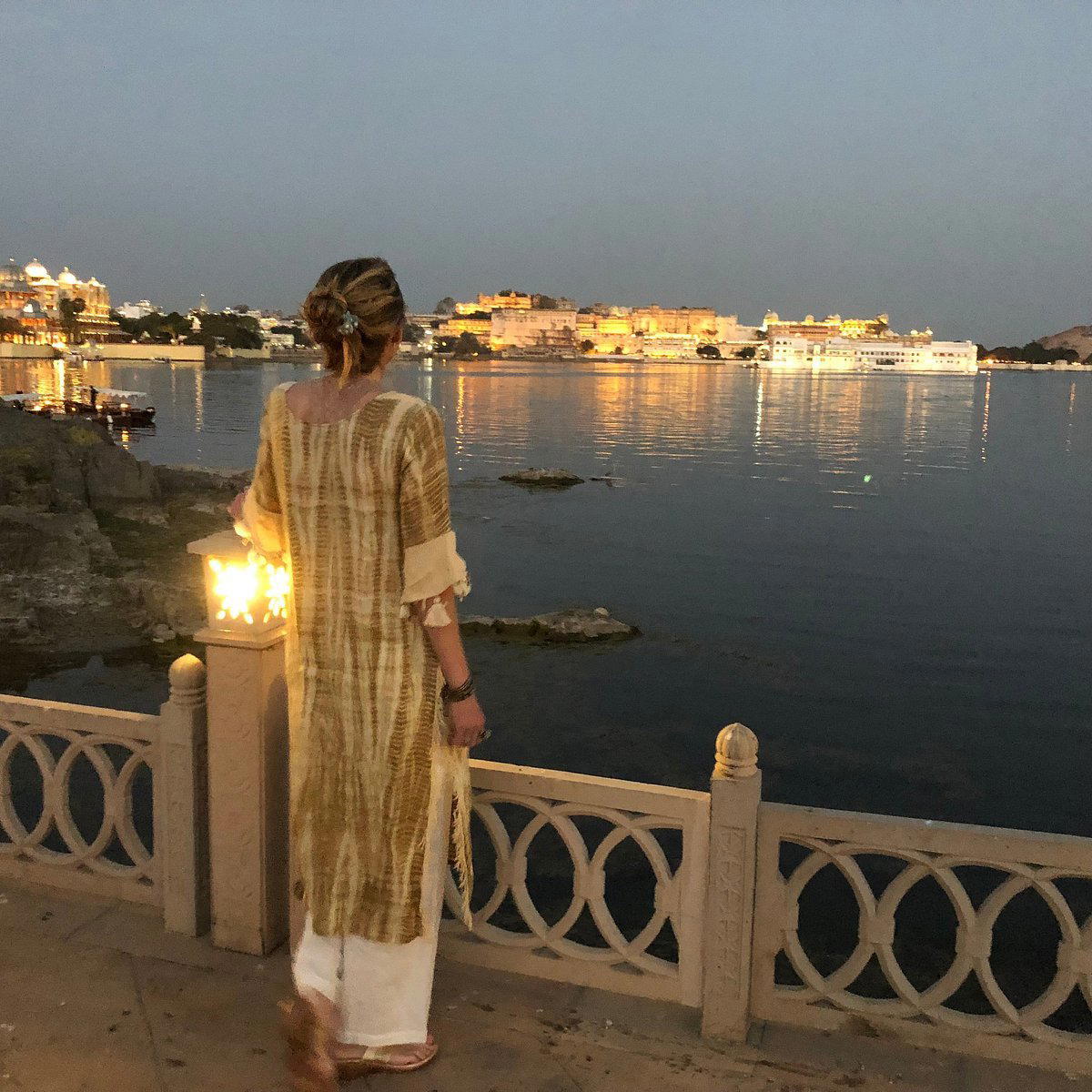
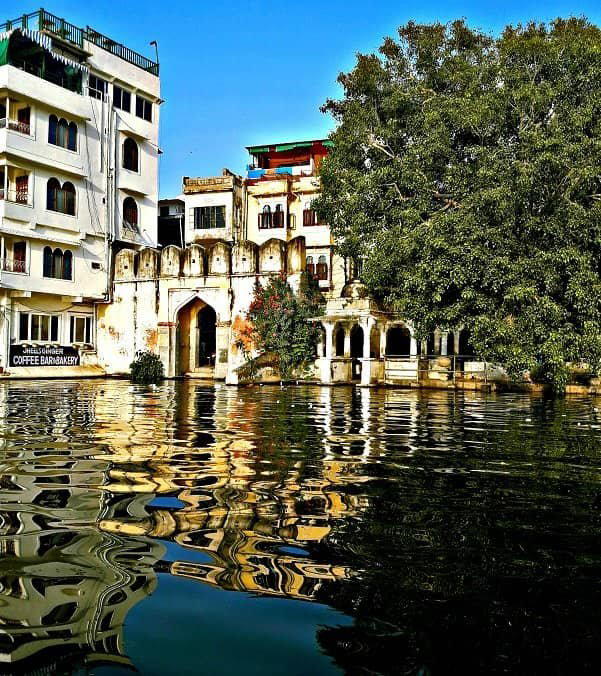
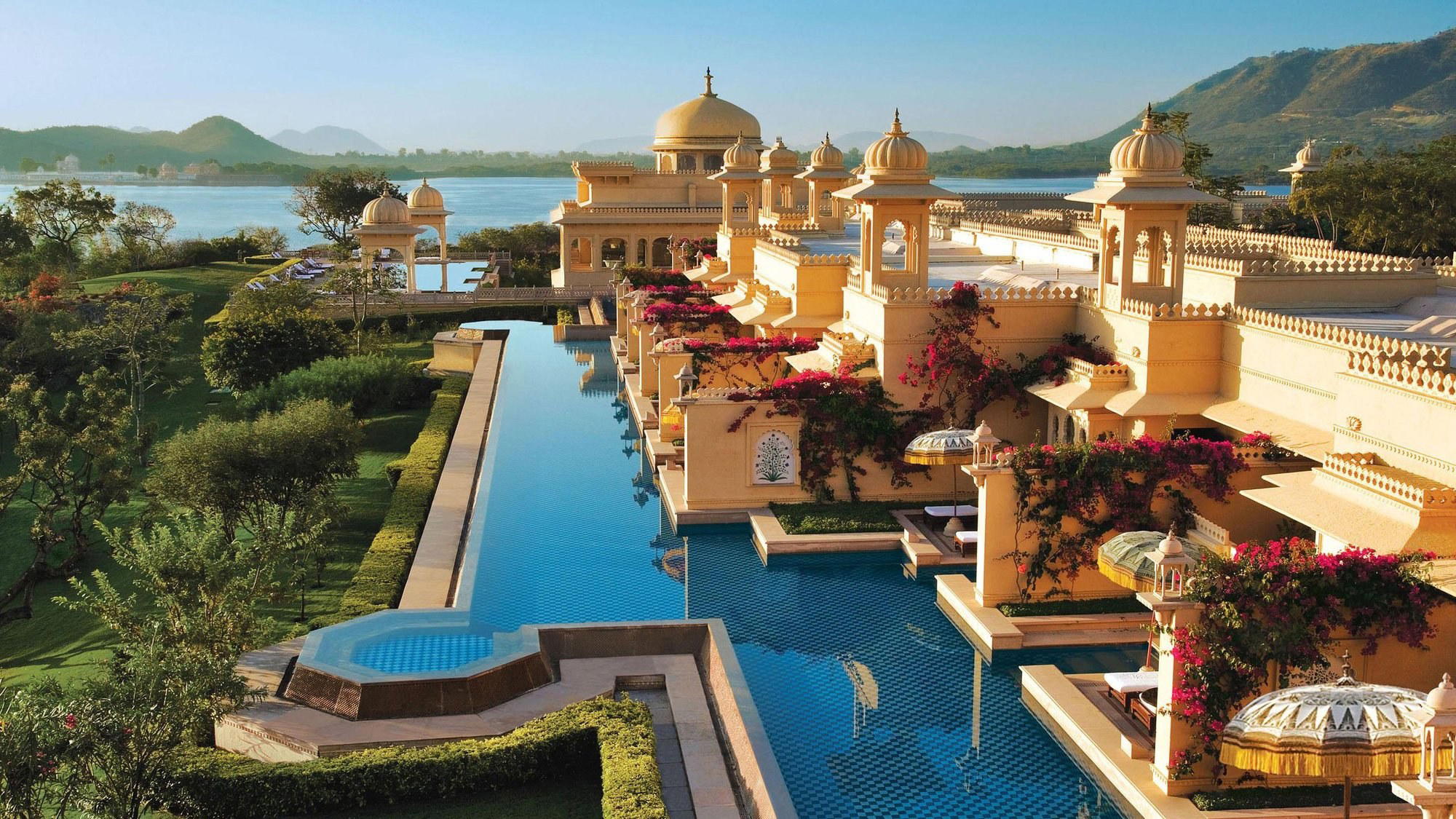
There are hotels that have views of water, and there are hotels that are water. The Lake Palace Hotel belongs to the second category. Sitting on a four-acre island in the middle of Lake Pichola, it can only be reached by boat, a fact that shapes the entire character of a stay before you have stepped inside. The approach across the lake, white marble rising from still water, the Aravalli hills framing it on all sides, the City Palace visible on the eastern shore, is less an arrival sequence than a scene that Rajasthan's tourism has organised itself around for decades.
That origin matters for understanding what the building is, and what the dining and hospitality experience inside it draws from. It was not built as a fort, a garrison, or an administrative seat. It was built for leisure, for feasting, for music, for the kind of refined court culture that the Mewar rulers maintained with particular intensity. That heritage informs the property's positioning today in ways that go beyond décor.
Royal Mewar Cuisine and What It Means on a Plate
Rajasthani court cuisine has a specific character that separates it from the broader north Indian culinary tradition. The Mewar kitchen developed under conditions of both abundance and constraint: abundant in terms of the ceremonial ambition of the royal household, constrained by geography, since the arid terrain around Udaipur limits the variety of fresh vegetables compared to, say, the Punjab or Bengal. The result is a cuisine that relies heavily on preserved and dried ingredients, on dairy in quantity, and on slow-cooked preparations, dal baati churma, laal maas, ker sangri, that carry deep regional specificity.
The Lake Palace Hotel's dining program operates within this tradition, which places it in a different register from, say, the contemporary tasting-menu format at Farmlore in Bangalore or the modern Indian kitchen work visible at The Table in Mumbai. India has a handful of properties that operate this way, Adaa at Falaknuma Palace in Hyderabad is the clearest parallel, another former royal residence converted to a Taj Group hotel where dining draws explicitly from the Nizami court tradition.
Within Udaipur itself, the Lake Palace's dining sits at the formal end of a spectrum that includes Chandni, Royal Repast, and Sheesh Mahal among the city's considered dining addresses. The distinction at the Lake Palace is the degree to which setting and cuisine are co-dependent.
The Setting as Editorial Statement
India's palace hotel category has expanded considerably since the Taj Group pioneered the conversion model in the 1970s. Properties across Rajasthan now compete for the same guest profile. The Lake Palace's position within that category rests on a physical attribute that no competitor can replicate: the island site. Where properties like the Taj Rambagh Palace in Jaipur or the Umaid Bhawan in Jodhpur sit on land and function as grand hotels that happen to be palaces, the Lake Palace is functionally isolated. Guests who stay here are committing to a total-immersion format; there is no walking out to explore a neighbourhood after dinner.
That isolation has consequences for the dining experience. Restaurants inside the property operate without the competitive pressure of a surrounding dining scene, which can cut both ways. The incentive structure differs from a city-centre restaurant competing nightly against other addresses. For context on what genuinely competitive formal Indian dining looks like at the national level, the Bukhara kitchen tradition embodied by Dum Pukht in New Delhi offers a useful reference: a heritage-driven format that has maintained culinary standards under continuous scrutiny. The Lake Palace operates in a more sheltered environment, which the guest should factor into expectations.
Planning a Visit
Reaching the Lake Palace requires taking the hotel's own boat service from the City Palace jetty, there is no other way onto the island, which means access is entirely controlled by the property. Non-resident guests visiting for dinner or a meal should confirm access in advance, as the boat schedule and availability for non-staying guests can vary by season and occupancy. Udaipur's peak travel window runs from October through March, when the weather is dry and cool; the monsoon months from July to September bring dramatic lake levels but also heavy rainfall and occasional boat service disruptions. Booking ahead is advisable.
Guests travelling to Udaipur for the wider dining scene should note that the city's restaurant addresses extend well beyond the palace hotels.
Price and Positioning
Comparable venues nearby, for context on price, style, and recognition.
| Venue | Cuisine | Price | Notes |
|---|---|---|---|
| Lake Palace HotelThis venue — the venue you are viewing | Lake Pichola, Rajasthani Fine Dining | $$$$ | Not listed |
| Royal Repast | Not listed | $$$ | Chetak Circle, Authentic Mewari Rajasthani & Italian |
| Chandni | Not listed | $$$$ | Lake Pichola waterfront, Traditional Indian Fine Dining |
| Suryamahal | Pichola, Indian and Western Fine Dining | $$$$ | Not listed |
| Sheesh Mahal | Not listed | $$$$ | Lake Pichola, Fine Dining Indian with Rajasthani Specialties |
| Swirl | Vrindavan, Indian Pure Vegetarian | $$ | Not listed |
Continue exploring
More in Udaipur
Restaurants in Udaipur
Browse all →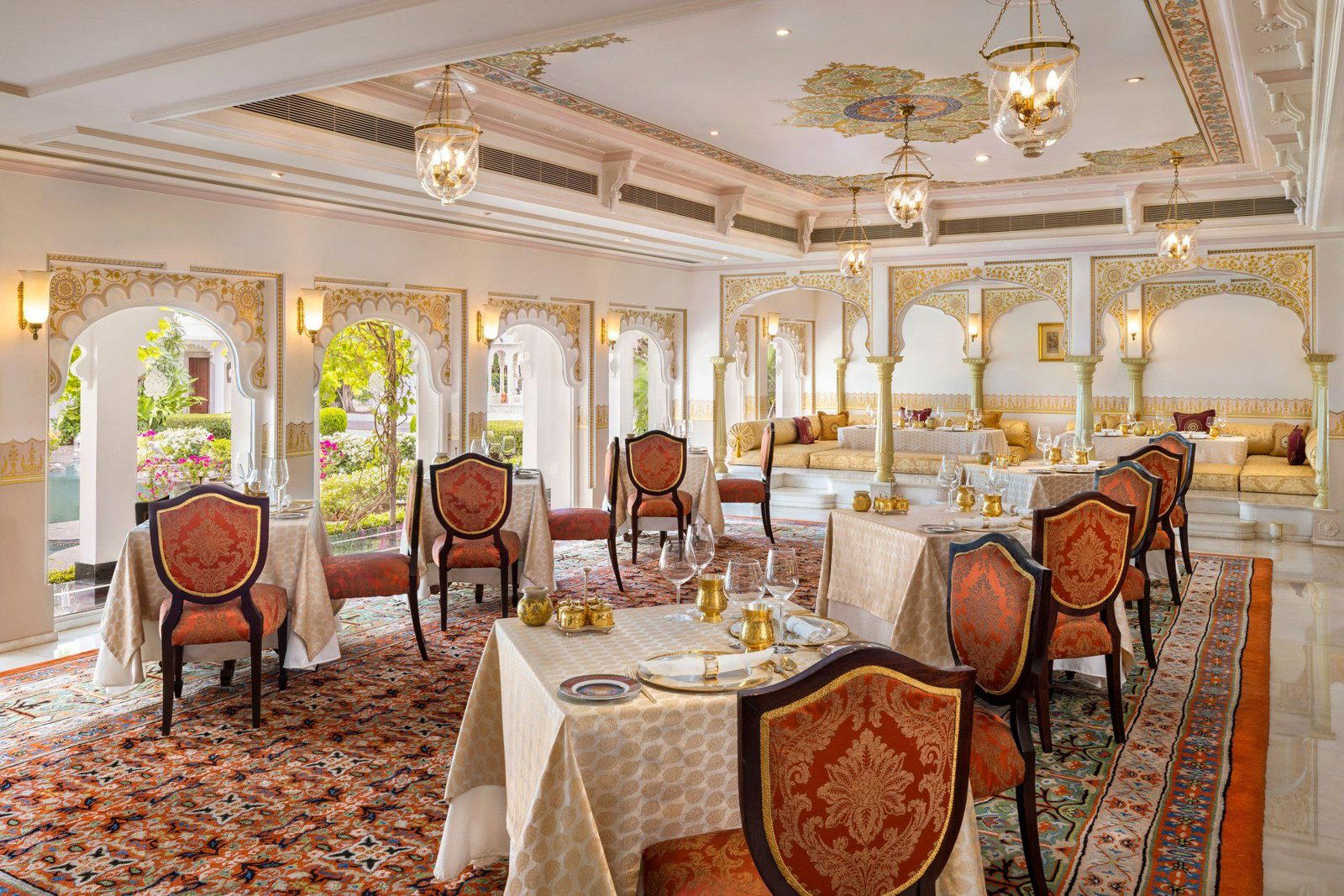
At a Glance
- Romantic
- Elegant
- Scenic
- Ornate
- Well Known
- Sophisticated
- Date Night
- Special Occasion
- Celebration
- Historic Building
- Hotel Restaurant
- Waterfront
- Rooftop
- Panoramic View
- Private Dining
- Extensive Wine List
- Local Sourcing
- Waterfront
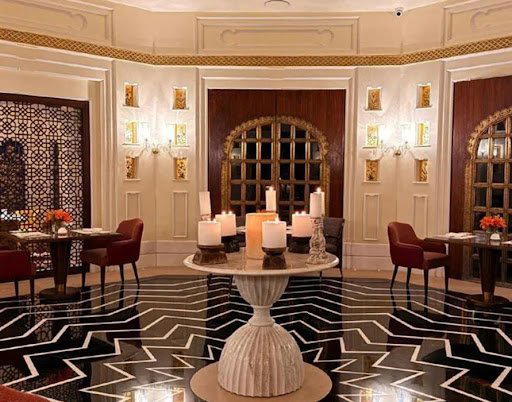
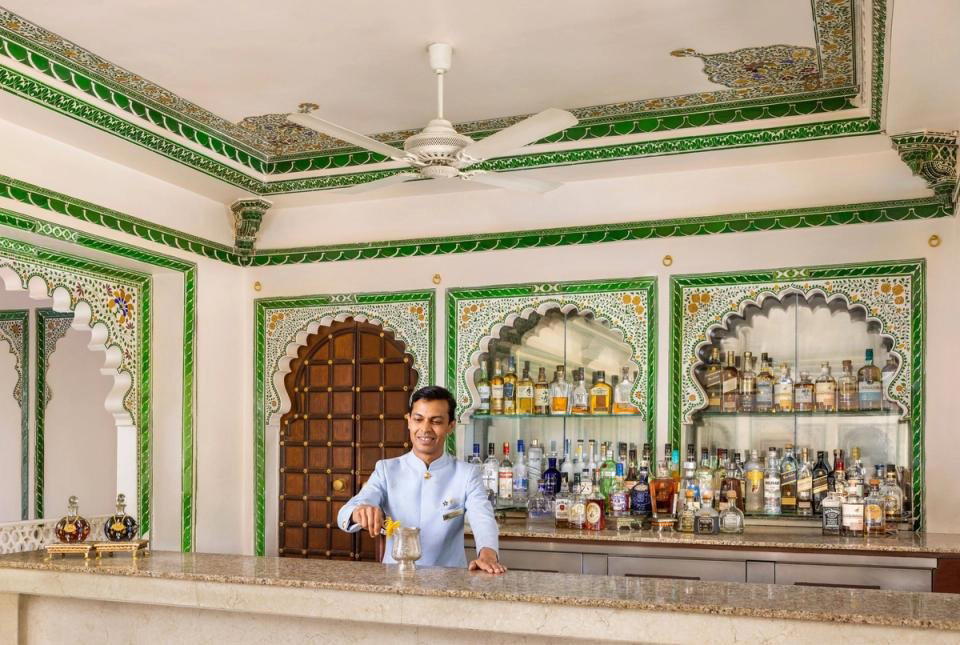
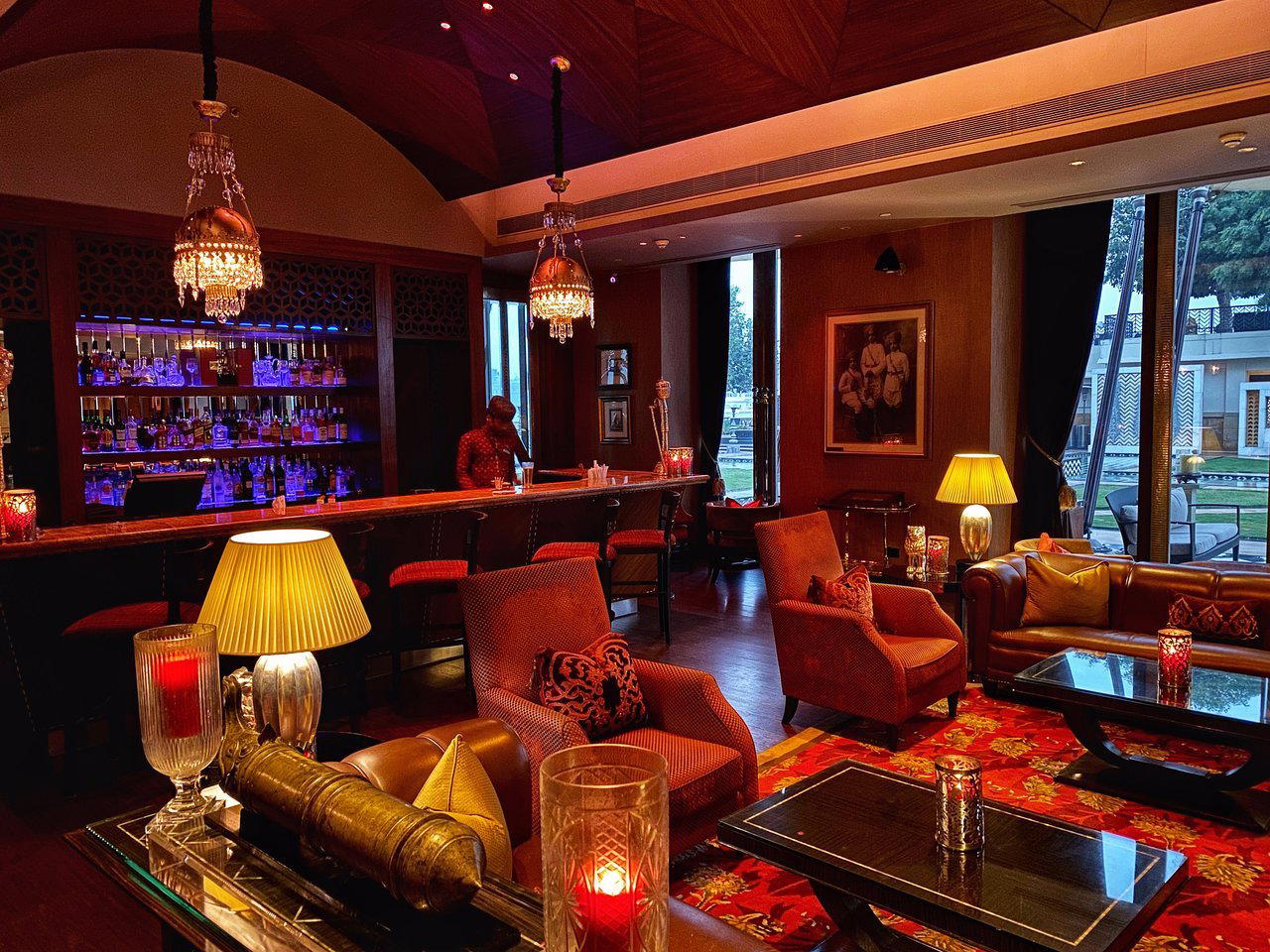
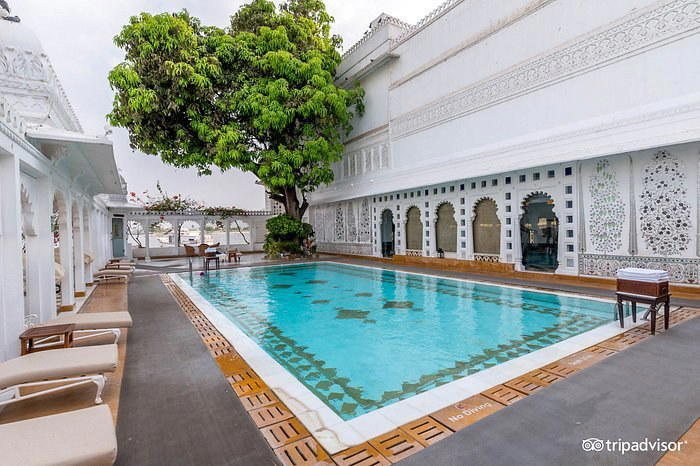
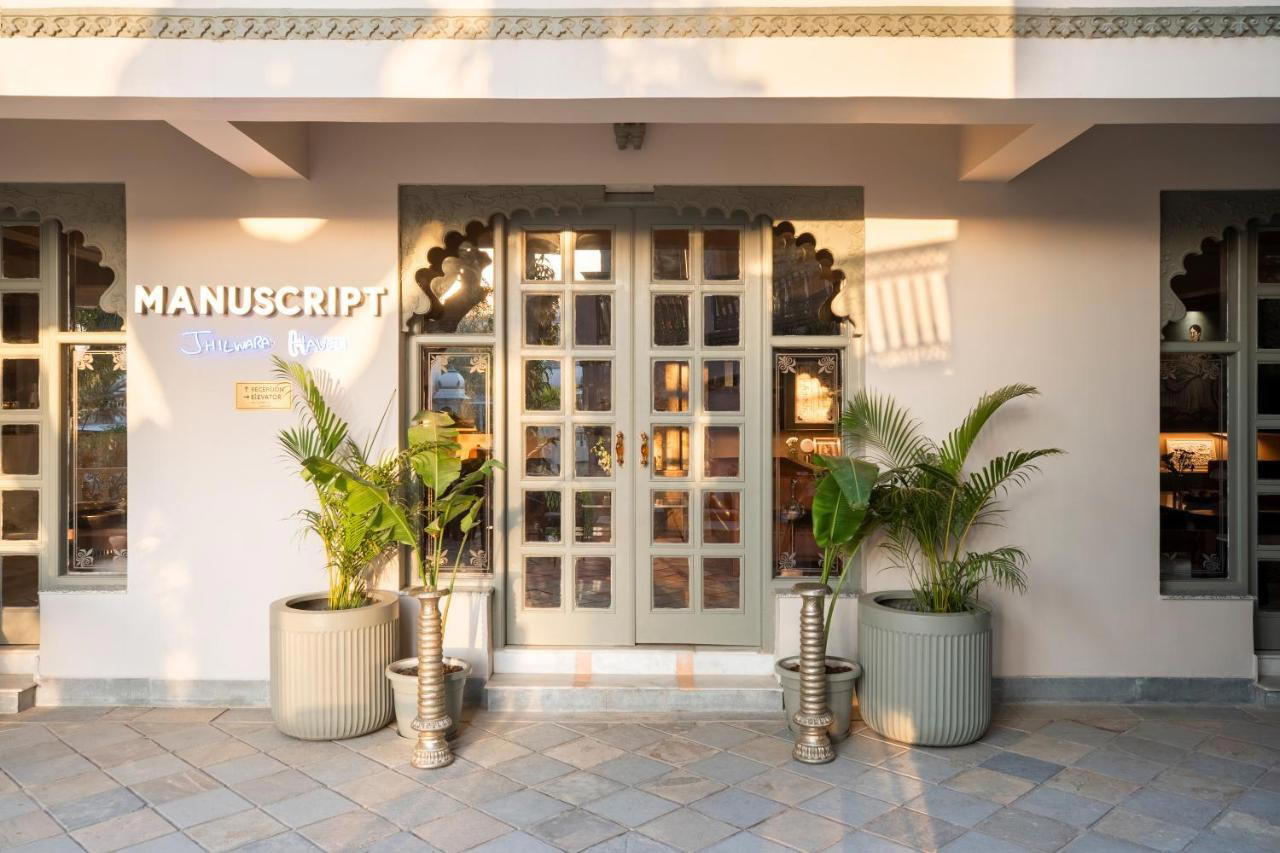
Regal and tranquil with marble terraces, intricate frescos, soft lighting from colored glass panels, and a serene palace atmosphere evoking royalty.