Sumakh
Sumakh sits on Xocalı prospekti in Baku, taking its name from the tart, iron-rich spice that anchors Azerbaijani cooking across centuries of Silk Road trade. The address places it within reach of the city's main cultural corridor, and the kitchen draws on a culinary tradition that treats local sourcing not as a trend but as a structural condition of the cuisine. For visitors building a serious picture of what Baku eats, it belongs on the list.
Pearl is the En Primeur Club membership app — saves, bookings, and concierge access live there. Same editors, same standards.
- Address
- 20, 22 Xocalı prospekti, Bakı, Azerbaijan
- Phone
- +994 12 310 02 20
- Website
- sumakh.az
- Directions
- Get directions
 Saves & bookings on Pearl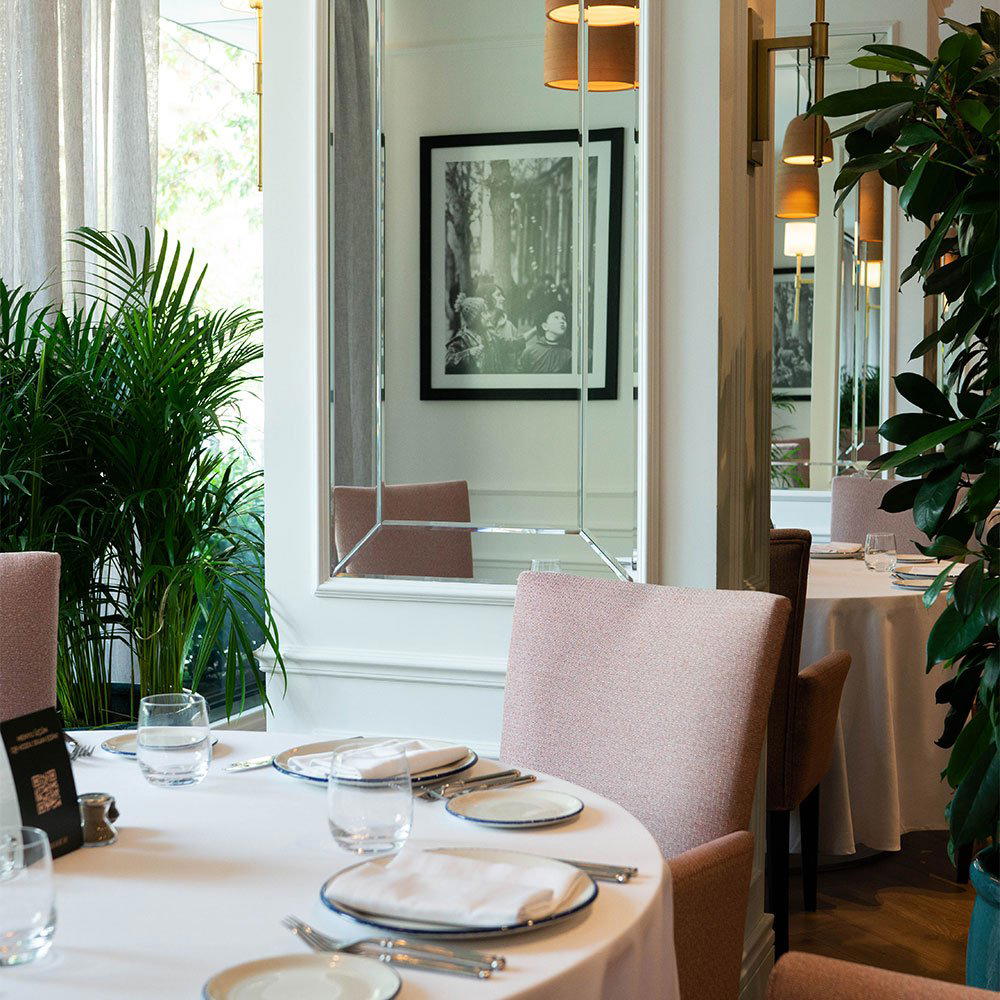
Where the Spice Trade Still Shapes the Plate
Baku's dining scene divides roughly into two registers: the international-facing restaurants clustered around the Old City and the Boulevard, and the neighbourhood kitchens that serve Azerbaijani food to Azerbaijanis. Sumakh, addressed at 20/22 Xocalı prospekti, sits closer to the second category. Xocalı prospekti is not a street that tourists photograph. It runs through a residential and light-commercial band of the city, and the restaurants along it tend to price and present for locals rather than for the hotel-breakfast crowd. That positioning is useful information before you arrive.
The name is doing real editorial work here. Sumakh — the spice, spelled variously as sumac or sumakh depending on transliteration convention — is a ground berry from the Rhus coriaria shrub, used across the Caucasus and the wider Levant as a souring agent and dry condiment. In Azerbaijan, it arrives at the table as a dusting on kebabs, a counterpoint to the fat of lamb, and a seasoning that signals the sourcing geography of a kitchen more precisely than almost any other ingredient. A restaurant that names itself after this spice is making a claim about culinary identity, not merely choosing a word that sounds regional.
Azerbaijani Cuisine and the Logic of Local Ingredients
The broader tradition that Sumakh works within is one of the more coherent regional cuisines in the post-Soviet Caucasus. Azerbaijani cooking draws on a pantry shaped by altitude variation, the Caspian coastline, and centuries of caravan trade. Pomegranate molasses, dried barberries, walnut pastes, saffron from the Absheron Peninsula, fresh herbs in quantities that read as salad rather than garnish, these are not decorative flourishes. They are structural components of dishes like piti (a slow-cooked lamb and chickpea soup sealed under a layer of fat), dushbara (small lamb dumplings in a sour broth), and the full family of plov preparations, each distinguished by what goes in and what comes from where.
Ingredient sourcing in this tradition is less a chef's philosophy and more a geographical fact. The Caucasus mountain range creates microclimates within a few hundred kilometres of each other, and the differences in what grows at 400 metres versus 1,200 metres show up directly in what reaches the kitchen. Lamb from highland pastures carries different fat composition and flavour than lowland-raised animals. Herbs picked in the Talysh region in the south of the country taste differently than their Absheron equivalents. For restaurants drawing on this tradition, provenance is not a marketing angle, it is simply how the cuisine developed before modern supply chains homogenised sourcing. This is the culinary context that an address like Sumakh inhabits, and understanding it reframes what you are looking at when you read a menu in this register.
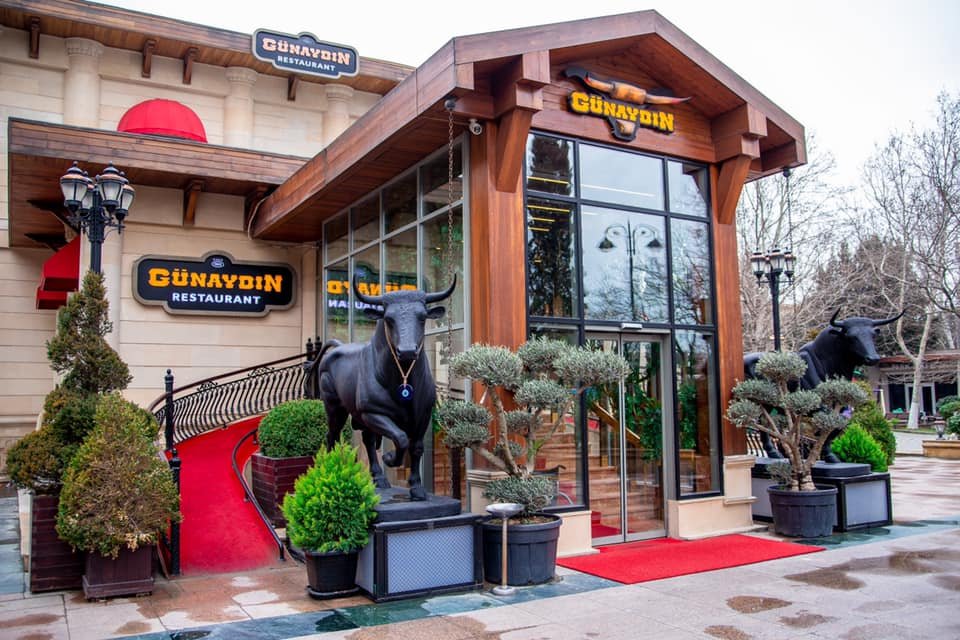
For comparison, Baku's more internationally visible dining rooms, including jpak Restorani in Baku and Gunaydin Restaurant in Baku, tend to present Azerbaijani or broadly Caucasian cooking with a production level aimed at the urban professional and visitor market. Sumakh's Xocalı prospekti address suggests a different competitive set: the neighbourhood restaurant where the sourcing logic is assumed rather than explained, and where the food is priced for repeat visits rather than special occasions.
The Spice as a Frame for the Kitchen
Taking a restaurant's name as an interpretive key is usually reductive. In this case, it is the most reliable data point available. Sumakh, the spice, is not exotic within its home cuisine, it is workday and democratic, available in every bazaar in the country. The Taza Bazaar in central Baku sells it by weight alongside dried herbs, walnuts, and the saffron threads that Azerbaijan produces in meaningful volume. A kitchen that foregrounds this ingredient is one that is thinking about everyday cooking made well, rather than about spectacle.
This positions Sumakh within a growing pattern visible across the Caucasus and, more broadly, across cities where cuisines long treated as secondary to French or Italian fine dining are being reconsidered on their own terms. Tbilisi's restaurant scene went through a version of this reappraisal in the 2010s. Baku's is less documented internationally, partly because the city's culinary infrastructure is less legible to outside critics, and partly because fewer foreign correspondents are eating on Xocalı prospekti. Globally recognised fine dining rooms, from Le Bernardin in New York City to Arpège in Paris to Alinea in Chicago, have built international reputations through decades of critical attention. Azerbaijani cooking at the neighbourhood level operates without that apparatus, which means evaluation requires a different framework.
Getting There and Planning the Visit
Xocalı prospekti is accessible by metro, the Neftçilər station on the Purple Line puts you within reasonable walking distance, and the address at number 20/22 is a clear enough locator on any mapping application. No booking phone or website appears in available records for Sumakh, which is consistent with the neighbourhood restaurant model: walk-in visits are standard, reservation infrastructure is often absent, and the practical approach is to arrive, assess the room, and decide. Baku restaurants in this tier tend to move quickly through lunch service and slow into a longer dinner pace; midweek evenings are generally lower-pressure than Friday and Saturday. There are no published price range figures available, but the Xocalı prospekti context and the restaurant category suggest pricing consistent with local neighbourhood dining rather than the city's higher-end visitor-facing rooms.
For visitors building a full picture of Baku's food, the EP Club Baku restaurants guide maps the broader scene across price tiers and cuisine types. Restaurants working at the opposite end of the ambition and investment spectrum, from Atomix in New York City to 8½ Otto e Mezzo Bombana in Hong Kong to Alain Ducasse at Louis XV in Monte Carlo, represent what full critical and award infrastructure looks like when applied to a kitchen. Sumakh operates without any of that scaffolding, which is a condition of its category, not a verdict on its quality.
- Shah Pilaf
- Lyulya Kebab
- Qutab
- Plov
- Sturgeon Kebab
- Lamb Ribs

At a Glance
- Elegant
- Classic
- Romantic
- Date Night
- Business Dinner
- Group Dining
- Family
- Celebration
- Special Occasion
- Private Dining
- Standalone
- Beer Program
Current opening hours
- Monday
- 12 PM–12 AM
- Tuesday
- 12 PM–12 AM
- Wednesday
- 12 PM–12 AM
- Thursday
- 12 PM–12 AM
- Friday
- 12 PM–12 AM
- Saturday
- 12 PM–12 AM
- Sunday
- 12 PM–12 AM
Hours can change for holidays and private events. Last verified .
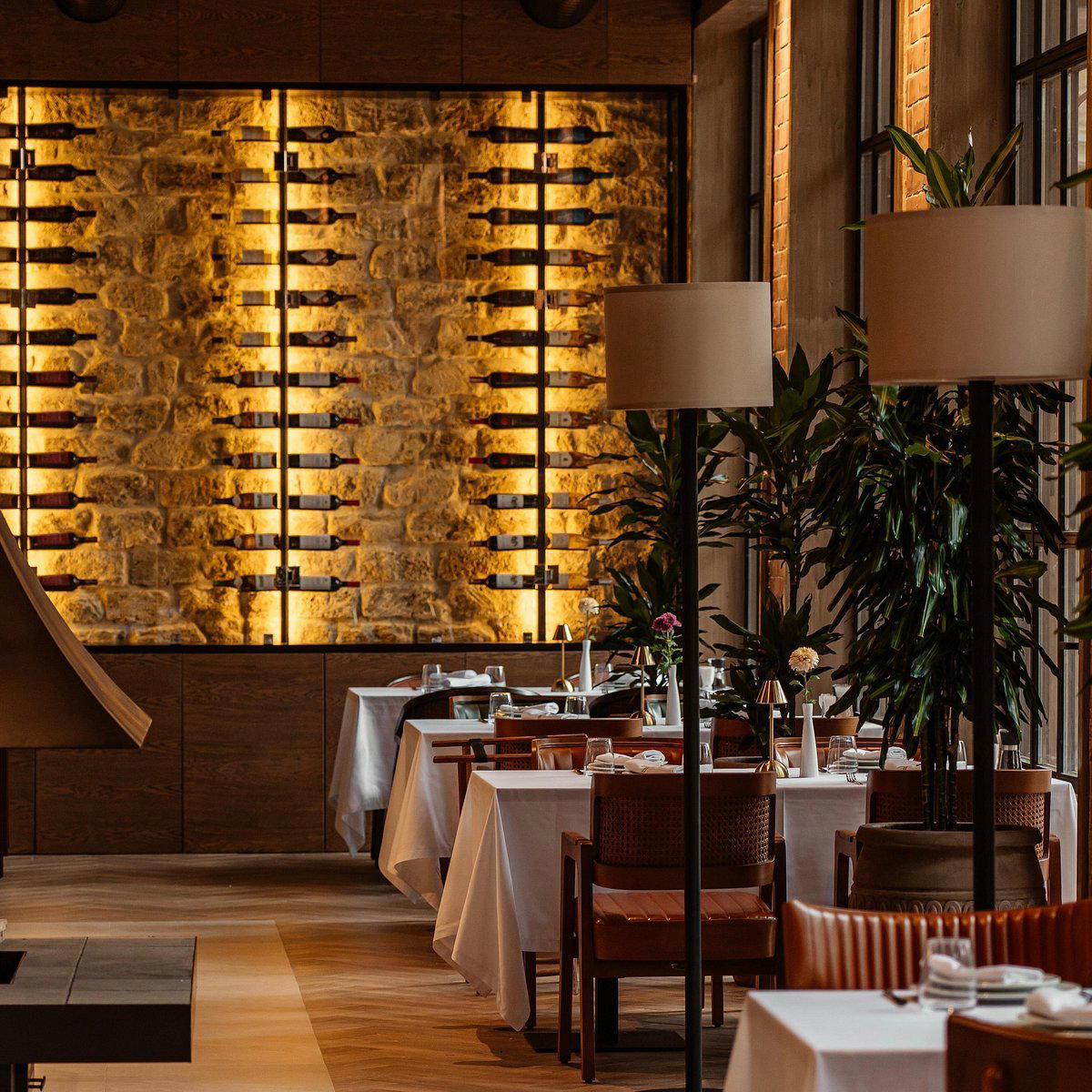
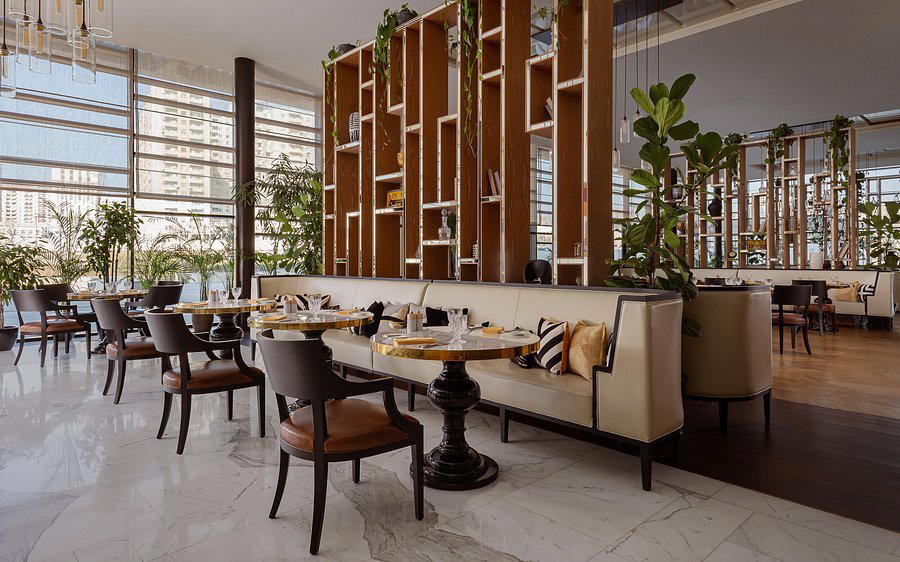
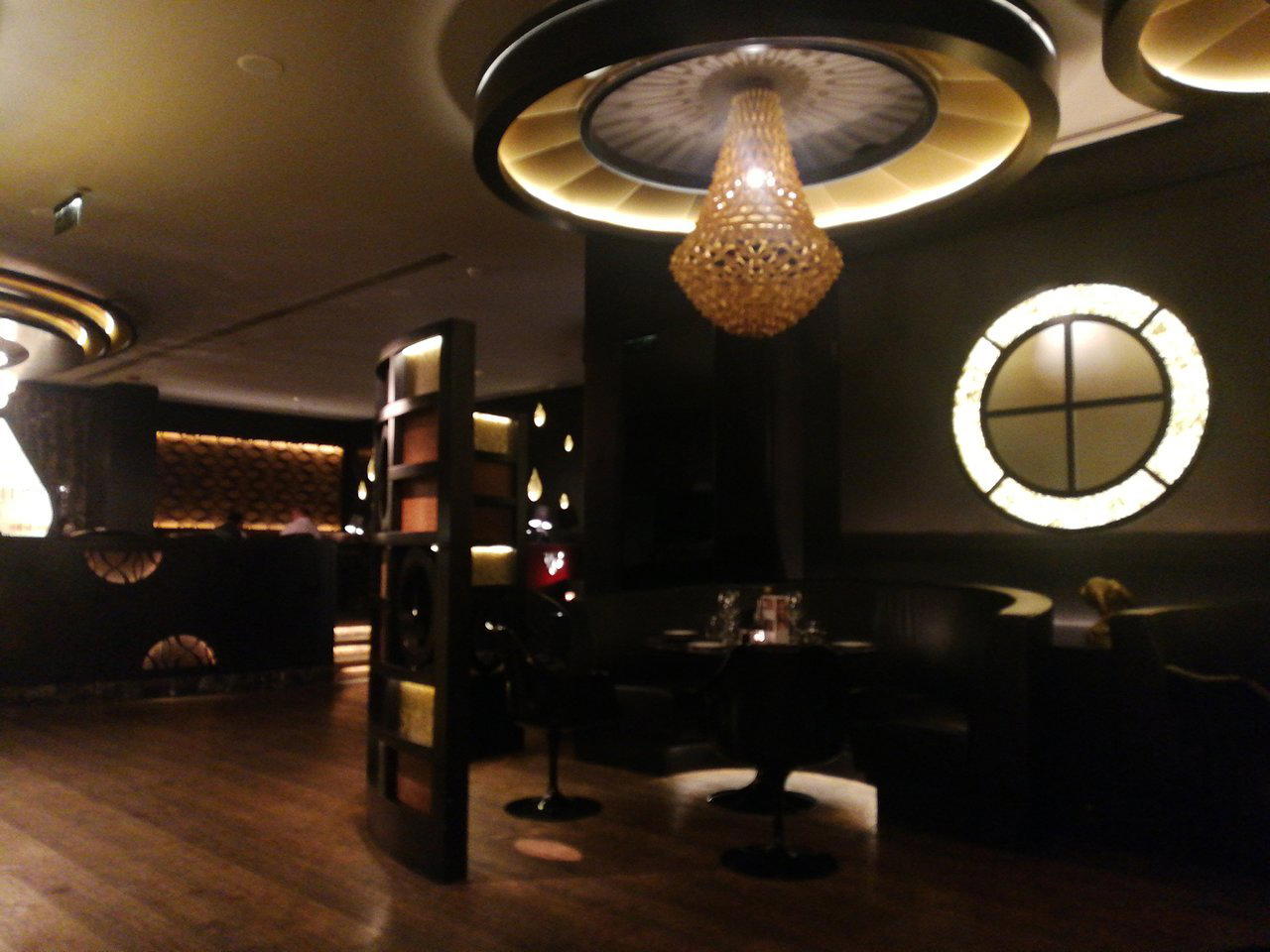
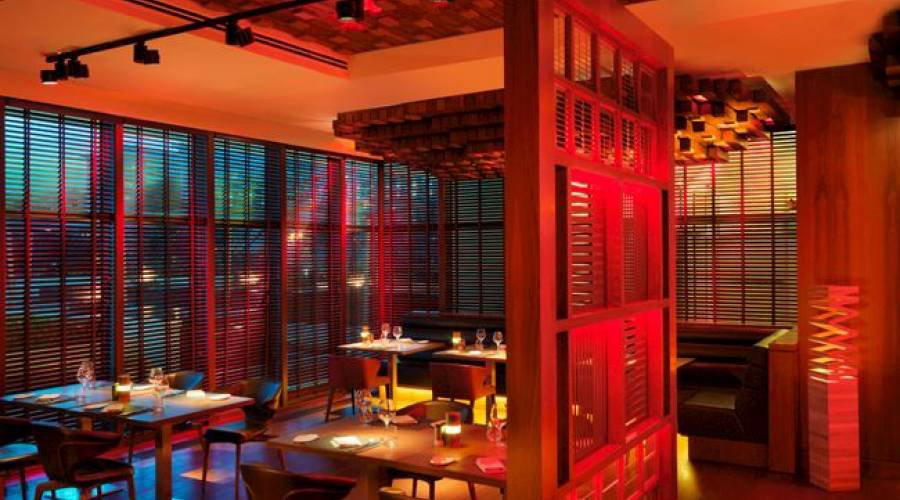
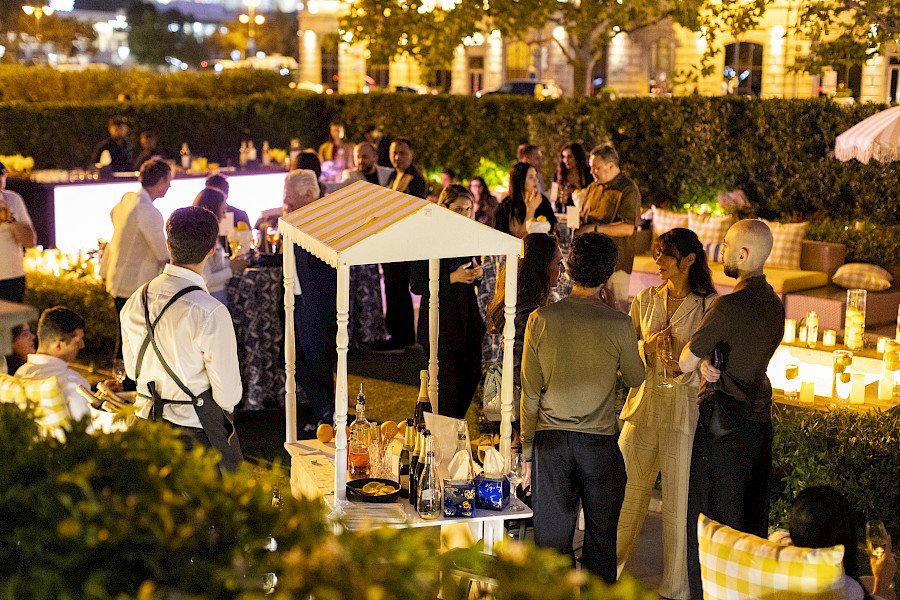
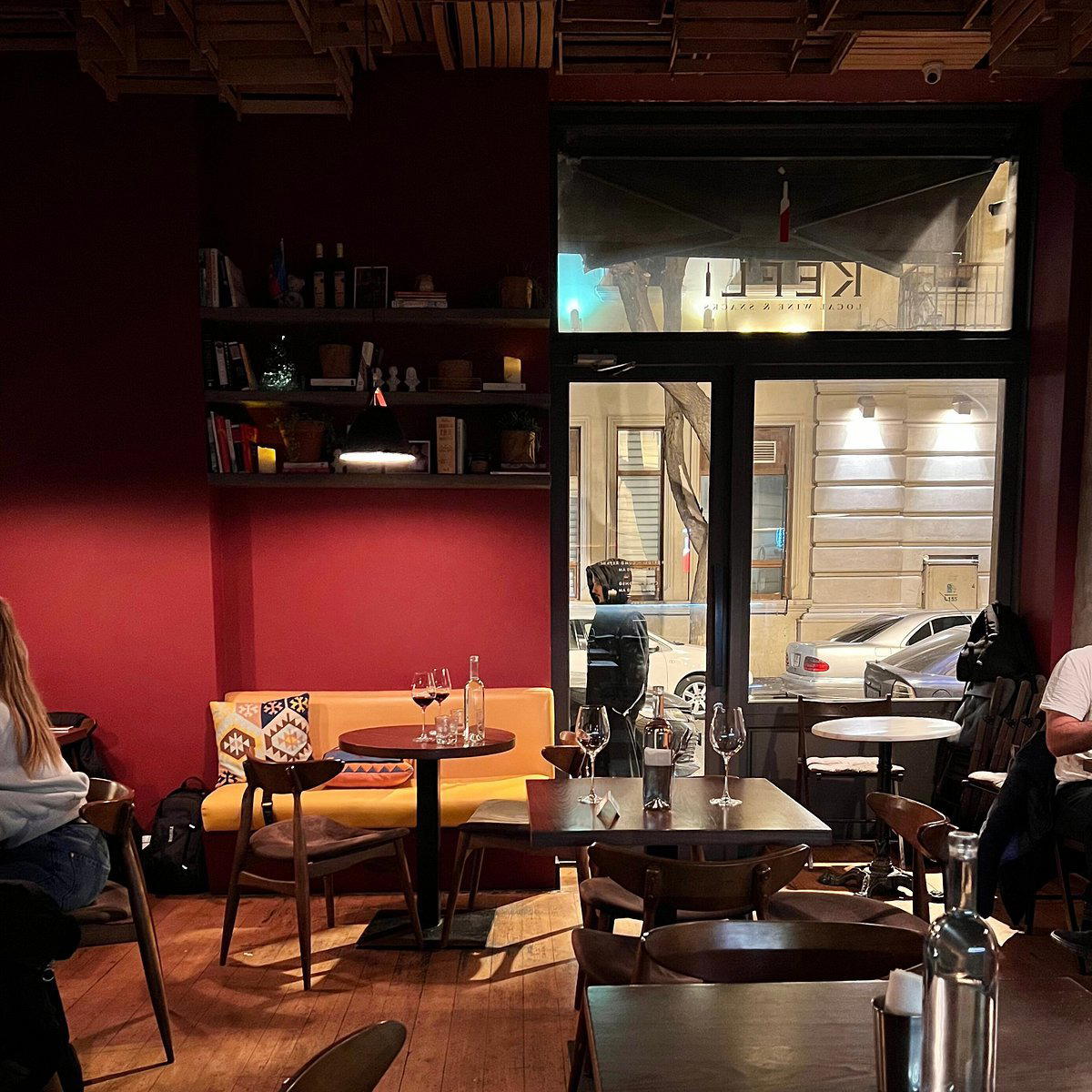
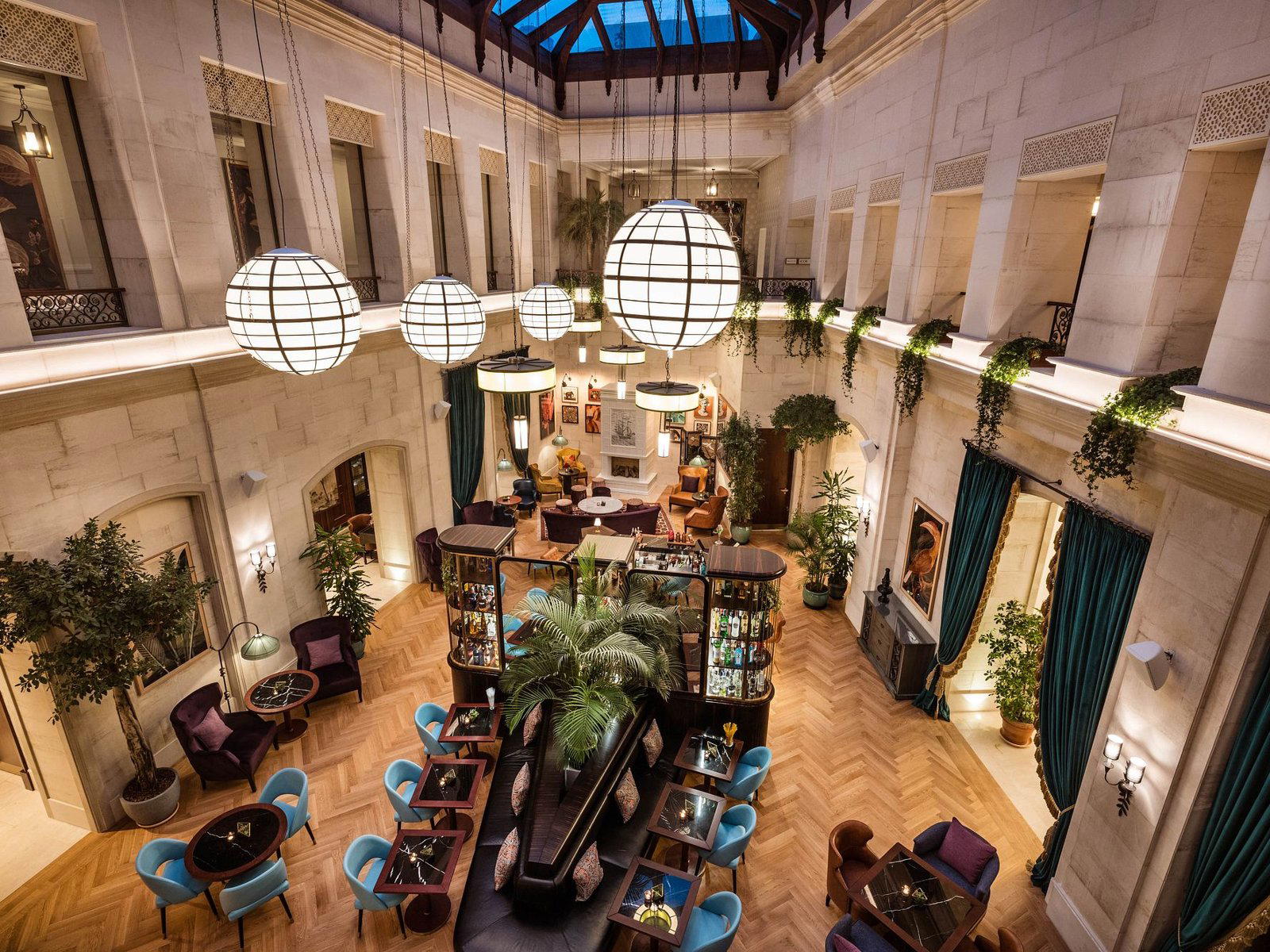
Warm and culturally immersive interior reflecting Azerbaijani heritage through traditional ornaments, carpets, and lighting; suitable for both intimate dining and larger gatherings.
Know Before You Go
- Getting there
- 20, 22 Xocalı prospekti, Bakı, Azerbaijan