InterContinental Baku by IHG

Carrying Michelin Selected status in 2025, InterContinental Baku by IHG occupies a prominent address on Zarifa Aliyeva Street and positions itself at the upper end of the city's international hotel tier. The property's dining programme and address place it in direct conversation with Baku's small cohort of globally flagged luxury hotels, making it a reference point for travellers arriving for business or extended leisure stays.
Pearl is the En Primeur Club membership app — saves, bookings, and concierge access live there. Same editors, same standards.
- Address
- 31 Zarifa Aliyeva St, Baku, Azerbaijan
- Phone
- +994 12 525 99 33
- Website
- ihg.com
- Directions
- Get directions
 Saves & bookings on Pearl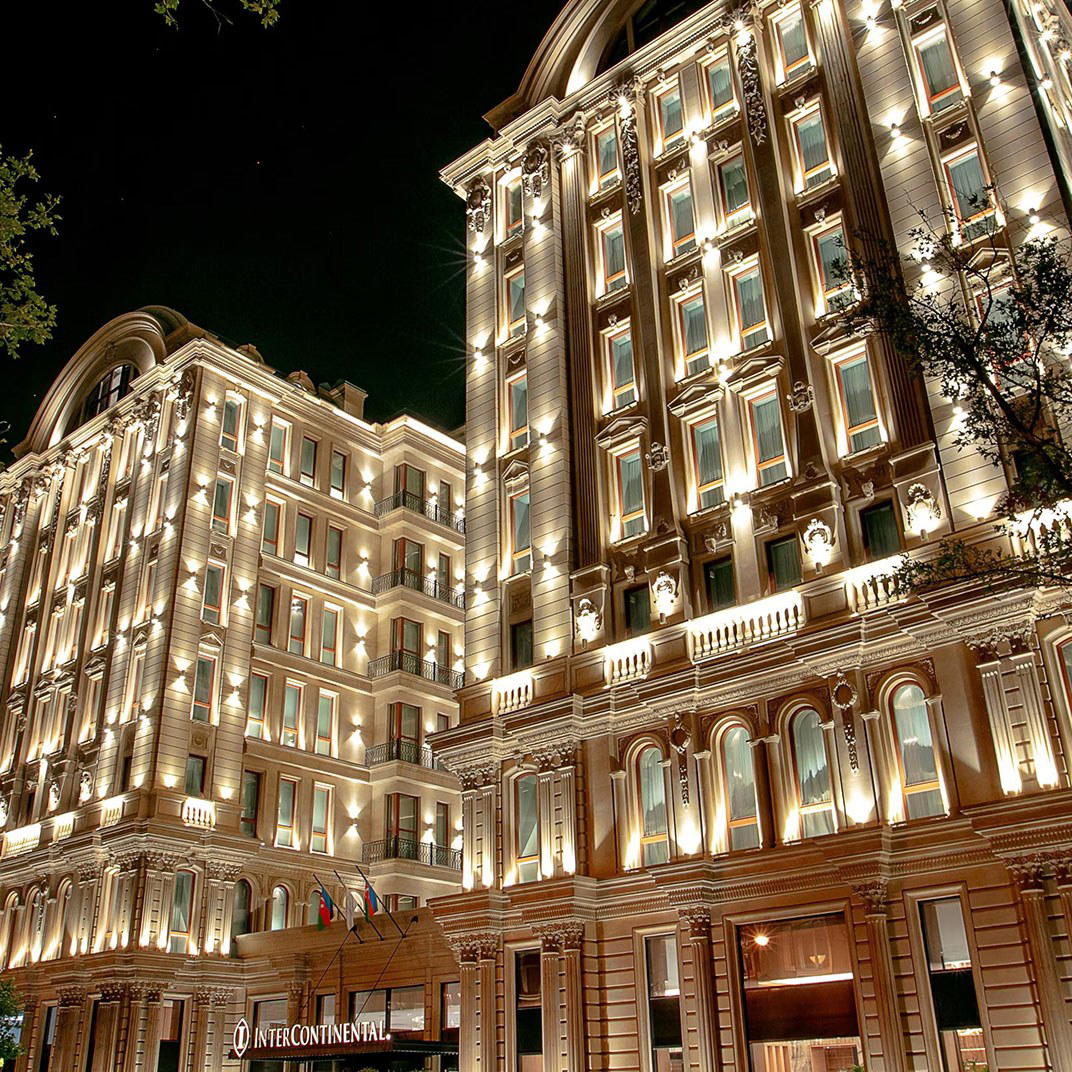
Baku's International Hotel Tier and Where the InterContinental Sits
Baku has spent the past decade developing a hotel market that splits cleanly between globally flagged properties and smaller locally rooted alternatives. On the international side, a handful of addresses, IHG, Marriott, Four Seasons, Fairmont, compete for the same business traveller and premium leisure guest, each anchored near the boulevard or the Old City perimeter. The InterContinental Baku by IHG at 31 Zarifa Aliyeva Street belongs to that upper tier, and its 2025 Michelin Selected distinction confirms what its address already signals: this is a property operating at the leading bracket of the city's international accommodation market.
Michelin's hotel selection process has grown in geographic scope over the past few years, and its presence in Baku from 2025 gives the city's premium segment a new reference point. Within that selection, the InterContinental is one of a small number of properties to earn the designation, placing it alongside peers like the Four Seasons Hotel Baku and the Fairmont Baku, Flame Towers in what is now a formally curated competitive set.
The Dining Programme: What the Hotel's Food and Beverage Approach Signals
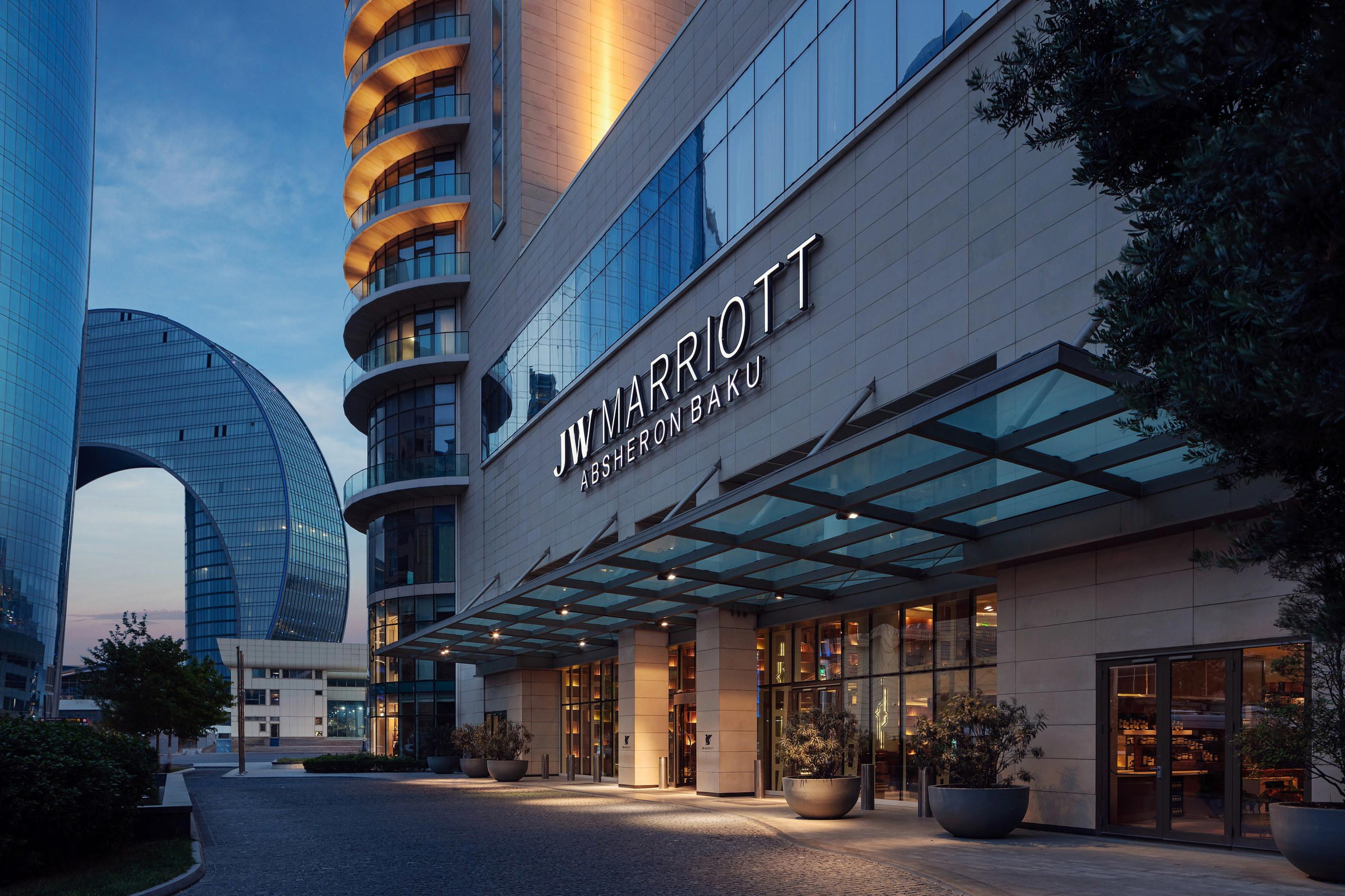
For internationally flagged hotels at this tier, the dining programme is typically the clearest indicator of how seriously a property takes its local positioning. The strongest examples in the IHG network globally use their food and beverage floors to bridge international standards with regional culinary identity, a strategy that has become standard practice as travellers increasingly expect more than a generic buffet or a Western brasserie. Properties like JW Marriott Absheron Baku have pursued similar ground, integrating Azerbaijani hospitality codes into their restaurant programming.
Azerbaijan's culinary tradition offers a genuinely rich platform for hotel dining. The country sits at a historical crossroads between Silk Road trading routes, with a cuisine that draws on Persian, Turkish, and Caucasian influences, lamb plov, stuffed grape leaves, saffron-scented broths, and an extensive culture of tea service that functions as a social ritual rather than just a beverage option. A hotel of this standing, with Michelin recognition and an international flag, operates in a context where guests arrive with calibrated expectations; the question its dining programme answers is how much of that local culinary depth makes it onto the plates.
Address, Position, and the Baku Boulevard Context
Zarifa Aliyeva Street places the property in the heart of Baku's central district, within reasonable reach of the Caspian Boulevard, the Old City walls, and the commercial core that has grown significantly since the 2012 European Games period. That central positioning is a practical asset: Baku's leading cultural sites, including the Palace of the Shirvanshahs and the Maiden Tower, are accessible without significant transit, and the city's flat central grid makes orientation direct for first-time visitors.
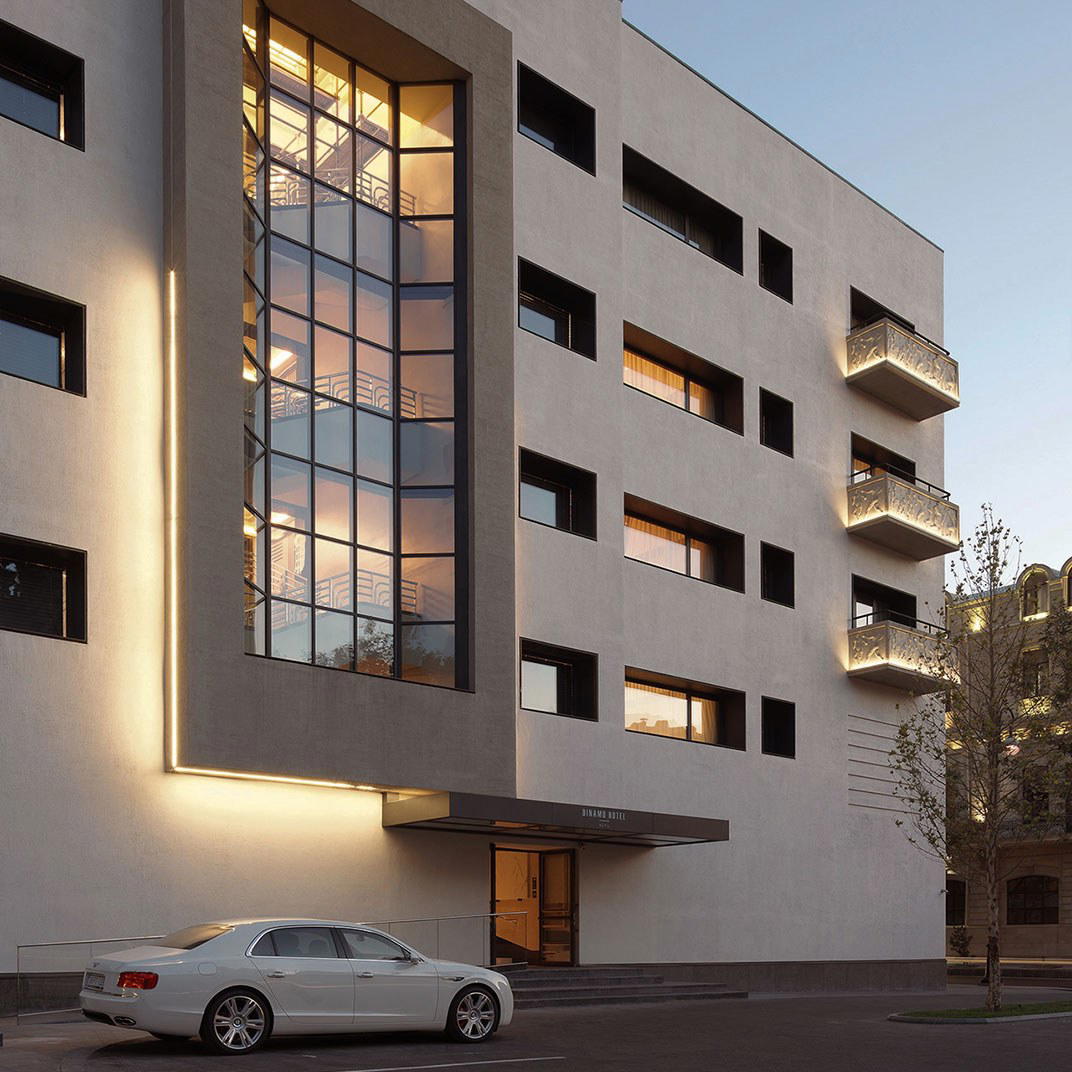
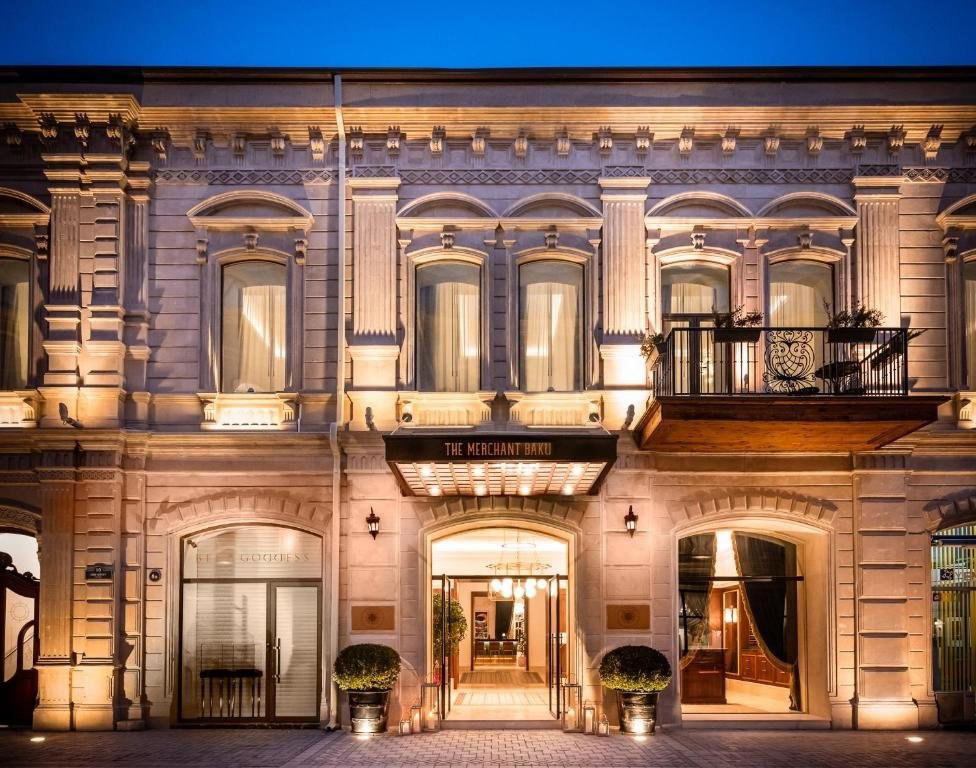
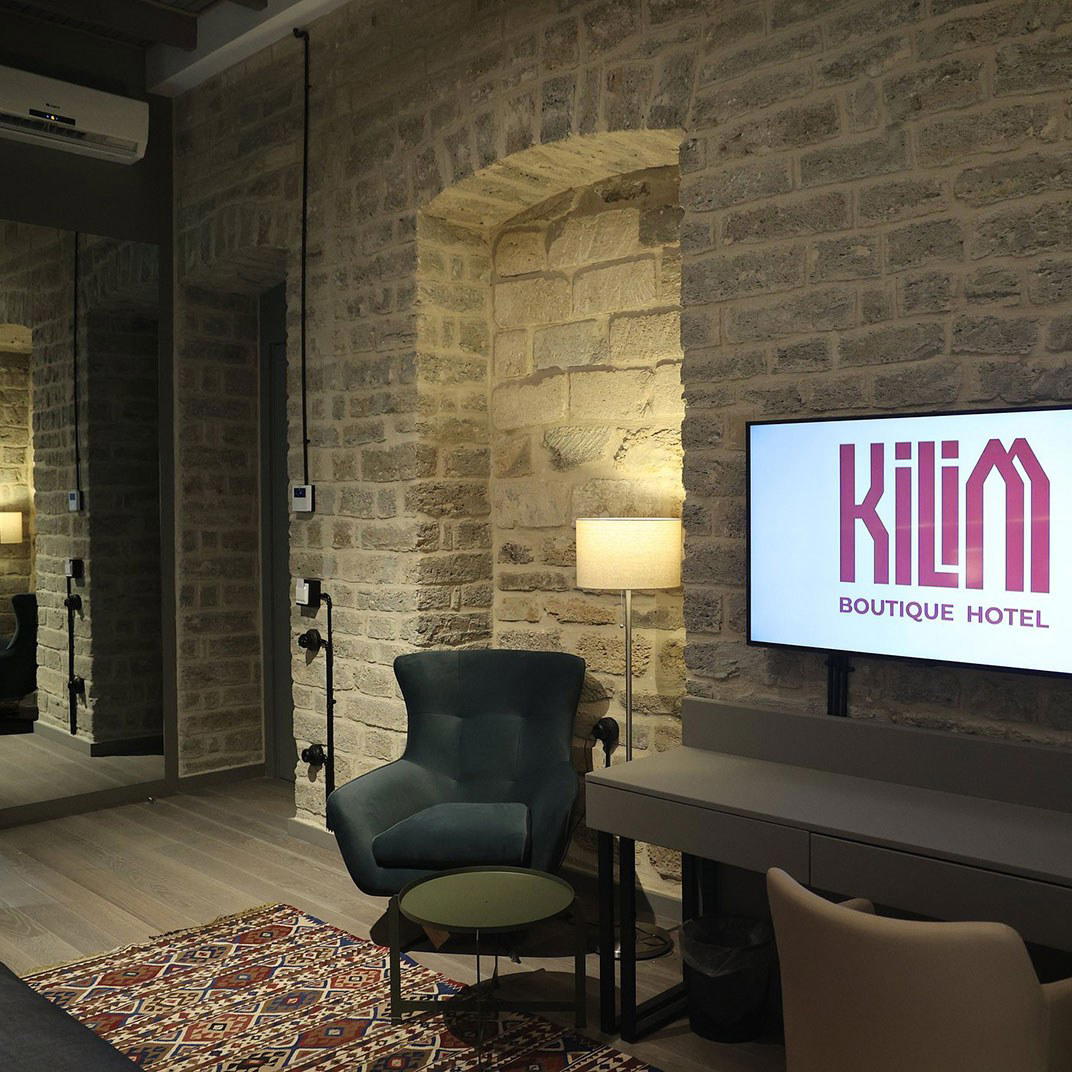
For comparison, more locally rooted alternatives like the Kilim Boutique Hotel and the Art Gallery Hotel sit in a different tier entirely, smaller, more design-specific, and oriented toward travellers who prioritise neighbourhood texture over international infrastructure. The Dinamo Hotel Baku and Radisson Hotel Baku occupy the mid-tier band. The InterContinental and its immediate peers, Four Seasons, Fairmont, JW Marriott, form stronger examples from that stack, differentiated by scale, amenity depth, and now, formal Michelin recognition.
How This Property Compares Across the IHG Global Portfolio
IHG's InterContinental brand occupies the group's premium tier, and the Baku outpost inherits a global set of standards that guests familiar with the brand from other capitals will recognise. Properties like Excelsior Hotel & Spa Baku offer a locally independent luxury alternative, but the InterContinental's appeal is partly about consistency: a guest who has stayed at InterContinental properties across the network arrives with calibrated service expectations that the brand is engineered to meet.
That consistency model is both the brand's strength and the point where design-led independents tend to differentiate themselves. Compare the InterContinental model to, say, Aman Venice or Castello di Reschio and the distinction is immediate: those properties are defined by their singularity of setting and curatorial restraint, while a flagship branded hotel like this one offers infrastructure, loyalty integration, and a recognisable service grammar. Neither is objectively superior; they answer different traveller needs. For a first visit to Baku on a business itinerary, the InterContinental's infrastructure often makes more practical sense. For a return visit with more time and appetite for texture, smaller addresses reward further.
At the other end of the global luxury spectrum, properties such as Le Bristol Paris, Hotel Du Cap-Eden-Roc, or Badrutt's Palace Hotel in St. Moritz illustrate what happens when a large hotel earns its Michelin recognition through culinary programmes rather than simply through brand standing. Baku's hotel dining scene has room to move in that direction, and the city's growing profile as a regional hub gives properties like the InterContinental both the incentive and the audience to invest more seriously in food and beverage depth.
Planning Your Stay: Practical Notes
Price and Positioning
Comparable venues nearby, for context on price, style, and recognition.
| Venue | Price | Awards | Notes |
|---|---|---|---|
| InterContinental Baku by IHGThis venue — the venue you are viewing | $$$$ | 5-Star | Not listed |
| Art Gallery Hotel | $$$$ | 4-Star | Baku City Circuit, Restored historic building blending art gallery sophistication with luxury hotel comfort. |
| Dinamo Hotel Baku | $$$$ | 5-Star | Baku City Circuit, Luxury boutique hotel in a restored historic building with contemporary design integration |
| Fairmont Baku, Flame Towers | $$$$ | 5-Star | Flame Towers, Modern luxury skyscraper hotel with premium Fairmont Gold service and exclusive lounge access. |
| JW Marriott Absheron Baku | $$$$ | 5-Star | Baku City Center, Contemporary luxury hotel in city center with seafront location |
| Excelsior Hotel & Spa Baku | $$$ | 5-Star | Central Baku, Contemporary European luxury hotel blending modern amenities with classical elegance, positioned as an urban wellness sanctuary. |
Recognition history
Dated appearances from independent guides and award organizations, with the underlying list record or original source where available.
Michelin Selected
Michelin

At a Glance
- Elegant
- Sophisticated
- Modern
- Romantic
- Romantic Getaway
- Business Trip
- Weekend Escape
- Waterfront
- Rooftop Pool
- Destination Spa
- Panoramic View
- Historic Building
- Spa
- Indoor Pool
- Fitness Center
- Restaurant
- Bar
- Business Center
- Concierge
- Room Service
- Sauna
- Waterfront
- Skyline
- Spa
- Indoor Pool
- Fitness Center
- Restaurant
- Bar
- Business Center
- Concierge
- Room Service
- Sauna
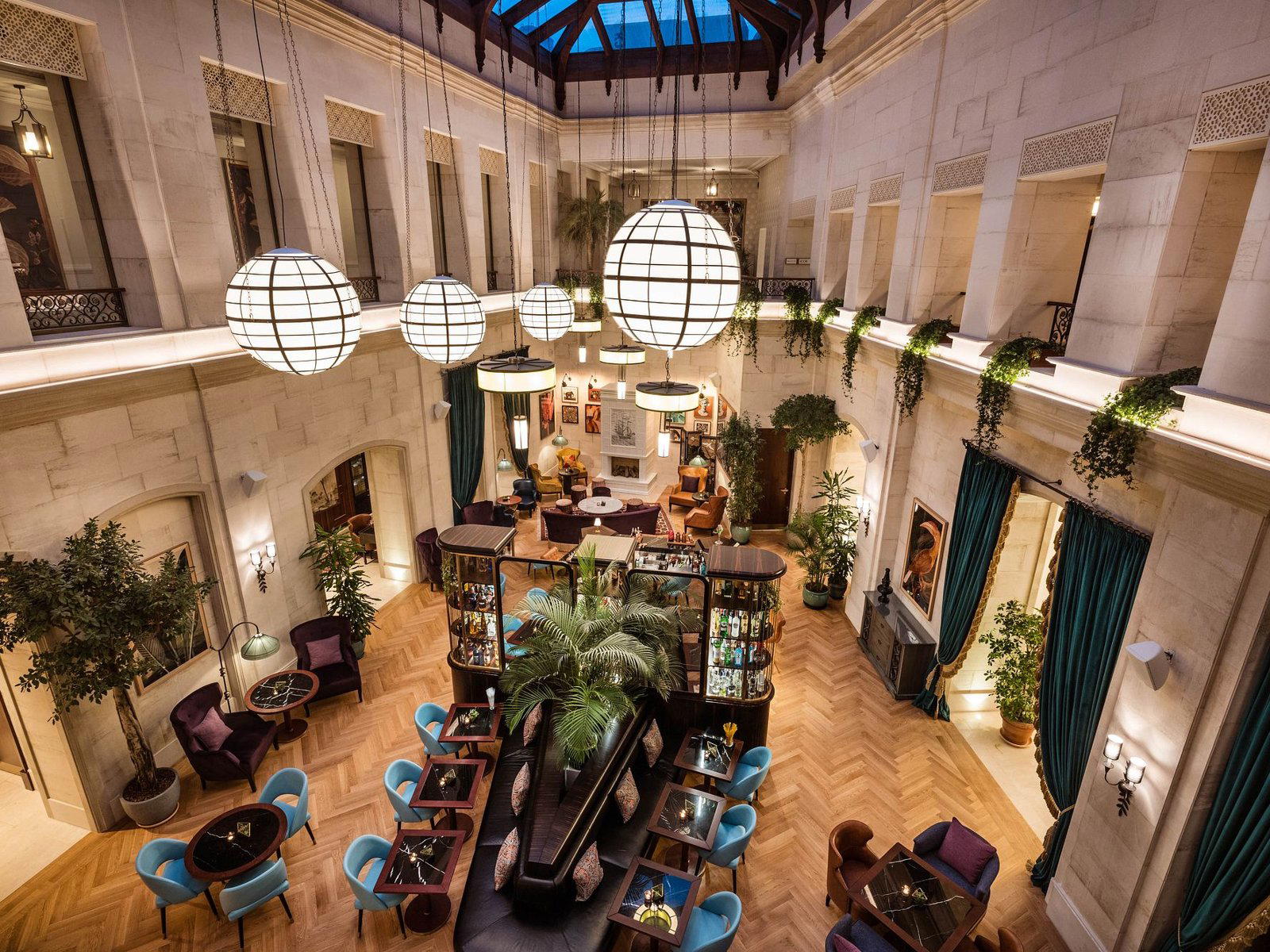
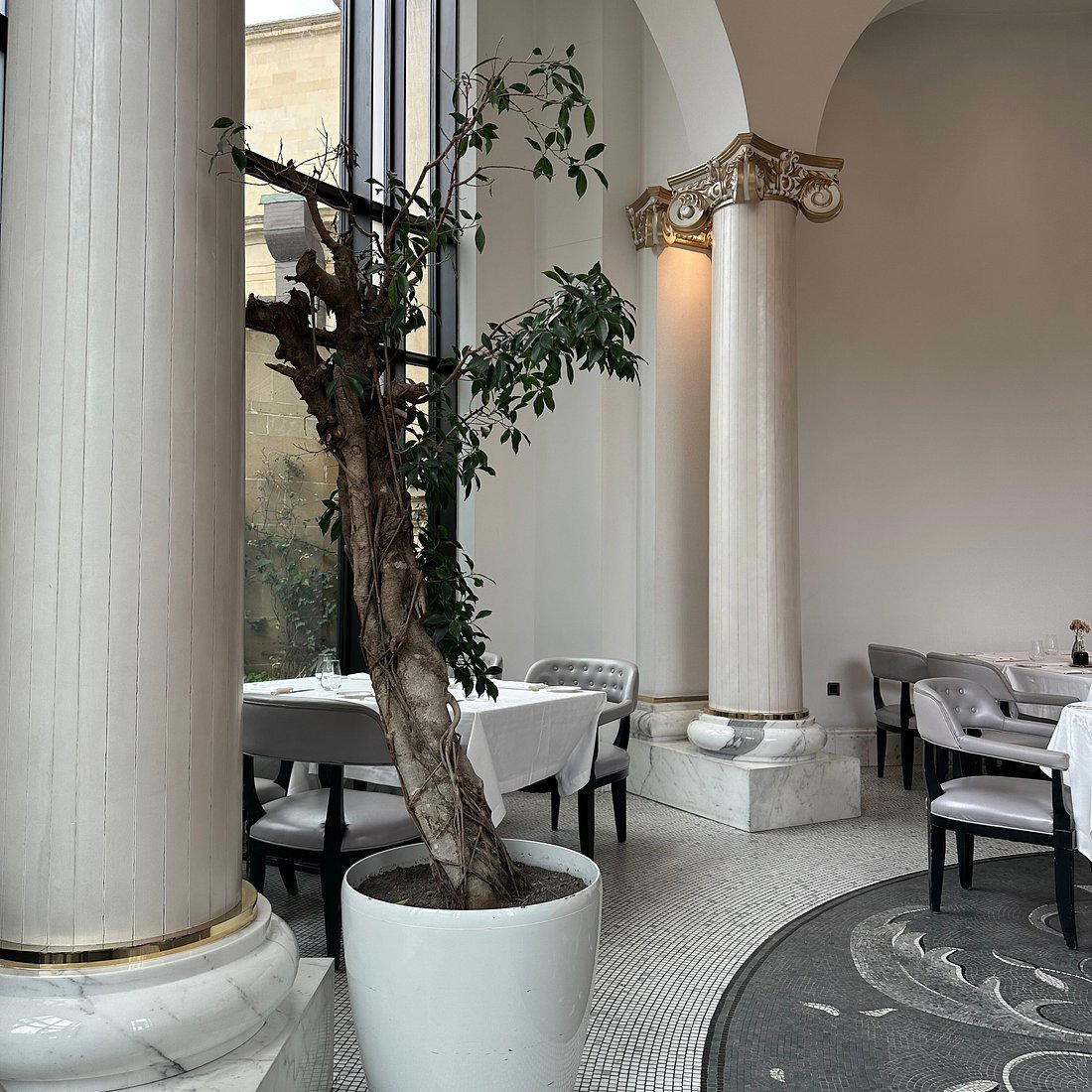
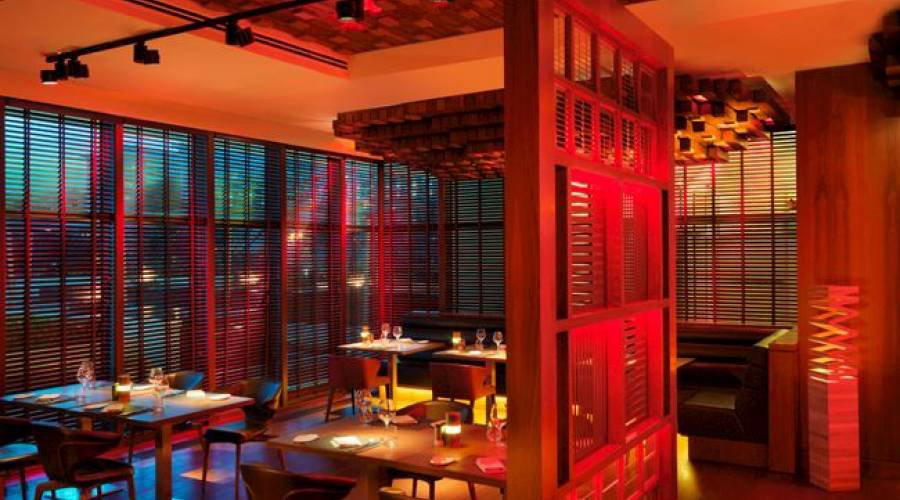
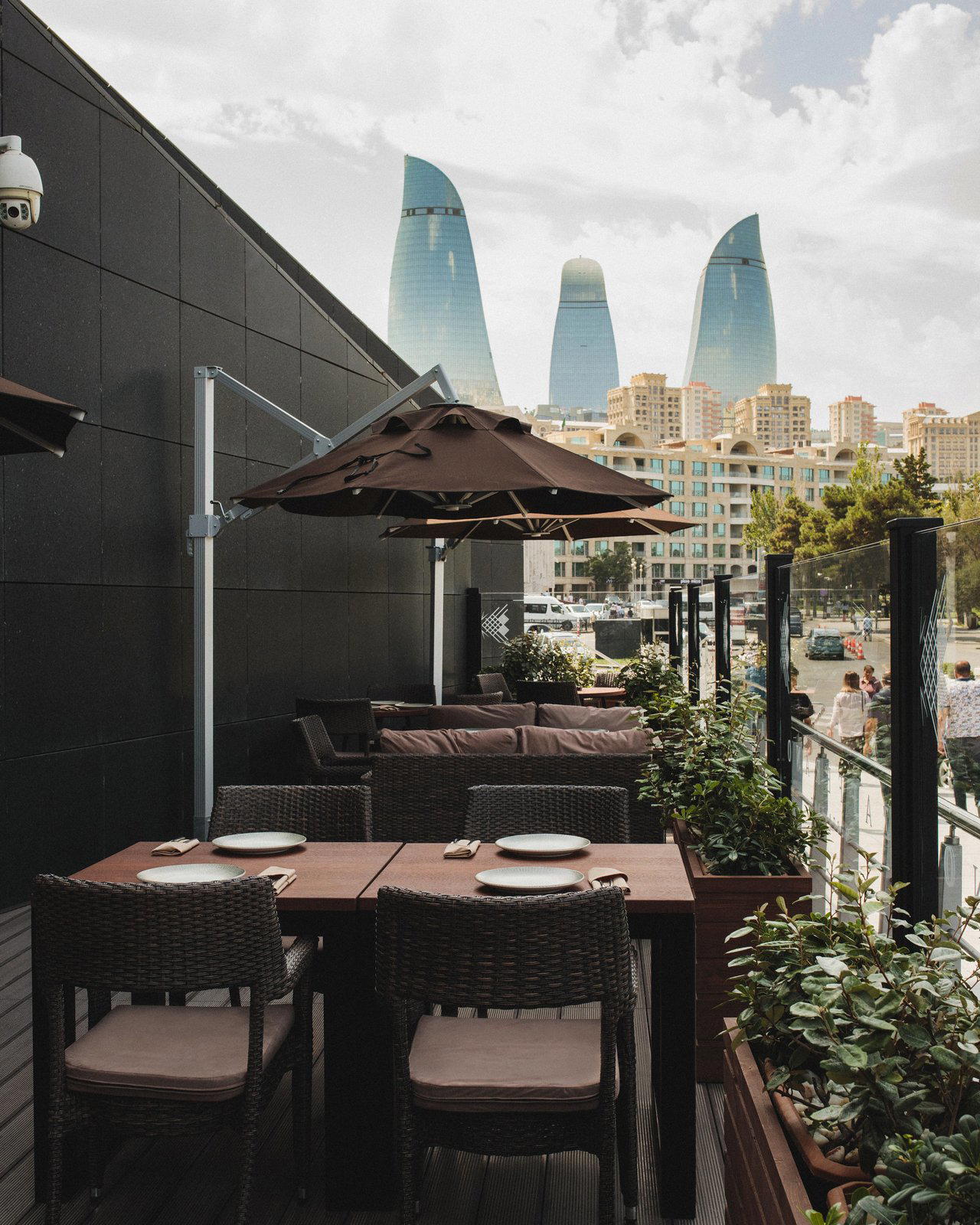
Modern luxury with elegant design elements; sophisticated atmosphere enhanced by Caspian Sea views and contemporary interiors blending cultural heritage with contemporary comfort.