jpak Restorani
In the ancient Silk Road city of Sheki, jpak Restorani draws on one of Azerbaijan's most ingredient-driven regional traditions. The restaurant sits within a city whose cuisine is shaped by walnut orchards, mountain herbs, and the kind of slow-cooking methods that predate any formal culinary school. For travellers moving beyond Baku's dining scene, Sheki represents a distinct register of Azerbaijani cooking.
Pearl is the En Primeur Club membership app — saves, bookings, and concierge access live there. Same editors, same standards.
- Address
- Sheki
- Directions
- Get directions
 Saves & bookings on Pearl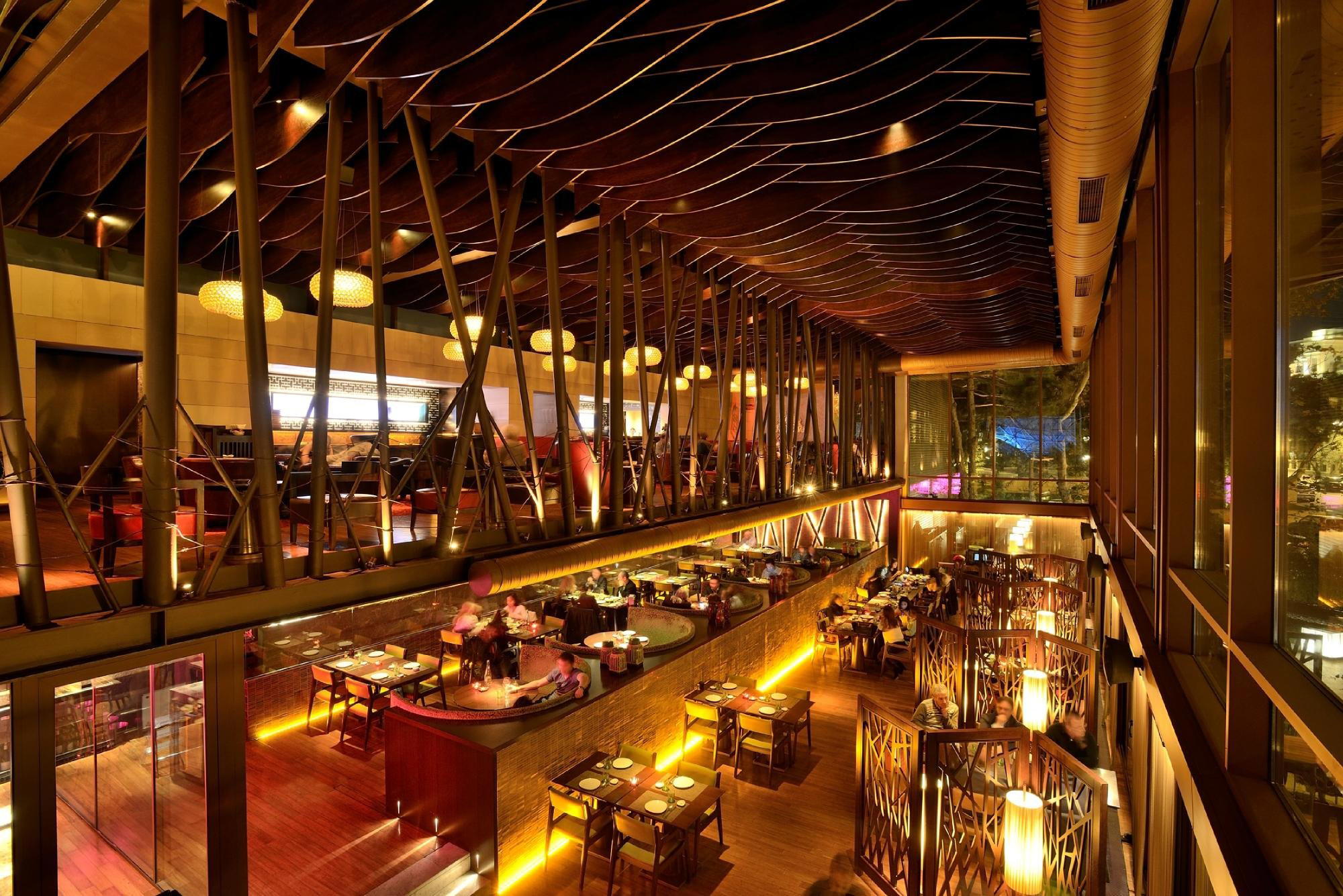
Sheki's Table: Where the Silk Road Still Feeds the Kitchen
Approach Sheki from the lowlands and the shift in landscape is immediate: walnut trees crowd the hillsides, the air carries the cool edge of the Caucasus foothills, and the markets fill with produce that simply does not travel south to Baku in the same condition. This is the context in which jpak Restorani operates. The city has been a caravan stop since at least the medieval period, and its cuisine bears the accumulation of those centuries: dishes built on dried fruits, clarified fats, slow-braised meats, and a pastry tradition so local it carries a geographic name.
For travellers who have eaten their way through Sumakh in Baku or Gunaydin Restaurant in Baku, the move to Sheki represents a shift in register rather than simply a change of address. Baku's better restaurants increasingly present Azerbaijani cuisine through a modernising lens. Sheki's tables, by contrast, tend to stay close to the source material, partly because the source material is right outside the door.
The Ingredient Logic of the Caucasus Foothills
Sheki's food culture is inseparable from its geography. The city sits at roughly 700 metres elevation in the foothills of the Greater Caucasus, and the produce that defines its cooking reflects that position. Walnuts appear not as garnish but as structural ingredient: ground into sauces, pressed for oil, layered into the piti stews that are the region's slow-cooked signature. Chestnuts, dried cornelian cherries, and mountain herbs fill roles that lowland Azerbaijani cooking assigns to different aromatics entirely.
This ingredient specificity matters when thinking about where jpak Restorani sits within Sheki's dining options. Restaurants in cities with strong regional identity either anchor themselves to that identity or position against it. In a city as culinarily defined as Sheki, the pull toward local sourcing is strong, and the cooking that results carries a seasonal logic: what grows in the orchards around the city shapes what appears on the table. That is not a marketing claim in this context; it is simply how supply chains work at this elevation, in this climate, at this remove from industrial distribution networks.
Sheki is also the home of piti, the slow-cooked lamb and chickpea dish served in individual clay pots that has become the city's most discussed export to Azerbaijan's broader food conversation. The preparation requires time and specific fats; shortcuts produce a different dish. Travellers arriving from San Sebastián or Paris with a reference point for what slow-cooking can achieve will find the comparison instructive rather than incongruous.
Regional Tradition at a Remove from the Main Circuit
Azerbaijan's international dining recognition remains concentrated in Baku, and the gap between the capital and regional cities like Sheki in terms of English-language coverage is substantial. That gap does not reflect a gap in quality or culinary depth; it reflects the standard pattern of how food media engages with cities that lack a direct international flight hub. Sheki's culinary tradition is documented in Azerbaijani food scholarship and in the work of researchers tracking Caucasian food history, but it does not yet circulate in the same review ecosystems as, say, Amber in Hong Kong or Alinea in Chicago.
This creates a particular kind of dining experience for informed travellers. The absence of a formal awards framework — no Michelin presence, no Asia's 50 Best equivalent operating in this market — means that quality signals come from other sources: local reputation, ingredient provenance, the density of regular local custom, and the consistency of technique across visits. These are not lesser signals; they are older ones.
For context on what serious regional cooking looks like when it does attract formal recognition, Atelier Moessmer Norbert Niederkofler in Brunico represents one model: a mountain-region restaurant that built its reputation precisely on hyperlocal sourcing and elevation-specific ingredients. The logic is transferable even if the cuisines are entirely distinct.
Planning a Visit to Sheki
Sheki sits approximately 300 kilometres northwest of Baku, connected by a road journey of four to five hours or by train. The city is compact and walkable, and its main dining options are clustered near the historic centre and the caravanserai district. Visiting between May and October gives access to the full range of seasonal produce; the summer months bring stone fruits and fresh herbs that shift the character of the cooking noticeably from the dried-and-preserved register of winter.
Booking and operational details for jpak Restorani are not available through international reservation platforms at the time of writing. As with most restaurants in Sheki's tier, the practical approach is to arrive at the restaurant directly or to ask your accommodation to make contact in advance, particularly during the summer tourist season when the city draws significant domestic visitors from Baku. Our full Sheki restaurants guide covers the broader options and logistics for eating well across the city.
Travellers who have experience dining at tasting-menu counters in cities like New York, where Atomix and Le Bernardin set a particular kind of structural expectation, or San Francisco, where Lazy Bear and Atelier Crenn operate with formal booking windows and extensive tasting formats, will find Sheki's restaurant culture operates on different terms. The value is in the directness of the sourcing and the specificity of the tradition, not in the production apparatus around the meal.
At-a-Glance Comparison
| Venue | Cuisine |
|---|---|
| jpak RestoraniThis venue — the venue you are viewing | This venue |
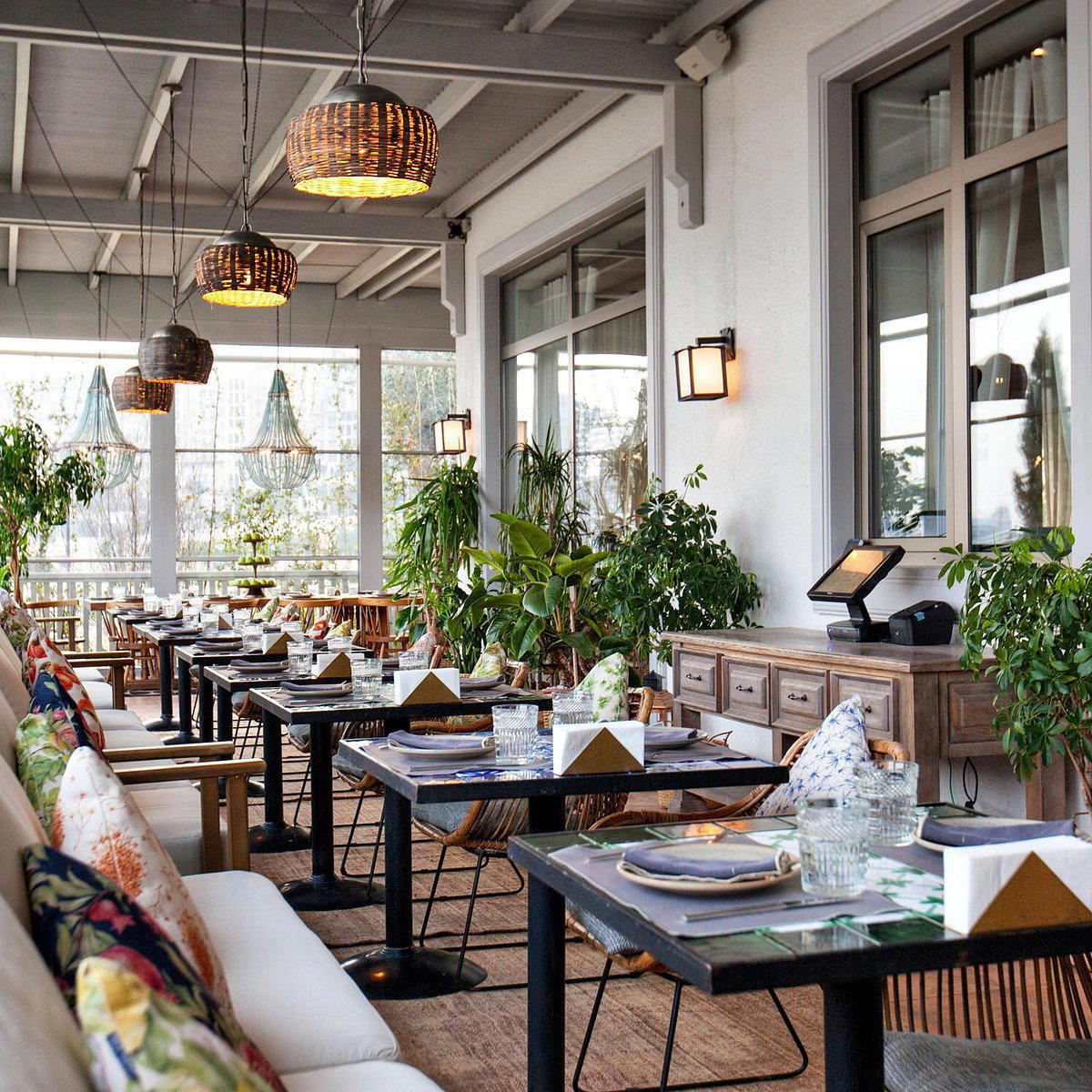

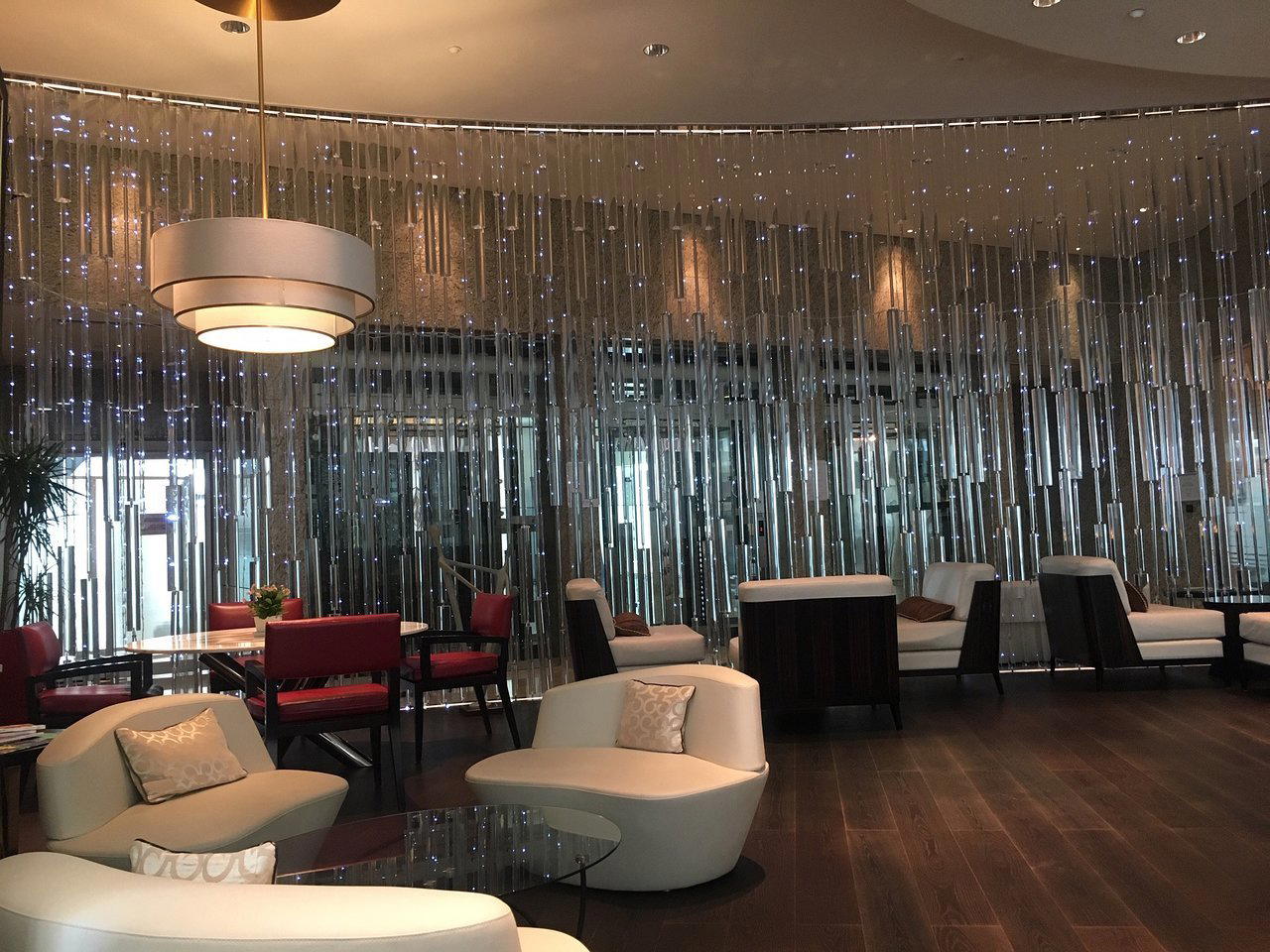
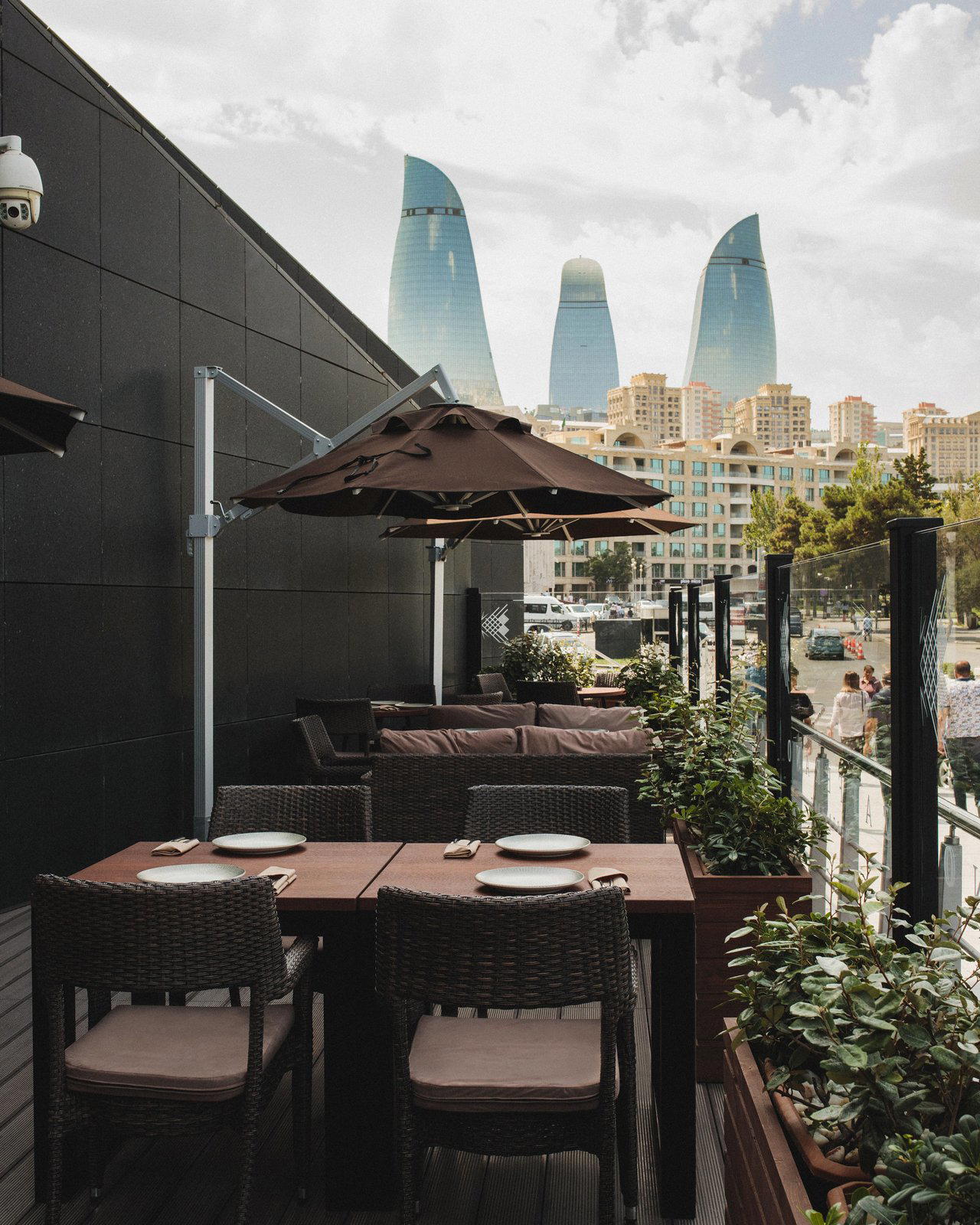



At a Glance
Standard local dining atmosphere
Know Before You Go
- Getting there
- Sheki