

Sumac sits in Roses, a town with culinary weight well beyond its size, delivering farm-to-table cooking shaped by Empordà ingredients and a classical technique refined alongside figures including the late Santi Santamaría.
Pearl is the En Primeur Club membership app — saves, bookings, and concierge access live there. Same editors, same standards.
- Address
- Carrer del Cap Norfeu, 22, 17480 Roses, Girona, Spain
- Phone
- +34 972 15 48 02
- Website
- restaurantsumac.com
- Directions
- Get directions
 Saves & bookings on Pearl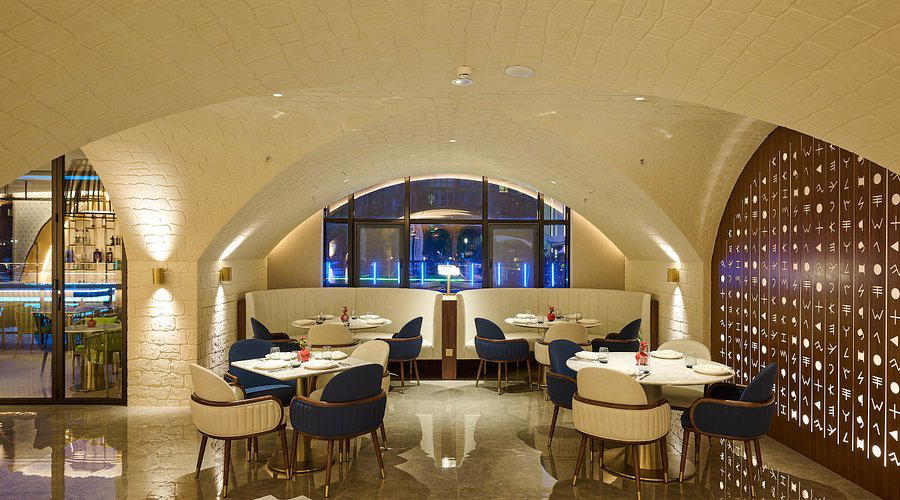
Where the Cap de Creus Meets the Kitchen
Roses sits at the northern tip of the Costa Brava, pinned between the Serra de Rodes and the bay that curves toward France. The town's culinary reputation is anchored by a single address most food travellers already know — El Bulli, the closed laboratory that rewired how Spanish restaurants think about creativity — but the scene around it has developed its own gravity. Rafa handles the seafood-and-small-plates brief with precision; ROM covers traditional cuisine at a more accessible price point. Sumac occupies a different register: a family-run room on Carrer del Cap Norfeu where the cooking is classical in structure, market-driven in sourcing, and carries the kind of Michelin recognition, Plate in 2024 and again in 2025, that signals consistent technical delivery rather than one good season.
The name itself is worth pausing on. Sumac is a tart, crimson spice common across the Levant, Turkey, and the wider Middle East. That reference isn't decorative. It signals an interest in ingredients and flavour traditions that extend beyond Catalonia's own pantry, even as the kitchen's sourcing stays tightly local. The tension between regional produce and broader culinary reference points is a useful lens for understanding what happens on the plate.
The Empordà as Kitchen Garden
Farm-to-table as a category has been diluted by overuse, but in the Alt Empordà the underlying conditions are real. The comarca sits on some of Catalonia's most productive agricultural land: the plain between the Pyrenees foothills and the coast yields vegetables, herbs, and cereals that supply restaurants across the region, while the waters off the Cap de Creus provide the kind of catch that makes proximity to the source a genuine advantage rather than a marketing claim. The tramuntana wind that defines the climate here also shapes the produce, drier, more concentrated flavours than coastal kitchens further south tend to work with.
Sumac positions itself within this supply chain deliberately. The cooking is described as built around local, market-fresh ingredients, and the menu format, a classical à la carte with a modern touch alongside a set menu option, gives both approaches room to coexist. Regulars who want to compose their own meal have that flexibility; those who prefer to let the kitchen decide can take the set route. What unites both is sourcing that tracks the season rather than fighting it.
One item worth noting for anyone planning around it: Wagyu from the Empordà appears as an option. Empordà Wagyu is a small, niche production, cattle raised in the region and crossbred or managed to produce the marbling associated with the breed, and its presence on the menu reflects both the breadth of what the local agricultural base now produces and the kitchen's willingness to move beyond strictly coastal reference points.
Technique and Lineage
The cooking at Sumac carries credentials that place it clearly inside Spain's serious restaurant conversation. The chef worked alongside Santi Santamaría, the three-Michelin-starred figure who ran Can Fabes in Sant Celoni before his death in 2011, and whose approach, rooted in Catalan tradition, resistant to pure spectacle, precise in execution, left a distinct imprint on the chefs who passed through his kitchens. That lineage connects Sumac to a line of Spanish cooking that predates the molecular movement and has outlasted some of its flash, sitting closer in spirit to the classicism you find at houses like Arzak in San Sebastián or Martin Berasategui in Lasarte-Oria than to the maximalist ambition of DiverXO in Madrid or Disfrutar in Barcelona.
The Michelin Plate, awarded consecutively, functions as a marker within that context. It sits below the star level, unlike El Celler de Can Roca in Girona, Quique Dacosta in Dénia, or Aponiente in El Puerto de Santa María, but it indicates that the guide's inspectors consider the cooking worth seeking out and consistent across visits. That combination is not universal.
For comparison within the farm-to-table category at a similar price tier in northern Europe, venues like BOK Restaurant in Münster and Clostermanns Le Gourmet in Niederkassel operate with comparable commitments to local sourcing, but without the particular advantage of the Empordà agricultural belt and the proximity of the Cap de Creus fishery.
Planning a Visit
Sumac is at Carrer del Cap Norfeu, 22, in Roses, a town that sees significant summer pressure along the Costa Brava. The restaurant sits in the €€€ price tier, one step above ROM's more accessible positioning and in line with what you'd expect to pay for Michelin-recognised cooking with quality sourced ingredients in this part of Catalonia. Roses is reachable from Girona by car in under an hour, which also puts El Celler de Can Roca on a logical day-trip circuit for visitors building a Catalan food itinerary. The summer months compress competition for tables across the town's better restaurants, so advance planning matters more in July and August than it does in shoulder season. For a full picture of what Roses has to offer beyond this restaurant, our Roses restaurants guide, hotels guide, bars guide, wineries guide, and experiences guide cover the broader options across the town. For those building wider Spanish itineraries, Azurmendi in Larrabetzu represents another point of comparison in the farm-focused, technically precise tier of Spanish cooking.
- Shrimp Ravioli
- Lobster Parmentier
- Wagyu Steak
- Veal Cheek
- Chocolate Buñuelos
- Octopus with Cheese
A Lean Comparison
| Venue | Cuisine | Price |
|---|---|---|
| SumacThis venue — the venue you are viewing | Farm to table | €€€ |
| Rafa | Seafood Small Plates | Not listed |
| El Bulli | Spanish Cuisine | Not listed |
| ROM | Traditional Cuisine | €€ |
Recognition history
Dated appearances from independent guides and award organizations, with the underlying list record or original source where available.
Macarfi 7 Food Rating
Macarfi
Michelin Plate
Michelin
Michelin Plate
Michelin
Michelin Plate
Michelin
Continue exploring
More in Roses
Restaurants in Roses
Browse all →
Bars in Roses
Browse all →
Hotels in Roses
Browse all →

At a Glance
- Elegant
- Intimate
- Sophisticated
- Modern
- Date Night
- Special Occasion
- Celebration
- Standalone
- Open Kitchen
- Sommelier Led
- Farm To Table
- Local Sourcing
Current opening hours
- Monday
- Closed
- Tuesday
- 1–2:30 PM
- Wednesday
- 1–2:30 PM
- Thursday
- 1–2:30 PM, 8–9:30 PM
- Friday
- 1–2:30 PM, 8–9:30 PM
- Saturday
- 1–2:30 PM, 8–9:30 PM
- Sunday
- Closed
Hours can change for holidays and private events. Last verified .
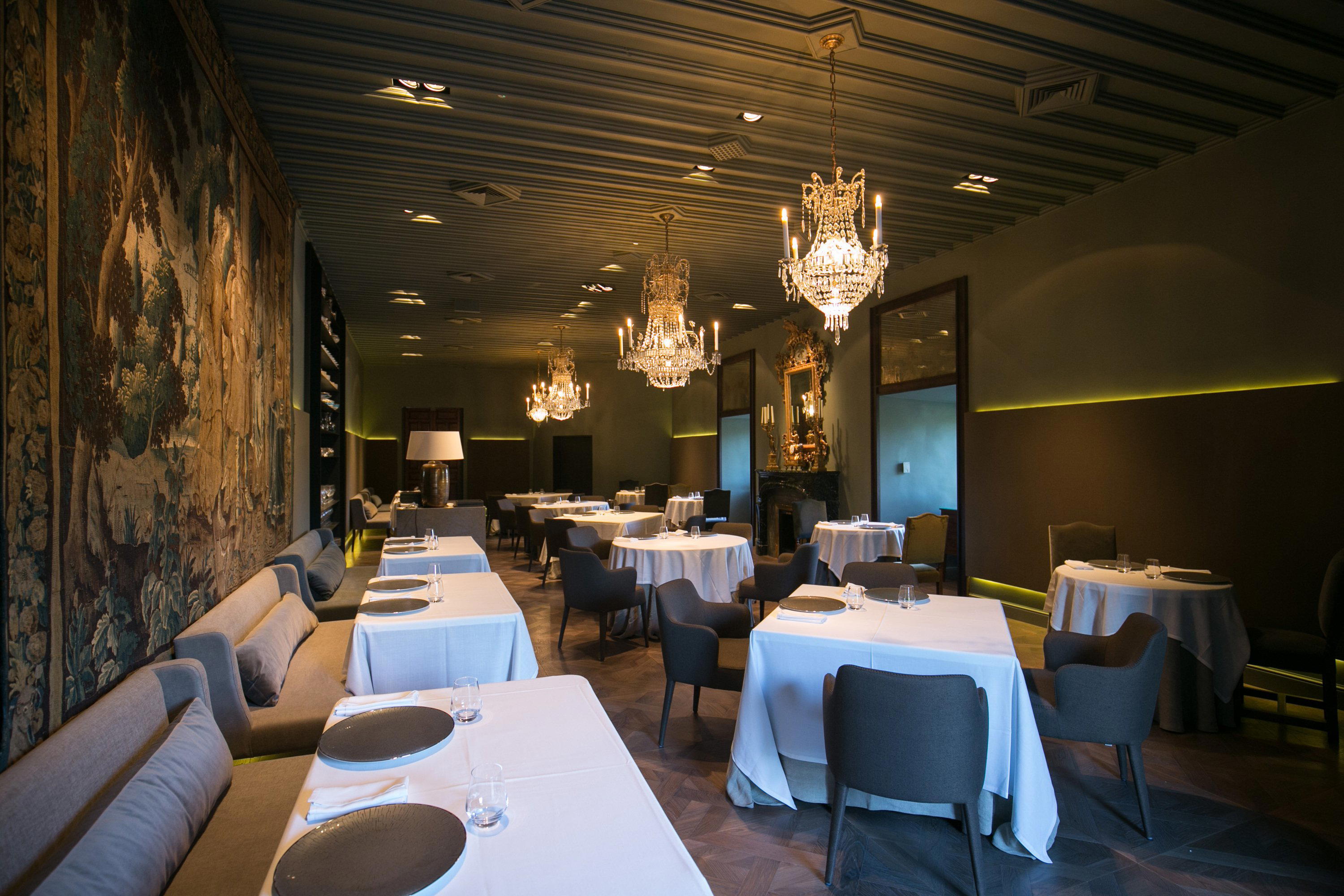
Simple and elegant décor with stylish interior reminiscent of top restaurants; pleasant, not busy dining room with tables sufficiently spaced apart; refined and intimate atmosphere.
Know Before You Go
- Getting there
- Carrer del Cap Norfeu, 22, 17480 Roses, Girona, Spain