

On Roses' seafront promenade, ROM occupies a two-storey building with terraces facing the water, serving updated traditional Catalan cuisine alongside rice dishes and a pre-bookable tasting menu.
Pearl is the En Primeur Club membership app — saves, bookings, and concierge access live there. Same editors, same standards.
- Address
- Passeig Marítim, 43, 17480 Roses, Girona, Spain
- Phone
- +34 972 15 11 94
- Directions
- Get directions
 Saves & bookings on Pearl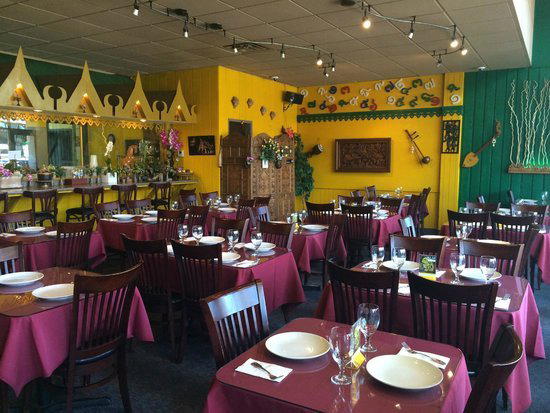
Where the Passeig Ends and the Meal Begins
The seafront at Roses runs in a long arc around the bay, and by the time you reach Passeig Marítim 43, the town's fishing-port character has given way to open water. ROM's two-storey facade faces that view directly, with terraces on both levels that catch the light off the Gulf of Roses in ways that shift considerably between lunch and dinner. This is not incidental backdrop. Along the Costa Brava, the relationship between a dining room and the sea it faces tends to structure the meal itself, setting a pace that is unhurried by design.
That pacing matters here. The format at ROM follows a pattern familiar to mid-range traditional restaurants across Catalonia's coast: a broad menu built around local ingredients, a tighter selection of rice dishes that demand patience to prepare properly, and a tasting menu that steps outside the à la carte rhythm entirely. The tasting menu requires advance booking, which signals something about how the kitchen organises its day. It is not an afterthought added to a standard operation; it is a separate commitment, planned separately, and leading treated as such.
Updated Traditional Cuisine on the Costa Brava
The phrase "updated traditional cuisine" covers a great deal of ground in Catalonia, and it is worth being precise about what it tends to mean on this stretch of coast. It does not mean the molecular reinvention associated with Roses' most famous address, El Bulli, whose legacy still shapes how the town is discussed internationally. Nor does it suggest the focused seafood-driven format of Rafa, which operates in small-plates mode with a shorter, more precise menu. What it means in practice is a kitchen working with the region's established ingredient vocabulary — fish from the bay, seasonal produce from the inland Empordà — and applying enough contemporary technique to keep the cooking current without abandoning the dishes that have defined this coast for generations.
The rice dishes occupy a particular position within that framework. Rice on the Costa Brava is not Valencia's paella tradition, though the two are often conflated by visitors. The Catalan approach tends toward soupy textures, stock-driven depth, and a willingness to let seafood flavour dominate rather than balance against meat. A restaurant that lists rice dishes as a separate category, as ROM does, is signalling that these are prepared to order and not held in reserve, a logistical decision with direct implications for how you should time your visit and how long you should plan to stay.
Michelin Plate recognition ROM holds for 2025 places it in a specific tier within the guide's architecture. The Plate, introduced to mark restaurants serving food of good quality, sits below Bib Gourmand and Star level but above the unrecognised majority. In a region where Spain's dining scene produces some of the world's most discussed addresses, El Celler de Can Roca in Girona and Disfrutar in Barcelona among them, the Plate signals a kitchen operating with care and consistency rather than ambition at the experimental end of the spectrum. For the reader oriented toward comfort over spectacle, that is the relevant distinction.
The Ritual of a Coastal Meal
There is a particular etiquette to eating at a seafront restaurant on the Costa Brava that differs from, say, the structured ceremony of a tasting menu in San Sebastián or the theatrical service of somewhere like DiverXO in Madrid. The meal here tends to expand rather than contract. A terrace table in summer implies a longer stay than the kitchen strictly requires; the view earns its own time. At ROM, with terraces on two levels, the choice of where to sit carries some consequence: the upper floor typically offers a wider sight line across the bay, while the ground-level terrace puts you closer to the promenade and its ambient movement.
Ordering against that backdrop works well if you allow the kitchen's structure to guide you. The à la carte menu provides breadth; the rice dishes require a decision at the start of the meal, since they take time to arrive correctly; and the tasting menu, which must be arranged before you arrive, removes the question of sequencing entirely. Visitors who conflate these three formats and attempt to order rice dishes as a late addition to a long à la carte progression often find the timing works against them. Commitment to one mode or the other produces a more coherent meal.
At that volume, the score reflects a consistent experience rather than a run of exceptional or disappointing outliers. Restaurants at this level and price point (€€ on the mid-range tier) tend to attract a local as well as tourist clientele, which in practice means the kitchen is not calibrating solely to unfamiliar palates.
Roses in Its Regional Context
Roses sits at the northern end of the Costa Brava, closer in character to the wild Cap de Creus headland than to the more developed resorts further south. The dining scene reflects that position: it is not a town that sustains high-volume tourist restaurants at the expense of local ones. Sumac, operating at €€€ in the farm-to-table register, represents a different point on the town's spectrum, more produce-forward, higher-priced, directed toward a different occasion. ROM addresses the space between purely casual seafront eating and the kind of formal or concept-driven dining that demands a specific frame of mind.
That positioning connects to a broader pattern along Spain's northern coasts. Addresses like Aponiente in El Puerto de Santa María, Quique Dacosta in Dénia, and Azurmendi in Larrabetzu represent the upper register of coastal fine dining in Spain; Arzak in San Sebastián and Martin Berasategui in Lasarte-Oria anchor the Basque end of that spectrum. ROM is not in conversation with those addresses. It operates in a different register: accessible, maritime, and grounded in the everyday rhythms of a working coastal town. The traditional Cuisine category it shares with places like Auberge Grand'Maison in Mûr-de-Bretagne and Auga in Gijón points to a cooking philosophy rooted in place rather than in the pursuit of critical recognition at the highest tier.
Planning Your Visit
ROM is located at Passeig Marítim 43 in Roses, Girona. The €€ price range places it in the accessible mid-market tier; a full meal with wine should remain well within what a comparable restaurant in Barcelona would charge for similar quality and setting. The tasting menu requires advance booking and should be arranged before arrival rather than requested at the table. For the broader picture of what to eat, drink, and do in the area, see our full Roses restaurants guide, our Roses bars guide, our Roses hotels guide, our Roses wineries guide, and our Roses experiences guide.
Cuisine and Recognition
| Venue | Cuisine | Price | Awards |
|---|---|---|---|
| ROMThis venue — the venue you are viewing | Traditional Cuisine | €€ | Not listed |
| Rafa | Seafood Small Plates | Not listed | Seafood Small Plates |
| El Bulli | Spanish Cuisine | Not listed | World's 50 Best |
| Sumac | Farm to table | Not listed | Farm to table, €€€ |
Recognition history
Dated appearances from independent guides and award organizations, with the underlying list record or original source where available.
Macarfi 7 Food Rating
Macarfi
Michelin Plate
Michelin
Michelin Plate
Michelin
Continue exploring
More in Roses
Restaurants in Roses
Browse all →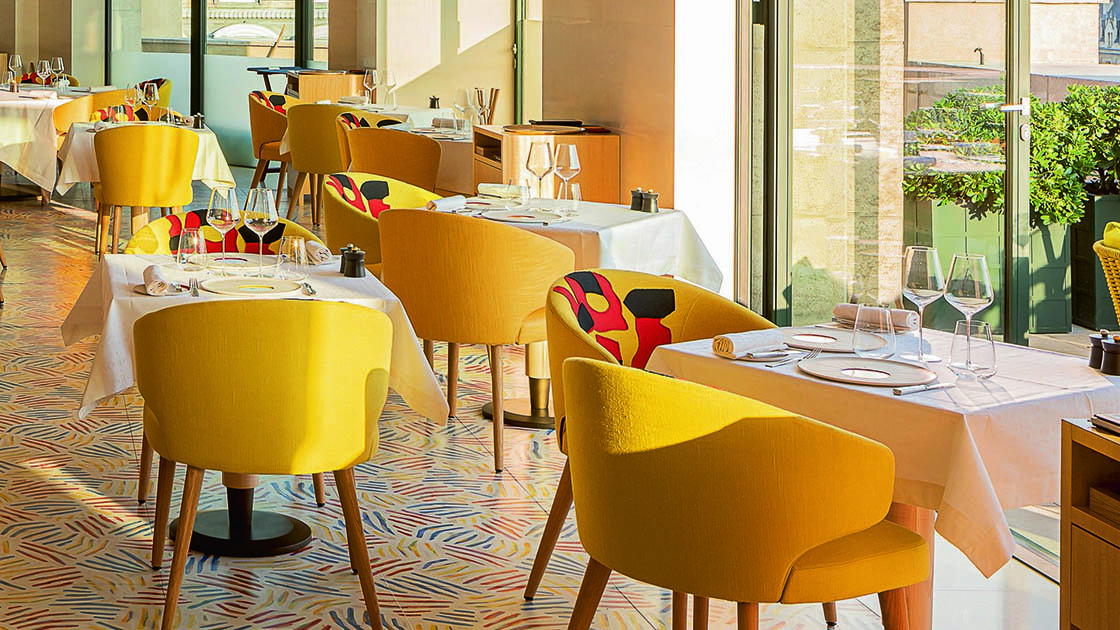
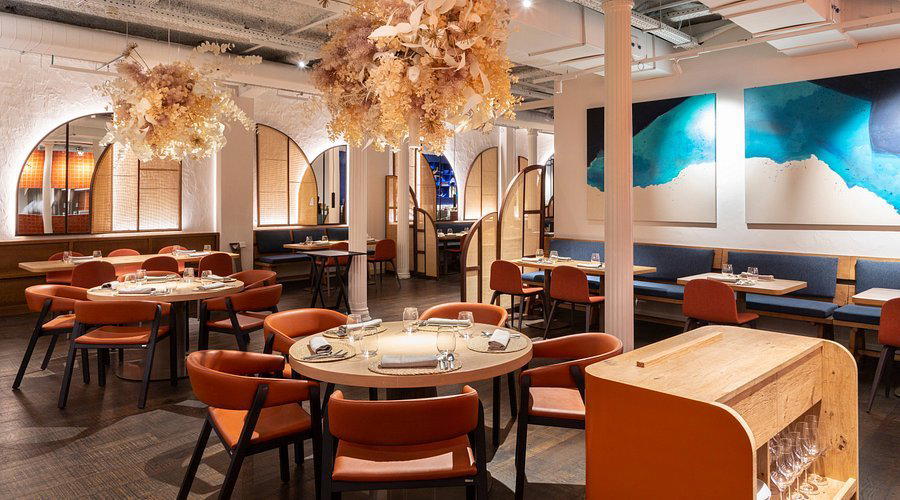
Bars in Roses
Browse all →
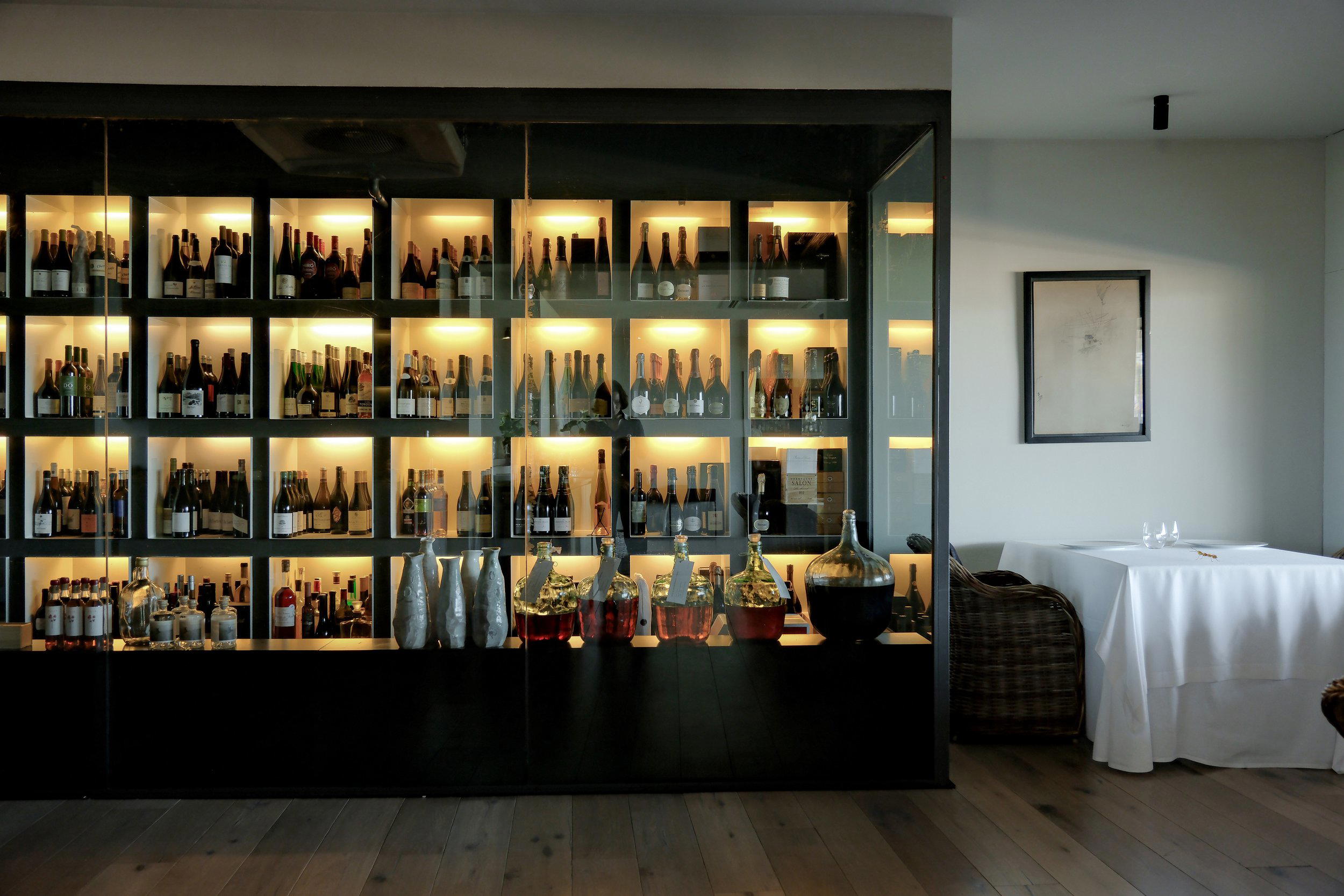
Hotels in Roses
Browse all →

At a Glance
- Elegant
- Sophisticated
- Scenic
- Date Night
- Special Occasion
- Terrace
- Waterfront
- Extensive Wine List
- Waterfront
Current opening hours
- Monday
- 1–3 PM, 7:45–10:15 PM
- Tuesday
- 1–3 PM, 7:45–10:15 PM
- Wednesday
- 1–3 PM, 7:45–10:15 PM
- Thursday
- 1–3 PM, 7:45–10:15 PM
- Friday
- 1–3 PM, 7:45–10:15 PM
- Saturday
- 1–3 PM, 7:45–10:15 PM
- Sunday
- 1–3 PM, 7:45–10:15 PM
Hours can change for holidays and private events. Last verified .
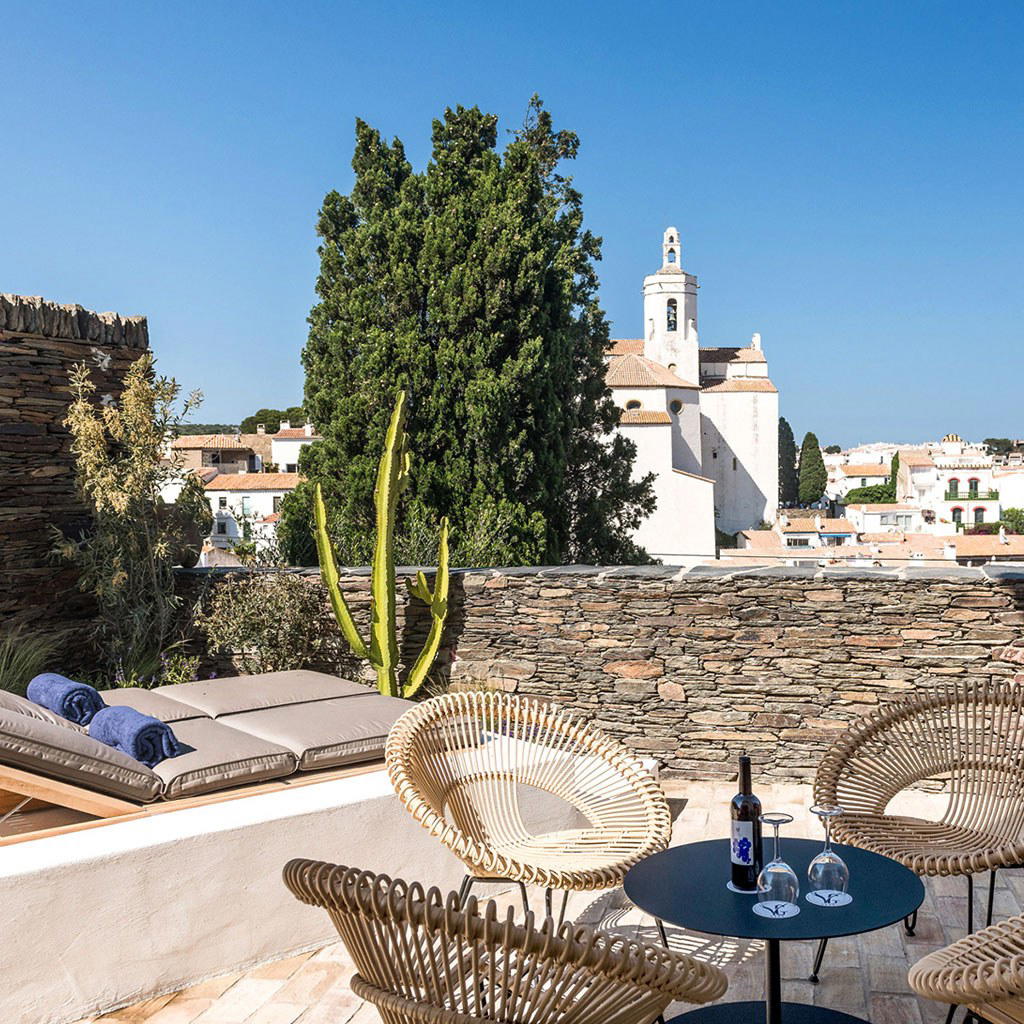
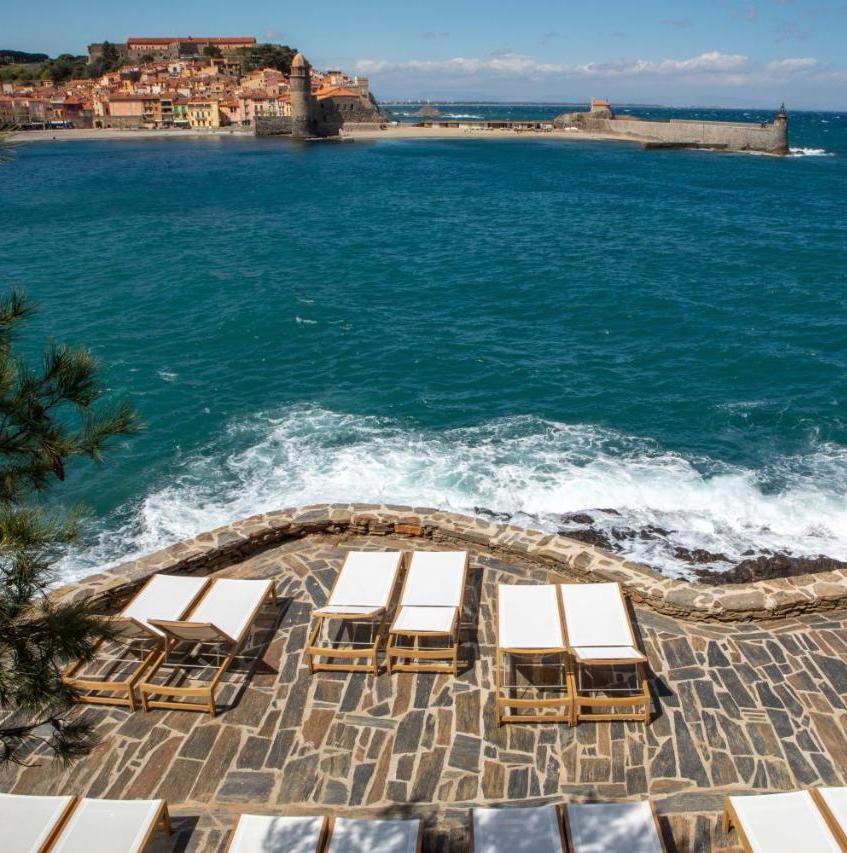
Stylish and tasteful decor with a relaxed yet sophisticated atmosphere, enhanced by beautiful sea views from the terrace.
Know Before You Go
- Getting there
- Passeig Marítim, 43, 17480 Roses, Girona, Spain