
Rafa in Roses is a seafood small-plates address that has climbed the Opinionated About Dining Casual Europe ranking three consecutive years, reaching #442 in 2024. Positioned in the same Costa Brava bay that once fed El Bulli, it operates twice-daily service Tuesday through Sunday with a format built around the discipline of raw preparation and the immediacy of the sea.
Pearl is the En Primeur Club membership app — saves, bookings, and concierge access live there. Same editors, same standards.
- Address
- Carrer de Sant Sebastià, 56, 17480 Roses, Girona, Spain
- Phone
- +34 972 25 40 03
- Website
- instagram.com
- Directions
- Get directions
 Saves & bookings on Pearl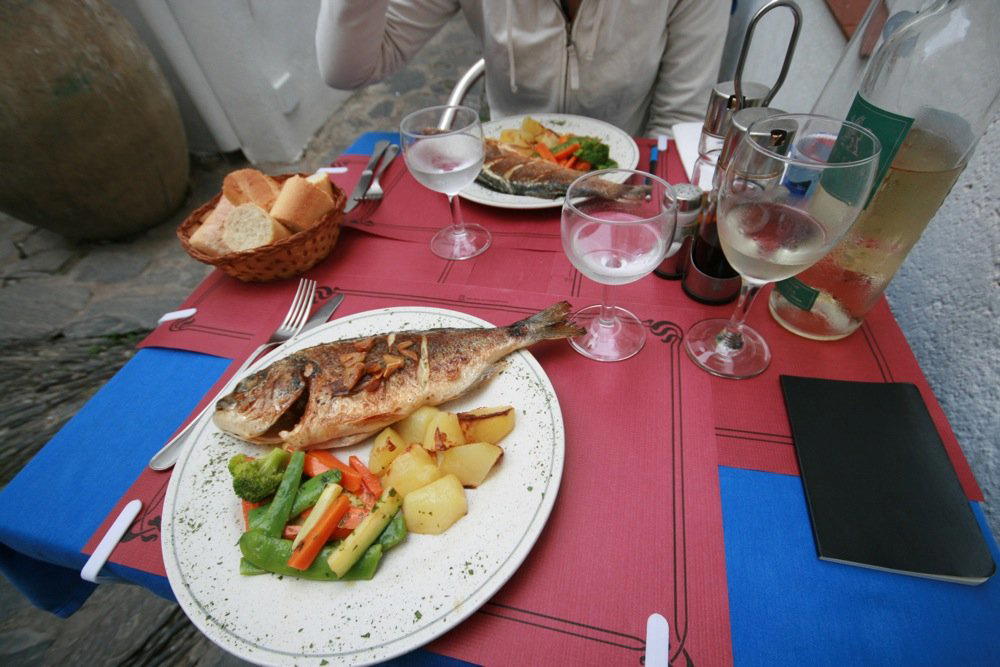
The Counter Logic of the Costa Brava
There is a particular kind of seafood restaurant that only makes sense in proximity to the water it depends on. You encounter it in ports where the catch arrives at the kitchen door rather than through a distribution chain, and where the cook’s primary skill is restraint: knowing when not to add heat, how to shuck cleanly, how to dress a ceviche without drowning what is already there. The Costa Brava has long operated by this logic, and Roses, sitting at the northern end of the Gulf of Roses on the Catalan coast, has been feeding this argument for decades. Rafa, on Carrer de Sant Sebastià, is a working expression of that principle.
Approaching the address, you are in a residential-scale street rather than the resort waterfront, which tells you something about the intended clientele. This is not a restaurant that positions itself against the tourist current but alongside the local one. That positioning has earned it three consecutive years of recognition from Opinionated About Dining, the crowd-sourced critical index that tracks casual dining across Europe with unusual rigour: a Highly Recommended listing in 2023, a rank of #442 in 2024, and a rank of #622 in 2025 within the Casual Europe list. The trajectory matters as context: the 2024 position represents the high-water mark of that recognition, and the 2025 movement reflects a competitive field that has grown rather than any documented change in the restaurant itself.
Raw Preparation as the Kitchen’s Central Argument
The discipline of raw and minimally processed seafood is not a trend in this part of Spain; it is a structural feature of the regional table. The Alt Empordà coast produces prawns, sea urchin, razor clams, and anchovies that carry enough character to make heavy technique redundant. The kitchen’s job is sourcing, selection, and the precise choreography of what arrives at the table at what temperature and in what condition. Crudo and raw-bar formats demand more precision than a sauté because there is nowhere to hide: if the product is not right, the plate says so immediately.
Chef Rafa Cantero operates within this tradition rather than against it. Small-plates service at this level is less about variety for its own sake and more about compression: each plate should communicate something specific about the ingredient, the handling, or the season. The format suits the Costa Brava catch precisely because the leading material here arrives in small quantities at unpredictable intervals. A counter or small-plates model allows the kitchen to work with what the morning produced rather than what the menu promised.
Across Spain, this approach has found strong advocates from the Atlantic coast to the Mediterranean. Aponiente in El Puerto de Santa María works with the same premise of coastal immediacy at a very different price and format register. Quique Dacosta in Dénia has built an extended argument around Mediterranean product at the other end of the formality dial. What makes Roses interesting is that its leading seafood tables operate with a casualness that is itself a form of confidence: the product does not need ceremony.
Roses and the Shadow of El Bulli
Any serious account of Roses as a dining destination has to reckon with the fact that the bay’s global reputation was established by El Bulli, the restaurant that ran on the Cala Montjoi headland until 2011 and that placed this otherwise quiet fishing town in the critical vocabulary of every food-serious traveller. That legacy is double-edged: it created awareness of the region, but it also set an expectation of avant-garde technique that has little to do with what the coast actually produces leading.
The restaurants that have found sustained recognition in Roses since El Bulli’s closure have mostly moved in a different direction, towards the kind of honest, product-led cooking that does not compete with molecular technique but simply does not need it. ROM (Traditional Cuisine, €€) and Sumac (Farm to table, €€€) represent two adjacent positions in Roses’ current dining structure. Rafa sits in a comparable tier, where the competitive conversation is about sourcing and precision rather than conceptual ambition.
The broader Catalan context reinforces this. El Celler de Can Roca in Girona and Disfrutar in Barcelona occupy the high-technique end of Catalan gastronomy. What the coast north of Barcelona does differently is offer a counterpoint: tables where the question is not what the kitchen can do to the ingredient, but how quickly and cleanly it can get it to the plate.
Parallels Beyond Spain
Raw-bar and seafood small-plates model that Rafa operates within has clear international reference points. Le Bernardin in New York City has built a decades-long argument for the primacy of fish cookery at the luxury end; Bar FM in Granada represents the casual Spanish register of the same underlying principle. The shared argument across all of them is that seafood cooking reaches its clearest expression when the technique serves the product rather than overriding it.
Within the Spanish Basque and northern tradition, Arzak in San Sebastián, Martin Berasategui in Lasarte-Oria, and Azurmendi in Larrabetzu each operate at a different scale and formality, but all engage with the same question of coastal produce and regional identity. DiverXO in Madrid represents the furthest departure from that product-first position. Rafa sits at the opposite pole from DiverXO, where the cuisine is defined by what arrives from the water rather than what the chef introduces.
Planning a Visit
Rafa operates lunch service (1:00 to 3:30 pm) and dinner service (8:00 to 10:30 pm) Tuesday through Saturday, with lunch only on Sunday and no service on Monday. That Sunday lunch window is worth noting for visitors building a weekend itinerary: it is the one day the evening slot is unavailable, so planning around the midday service makes sense.
Roses sits on the northern Costa Brava, approximately equidistant from Girona (around 50 kilometres by road) and the French border at La Jonquera. The nearest airport of practical size is Girona-Costa Brava, with Barcelona’s El Prat as the main international option. Carrer de Sant Sebastià 56 is in the older residential fabric of Roses rather than the resort seafront, so the approach on foot from central Roses takes a few minutes rather than the kind of waterfront promenade walk that some comparable addresses offer. That is not a drawback; it is a signal about the restaurant’s orientation.
For a fuller picture of what Roses offers beyond this address, our full Roses restaurants guide covers the range. The Roses hotels guide, bars guide, wineries guide, and experiences guide round out the planning picture for the bay and the Alt Empordà region behind it.
What to Order at Rafa
What should I order at Rafa?
The menu at Rafa is built around the seafood small-plates format that the Costa Brava does at its most direct: the point of the meal is what the sea produced that day and how cleanly it arrives at the table. Given that framing, the logical approach is to prioritise whatever the kitchen is presenting in its most unprocessed state, which in this coastal tradition typically means raw or lightly dressed preparations of the morning’s catch. Chef Rafa Cantero’s OAD recognition across three consecutive years (Highly Recommended 2023, #442 in 2024) is grounded in a casual format rather than a fixed tasting menu, so the table’s strength lies in its responsiveness to what is available rather than a predetermined sequence. Ask what arrived that morning and build the order around that answer rather than committing to dishes by name in advance.
Pricing, Compared
| Venue | Cuisine | Price | Awards |
|---|---|---|---|
| RafaThis venue — the venue you are viewing | Seafood Small Plates | Opinionated About Dining Casual in Europe Ranked #622 (2025); Opinionated About Dining Casual in Europe Ranked #442 (2024); Opinionated About Dining Casual in Europe Highly Recommended (2023) | This venue |
| El Bulli | Not listed | World's 50 Best | Spanish Cuisine |
| ROM | Not listed | €€ | Traditional Cuisine, €€ |
| Sumac | Not listed | €€€ | Farm to table, €€€ |
Recognition history
Dated appearances from independent guides and award organizations, with the underlying list record or original source where available.
Opinionated About Dining Casual in Europe Recommended
Opinionated About Dining
Opinionated About Dining Casual in Europe Ranked #622
Opinionated About Dining
Opinionated About Dining Casual in Europe Ranked #442
Opinionated About Dining
Opinionated About Dining Casual in Europe Highly Recommended
Opinionated About Dining
Continue exploring
More in Roses
Restaurants in Roses
Browse all →
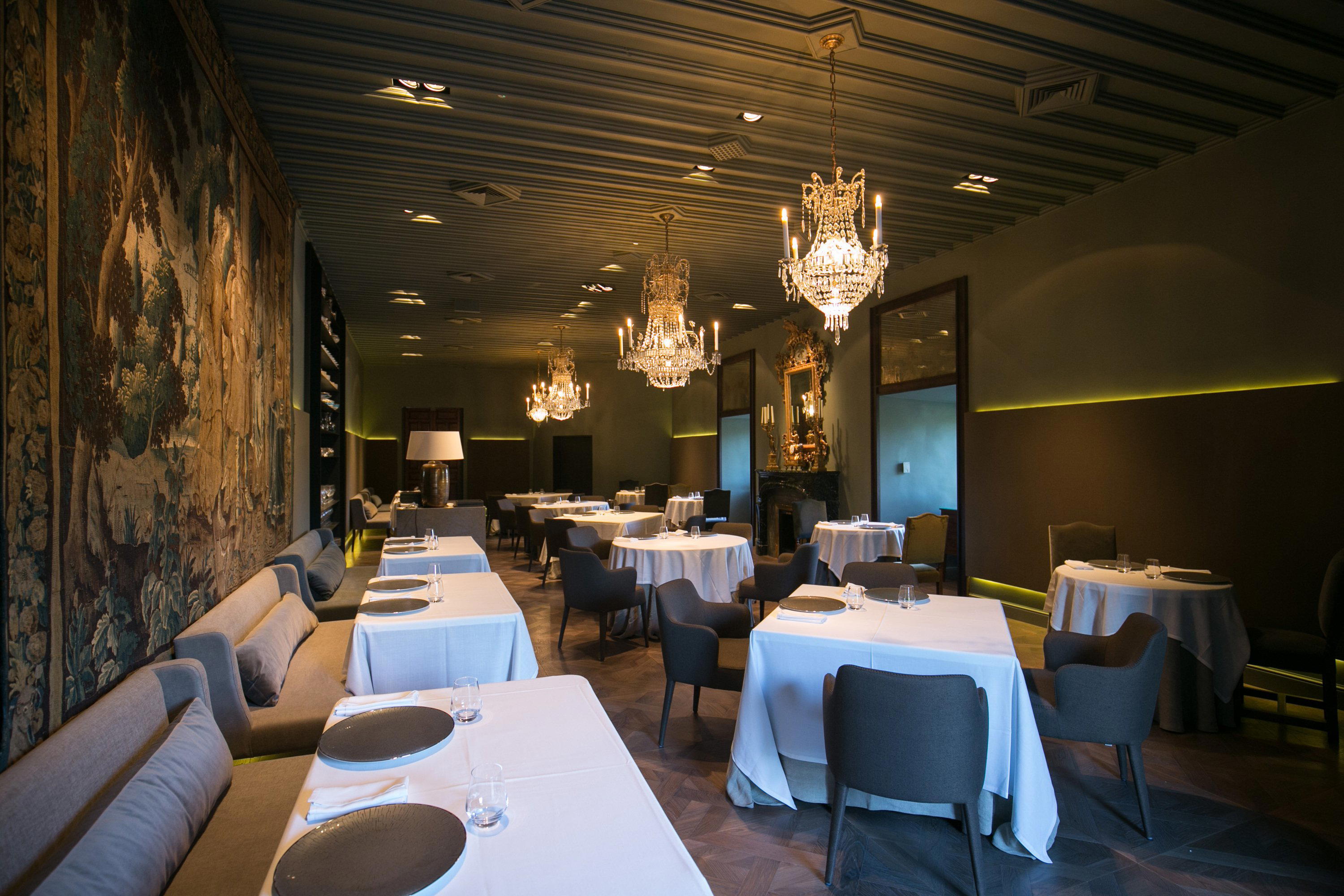
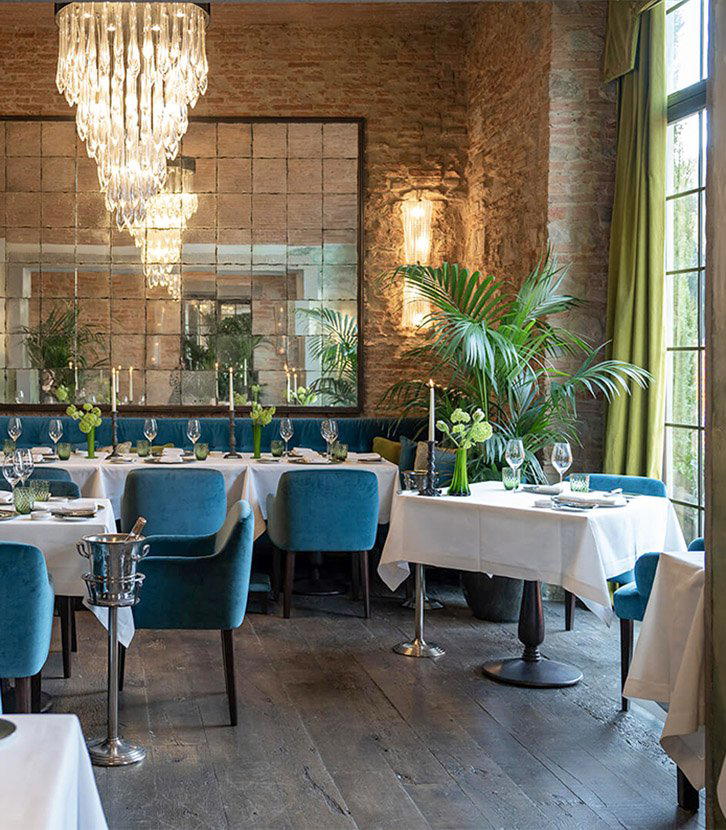
Bars in Roses
Browse all →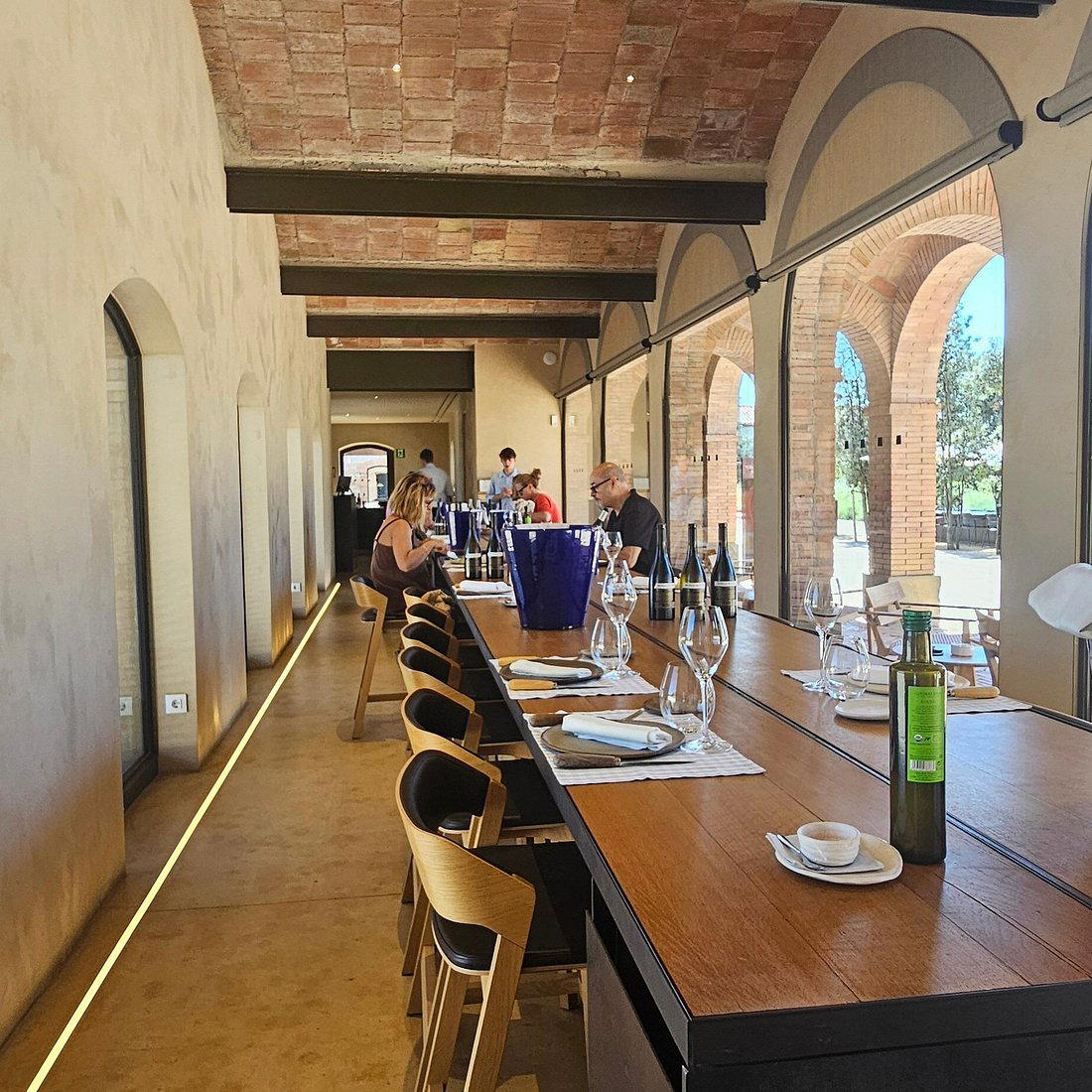
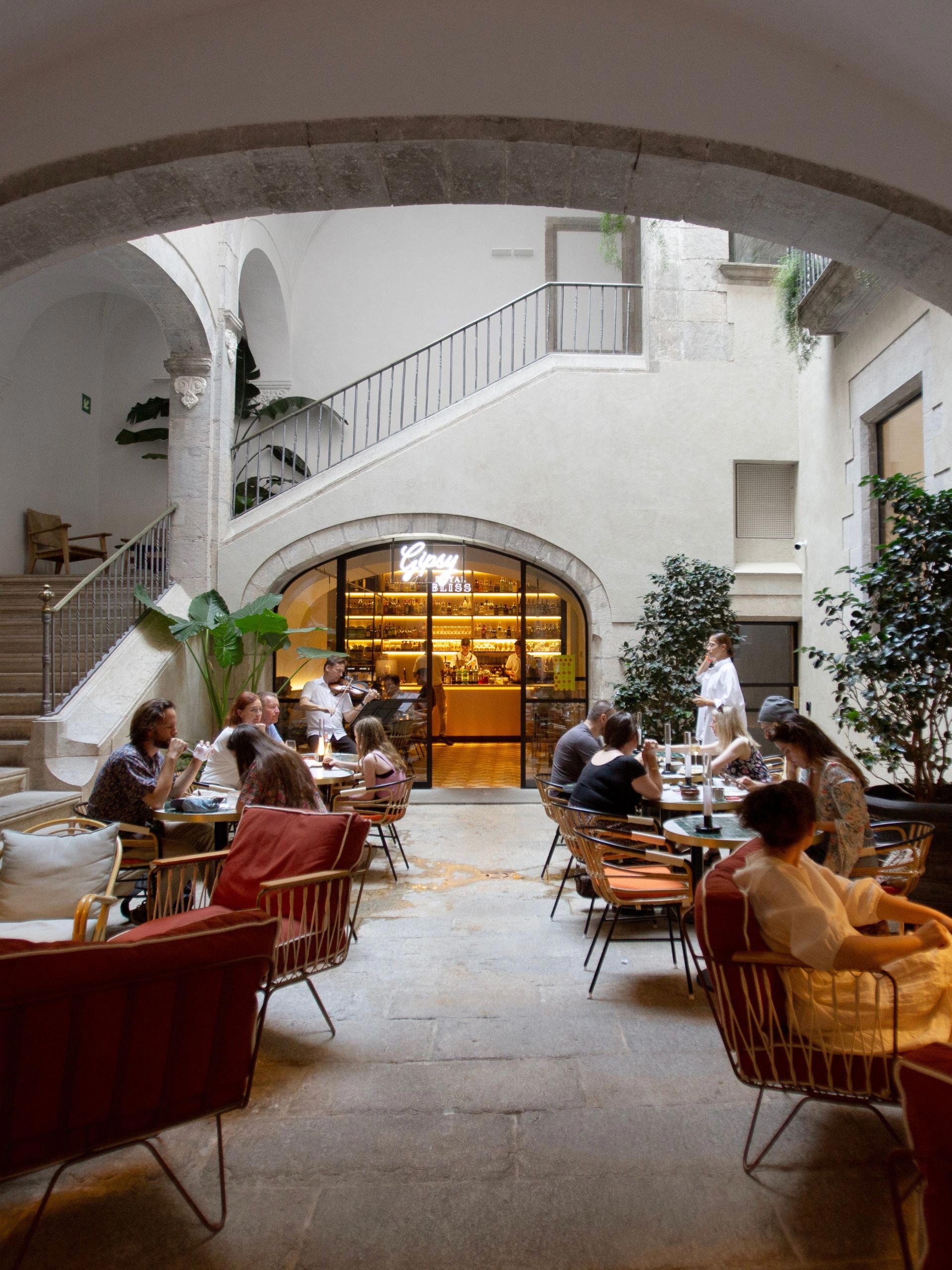
Hotels in Roses
Browse all →

At a Glance
- Rustic
- Intimate
- Classic
- Special Occasion
- Open Kitchen
- Extensive Wine List
- Local Sourcing
Current opening hours
- Monday
- Closed
- Tuesday
- Closed
- Wednesday
- Closed
- Thursday
- Closed
- Friday
- Closed
- Saturday
- Closed
- Sunday
- Closed
Hours can change for holidays and private events. Last verified .
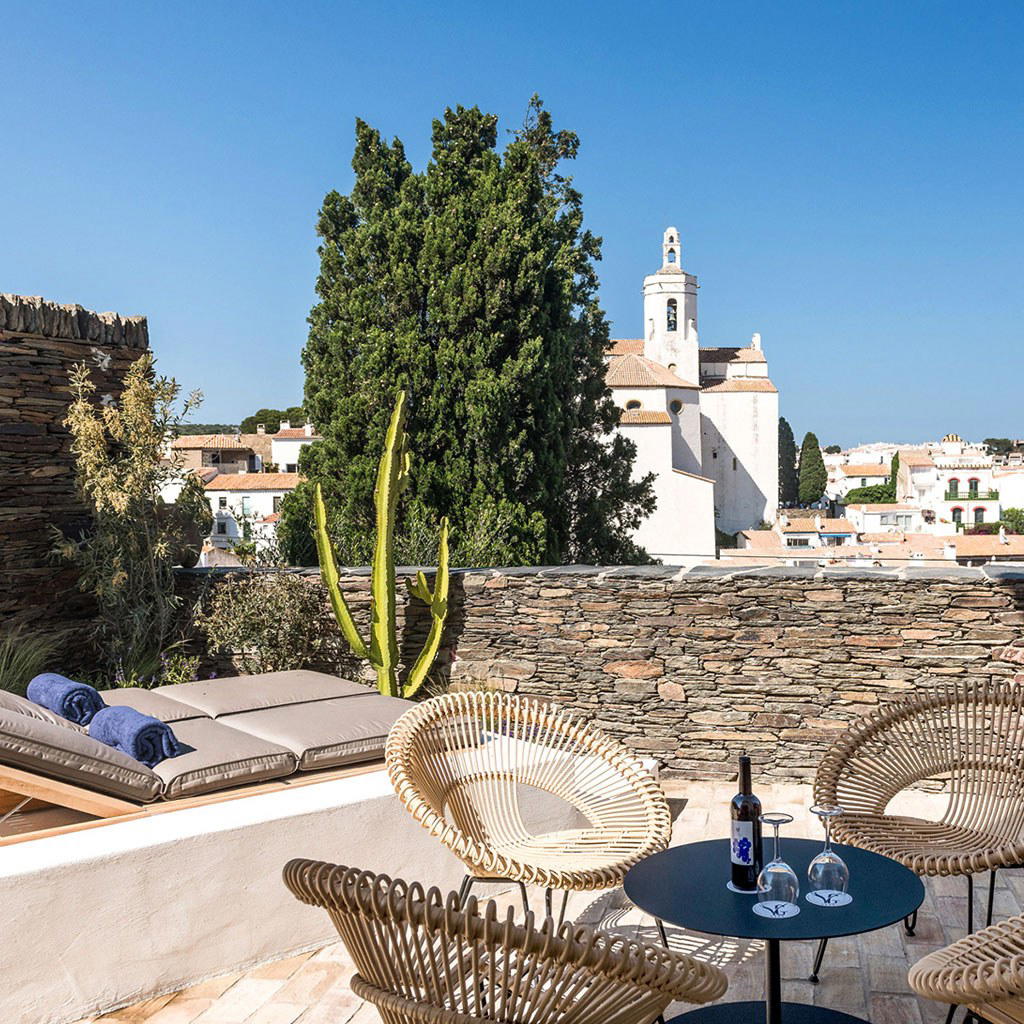
Simple, unpretentious atmosphere with indoor-outdoor seating on a quiet street, focused on the purity of fresh seafood.
Know Before You Go
- Getting there
- Carrer de Sant Sebastià, 56, 17480 Roses, Girona, Spain