Stroud's

James Beard Award America's Classics
Our verdict
Stroud's at 5410 NE Oak Ridge Dr sits inside Kansas City's pan-fried chicken tradition, a category that predates the city's barbecue fame and draws a different kind of loyalty. Where the city's smoke pits reward patience and spectacle, Stroud's rewards familiarity: a dining room that feels less like a destination than a standing appointment. It occupies the comfort-food tier of KC dining with a directness that more self-conscious restaurants rarely match.

Pearl is the En Primeur Club membership app — saves, bookings, and concierge access live there. Same editors, same standards.
- Address
- 5410 NE Oak Ridge Dr, Kansas City, MO 64119
- Phone
- (816) 454-9600
- Hours
- Mon–Thu 4–9 PMFri 11 AM–9 PMSat 2–9 PMSun 11 AM–9 PM
- Website
- stroudsnorth.com
- Directions
- Get directions
The menu
What to order
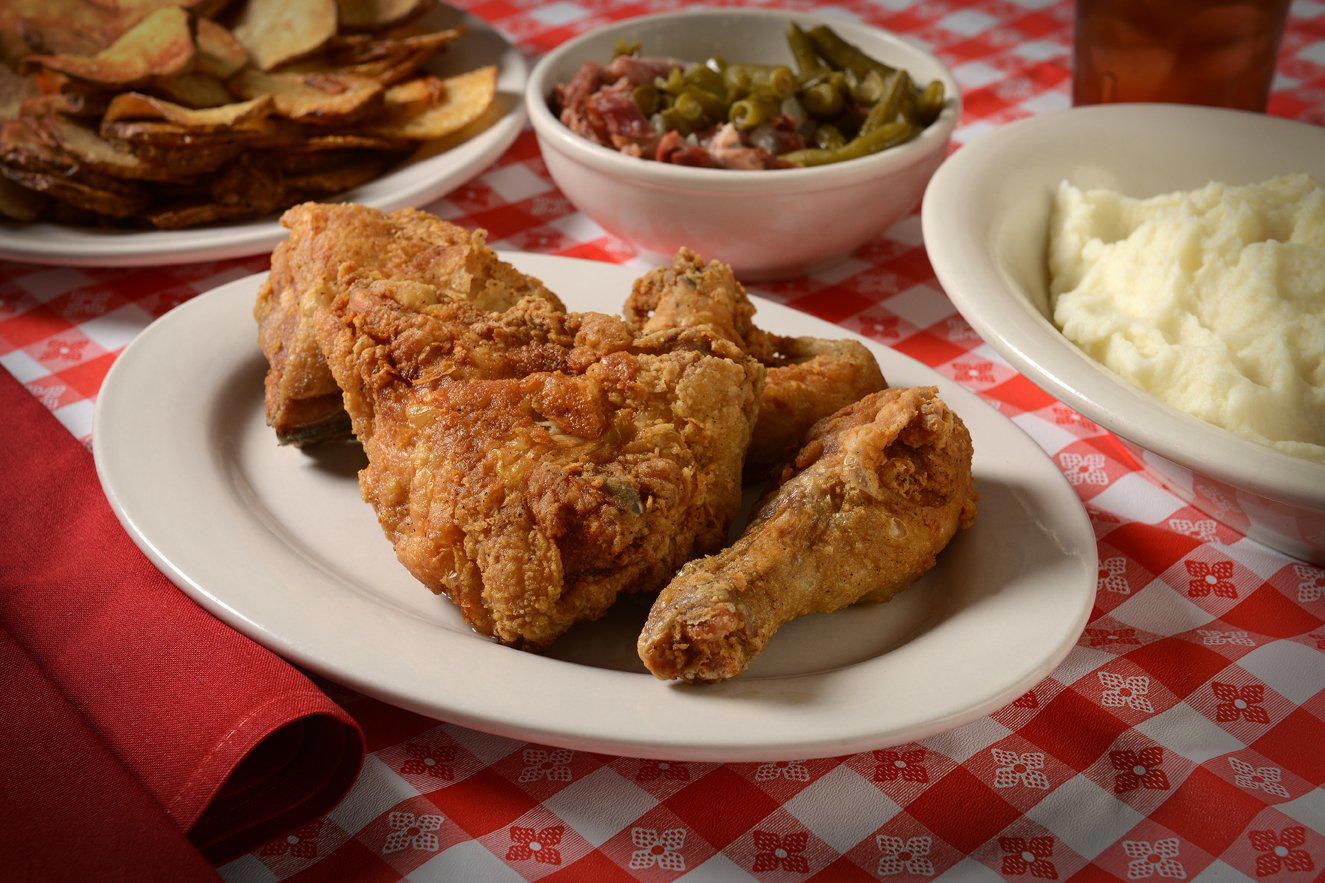
- Pan-Fried Chicken Dinner
- Fried Catfish
- Homemade Chicken Noodle Soup
- Cinnamon Rolls
- Livers and Gizzards
Kansas City's Other Comfort Tradition
Kansas City's dining identity gets reduced to barbecue in most national coverage, and that reduction is understandable. The city's smoke culture is genuinely deep, with places like Arthur Bryant's Barbeque carrying a documented lineage that runs back to the 1920s. But the city has a parallel comfort-food tradition that operates outside the smoke and the hype: pan-fried chicken, served in the kind of dining rooms where the tablecloths are paper, the portions are large, and the room fills with multigenerational tables on weekend evenings. Stroud's, located at 5410 NE Oak Ridge Drive in Kansas City's northeast corridor, sits at the center of that tradition.
Pan-fried chicken as a category positions itself differently from both fast-casual fried chicken and the Southern-inflected, chef-driven versions now appearing on menus at places like Antler Room. It is slower, more domestic in method, and tied to a specific Midwestern frugality: use the whole bird, fry in a skillet, serve with gravy made from the pan drippings. The technique is low on theater and high on repetition, which is precisely why it produces consistent results and why restaurants that do it well tend to accumulate decades rather than years of operation.
The Room Before the Food
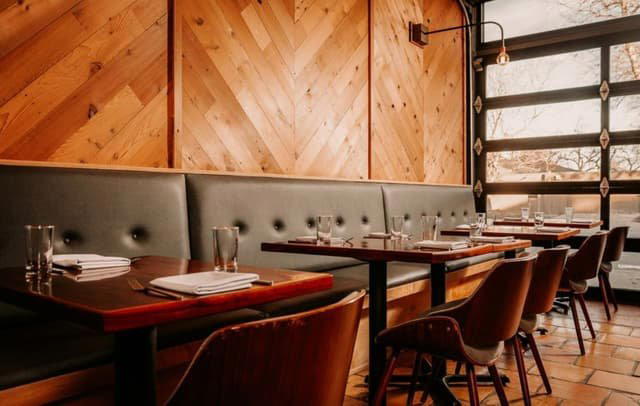
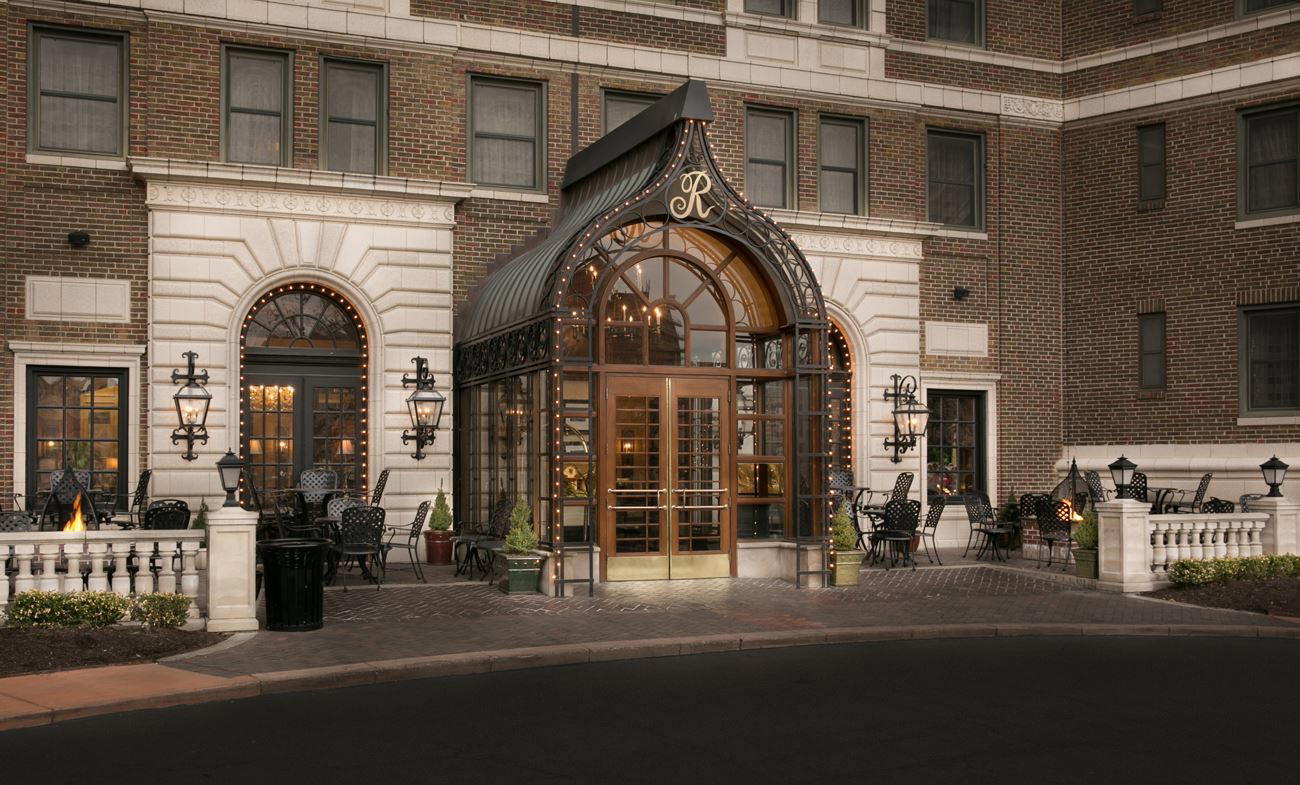
The physical approach to Stroud's northeast location sets expectations correctly. The building sits in a residential pocket off Oak Ridge Drive, without the commercial signage or parking-lot scale of a chain operation. The interior follows the logic of a converted older structure: low ceilings, close tables, a noise level that rises with occupancy. This is a dining room that prioritizes capacity over comfort in the design sense, which means the experience depends on the food and the service rather than on the architecture making a statement on its own.
That configuration places Stroud's in a specific American dining category: the institution that earns its reputation through repetition and community embeddedness rather than through design investment or media attention. It is a different kind of trust signal than a Michelin star or a Le Bernardin-tier award, but within its own competitive set, long tenure and community loyalty function as the relevant credentials. For reference, the style sits closer to the unpretentious, deeply local dining that defines places like Emeril's in New Orleans in their off-the-tourist-circuit incarnations than to the tasting-menu formats at Alinea in Chicago or The French Laundry in Napa.
Sourcing and the Skillet: Where Sustainability Enters
Pan-fried chicken, as a method, carries an embedded sustainability argument that more technically sophisticated cuisines sometimes have to work harder to make. The technique was developed in domestic kitchens where waste was not an option: the bird was purchased whole, every part was used, and the cooking fat and drippings were repurposed. That ethos, when it survives into a restaurant context, produces a sourcing logic that aligns more naturally with ethical procurement than the component-by-component buying that high-volume kitchens rely on.
The farm-to-table movement, as practiced at places like Blue Hill at Stone Barns in Tarrytown or Single Thread Farm in Healdsburg, has made explicit what older comfort-food traditions practiced implicitly: that cooking closer to the whole animal and using fewer industrial shortcuts produces better food and less waste. The skillet-fried chicken tradition does not advertise this framing, but the method itself reflects it. A restaurant that fries whole birds in batches, makes gravy from the drippings, and serves sides like cinnamon rolls and cream-based gravies is working with a relatively contained ingredient list and minimal processing steps between sourcing and plate.
This does not mean Stroud's has a documented sustainability certification or a published sourcing policy. What the tradition does support is a structural frugality that more resource-intensive modern kitchens have to retrofit deliberately. The comparison is instructive: Lazy Bear in San Francisco and Providence in Los Angeles have built explicit sustainability frameworks around their sourcing and waste practices. Stroud's operates in a different register, where the same principles are embedded in method rather than in mission statements.
Placing Stroud's in Kansas City's Dining Order
Kansas City's restaurant scene has diversified considerably over the past decade. French-influenced bistros like Aixois, ingredient-focused European cooking at Affäre, and gastropub formats like Beer Kitchen now share the dining map with the city's older comfort-food institutions. Within that spread, Stroud's occupies the traditionalist tier: no tasting menu, no wine program of note, no omakase or chef's counter.
That positioning is not a criticism. The cities that have the most coherent dining cultures tend to maintain both the ambitious and the rooted. Atomix in New York City and Addison in San Diego occupy one end of a spectrum; the institutions that have been feeding the same neighborhoods for generations occupy the other. The Inn at Little Washington and 8 1/2 Otto e Mezzo Bombana in Hong Kong earn attention through precision and formal ambition; Stroud's earns its place through a different kind of consistency. Both kinds of consistency matter to a city's dining identity.
For a fuller picture of where Stroud's sits within Kansas City's broader restaurant map, the EP Club Kansas City restaurants guide covers the city's range from barbecue institutions to newer European-leaning addresses. The northeast Kansas City location at Oak Ridge Drive is accessible by car; given the residential setting, street parking is typically available without the competition you'd expect near the city's denser dining corridors.
Planning Your Visit
Stroud's draws a consistent local crowd, particularly on weekend evenings when the pan-fried chicken format suits extended family-style dining. The practical advice that applies to most Kansas City comfort-food institutions applies here: arrive early or expect a wait, particularly on Fridays and Saturdays. The menu format is traditional American comfort food built around the chicken, with sides that follow the same low-intervention logic as the main. Booking details and current hours are best confirmed directly through the restaurant ahead of a visit, as specific operational information was not available at time of writing.
Frequently asked questions
What's the vibe at Stroud's?
Stroud's occupies the unpretentious, community-embedded tier of Kansas City dining. The room runs close and loud when full, and the format is built around family-style sharing rather than individual plating. It sits at 5410 NE Oak Ridge Drive in a residential pocket, which sets the tone before you're through the door.
Where is Stroud's located?
Stroud's is located at 5410 NE Oak Ridge Dr, Kansas City, MO 64119, Kansas City.
Is Stroud's a good alternative to Kansas City barbecue for a traditional local meal?
For visitors who have covered the barbecue circuit or want a different register of Kansas City cooking, Stroud's pan-fried chicken offers a distinct and historically rooted alternative. The two traditions serve different meals and different moments: barbecue is a smoke-and-patience format, while Stroud's operates in the domestic skillet tradition that predates most of the city's current restaurant scene. Both are expressions of Kansas City food culture, but they share little else in method or setting.
What's the signature dish at Stroud's?
Pan-fried chicken is the defining item and has been throughout the restaurant's history. The preparation follows the domestic skillet tradition rather than deep-fry convention, which produces a different crust texture and a slower cooking process. In Kansas City, where smoked meat draws most of the national attention, Stroud's represents the city's other long-running comfort tradition.
Just the Basics
Comparable venues nearby, for context on price, style, and recognition.
| Venue | Cuisine | Price | Awards | Notes |
|---|---|---|---|---|
| Stroud'sThis venue — the venue you are viewing | Traditional Pan-Fried Chicken | $20–30 | James Beard Award America's Classics | Not listed |
| Arthur Bryant's Barbeque | Kansas City-Style Barbecue | $20–30 | Not listed | 18th and Vine, Kansas City-Style Barbecue |
| Ruby Jean's Kitchen & Juicery | Healthy American Juicery | $10–20 | Not listed | Longfellow, Healthy American Juicery |
| Jack Stack Barbecue - Plaza | Kansas City BBQ | $20–30 | Not listed | Country Club Plaza, Kansas City BBQ |
| Cafe Trio | Contemporary American with Seafood | $30–50 | Not listed | Country Club Plaza, Contemporary American with Seafood |
| Jazz A Louisiana Kitchen | Authentic Cajun & Creole | $20–30 | Not listed | The Legends, Authentic Cajun & Creole |
Recognition history
Dated appearances from independent guides and award organizations, with the underlying list record or original source where available.
James Beard Award America's Classics
James Beard Award
Continue exploring
More in Kansas City
Restaurants in Kansas City
Browse all →
Bars in Kansas City
Browse all →





Details
- Classic
- Rustic
- Well Known
- Cozy
- Family
- Group Dining
- Casual Hangout
- Historic Building
- Standalone
- A La Carte
- Family Style
- Soft Drinks
- Pescatarian Friendly
Current opening hours
- Monday
- 4–9 PM
- Tuesday
- 4–9 PM
- Wednesday
- 4–9 PM
- Thursday
- 4–9 PM
- Friday
- 11 AM–9 PM
- Saturday
- 2–9 PM
- Sunday
- 11 AM–9 PM
Hours can change for holidays and private events. Last verified .
Warm, family-friendly atmosphere with traditional Americana decor reflecting the restaurant's historic heritage and down-home cooking philosophy.