
Michelin Plate
Our verdict
Steirerschlössl holds a Michelin Plate for 2024 and 2025, placing it among the recognised seasonal kitchens in Styria's motorsport heartland. At a mid-range price point, it draws. The kitchen works a seasonal Austrian programme rooted in the agricultural traditions of the Murtal valley.

Pearl is the En Primeur Club membership app, where members save venues, book tables and use the concierge.
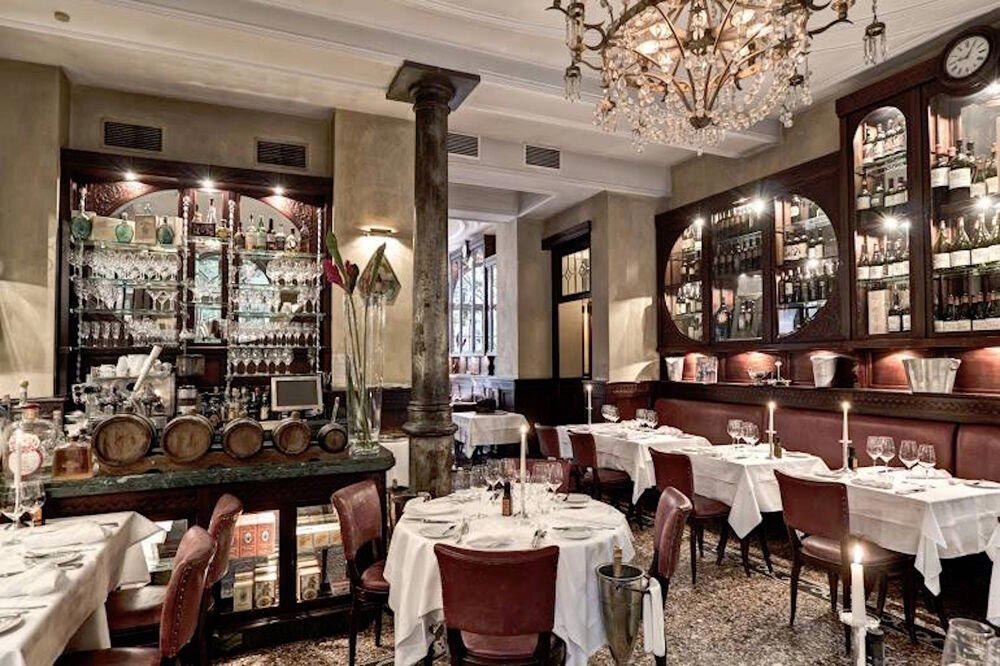
Where Styrian Cooking Stays Grounded
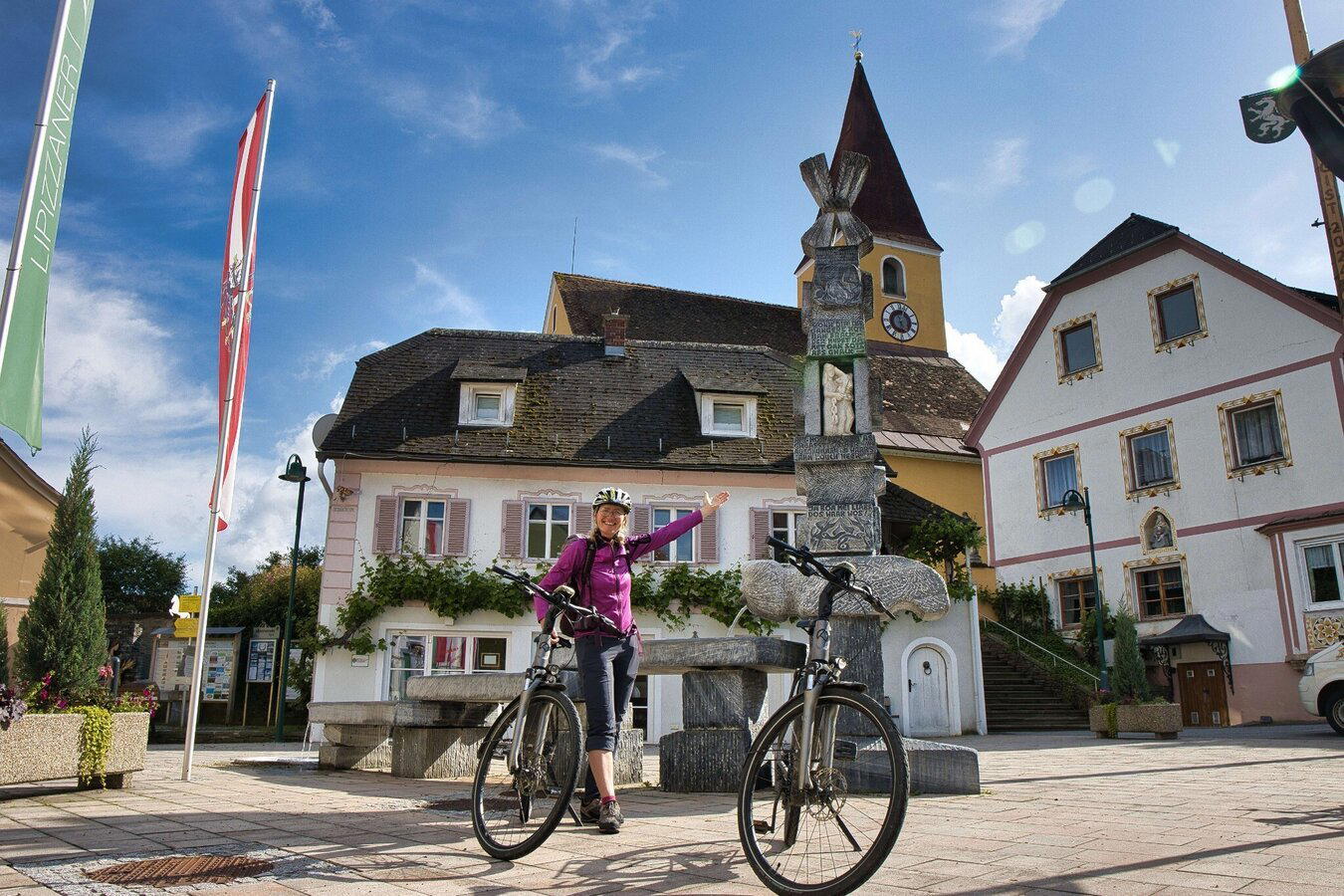
The Murtal valley, which cuts through the heart of Styria on its way south from the Niedere Tauern, is not a region that tends to appear in Austrian dining conversations dominated by Vienna or Salzburg. Zeltweg sits at its centre, a market town most outsiders associate with the Red Bull Ring circuit a few kilometres to the north. What the town also holds, less visibly, is a dining tradition shaped by Styrian agricultural identity: pumpkin oil pressed from local fields, lamb and beef from upland farms, foraged herbs from the surrounding forests. Steirerschlössl, at Hauptstraße 100, operates within that tradition rather than against it, positioning itself as a seasonal kitchen at a price tier that makes it accessible to both visiting circuit guests and the wider local community.
The Michelin Signal and What It Means in This Context
Austria's Michelin coverage has historically concentrated on cities and alpine resort towns. A Michelin Plate recognition, awarded to Steirerschlössl in both 2024 and 2025, does not carry the star hierarchy, but it does indicate that the inspector found cooking of a consistent, technically sound standard worth flagging. For a mid-range establishment in a secondary Austrian city, that signal matters in a specific way: it places Steirerschlössl in a conversation with kitchens operating at higher price points in larger markets, while pricing at €€ against peers like Steirereck im Stadtpark in Vienna, Döllerer in Golling an der Salzach, or Ikarus in Salzburg, which all operate at €€€€. The Plate recognition here is a quality marker at a value-adjusted tier, not a consolation for the absence of stars.
Across the Austrian seasonal cuisine category, a small group of kitchens has built reputations by treating the calendar as the primary menu structure. Kirchenwirt in Leogang and Mesnerhaus in Mauterndorf operate along similar seasonal lines in their respective alpine communities. What connects them is a shared preference for letting regional agricultural cycles determine the kitchen's direction, rather than anchoring a fixed menu around signature dishes. Steirerschlössl belongs to this cohort.
Styrian Seasonal Cooking as a Cultural Argument
Styria has a stronger case than most Austrian regions for treating seasonality as identity rather than trend. The province produces its own wine in the south, its own pumpkin oil across the central belt, and its own breed of cattle and game in the uplands. The regional cooking that developed around these products over centuries is not a recent farm-to-table rebranding; it is a pre-industrial habit that persisted into the modern era because the supply chains were always short. A kitchen in Zeltweg sourcing from the Murtal has a geography that enforces what wealthier urban restaurants have to actively seek out.
This cultural specificity gives seasonal Styrian cooking its texture. Dishes built around Kürbiskernöl (pumpkin seed oil), Steirisches Rindfleisch (Styrian beef), or foraged Waldpilze (forest mushrooms) are not decorative references to regionalism; they are the actual material of the cuisine. When Michelin's inspectors document a kitchen in this tradition as meriting a Plate, they are noting that the execution matches the premise, which in Styrian cooking means that seasonality is real rather than marketing. For readers comparing options across Austria's Michelin-acknowledged restaurants, this distinction is worth holding.
Among the comparable seasonal kitchens in the country, Obauer in Werfen and Kräuterreich by Vitus Winkler in Sankt Veit im Pongau work at higher price points and with more extensive tasting structures. Steirerschlössl's €€ positioning offers access to similar sourcing principles without that price commitment, which matters for travellers deciding whether a detour through Zeltweg fits their broader Austrian itinerary.
The Atmosphere at Hauptstraße 100
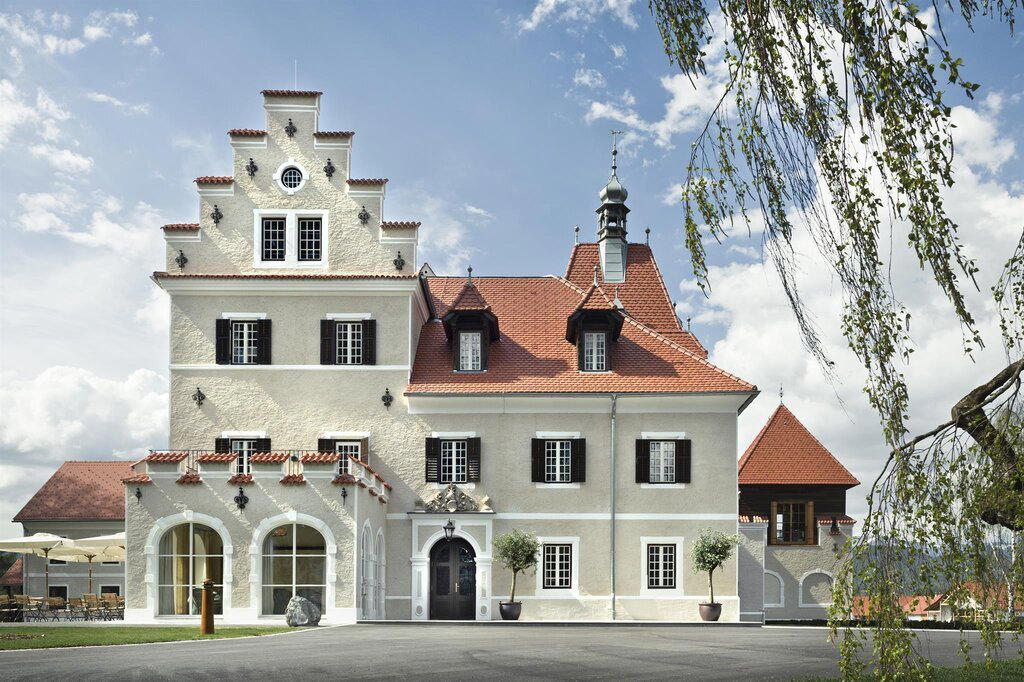
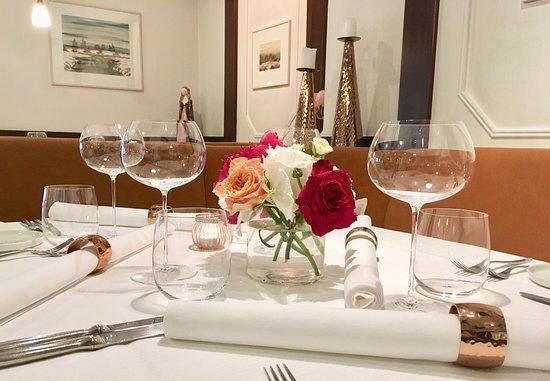
The building sits on Zeltweg's main street, framed by the kind of solid provincial Austrian architecture that predates the resort-era building boom in the alpine west. Approaching from the street, the physical character is of a traditional Gasthof that has been maintained rather than renovated out of recognition: the exterior signals a place that belongs to its town rather than aspiring to detach from it. Inside, the atmosphere at a €€ Michelin Plate kitchen in a Styrian market town tends toward the warm and unfussy, with the cooking doing the editorial work rather than the décor. That atmosphere plays to a broad audience, from motorsport visitors during the Austrian Grand Prix weekend at the Red Bull Ring to local diners marking occasions.
Practical Planning
Zeltweg is accessible via the A9 Pyhrn Autobahn, with the town sitting approximately equidistant between Leoben to the east and Judenburg to the west. The nearest train stop on the Rudolfsbahn line connects to Graz in under ninety minutes. For travellers combining the region's dining with accommodation, our full Zeltweg hotels guide covers the local options.
Steirerschlössl fits naturally into a Styrian itinerary that also includes Schloss Farrach - Das Restaurant, the farm-to-table kitchen operating on the same town's edge. For a wider read of what Zeltweg's hospitality scene covers, our full Zeltweg restaurants guide maps the full range, alongside bars, wineries, and experiences in the area.
For readers building a broader Austrian regional dining route, the seasonal kitchen tradition represented here extends west through the alps: Gourmetrestaurant Tannenhof in Sankt Anton am Arlberg, Griggeler Stuba in Lech, Schwarzer Adler in Hall in Tirol, and Restaurant 141 by Joachim Jaud in Mieming each represent a different regional articulation of the same seasonal Alpine cooking tradition. Ois in Neufelden pushes further north into the Upper Austrian version of the same approach.
Frequently asked questions
What should I expect atmosphere-wise at Steirerschlössl?
The setting is a traditional Styrian Gasthof on Zeltweg's main street, with an atmosphere that reflects the town rather than a resort or fine-dining abstraction. Zeltweg's position as a motorsport town means the crowd shifts during Red Bull Ring weekends, but the baseline character is rooted in Styrian provincial hospitality.
What should I eat at Steirerschlössl?
The kitchen works a seasonal Austrian programme, which in Styria means the menu follows the agricultural and foraging calendar of the Murtal and surrounding region. Styrian seasonal cuisine historically centres on pumpkin seed oil, regional beef and lamb, game in autumn, and foraged fungi and herbs. The Michelin Plate recognition for two consecutive years signals that the kitchen's execution of that tradition is technically sound.
Is Steirerschlössl a family-friendly restaurant?
At a €€ price point in a traditional Styrian Gasthof format, the restaurant operates in a tier and cultural context that typically accommodates families without difficulty. Austrian Gasthof dining generally skews inclusive rather than restrictive, and Zeltweg's local character reinforces that. For travellers planning a family visit to the Red Bull Ring area, Steirerschlössl's price tier makes it a practical option alongside the circuit's broader appeal. Confirming specific arrangements such as children's menus or high-chair availability directly with the venue is recommended.
Cost Snapshot
| Venue | Cuisine | Price | Awards | Notes |
|---|---|---|---|---|
| SteirerschlösslThis venue (the venue you are viewing) | Contemporary Austrian Fine Dining | Not listed | Michelin Plate | Not listed |
| Steirereck im Stadtpark | Modern Austrian Fine Dining | $200–300 | 3 Michelin Stars · World's 50 Best #33 | Creative |
| Döllerer | Modern Alpine Cuisine | $100–150 | 2 Michelin Stars · La Liste Top Restaurants | Contemporary Austrian, Innovative |
| Ikarus | Guest Chef Fine Dining | $200–300 | 2 Michelin Stars · La Liste Top Restaurants | Modern European, Creative |
| Mraz & Sohn | Contemporary Austrian Fusion | $150–200 | 2 Michelin Stars · La Liste Top Restaurants | Modern Austrian, Creative |
| Obauer | Modern Austrian Fine Dining | $50–100 | 2 Michelin Stars · La Liste Top Restaurants | Classic Cuisine |
Recognition history
Dated appearances from independent guides and award organizations, with the underlying list record or original source where available.
Michelin Plate
Michelin
Full recognition history (3 entries)
Michelin Plate
Michelin
Michelin Plate
Michelin
Continue exploring
More in Zeltweg
Restaurants in Zeltweg
All restaurants in Zeltweg →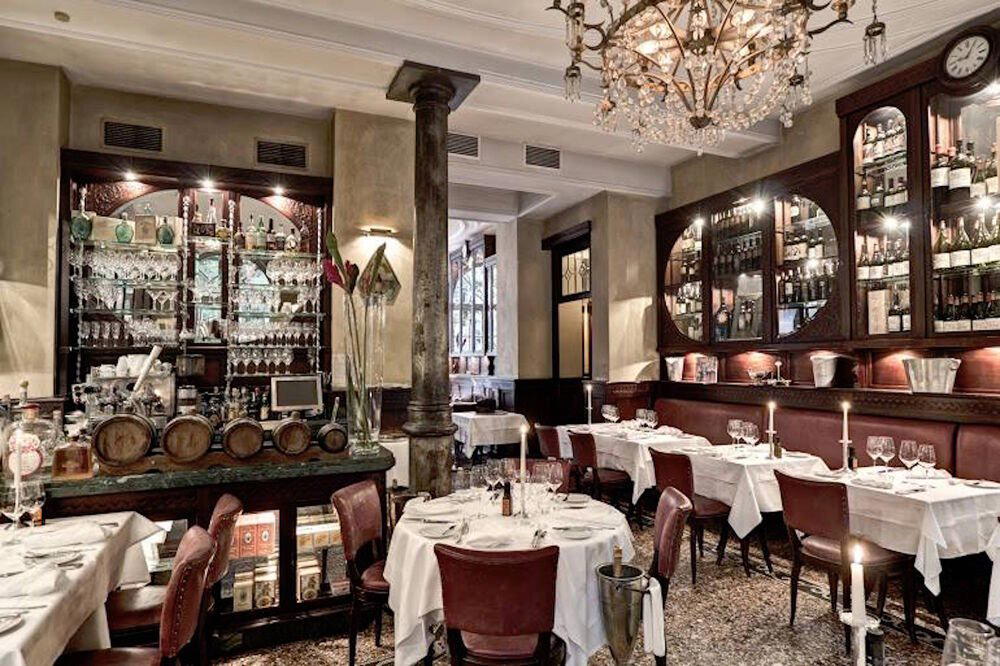


Steirerschlössl
The wine
- Wine program
- Deep wine list
- Extensive wine list
Details
- Elegant
- Classic
- Cozy
- Scenic
- Sophisticated
- Date Night
- Special Occasion
- Business Dinner
- Terrace
- Historic Building
- Wine Cellar
- Extensive Wine List
- Garden
- Mountain
- A La Carte
- Set Menu
- Gluten Free Options
High-ceilinged elegant dining room with beautifully laid tables, manicured gardens, and a cozy, welcoming atmosphere praised in guest reviews.