Storchen
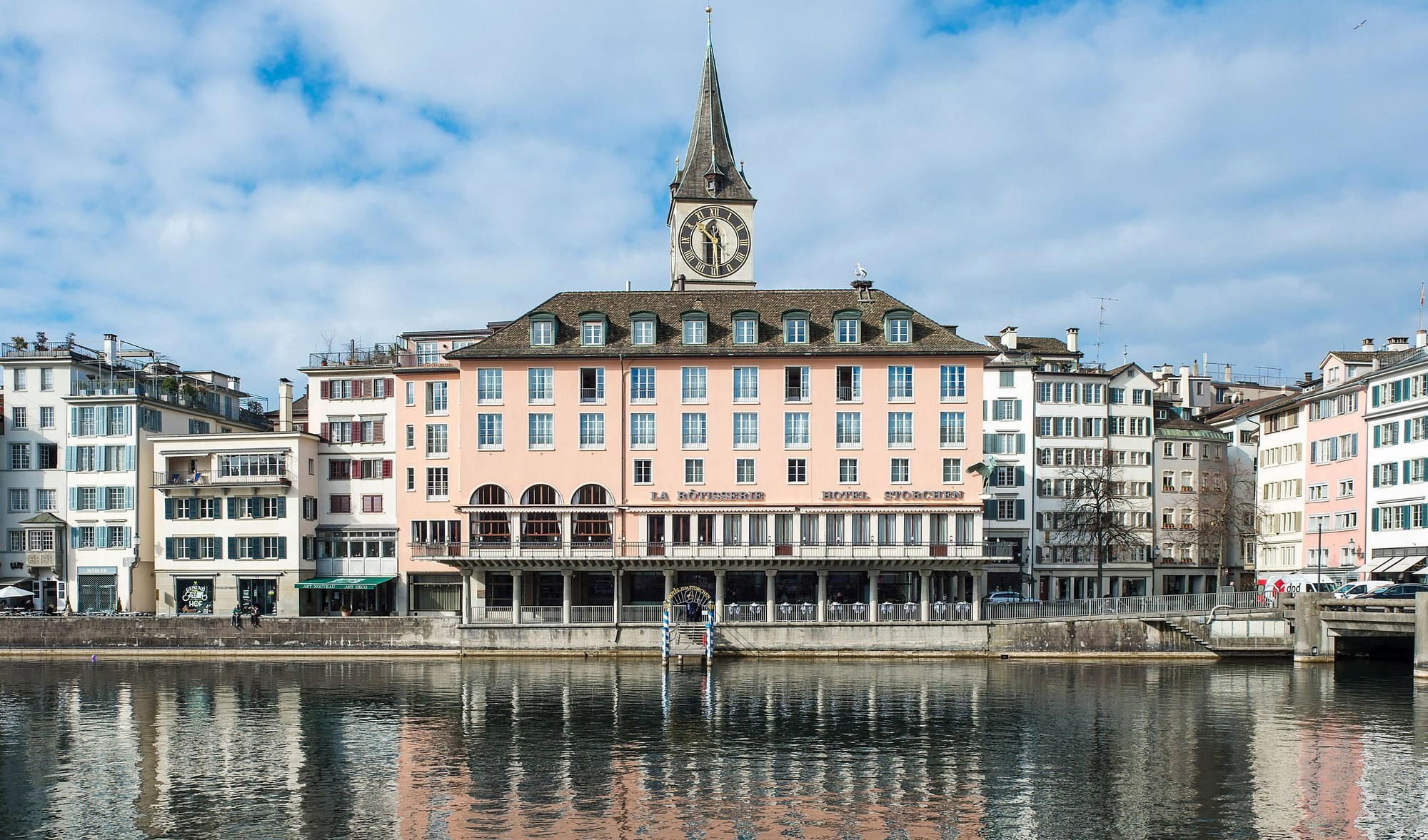
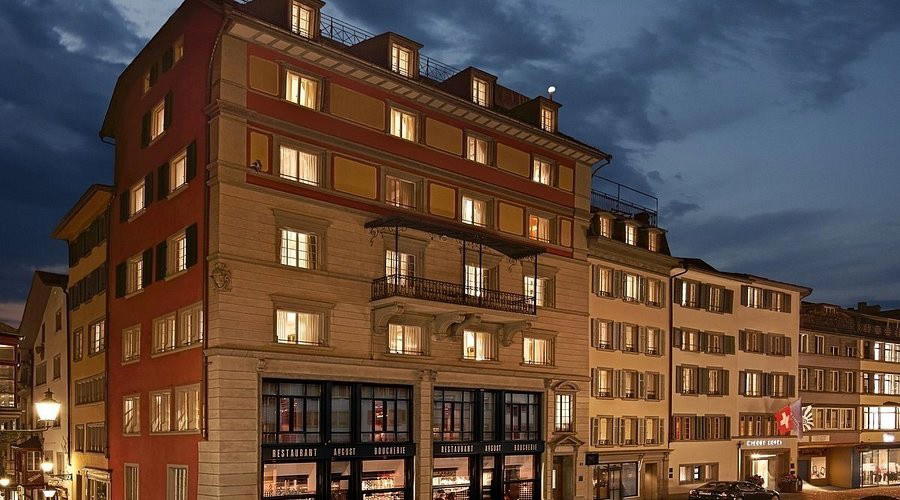
Storchen sits on Zurich's Weinplatz, one of the city's oldest trading squares, in a building with roots stretching back to the fourteenth century. The address places it at the intersection of Old Town character and the Limmat waterfront, a pairing that defines much of central Zurich's hospitality identity. For context on the wider dining scene, see EP Club's full Zurich guide.
Pearl is the En Primeur Club membership app — saves, bookings, and concierge access live there. Same editors, same standards.
- Address
- Weinpl. 2, 8001 Zürich, Switzerland
- Phone
- +41442272727
- Website
- storchen.ch
- Directions
- Get directions
 Saves & bookings on Pearl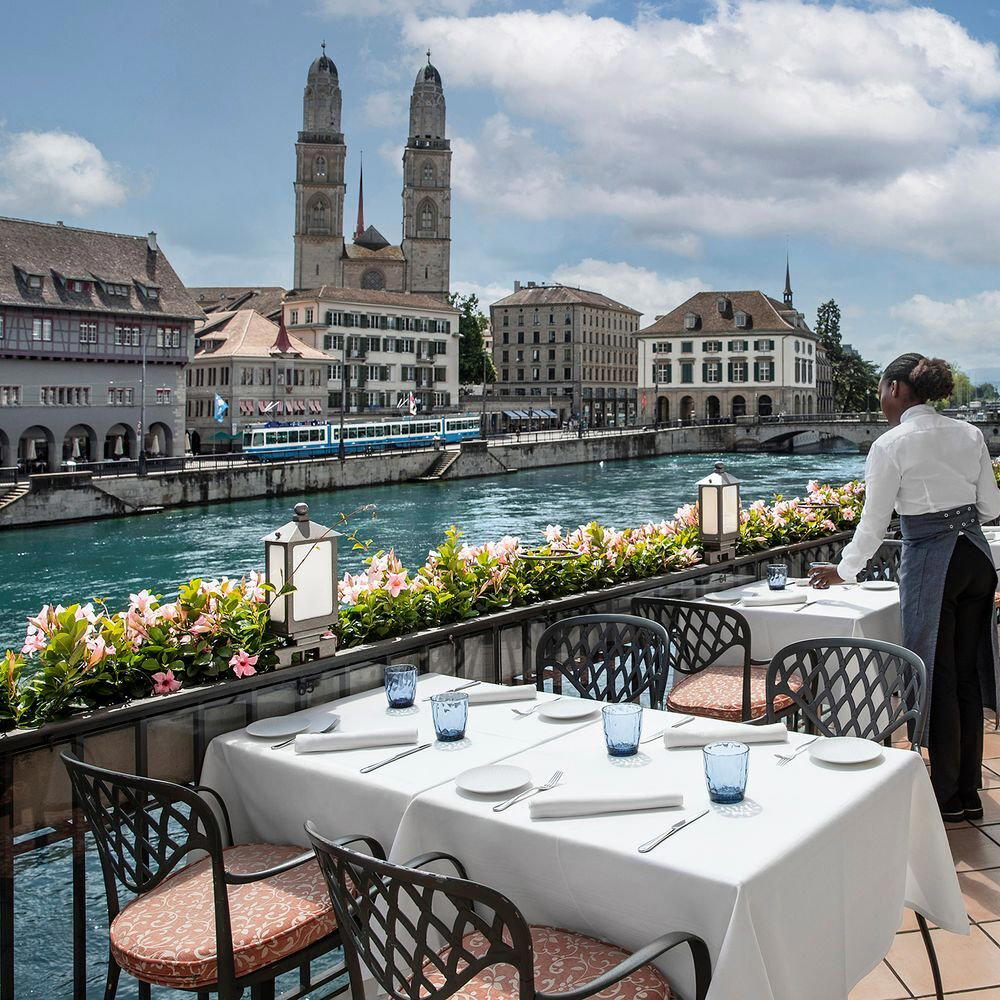
Where the Limmat Sets the Terms
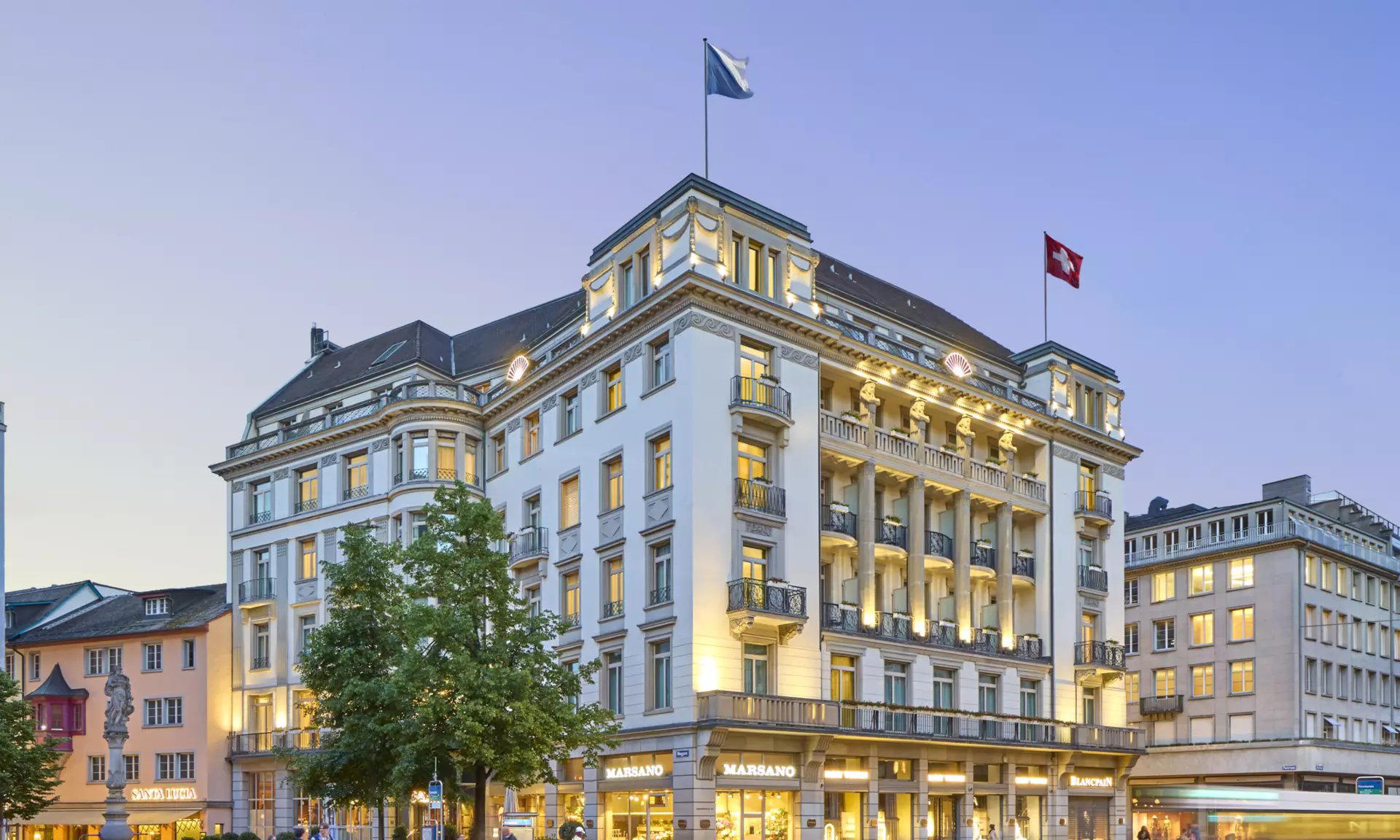
Weinplatz is not a square that announces itself quietly. Positioned at the point where the Limmat narrows before the old bridge crossings, it has functioned as a commercial and social hub since medieval traders used it as a grain market. The buildings that frame it carry that weight visibly: broad facades, ground-floor archways, and the kind of proportions that remind you Zurich was a prosperous city long before private banking gave it a second identity. Storchen occupies Weinpl. 2, Zürich, and the address alone positions it within among the more historically loaded stretches of real estate in German-speaking Switzerland.
That physical context matters more than it might in a newer city. In Zurich, where Old Town hospitality has a habit of coasting on heritage rather than earning its place, a property on Weinplatz carries both the advantage of location and the pressure of comparison. Visitors arriving by foot from Paradeplatz or crossing from the Niederdorf side of the river approach through a corridor of institutions, some of which, like Widder, have made deliberate, documented moves to modernise their offer while preserving their architectural envelope. The question any serious property on this square has to answer is whether it has done the same.
The Long Arc of a Medieval Address
Buildings with fourteenth-century origins do not stay static across seven centuries, and the evolution of a site like Storchen's is best understood as a series of layered reinventions rather than a single continuous identity. Medieval hospitality in this part of Europe meant shelter and trading logistics. By the early modern period, properties on squares like Weinplatz had shifted toward civic entertainment: the kind of eating and drinking that accompanied market days and guild functions. The nineteenth century brought a more formal hotel culture to Swiss cities, driven in part by the Alpine tourism boom that transformed Switzerland's relationship with international visitors. A Limmat-facing address in central Zurich would have benefited directly from that shift, as rail connections made the city a transit point and destination for travellers moving between northern Europe and Italy.
The twentieth century compressed several reinventions into a shorter span. Swiss hospitality, particularly in cities, cycled through periods of formality, postwar austerity, the business-travel boom of the 1970s and 1980s, and then the broader premiumisation wave that has characterised the last two decades. Properties that survived those cycles intact typically did so by finding a stable niche, either doubling down on Swiss-institutional character, as some Bahnhofstrasse addresses chose, or repositioning toward the design-led, experience-forward model that now defines the upper tier of boutique hospitality in cities like Zurich, Geneva, and Basel. Where Storchen sits in that current positioning is the relevant question for any visitor choosing between the several credible options on and around the Old Town waterfront.
For comparison, Zurich's high-end dining and hotel scene now spans a range from the architectural ambition of The Restaurant and the creative format of The Counter to the sharing-focused proposition of IGNIV Zürich by Andreas Caminada and the Italian positioning of Eden Kitchen & Bar. Each of these represents a considered response to what premium Zurich hospitality looks like in the current decade. Any property on Weinplatz is implicitly in conversation with that comparable set, whether or not it chooses to acknowledge the competition directly.
Zurich's Waterfront Dining Tier
Swiss fine dining has developed a geography that tracks closely with institutional credibility. The highest Michelin density in the country sits outside Zurich, at addresses like Hotel de Ville Crissier in Crissier, Schloss Schauenstein in Fürstenau, and Cheval Blanc by Peter Knogl in Basel. Within Zurich itself, award recognition has tended to cluster around hotel dining rooms and purpose-built tasting-menu formats rather than around historic waterfront addresses, which often prioritise atmosphere and accessibility over the kind of controlled, chef-driven programming that generates Michelin attention.
That is not a criticism of the waterfront model, which serves a different function. Restaurants and hotel dining rooms on squares like Weinplatz operate at the intersection of tourist traffic, business clientele, and local regulars who want a reliable, well-located option rather than a destination tasting menu. The comparable tier in other Swiss cities includes properties near Lake Geneva's shoreline and the resort dining of Memories in Bad Ragaz, 7132 Silver in Vals, and Da Vittorio - St. Moritz in St. Moritz, all of which blend setting with cooking at a level that justifies destination travel. Further afield, internationally recognised addresses like Le Bernardin in New York City and Atomix in New York City illustrate how waterfront or urban-institution formats can anchor serious culinary ambition when the kitchen program matches the setting's prestige. The same logic applies to Colonnade in Lucerne, Einstein Gourmet in Sankt Gallen, focus ATELIER in Vitznau, and L'Atelier Robuchon in Geneva, each of which has made its location part of a coherent identity rather than relying on it as a substitute for one.
The broader question for any Weinplatz property is whether its current direction leans toward the historic-institution model, which asks guests to accept a certain degree of formula in exchange for setting and reliability, or whether it has made the reinvention toward a more purposeful, differentiated offer that the current Zurich market increasingly expects.
Accolades, Compared
Comparable venues nearby, for context on price, style, and recognition.
| Venue | Cuisine | Price | Awards | Notes |
|---|---|---|---|---|
| StorchenThis venue — the venue you are viewing | Modern European Fine Dining | $$$$ | Not listed | Not listed |
| Zunfthaus zur Saffran | Classic Zurich & European | $$$$ | Not listed | Fluntern |
| rémy | Modern European Fine Dining | $$$$ | Michelin Plate | Aussersihl |
| Restaurant Enja | New Nordic Cuisine with Local Swiss Twist | $$$ | Not listed | Aussersihl |
| Osso | Modern Fire-Cooked European | $$$ | Not listed | Aussersihl |
| Gasthaus Zum Guten Glück | Cozy Café with Pancakes & Waffles | $$ | Not listed | Aussersihl |
At a Glance
- Elegant
- Romantic
- Sophisticated
- Scenic
- Date Night
- Business Dinner
- Special Occasion
- Celebration
- Waterfront
- Terrace
- Historic Building
- Hotel Restaurant
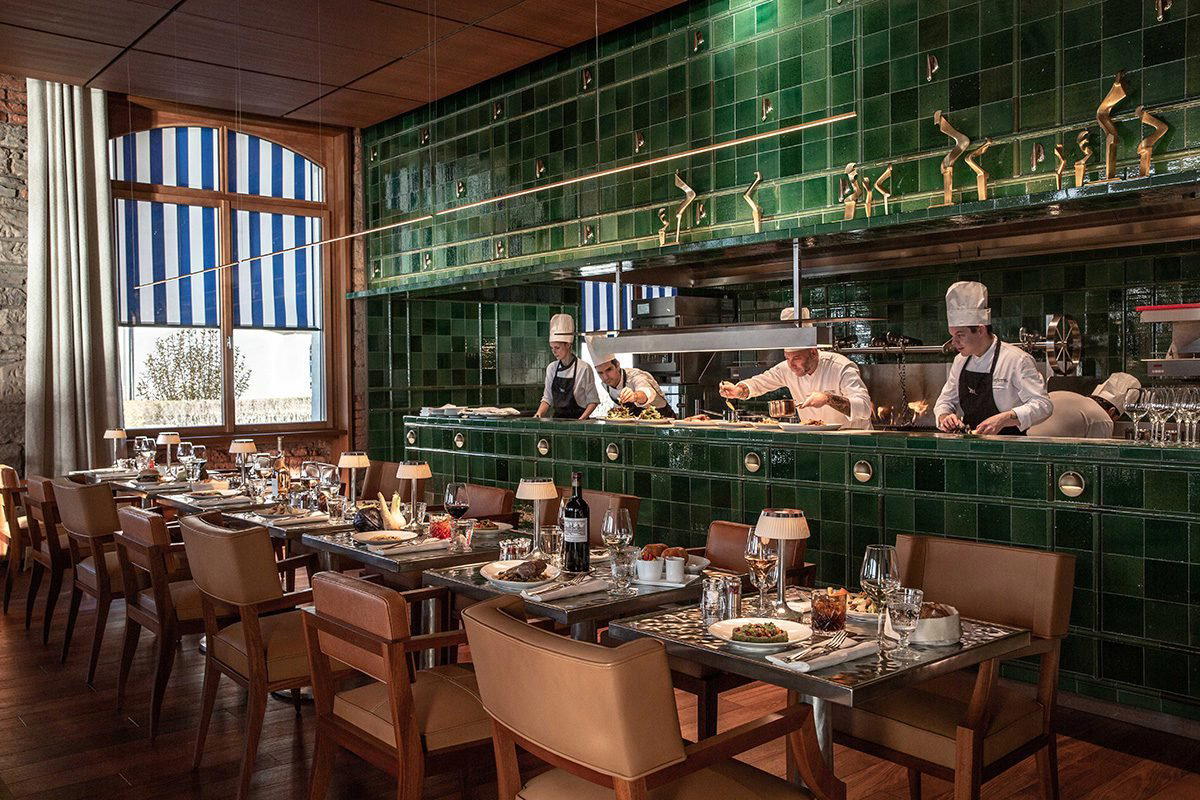
- Open Kitchen
- Chefs Counter
- Sommelier Led
- Local Sourcing
- Waterfront
- Street Scene
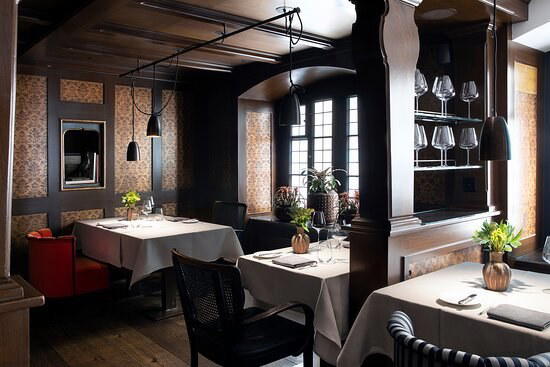
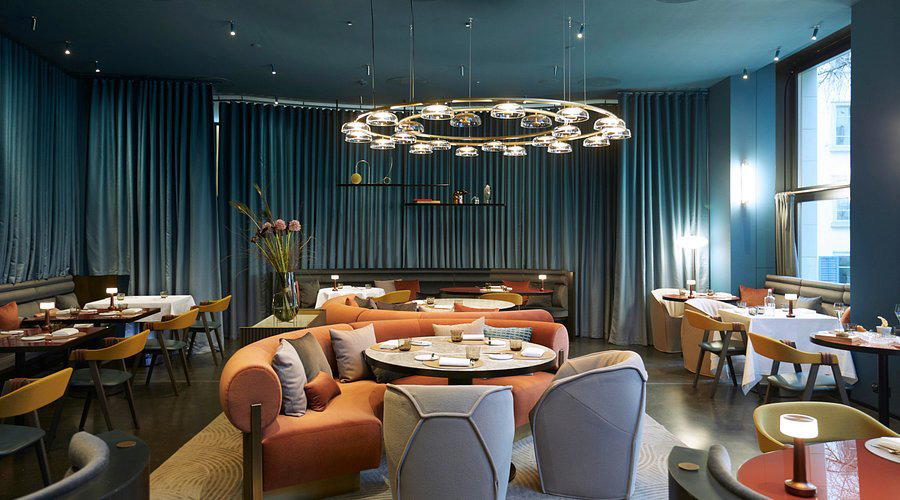
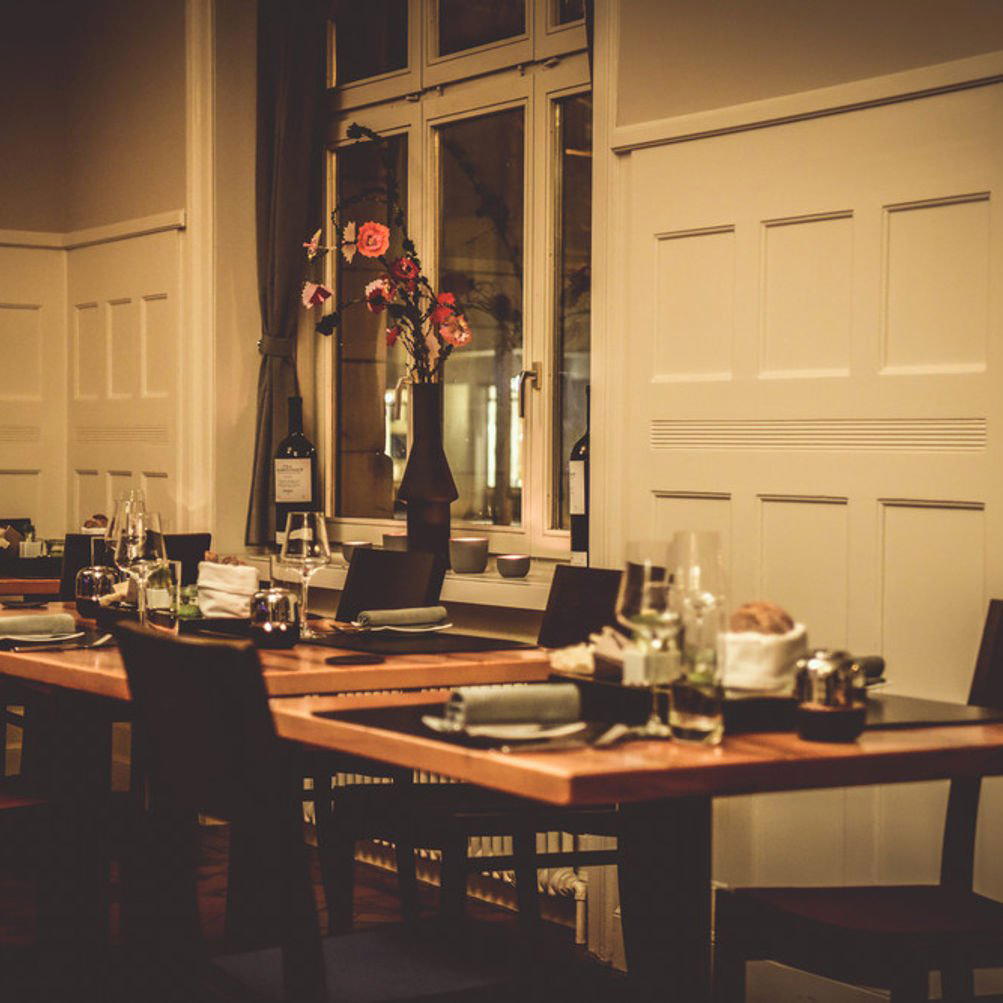
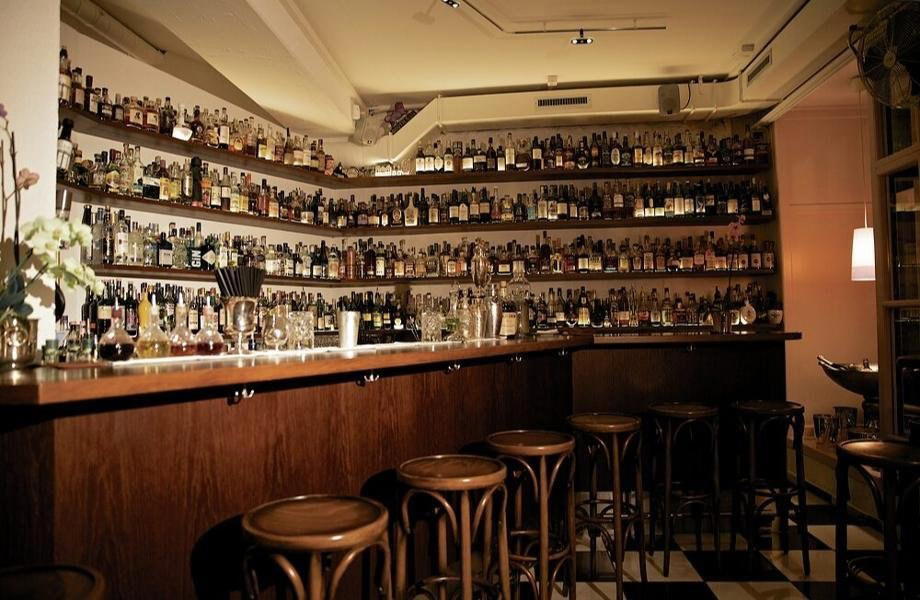
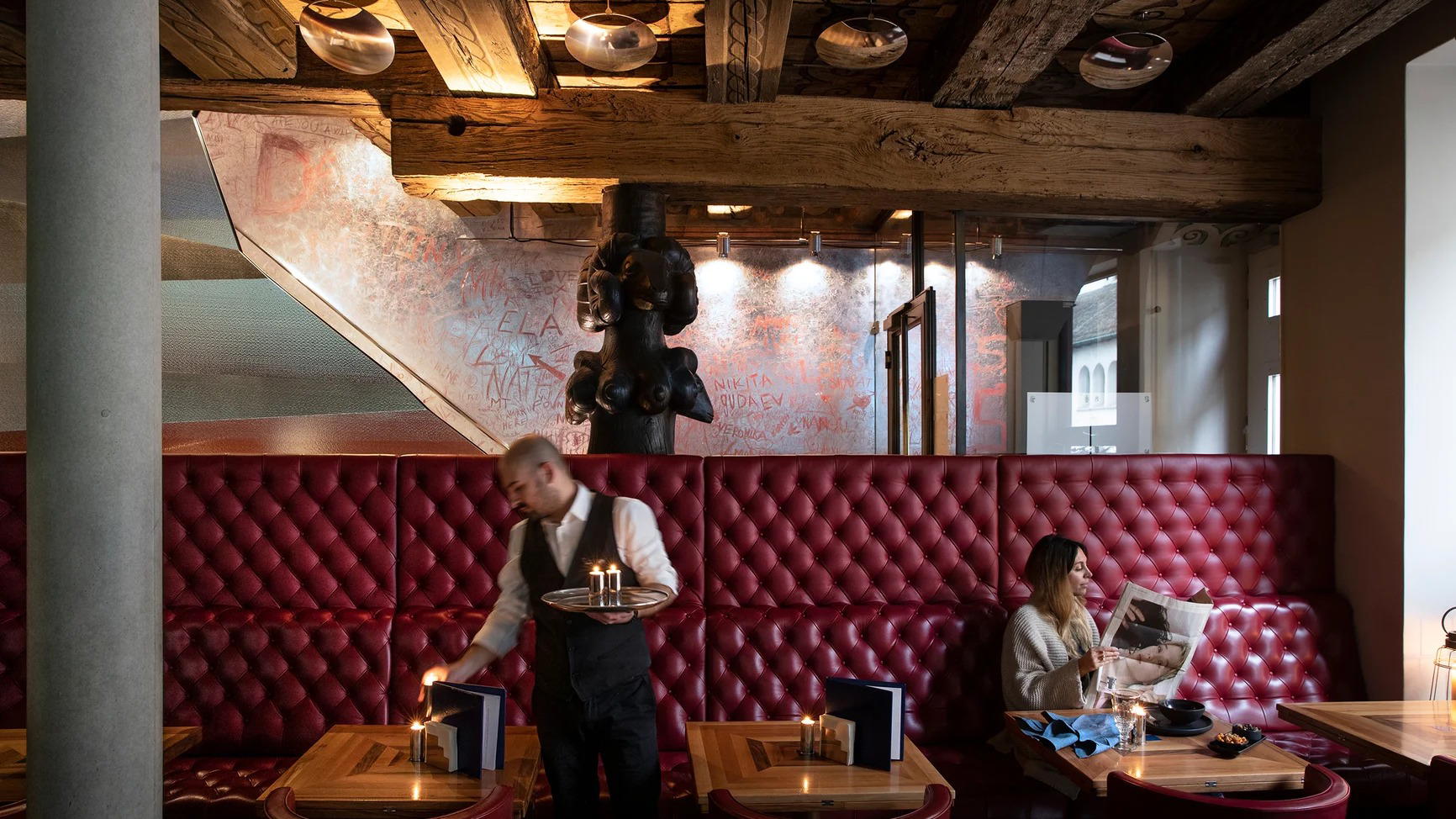
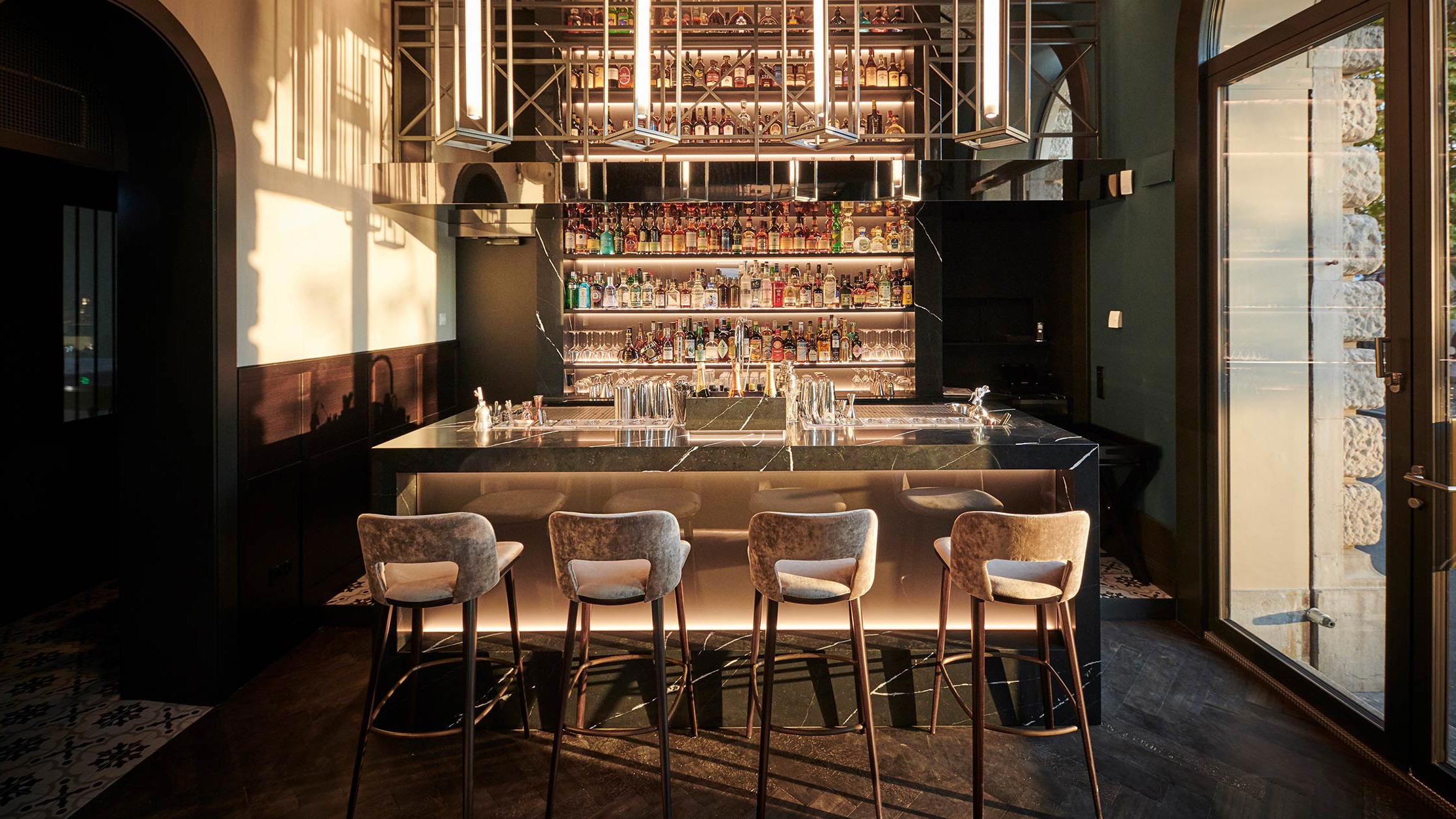
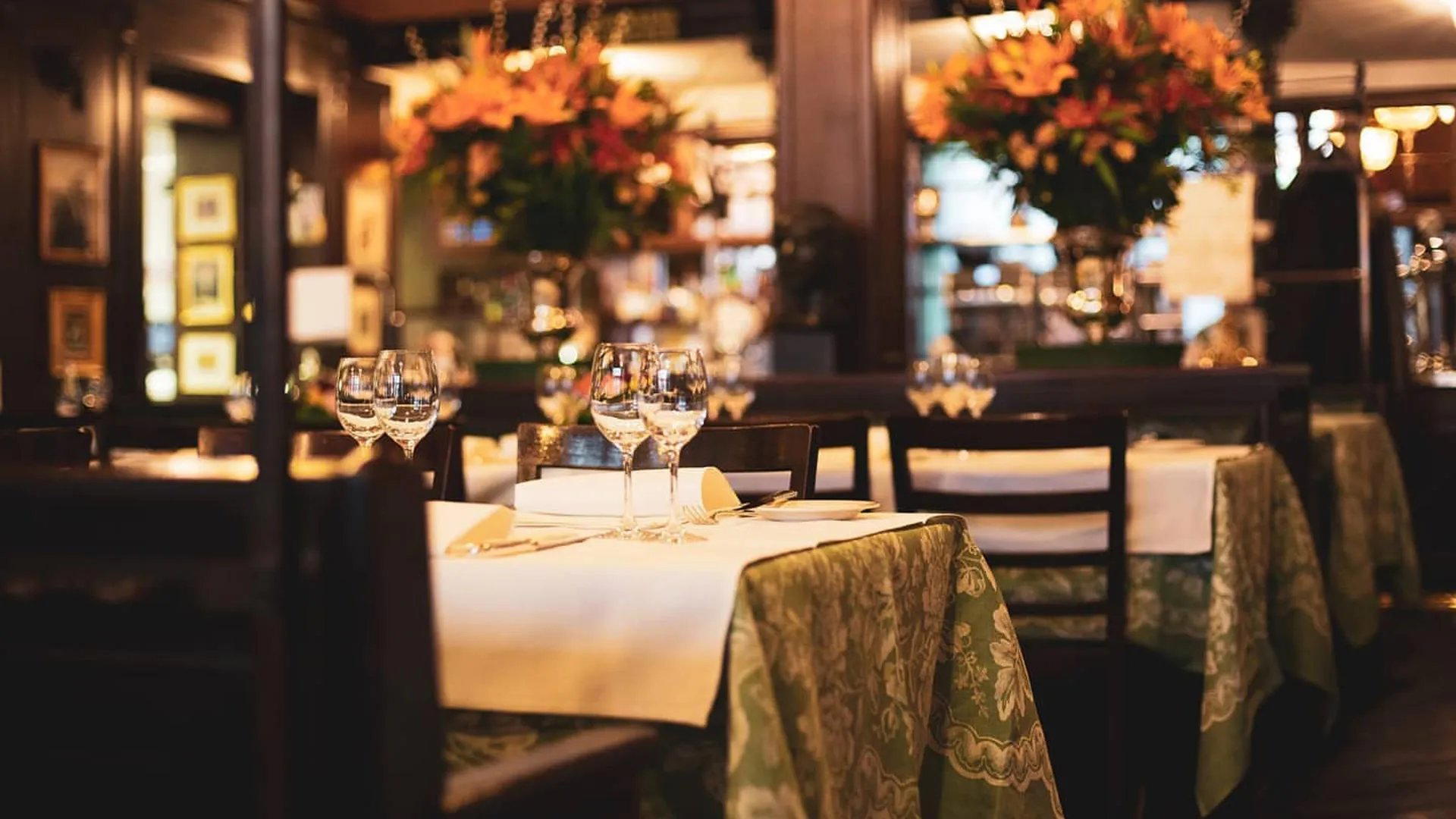
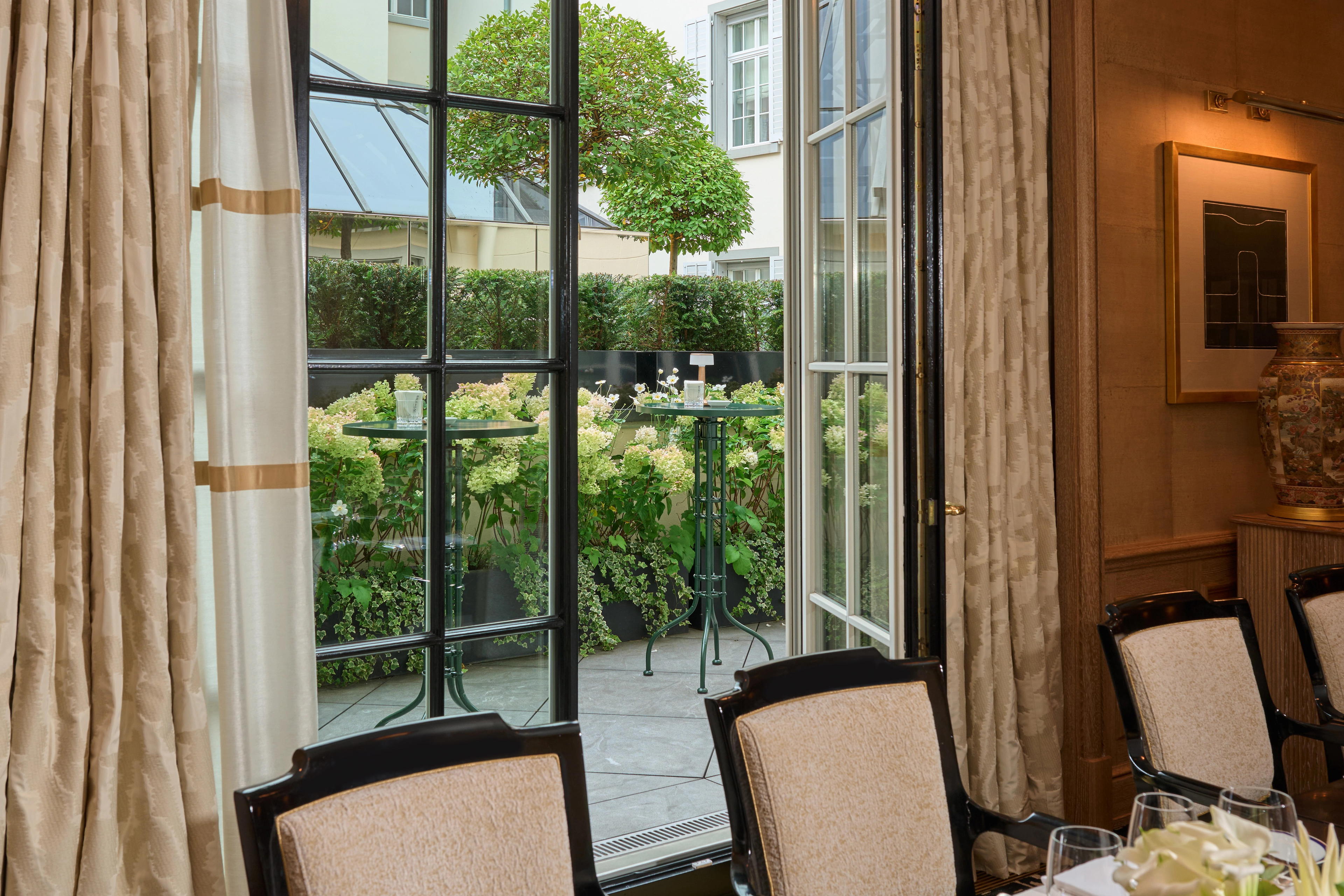
Tastefully decorated with high ceilings, large arched windows, and elegant furnishings creating a traditional yet contemporary atmosphere; riverside location provides natural light and water views.