Zunfthaus zur Saffran
One of Zurich's most historically rooted addresses, Zunfthaus zur Saffran occupies a guild hall on the Limmatquai that has anchored Old Town dining for centuries. Where the building preserves its medieval guild identity, the kitchen operates at the intersection of Swiss regional produce and broader European technique. Positioned between traditional Swiss tables and Zurich's contemporary fine dining tier, it offers a grounding point for understanding the city's culinary continuity.
Pearl is the En Primeur Club membership app — saves, bookings, and concierge access live there. Same editors, same standards.
- Address
- Limmatquai 54, 8001 Zürich, Switzerland
- Phone
- +41442513740
- Website
- zunfthauszursaffran.ch
- Directions
- Get directions
 Saves & bookings on Pearl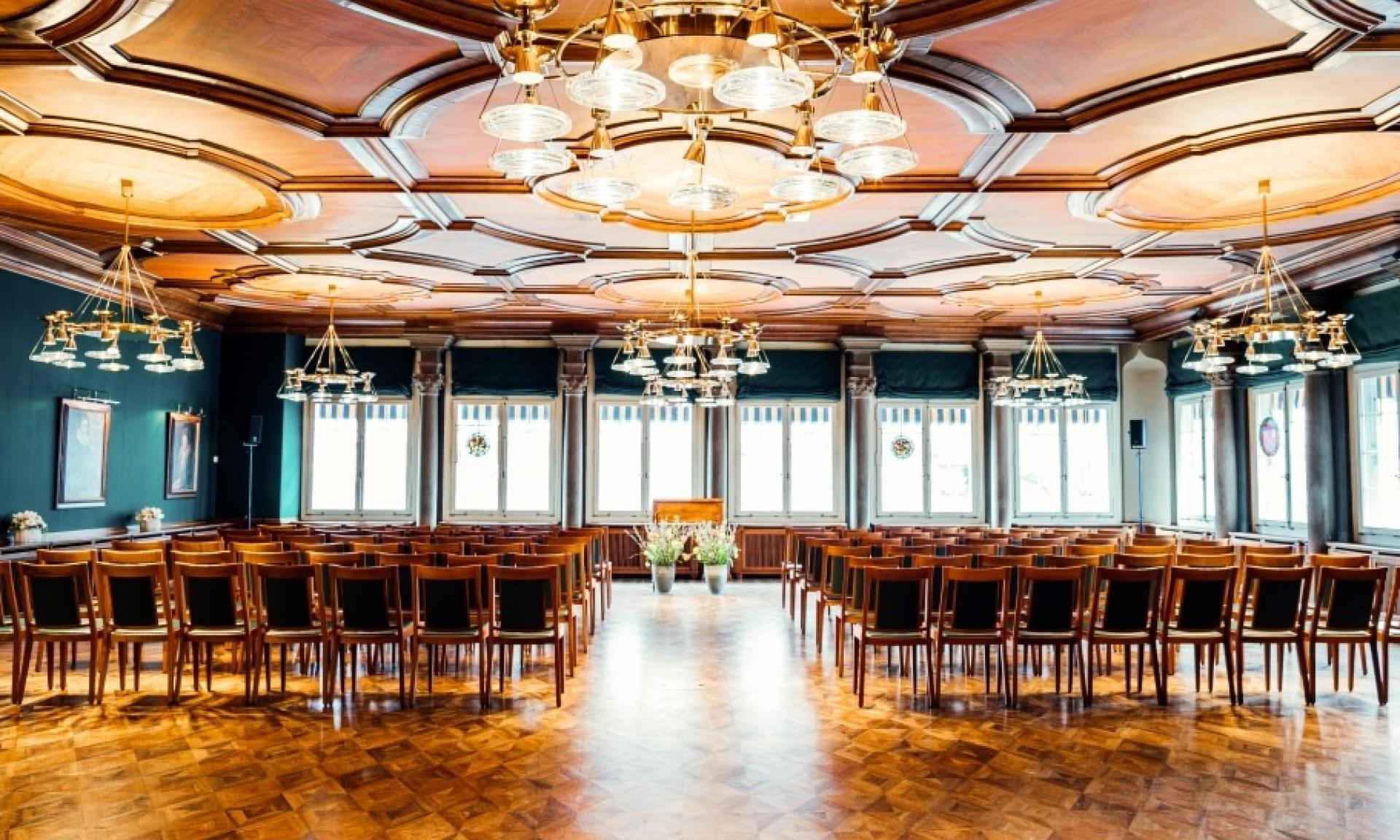
A Guild Hall at the Water's Edge
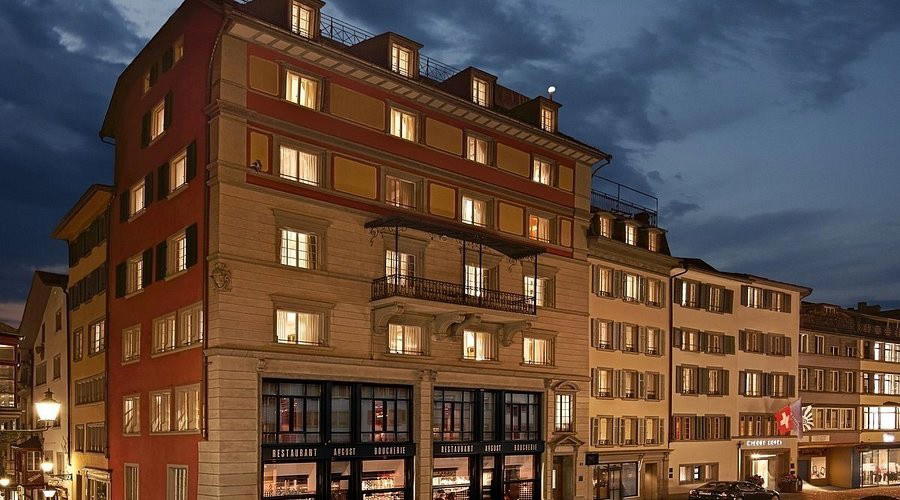
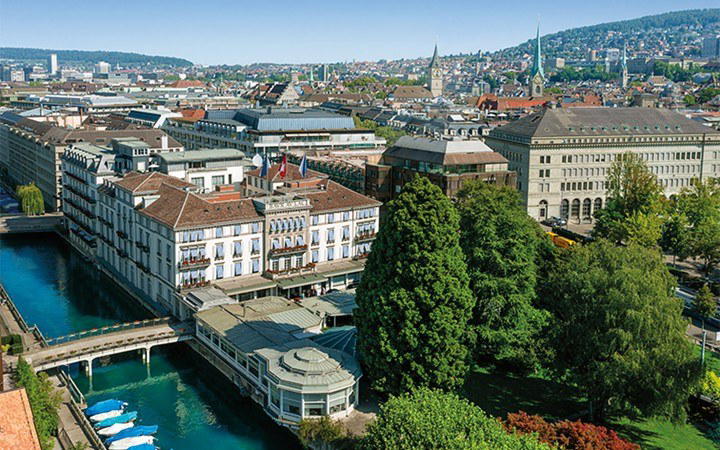
The Limmatquai runs along the eastern bank of the Limmat river through Zurich's Altstadt, and the guild houses that line it are among the more architecturally coherent stretches of the old city. Zunfthaus zur Saffran sits at Limmatquai 54 in Zürich, its facade reading as part of a civic ensemble that has defined the neighbourhood's character since the medieval period. Approaching from the Rathausbrücke, the building announces itself through stonework and proportion rather than signage. This is a dining address where the architecture does most of the preliminary work, placing any meal inside a context that no amount of interior design could manufacture from scratch.
Zurich's guild houses were not merely social clubs. The Zunft zur Saffran was historically affiliated with the spice and textile trades, and the building at Limmatquai 54 carries that mercantile heritage in its bones.
Swiss Dining Between Tradition and Technique
Zurich's restaurant scene has bifurcated sharply over the past decade. On one side sit the modern creative and sharing-format restaurants: IGNIV Zürich by Andreas Caminada runs a polished sharing menu at the leading price bracket, while The Counter and The Restaurant operate in the creative tier with international reference points. On the other side, addresses like Kronenhalle maintain the traditional Swiss and Central European canon, operating at a comparable price point but oriented toward continuity over experimentation.
Zunfthaus zur Saffran occupies the space where those two tendencies meet. The guild house format and the Altstadt setting anchor it in Swiss civic tradition, but the approach at the table engages with a broader European repertoire. This is a pattern visible at several historically grounded Swiss institutions: the building provides the identity, and the kitchen is given latitude to move across technique and reference without abandoning local produce as its foundation. Widder, a few blocks west in Zurich's hotel dining tier, follows a comparable logic, using a historic building as its primary credential while running a kitchen with international ambitions.
Local Ingredients, European Methods
The kitchen works with Swiss regional produce and European technique. Swiss ingredients include lake fish, dairy, game, root vegetables, and legumes. These are not exotic materials, but they reward precise, respectful treatment.
The guild house tradition in Zurich has always had a relationship with ingredients sourced from trade networks, which gives Zunfthaus zur Saffran a historical logic for combining local Swiss produce with imported methods and references. Where a kitchen in Lyon or Vienna would reach instinctively for its own regional canon, a Zurich guild house kitchen has historically mediated between local supply and cosmopolitan demand.
Switzerland's broader fine dining tier provides useful calibration. Schloss Schauenstein in Fürstenau and Hotel de Ville Crissier represent the country's highest-awarded tier, operating with Michelin recognition and a produce-driven seriousness that defines the national benchmark. Cheval Blanc by Peter Knogl in Basel and Memories in Bad Ragaz sit within the same formal tier. The restaurant operates at a different register: its primary credential is institutional rather than critical, and its setting makes demands on the kitchen that pure fine dining addresses do not face. Serving in a room this historically weighted requires a kitchen that neither overwhelms the context with avant-garde gesture nor retreats into museum-piece traditionalism.
The Altstadt Dining Context
The Limmatquai and the surrounding Altstadt represent Zurich's most concentrated stretch of historic dining addresses. The neighbourhood is not a tourist quarter in the dismissive sense; Zurich's civic and financial centre runs adjacent, and the clientele at these guild houses has always included the city's professional and business class alongside international visitors. That mixed audience shapes what kitchens in the area are expected to deliver: a menu that reads confidently to both local regulars and well-travelled guests, without condescending to either.
For visitors building a broader Zurich dining itinerary, Eden Kitchen and Bar offers Italian-inflected modern cooking at the leading price tier, while the full scope of the city's options is mapped in our full Zurich restaurants guide. Beyond Zurich, the Swiss-German speaking region has a cluster of serious addresses worth combining with an Altstadt visit: Einstein Gourmet in Sankt Gallen, Colonnade in Lucerne, and focus ATELIER in Vitznau each operate within a day's reach and represent distinct expressions of the regional fine dining tier. Francophone Switzerland adds further range through L'Atelier Robuchon in Geneva.
For readers who track produce-focused dining across cities, the tension between local ingredient fidelity and imported technique that characterises the restaurant's position is not distinctive to Switzerland. It appears at comparable addresses in New York: Le Bernardin built a French technique canon around North Atlantic seafood, while Atomix applies Korean culinary architecture to New World ingredients. The dynamic of transplanted method and local material is a defining pattern across serious contemporary dining, and Zurich's guild house tradition provides one of its oldest institutional frames.
A Tight Comparison
Comparable venues nearby, for context on price, style, and recognition.
| Venue | Cuisine | Price | Notes |
|---|---|---|---|
| Zunfthaus zur SaffranThis venue — the venue you are viewing | Fluntern, Classic Zurich & European | $$$$ | Not listed |
| STAMP Burgers | Aussersihl, Handmade Smash Burgers | $$$ | Not listed |
| Kreis 6 | Unterstrass, Modern Mediterranean Bistro | $$$ | Not listed |
| Osso | Aussersihl, Modern Fire-Cooked European | $$$ | Not listed |
| Markthalle | Not listed | $$$ | Industriequartier, Mediterranean Market Cuisine |
Continue exploring
More in Zürich
Restaurants in Zürich
Browse all →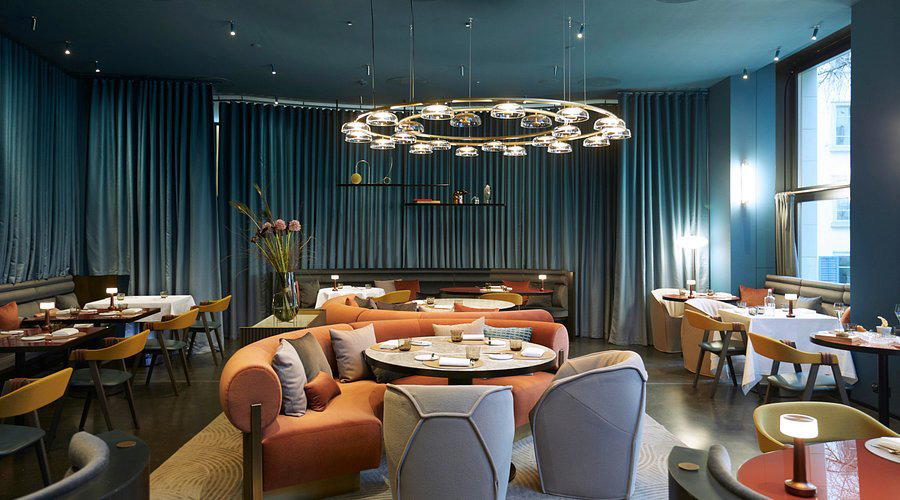
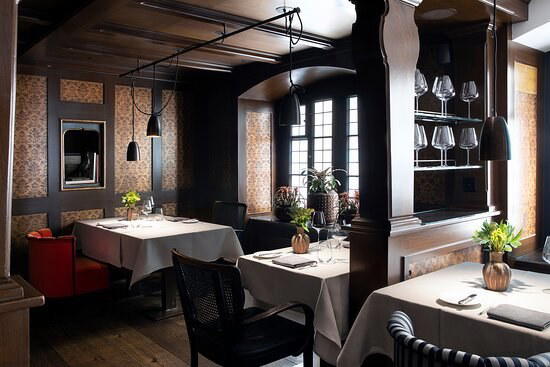
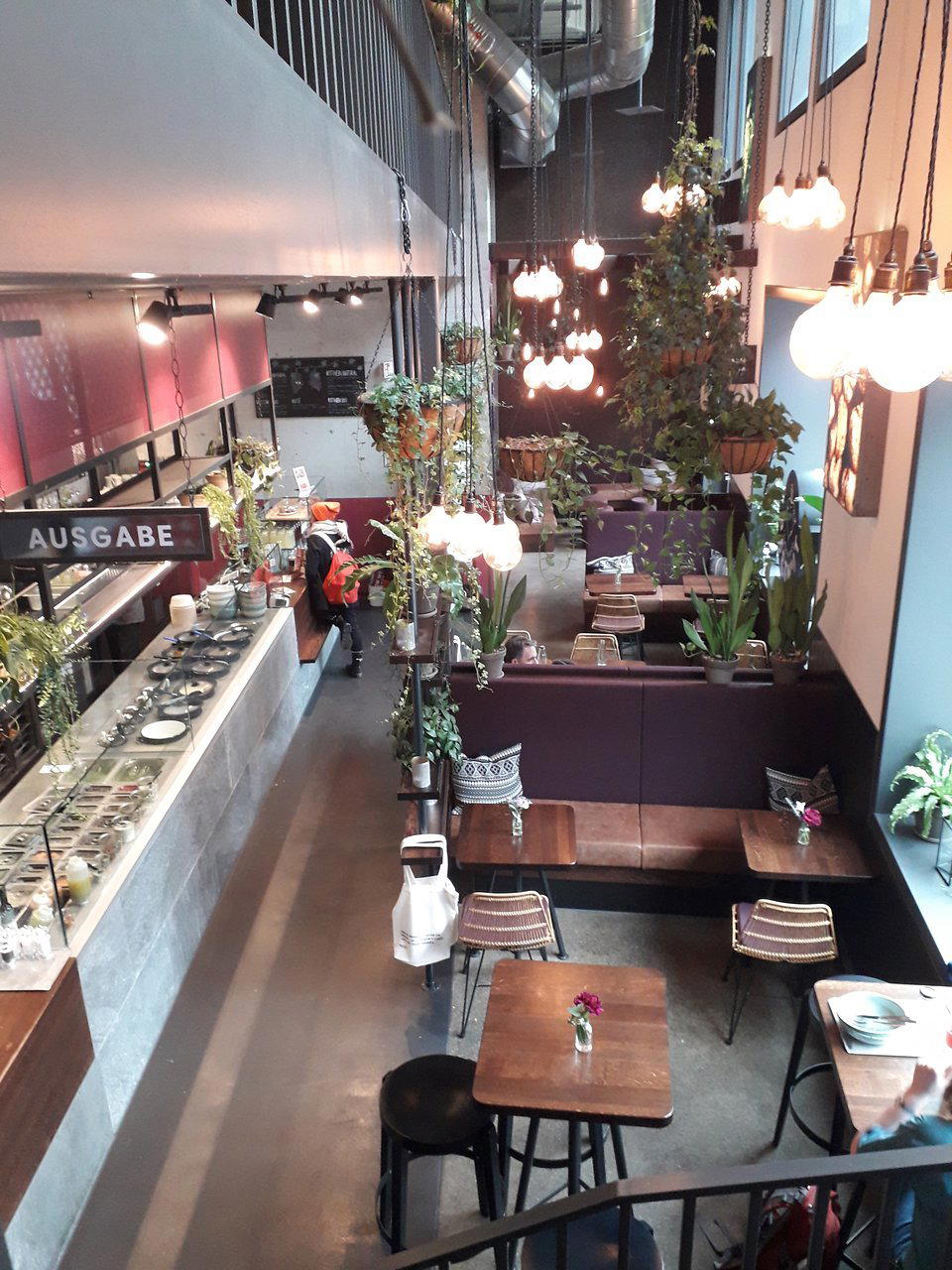
Bars in Zürich
Browse all →
Hotels in Zürich
Browse all →

At a Glance
- Elegant
- Classic
- Well Known
- Sophisticated
- Business Dinner
- Group Dining
- Celebration
- Special Occasion
- Private Event
- Private Dining
- Historic Building
- Waterfront
- Extensive Wine List
- Local Sourcing
- Waterfront
Current opening hours
- Monday
- 8 AM–11 PM
- Tuesday
- 8 AM–11 PM
- Wednesday
- 8 AM–11 PM
- Thursday
- 8 AM–11 PM
- Friday
- 8 AM–11 PM
- Saturday
- 8 AM–11 PM
- Sunday
- 8 AM–11 PM
Hours can change for holidays and private events. Last verified .
Historic and ornate with beautiful frescoes, carvings, and traditional ceramic ovens reflecting the prestige of Zurich's medieval trade guilds.