Stiva Grischuna

Michelin Bib Gourmand
Our verdict
In the Surselva valley of canton Graubünden, Stiva Grischuna serves regional Swiss-Rhaetian cuisine under chef Stirling Webb, earning consecutive Michelin Bib Gourmand recognition in 2024 and 2025. The €€ price point sits well below the canton's starred tier, making it one of the more credible arguments for serious cooking outside the luxury-resort circuit. For visitors passing through or based in Disentis, it warrants a reservation.

Pearl is the En Primeur Club membership app, where members save venues, book tables and use the concierge.
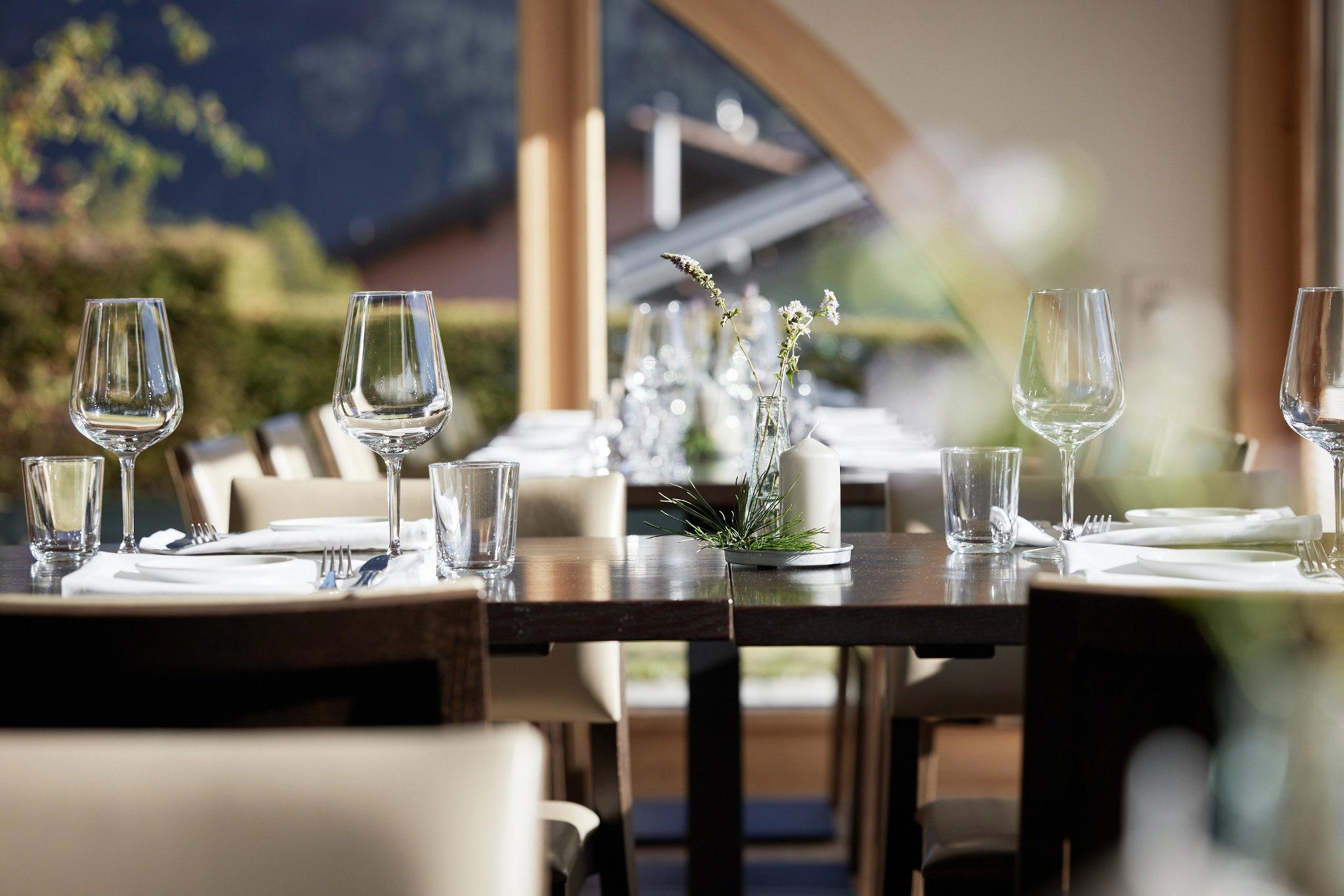
Where Graubünden Cooking Finds Its Footing
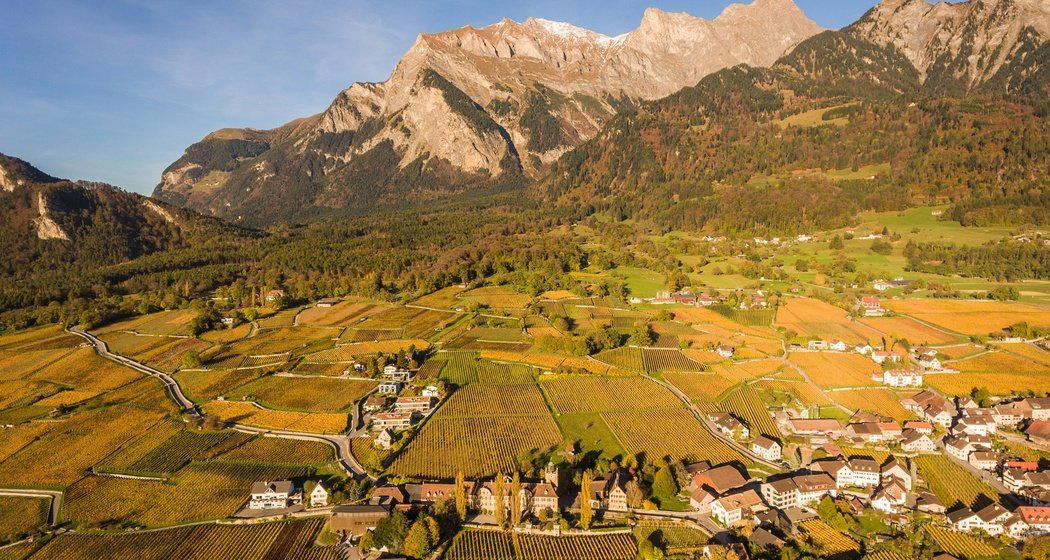
The drive into Surselva, the upper Rhine valley that feeds into Disentis from the west, sets expectations before you arrive anywhere near a kitchen. The valley narrows, the villages grow quieter, and the architectural vernacular shifts toward the Romansh-inflected stonework and painted facades that define this corner of Graubünden. That gap between setting and substance is, across the Swiss Alpine interior, a pattern rather than an exception.
Stiva Grischuna occupies exactly that gap. At a €€ price point, it positions itself outside the canton's starred resort circuit, the territory of places like Schloss Schauenstein in Fürstenau or the refined tasting-menu rooms attached to thermal and mountain resorts elsewhere in Graubünden. Instead, it draws on a different Swiss dining tradition: the village Stiva (the Romansh word for a heated room or parlour, and the architectural heart of traditional Rhaetian domestic life) as a setting for cooking rooted in local produce and seasonal logic rather than international fine-dining convention.
The Case for Regional Over Starred in the Swiss Alps
Switzerland's fine-dining hierarchy is well-documented. The country consistently punches above its population size in Michelin star density, with restaurants like Hotel de Ville Crissier in Crissier, Cheval Blanc by Peter Knogl in Basel, and Memories in Bad Ragaz occupying the upper tier. Below that starred layer sits the Bib Gourmand category, which Michelin awards specifically for good cooking at moderate prices, and which carries its own distinct editorial argument.
The Bib Gourmand is not a consolation prize. In the Swiss context, it identifies kitchens that deliver genuine technique and ingredient quality at price points accessible to a broader table, without the tasting-menu architecture or service formality of the starred tier. Consecutive recognition in 2024 and 2025 signals consistency rather than a one-year anomaly, the inspectors returned, and the kitchen held its standard. That sustained recognition is the more meaningful data point here. A single Bib is notable; two consecutive years suggests the approach is stable and the sourcing reliable across seasons.
Stiva Grischuna sits in that same cohort: kitchens where the cooking is the point, and the Alpine setting is context rather than spectacle.
Chef Stirling Webb and the Question of Formation
Regional cooking at this level rarely emerges without a formation of some kind. Earning back-to-back Bib Gourmand recognition in a canton where the competing culinary noise comes predominantly from resort-attached fine-dining rooms suggests a chef who has found a clear register and works within it with discipline.
In the Swiss Alpine interior, the most credible regional kitchens draw on Rhaeto-Romanic culinary tradition, a pantry shaped by altitude, short growing seasons, preserved meats, aged cheeses, root vegetables, and game, while applying technical standards that keep the cooking from becoming purely folkloric. The best of these kitchens read as modern interpretations of a specific geography rather than as reconstructed heritage menus.
For context on what serious training in the Swiss system can produce, the progression from formative years in professional kitchens to regional recognition is well-illustrated by chefs at places like focus ATELIER in Vitznau or IGNIV Zürich by Andreas Caminada, both operating at higher price tiers but sharing the same underlying Swiss emphasis on product clarity and technical precision that distinguishes serious Alpine cooking from generic mountain fare.
What the €€ Price Point Actually Means Here
Price signals in Switzerland require calibration. The country's cost base is high enough that €€ in a Swiss mountain village represents a different proposition than the same bracket in, say, a mid-sized French provincial city.
For context within the canton and region: starred operations like 7132 Silver in Vals or Da Vittorio in St. Moritz sit in the €€€€ bracket, serving guests whose dining budgets are substantially higher. The mid-tier in Swiss alpine dining is underpopulated relative to what the range of producers and traditions could support, which makes a kitchen like Stiva Grischuna more valuable to the local food culture than its price tag suggests. It holds the space between village restaurant and resort table, and it does so with the credential to back the positioning.
Planning a Visit: What to Know
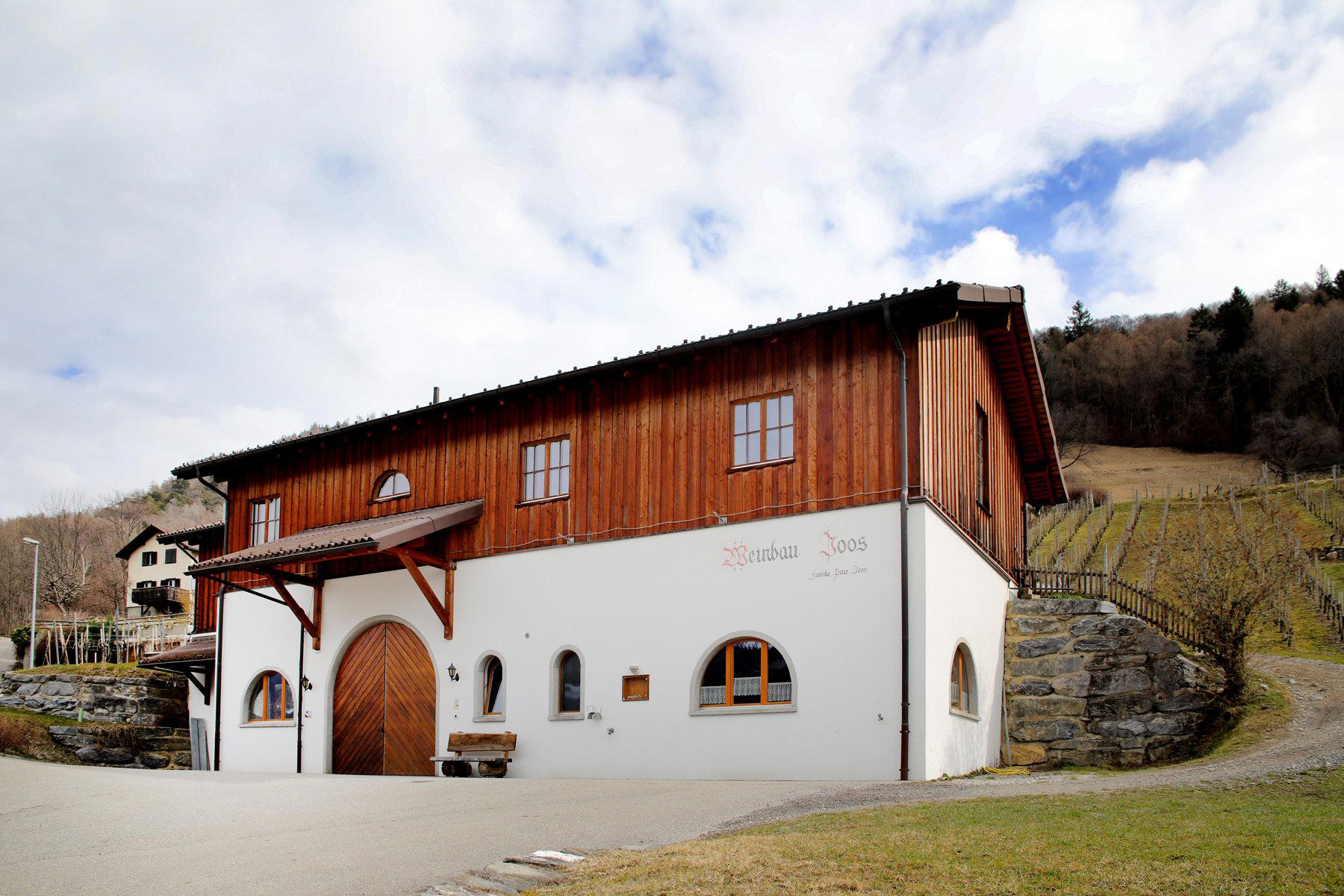
Stiva Grischuna is addressed at Via Vitg dado 5, 7152 Sagogn, a commune within the broader Disentis area of canton Graubünden. For visitors arriving from outside the region, Disentis is accessible by rail via the Rhaetian Railway's Oberalppass route, a practical approach that avoids the complications of mountain driving in variable conditions. The village of Sagogn sits in the valley below the larger centre, so timing around daylight and road conditions is worth factoring into any visit, particularly in winter months when the valley can move into shadow earlier than expected.
Booking ahead is the logical approach. For a fuller picture of where to eat and stay in the area, see our full Disentis restaurants guide, our full Disentis hotels guide, our full Disentis bars guide, our full Disentis wineries guide, and our full Disentis experiences guide.
For those building a broader Swiss itinerary, the regional cooking tier represented here connects well to similar kitchens in other parts of the country, from Colonnade in Lucerne to Einstein Gourmet in Sankt Gallen and L'Atelier Robuchon in Geneva, offering a cross-section of Swiss cooking at different price points and in different geographic registers. Stiva Grischuna's value sits in the specificity of its place: a Rhaetian stiva, a Graubünden kitchen, a regional tradition taken seriously at a price that doesn't require resort-level spending to access.
Frequently asked questions
Is Stiva Grischuna good for families?
The €€ price point and regional cooking format at Stiva Grischuna make it a practical choice for families visiting the Disentis area who want a substantive meal without a formal fine-dining structure. The Michelin Bib Gourmand designation specifically recognises good cooking at moderate prices, which is the category Switzerland awards to accessible, quality-driven restaurants rather than ceremonial ones. That said, hours and booking arrangements are not publicly listed, so checking ahead is advisable before arriving with children.
How would you describe the vibe at Stiva Grischuna?
Stiva Grischuna sits in Sagogn, a commune in the Surselva valley of canton Graubünden, and its Michelin Bib Gourmand recognition positions it as a local anchor rather than a destination-hotel restaurant. The regional cuisine focus suggests a setting rooted in place rather than performance. Expect the kind of atmosphere consistent with serious alpine cooking at a €€ price range: grounded, unpretentious, and focused on what's on the plate.
What awards or recognition does Stiva Grischuna have?
Stiva Grischuna has received recognition including: Michelin Bib Gourmand (2025); Michelin Bib Gourmand (2024).
What's the best thing to order at Stiva Grischuna?
Stiva Grischuna's Michelin Bib Gourmand in both 2024 and 2025 was awarded for its regional cuisine, so the strongest case for visiting is the Graubünden-specific cooking under chef Stirling Webb rather than any single dish. Ordering according to what reflects local Graubünden tradition is the reliable strategy at a restaurant that has twice earned Michelin's endorsement for exactly that.
At-a-Glance Comparison
| Venue | Cuisine | Price | Awards | Notes |
|---|---|---|---|---|
| Stiva GrischunaThis venue (the venue you are viewing) | Traditional Graubünden Swiss | Not listed | Michelin Bib Gourmand | Not listed |
| Schloss Schauenstein | Creative Swiss Country Fine Dining | $300–500 | 3 Michelin Stars · World's 50 Best #52 | Modern European, Creative |
| Memories | Modern Swiss Alpine Cuisine | $300–500 | 3 Michelin Stars · La Liste Top Restaurants | Modern Swiss |
| focus ATELIER | Modern French Fine Dining | $200–300 | 2 Michelin Stars · La Liste Top Restaurants | Modern Swiss, Creative |
| IGNIV Zürich by Andreas Caminada | Modern Swiss Fusion Sharing | $150–200 | 2 Michelin Stars · La Liste Top Restaurants | Sharing |
| La Table du Lausanne Palace | Contemporary French Fine Dining | $200–300 | 2 Michelin Stars · La Liste Top Restaurants | Modern French |
Recognition history
Dated appearances from independent guides and award organizations, with the underlying list record or original source where available.
Michelin Bib Gourmand
Michelin
Full recognition history (2 entries)
Michelin Bib Gourmand
Michelin
Continue exploring
More in Disentis
Restaurants in Disentis
All restaurants in Disentis →
Bars in Disentis
Browse all →

Details
- Cozy
- Rustic
- Classic
- Family
- Casual Hangout
- Historic Building
- Terrace
- Local Sourcing
- A La Carte
Current opening hours
- Monday
- Closed
- Tuesday
- 9–11 AM, 4–11 PM
- Wednesday
- 9–11 AM, 4–11 PM
- Thursday
- 9–11 AM, 4–11 PM
- Friday
- 9–11 AM, 4–11 PM
- Saturday
- 9–11 AM, 4–11 PM
- Sunday
- Closed
Hours can change for holidays and private events. Hours as of .
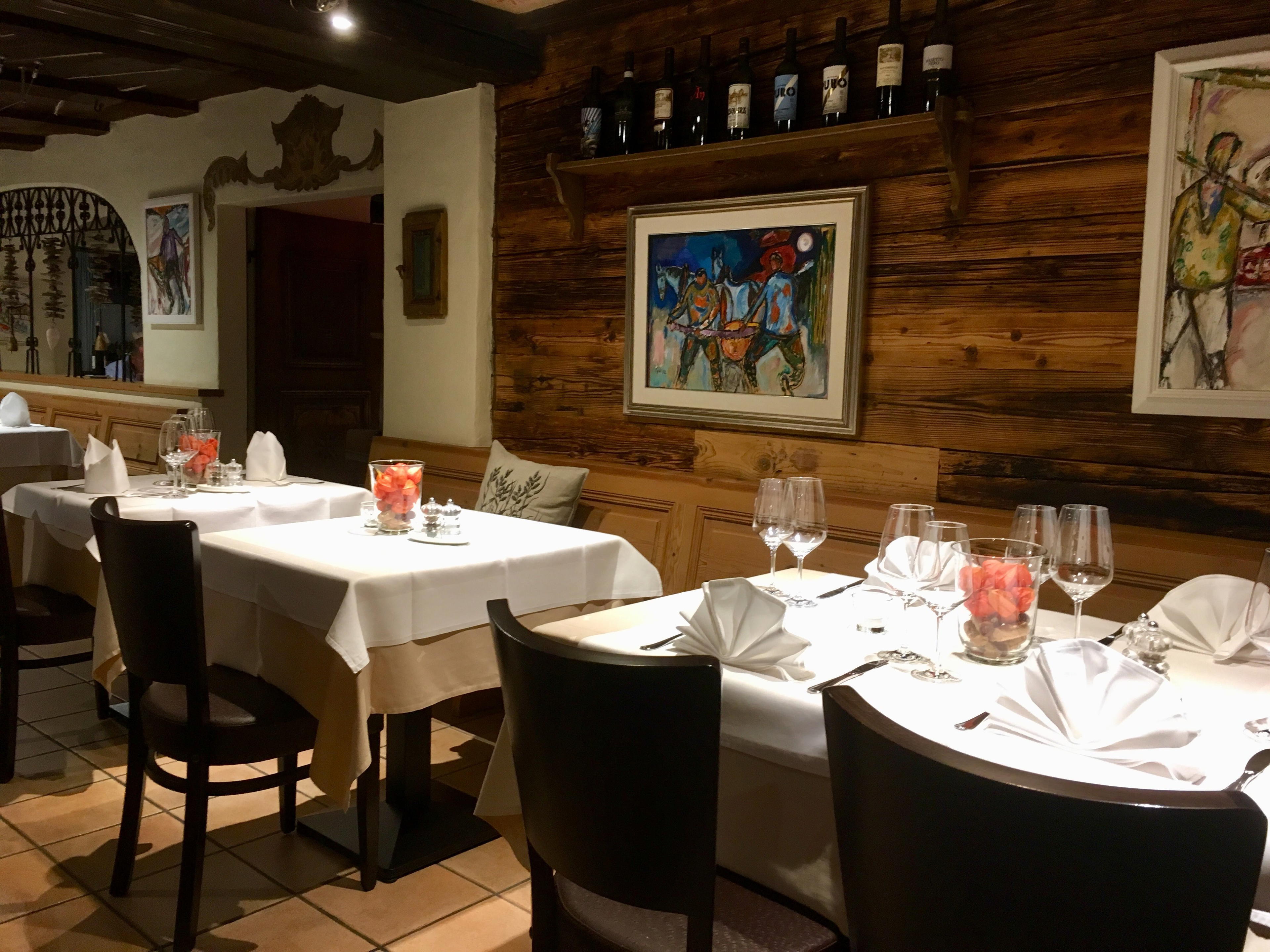
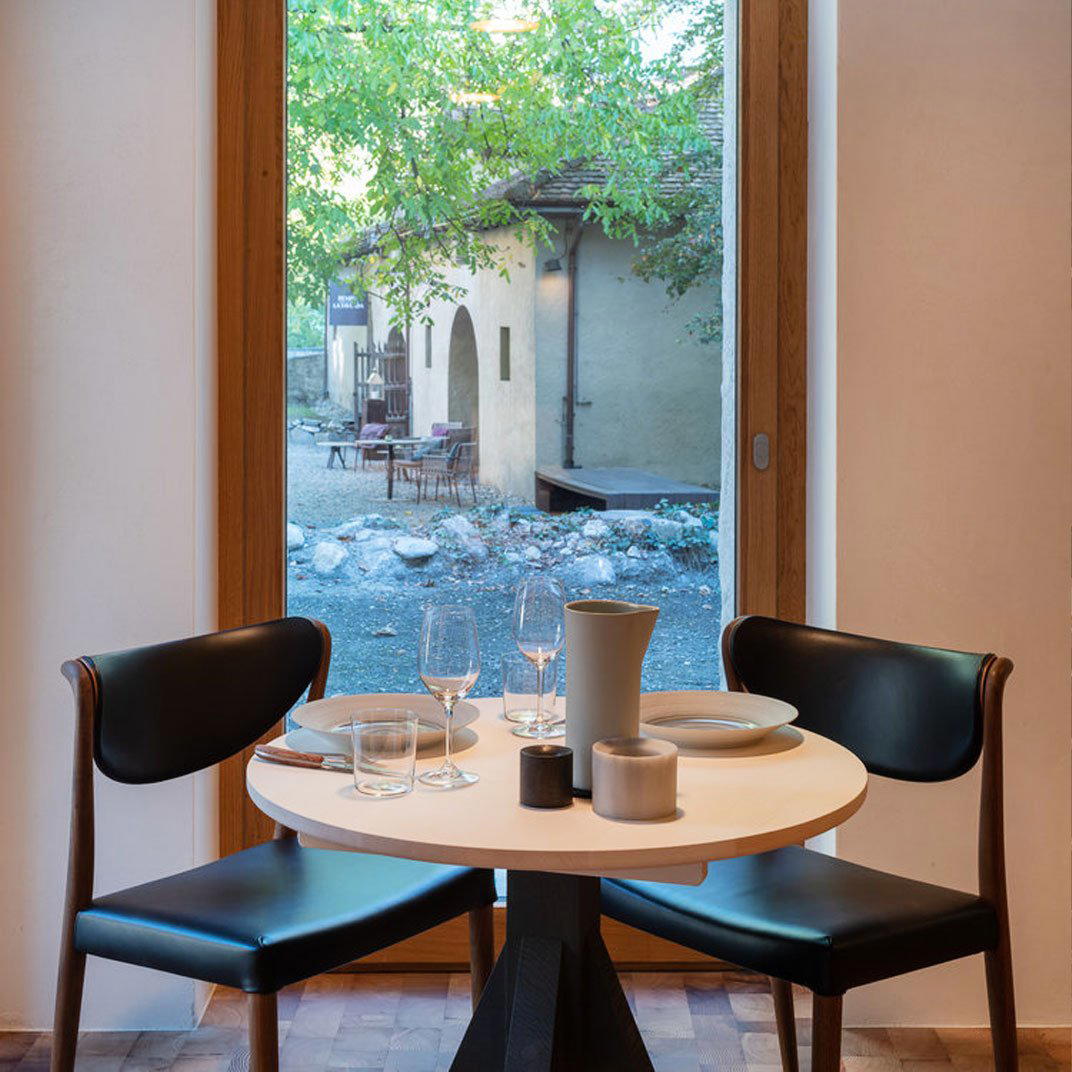
Cozy wood-panelled rooms with a large soapstone stove providing warmth, lovingly preserved historic charm, and inviting atmosphere.