Schloss Schauenstein


1 Michelin Key
In the small Graubünden village of Fürstenau, Schloss Schauenstein occupies a medieval castle that doubles as a nine-room hotel. Romanesque archways, carved wood paneling, and ivy-clad stone walls define the architecture, while contemporary accents inside the rooms pull the property into the present. Pricing is available on request, placing it firmly in Switzerland's invitation-only tier of small luxury properties.

Pearl is the En Primeur Club membership app — saves, bookings, and concierge access live there. Same editors, same standards.
- Address
- Obergass 15, 7414 Fürstenau
- Phone
- +41 81 632 10 80
- Website
- schauenstein.ch
- Directions
- Get directions
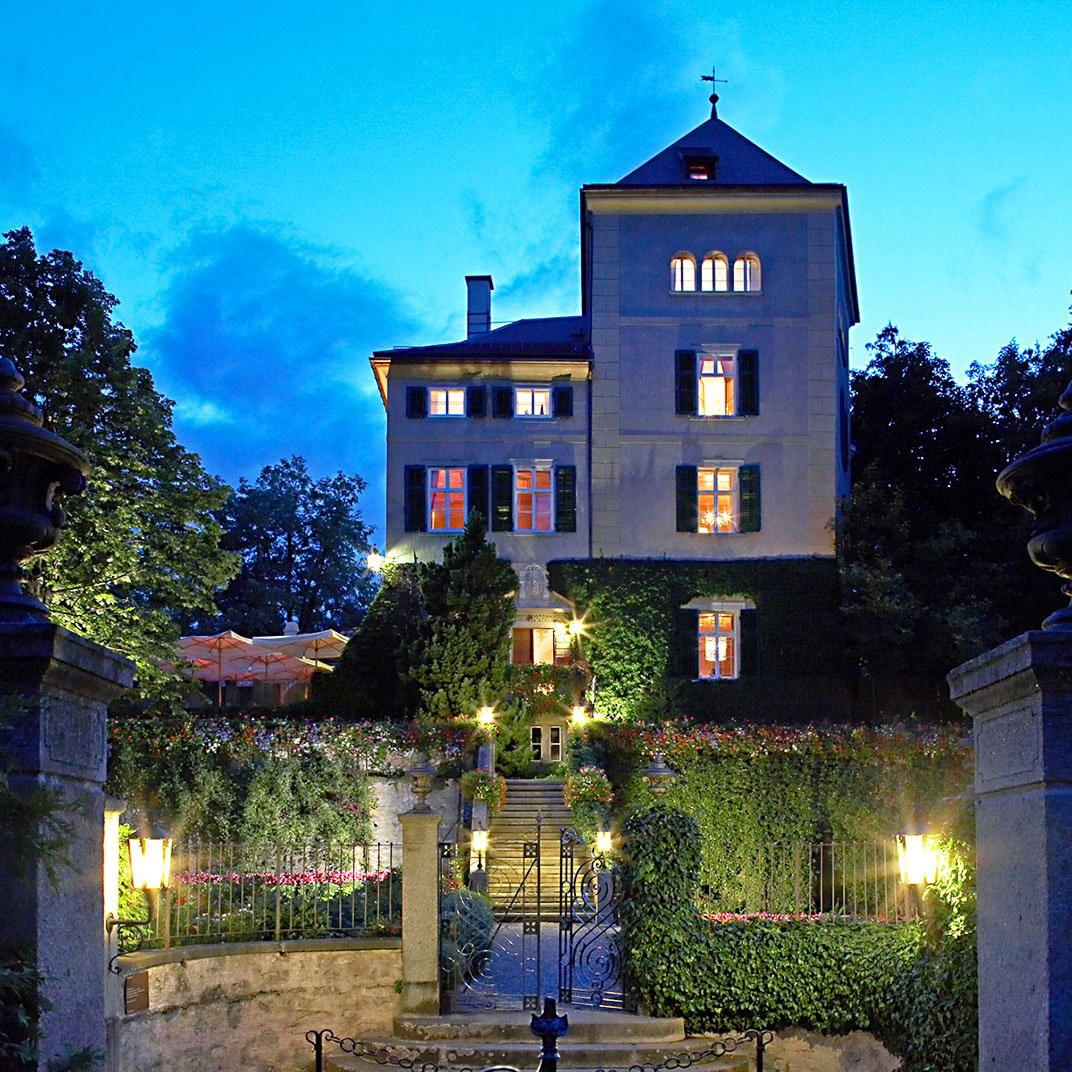
A Medieval Castle in One of Switzerland's Smallest Villages
Fürstenau, a village so compact it barely registers on most Swiss road maps, sits in the Domleschg valley of Graubünden, surrounded by terraced hillsides and the kind of deliberate quiet that larger alpine resorts spend considerable money trying to simulate. What makes it register at all — at least among those who follow European fine dining and design-led hospitality — is the presence of two castles on its ridge line. The higher of the two, Schloss Schauenstein, is where the serious conversation begins. See our full Fürstenau restaurants guide for the broader picture of what this corner of Graubünden offers.
The Architecture: Stone, Ivy, and Seven Centuries of Weight
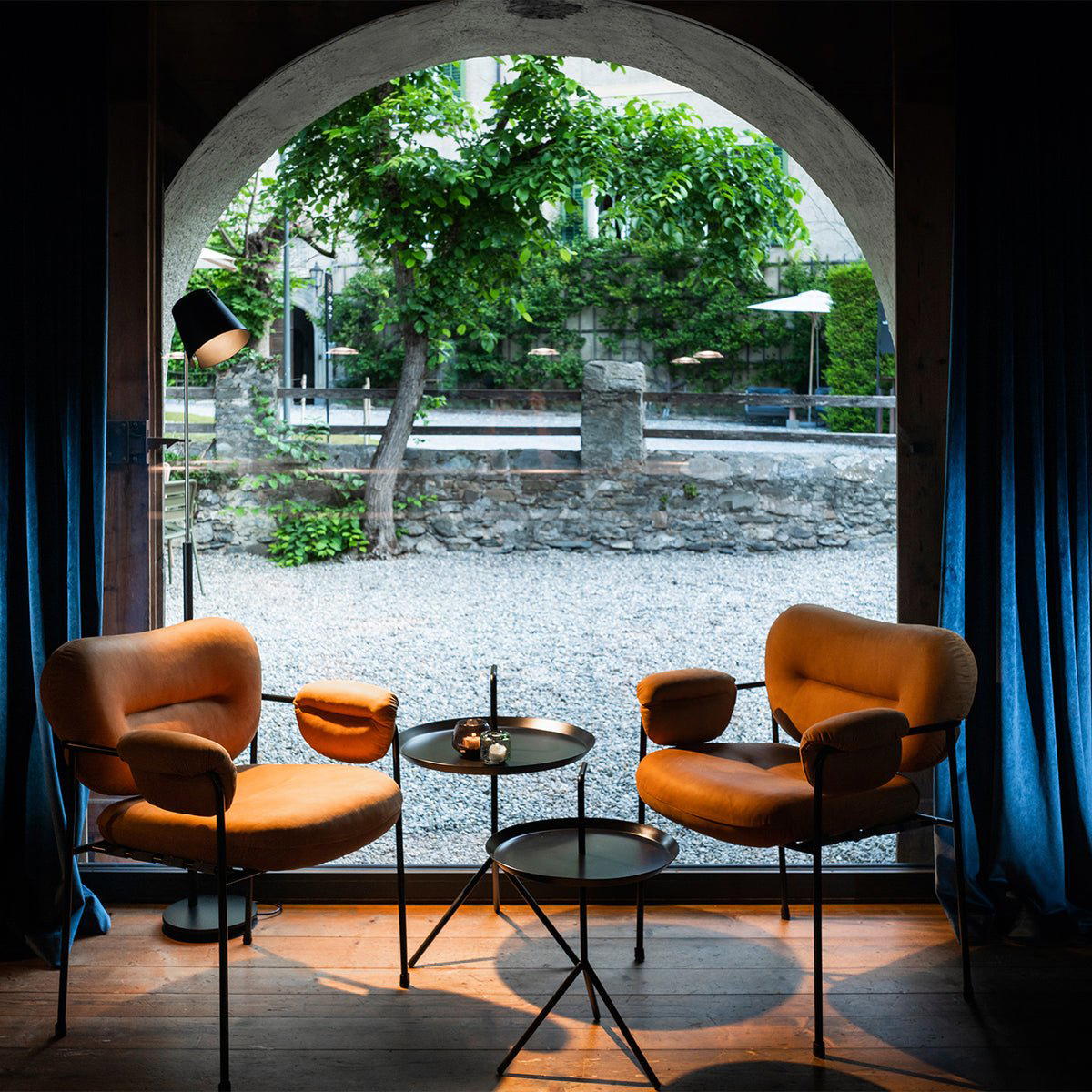
The building's physical presence is difficult to separate from its hospitality identity, because the architecture is not backdrop, it is the proposition. Approaching Schloss Schauenstein, the ivy-covered stone exterior reads as genuinely medieval rather than renovation-polished, and the surrounding alpine crags provide a frame that no landscaping budget could manufacture. The Romanesque archways inside the castle's corridors establish an immediate sense of structural age: these are thick, load-bearing forms built for permanence, not ornament.
The carved wood paneling that runs through the hallways belongs to a Swiss Germanic tradition of interior craft that dates to the Renaissance period, when Graubünden's trading routes brought enough prosperity to justify decorative investment in domestic architecture. Walking those corridors, you are reading a material record of the region's economic history. That context, which many guests absorb instinctively rather than analytically, is precisely what separates a historic property from a heritage hotel that merely uses period furniture as decoration.
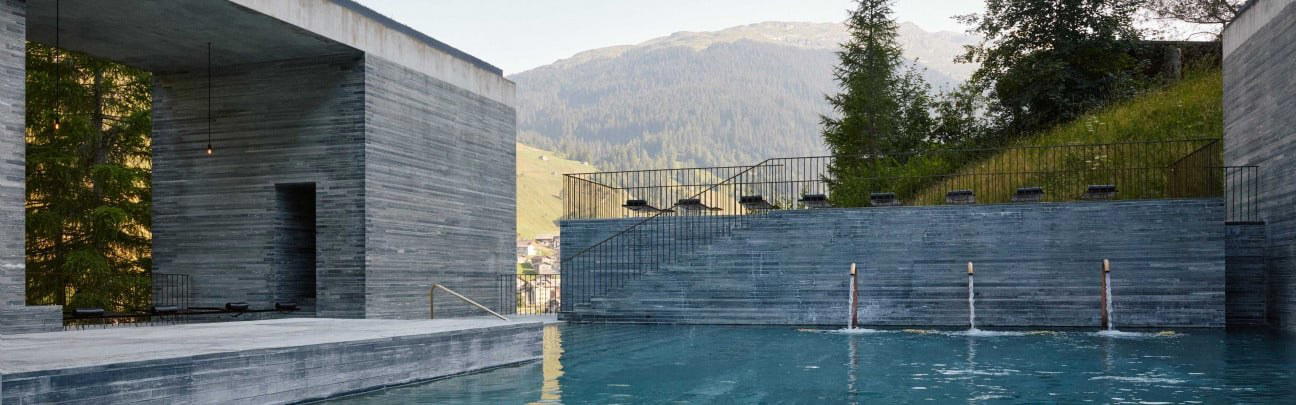
Within Switzerland's premium small-hotel category, the architectural contrast between Schloss Schauenstein and properties like 7132 Hotel in Vals, Peter Zumthor's thermally charged modernist landmark, illustrates how differently Swiss design-led hospitality can articulate itself. Where 7132 makes architecture a statement of material minimalism, Schauenstein makes it a statement of material accumulation: layer upon layer of stonework, timber, and Romanesque detailing that reads as earned rather than designed.
Nine Rooms: Scale as Editorial Statement
With nine rooms, Schloss Schauenstein occupies the tier of Swiss properties where capacity is itself a positioning decision. At this scale, the hotel functions less as a lodging operation in the conventional sense and more as an extension of a single place, with the guest-to-building ratio weighted heavily toward space and attention. The rooms bring contemporary, colorful accents into the medieval stone shell, a deliberate counterpoint that prevents the property from becoming a museum piece. The result is a conversation between centuries rather than a recreation of one.
This approach to small-scale luxury finds parallels elsewhere in Switzerland's design-conscious periphery. Boutique Hotel Restaurant Krone Regensberg operates in a similarly village-scale context, where a historic structure anchors the hospitality offer. CERVO Mountain Resort in Zermatt takes a different tack, alpine chalet vernacular at resort altitude, but shares the logic that limited keys and strong architectural identity create a more durable competitive position than size alone.
For guests accustomed to the grand-hotel scale of properties like Badrutt's Palace Hotel in St. Moritz or the lakeside formality of Baur au Lac in Zurich, arriving at Schauenstein requires a recalibration. The luxury here is spatial and atmospheric rather than service-volume driven. The building does much of the work that a large hotel's amenity program would otherwise perform.
Placing Schauenstein in the Swiss Luxury Map
Switzerland's premium hotel offer clusters in predictable geographies: lakefront Geneva and Lausanne, the Engadin valley around St. Moritz, the Bernese Oberland ski corridor, and the larger city centers. Properties like Beau-Rivage Geneva, Beau-Rivage Palace in Lausanne, and Mandarin Oriental Palace in Lucerne anchor their respective cities with the full apparatus of grand-hotel hospitality: multiple restaurants, extensive spa programs, and conference infrastructure. Grand Resort Bad Ragaz and Bürgenstock Resort operate at resort scale with similar breadth.
Schloss Schauenstein functions in a different register entirely. Fürstenau is not a resort destination in the conventional sense, and reaching it requires deliberate intention. Graubünden is accessible by the Rhaetian Railway, the UNESCO-listed Albula and Bernina lines, which positions the journey as part of the experience, threading through mountain passes and river gorges that most European rail routes cannot match. Chur, the cantonal capital, sits roughly thirty minutes by road, providing the nearest airport connection point through Zurich.
The deliberateness of that journey is, in effect, a filter. Guests who arrive at Schauenstein have chosen it specifically, not stumbled upon it as the most convenient option in a given city. That self-selection shapes the atmosphere inside the castle walls in ways that no amount of interior design can manufacture.
Pricing operates on a request basis, which places Schloss Schauenstein in the same tier as properties where the commercial conversation happens privately: Aman New York uses a comparable model at the ultra-premium end of the New York market, as does Aman Venice for its palazzo suites. In Switzerland, other small-scale properties with strong architectural identities, including Hotel Villa Honegg in Ennetbürgen and The Capra in Saas-Fee, operate within clearly published rate structures, making Schauenstein's on-request pricing a more deliberate signal about positioning.
Planning a Stay
Graubünden's mountain climate means the valley is accessible year-round, but late spring through early autumn brings the most workable conditions for those whose interest extends to the surrounding landscape. The Domleschg valley's terraced hillsides carry a viticultural tradition worth noting: Graubünden Pinot Noir, produced on these steep slopes, represents one of Switzerland's more serious wine claims, and the proximity of Schauenstein to that wine country adds a contextual layer for guests with a regional interest in Swiss viticulture.
Given nine rooms and a reputation that extends well beyond the Graubünden valley, availability should be confirmed early. The on-request pricing structure suggests that direct communication with the property is the appropriate first step, rather than third-party booking platforms. Other design-led Swiss properties in comparable demand tiers, such as Grand Hotel Kronenhof in Pontresina and Valsana Hotel in Arosa, operate on more standard booking structures, but the principle of planning ahead applies across the category.
In Context: Similar Options
Comparable venues nearby, for context on price, style, and recognition.
| Venue | Cuisine | Price | Awards | Notes |
|---|---|---|---|---|
| Schloss SchauensteinThis venue — the venue you are viewing | Historic castle renovated with modern comforts | Not listed | 1 Michelin Key | Not listed |
| Monte Rosa Boutique Hotel | Historic boutique in the heart of Zermatt with access to sister hotel's spa. | $300–500 | 1 Michelin Key | central Zermatt |
| Grand Hotel Zermatterhof | Historic grand hotel blending traditional Alpine luxury with modern comforts | Not listed | 1 Michelin Key · Virtuoso Luxury Hotel Partner | central Zermatt |
| Giardino Mountain | Modern five-star design hotel and luxurious mountain resort | $750–1,000 | 1 Michelin Key · Design Hotels Member | Champfer |
| THE VIEW Lugano | Luxury boutique all-suite hotel designed to evoke the elegance and sophistication of a high-end yacht, blending modern amenities with classic nautical aesthetics. | Not listed | 1 Michelin Key · Forbes 4-Star | Paradiso |
Recognition history
Dated appearances from independent guides and award organizations, with the underlying list record or original source where available.
Michelin 1 Key
Michelin
House & Garden 2026 House & Garden Great Stays Travel Hot List
House & Garden
Full recognition history (3 entries)
Michelin 1 Key
Michelin
Continue exploring
More in Fürstenau
Hotels in Fürstenau
Browse all →
Bars in Fürstenau
Browse all →
Restaurants in Fürstenau
Browse all →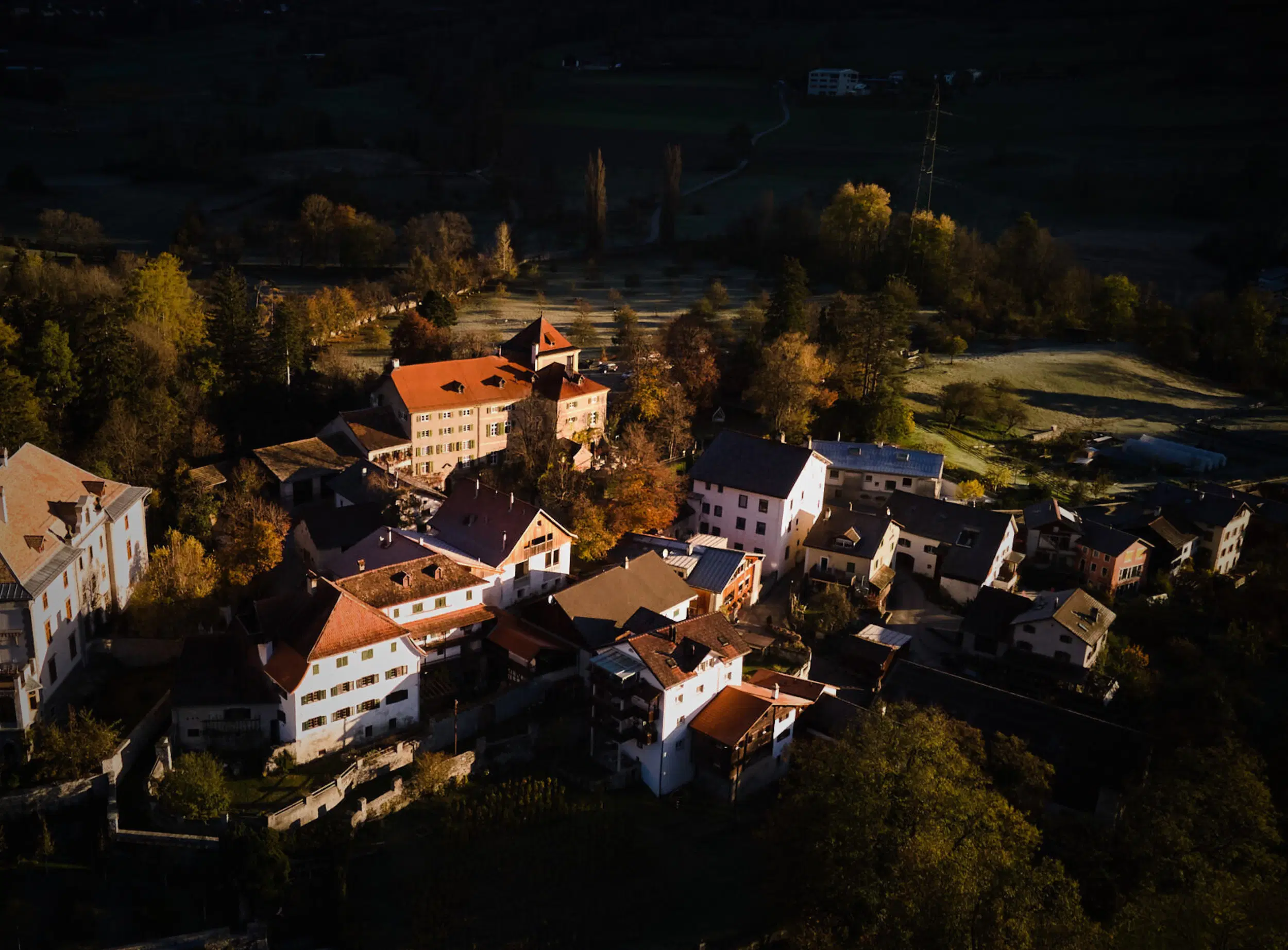

Details
- Romantic
- Elegant
- Quiet
- Intimate
- Sophisticated
- Cozy
- Honeymoon
- Romantic Getaway
- Anniversary
- Weekend Escape
- Historic Building
- Panoramic View
- Private Dining
- Terrace
- Wi Fi
- Pool
- Sauna
- Restaurant
- Room Service
- Concierge
- Garden
- Mountain
- Garden
- Wheelchair Accessible
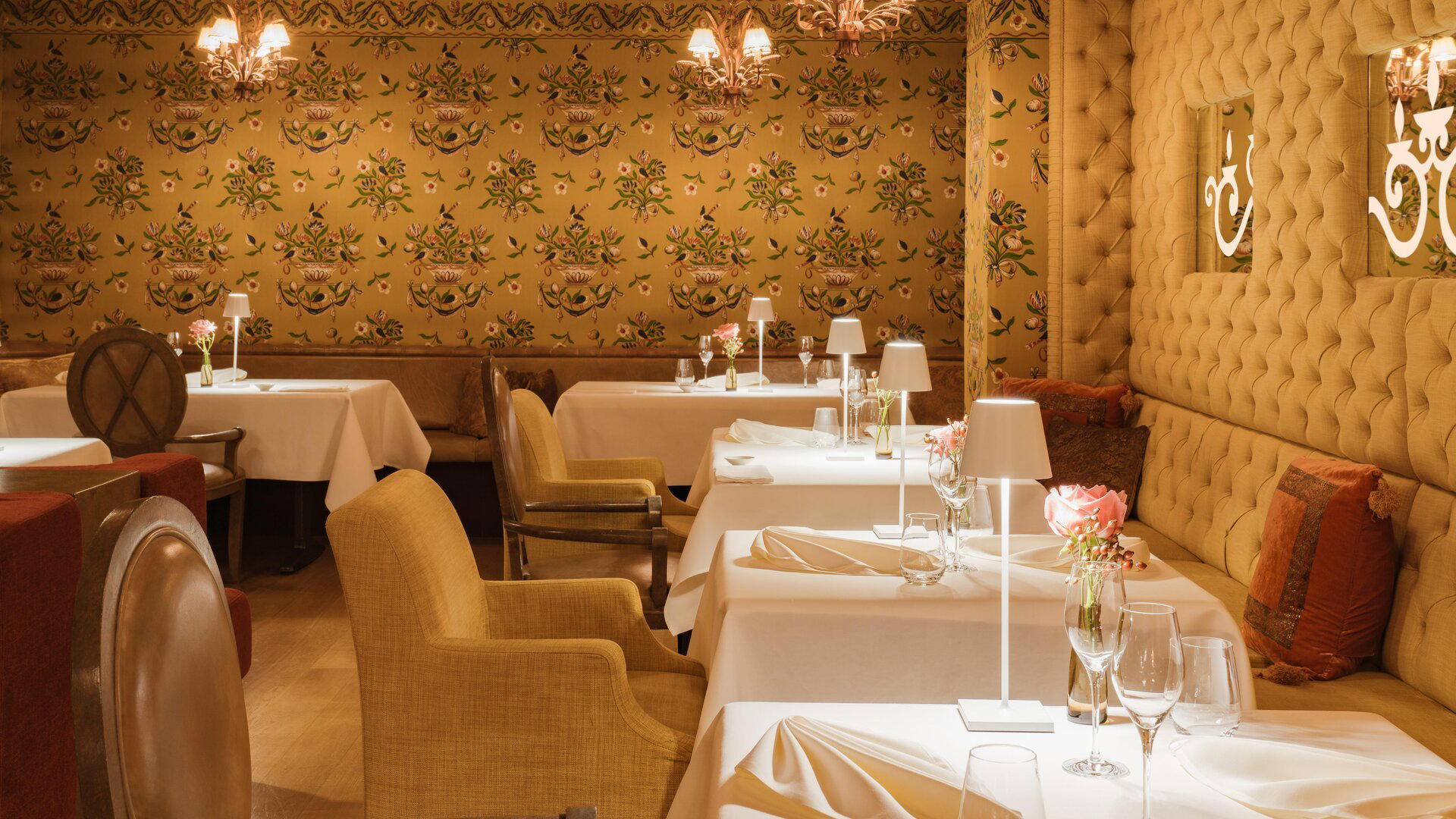
Serene and elegant castle atmosphere blending historical stonework with modern luxury, featuring warm lighting, wood paneling, and intimate dining spaces.