Casa Caminada

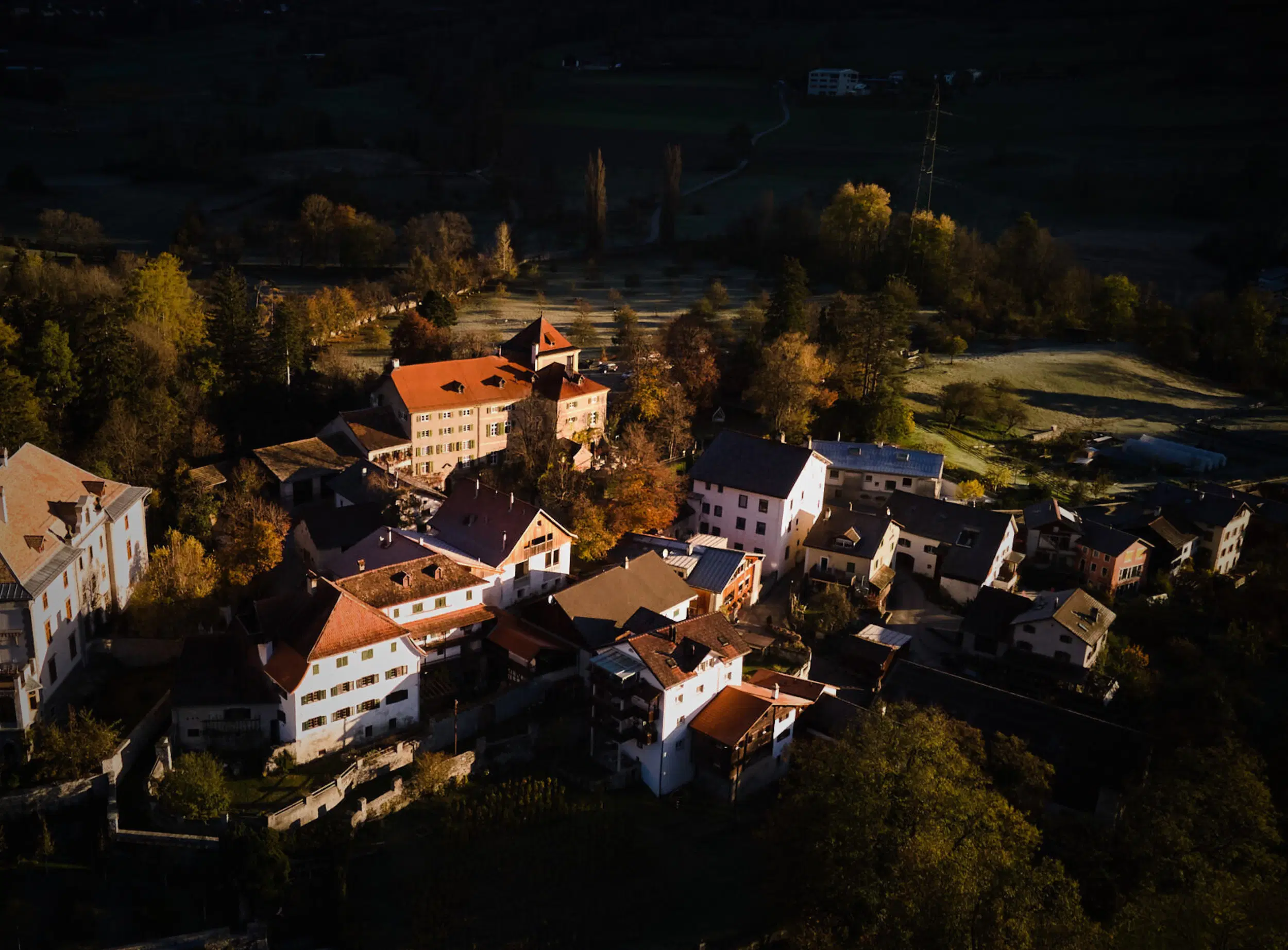
Casa Caminada occupies a medieval village in the Graubünden canton, where a restored historic building serves as the setting for one of Switzerland's most discussed destination dining experiences. The address in Fürstenau, a hamlet of fewer than 300 residents, places it firmly in the tradition of European restaurants that require genuine effort to reach, rewarding that effort with a sense of complete removal from urban Switzerland.
Pearl is the En Primeur Club membership app — saves, bookings, and concierge access live there. Same editors, same standards.
- Address
- Obergass 3, 7414 Fürstenau, Switzerland
- Phone
- +41 81 632 30 50
- Website
- casacaminada.com
 Saves & bookings on Pearl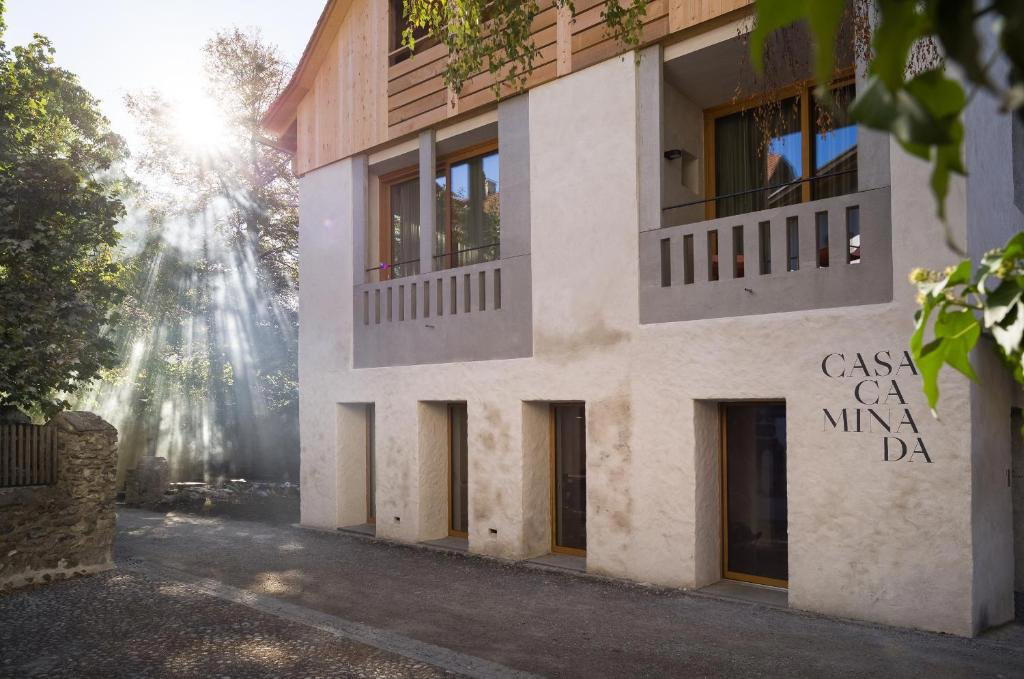
A Village Built for Arrival
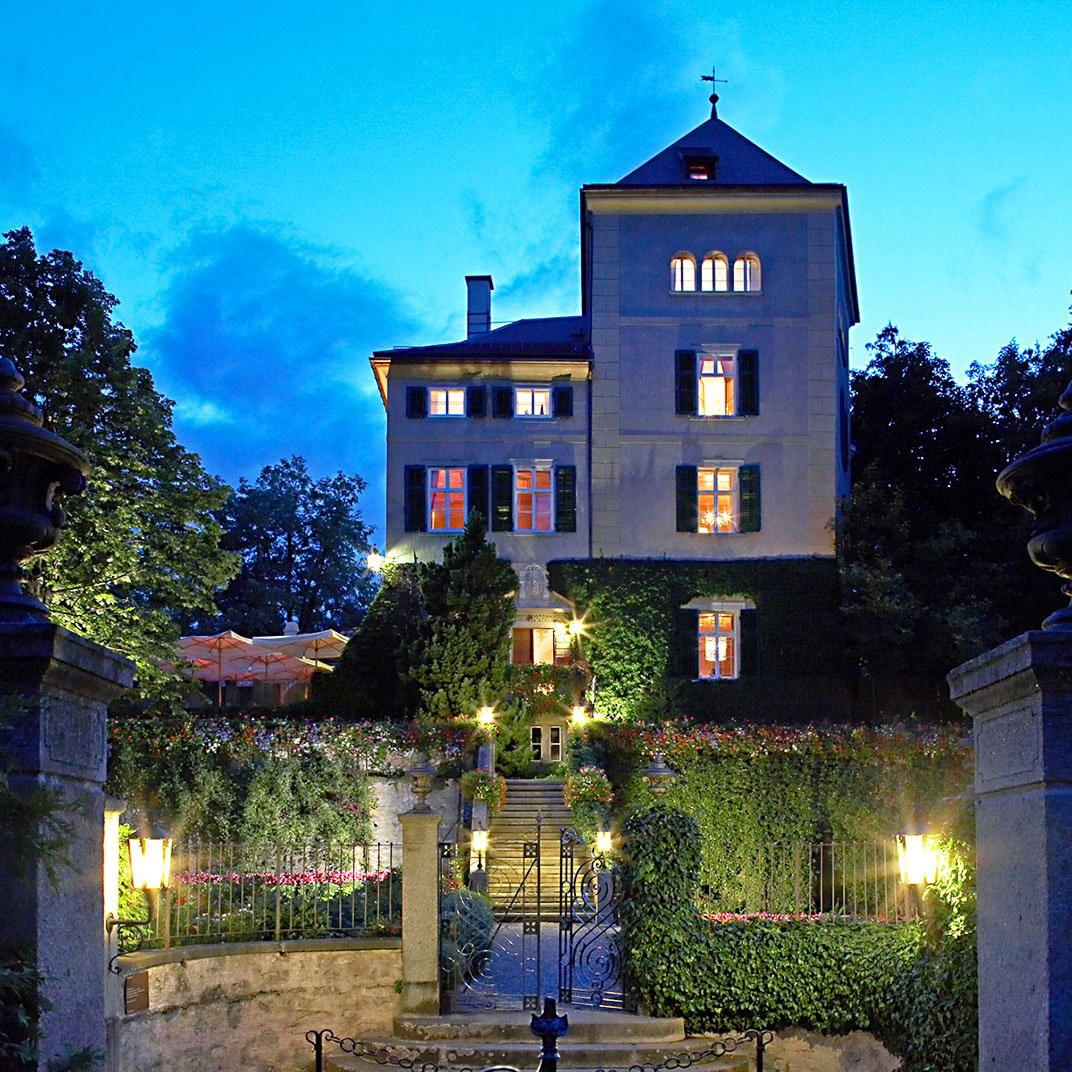
The drive into Fürstenau prepares you for something specific. The village, part of the municipality of Albula in the canton of Graubünden, holds fewer than 300 permanent residents and a medieval streetscape that has changed little in its bones for centuries. Arriving at Obergass 3, the address of Casa Caminada, means passing stone walls, a castle that still defines the skyline, and the kind of silence that Swiss alpine valleys reserve for themselves. The physical approach is not incidental. It is, in effect, the opening act.
Switzerland has developed a particular category of destination restaurant over the past two decades: the kind that requires a journey measured not in minutes but in commitment. The 7132 Hotel in Vals and properties like the Grand Hotel Kronenhof in Pontresina have shown that remote Graubünden addresses can anchor serious hospitality programs. Casa Caminada belongs in that conversation: a venue defined precisely by its geographic remove from Zurich, St. Moritz, and the groomed circuits of Swiss luxury tourism.
Architecture as the Primary Argument
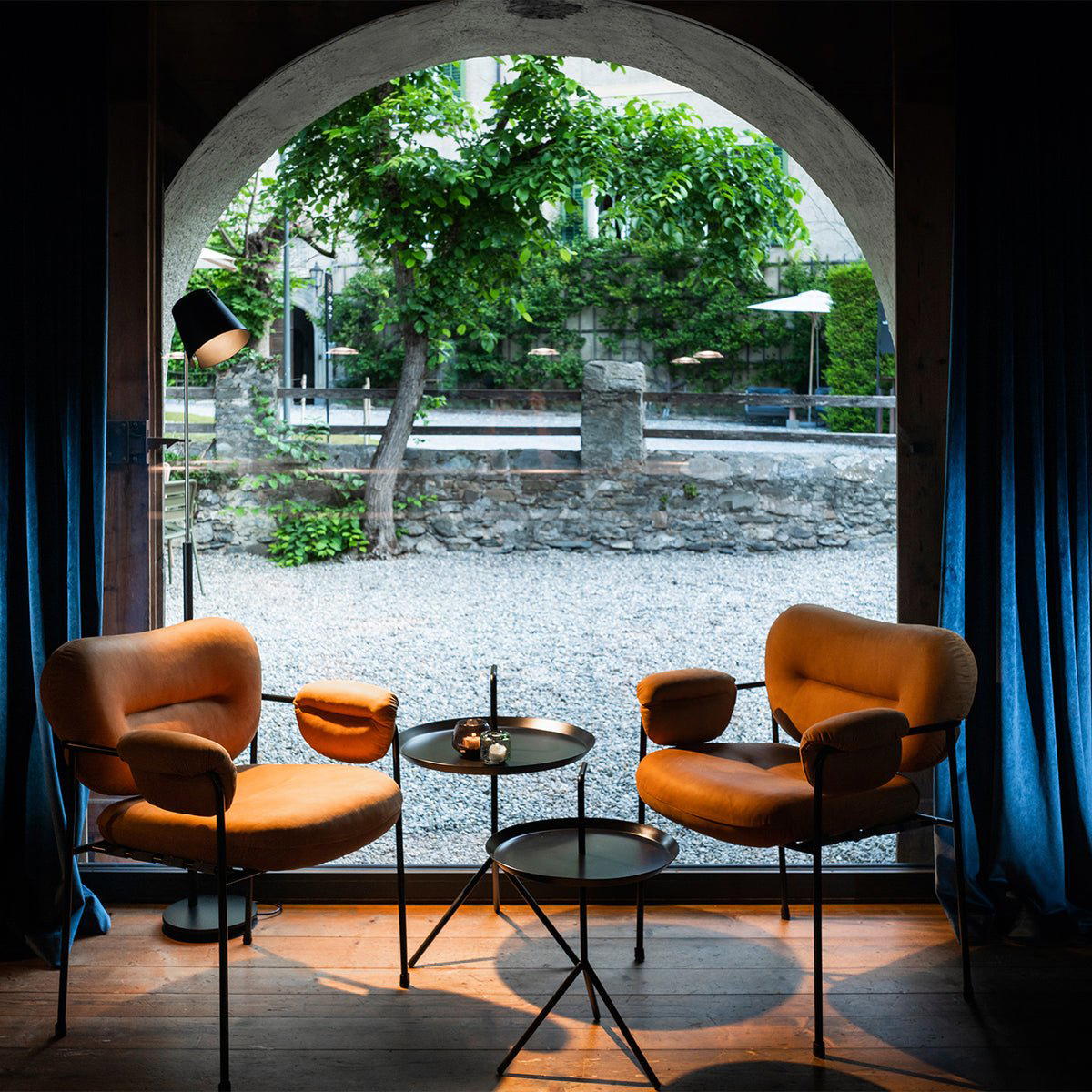
The building at Casa Caminada works within a specific Alpine vernacular, the kind of thick-walled, low-ceilinged Romansh construction that reads as mass and permanence before it reads as anything else. Stone and timber are the dominant materials, not as decorative choices applied to a contemporary skeleton, but as the actual structure of a building that predates the contemporary hospitality industry by several hundred years. This matters because it conditions everything that happens inside: the acoustic quality, the temperature the rooms hold, the quality of light in winter, the relationship between interior and the landscape outside.
Across Switzerland, the most discussed design-led properties have generally split between two approaches. The first is the grand Alpine hotel tradition, expressed most explicitly at addresses like Badrutt's Palace Hotel in St. Moritz or the The Alpina Gstaad, where scale and historic institutional authority are the point. The second is the smaller, more rooted model, where a single building or compound carries a specific material identity tied to a specific place. Casa Caminada operates in this second tradition. Its restraint is structural, not stylistic.
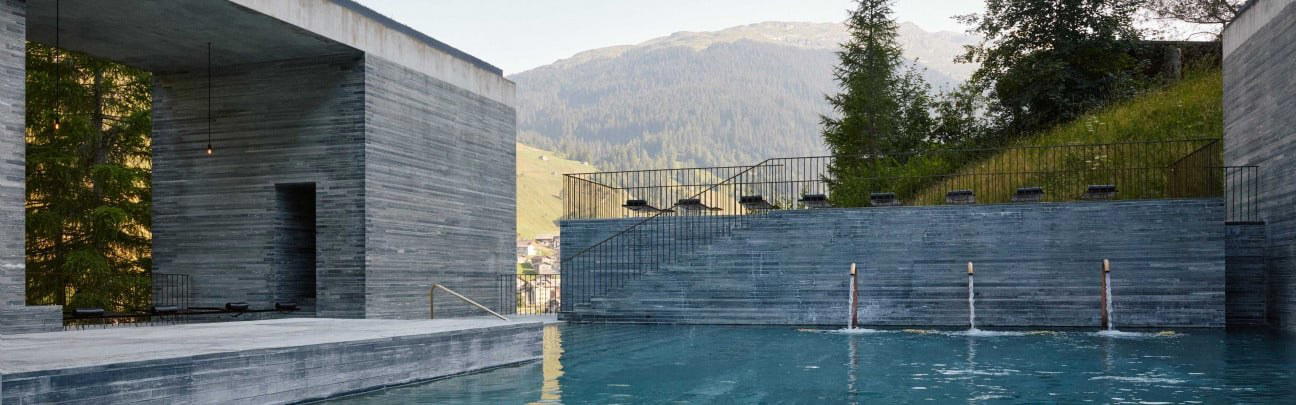
The broader Graubünden context reinforces this reading. The canton has long produced architecture that takes the alpine environment as a collaborator rather than a backdrop, a lineage that runs through Peter Zumthor's thermal baths at Vals (a short distance through the mountains) and informs the region's contemporary sensibility around how buildings should meet their landscapes. Casa Caminada inherits that sensibility without needing to announce it.
Cooking in the Context of Place
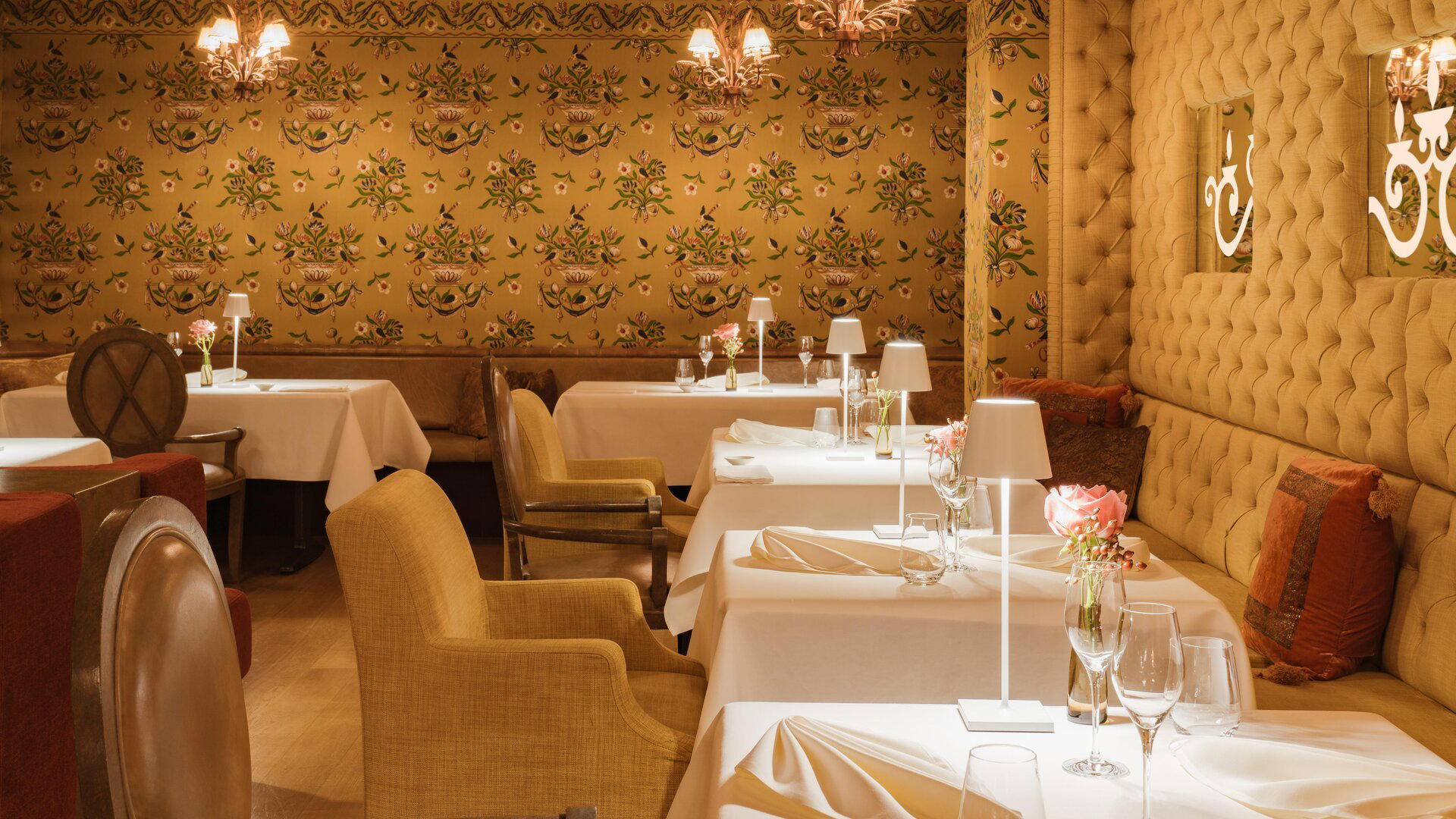
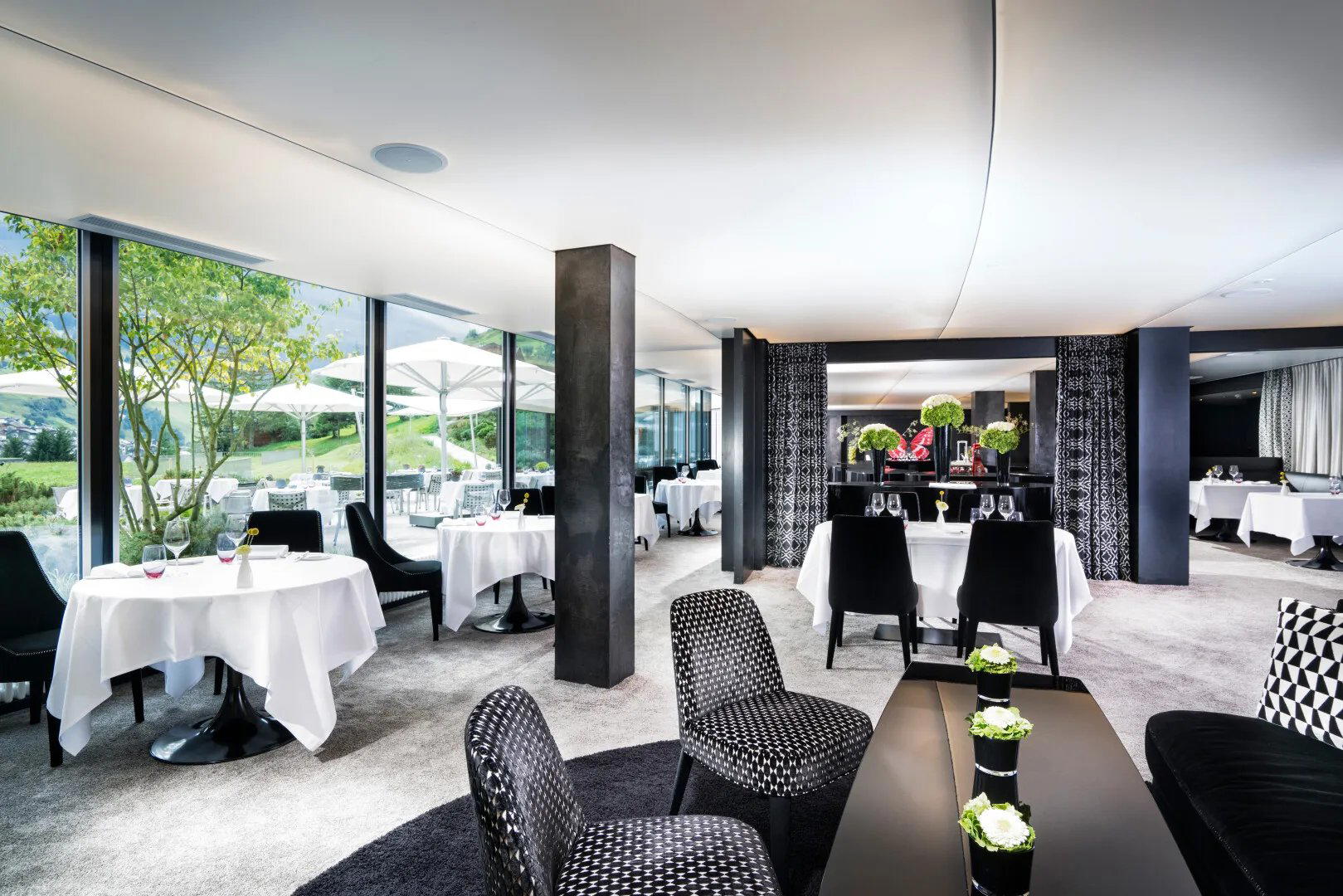
In European destination dining, the relationship between architecture and food program has become increasingly explicit. Kitchens in buildings like this one are not neutral containers. The materiality of the space, the sourcing logic that a remote address demands, and the aesthetic disciplines imposed by working in a historic structure all press against what appears on the plate. The leading outcomes from this arrangement produce food that reads as inevitable given its setting, not as a menu that could have been served equally well in Geneva or Zürich.
Switzerland's broader dining scene has grown more geographically distributed. Destination addresses in the cantons, rather than consolidating entirely in Zurich or Geneva, where properties like Baur au Lac and Beau-Rivage Geneva anchor luxury hospitality, have carved a distinct identity. The argument for coming to Fürstenau is not convenience. It is the specific character that only this location, this building, and this kitchen can produce together.
Accommodation and the Logic of Staying
In the destination dining model, the question of whether to stay becomes almost rhetorical. The distance from Fürstenau to any urban Swiss centre makes an evening visit and same-night return an exercise in logistics that works against the experience. Staying means arriving in daylight, absorbing the village, and leaving the following morning with the mountains still in early light. This is how the format is designed to be used.
The overnight offer positions Casa Caminada alongside a cohort of Swiss addresses, including CERVO Mountain Resort in Zermatt and Hotel Villa Honegg in Ennetbürgen, where the accommodation is integral to the experience rather than a logistical supplement. At those properties, and at Casa Caminada, the room you sleep in, the view you wake to, and the meal you ate the night before function as a single coherent proposition. Guests who report the strongest responses to the property are, consistently, those who treated it as a two-day stay rather than a dinner reservation with an afterthought booking.
Planning a Visit
Fürstenau sits in the Domleschg valley, accessible by road from Chur, itself reachable by direct train from Zurich in roughly one hour twenty minutes. The village is not large enough to support a conventional tourist infrastructure, which means that planning the visit in detail before arrival is practical. Dining reservations and accommodation should be secured well in advance, particularly for weekend stays and the summer season, when Graubünden's alpine roads draw visitors across the canton. For guests arriving from further afield, the Swiss hotel addresses that make logical staging points include Grand Resort Bad Ragaz to the north or, for those routing through the Engadine, Badrutt's Palace Hotel in St. Moritz before crossing into Albula. Guests coming from Zurich or Lucerne might consider combining a night at the Mandarin Oriental Palace, Luzern with the onward journey into Graubünden. Further afield, travellers building a broader Swiss itinerary will find useful reference points in properties including Beau-Rivage Palace in Lausanne, Hotel Bellevue Palace Bern, Hotel Les Trois Rois in Basel, and the Bürgenstock Resort. Other Graubünden-adjacent properties worth considering for extended itineraries include Castello del Sole Beach Resort & Spa in Ascona, Villa Principe Leopoldo in Lugano, Guarda Golf Hôtel & Résidences in Crans-Montana, Valsana Hotel & Appartements in Arosa, The Capra in Saas-Fee, Park Hotel Vitznau, and Boutique Hotel Restaurant Krone Regensberg. International travellers building a longer European circuit might also consider Aman Venice as a companion destination before or after Switzerland, with Aman New York and The Fifth Avenue Hotel in New York City serving as transatlantic bookends for the itinerary.
How It Stacks Up
Comparable venues nearby, for context on price, style, and recognition.
| Venue | Cuisine | Price | Awards | Notes |
|---|---|---|---|---|
| Casa CaminadaThis venue — the venue you are viewing | Contemporary Alpine guesthouse in historic stables | $$$$ | , | |
| Schloss Schauenstein | Historic castle renovated with modern comforts | $$$$ | Michelin 1 Key | Fürstenau |
| Villa Flor | Restored 1904 Art Nouveau villa blending historic charm with modern design | $$$$ | , | S-chanf |
| The Lodge | luxury alpine chalet with modern and traditional elements | $$$$ | Verbier Centre | |
| Hotel Albris | Classically Alpine-esque with rustic contemporary rooms | $$$ | , | Pontresina |
| Gasthaus Traube | Historic boutique with modern renovations | $$$ | Buchs |
At a Glance
- Rustic
- Cozy
- Elegant
- Scenic
- Quiet
- Intimate
- Romantic Getaway
- Weekend Escape
- Historic Building
- Panoramic View
- Garden
- Wifi
- Pool
- Restaurant
- Spa
- Hiking
- Skiing
- Garden
- Sun Terrace
- Mountain
- Garden
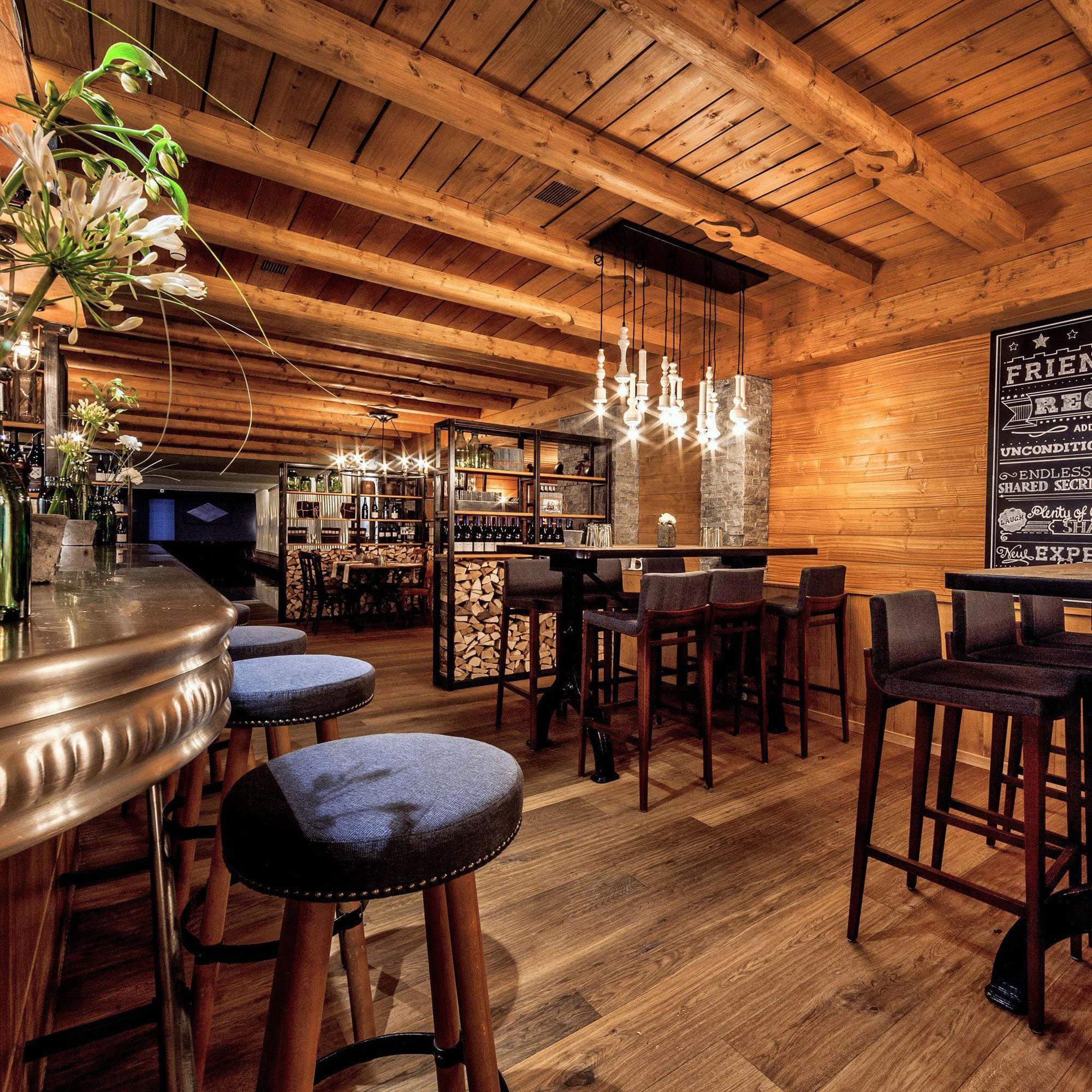
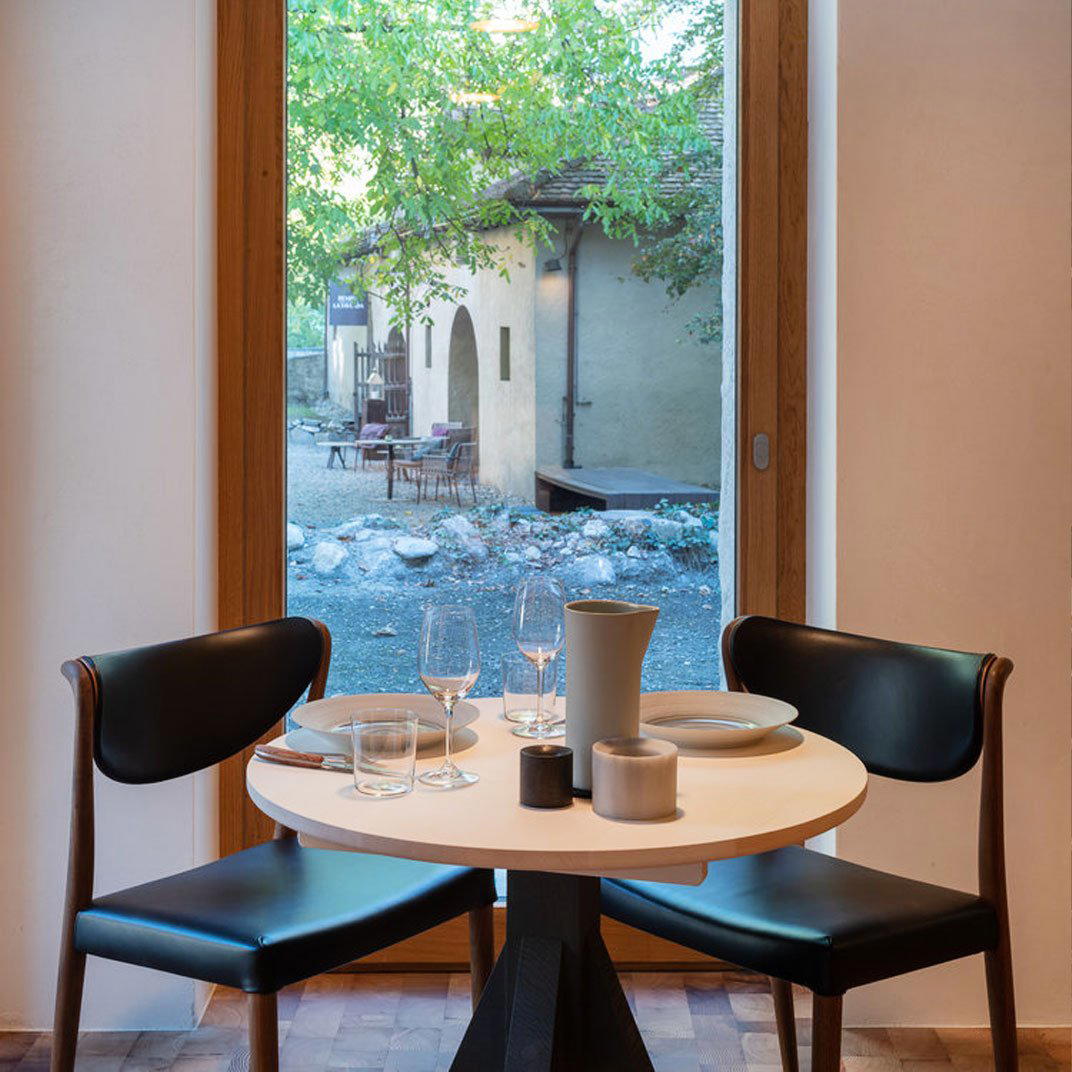
Quiet and picturesque setting with minimalist-chic rooms blending heavy Alpine timbers and modern furnishings, bright high-ceilinged spaces, and warm wood interiors.