Stem + Stem

Michelin Plate
Our verdict
Stem + Stem occupies a narrow site on Bow Lane in the City, serving a concise, ingredient-led menu that changes with the season and relies on direct supplier relationships. The room is spare and the service straightforward, making it a functional midday choice for diners working in the financial district who value vegetables and sustainable sourcing over formal dining theatre.

Pearl is the En Primeur Club membership app — saves, bookings, and concierge access live there. Same editors, same standards.
- Address
- 12 Bow Lane, City of London, London, Greater London, EC4M 9AL, GBR
- Phone
- +44 20 8050 7532
- Website
- guide.michelin.com
- Directions
- Get directions
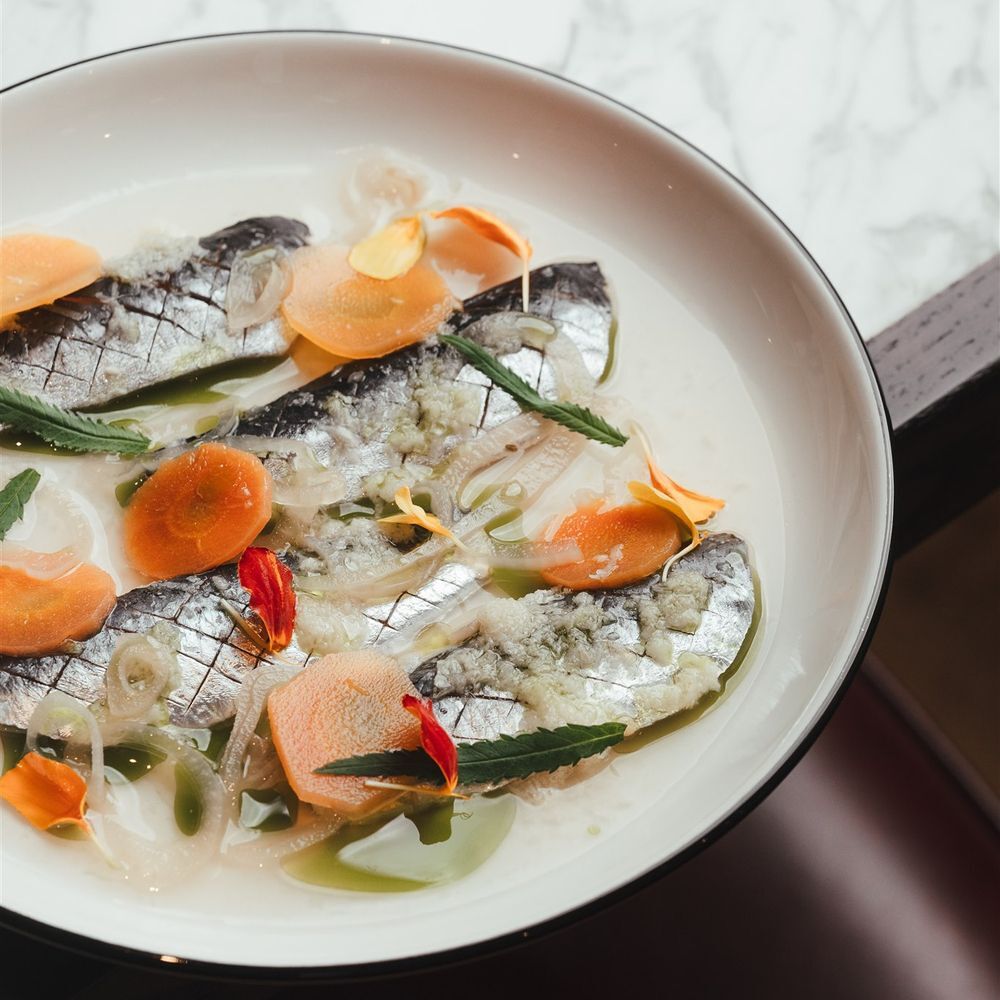
The menu
What to order
- Pigeon starter
- Roasted Cornish cod
- Seasonal steaks
- Wild sweet cicely crème brûlée
- English strawberries with sweet woodruff and meringue
The City of London's dining map splits between expense-account rooms and lunch-hour operators built around throughput. Stem + Stem sits in a smaller tier: restaurants that prioritise ingredient provenance, run lean formats, and court a midweek crowd comfortable with produce-first cooking rather than white tablecloths. The 12 Bow Lane address sits two minutes from Bank Station and one block east of Mansion House, a stretch dominated by office towers and historic guildhalls. The dining room is narrow, daylight-dependent, and seats fewer than thirty; arrive after 12:30 on a Thursday and you may queue.
A Produce-Driven Format in the Financial District
London's vegetable-forward restaurants have expanded beyond Mayfair and Soho into neighbourhoods where office density shapes service patterns. Stem + Stem operates a lunch-focused model, closing by early evening most days and building its menu around what arrives from farms in Kent, Sussex, and East Anglia that morning. The kitchen works with a short roster of suppliers, some of whom deliver direct, and the chalkboard menu changes weekly rather than seasonally, reflecting what growers can harvest at volume. This is not fine dining in the Michelin sense, but it shares the same commitment to traceability that distinguishes 10 Greek Street and 104 in Marylebone. The result is a format that appeals to diners who understand why a plate of roasted celeriac, hazelnuts, and cultured cream costs fifteen pounds: the ingredient itself, not the technique around it, is the investment.
The room is spare, whitewashed walls, reclaimed wood tables, no art, and the service runs fast. Most tables turn twice during the lunch window, and the kitchen sends plates as they finish rather than holding for a timed course sequence. This suits the City's rhythm: a 45-minute meal is standard, and lingering is rare. The wine list runs short, skewing natural and biodynamic, with bottles from small European producers who farm organically. Markup is restrained by West End standards, and several wines are available by the carafe rather than the glass, a practical choice for groups splitting a bottle over a working lunch.
How Sourcing Shapes the Menu
Stem + Stem's kitchen does not attempt tasting-menu complexity or technique-driven plating. Instead, it builds dishes around a single vegetable or grain, treated simply and paired with one or two supporting flavours. A recent menu listed charred leeks with anchovy butter, farro with roasted squash and sage, and chicory with walnuts and aged Parmesan, each dish legible in three ingredients, none of which obscure the produce at the centre. This approach requires ingredients at their seasonal peak, and the kitchen adjusts portions and pricing when supply tightens. The same ethic extends to meat and fish: these appear as small-format additions, smoked mackerel, duck confit, lamb shoulder, rather than centrepieces, and the restaurant sources from suppliers who operate at similar scale, including a few who farm regeneratively or maintain closed-loop systems.
For context, London's ingredient-led dining scene has matured over the past decade, with restaurants like 081 Pizzeria Peckham and 101 Pimlico Road demonstrating that traceability and transparent pricing can anchor a business model outside the Michelin circuit. Stem + Stem fits that same category: it competes on sourcing credibility rather than chef pedigree, and its clientele overlaps with diners who follow farm names and seasonal calendars as closely as restaurant openings. The awards line in available information notes the restaurant as "certainly one of the more distinctive" operators in the City, a nod to its refusal to run a standardised lunch menu or chase volume through discounting.
Navigating the City's Lunch Hour
Bow Lane is a pedestrianised alley that connects Cheapside to Cannon Street, lined with sandwich chains, pubs, and a handful of independent cafés. Stem + Stem occupies a corner site with a glass frontage; the entrance is easily missed if you approach from the west. The restaurant does not take reservations for parties smaller than four, so solo diners and couples should expect to queue during the 12:30–13:30 peak. Arrive before noon or after 13:45 and you will likely walk in. The kitchen closes by 15:00 most weekdays, earlier on Fridays, and the restaurant is shuttered on weekends, a schedule that reflects its office-district location and the fact that the City empties after Friday afternoon.
For visitors exploring London's restaurants, Stem + Stem is leading paired with a morning at the Guildhall Art Gallery or a walk along the Thames from Blackfriars to Tower Bridge. The neighbourhood lacks the density of cocktail bars or boutique hotels found in Shoreditch or Southwark, so most diners visit with a specific purpose rather than stumbling in. That said, the restaurant's proximity to Bank Station makes it accessible from any Tube line, and the walk from St Paul's Cathedral takes under five minutes.
Stem + Stem is not a destination restaurant in the traditional sense, it does not chase accolades, run a reservations waitlist, or offer tasting menus, but it occupies a useful niche for diners who prioritise ingredient integrity and are willing to trade polish for provenance. The format is lean, the pricing transparent, and the sourcing ethos aligns with a broader shift in London's dining culture toward farms, seasonality, and smaller-scale production. If you work in the City or find yourself near Bank Station at midday, it is worth the detour.
Frequently asked questions
Is Stem + Stem a family-friendly restaurant?
The Bow Lane location and weekday lunch focus make Stem + Stem more suited to working professionals than family groups. The pedestrianised alley setting and limited seating align with quick-service formats common in the financial district, though the kitchen's produce-driven approach avoids the heavily processed ingredients found in most City chains.
What's the vibe at Stem + Stem?
Stem + Stem occupies a pedestrianised alley between Cheapside and Cannon Street, surrounded by sandwich chains and pubs. The format prioritises sourcing and straightforward preparation over plating theatrics, fitting the office-dense surroundings where lunch hour speed matters as much as menu composition.
What's Stem + Stem known for in terms of accolades?
Stem + Stem has received recognition including: Certainly one of the more distinctive....
Where exactly is Stem + Stem?
Stem + Stem is located at 12 Bow Lane, City of London, London, Greater London, EC4M 9AL, GBR, London.
How hard is it to get a table at Stem + Stem?
Bow Lane's lunchtime traffic is heavy but predictable, with most demand concentrated between noon and 2 p.m. weekdays. Stem + Stem's kitchen structure suggests counter or limited table service, so arrival before or after peak hours will reduce wait times in a neighbourhood where turnover is built into most dining formats.
What makes Stem + Stem worth seeking out?
Stem + Stem stands apart from the City's sandwich-and-pub circuit by centering dishes on single vegetables or grains rather than relying on tasting-menu complexity. The kitchen's refusal to chase technique-driven plating makes it one of the more direct interpretations of vegetable-forward cooking in a district dominated by high-volume lunch operators.
At-a-Glance Comparison
Comparable venues by cuisine and price in the same metro.
| Venue | Cuisine | Price | Awards |
|---|---|---|---|
| Stem + StemThis venue — the venue you are viewing | Modern British restaurant and wine bar | $50–100 | Michelin Plate |
| Sweetings | Classic British Seafood & Oysters | $50–100 | Not listed |
| Brigadiers | Modern Indian Barbecue | $50–100 | Michelin Plate |
| Mercer Roof Terrace | Modern British Rooftop Dining | $50–100 | Not listed |
| Vintry Kitchen | Relaxed Café & Wine Bar | Not listed | Not listed |
| Koya | Traditional Japanese Udon Noodles | $10–20 | Not listed |
Recognition history
Dated appearances from independent guides and award organizations, with the underlying list record or original source where available.
Michelin Plate
Michelin · 2026 Michelin Plate
Continue exploring
More in London
Restaurants in London
Browse all →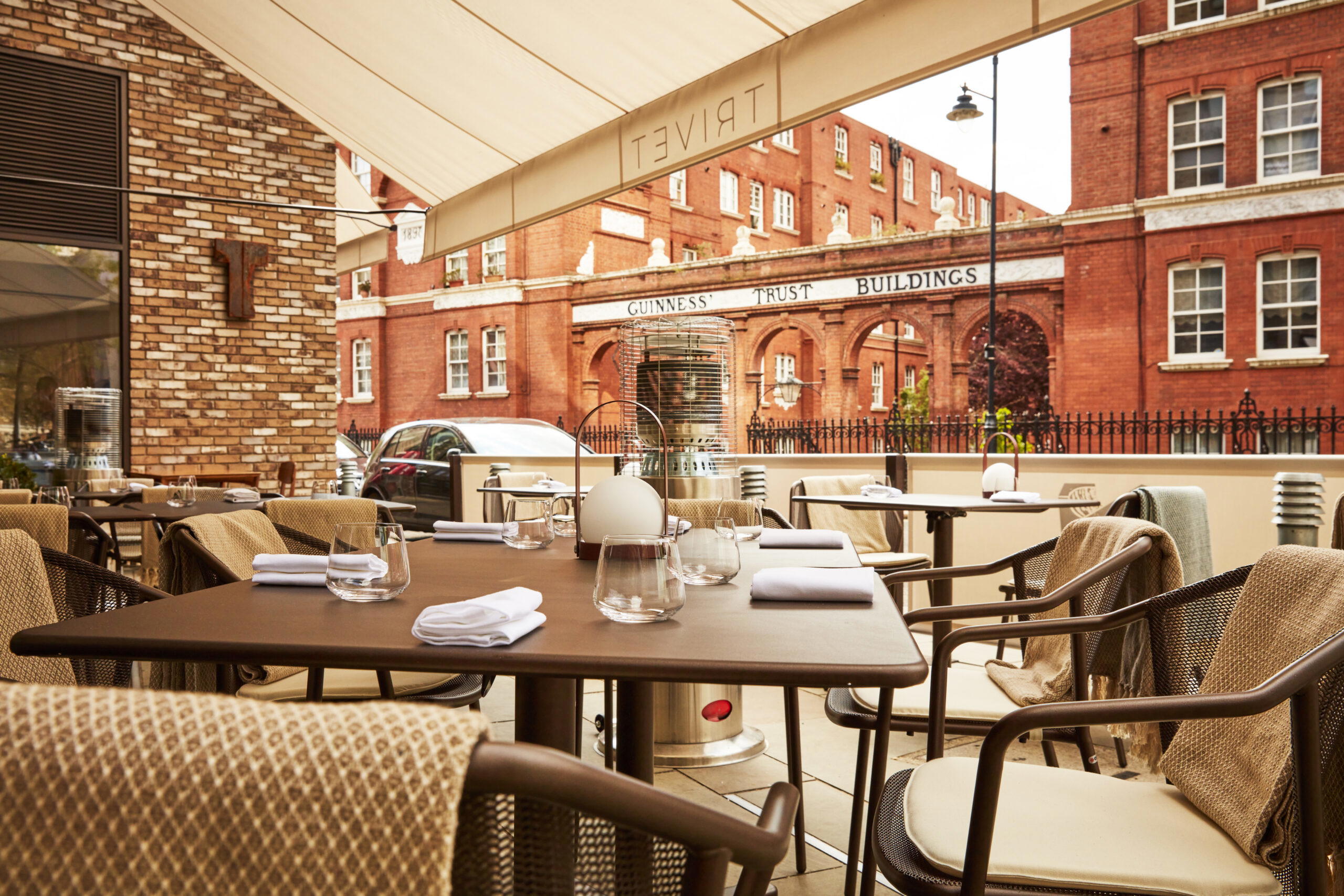
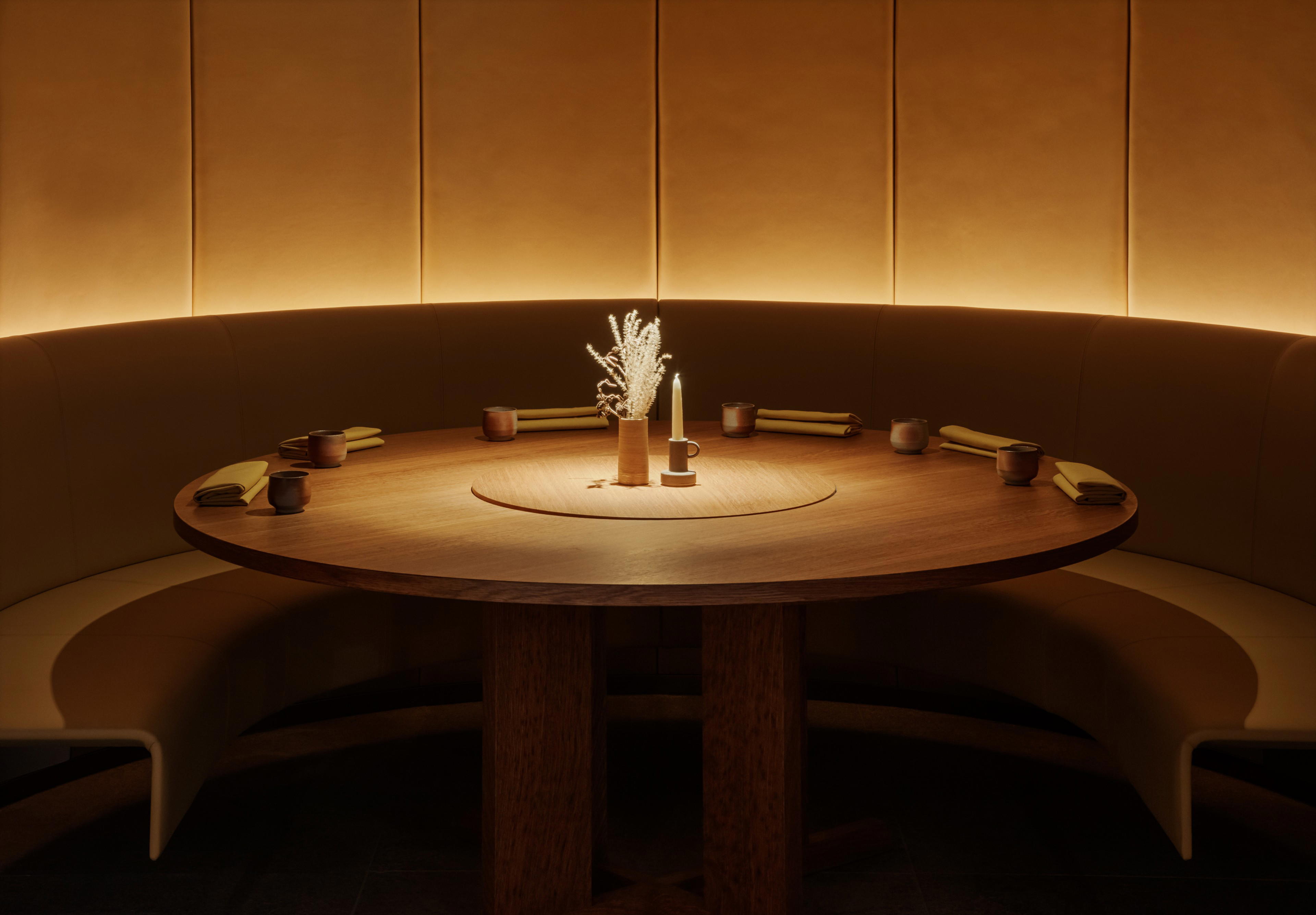
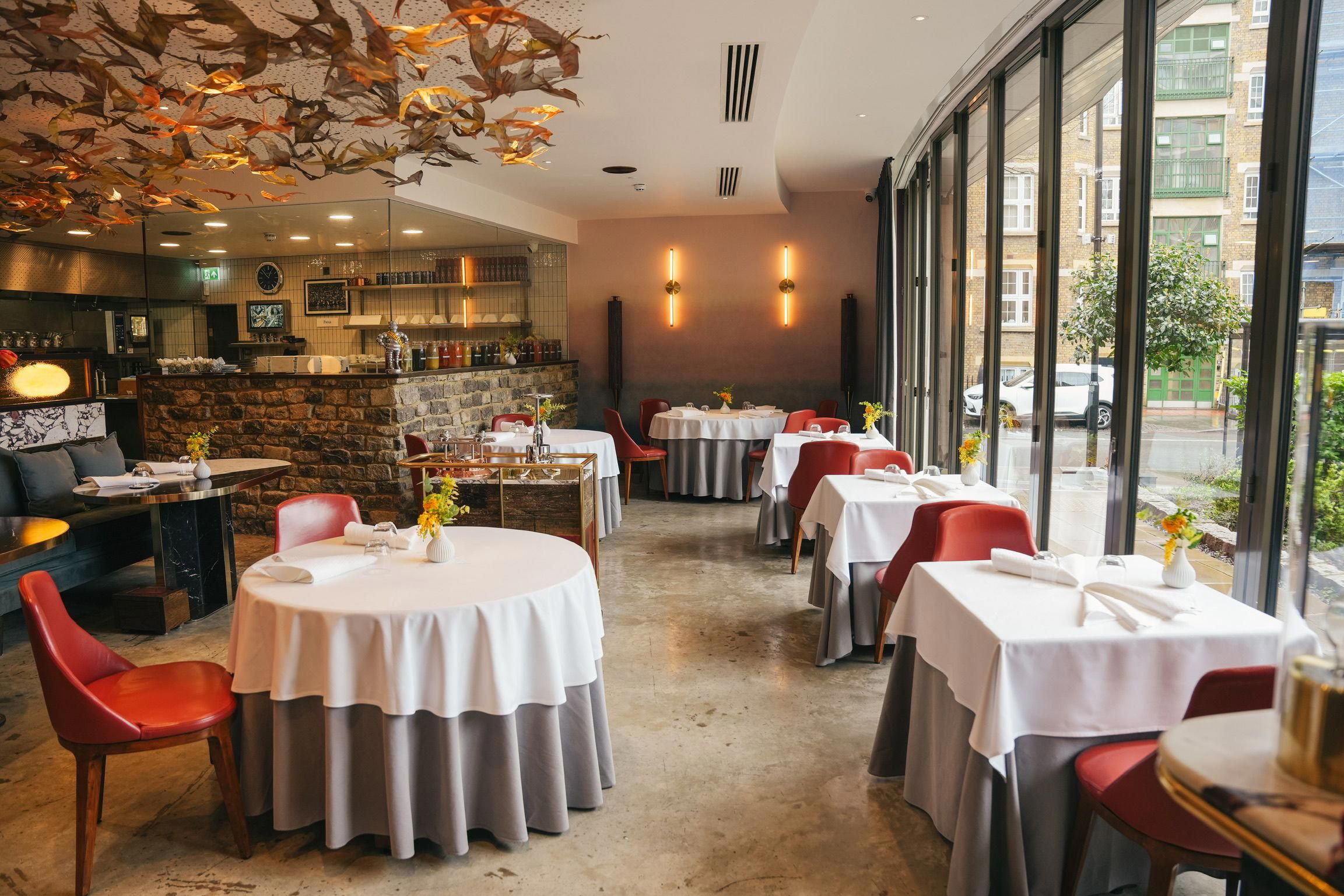
Bars in London
Browse all →

Hotels in London
Browse all →




Stem + Stem
The wine
- Wine program
- Curated wine list
- Extensive wine list
Details
- Cozy
- Modern
- Elegant
- Romantic
- Intimate
- Date Night
- Business Dinner
- Group Dining
- Special Occasion
- After Work
- Standalone
- Design Destination
- Wine Cellar
- Private Dining
- Extensive Wine List
- Local Sourcing
- A La Carte
- Tasting Menu
- Small Plates
- Wine
- Craft Cocktails
- Vegetarian Friendly
Warm, intimate and softly lit, with the charm of a neighborhood wine bar and the visual richness of a florist; reviews highlight a relaxed yet polished atmosphere suited to dates and business meals rather than noisy crowds.