Starbelly
Starbelly on 16th Street sits at the casual end of the Castro's dining spectrum, where the kitchen leans into California comfort cooking without the formality of the city's tasting-menu circuit. The menu reads as a document of seasonal produce priorities, grounded in the kind of wood-fired, ingredient-forward approach that defines this corner of San Francisco's neighbourhood restaurant scene.
Pearl is the En Primeur Club membership app — saves, bookings, and concierge access live there. Same editors, same standards.
- Address
- 3583 16th St, San Francisco, CA 94114
- Phone
- +1 415 252 7500
- Website
- starbellysf.com
- Directions
- Get directions
 Saves & bookings on Pearl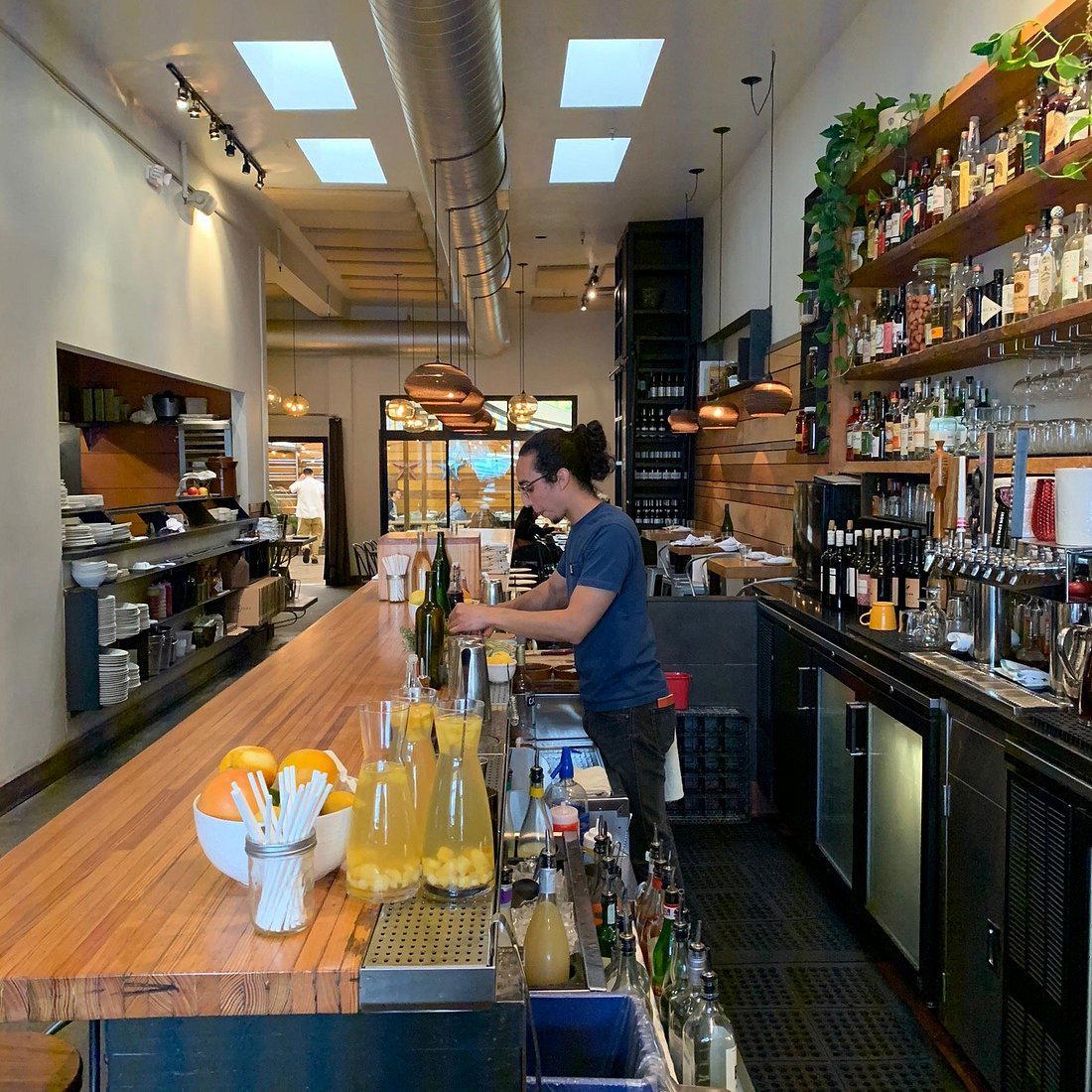
The Castro's Casual End of the California Table
San Francisco's restaurant culture operates on a steep gradient. At one pole sit the tasting-menu rooms, the kind of $$$$ prix-fixe operations where a meal at Lazy Bear, Atelier Crenn, or Benu demands advance planning, significant spend, and a specific kind of occasion framing. At the other end sits a quieter but equally intentional category: the neighbourhood table that takes California's seasonal-produce logic seriously without attaching ceremony to the act of eating. Starbelly, a casual California Comfort restaurant at 3583 16th St in San Francisco's Castro, operates in that second register.
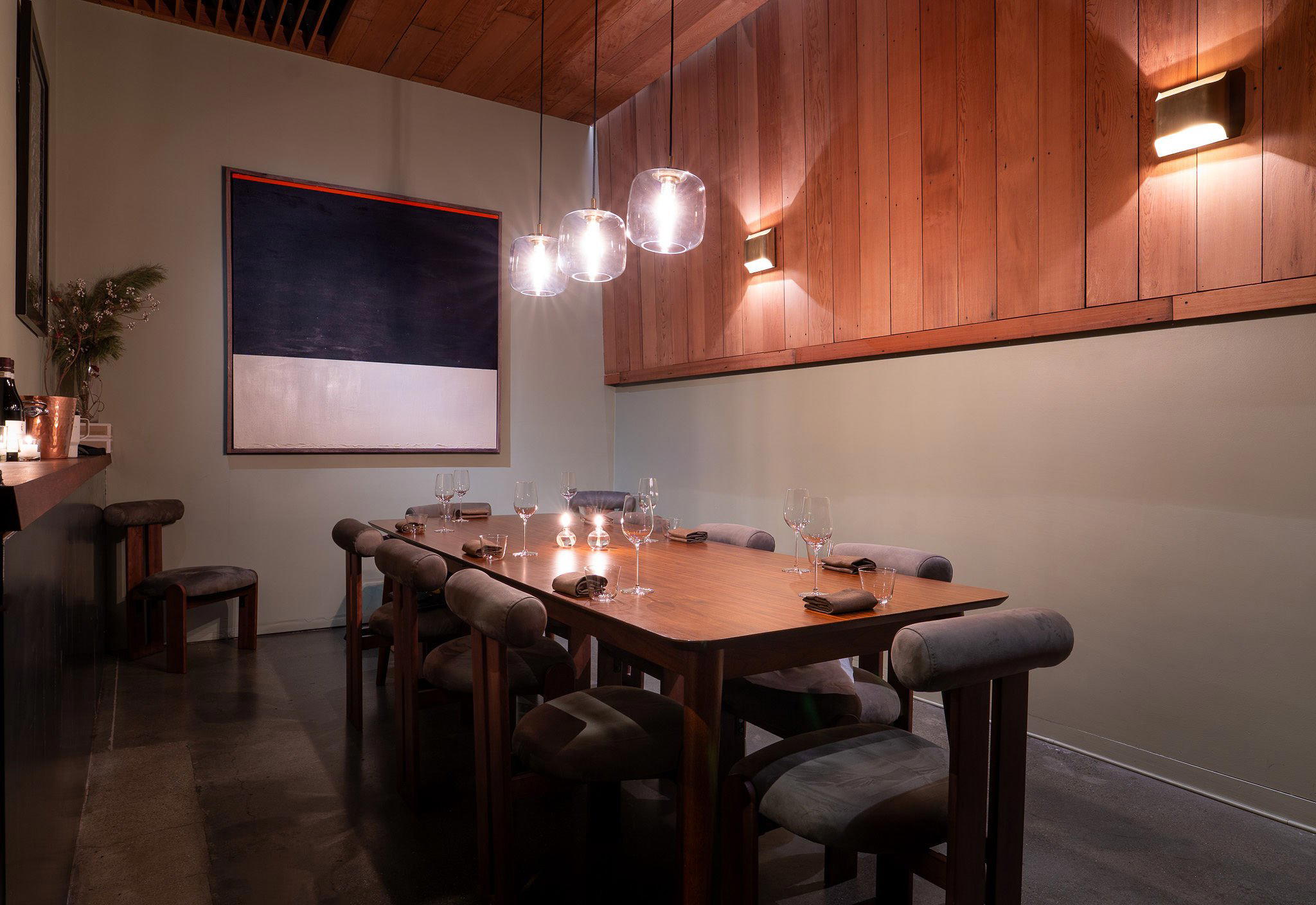
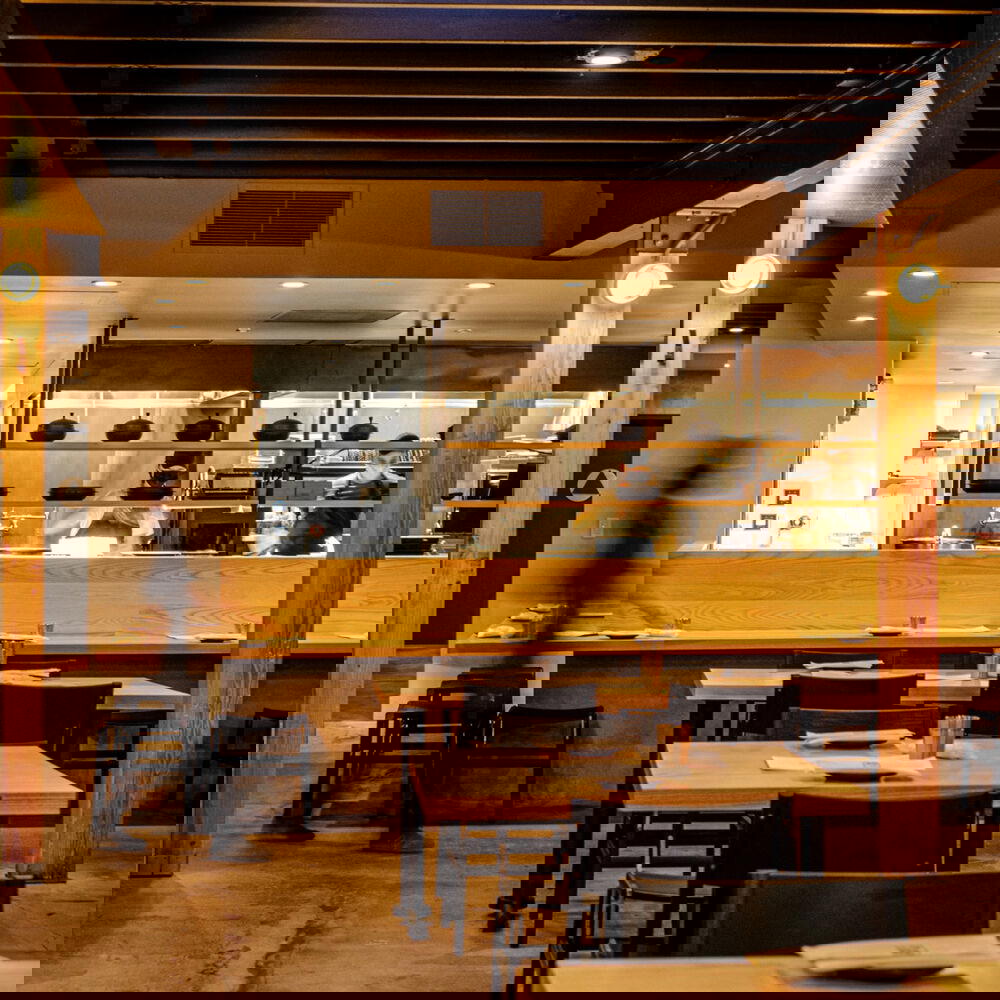
The building itself signals the approach before you read the menu. The Castro is one of San Francisco's most walked neighbourhoods, dense with foot traffic and a strong sense of local identity. 16th Street, in particular, functions as a genuine daily-use corridor rather than a destination dining strip. A restaurant that earns repeat visits in that environment is answering different questions than one angling for a Michelin inspector's notebook. The physical setting, with its open, unpretentious energy, frames everything that follows inside.
What the Menu Architecture Reveals
Starbelly's menu follows the California casual playbook in a specific and revealing way. Rather than organizing around protein-plus-starch formulas or the kind of small-plates-only format that proliferated across San Francisco's Mission and Hayes Valley corridors in the 2010s, it tends toward a structure that allows the table to compose its own meal from a range that includes shareable starters, more substantial plates, and wood-fired preparations. That wood-fire element is significant: it places the kitchen in a lineage that runs from Alice Waters' insistence on ingredient integrity through to the live-fire movement that has shaped California cooking for the past two decades.
The California casual category is sometimes misread as low-ambition cooking. The reverse is closer to the truth. When a menu strips away elaborate technique and leans on fire, seasonality, and produce sourcing, it leaves the kitchen with fewer places to hide. A vegetable roasted over wood either tastes of itself at its peak, or it doesn't. This is a different kind of discipline than the precision cooking on display at Quince or Saison, but it is discipline nonetheless.
Across American cities, the neighbourhood-table format that Starbelly represents has produced some of the more durable dining institutions. Frasca Food and Wine in Boulder built a twenty-year reputation on regional focus and hospitality consistency. Smyth in Chicago operates with a farm-connected ethos that keeps the menu in direct conversation with season and place. Even at the more ambitious end, restaurants like Blue Hill at Stone Barns have demonstrated that ingredient-first thinking can sustain a restaurant's identity across years of menu change. Starbelly's version of this is less rarefied, more embedded in the daily life of its neighbourhood, which in San Francisco's context is its own kind of achievement.
The Castro Context
Neighbourhood character shapes a restaurant's function in ways that menu design alone cannot. The Castro draws a mix of long-term residents, visitors orienting around the district's cultural history, and the kind of regular foot traffic that supports early dinner business and weekday lunch. A restaurant operating in that environment serves a different social role than a destination room in the Financial District or a weekend-only counter in SoMa.
This matters for how Starbelly should be understood relative to San Francisco's wider dining map. The city's highest-profile addresses, from Atelier Crenn's poetic tasting menus to the hyper-local sourcing at Saison, operate with a kind of remove from daily neighbourhood life. Starbelly's positioning is more permeable. It serves the same block it sits on, and that permeability is a deliberate outcome of the format: casual pricing, a room that doesn't require occasion-dressing, and a menu readable in under two minutes.
For visitors working through San Francisco's dining geography, the Castro neighbourhood restaurant tier represents a strand of the city's food culture that the tasting-menu circuit doesn't cover. The Bay Area's influence on American food has always been as much about accessibility and produce politics as it has been about formal technique. Starbelly sits closer to that original strand than the city's Michelin-decorated rooms do.
Starbelly in the Wider California Casual Frame
California casual has export value. The format that Starbelly represents in the Castro has analogues across the West Coast and beyond. Providence in Los Angeles operates at the formal end of California's seafood tradition, while Addison in San Diego works in the luxury-tasting register. Single Thread Farm in Healdsburg represents the farm-to-table concept taken to its most precise expression. Starbelly's register is none of these. It is closer to the original, unpretentious California table that argued, forty years ago, that good ingredients needed less done to them, not more.
That argument remains live. In a city where a tasting-menu dinner at the summit tier can exceed $400 per head before wine, the existence of a kitchen that takes similar seasonal convictions and applies them at accessible price points is not a minor thing. It is a position in a real debate about what San Francisco's food culture is for and who it serves.
Know Before You Go
Address: 3583 16th St, San Francisco, CA 94114
Neighbourhood: Castro, San Francisco
Format: Neighbourhood restaurant, California casual, wood-fired preparations
Reservations: Walk-ins are welcome, though availability varies by day and time
Pricing: Around $30 per person
Getting there: 3583 16th St, San Francisco, CA 94114
Side-by-Side Snapshot
Comparable venues nearby, for context on price, style, and recognition.
| Venue | Cuisine | Price | Notes |
|---|---|---|---|
| StarbellyThis venue — the venue you are viewing | California Comfort | $$ | Not listed |
| First Crush Restaurant & Wine Bar | New American with California Wines | $$ | Union Square |
| Mel's Drive-In | Classic American Diner | $$ | Van Ness |
| Palmers Tavern | American Gastropub | $$ | Pacific Heights |
| Precita Park Cafe & Grill | American Cafe & Grill | $$ | Bernal Heights |
| Early To Rise, Scratch Made Brunch | Scratch-Made Southern-Influenced Brunch | $$ | Lone Mountain/USF |
Continue exploring
More in San Francisco
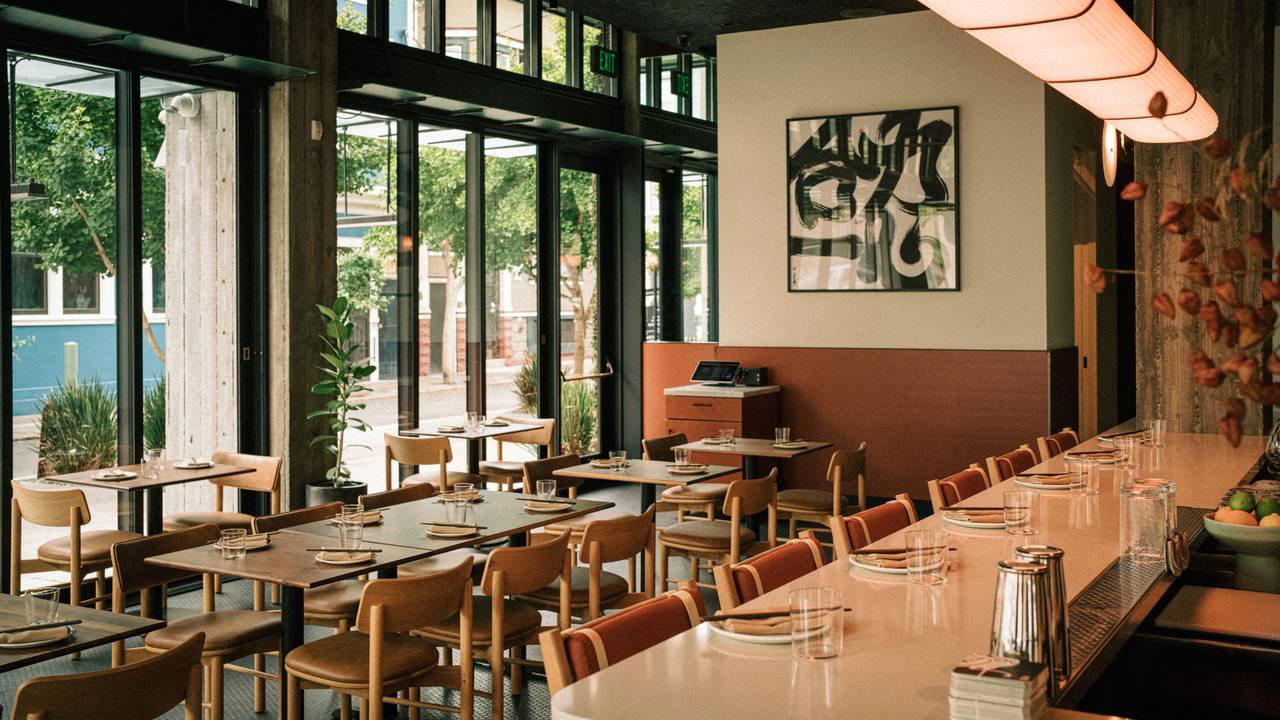
Restaurants in San Francisco
Browse all →
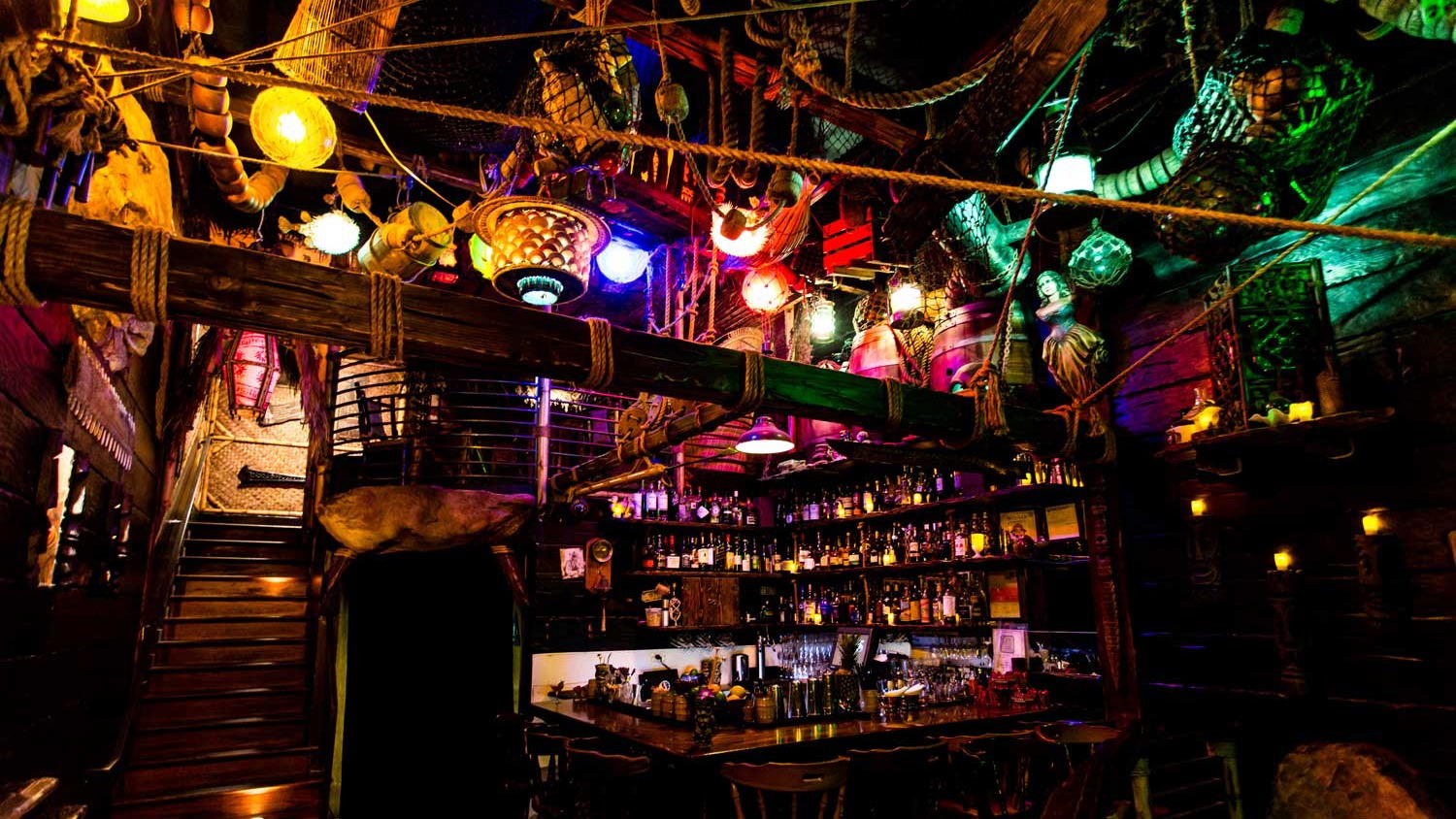
Bars in San Francisco
Browse all →
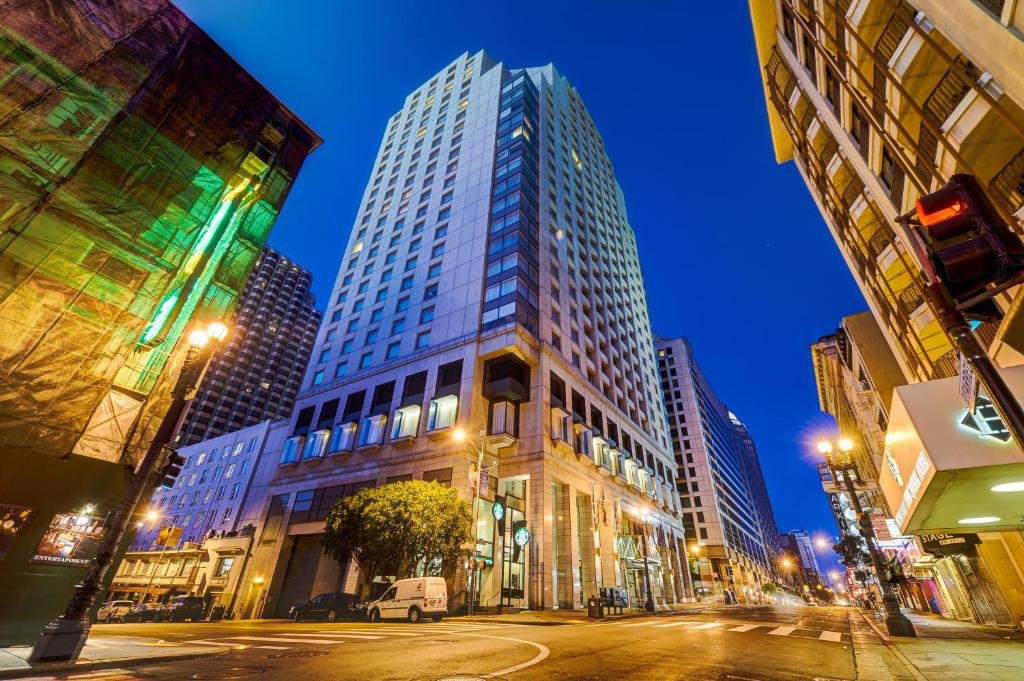
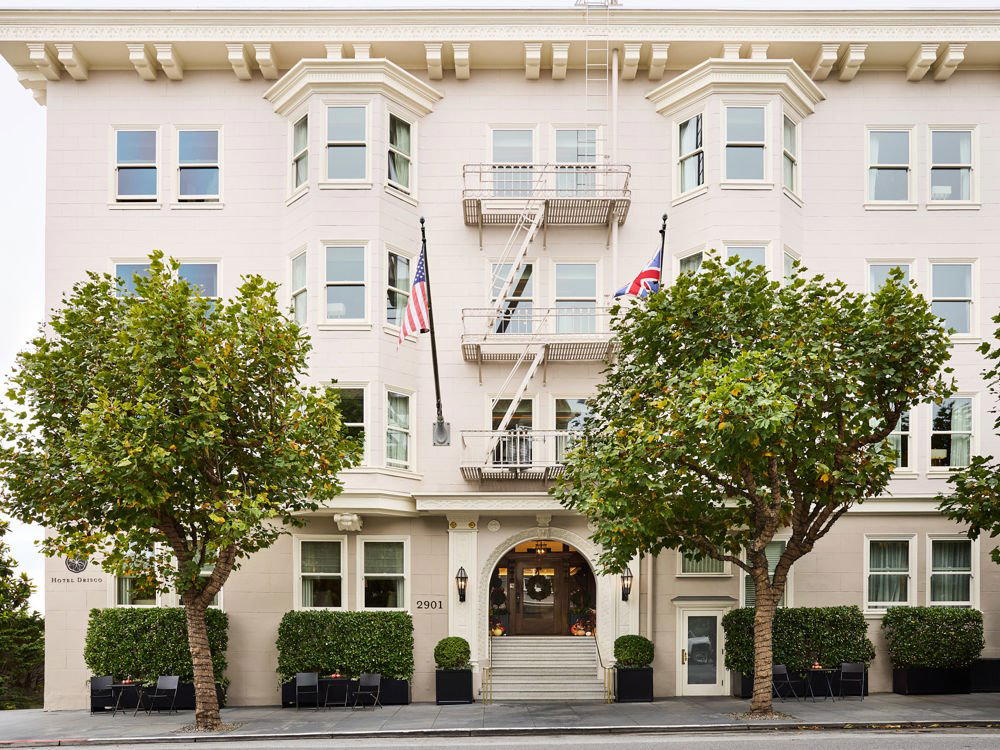
Hotels in San Francisco
Browse all →


At a Glance
- Lively
- Cozy
- Trendy
- Casual Hangout
- Brunch
- Open Kitchen
- Terrace
- Craft Cocktails
- Local Sourcing
Current opening hours
- Monday
- 11:30 AM–9 PM
- Tuesday
- 11:30 AM–9 PM
- Wednesday
- 11:30 AM–9 PM
- Thursday
- 11:30 AM–9 PM
- Friday
- 11:30 AM–10 PM
- Saturday
- 10 AM–10 PM
- Sunday
- 10 AM–9 PM
Hours can change for holidays and private events. Last verified .
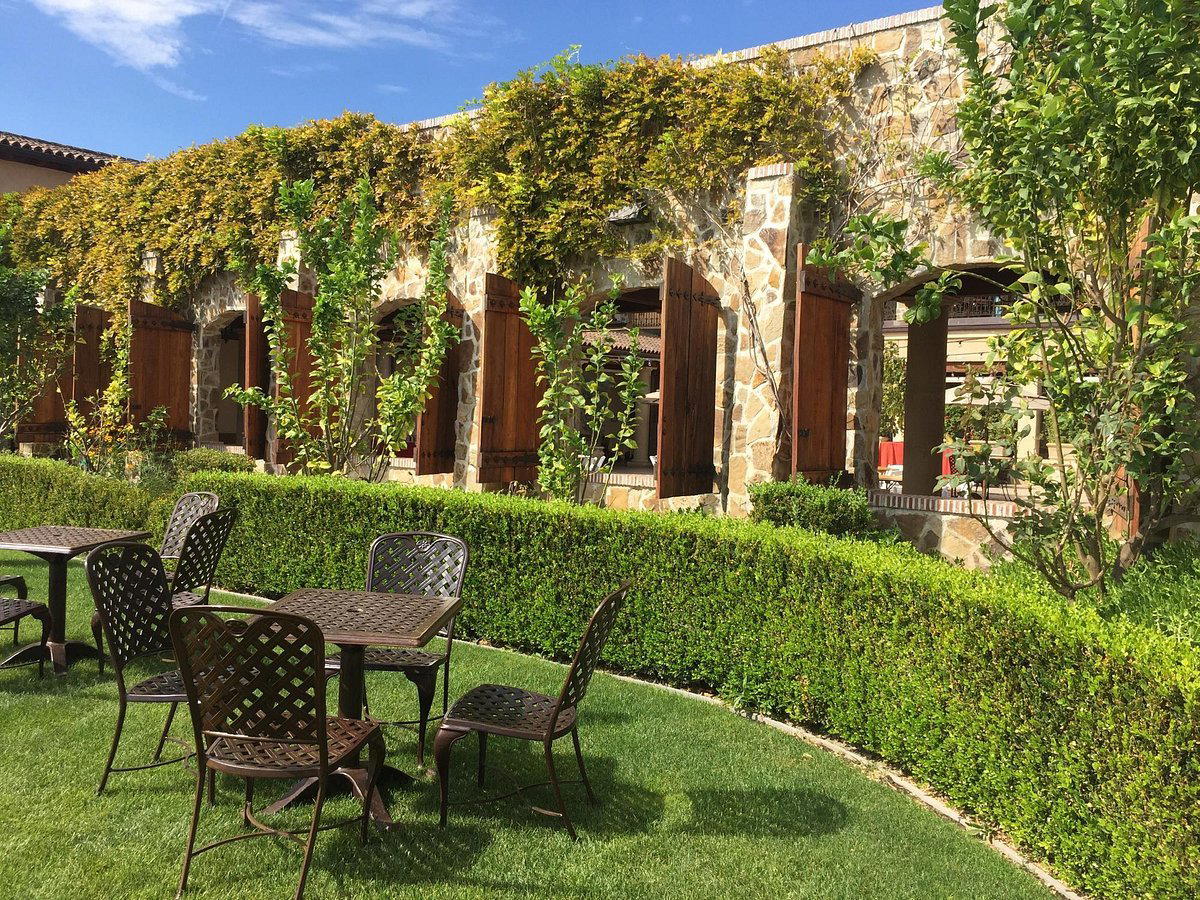
Fun, welcoming atmosphere with garden patio seating in the energetic Castro district.