
Tabelog 100 #63
Our verdict
A basement cafe in Nishishinjuku makes a sharp case for Tokyo’s serious daytime coffee culture: quick, affordable, and more disciplined than its office-tower setting suggests. Paul Bassett Shinjuku carries Tabelog 100 Cafe EAST 2025 recognition, with earlier Cafe selections in 2021 and 2022, placing it in a documented tier of Tokyo cafes that matter beyond convenience.

Pearl is the En Primeur Club membership app, where members save venues, book tables and use the concierge.
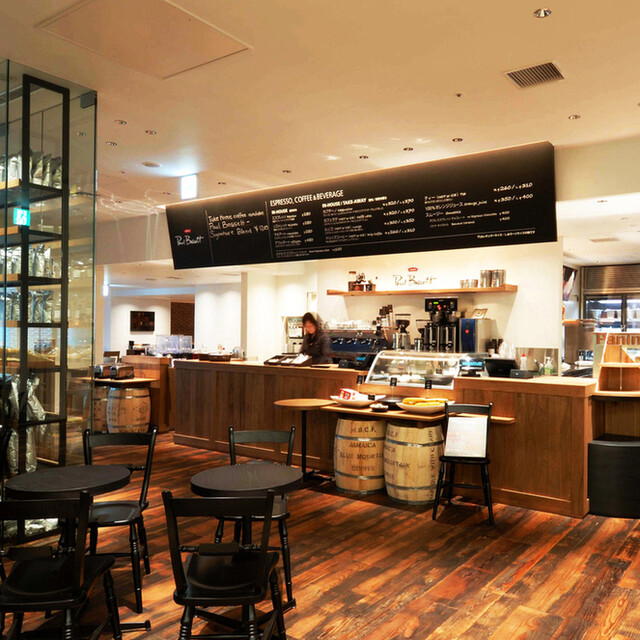
The menu
What to order
- Flat white
- Breakfast sets
- Open sandwiches
- Cakes and pastries
The shift into Tokyo’s busy cafe rhythm changes the pace before the coffee arrives. Around the city, commuter pressure, hotel lobbies, and office towers can make a cafe feel less like a pause than a piece of practical infrastructure. This is where a morning espresso can function as breakfast, meeting point, and reset button before the day’s lunch traffic takes over.
Tokyo’s cafe scene often gets flattened into two stereotypes: kissaten nostalgia or latte-art modernity. The more useful reading sits between them. In business districts, the stronger addresses have to serve quickly without feeling disposable, and they need enough pastry, bread, or cake to justify lingering outside the narrow coffee-only brief. Paul Bassett Shinjuku belongs to that urban category: a cafe, cake, and bread address with Tabelog 100 Cafe EAST 2025 selection. That recognition matters because Tabelog’s cafe lists reward consistency in a genre where trend cycles move fast.
Morning coffee has the advantage over the later cafe rush
The lunch-versus-evening divide here is less about a dramatic change in cuisine than about how Tokyo uses a daytime cafe room. Morning service belongs to commuters and nearby office workers: coffee first, food as support, time measured in minutes rather than courses. By lunch and tea time, the same format becomes more social, with cake and bread carrying more of the visit. Evening is best understood as the later stretch of a cafe day, better suited to a final coffee or takeaway than a destination dinner.
That difference gives the morning a clearer editorial case. In Tokyo, serious coffee often competes with convenience chains on one side and reservation-led dining on the other. The useful middle is a cafe that can be folded into a tight itinerary without reducing itself to a waiting room. The address’s recognition in the Tabelog 100 Cafe EAST 2025 list puts it in a competitive conversation with other cafe-focused Tokyo stops rather than with full-service restaurants. For travellers mapping a Tokyo day, that distinction matters more than another dinner reservation.
The surrounding city reinforces the split. Tokyo contains late-night alleys, department-store grazing, office corridors, and hotel routines, each with its own pace. A cafe here has to absorb solitary laptops, short meetings, and friends catching up without asking the room to perform ceremony. That makes it a useful counterpoint to more meal-defined Tokyo addresses, or to tighter speciality formats elsewhere in the city, whether ramen, grill-led counters, or other casual dining rooms.
A cafe category that rewards discipline, not spectacle
The useful measure of a Tokyo cafe is not theatricality. It is whether the format holds up across different uses of the day: a short coffee, a modest sweet break, a bread-and-drink stop, a place to meet before moving on. The category listing of cafe, cake, and bread signals that broader role. The format sits closer to flexible coffee-bar usage than to a long-form dining model, but the Tokyo context changes the stakes. In a city where stations, corridors, and office towers generate constant foot traffic, a cafe needs speed and reliability before charm.
Paul Bassett Shinjuku sits outside the tiny counter-cafe image and closer to the practical urban cafe. That helps explain why it works for the city. The branch can serve as a useful pause inside a dense Tokyo route while still carrying enough recognition to interest coffee-focused travellers. The Tabelog score of 3.72 gives another signal: in Japan’s user-rating culture, that figure sits in serious territory for a casual cafe, especially in a category with broad public usage rather than specialist-only diners.
The menu should be read by category rather than by invented signatures. Coffee is the anchor, with cake and bread providing the reason to stay beyond a single drink. That makes it distinct from visual-theme cafes where the room is the primary hook, and from other meal-focused Tokyo peers such as Toki Ya Shinjuku odakyu haruku ten. The choice is not better or worse; it is about purpose. This is the coffee-led stop in a city where travellers often misjudge how much time gets lost between stations, towers, and hotel check-ins.
How to use it in a Tokyo dining day
The strongest plan is to treat this as a daytime anchor rather than a substitute for one of Tokyo’s serious meals. Use the cafe early, then let the day move toward the city’s more specialized formats: ramen, yakitori, sushi, kappo, curry, or cocktail bars. That sequencing fits Tokyo better than stacking heavy meals from noon onward. A coffee-and-cake or bread-led pause in Tokyo leaves room for a later reservation while giving the city a point of focus beyond transit.
For broader planning, Our full Tokyo restaurants guide gives the wider dining map, while Our full Tokyo hotels guide, Our full Tokyo bars guide, Our full Tokyo wineries guide, and Our full Tokyo experiences guide help separate convenience from citywide priorities. Travellers extending the same casual-specialist logic outside Tokyo can compare cafe and low-price formats in other Japanese cities. For overseas Japanese-format comparisons, similar focused categories show how these ideas travel differently once removed from Tokyo’s station-driven pace.
The verdict is practical but not bland: Paul Bassett Shinjuku is for the traveller who wants a coffee stop with documented cafe credibility, not another generic station-adjacent compromise. Its value is clearest before the day becomes crowded with meals, shopping, and transfers. In a city that can turn every hour into a reservation problem, a disciplined daytime cafe is not a minor detail; it is itinerary architecture.
Frequently asked questions
Where do I go for Paul Bassett Shinjuku?
Paul Bassett Shinjuku is located in Tokyo.
How much does it cost to eat at Paul Bassett Shinjuku?
Pricing at Paul Bassett Shinjuku is listed as - JPY 999 - JPY 999.
What are Paul Bassett Shinjuku's hours?
Specific hours are not provided here; check directly with Paul Bassett Shinjuku before visiting.
What has Paul Bassett Shinjuku built its reputation on?
Its standing rests on documented cafe recognition: selected for the Cafe EAST Tabelog 100 in 2025. In Tokyo terms, that signals a cafe that delivers consistency in coffee, cake, and bread rather than chasing novelty. Its cafe, cake, and bread category also keeps the operation practical for quick daytime use.
Recognition, Side-by-Side
Comparable venues at a glance for context.
| Venue | Cuisine | Price | Awards | Notes |
|---|---|---|---|---|
| Paul Bassett ShinjukuThis venue (the venue you are viewing) | Specialty Coffee & Café | $10–20 | Tabelog 100 #63 | Not listed |
| PÂTISSERIE BIEN-ÊTRE | French-style patisserie and dessert shop | $10–20 | Tabelog 100 #59 | Shibuya |
| Criollo Nakameguro ten | French-style patisserie & cake shop | $10–20 | Tabelog 100 #78 | Meguro |
| SONG KEE JEE FAN | Singaporean bistro (Hainanese chicken rice) | $30–50 | Tabelog 100 #70 | Chiyoda |
| Coffee Senmon Ten Sanjikken Ginza honten | Specialty coffee café | $10–20 | Tabelog 100 #80 | Chūō |
| Isshin Niyou | Specialty Tea & Scones Café | $10–20 | Tabelog 100 #32 | Suginami |
Recognition history
Dated appearances from independent guides and award organizations, with the underlying list record or original source where available.
Tabelog 100 #63 · No. 63
Tabelog · Tabelog 100 - Cafe - EAST - 2025
Continue exploring
More in Tokyo
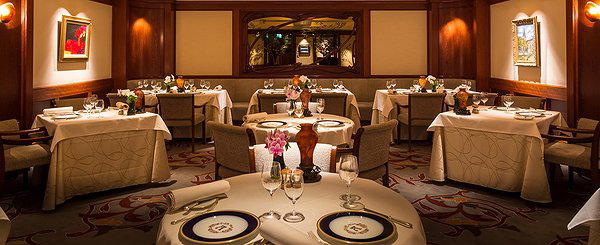
Restaurants in Tokyo
All restaurants in Tokyo →



Bars in Tokyo
All bars in Tokyo →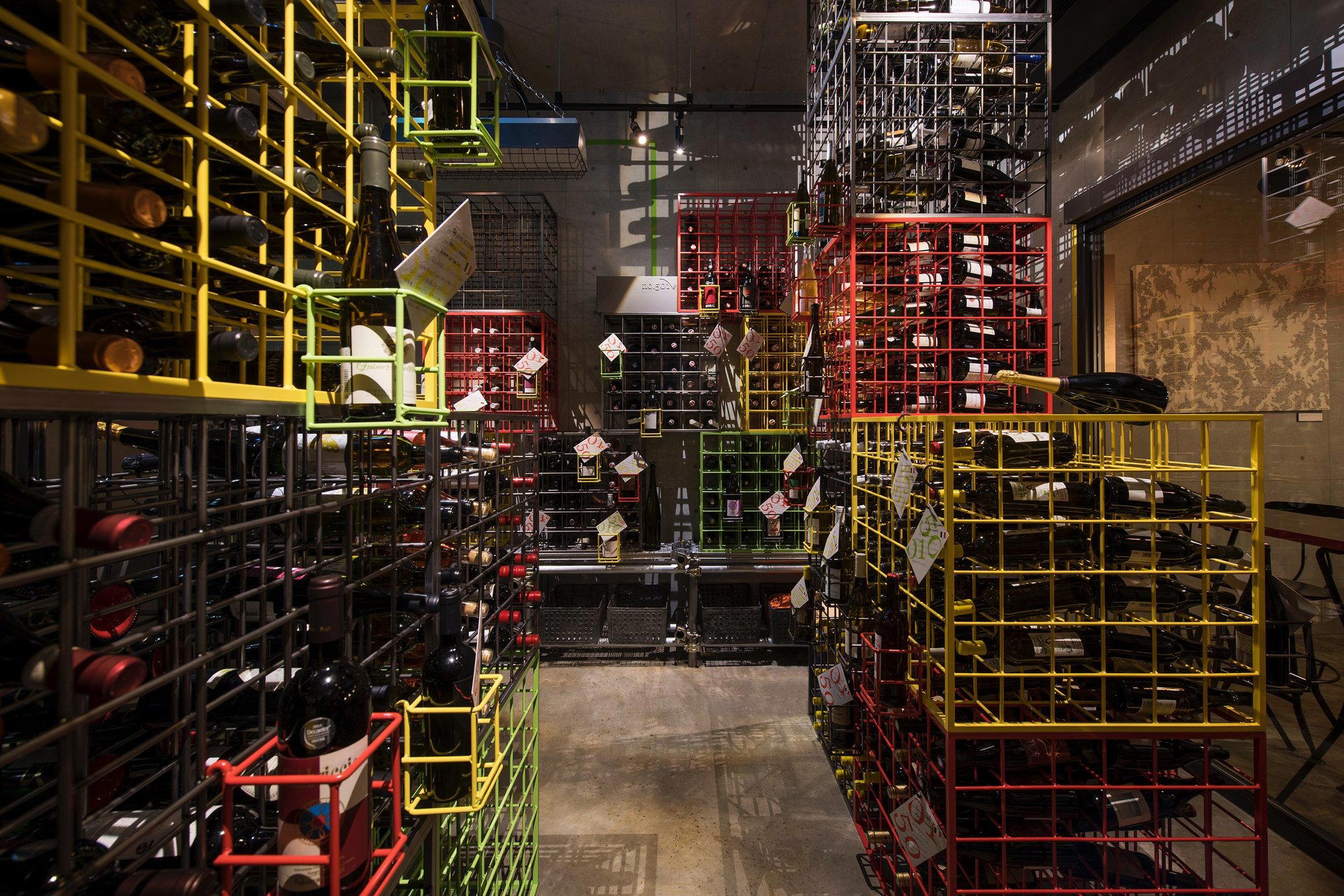



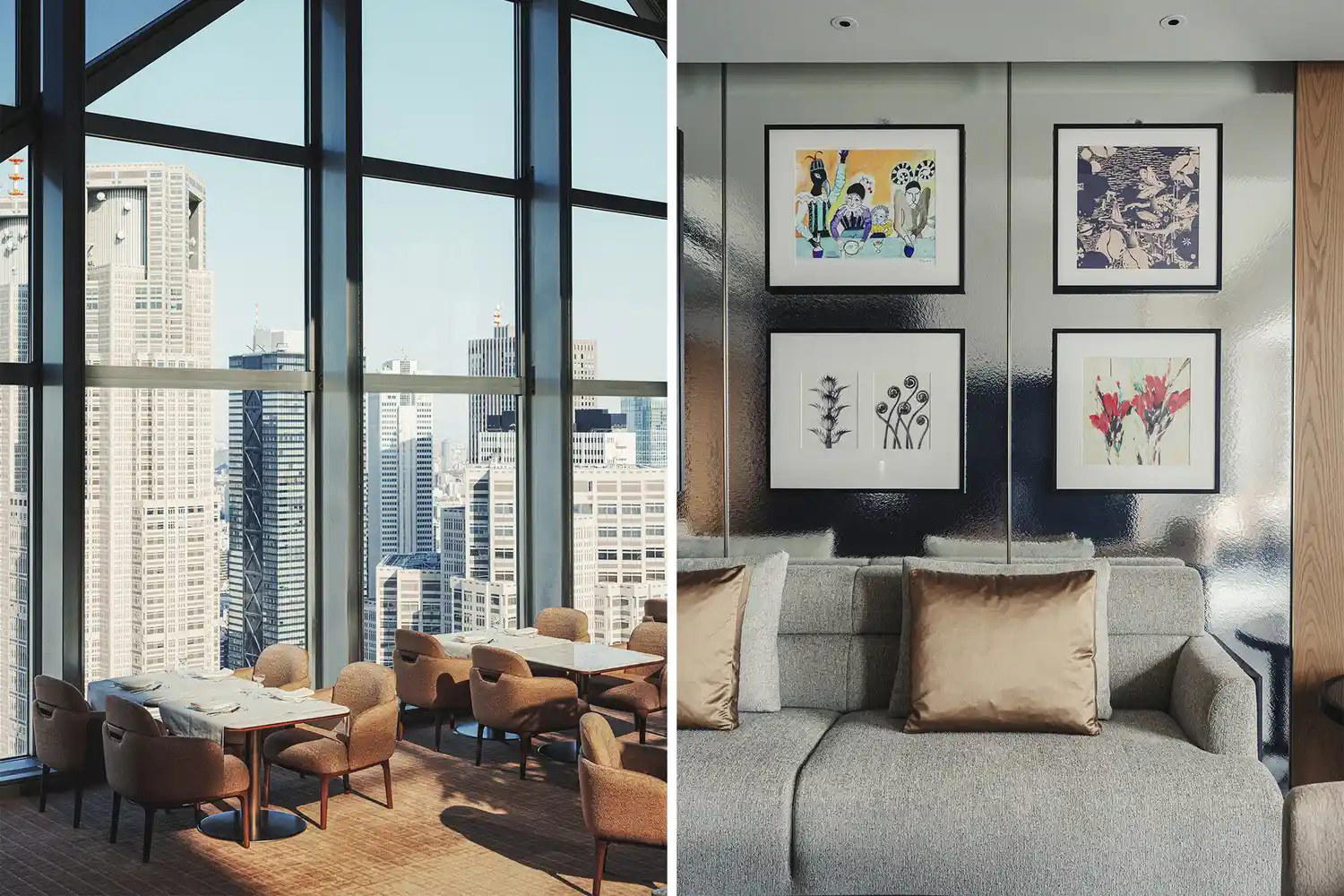


Details
- Modern
- Cozy
- Lively
- Casual Hangout
- After Work
- Solo
- Brunch
- Standalone
- Design Destination
- Zero Proof
- A La Carte
- Counter Dining
- Coffee
- Tea
- Soft Drinks
Current opening hours
- Monday
- 7:30 AM–8 PM
- Tuesday
- 7:30 AM–8 PM
- Wednesday
- 7:30 AM–8 PM
- Thursday
- 7:30 AM–8 PM
- Friday
- 7:30 AM–8 PM
- Saturday
- 9 AM–8 PM
- Sunday
- 9 AM–8 PM
Hours can change for holidays and private events. Hours as of .