Ginza Japanese Shabu Shabu
Shabu shabu in suburban Utah occupies a specific niche: the interactive hot-pot format that puts the cooking process at the center of the meal rather than the kitchen. Ginza Japanese Shabu Shabu, located in Sandy's Union Square retail corridor, brings that format to the south Salt Lake Valley, where Japanese table-cooking concepts remain relatively uncommon. For residents south of the city, it represents a genuine alternative to the standard suburban dining circuit.
Pearl is the En Primeur Club membership app — saves, bookings, and concierge access live there. Same editors, same standards.
- Address
- 9460 S Union Square #106, Sandy, UT 84070
- Phone
- +1 801 696 8589
- Website
- ginzajapaneseshabushabu.com
- Directions
- Get directions
 Saves & bookings on Pearl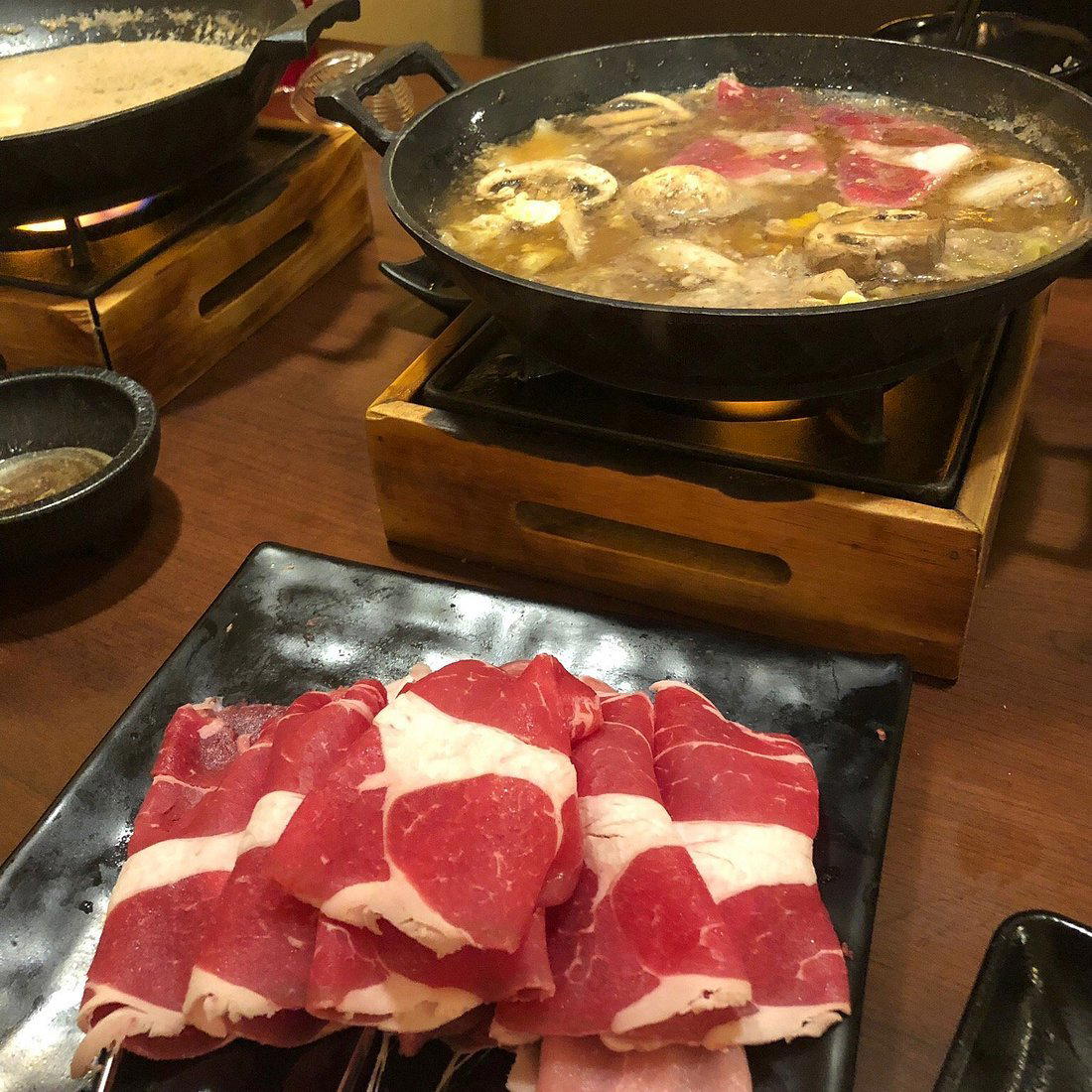
Where the Cooking Happens at the Table
Sandy's dining strip along Union Square skews heavily toward chain restaurants and fast-casual formats, which makes the presence of a dedicated shabu shabu restaurant worth paying attention to. Shabu shabu is a Japanese hot-pot tradition built around thin-sliced protein and vegetables cooked tableside in a simmering dashi or kombu broth, with dipping sauces handling most of the seasoning. The format transfers the act of cooking from the kitchen to the guest, which changes the pacing and social texture of the meal entirely. In Utah's suburban south valley, that format is uncommon enough that Ginza Japanese Shabu Shabu fills a gap with relatively little direct competition in the immediate area.
The name references Ginza, Tokyo's high-end shopping and dining district associated with meticulous craft and premium ingredients, though the Sandy location operates in a strip mall context that is decidedly more practical than theatrical. That contrast is worth understanding before you arrive: this is a neighborhood restaurant serving a specialist format, not a destination property built around ceremony. The value of the experience lies in the format itself, which has centuries of Japanese dining tradition behind it, not in the setting.
The Shabu Shabu Format and What It Asks of You
Shabu shabu as a category sits apart from most Japanese restaurant formats because the diner does the finishing work. Proteins arrive raw, sliced thin enough to cook in seconds when swirled through hot broth. The motion the name describes, a back-and-forth swishing sound, is the central act of the meal. Across Japan, the format ranges from counter experiences with individually portioned pots to communal setups where a single vessel anchors a group meal. Both approaches share the same underlying logic: broth as medium, dipping sauce as seasoning, and time at the table as the point.
The two most common dipping preparations in traditional shabu shabu are ponzu, a citrus-soy mixture that cuts through richer proteins, and goma dare, a sesame-based sauce with more body and sweetness. Vegetable accompaniments typically include napa cabbage, enoki and shiitake mushrooms, tofu, and glass noodles, all of which absorb broth flavor as the meal progresses. The broth itself deepens through the meal as proteins release their collagen, which is part of why experienced diners tend to cook lighter ingredients first.
For diners coming to the format for the first time, the learning curve is genuinely shallow. The restaurant's role is to provide quality raw ingredients, a properly maintained heat source, and sauces calibrated to work with what's on offer. The rest follows naturally from sitting down and starting.
Drinking Alongside Hot-Pot: What Works
The beverage question at a shabu shabu table is worth thinking through, because broth-based hot-pot dining creates specific conditions. The meal runs warm, pacing is slower than a conventional dinner, and flavors build rather than arriving fully formed. Across the broader world of cocktail-forward Japanese dining, the tendency runs toward lighter, cleaner formats: highballs, low-ABV options, and citrus-driven drinks that don't compete with delicate dashi notes.
Japanese whisky highballs have become the default pairing at hot-pot restaurants across Japan precisely because the carbonation and dilution keep the drink refreshing through a long, warm meal. Cold beer, particularly lager formats, works on the same principle. Sake, particularly junmai or junmai ginjo styles with clean acidity, handles the umami register of kombu broth without collision. These aren't arbitrary pairings. They reflect decades of accumulated habit at Japanese tables where the meal and the drink are expected to coexist quietly rather than compete.
For context on how ambitious cocktail programs approach Japanese flavor frameworks, Kumiko in Chicago has built a program explicitly around Japanese spirits and seasonal ingredients, and Bar Leather Apron in Honolulu applies similar precision in a Pacific-facing context. Both illustrate how Japanese drinking culture is being interpreted through a contemporary American craft lens, which is useful reference territory if you're curious about the broader category. Other programs doing interesting work in this space include Jewel of the South in New Orleans, Julep in Houston, Superbueno in New York City, ABV in San Francisco, Allegory in Washington, D.C., Bar Kaiju in Miami, Bitter & Twisted in Phoenix, Canon in Seattle, and The Parlour in Frankfurt on the Main.
Sandy's Position in the Salt Lake Dining Circuit
Sandy sits roughly 16 miles south of downtown Salt Lake City, and its restaurant scene reflects the demographics of a suburban family-oriented city rather than an urban dining district. Japanese cuisine has meaningful representation in the broader Salt Lake Valley, driven partly by a sizable Japanese-American community and partly by Utah's general openness to international formats. But specialist formats like shabu shabu and omakase remain concentrated in areas with denser foot traffic, which makes a dedicated hot-pot restaurant in Sandy a practical resource for south valley residents who would otherwise drive north for the experience.
For a fuller picture of what Sandy's dining circuit offers, our full Sandy restaurants guide covers the range of options across price points and formats.
Planning Your Visit
Ginza Japanese Shabu Shabu is located at 9460 S Union Square #106 in Sandy, Utah, in a strip mall development that also houses other retail tenants. Phone and website information is not currently listed in public directories, so confirming hours and availability before visiting is advisable, particularly for weekend evenings when demand for the format tends to peak. The shabu shabu format rewards groups of two or more, since the communal aspect of cooking at the table is part of what makes the experience work. Solo diners can participate, but the format is inherently social. Arriving with a clear idea of protein preferences and any dietary restrictions will streamline the ordering process.
Continue exploring
More in Sandy
Bars in Sandy
Browse all →

Restaurants in Sandy
Browse all →
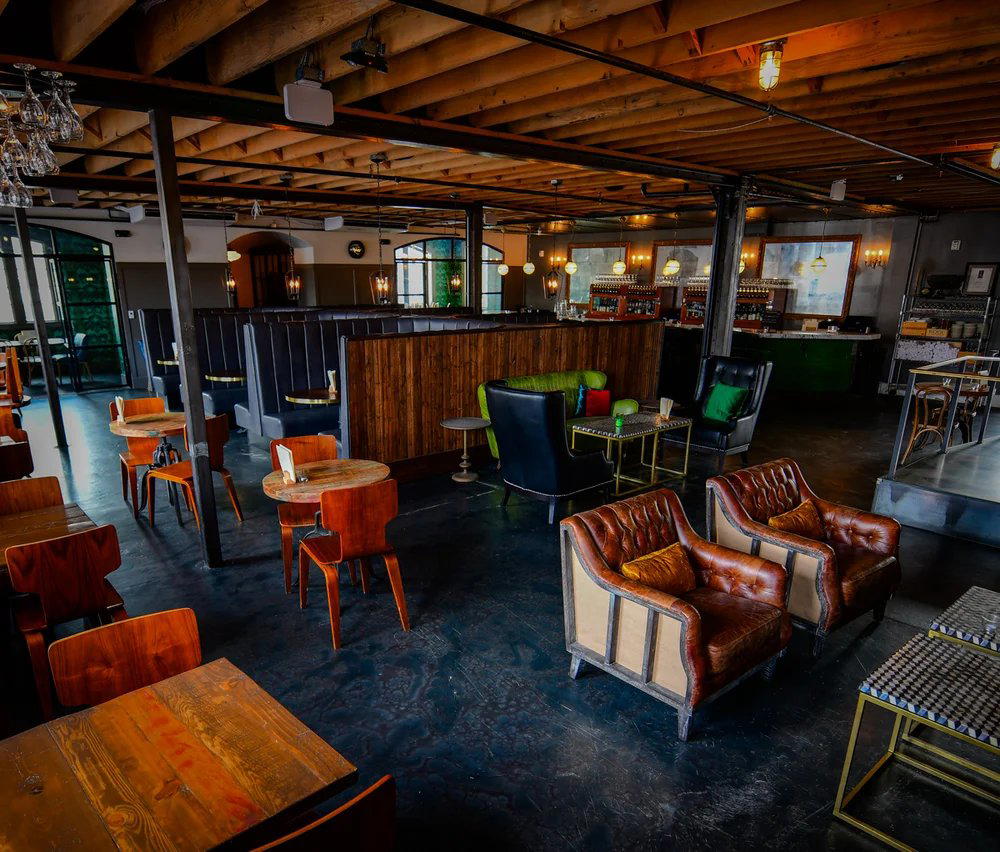
Hotels in Sandy
Browse all →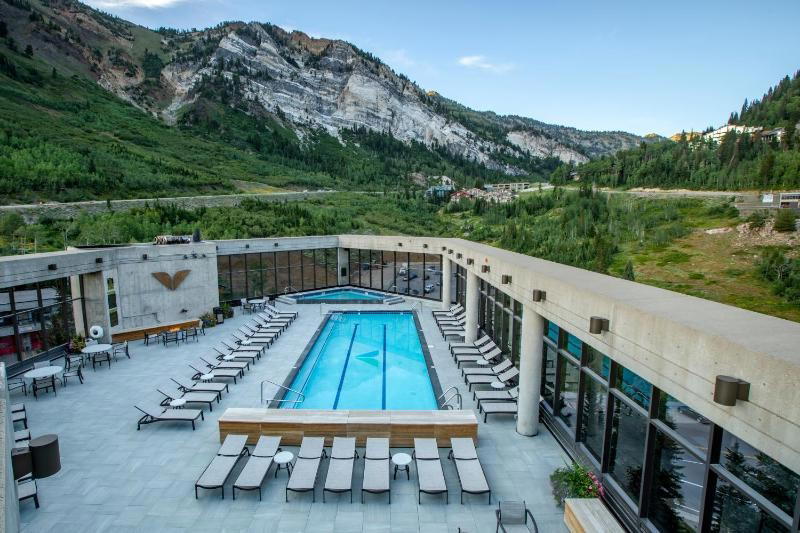
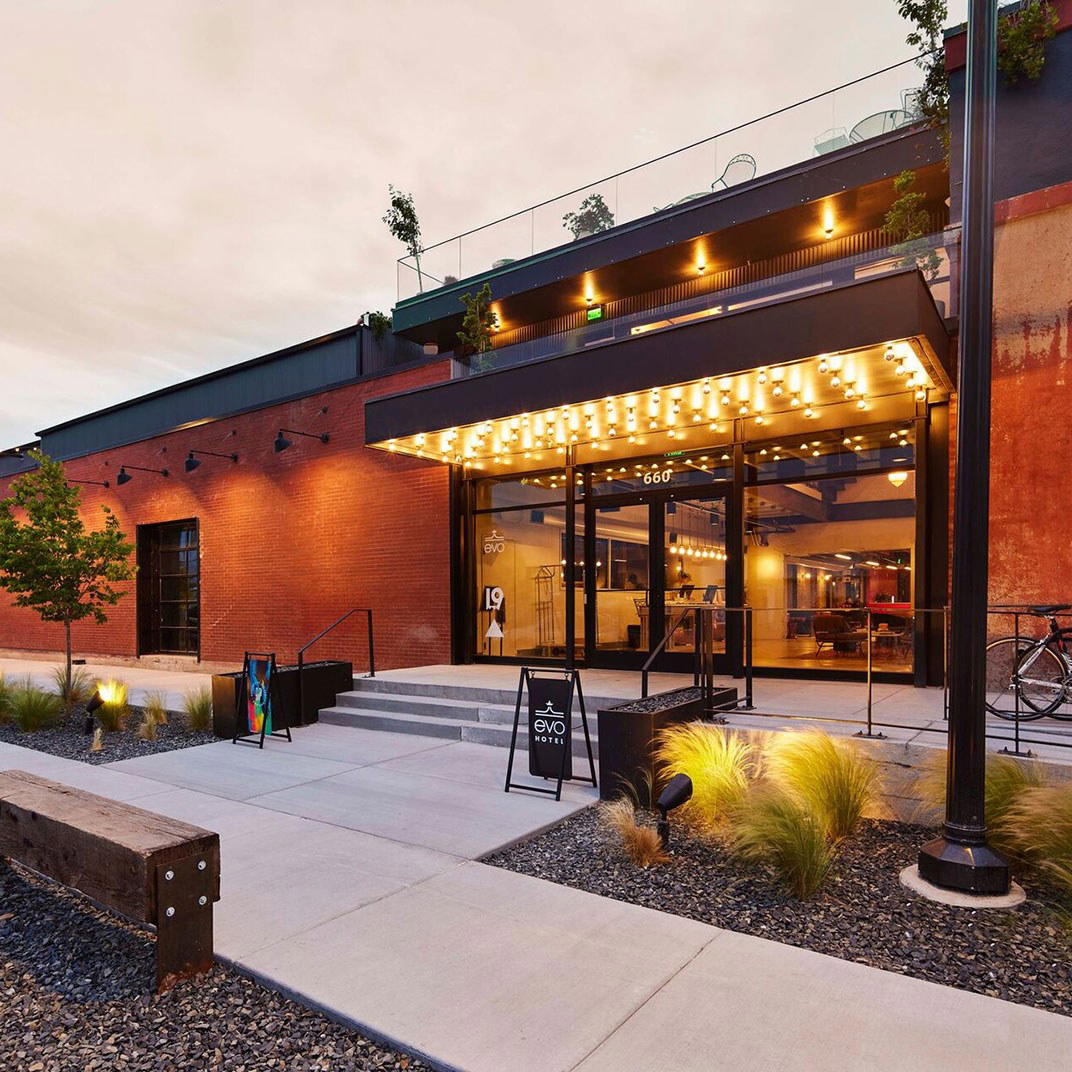

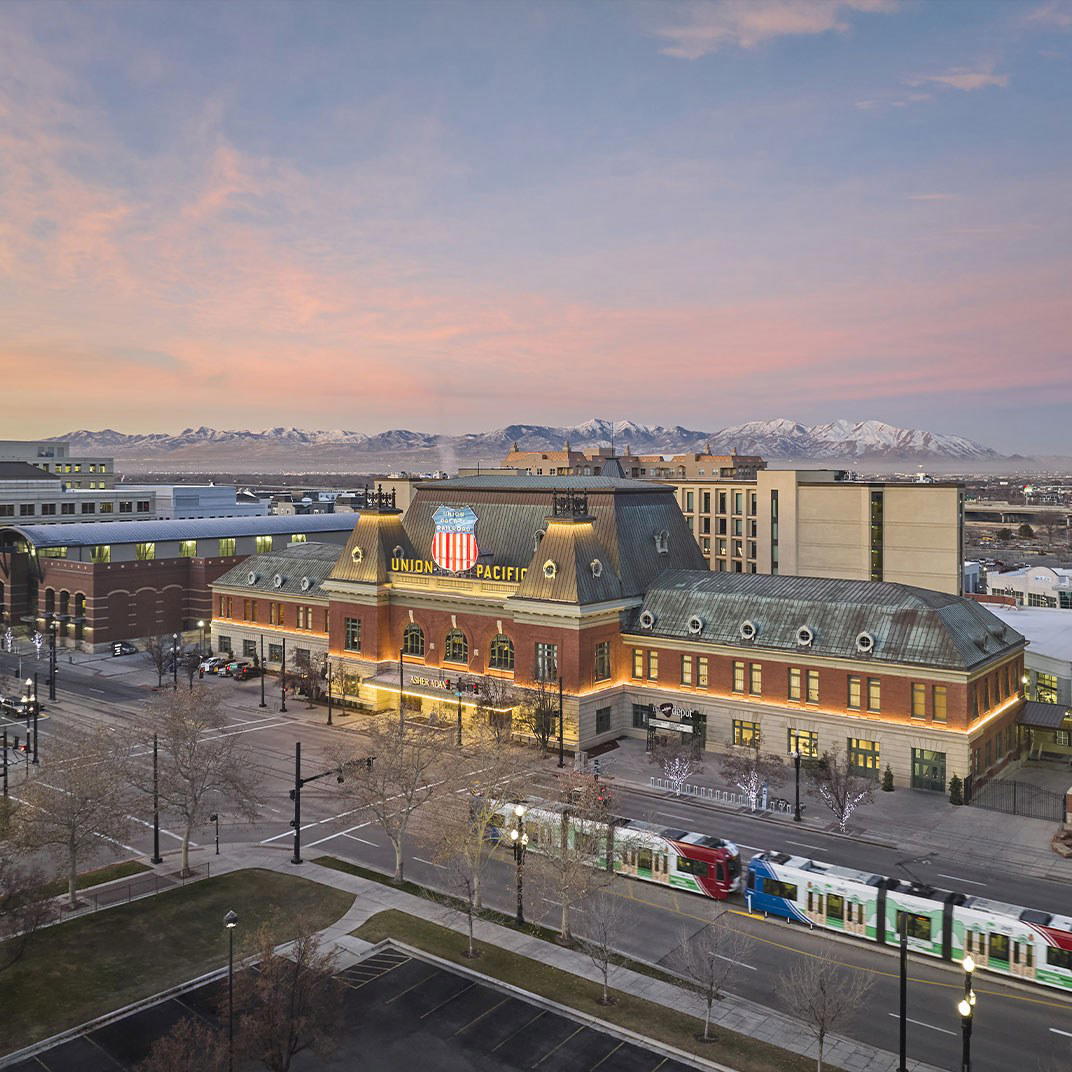

Wineries in Sandy
Browse all →
At a Glance
- Intimate
- Cozy
- Group Outing
- Casual Hangout
- Seated Bar
- Booth Seating
Current opening hours
- Monday
- 11 AM–9:30 PM
- Tuesday
- 11 AM–9:30 PM
- Wednesday
- Closed
- Thursday
- 11 AM–9:30 PM
- Friday
- 11 AM–9:30 PM
- Saturday
- 11 AM–9:30 PM
- Sunday
- 11 AM–9:30 PM
Hours can change for holidays and private events. Last verified .
Quaint and intimate atmosphere focused on shabu-shabu dining.
Know Before You Go
- Getting there
- 9460 S Union Square #106, Sandy, UT 84070