Hotel Thaynes
Hotel Thaynes sits in Park City, where the hotel conversation is shaped as much by architecture and street life as by skiing. With no published public sources for room count, rating, pricing, dining, or booking channels, the smart reading is contextual: treat it as part of the city’s lodging fabric and compare it carefully against better-documented peers before committing.
Pearl is the En Primeur Club membership app — saves, bookings, and concierge access live there. Same editors, same standards.
- Address
- Park City, United States
- Directions
- Get directions
 Saves & bookings on Pearl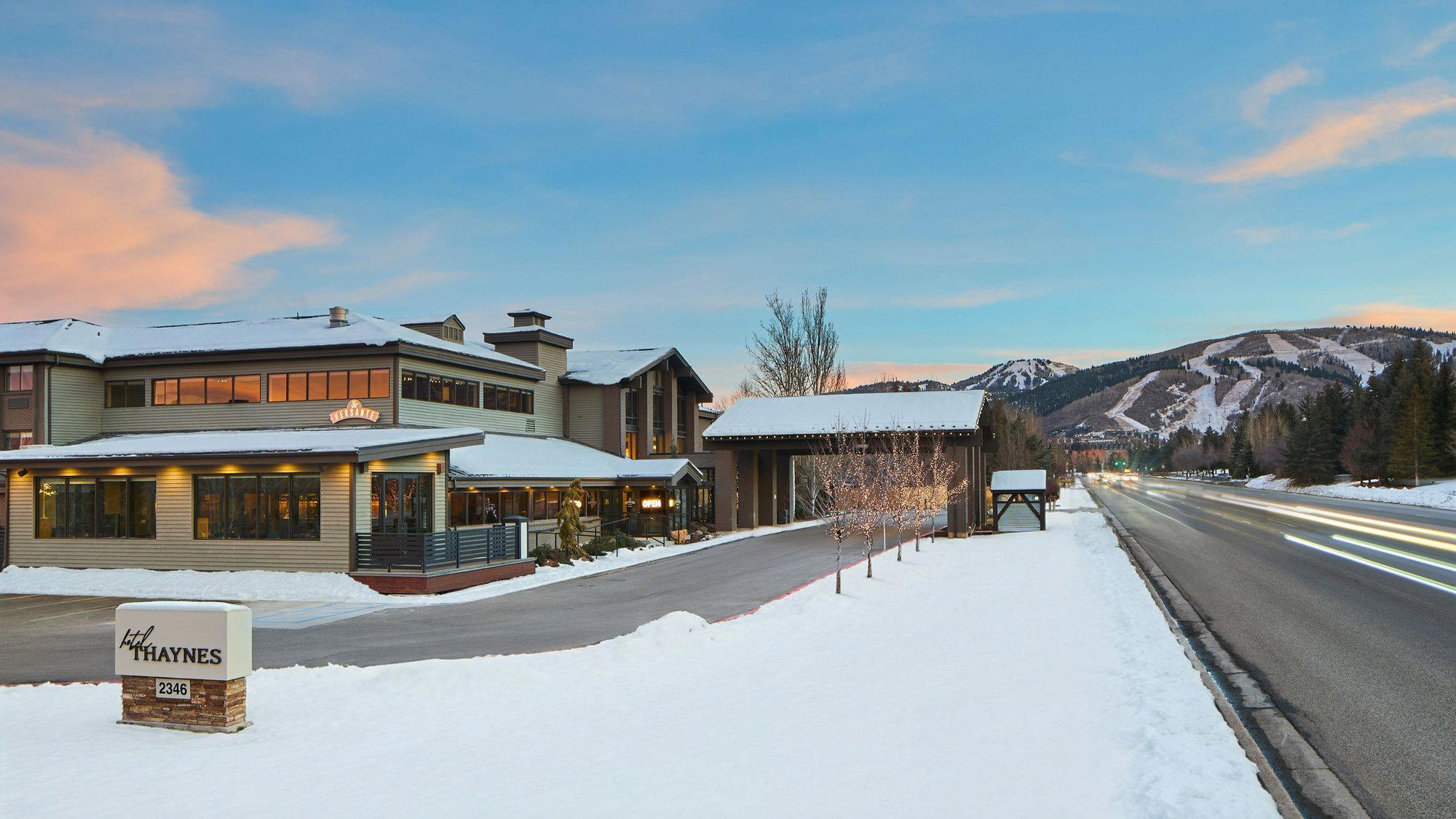
First read: Park City through its buildings
Park City announces itself through scale before service. The old mining town grid, the slope-side resort districts, and the newer hotel developments all pull in different directions: timber, brick, glass, gables, big mountain volumes, narrow storefront rhythms. Any hotel here is judged not only by its beds and amenities, but by how it handles that architectural tension. Hotel Thaynes belongs in that conversation because the city itself makes design a practical matter. A guest is deciding between historic-street intimacy, ski-village convenience, and resort infrastructure, often before considering a restaurant, spa, or room category.
Hotel Thaynes is a 4-star hotel in Park City, Utah, with a nightly rate of about $152. That absence matters. In a market where some properties publish extensive service promises and others trade on neighbourhood position, incomplete data should push travellers toward comparison rather than assumption. The editorial approach is to place the property within Park City’s lodging types, then identify what remains unverified.
Park City’s hotel scene divides cleanly enough for planning. Historic Main Street and its surrounding blocks prize walkability, smaller footprints, and a sense of town texture. Deer Valley leans toward full-service alpine resort culture, with established lodges and higher-touch winter operations. Canyons Village has a more contemporary resort rhythm, with newer buildings, branded residences, and lift-oriented convenience. The city also has destination hotels set apart from the busiest pedestrian corridors, where space and views become part of the rate calculation. The key question is which Park City mode it actually occupies.
Design is the first filter in Park City hotels
Architecture in mountain towns can become costume quickly. Park City is especially vulnerable to that problem because the visual codes are familiar: pitched roofs, stone chimneys, heavy beams, mining-era references, and interiors built around fireplaces. The better properties use those cues with discipline. The weaker ones add them as decoration. What can be said is that design should be treated as a deciding factor, not an afterthought.
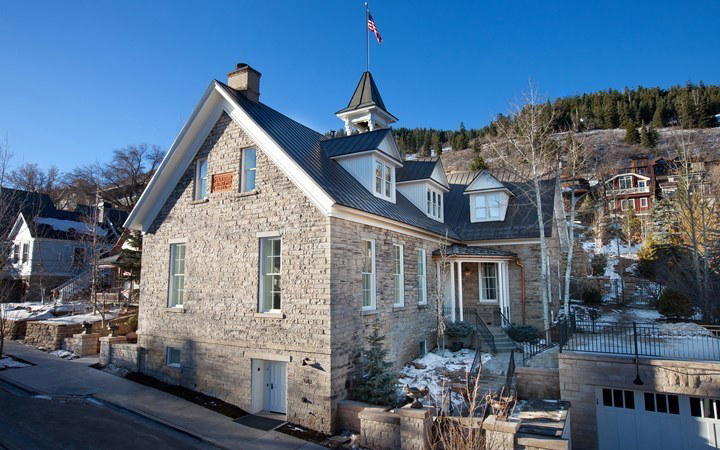
For a traveller comparing documented Park City properties, the design spectrum is visible. Washington School House Hotel sits in the smaller historic-hotel lane, where architecture and proportion can matter more than resort acreage. Montage Deer Valley represents the large-format mountain resort model, where arrival sequence, public rooms, and full-service infrastructure carry the experience. Pendry Park City belongs to the newer Canyons Village generation, where contemporary resort planning and branded hospitality meet ski access. Stein Eriksen Lodge and Goldener Hirsch, Auberge Collection point toward Deer Valley’s lodge tradition, where European alpine references and long-established winter patterns shape expectations.
Those comparisons are useful because they prevent vague luxury language from doing the work. A hotel near Main Street asks a different question than one in Deer Valley: can guests trade large facilities for proximity to restaurants, bars, galleries, and the evening pedestrian scene? A slope-adjacent property asks another: does the convenience justify a narrower dining radius? A design-led small hotel has to earn its rate through atmosphere, service consistency, and room quality, not through acreage. A resort has to deliver operational depth. Hotel Thaynes cannot be placed decisively in any of these categories from the available record, so the right editorial position is cautious: assess it through verified location, building character, and practical access before treating it as a substitute for named peers.
The Park City comparable set, from Main Street to Deer Valley
Park City is not a single hotel market. It is a set of micro-markets tied together by winter demand, Sundance visibility, summer mountain travel, and a year-round second-home economy. Historic Main Street carries the strongest town identity. Deer Valley carries a luxury-resort identity with its own dining and service expectations. Canyons Village has a newer, more planned resort feel. Properties outside those poles can work well for travellers who want space, parking, or a quieter base, but they need clearer logistical planning.
For broader comparison, Historic Park City Alliance is a useful reference point for the town-core context, while Hotel Park City, Autograph Collection and Hyatt Centric Park City widen the field beyond boutique or lodge-only thinking. Travellers building a full itinerary should also cross-check Our full Park City hotels guide, then match dining and drinking plans through Our full Park City restaurants guide and Our full Park City bars guide. For trips that extend beyond lodging, Our full Park City experiences guide helps frame the non-ski hours, while Our full Park City wineries guide is useful for readers who treat wine programming as part of the itinerary rather than an afterthought.
The trust signal here is contextual rather than award-based. Park City has a documented position as a major mountain destination in the United States, with winter sport demand and festival-season pressure shaping hotel availability. In a city with better-documented alternatives, limited information should affect the level of due diligence.
Atmosphere is easy to overclaim and hard to verify. For Hotel Thaynes, atmosphere should be judged by three observable facts once a traveller has access to current booking materials: the building’s relationship to the street or slope, the scale of the public spaces, and the degree to which rooms carry mountain-town character without theatrical excess.
In Park City, the arrival experience matters. A historic-town property can make a compact lobby feel intentional if the surrounding street supplies the energy. A resort property needs stronger internal programming because guests may spend more time on site, particularly during winter weather. A condominium-style hotel must be assessed differently again: residential convenience can outweigh traditional hotel atmosphere for families or longer stays, but it rarely replaces a staffed, design-led public realm. The available Hotel Thaynes record does not identify which model applies, so the atmosphere question remains open until location and format are verified.
Architecture-led travellers can benchmark beyond Utah as well. The Fifth Avenue Hotel in New York City demonstrates how historic fabric and contemporary interiors can create a strong city-hotel identity. The Beverly Hills Hotel in Los Angeles shows the opposite lesson: long-running hospitality identity can be inseparable from a property’s visual language. In the American West, Amangiri in Canyon Point is a reminder that architecture can define the entire stay when the building is conceived in direct relationship to the terrain. Those references do not describe Hotel Thaynes; they sharpen the questions a guest should ask of any design-forward hotel claim in Park City.
Dining, drinking, and the city around the stay
The hotel record does not list a restaurant, bar, chef, cuisine type, signature dishes, or hours. That absence should redirect planning outward. Park City has enough independent dining and après-ski activity that a hotel without documented food and beverage can still work, provided its location supports the itinerary. A Main Street address would make restaurant access easier. A Deer Valley or Canyons base would make on-property dining and transport more relevant. Since no address is supplied, travellers should not assume either advantage.
The city’s dining culture is shaped by seasonal pressure. Winter compresses demand around ski hours, school holidays, and event periods. Summer brings a different rhythm, with outdoor recreation and longer evenings altering how people use restaurants and bars. In both seasons, proximity matters because the gap between a convenient dinner plan and a frustrating transfer can be material after a day outdoors. For the hotel, the practical question is simple: if the property does not publish a dining program in the available record, can the surrounding neighbourhood carry breakfast, dinner, and late drinks without repeated transport?
For travellers who use hotels as cultural bases rather than self-contained resorts, comparisons outside Park City are instructive. Troutbeck in Amenia and Sage Lodge in Pray both speak to the appeal of regional lodging tied to landscape, craft, and slower itineraries. SingleThread Farm Inn in Healdsburg shows the opposite model, where the hospitality experience is tightly tied to a defined culinary program.
Planning intelligence: booking, timing, and room choice
Because no website, phone number, price range, booking method, room count, or room categories are listed, the hotel requires a more conservative planning posture than a fully documented resort. In Park City, that matters during winter, holiday weeks, and major event periods, when lodging supply can tighten across the city. Travellers should verify the official booking channel, cancellation terms, resort or service fees, parking arrangements, and exact location before comparing rates. If those basics are not clearly available, documented alternatives may be easier to evaluate on a like-for-like basis.
Room choice should follow purpose rather than label. Ski-focused travellers need to confirm storage, slope access or shuttle logistics, and morning transport. Design-focused travellers should ask for current room photographs and floor details rather than relying on broad descriptors. Families should confirm bedding, kitchen or kitchenette access if relevant, and parking. Couples using Park City as a dining base should put walkability ahead of square footage. Since the hotel has no confirmed room categories in the record, no specific category can be recommended responsibly.
Price also needs discipline. The correct comparison is therefore not emotional; it is evidence-based. Put any quoted rate against a documented Park City set, then compare location, design proof, included services, cancellation terms, and food access. If the rate approaches large-service properties, expectations should rise accordingly. If it prices closer to a smaller town property, atmosphere and location may carry more weight than facilities.
Where Hotel Thaynes fits for design-minded travellers
That limitation is useful in itself. In a city where architecture, neighbourhood, and seasonal logistics heavily shape the stay, thin documentation changes the recommendation. The property should be approached as a candidate, not a conclusion.
For design-minded travellers, the decision comes down to proof. Confirm the building type, current interiors, location, service model, and room configuration before booking. If the hotel occupies a compelling piece of Park City’s built environment and offers transparent logistics, it may suit travellers who prefer a smaller, town-connected stay over a resort campus. If those details remain unclear, Park City has a deep enough comparable set to reward comparison.
Readers studying hotel architecture across destinations can place this question in a wider frame. Four Seasons at The Surf Club in Surfside shows how a restored social-club identity can anchor a coastal hotel. Raffles Boston in Boston shows how a new urban tower can use brand ritual and spatial planning to create a sense of arrival. Kona Village, A Rosewood Resort in Kailua Kona places design within a resort-village format. In Europe, Hôtel de Paris Monte-Carlo in Monte Carlo, Badrutt's Palace Hotel in St. Moritz, and Aman Venice in Venice illustrate how historic architecture can become the central reason for travel. Park City operates on a smaller mountain-town scale, but the critical question is the same: does the building give the stay a point of view that services alone cannot supply?
Reputation & Price
Comparable venues nearby, for context on price, style, and recognition.
| Venue | Price | Awards | Notes |
|---|---|---|---|
| Hotel ThaynesThis venue — the venue you are viewing | $$$ | 4-Star | Not listed |
| The Chateaux Deer Valley | $$$$ | 4-Star | Deer Valley, Luxury slope-side boutique resort |
| Historic Park City Alliance | $$ | 4-Star | Main Street Historic District, Historic mountain resort collection maintaining authentic ski town character with modern hospitality standards |
| Park City Alpine Slide | $$ | 4-Star | Mountain Village, Outdoor adventure attraction integrated into mountain resort infrastructure |
| Park City Mountain | $$$ | 4-Star | Canyons Village, luxury ski-in/ski-out resort |
| The Goldener Hirsch, Auberge Collection | $$$$ | 5-Star | Deer Valley, Alpine chalet blending historic Austrian inn with contemporary luxury residences |
Continue exploring
More in Park City
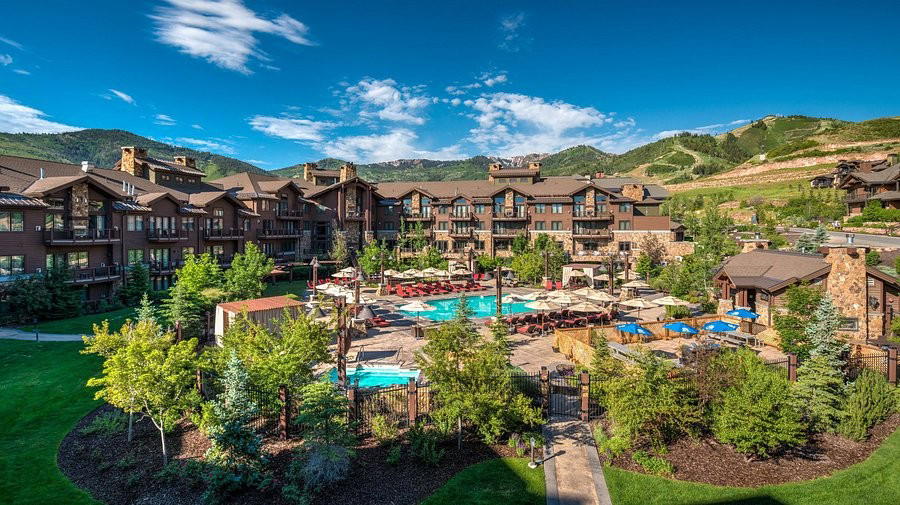
Hotels in Park City
Browse all →
Bars in Park City
Browse all →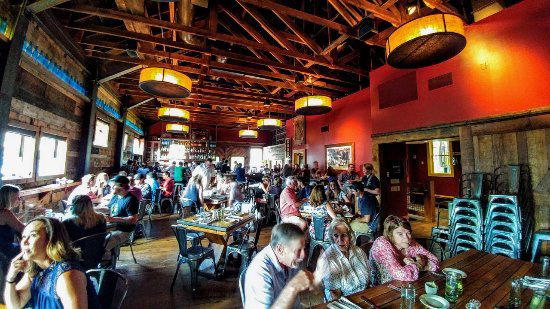
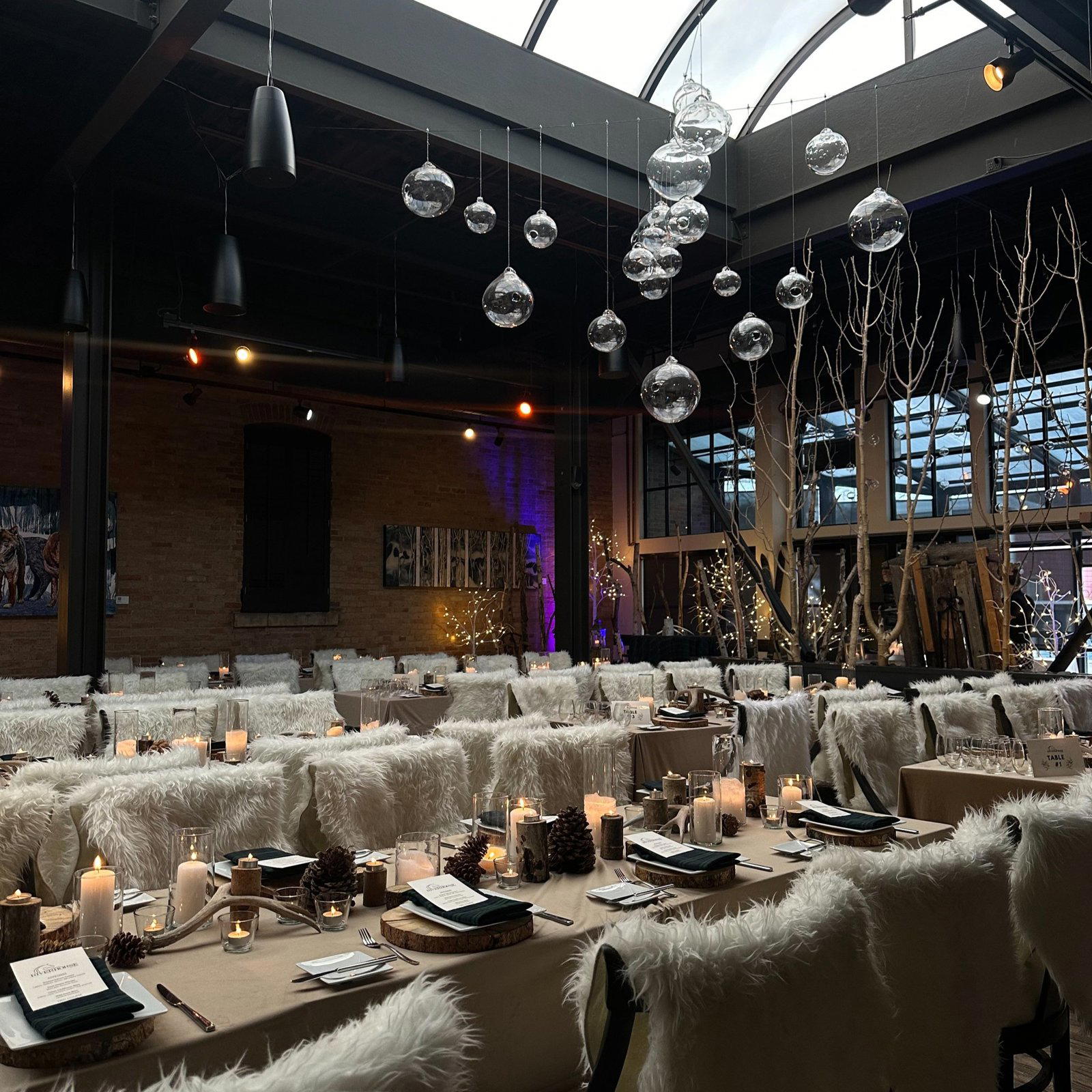
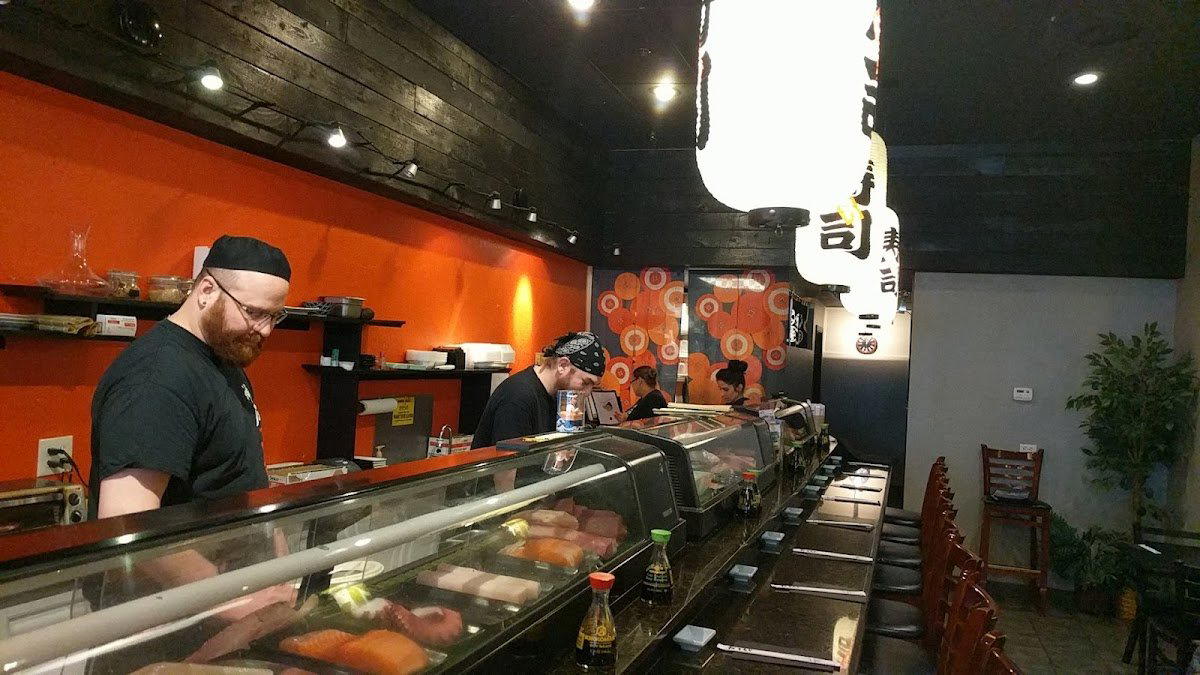
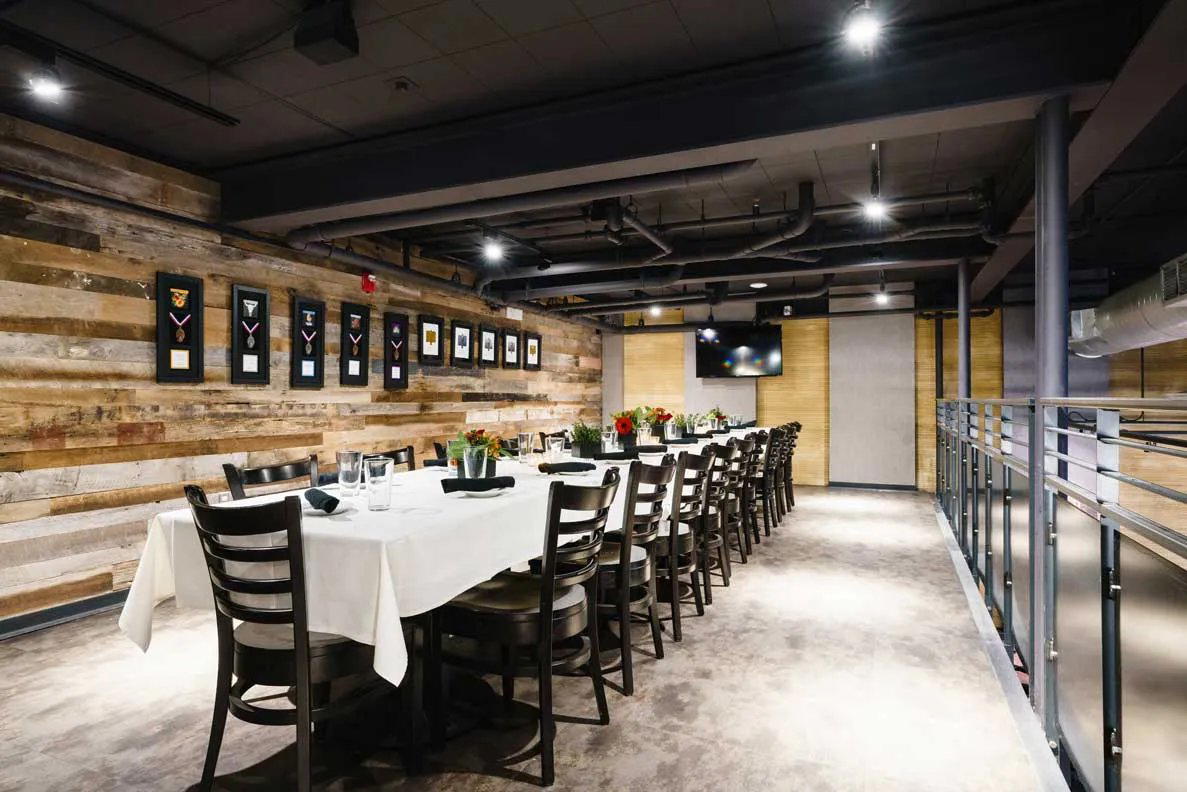
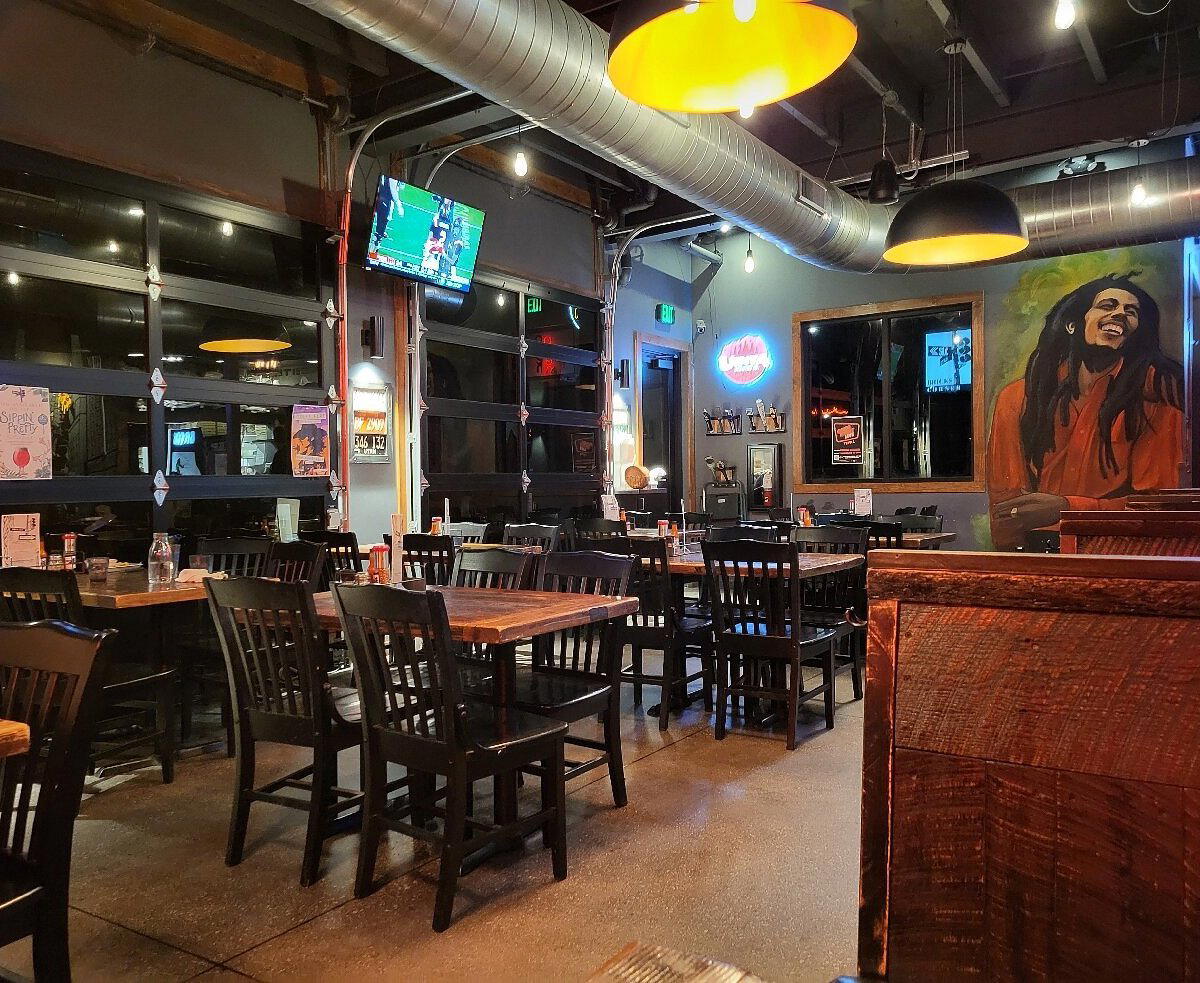
Restaurants in Park City
Browse all →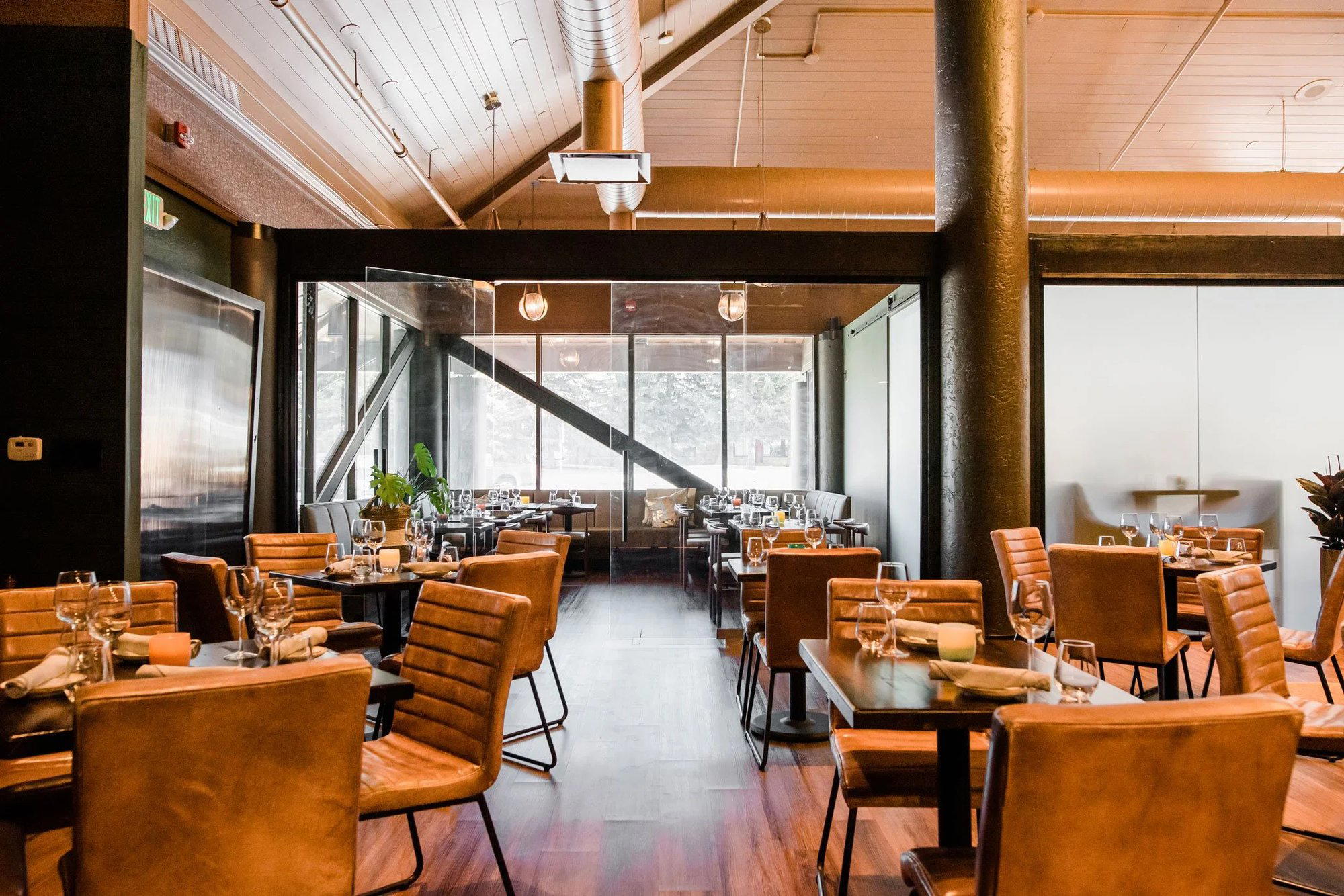
Wineries in Park City
Browse all →
At a Glance
- Modern
- Scenic
- Cozy
- Lively
- Rustic
- Family Vacation
- Business Trip
- Weekend Escape
- Group Retreat
- Panoramic View
- Design Destination
- Historic Building
- Wi Fi
- Pool
- Hot Tub
- Sauna
- Restaurant
- Bar
- Room Service
- Concierge
- Business Center
- Valet Parking
- Free Parking
- Fitness Center
- Laundry Service
- Airport Shuttle
- Mountain
- Wi Fi
- Pool
- Hot Tub
- Sauna
- Restaurant
- Bar
- Room Service
- Concierge
- Business Center
- Valet Parking
- Free Parking
- Fitness Center
- Laundry Service
- Airport Shuttle
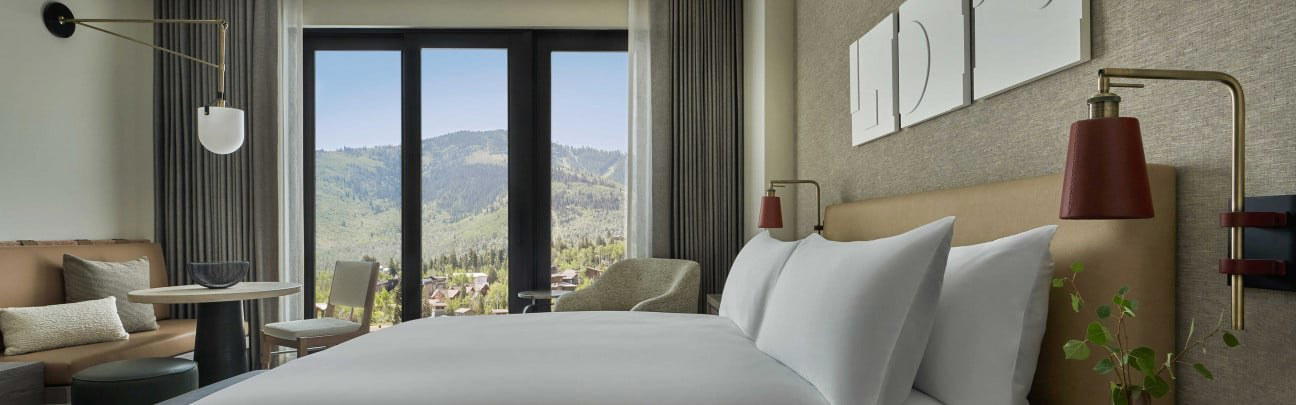
Bright and airy with floor-to-ceiling windows, a mountain-lodge entrance, contemporary art, and a friendly, social lobby that feels active without being formal.