Park City Mountain
Park City Mountain sits at the center of Summit County's ski identity, covering more than 7,300 acres across interconnected terrain that ranges from groomed cruisers to high-alpine bowls. The resort anchors a town that operates at two speeds: powder-chasing winters and festival-driven summers. For a deeper orientation to the area, see our full Summit County restaurants guide.
Pearl is the En Primeur Club membership app — saves, bookings, and concierge access live there. Same editors, same standards.
- Address
- Park City, UT
- Phone
- +1 435 649 8111
- Website
- parkcitymountain.com
- Directions
- Get directions
 Saves & bookings on Pearl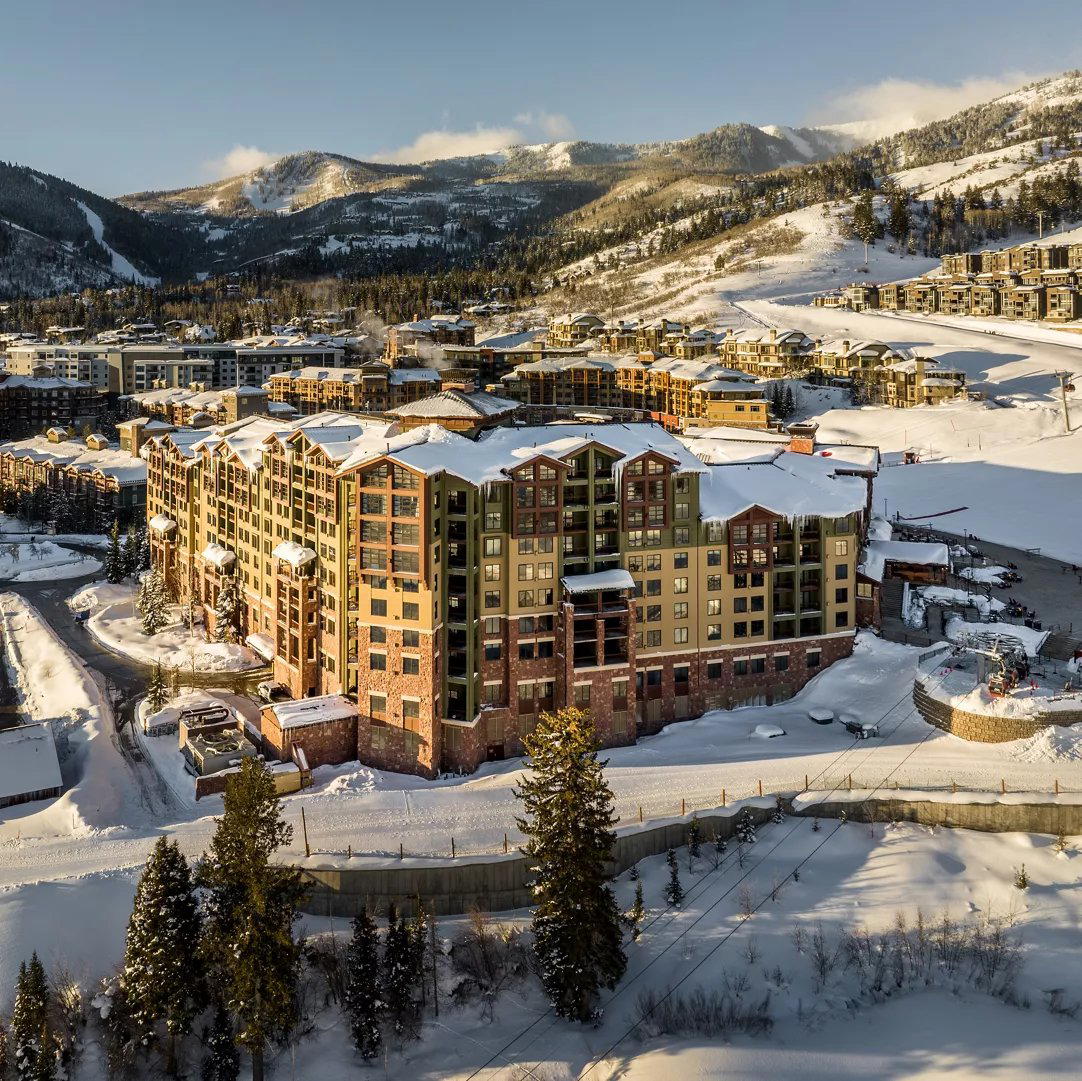
Where the Mountain Becomes the Architecture
There is a particular quality of light at elevation in the Wasatch Range, the way thin air sharpens edges and makes distant ridgelines look painted rather than real. Arriving at Park City Mountain, that quality is the first thing you register before any signage, any lodge, any lift infrastructure. The terrain itself is the primary design element, and everything built here responds to it rather than competing with it. This is the foundational logic of mountain resort architecture in the American West: the landscape sets the brief, and the built environment either earns its place or looks foolish against the scale of what surrounds it.
Park City, UT is a 4-star mountain resort with about 300 rooms, and nightly rates start around $300. That vertical range shapes not just the skiing but the entire spatial experience of the resort. The lodges, plazas, and lift terminals are distributed across a geography that forces movement, you are never simply standing still in this place. Even at rest, the sightlines pull outward toward ridges and bowls. It is an environment built by topography first, by architects second.
The Terrain as Spatial Experience
With more than 7,300 acres spread across what was historically two separate resorts, merged under Vail Resorts in 2015, Park City Mountain now presents one of the largest single lift-accessed footprints in the United States. That scale has a specific architectural consequence: the resort cannot be read from a single point of view. There is no grand axis, no central belvedere from which you see the whole. Understanding the mountain requires movement through it, a process of accumulating partial views that eventually compose into a mental map.
This matters because it shapes the experience of every visitor differently depending on which pods, bowls, or terrain parks they access. Skiers who spend their days in the Canyons Village section, connected via the Flatiron lift, are having a physically distinct spatial experience from those working the Jupiter Peak zone or the groomed runs descending into the historic Park City base. The resort's design challenge across this footprint has been to maintain coherent wayfinding without reducing the terrain to a theme park. It is an ongoing negotiation, and the scale of it is the story.
Amangani in Jackson Hole operates from a single ridge-line structure where every room faces the Tetons, a controlled frame of the landscape. Amangiri in Canyon Point uses concrete that echoes the surrounding sandstone, folding architecture into geology rather than placing it on leading. Park City Mountain is neither of these things. It is a mass-market resort that has absorbed two resorts into one operational system, and its architecture reflects that origin: functional, distributed, built for throughput as much as aesthetics.
The Base Villages: Two Identities, One Mountain
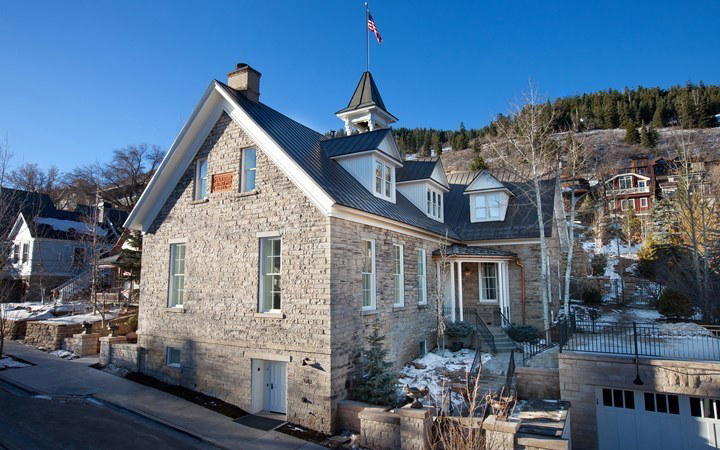
The two primary base areas, Park City Village and Canyons Village, carry distinct architectural characters that reflect their separate histories. Park City Village retains its connection to the historic town, where nineteenth-century mining-era buildings along Main Street sit within walking distance of the resort base. The older structures along lower Main Street are genuinely historic, dating to a silver-mining economy that collapsed long before the ski industry arrived, and their presence gives the base area a texture that purpose-built ski towns typically lack.
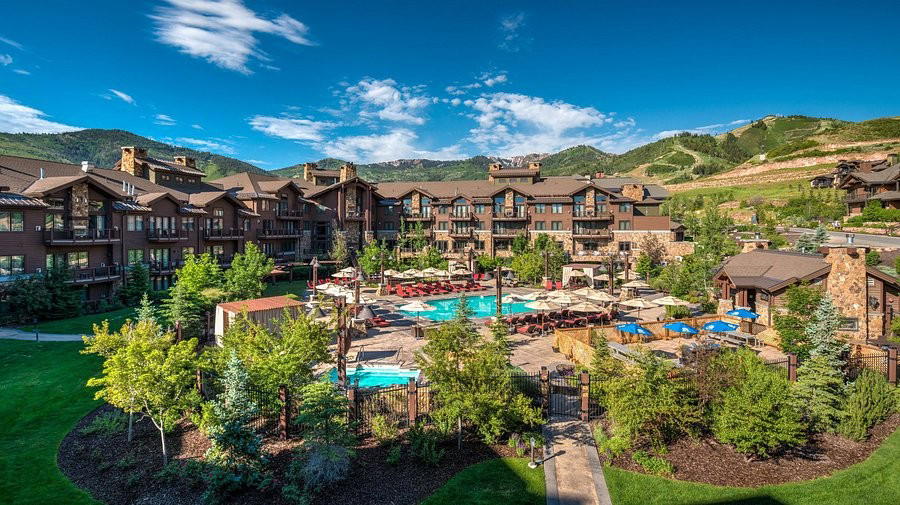
Canyons Village, by contrast, was developed as a self-contained resort destination and reads accordingly: a pedestrian village plaza lined with ski-in, ski-out accommodation, restaurants, and retail, organized around a gondola arrival point. The architecture here follows the familiar Western resort vernacular, timber, stone cladding, pitched rooflines, executed competently without particular ambition. The Hyatt Centric Park City represents the kind of contemporary hotel product this village format supports: full-service, centrally located, designed to serve the ski-first traveler rather than the design-led guest.
Post Ranch Inn in Big Sur and Ambiente in Sedona both use local topography as an active design constraint, minimizing visual intrusion. Alpine Falls Ranch in Superior applies a similar logic to Montana's foothill terrain. These are smaller-scale, design-forward alternatives to the mountain mega-resort format. The hotel sits in a different category, it is a resort system, not a resort hotel, and its scale makes comparisons to single-property lodges structurally inexact.
Summer and the Off-Season Character
The hotel operates across seasons, which is now standard for major American ski resorts seeking to spread fixed infrastructure costs across more visitor-days. Summer programming typically includes mountain biking on converted ski trails, lift-accessed hiking, and outdoor events. The Town of Park City hosts the Sundance Film Festival each January, which transforms the lower-mountain base area and Main Street into a dense, event-driven environment that is functionally different from its ski-season character. Accommodations book months in advance for Sundance period, and the architectural intimacy of historic Main Street, which works well at ski-season foot traffic levels, compresses noticeably under festival crowds.
Planning Your Visit
Summit County is accessible via Salt Lake City International Airport, which sits approximately 35 miles from Park City. The resort's ski season generally runs from late November through April, depending on snowpack. Summer operations run from roughly late June through early September. The Sundance Film Festival occupies late January and represents a separate demand peak that changes the town's pricing and availability structure entirely. Visitors planning a ski-specific trip are better served by early January or late February, when festival traffic has cleared and snowpack is typically at its seasonal depth. Blackberry Farm in Walland's immersive rural model to Canyon Ranch Tucson's wellness-forward format, helps clarify where the hotel sits: firmly in the high-volume, terrain-first category, where the mountain is the product and the hospitality infrastructure exists to support access to it.
At-a-Glance Comparison
Comparable venues nearby, for context on price, style, and recognition.
| Venue | Cuisine | Price | Awards | Notes |
|---|---|---|---|---|
| Park City MountainThis venue — the venue you are viewing | luxury ski-in/ski-out resort | $$$ | 4-Star | Not listed |
| Hyatt Centric Park City | Alpine-style lodge with mountain contemporary design and chalet-inspired touches. | $$$$ | 4-Star | Canyons Village |
| Park City Alpine Slide | Outdoor adventure attraction integrated into mountain resort infrastructure | $$ | 4-Star | Mountain Village |
| Historic Park City Alliance | Historic mountain resort collection maintaining authentic ski town character with modern hospitality standards | $$ | 4-Star | Main Street Historic District |
| Stein Eriksen Lodge Deer Valley | Authentic European alpine luxury lodge blending contemporary sophistication with nostalgic mountain grace, positioned as a premier year-round destination resort. | $$$$ | 5-Star | Deer Valley |
| The Goldener Hirsch, Auberge Collection | Alpine chalet blending historic Austrian inn with contemporary luxury residences | $$$$ | 5-Star | Deer Valley |
Continue exploring
More in Park City
Hotels in Park City
Browse all →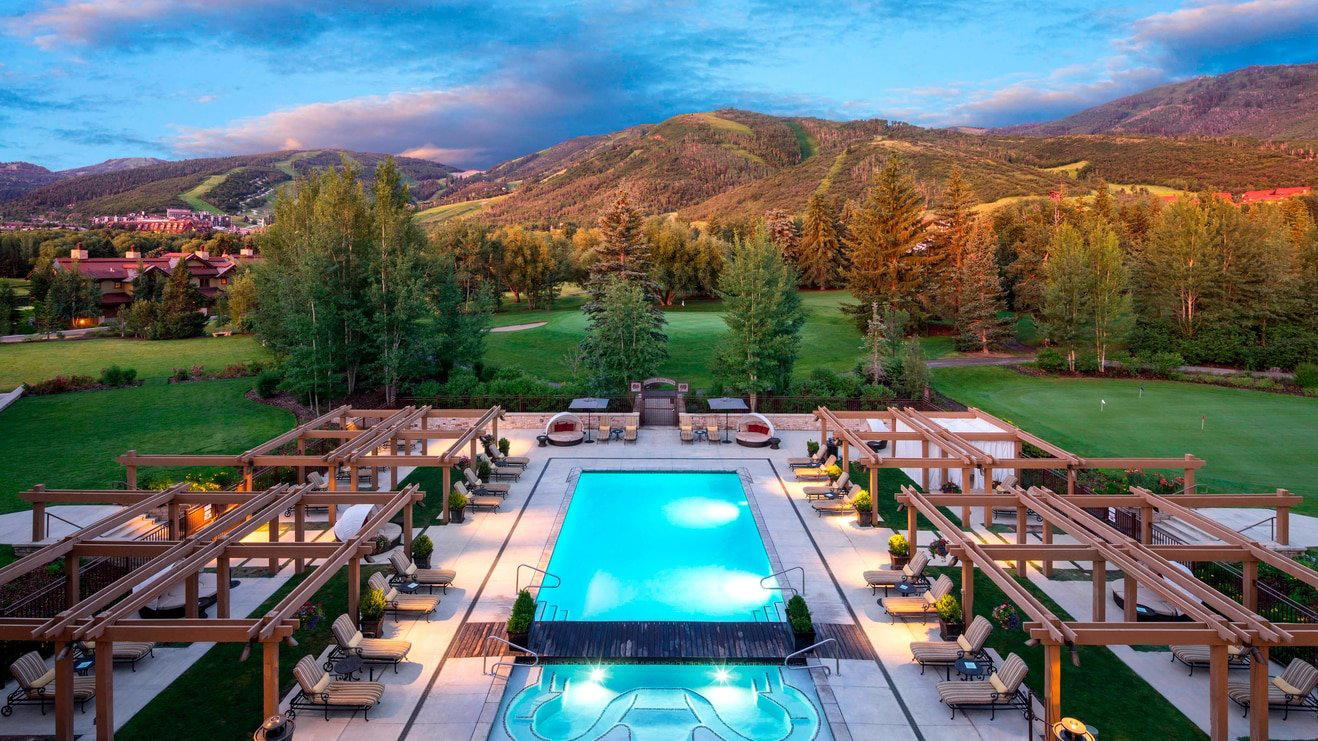
Bars in Park City
Browse all →
Restaurants in Park City
Browse all →
Wineries in Park City
Browse all →
At a Glance
- Scenic
- Rustic
- Modern
- Elegant
- Family Vacation
- Weekend Escape
- Group Retreat
- Ski In Ski Out
- Panoramic View
- Pool
- Spa
- Fitness Center
- Room Service
- Concierge
- Mountain
- Pool
- Spa
- Fitness Center
- Room Service
- Concierge
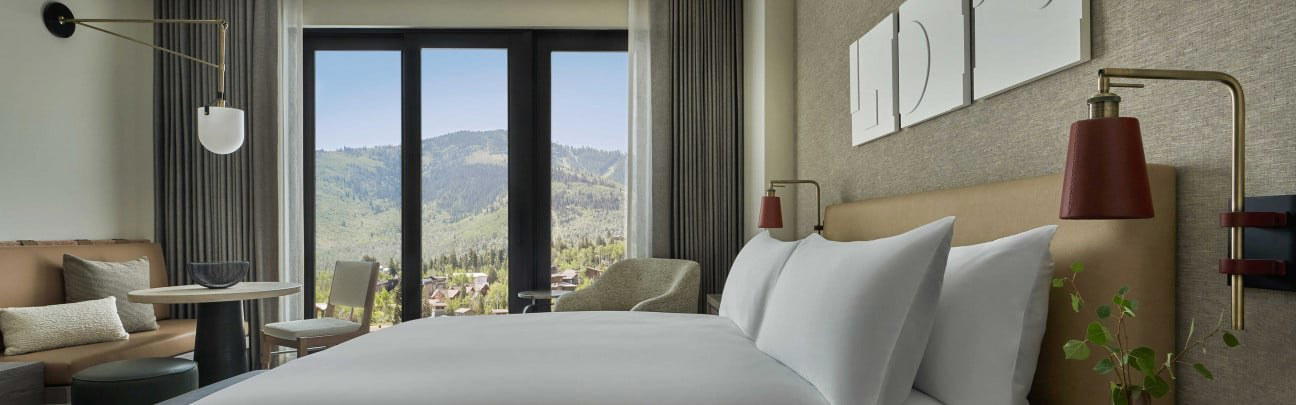
Modern elegance with dramatic mountain views, expansive heated pool, hot tubs, and sophisticated dining options.