Spargus

Falstaff Restaurant - 94 Falstaff Points
Our verdict
Spargus sits in the Škalce valley outside Slovenske Konjice, a corner of Lower Styria where the cooking tradition runs as deep as the vine rows on the surrounding slopes. The restaurant draws on the agricultural character of the region, placing local sourcing at the centre of its approach. For visitors tracing Slovenia's quieter fine-dining circuit, it represents a less-trafficked entry point into Styrian table culture.

Pearl is the En Primeur Club membership app, where members save venues, book tables and use the concierge.
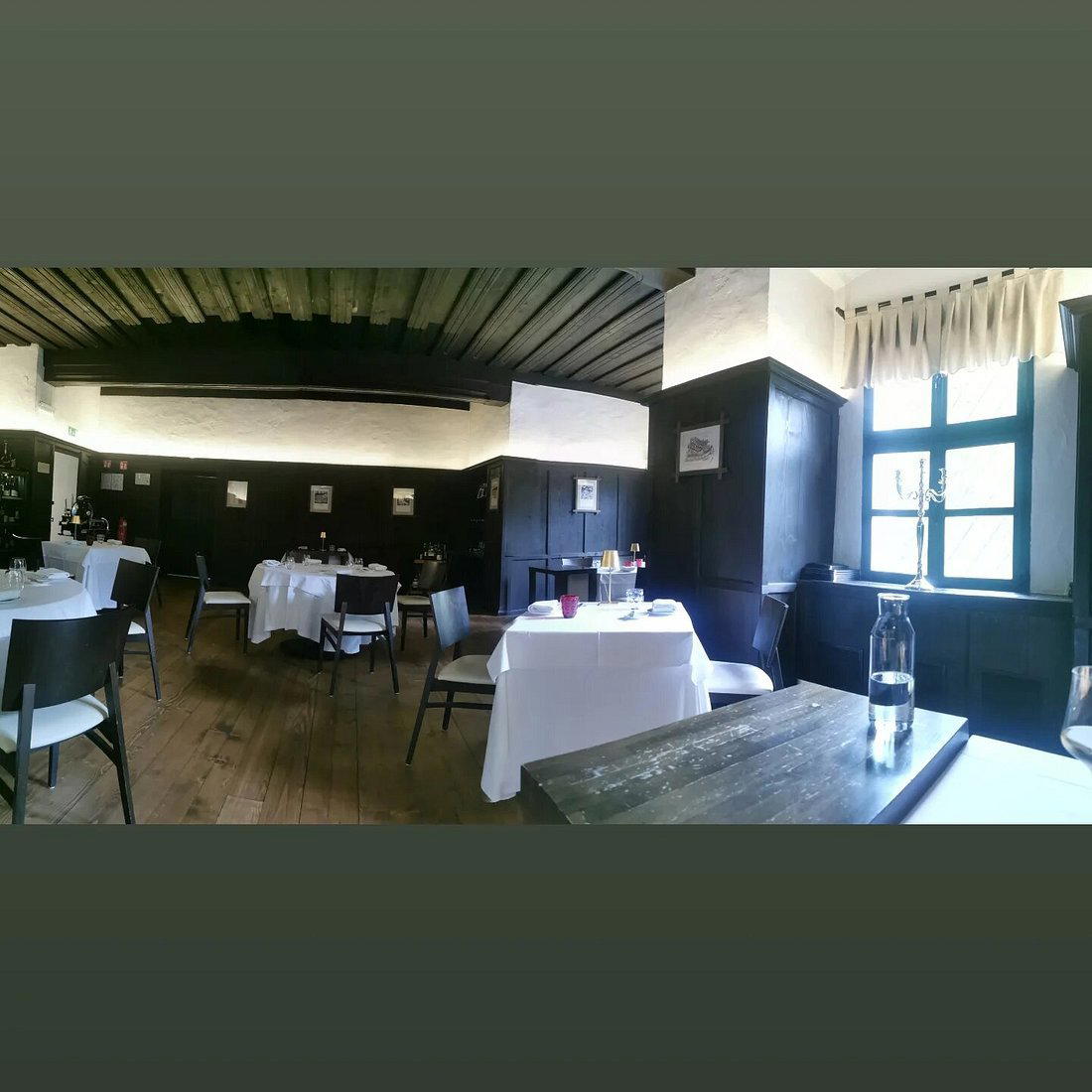
Where the Škalce Valley Sets the Table
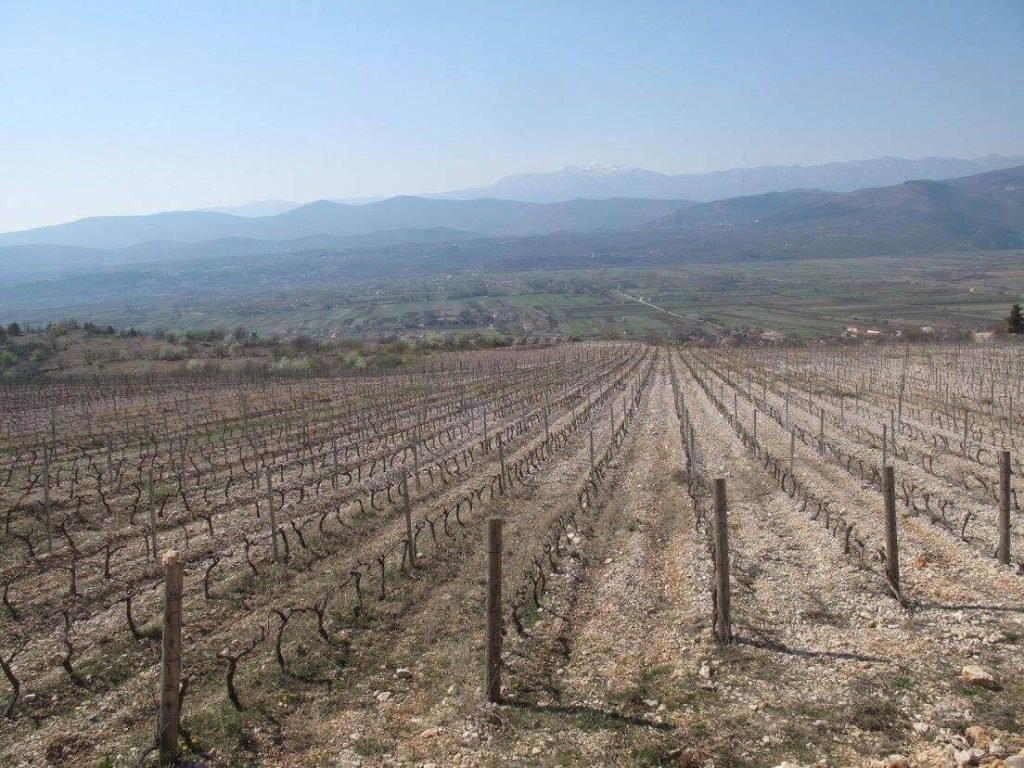
The road to Spargus runs through a stretch of Lower Styrian countryside that most visitors to Slovenia drive past on their way to somewhere else. The hills above Slovenske Konjice carry old vine terraces and orchard rows that predate the current enthusiasm for regional sourcing by several generations. Arriving at the address in Špitalič pri Slov. Konjicah, the agricultural logic of the surroundings makes immediate sense: this is a part of Slovenia where the land has always dictated the menu, and the kitchen at Spargus operates inside that same logic.
Slovenske Konjice sits in the Dravinja valley corridor, roughly equidistant between Celje to the east and Maribor to the north. It is not a dining destination in the way that Kobarid or Vipava are, there are no Michelin flags planted in the main square, but that absence is also what keeps the cooking here honest. Restaurants in lesser-known Slovenian towns tend to answer to a local clientele first, which typically produces more grounded, seasonally responsive menus than the international-facing tasting formats you find further west. For context on how that dynamic plays out across the country, our full Slovenske Konjice restaurants guide maps the broader scene.
The Sourcing Logic of Lower Styria
Slovenia's fine-dining movement, which accelerated sharply through the 2010s, has been defined in large part by a commitment to hyper-regional ingredients. Hiša Franko in Kobarid made that argument to an international audience; Grič in Šentjošt nad Horjulom has built an entire farm-to-table operation around the same principle at the €€€€ tier. What distinguishes the Styrian version of this approach is its connection to a specific agricultural economy: the Škalce and Dravinja valleys produce asparagus, stone fruits, pumpkins, and a range of field vegetables that have fed the region for centuries before anyone called it provenance.
The name Spargus is itself a signal. The Latin root for asparagus, it points directly at one of the most characteristic ingredients of Styrian spring cooking. In this part of Slovenia, white asparagus season is a genuine calendar event, the kind of produce moment that structures menus for six to eight weeks and then disappears entirely. Restaurants in the region that work seriously with local supply chains build their spring programming around it and then pivot hard when it's gone. That cyclical discipline, cooking what the land offers, when it offers it, is a more demanding editorial framework than a fixed menu, and it tends to produce kitchens with genuine seasonal range.
This sourcing orientation places Spargus in the company of Slovenian restaurants that treat the agricultural region as the primary creative constraint. Gostilna Pri Lojzetu in Vipava operates on similar principles in the Vipava valley, as does Hiša Denk in Zgornja Kungota, which sits in the wine-growing hills north of Maribor and draws its identity from Štajerska terroir. The regional restaurant in this mould is less interested in international reference points than in making the argument that a specific valley or hillside produces ingredients worth cooking seriously.
The Styrian Table Tradition
Lower Styria has its own culinary grammar, distinct from the Karst and Vipava traditions that dominate Slovenia's international food press. Pumpkin seed oil appears as a finishing note rather than a novelty. Freshwater fish from the Dravinja and Savinja river systems anchor the protein side of menus in a way that coastal Adriatic cooking does not replicate. Bread and fermented dairy products carry a weight that reflects the Central European agricultural inheritance rather than Mediterranean influence.
The gostilna tradition, the Slovenian country inn that functions simultaneously as restaurant, community gathering point, and keeper of regional recipes, is strongest in precisely this kind of rural Styrian setting. The format predates the fine-dining category entirely and has proved more durable than most. When newer restaurants in this region work at a higher technical register, they typically do so by processing those gostilna-rooted ingredients through more considered technique rather than by replacing them with imported references. That tension between inheritance and ambition is what gives the better Styrian kitchens their particular character. For a sense of how that plays out in nearby Celje, Gostilna Oštirka offers a useful comparison point.
Slovenia's Quieter Fine-Dining Circuit
The international narrative around Slovenian gastronomy has been dominated by a handful of marquee names. Milka in Kranjska Gora and Hiša Linhart in Radovljica operate at the creative €€€€ tier with the kind of international recognition that brings advance bookings from across Europe. Restavracija Strelec in Ljubljana anchors the capital's fine-dining options with its castle-set position. These are the restaurants that appear in the shortlists and supplement guides.
Circuit that runs through Lower Styria operates on a different frequency. Places like Pavus in Laško, the spa town just east of here, serve a more regional clientele and carry a different kind of authority, one rooted in local trust rather than international validation. That doesn't make them lesser, but it does mean the visitor who arrives without a prior reference point needs to approach them differently, with patience for a format that isn't performing for an audience beyond the valley.
For those building a wider Slovenian itinerary that balances marquee stops with regional depth, Dam in Nova Gorica and Gostilna Mlinar in Idrija represent two further points on the quieter circuit, each with its own regional agricultural logic. Further afield, Gostišče Neptun in Piran and Turistična Kmetija Breg in Brda show how the same farm-and-place orientation applies across Slovenia's other agricultural regions.
Planning a Visit
Spargus is located at Špitalič pri Slov. Konjicah 9 in the municipality of Loče, a short drive from the centre of Slovenske Konjice. The area is leading reached by car; public connections to this specific valley address are limited. Visitors coming from Ljubljana should allow roughly an hour and a quarter by road; from Maribor, the drive is closer to forty minutes. Spring, when asparagus season peaks across Lower Styria, is the most relevant window for visitors whose interest runs to seasonal regional cooking. Direct contact details and booking procedures are best confirmed locally, as neither a telephone number nor a website is currently listed in available directories. Given the rural setting and the typical operating model of Styrian country restaurants, advance contact before a dedicated visit is advisable.
Frequently asked questions
Would Spargus be comfortable with kids?
Spargus sits in a rural setting at Špitalič pri Slov. Konjicah 9, outside the centre of Slovenske Konjice, which gives it a relaxed, unhurried pace that can suit families. That said, the restaurant positions itself within Slovenia's fine-dining circuit, where tasting-format meals tend to run long and the focus is on the table rather than the room. Families with older children who are comfortable at the dinner table will find the setting less pressured than an urban restaurant of comparable standing.
What's the vibe at Spargus?
Spargus occupies a stretch of Lower Styrian countryside that reads as working farmland rather than a stage-set destination, and the atmosphere reflects that. The approach aligns with Slovenia's hyper-regional fine-dining movement: produce-led, place-specific, and without the self-conscious theatre that marks some Ljubljana peers. Expect a meal that feels grounded in the Škalce Valley rather than performing for an international audience.
Is Spargus worth the drive from Ljubljana or Maribor?
Spargus is located in Loče municipality near Slovenske Konjice, placing it roughly equidistant between Ljubljana and Maribor in the heart of Lower Styria. It operates on a quieter circuit than the marquee Slovenian names that dominate international food press, which is precisely the point for travellers who want to eat in the region rather than just pass through it. The drive through the Škalce Valley is part of the logic of the meal.
What's the best thing to order at Spargus?
Spargus draws on the culinary grammar of Lower Styria, where pumpkin seed oil, freshwater fish, and foraged produce are central rather than decorative. The kitchen's sourcing logic follows regional availability, so the menu shifts with the season and the valley's harvest. Asking the team what is freshest that day is the most reliable way to eat well here, given that the restaurant's identity is built on that very principle.
How do I find Spargus?
Spargus is located at Špitalič pri Slov. Konjicah 9, 3215 Loče, Slovenia, Slovenske Konjice.
Comparable Spots, Quickly
Comparable venues nearby, for context on price, style, and recognition.
| Venue | Cuisine | Price | Awards | Notes |
|---|---|---|---|---|
| SpargusThis venue (the venue you are viewing) | Contemporary Slovenian Fine Dining | Not listed | Falstaff Restaurant - 94 Falstaff Points | Not listed |
| Gostilna Šempeter | Slovenian Kozjansko | Not listed | Not listed | Bistrica ob Sotli |
| Špajza Restaurant | Mediterranean Slovenian Fine Dining | $50–100 | Not listed | Ljubljana Old Town |
| Gostilna pri lipi | Traditional Slovenian | Not listed | Not listed | Lackova cesta |
| VINO GAUBE | Slovenian Local Tasting Menus | $30–50 | Falstaff Winery - 3 Stars | Zgornja Kungota |
| Gostilna Zorko | Traditional Slovenian Prlekija Cuisine | Not listed | Not listed | Križevci pri Ljutomeru |
Recognition history
Dated appearances from independent guides and award organizations, with the underlying list record or original source where available.
Falstaff Restaurant - 94 Falstaff Points
Falstaff
Continue exploring
More in Slovenske Konjice
Restaurants in Slovenske Konjice
All restaurants in Slovenske Konjice →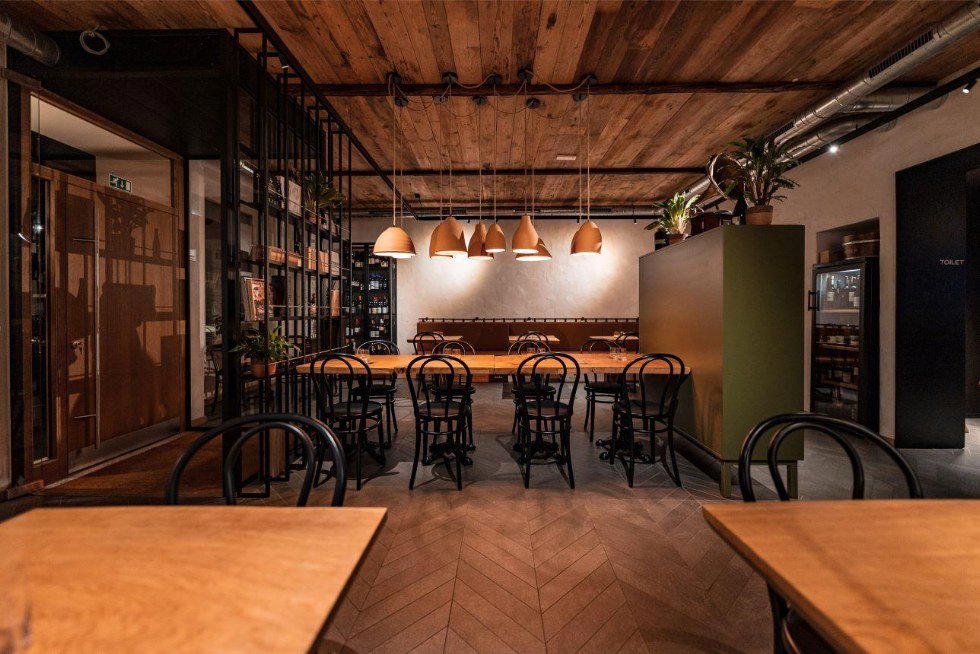
Bars in Slovenske Konjice
Browse all →
Hotels in Slovenske Konjice
Browse all →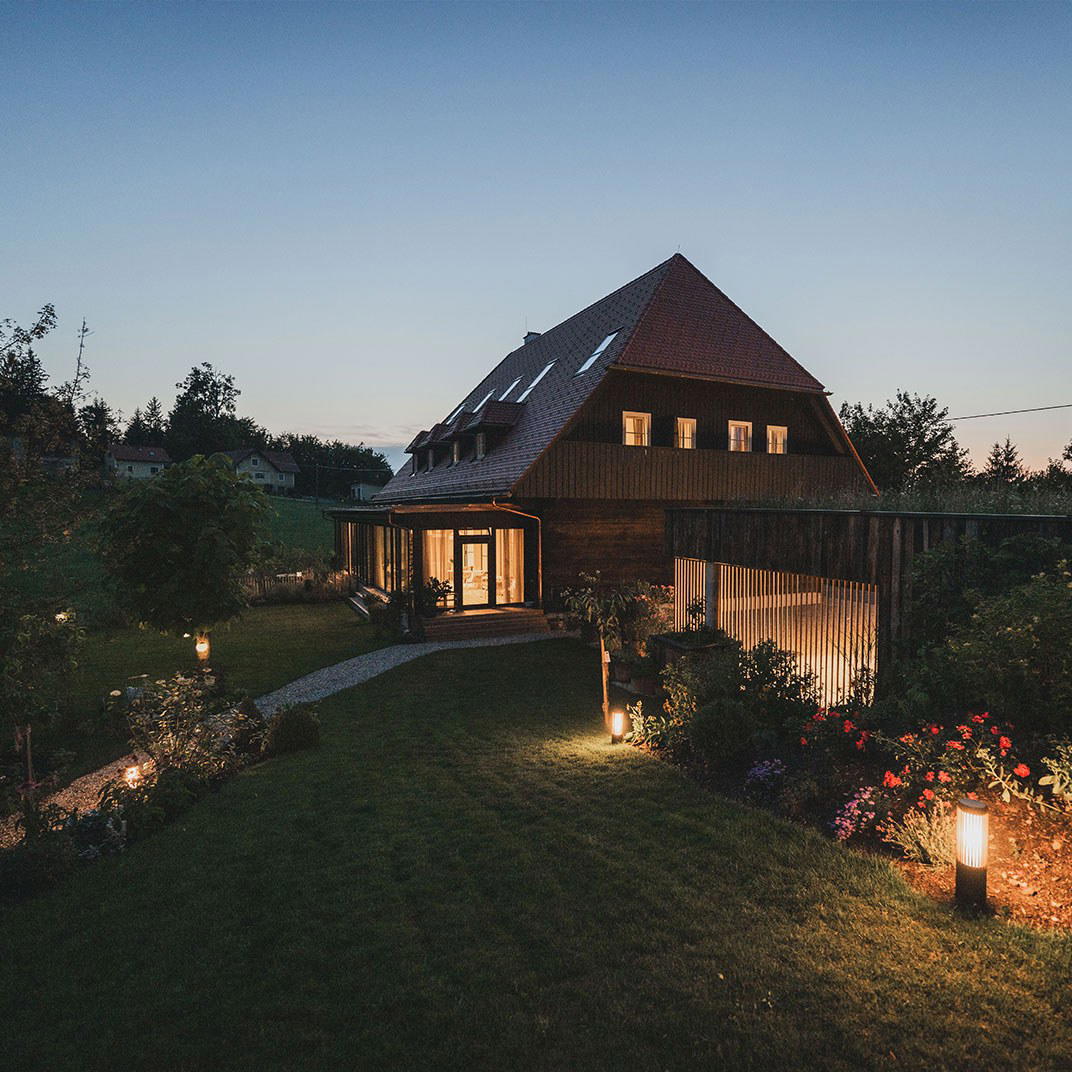

Details
- Elegant
- Historic
- Intimate
- Cozy
- Special Occasion
- Date Night
- Historic Building
- Extensive Wine List
- Local Sourcing
- Tasting Menu
- A La Carte
- Vegetarian Friendly
Current opening hours
- Monday
- Closed
- Tuesday
- Closed
- Wednesday
- 6–10 PM
- Thursday
- 6–10 PM
- Friday
- 12–10 PM
- Saturday
- 12–10 PM
- Sunday
- 12–5 PM
Hours can change for holidays and private events. Hours as of .
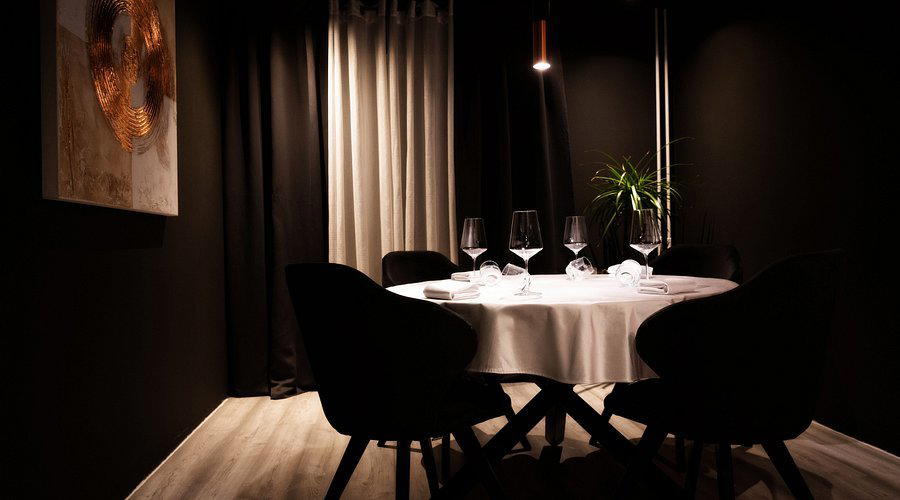
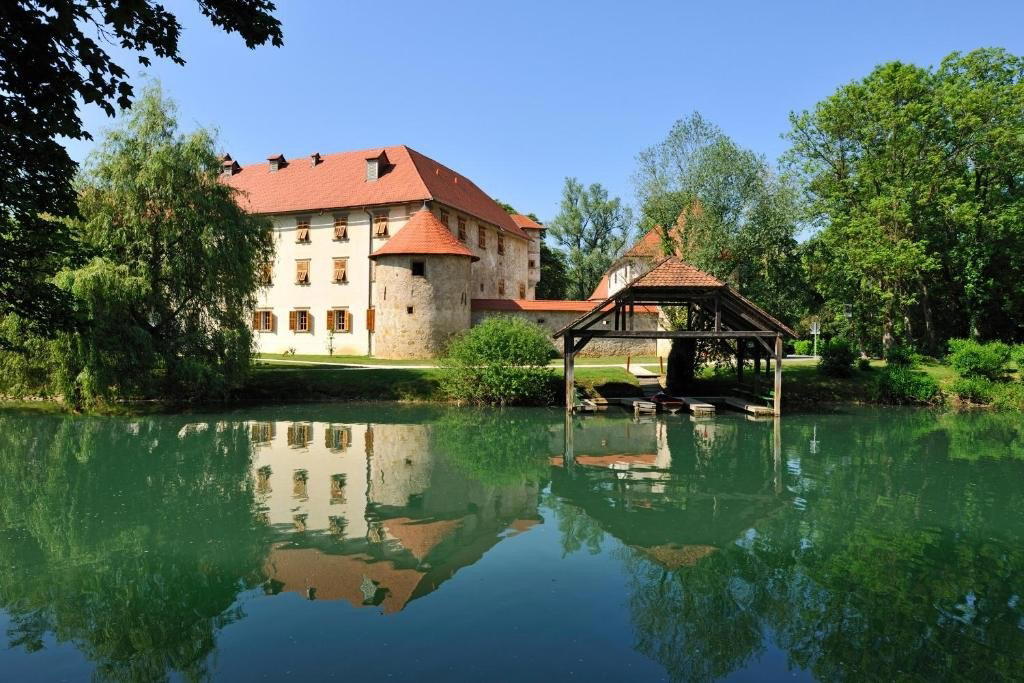
Historic upper rooms intertwining centuries-old heritage with modern gastronomic vision in a peaceful valley setting.