Somaek


A traditional Korean restaurant in Downtown Crossing, Somaek brings the flavors of Korean home cooking to Boston's city center, steps from Boston Common. The menu spans pan-fried seafood pancakes, soybean paste stews, and a beverage list built around Korean-inspired cocktails, including the namesake soju-and-beer combination. It occupies a distinct niche in a Boston dining scene where Korean cuisine remains underrepresented at the sit-down level.
Pearl is the En Primeur Club membership app — saves, bookings, and concierge access live there. Same editors, same standards.
- Address
- 11 Temple Pl, Boston, MA 02111, United States
- Phone
- +1 857-449-9003
- Website
- somaek.com
- Directions
- Get directions
 Saves & bookings on Pearl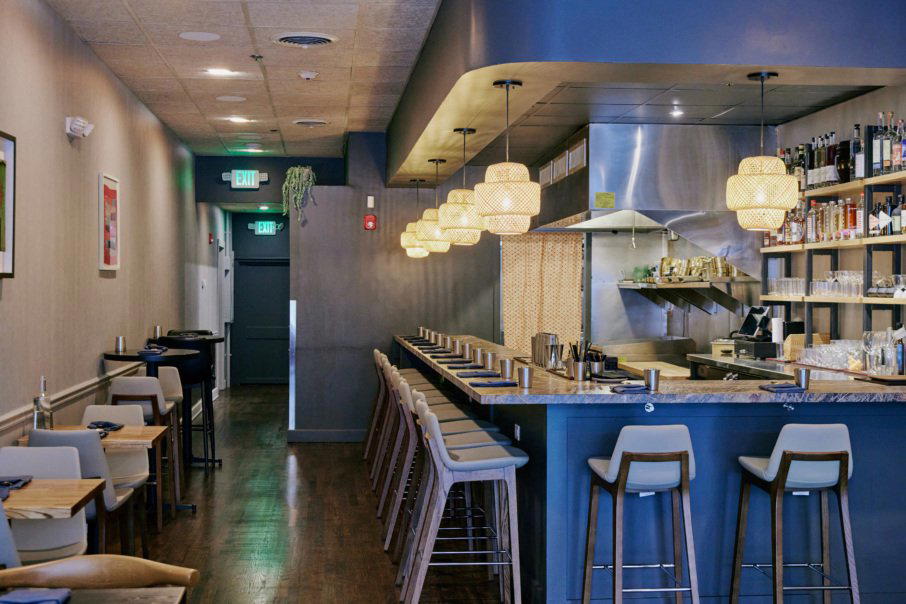
Korean Home Cooking in the Heart of Downtown Crossing
Downtown Crossing sits at a curious intersection in Boston's dining map: close enough to the Financial District to pull a lunchtime crowd, near enough to the Theater District to catch pre-show traffic, and just a short walk from Boston Common. The neighborhood has seen a wave of independent restaurants move in alongside its retail redevelopment, and Somaek, at 11 Temple Place, represents one of the more culturally specific additions to that mix. Where much of the surrounding area defaults to Italian, New American, and steakhouse formats, Somaek anchors itself in traditional Korean cooking, a category that remains genuinely sparse at the sit-down restaurant level in central Boston.
Korean cuisine in American cities has long operated on two tracks: the large-format barbecue hall, where the spectacle of tableside grilling drives the experience, and the quieter tradition of home-style cooking, where fermented pastes, slow-cooked stews, and pan-fried snacks form the backbone of the meal. Somaek belongs firmly to the second category. The menu draws on Korean home cooking, and that framing matters for understanding what to expect. This is food built around restraint and patience, not showmanship.
What the Menu Reflects About Korean Culinary Tradition
Korean cuisine's depth comes partly from its reliance on fermented and aged ingredients. Doenjang, the fermented soybean paste, is one of the oldest condiments in Korean cooking, with roots going back centuries in the peninsula's culinary record. At Somaek, the doenjang jjigae uses that paste as the base for a broth filled with diced pork belly, clams, soft tofu, and potatoes. The combination is not decorative; each element plays a functional role, with the briny clams pulling against the earthiness of the paste and the tofu softening the whole register. This is a stew built for satisfaction rather than drama, which places it squarely in the tradition it references.
The jogae jeon, pan-fried clam pancakes topped with chive salad and served alongside a soy sauce and rice wine vinegar dipping sauce, represents another strong line in traditional Korean cooking. Jeon, or pan-fried battered dishes, appear across Korean home tables as snacks, side dishes, or light meals. The clam-studded version at Somaek follows that format closely: the pancake is the vehicle, the dipping sauce provides acidity and salt, and the chive salad on leading adds a fresh counterpoint. Compared to the louder appetizers common in Korean-American restaurant contexts, it is a considered choice.
Boston's Korean restaurant options in the city center are limited. For comparison, the raw bar and seafood corridor along the waterfront, represented by venues like Neptune Oyster, operates in a different register, and Japanese-leaning spots such as 311 Omakase or O Ya occupy the premium end of Asian cuisine in the city. Somaek sits outside those comparable venues entirely, which means its closest competitive comparison is not nearby but rather across the river or in the suburbs, where Korean restaurants tend to cluster. That geographic isolation in the downtown core is, at minimum, an argument for its existence.
The Drinks: Understanding Somaek the Cocktail
The restaurant's name comes directly from the drink. Somaek is the Korean portmanteau of soju (소주) and maekju (맥주, beer), the combination poured and stirred at tables across South Korea, typically with a specific ratio and a quick stir that creates a light, slightly effervescent drink. It is widely consumed in Korea as a social lubricant, neither expensive nor pretentious, and its placement as the restaurant's namesake signals something about the tone the kitchen is aiming for: approachable, rooted, and culturally honest.
The beverage list extends that logic into a cocktail program that references Korean ingredients without reducing them to novelty. A ginseng tonic and the Jeju-do, made with vodka, citrus, and coconut orgeat, bring ingredients and place names from the Korean context into a cocktail format that doesn't require specialist knowledge to enjoy. Jeju Island, the volcanic island off the southern tip of the Korean peninsula, is associated with citrus orchards, and the cocktail's flavor profile reflects that reference. This approach, building a drinks list that reads as culturally grounded rather than culturally costumed, is more disciplined than it might first appear.
Somaek's drinks list sits outside the craft cocktail mainstream but operates with its own internal logic.
Placing Somaek in Boston's Wider Dining Picture
Boston's restaurant scene has become more globally varied over the past decade, though it still indexes heavily toward European-derived cuisine and New England seafood traditions. The premium dining tier, including places like Abe & Louie's for steakhouse, Bar Mezzana for Italian, and Asta for New American tasting menus, reflects that European lean. Korean cuisine, by contrast, has minimal representation in that upper tier locally. Nationally, restaurants like Atomix in New York City have demonstrated that Korean cooking can operate at the highest levels of fine dining, with tasting menu formats and deep sourcing protocols. Somaek is not that kind of operation; it is a neighborhood-accessible Korean restaurant, not an avant-garde showcase. But it occupies a gap in Boston's offerings that is real and worth acknowledging.
For those interested in how other American cities handle Korean cuisine at the fine-dining level, the New York comparison at Atomix offers a useful reference point.
Somaek's address at 11 Temple Place puts it within a short walk of Downtown Crossing's main transit hub, making it accessible from most Boston neighborhoods without requiring a cab or rideshare. The location sits just steps from Boston Common, which means the foot traffic mix skews toward office workers, hotel guests, and visitors exploring the central city. Additional dining options in the vicinity worth considering include Bar Volpe for Italian.
Planning Your Visit
Reservations in advance are advisable, particularly for weekend evenings. The restaurant's address at 11 Temple Place is direct to reach via the Downtown Crossing MBTA station on the Orange and Red lines.
Price Lens
Comparable venues nearby, for context on price, style, and recognition.
| Venue | Cuisine | Price | Awards | Notes |
|---|---|---|---|---|
| SomaekThis venue — the venue you are viewing | Downtown Crossing, Traditional Korean | $$$ | Michelin Plate | Not listed |
| Sanbada | Union Square, Korean Wood-Fired | $$ | Not listed | Not listed |
| Nowon Seaport | Not listed | $$ | Not listed | South Boston Waterfront, Korean-American Gastropub |
| Mai | Not listed | $$$ | Not listed | South Boston Waterfront, French-Inspired Japanese Izakaya |
| Bar Volpe | Not listed | $$$ | Bib Gourmand | South Boston, Southern Italian Grill & Pasta |
| Asta | Back Bay, Modern American Tasting Menu | $$$$ | Michelin Plate | Not listed |
Recognition history
Dated appearances from independent guides and award organizations, with the underlying list record or original source where available.
James Beard Award Semi Finalist
James Beard Award
Michelin Plate
Michelin
Continue exploring
More in Boston
Restaurants in Boston
Browse all →
Bars in Boston
Browse all →
Hotels in Boston
Browse all →
Wineries in Boston
Browse all →
At a Glance
- Intimate
- Trendy
- Sophisticated
- Date Night
- Casual Hangout
- Open Kitchen
- Sake Program
- Craft Cocktails
Current opening hours
- Monday
- 5–10 p.m.
- Tuesday
- 5–10 p.m.
- Wednesday
- 5–10 p.m.
- Thursday
- 5–10 p.m.
- Friday
- 5–10:30 p.m.
- Saturday
- 5–10:30 p.m.
- Sunday
- Closed
Hours can change for holidays and private events. Last verified .
Dimly lit intimate space with traditional Korean decor, woven lanterns, and soulful R&B music creating a sophisticated lounge atmosphere.