

Michelin Bib Gourmand · Tabelog 100 #91
Our verdict
A Michelin Bib Gourmand counter in Osaka's Tanimachi district where the soba philosophy runs counter to Kansai norms. Chef Yuto Kuroda trained in Kanto and hand-kneads ni-hachi noodles to a specific translucency, serving them cold on wicker baskets to preserve fragrance and bite. At single-digit yen prices, this is disciplined craft in a spare, natural-materials interior.

Pearl is the En Primeur Club membership app, where members save venues, book tables and use the concierge.
Cold Noodles, Warm Stone, and a Kanto Hand in Osaka
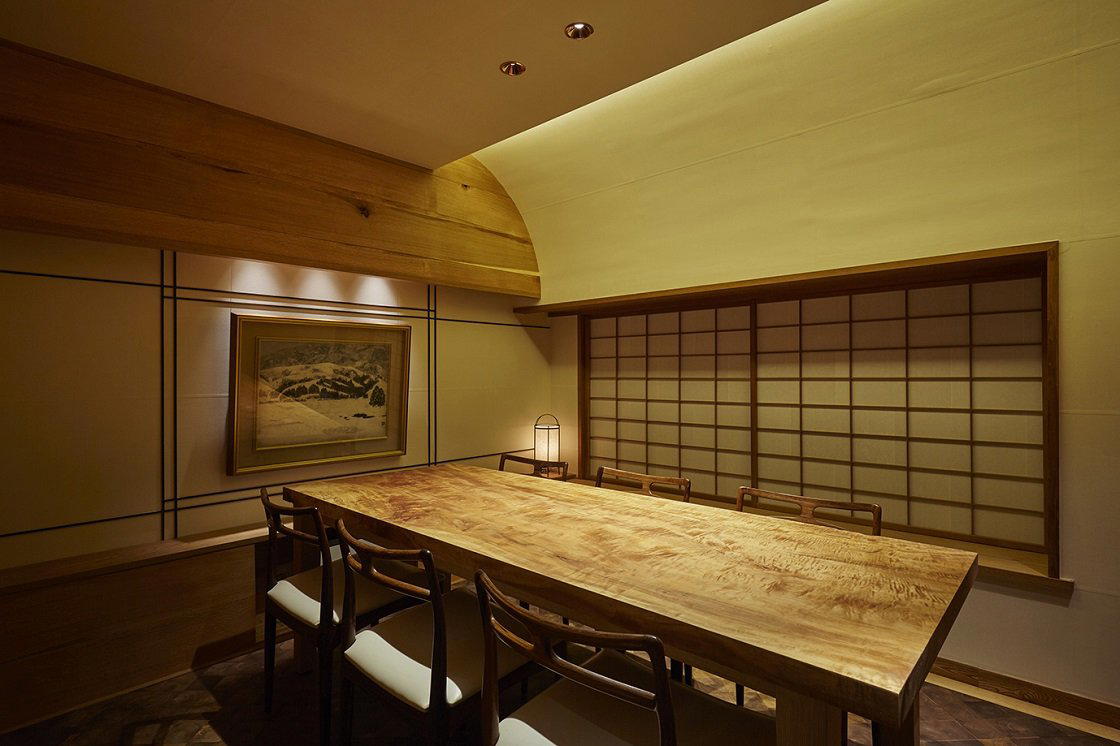
Step into the Tanimachi neighbourhood of Chuo Ward and the city's more theatrical dining energy gives way to something quieter. This stretch of Osaka sits between the museum quietude of Tanimachi-Yonchome and the old shrine precincts near Shitennoji, and it has a habit of accumulating the kind of small, serious restaurants that do not advertise loudly. Sobakiri Gaku fits that pattern. The interior reads as modern Japanese minimalism: counter seating, natural materials, a deliberate absence of visual noise. The room communicates what the food will ask of you before a noodle arrives.
Soba in Japan exists on a spectrum from fast, casual kake-soba in brothy soups to the kind of counter service where the grain's origin and the day's milling conditions are considered as carefully as a wine vintage. Sobakiri Gaku occupies the serious end of that spectrum in a city that, historically, has leaned toward Kansai-style udon as its noodle of first resort. That positioning matters. Osaka diners tend to be grain-agnostic at a competitive level, which means a soba specialist here earns its place on reputation and execution, not category default.
The Ni-Hachi Argument and What Cold Soba Demands
Understanding what Sobakiri Gaku is doing requires a short primer on soba blending. Pure buckwheat noodles (ju-wari) carry maximum grain flavour but are structurally fragile and demand high technical precision in both kneading and cutting. Ni-hachi, the blend used here, incorporates 20% wheat flour as a binder, improving tensile strength while preserving the buckwheat's characteristic aroma and colour. Chef Yuto Kuroda uses ni-hachi specifically to achieve a translucency in the finished noodle that signals the right hydration balance and kneading technique. That is not a concession to ease; it is an aesthetic target.
The decision to serve soba cold, on wicker baskets rather than in soup, places maximum emphasis on the noodle itself. Hot broth obscures textural imperfection and softens aroma. Cold, dry presentation on a zaru exposes everything: the bite, the surface sheen, the grain fragrance that rises from a properly made noodle. It is the soba equivalent of serving a wine at the correct temperature, where every variable becomes readable. This format is standard in many Tokyo specialist houses, but it signals a particular commitment in an Osaka room.
The dipping sauce draws directly on Kuroda's Kanto training. Kaeshi, the base mixture of soy sauce, sugar, and mirin that anchors Kanto-style tsuyu, produces a richer, slightly darker dip than the lighter, dashi-forward sauces common in Kansai. Serving that style here is a deliberate signal: this is not a venue adapting to regional palate expectations but one working from a specific technical tradition. For Osaka diners accustomed to the region's softer soy character, the contrast is part of the experience.
Placed in Osaka's Soba Scene
Osaka's soba specialist tier is smaller than Tokyo's by a significant margin. The city's Michelin-recognised soba counter list covers a handful of addresses, and the Bib Gourmand designation, awarded to Sobakiri Gaku in both 2024 and 2025, signals strong quality at a price point that remains accessible. The Bib Gourmand category specifically flags value rather than luxury, which aligns with what a single-yen price range means in practice: this is a serious meal at a cost well below the ¥¥¥ and ¥¥¥¥ bracket occupied by kaiseki houses such as Taian or the French-Japanese precision of Hajime.
Peer soba addresses in Osaka worth comparing include Naniwa Okina, Sobadokoro Toki, Soba Takama, and Shitennoji Hayauchi, each representing a distinct approach to the grain. Ayamedo rounds out a small but committed specialist circuit in the city. For Tokyo's reference points in the same category, Akasaka Sunaba and Azabukawakamian both demonstrate how the capital handles the counter soba format at comparable seriousness.
The Kaiseki Instinct Inside a Noodle Counter
Kaiseki, at its core, is about reading season, editing to essentials, and allowing the ingredient to set the terms of service rather than the other way around. A soba counter that serves cold noodles on wicker, demands a specific translucency from its kneading, and constructs its dipping sauce from a regional tradition it has consciously imported is making the same kind of principled, ingredient-first argument that kaiseki formalised across centuries of Japanese culinary thought. The name Gaku, meaning mountain and sky, signals an aspiration calibrated to those same heights rather than to commercial accommodation.
That ethos puts Sobakiri Gaku in conversation with the broader Kansai high-craft dining scene, even if its price point sits well below houses like Kashiwaya Osaka Senriyama or the innovative registers of Fujiya 1935. Across the wider Kansai region, the same disciplined approach surfaces at Gion Sasaki in Kyoto and akordu in Nara, though in entirely different formats. Japan's other serious dining cities extend that conversation further: Harutaka in Tokyo, Goh in Fukuoka, 1000 in Yokohama, and 6 in Okinawa each demonstrate how ingredient discipline operates at different price tiers and regional contexts.
Planning Your Visit
Sobakiri Gaku sits at 7 Chome-1-54 Tanimachi, Chuo Ward, Osaka. Booking ahead is advisable.
| Venue | Cuisine | Price | Format | Michelin |
|---|---|---|---|---|
| Sobakiri Gaku | Soba | ¥ | Counter, cold soba | Bib Gourmand 2024, 2025 |
| Naniwa Okina | Soba | ¥ | Counter | Check listing |
| Soba Takama | Soba | ¥ | Counter | Check listing |
| Shitennoji Hayauchi | Soba | ¥ | Counter | Check listing |
For broader planning across the city, see our full Osaka restaurants guide, our full Osaka hotels guide, our full Osaka bars guide, our full Osaka wineries guide, and our full Osaka experiences guide.
Frequently asked questions
Can I bring kids to Sobakiri Gaku?
Counter-only seating and a price point of ¥ in Osaka suggest this is a quiet, adult-paced room rather than a family dining destination.
What kind of setting is Sobakiri Gaku?
Counter seating only, with a modern interior finished in natural materials. In Osaka's soba specialist tier, and carrying Michelin Bib Gourmand recognition for 2024 and 2025, it sits at the disciplined end of the ¥ price range: spare in atmosphere, serious in intent.
What do people recommend at Sobakiri Gaku?
Order the cold soba. Chef Yuto Kuroda's ni-hachi noodles, served on wicker baskets rather than in broth, are the reason for the two consecutive Bib Gourmand awards, and the Kanto-style kaeshi dipping sauce is what makes the format worth experiencing in Osaka specifically.
How It Stacks Up
| Venue | Cuisine | Price | Awards | Notes |
|---|---|---|---|---|
| Sobakiri GakuThis venue (the venue you are viewing) | Artisanal Soba | $20–30 | Michelin Bib Gourmand · Tabelog 100 #91 | Not listed |
| HAJIME | Avant-Garde Japanese Fine Dining | $300–500 | 3 Michelin Stars · World's 50 Best #83 | French, Innovative |
| La Cime | Modern French with Japanese Ingredients | $150–200 | 2 Michelin Stars · World's 50 Best #13 | French |
| Kashiwaya Osaka Senriyama | Seasonal Kaiseki Omakase | $200–300 | 3 Michelin Stars · La Liste Top Restaurants | Japanese |
| Taian | Traditional Japanese Kaiseki Omakase | $150–200 | 3 Michelin Stars · La Liste Top Restaurants | Kaiseki, Japanese |
| Fujiya 1935 | Modern Japanese with European influences | $100–150 | 2 Michelin Stars · La Liste Top Restaurants | Innovative |
Recognition history
Dated appearances from independent guides and award organizations, with the underlying list record or original source where available.
Michelin Bib Gourmand
Michelin
Tabelog 100 #91 · No. 91
Tabelog · Tabelog 100 - Soba - WEST - 2025
Full recognition history (4 entries)
Michelin Bib Gourmand
Michelin
Michelin Bib Gourmand
Michelin
Continue exploring
More in Osaka
Restaurants in Osaka
All restaurants in Osaka →


Bars in Osaka
All bars in Osaka →
Hotels in Osaka
All hotels in Osaka →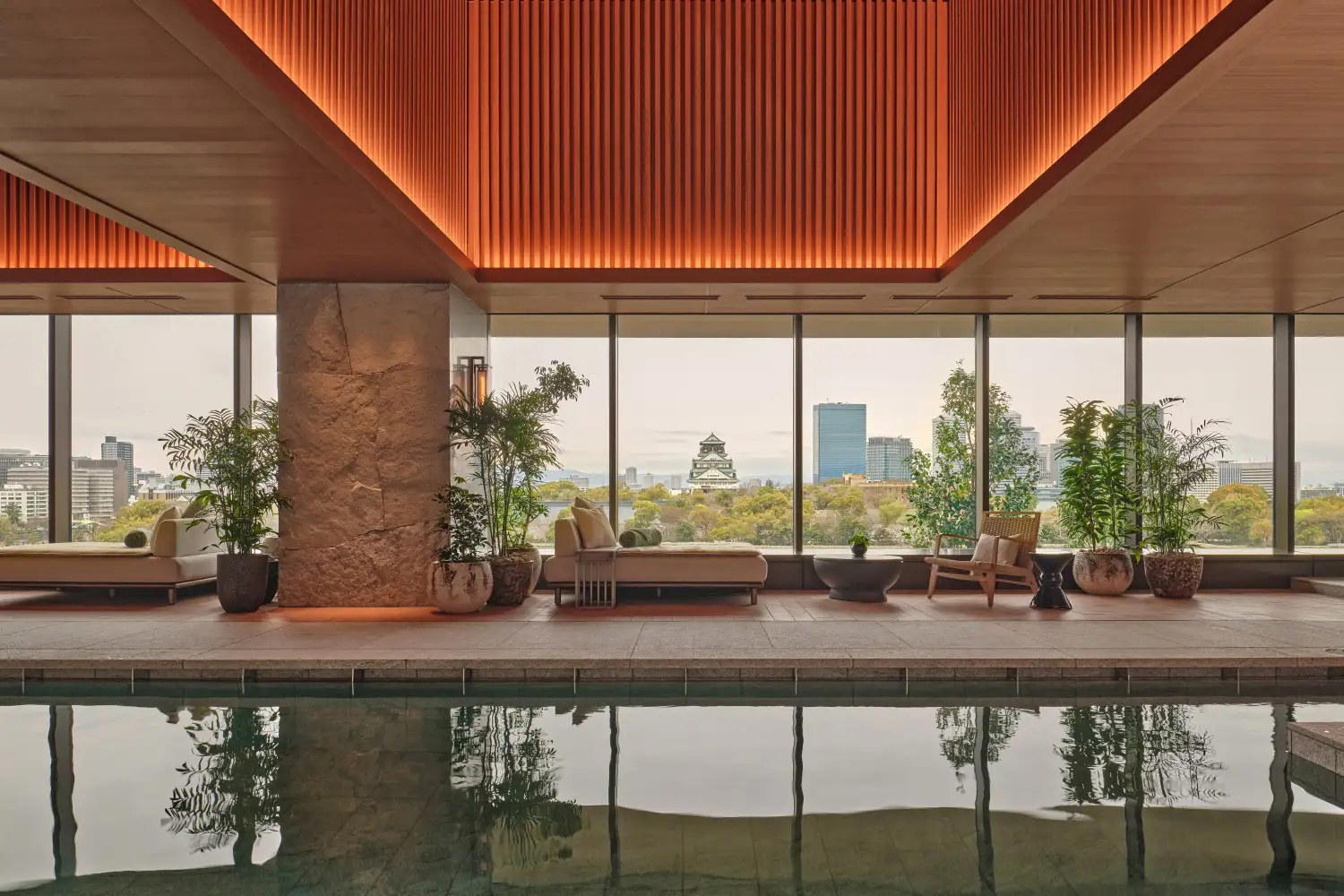




Wineries in Osaka
Browse all →
Details
- Intimate
- Elegant
- Modern
- Quiet
- Cozy
- Minimalist
- Date Night
- Solo
- Special Occasion
- Chefs Counter
- Open Kitchen
- Sake Program
- Local Sourcing
- A La Carte
- Counter Dining
- Sake Program
Current opening hours
- Monday
- Closed
- Tuesday
- 11:30 AM–2 PM, 6–8:30 PM
- Wednesday
- 11:30 AM–2 PM, 6–8:30 PM
- Thursday
- 11:30 AM–2 PM, 6–8:30 PM
- Friday
- 11:30 AM–2 PM, 6–8:30 PM
- Saturday
- 11:30 AM–2 PM, 6–8:30 PM
- Sunday
- Closed
Hours can change for holidays and private events. Hours as of .
Soft lighting with fine-grained wood interiors, hushed and serene atmosphere with an open counter showcasing the chef's precise movements.