
Tabelog 100 #3
Our verdict
Soba Kiri Morino places Hongo’s soba tradition in a small-format room where buckwheat, tempura, fish, sake and shochu define the meal rather than spectacle. Its selection for Tabelog 100 - Soba - EAST - 2025 gives it a clear quality signal in a Tokyo category where craft often hides behind plain dining rooms and short service windows.

Pearl is the En Primeur Club membership app, where members save venues, book tables and use the concierge.
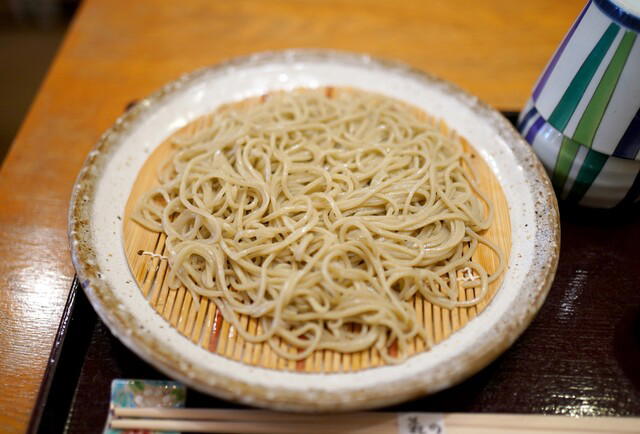
The menu
What to order
- Zaru soba (cold soba)
- Rich Kanto-style soba with dipping sauce
- Tempura with soba
Tokyo’s better soba rooms rarely announce themselves with theatre. The draw is quieter: a restrained setting, a careful pace, and a meal built around buckwheat rather than luxury cues. In the city’s specialist dining map, soba has a different register from high-gloss sushi or formal kaiseki: narrower, more ingredient-led, and revealing because the margin for distraction is small.
Soba Kiri Morino belongs to that Tokyo tradition. The restaurant is listed for soba, tempura and Japanese cuisine, with the focus kept close to the craft of buckwheat noodles and the supporting dishes around them. That combination matters. Serious Tokyo soba is not only noodles; it is the supporting grammar around them, including fried items, Japanese preparations and the way the meal builds toward the final bowl. For the wider city, Our full Tokyo restaurants guide is the broader reference point, but this address sits in a narrower craft lane than much high-visibility dining.
Buckwheat first, with tempura in a supporting role
Tokyo soba rewards restraint. The cuisine depends on grain character, water, knife work and timing, then asks the diner to pay attention before the noodle loses its intended texture. The category can feel austere beside ramen, curry or tonkatsu, yet it has its own hierarchy. A 2025 Tabelog Hyakumeiten recognition places Soba Kiri Morino inside a vetted specialist group rather than the general mass of noodle shops, and its Tabelog score of 3.70 is a useful market signal in a city where small specialists can be hard to read from the street.
The ingredient angle is the point. Buckwheat noodles are unforgiving because there is little sauce, fat or garnish to hide behind. Tempura adds contrast, while the Japanese-cuisine framing turns the format into more than a quick noodle stop. That structure explains the gap between this meal and a lower-price noodle counter such as Menya Suzuharu, where the spend sits in a different bracket. Tokyo has casual options across categories, including TOKYO LIGHT BLUE HONGO-3 and Sake to Misonikomi Misonikomin, but soba at this level is judged by discipline rather than volume or speed.
The restaurant’s character reinforces that reading. The experience is closer to a specialist dining room than a commodity noodle shop, with the emphasis placed on timing, texture and the sequence of dishes rather than spectacle. This is not the kind of address that needs grand design cues to make its point. Its appeal is more precise: the work of soba, tempura and Japanese cooking kept in clear focus.
Tokyo gives soba an unshowy setting
Tokyo is not short of flashier dining propositions, which works in soba’s favour. The city’s appeal lies in the way specialist rooms can sit alongside more visible restaurant formats without needing to imitate them. A focused soba room feels natural here: less destination glamour, more everyday craft sharpened to a high level. That makes the restaurant useful for travellers who want Tokyo food culture beyond omakase counters and hotel dining rooms.
Comparison clarifies the decision. Katsuzen speaks to another Japanese specialist lane; hide mode sits in a separate mid-priced city format; other Tokyo dining rooms belong to different energies and different reasons for going out. Soba Kiri Morino’s draw is quieter. A meal here is better understood alongside focused Japanese cooking than nightlife dining, even when the evening spend gives it a more deliberate rhythm. For Tokyo context across categories, readers can branch to Our full Tokyo bars guide, Our full Tokyo hotels guide, Our full Tokyo wineries guide and Our full Tokyo experiences guide.
The surrounding city offers sharper contrasts. Some Tokyo dining is built around convenience and late-day density; other rooms make counter work feel more polished; novelty cafe culture points elsewhere entirely. Curry, ramen, grilled food and casual drinking spots all have their own metrics. Soba Kiri Morino sits apart from those categories because buckwheat asks to be judged more quietly: by texture, aroma, temperature and the clarity of the supporting dishes rather than by visual conceit, abundance or speed.
How to read the meal in Tokyo's specialist dining map
Approach Soba Kiri Morino not as a trophy reservation but as a precise Tokyo category play. Dinner sits in the JPY 8,000 to JPY 9,999 range, with lunch at JPY 2,000 to JPY 2,999, placing it above everyday soba but below the city’s luxury tasting-menu economy. That price position is part of the signal: serious enough to plan around, but still rooted in a specialist noodle tradition rather than a luxury-service script.
That profile matters for travellers used to frictionless high-end dining. A focused soba room demands intention, especially when the meal is led by buckwheat, tempura and Japanese cooking rather than theatrical presentation. It also rewards the right expectation: concise pacing, attention to texture, and a meal where noodles remain the centre of gravity. The Tabelog recognition is the trust signal, but the stronger editorial reason to go is category clarity. Tokyo has endless places to eat noodles; far fewer make handling, timing and supporting dishes feel like a complete argument.
For readers building a Japan itinerary around specialist food rather than brand-name dining, this address pairs logically with other focused formats in Tokyo and beyond: counters, noodle rooms, tempura specialists, curry shops and other venues where a narrow craft is treated seriously. Outside Japan, the comparison shifts from cuisine to format, as Japanese casual and drinking traditions are interpreted in different cities. Soba Kiri Morino keeps the argument rooted in buckwheat, tempura and the disciplined craft of Tokyo soba.
Where It Fits
Nearby venues at a similar price tier for orientation.
| Venue | Cuisine | Price | Awards | Notes |
|---|---|---|---|---|
| Soba Kiri MorinoThis venue (the venue you are viewing) | Traditional soba and tempura | $30–50 | Tabelog 100 #3 | Not listed |
| Japanese Soba Noodles Tsuta (Japanese Soba Noodles 蔦) | Michelin-Starred Japanese Soba Ramen | $20–30 | Tabelog 100 #32 | Yoyogi-Uehara |
| Wakana Sushi | Traditional Japanese Sushi | $20–30 | Not listed | Higashi Nagasaki |
| Ponchi Ken | Tonkatsu & Pork Shabu by Western-Cuisine Chef | $20–30 | Tabelog 100 #32 | Chiyoda |
| 虎白 | Modern Japanese Kaiseki | $300–500 | 2 Michelin Stars · La Liste Top Restaurants | Shinjuku |
| Ogawa | Traditional Yakitori | $10–20 | Tabelog 100 #9 | Chūō |
Recognition history
Dated appearances from independent guides and award organizations, with the underlying list record or original source where available.
Tabelog 100 #3 · No. 3
Tabelog · Tabelog 100 - Soba - EAST - 2025
Continue exploring
More in Tokyo
Restaurants in Tokyo
All restaurants in Tokyo →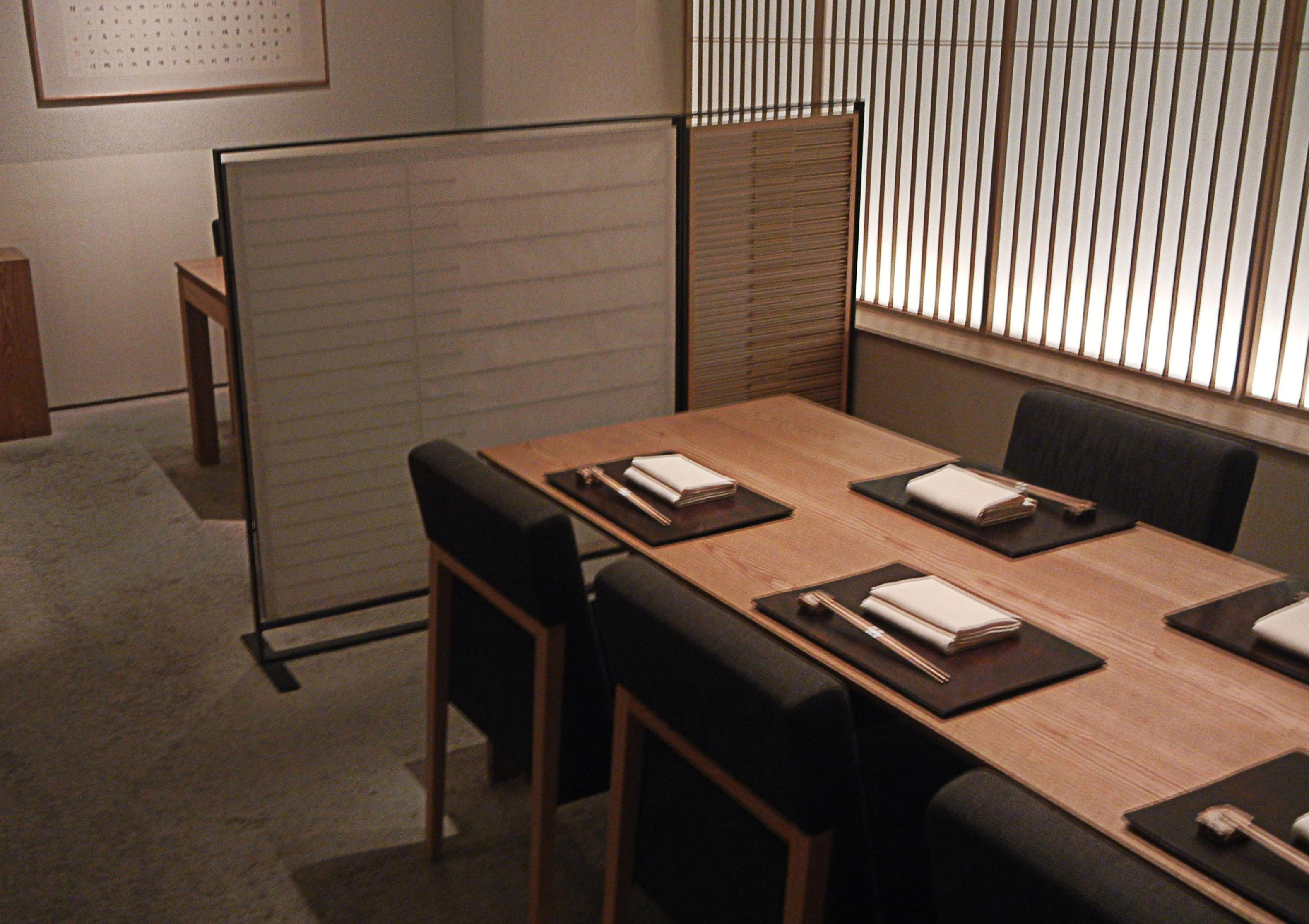



Bars in Tokyo
All bars in Tokyo →

Details
- Cozy
- Quiet
- Intimate
- Classic
- Solo
- Family
- Casual Hangout
- After Work
- Group Dining
- Standalone
- Sake Program
- A La Carte
- Counter Dining
- Sake
- Shochu