
Tabelog 100 #69
Our verdict
Soba Kiri Gin places Hiroshima’s soba tradition in a small, disciplined room rather than a luxury dining frame. Recognition in Tabelog 100 Soba WEST 2025 and a restrained soba-and-tempura focus make it useful for travelers who want a measured lunch built around buckwheat noodles, sake, and the quiet pacing of a specialist Japanese counter.

Pearl is the En Primeur Club membership app, where members save venues, book tables and use the concierge.
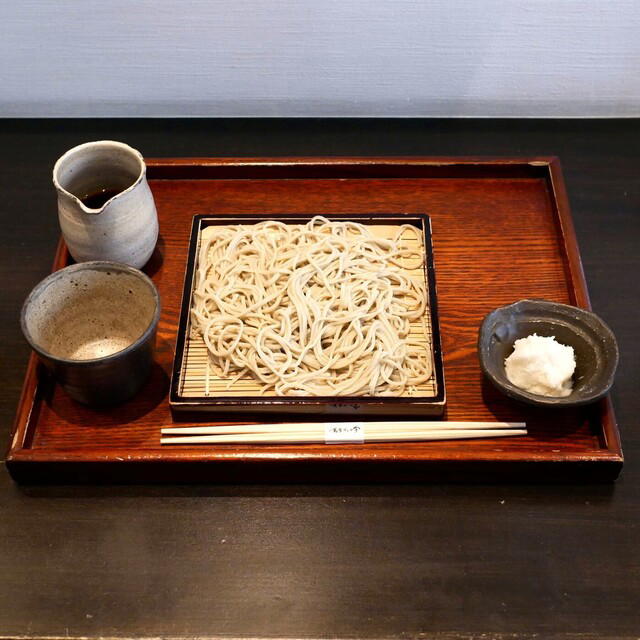
Approaching a serious soba shop in Hiroshima is not the same ritual as entering a long-course restaurant. The cues are smaller: a format built around a narrow craft, a menu identity tied to buckwheat noodles, and a pace that asks diners to pay attention. Soba asks for focus before appetite. The meal may be compact by fine-dining standards, but its etiquette is deliberate: noodles arrive with a narrow window for texture, dipping sauce is used with restraint, and the final impression depends as much on pacing as on seasoning.
Soba Kiri Gin belongs to that quieter tier of Hiroshima dining, where craft is expressed through repetition and economy. The restaurant’s selection for Tabelog 100 Soba WEST 2025 gives it a public marker beyond local word of mouth, but the more useful signal is format. This is a soba and tempura address with a modest listed price band and a specialist identity. In a city often read by visitors through famous local staples and postwar food culture, soba here offers a different register: inward, precise, and closer to a daily ritual than a celebratory performance.
Soba as a timed ritual, not a long performance
Japanese soba culture rewards the diner who understands sequence. The noodles are the center, but the meal is not only about the bowl. Tempura can frame the order, and the format keeps attention on temperature, texture, and the rhythm between ordering and eating. The serious soba shop does not need theatrical service to make its point; it relies on the diner recognizing that buckwheat loses its edge when treated casually.
That matters in Hiroshima because the city’s dining identity is broad but often simplified from the outside. Visitors build itineraries around familiar regional foods, casual comfort, and destination counters, yet the city’s specialist addresses fill in the more revealing middle. Other Hiroshima dining rooms speak to the city’s contemporary side, while everyday cafés and bakeries reflect a different civic appetite. Soba Kiri Gin sits apart from both: less formal than the tasting-menu circuit, more focused than a casual daytime stop.
The comparison inside Hiroshima is mostly about intent. Hatsu Chan and EPURE sit in a different planning category, while Horumon Ryori Senmonjo Toneya and Non Non suggest another everyday register. MASUKI belongs to another dining conversation entirely. Against that range, a specialist soba meal works as a calibrated choice: neither a blowout dinner nor a snack between monuments, but a compact meal with a defined grammar.
Hiroshima's quieter specialist tier
Recognition from Tabelog’s regional soba list is not the same as a global restaurant award, and that distinction is useful. It points toward a venue judged within a category, not across every style of dining. For soba, category recognition carries weight because the form is narrow by design. There is little room to hide behind luxury produce, elaborate plating, or narrative menus. The baseline questions are direct: noodle craft, dipping balance, the role of tempura, specialist focus, and whether the meal feels coherent at its scale.
The Hiroshima setting also changes the experience. This is not simply the city’s late-night image, nor only the version of convenience dining built around transit and sightseeing. The restaurant sits within a broader urban food culture that rewards small specialist addresses. Soba has long functioned in Japan as both quick meal and specialist pursuit, able to serve a focused diner without reducing the experience to utility. That mode suits a meal that can feel purposeful without needing to become formal.
For visitors building a broader Hiroshima food day, the logic is sequencing. A soba lunch leaves room for a later bar or a more substantial dinner; a tempura-soba meal creates a self-contained afternoon stop. Other Hiroshima dining shows how varied the city becomes once the itinerary moves beyond a single signature food. The point is not to replace Hiroshima’s better-known staples, but to read the city through smaller rituals that locals can fold into ordinary life.
Who should prioritize it
Soba Kiri Gin makes the clearest case for travelers who enjoy specialist formats over maximal menus. The appeal is not breadth; it is the confidence of a narrow category handled with care. The Tabelog 3.68 score and 2025 Tabelog 100 Soba WEST selection provide external validation, while the soba and tempura categories explain the kind of meal to expect without dressing it up as luxury theater.
It is also a useful corrective to the idea that memorable Japanese dining must be expensive or omakase-led. Hiroshima has restaurants at many different price levels, but price alone does not define seriousness. In soba, seriousness often appears through limits: a concise category, a focused service, and a meal built for measured attention. Diners who want late-night energy or a sprawling menu should look elsewhere. Diners who understand that the ritual of soba is partly about restraint will understand the appeal quickly.
For wider planning, start with our full Hiroshima restaurants guide, then layer in our full Hiroshima hotels guide, our full Hiroshima bars guide, our full Hiroshima wineries guide, and our full Hiroshima experiences guide. Readers comparing Japanese dining formats beyond Hiroshima can also think more generally about how Japanese food culture travels through single-dish specialists, bars, cafés, and regional rooms, not only through grand tasting menus. Soba Kiri Gin is best understood in that calibration: specific, modest in price, and defined by a form that rewards attention.
Frequently asked questions
Is Soba Kiri Gin okay with children?
Soba Kiri Gin is a specialist soba and tempura restaurant in Hiroshima. It is best suited to children who can handle a focused meal built around a narrow format rather than a noisy or highly flexible dining format.
Is Soba Kiri Gin better for a quiet night or a lively one?
It reads as a focused specialist choice rather than a lively, sprawling one. Soba Kiri Gin is a soba and tempura address in Hiroshima, which points to a restrained meal built around timing and texture.
What should I budget for a meal at Soba Kiri Gin?
Pricing at Soba Kiri Gin is listed as Dinner: JPY 1,000 - JPY 1,999; Lunch: JPY 1,000 - JPY 1,999.
When is Soba Kiri Gin open?
Check directly with Soba Kiri Gin for current opening hours before visiting, as the provided venue details do not establish a verified schedule.
Where is Soba Kiri Gin in Hiroshima?
Hiroshima.
What's the defining dish or idea at Soba Kiri Gin?
The idea is soba first, with tempura as a companion category. That focus is reinforced by its selection for Tabelog 100 Soba WEST in 2025, a category recognition for soba specialists.
What It’s Closest To
Side-by-side context: comparable cuisine and price.
| Venue | Cuisine | Price | Awards | Notes |
|---|---|---|---|---|
| Soba Kiri GinThis venue (the venue you are viewing) | Traditional Japanese Soba | $10–20 | Tabelog 100 #69 | Not listed |
| Yagenbori Hassho | Hiroshima-style okonomiyaki | $20–30 | Tabelog 100 #84 | Naka |
| Kanransha | Hiroshima-Style Okonomiyaki | $1–10 | Tabelog 100 #97 | Naka |
| Fumi Chan Nagarekawa ten | Hiroshima-style Okonomiyaki & Teppanyaki | $10–20 | Tabelog 100 #88 | Naka |
| Hiroshima Marukajiri Naka-chan | Hiroshima okonomiyaki & teppanyaki izakaya | $20–30 | Tabelog 100 #15 | Naka |
| Okonomiyaki Hirano | Hiroshima-style okonomiyaki | $1–10 | Tabelog 100 #39 | Minami |
Recognition history
Dated appearances from independent guides and award organizations, with the underlying list record or original source where available.
Tabelog 100 #69 · No. 69
Tabelog · Tabelog 100 - Soba - WEST - 2025
Continue exploring
More in Hiroshima
Restaurants in Hiroshima
All restaurants in Hiroshima →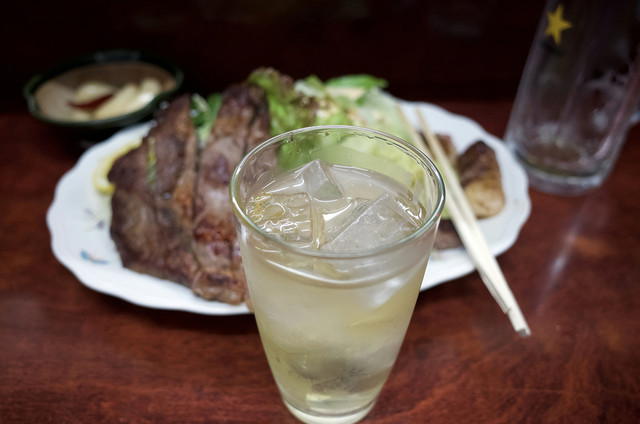
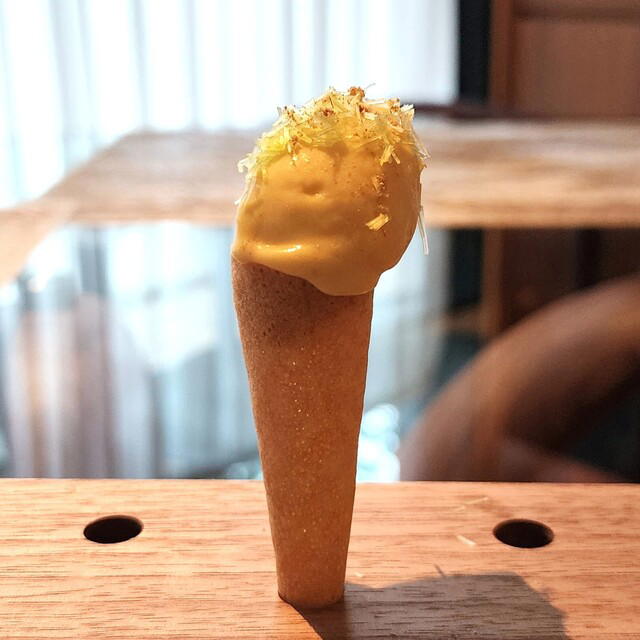
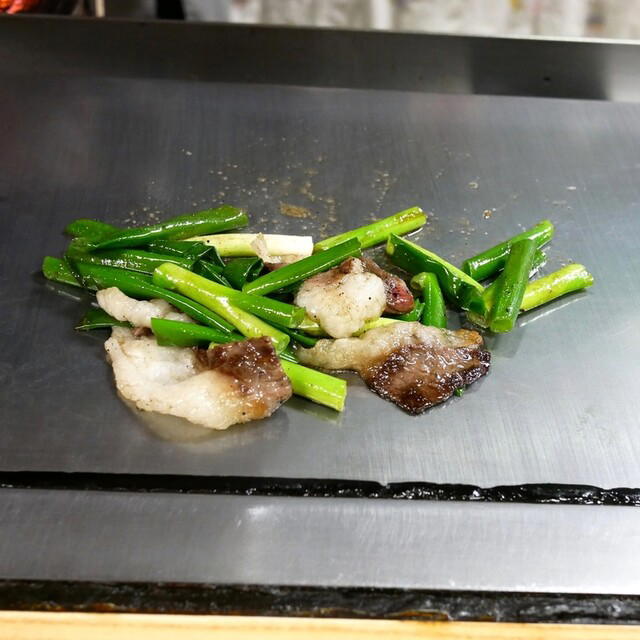
Bars in Hiroshima
All bars in Hiroshima →
Details
- Quiet
- Cozy
- Classic
- Solo
- Casual Hangout
- Standalone
- Local Sourcing
- A La Carte
- Tea
- Vegetarian Friendly
Current opening hours
- Monday
- 11:30 AM–3 PM
- Tuesday
- 11:30 AM–3 PM
- Wednesday
- Closed
- Thursday
- 11:30 AM–3 PM
- Friday
- 11:30 AM–3 PM
- Saturday
- 11:30 AM–3 PM
- Sunday
- 11:30 AM–3 PM
Hours can change for holidays and private events. Hours as of .
A modest, quiet neighborhood soba shop atmosphere centered on a direct lunch service rather than a showy dining room.