
Tabelog 100 #68
Our verdict
Hiroshima’s horumon and yakiniku culture rewards restaurants that treat offal as a primary craft rather than a secondary order. Horumon Ryori Senmonjo Toneya belongs to that specialist lane, with tripe, teppanyaki and Japanese barbecue backed by Tabelog 100 Yakiniku WEST 2025 recognition.

Pearl is the En Primeur Club membership app, where members save venues, book tables and use the concierge.
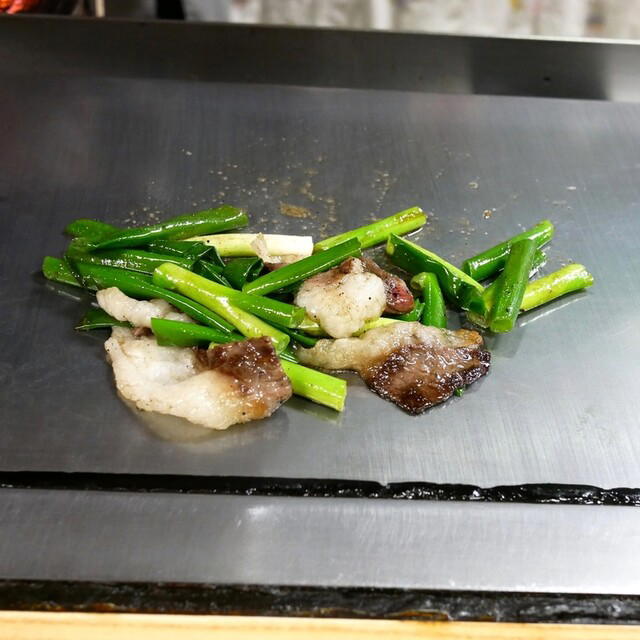
Hiroshima’s evening dining rhythm is built for small rooms, smoke, grill-side focus and groups that know exactly what they came to eat. In that setting, horumon is not a side category. It is a test of sourcing discipline, trimming, heat control and confidence with cuts that expose weak handling faster than marbled beef ever will. Hiroshima has plenty of polished dining, but its more revealing meals often happen in compact specialist rooms where the format is narrow and the regulars order with purpose.
Horumon Ryori Senmonjo Toneya sits inside that tradition rather than outside it. Its categories are listed as tripe, teppanyaki and yakiniku, a combination that points to a kitchen organized around grill-side immediacy and the more technical end of offal cookery. The recognition matters here: its 2025 Tabelog Hyakumeiten listing gives the restaurant a public marker in a field where consistency, local reputation and category focus carry more weight than design theatre.
Horumon as the measure of Hiroshima's grill culture
Yakiniku in western Japan is often discussed through beef, sauce preference and local loyalty, but horumon changes the conversation. Offal cooking depends on a shorter chain of trust: procurement, cleaning, portioning and timing have to align before a plate reaches the grill. The appeal is not luxury by expense. It is the idea that a restaurant can make a persuasive argument from cuts that require more handling knowledge than status signalling.
That is why the category has its own serious following. Tripe and related cuts reward diners who care about texture as much as richness, and teppanyaki-style preparation keeps the cooking close to the table rather than hiding it behind a tasting-menu script. Compared with Hiroshima’s broader dining field, this is a different value proposition. Seichan, Hiroshima Marukajiri Naka-chan, Shinya Teki Chuka Shokudo, Tori Yamamoto and Yakitori Takase each represent other ways to read the city’s restaurant culture. Toneya’s interest lies in how narrowly it defines the meal.
The price signal reinforces the point. This is not a restaurant trying to dress horumon in luxury language; it is a compact specialist operating in a category where repeat customers, ingredient turnover and grill-side pacing matter. A Tabelog score of 3.65, paired with 2025 recognition, gives it a measurable public footing without turning the meal into a trophy exercise.
Small-room format, counter logic and offal sourcing
The room format tells diners how to read the experience. Toneya belongs to the small-house style common to Japanese grill specialists: close enough for the cooking to feel immediate, focused enough for the format to remain direct, and not built around hotel-restaurant ceremony. The emphasis is on shared energy and grill-side pacing rather than seclusion or elaborate staging.
For ingredient-led dining, that matters. Offal restaurants rely on freshness, trimming skill and a kitchen confident enough to keep the menu centered on less forgiving cuts. The result is a meal category that makes sourcing visible without turning it into a speech. Diners do not need a chef biography to understand the argument; the specialization itself is the credential. In Hiroshima, where many dining styles compete for visitor attention, a horumon specialist gives a sharper reading of the city’s everyday appetite.
The experience sits closer to straightforward yakiniku and izakaya culture than to polished formality. That detail will not suit every diner, but it is also part of the category’s lived reality in Japan: grill rooms often preserve habits and rhythms that more formal restaurants have edited out. Plan with the same practical mindset you would bring to any compact specialist: check current details before going and arrive ready for a focused meal rather than a broad luxury production.
How to place it within a Hiroshima itinerary
This is a dinner to choose when the point is specificity. Hiroshima dining can stretch across many formats; the stronger itinerary does not treat those categories as interchangeable. For a broader restaurant map, start with Our full Hiroshima restaurants guide, then compare different city moods through other Hiroshima dining rooms and specialist kitchens.
Planning around the city should be equally category-led. Use Our full Hiroshima hotels guide for where to stay, Our full Hiroshima bars guide for late drinking, Our full Hiroshima wineries guide for regional wine context and Our full Hiroshima experiences guide for cultural time outside restaurants. Travellers building a wider Japan food route can also compare format and specialization through other grill counters, seafood rooms, cafe formats, sake bars and casual specialist venues in Japan and beyond.
The editorial case is clear: this is a specialist horumon address for diners who want Hiroshima beyond the obvious orders. The draw is not breadth, ceremony or chef mythology. It is a compact grill-room expression of ingredient use, where offal receives the attention that many restaurants reserve for prime cuts.
Frequently asked questions
What's the address for Horumon Ryori Senmonjo Toneya?
Horumon Ryori Senmonjo Toneya is located in Hiroshima.
How much does it cost to eat at Horumon Ryori Senmonjo Toneya?
Pricing at Horumon Ryori Senmonjo Toneya is listed as JPY 1,000 - JPY 1,999.
When can I go to Horumon Ryori Senmonjo Toneya?
Current opening hours for Horumon Ryori Senmonjo Toneya should be checked before visiting.
What do listings highlight about Horumon Ryori Senmonjo Toneya?
Listings point to its horumon-focused appeal and its categories of tripe, teppanyaki and yakiniku. Its 2025 Tabelog Hyakumeiten recognition gives it clear status within Hiroshima's grill scene, and the price range sits at JPY 1,000–JPY 1,999.
Fast Comparison
Comparable venues by cuisine and price in the same metro.
| Venue | Cuisine | Price | Awards | Notes |
|---|---|---|---|---|
| Horumon Ryori Senmonjo ToneyaThis venue (the venue you are viewing) | Traditional Hiroshima horumon & yakiniku | $30–50 | Tabelog 100 #68 | Not listed |
| Tsukunejima | Traditional Japanese Tempura | $30–50 | Not listed | Naka |
| Tyra Restaurant | Cafe with Japanese fusion | Not listed | Not listed | Naka |
| LOPEZ | Hiroshima okonomiyaki & teppanyaki | $20–30 | Tabelog 100 #1 | Nishi |
| Nukazuke Kobo nipote Misasa honten | Nukazuke-focused Yoshoku (Japanese-style Western) | $30–50 | Tabelog 100 #59 | Nishi |
| Shintenchi Micchan | Hiroshima-style okonomiyaki | $10–20 | Tabelog 100 #41 | Naka |
Recognition history
Dated appearances from independent guides and award organizations, with the underlying list record or original source where available.
Tabelog 100 #68 · No. 68
Tabelog · Tabelog 100 - Yakiniku - WEST - 2025
Continue exploring
More in Hiroshima
Restaurants in Hiroshima
All restaurants in Hiroshima →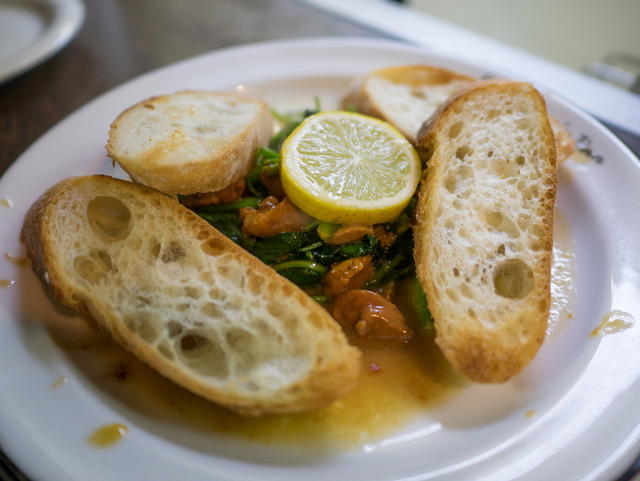
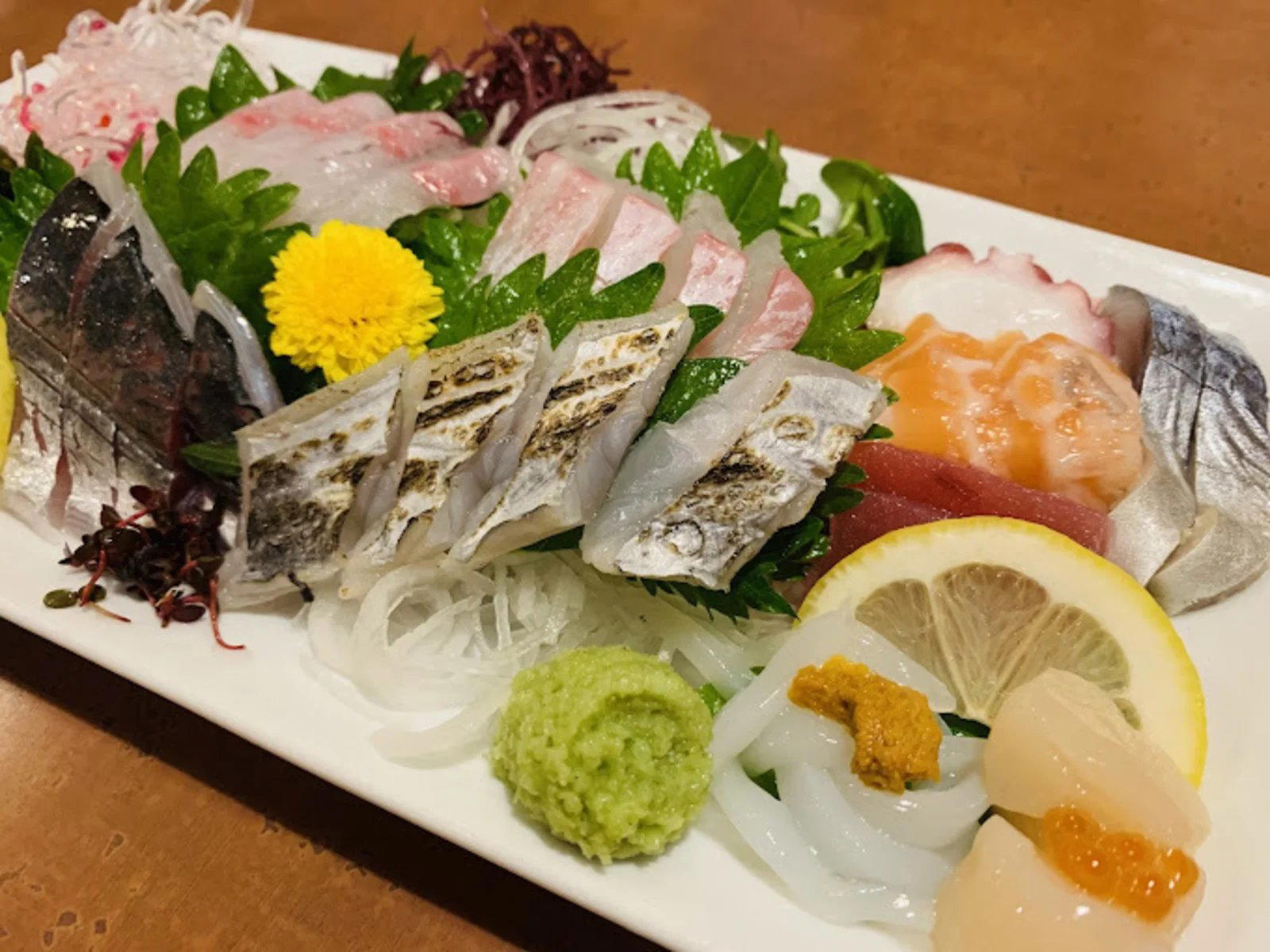
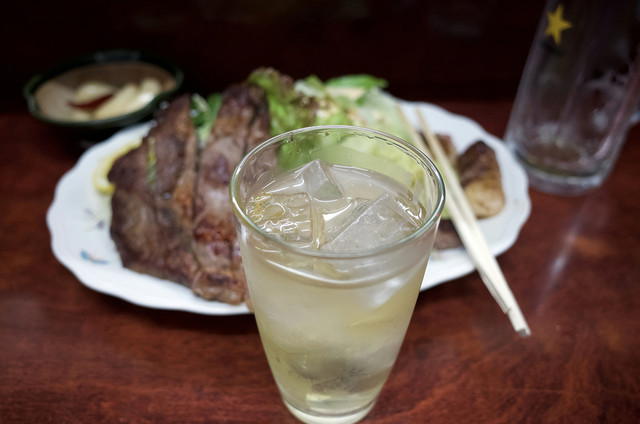
Bars in Hiroshima
All bars in Hiroshima →
Details
- Lively
- Classic
- Cozy
- Intimate
- Group Dining
- Casual Hangout
- After Work
- Late Night
- Solo
- Standalone
- Open Kitchen
- Beer Program
- A La Carte
- Counter Dining
- Small Plates
- Family Style
- Beer
- Sake
Current opening hours
- Monday
- Closed
- Tuesday
- Closed
- Wednesday
- 6–8:30 PM
- Thursday
- 6–8:30 PM
- Friday
- 6–8:30 PM
- Saturday
- 6–8:30 PM
- Sunday
- 5–8:30 PM
Hours can change for holidays and private events. Hours as of .
A compact house-style horumon shop with counter seats and tatami rooms, smoky and energetic in the evenings, attracting groups of friends for casual, old-school Japanese BBQ and teppan-grilled offal.