So Gong Dong Tofu
So Gong Dong Tofu brings the Korean tradition of soondubu jjigae — silken tofu stew — to Hartsdale's Central Avenue, where Westchester County's Korean dining options sit well outside Manhattan's density but not its seriousness. The format is tight, the cooking is specific, and the address at 411 Central Ave positions it as a reliable anchor for a cuisine that rewards regulars more than first-timers.
Pearl is the En Primeur Club membership app — saves, bookings, and concierge access live there. Same editors, same standards.
- Address
- 411 Central Ave, Hartsdale, NY 10530
- Phone
- +19143971790
- Website
- sgdrestaurant.com
- Directions
- Get directions
 Saves & bookings on Pearl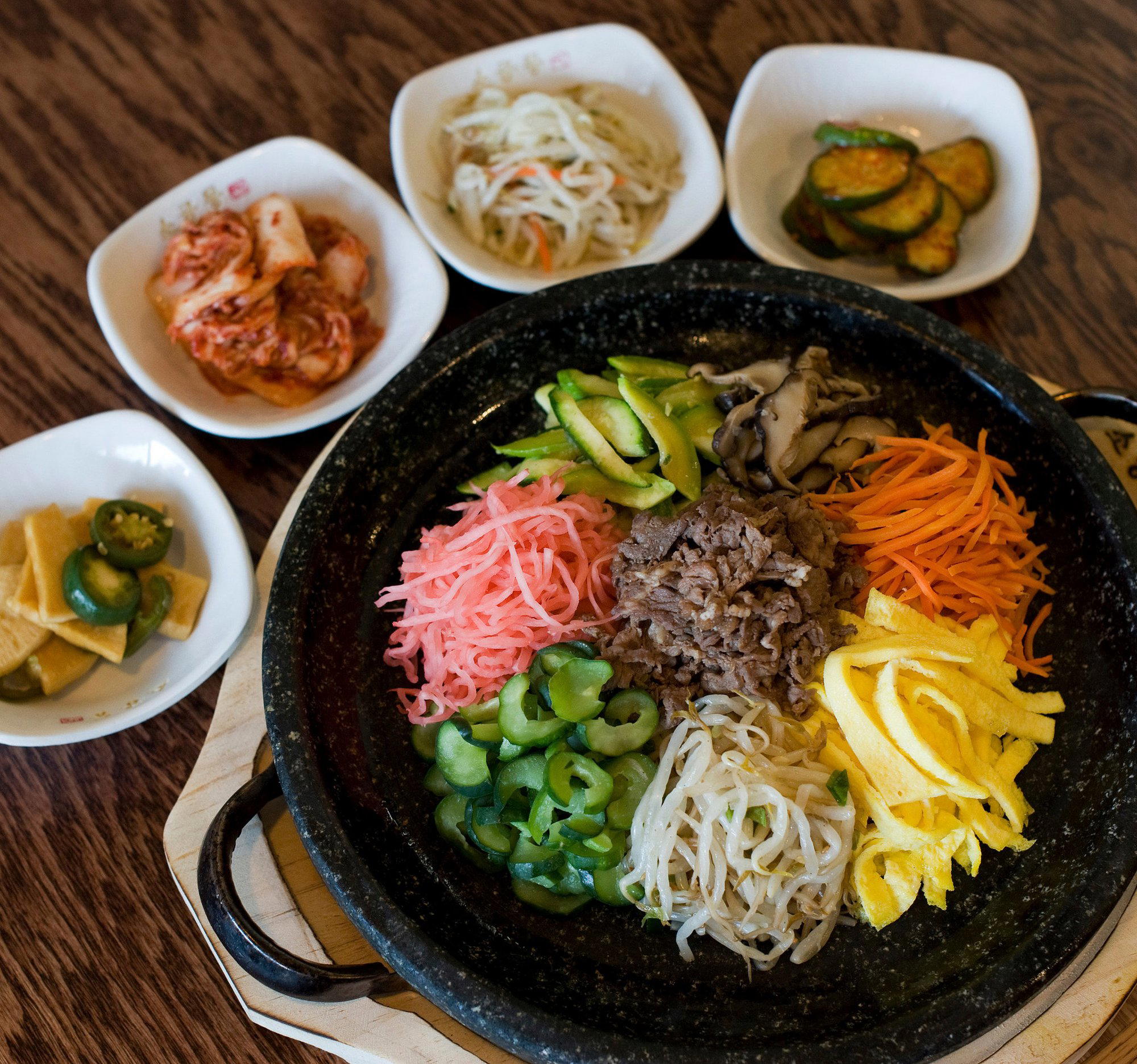
Westchester's Korean Comfort Register
Suburban Korean dining in the New York metro area has long operated on a logic of its own. Palisades Park in New Jersey and Flushing in Queens draw the most analysis, but Westchester County maintains a quieter cohort of Korean kitchens that serve a residential population with genuine expectations rather than curiosity-driven foot traffic. On Central Avenue in Hartsdale — a commercial corridor that functions as Westchester's informal dining strip — So Gong Dong Tofu occupies a specific and disciplined position: a restaurant organized around the soondubu jjigae tradition, the bubbling silken tofu stews that define a category of Korean comfort cooking with centuries of precedent. For readers building a picture of what serious Korean dining looks like outside Manhattan's concentration, our full Hartsdale restaurants guide maps the broader context.
What Soondubu Means as a Format
The soondubu jjigae format is worth understanding before arriving. This is not a dish that arrives polished and plated for visual effect. The stew comes to the table in a stone pot still at a rolling boil, the silken tofu, soft enough to break apart with a spoon, suspended in a broth built from dried anchovies, kelp, and fermented chili paste. The heat level is graduated, the protein additions variable (clam, seafood, pork, or beef are conventional), and the ritual of cracking a raw egg into the pot at the table is standard. It is a format that rewards understanding of the tradition rather than a first encounter with Korean food. At the same time, the dish's accessibility means it functions well across experience levels. Where Hartsdale's O Mandarin Chinese represents the neighborhood's Chinese dining anchor, So Gong Dong Tofu fills an equivalent structural role in Korean cooking.
Ingredient Logic and the Sourcing Question
The quality of a soondubu jjigae depends on a short but demanding ingredient list. Silken tofu, in particular, is a product where freshness and texture matter in ways that are immediately legible to anyone eating the dish regularly. Korean restaurants operating at a serious level in this format typically source tofu more carefully than their casual positioning might suggest, either making it in-house or sourcing from Korean tofu manufacturers whose product turns over quickly. The fermented paste component (gochujang and doenjang) similarly depends on quality and age; mass-market versions produce a flat, one-dimensional heat, while properly aged pastes carry a deeper, rounded fermented character. These are not details visible from the outside but they account for the difference between a competent execution and one worth returning to. In the broader Korean fine-dining conversation, restaurants like Atomix in New York City operate at a different register entirely, multi-course, reservation-dependent, ingredient-obsessive in a way that is explicit and documented. Soondubu specialists like So Gong Dong Tofu apply a version of the same sourcing discipline to a completely different price point and format, where the stakes are lower but the standards of the tradition remain.
The Room and What It Communicates
Korean tofu restaurants of this type share a recognizable spatial logic: functional interiors, stone pots on gas burners, banchan arriving without being ordered, and service that moves efficiently rather than ceremonially. The environment is not designed to slow the meal down. This is cooking that communicates through the food itself, through broth temperature, tofu texture, and the layering of fermented, spicy, and savory notes, rather than through atmosphere or stagecraft. Approached on its own terms, that directness is a form of confidence. Restaurants that spend heavily on interior design often use it to compensate for cooking that cannot hold attention on its own. A format this specific, this ingredient-dependent, has no such cover. For reference on what high-investment American restaurant environments look like at the other end of the spectrum, Blue Hill at Stone Barns in Tarrytown and The French Laundry in Napa represent the poles that define just how wide the American dining spectrum runs.
Planning a Visit
So Gong Dong Tofu is located at 411 Central Ave, Hartsdale, NY 10530, a stretch of road that is accessible by car from most of Westchester and reachable from Metro-North's Hartsdale station on the Harlem Line. Central Avenue dining tends to operate without the reservation infrastructure of Manhattan restaurants, which means walk-in access is generally more realistic here than at destination Korean tables in the city. The venue data available does not confirm current hours, pricing, or phone contact, so verifying those details directly before visiting is advisable. For readers whose Korean dining frame of reference runs toward the city's more formal Korean programs, expect a significant shift in register: lower price point, faster pace, and a menu that is tightly focused rather than expansive.
Where This Fits in the Broader Dining Picture
Hartsdale is not a destination dining market in the way that certain Hudson Valley towns have become. It functions as a serious local dining corridor, the kind of place where a well-run specialist restaurant can build a steady following without competing for national attention. That context shapes what So Gong Dong Tofu is and what it is not. It is not positioned against Alinea in Chicago or Lazy Bear in San Francisco; it exists in a different register of American eating entirely, one that is arguably more representative of how most people engage with Korean food in the suburbs. Across the US, Korean-American dining has expanded well beyond the Koreatown concentrations of Los Angeles and New York, with suburban markets in New Jersey, Virginia, and the outer boroughs of greater metro areas developing genuine depth. Hartsdale participates in that broader pattern. For readers who track farm-sourcing and provenance signals as a primary lens, the approach that defines restaurants like Single Thread Farm in Healdsburg or Bacchanalia in Atlanta, the sourcing conversation here is quieter and less documented, but no less real at the level of the fermentation pantry and the tofu supply chain.
How So Gong Dong Tofu Hartsdale compares with similar nearby venues.
| Venue | Cuisine | Price |
|---|---|---|
| O Mandarin Chinese | Chinese | $$$ |
Continue exploring
More in Hartsdale
Restaurants in Hartsdale
Browse all →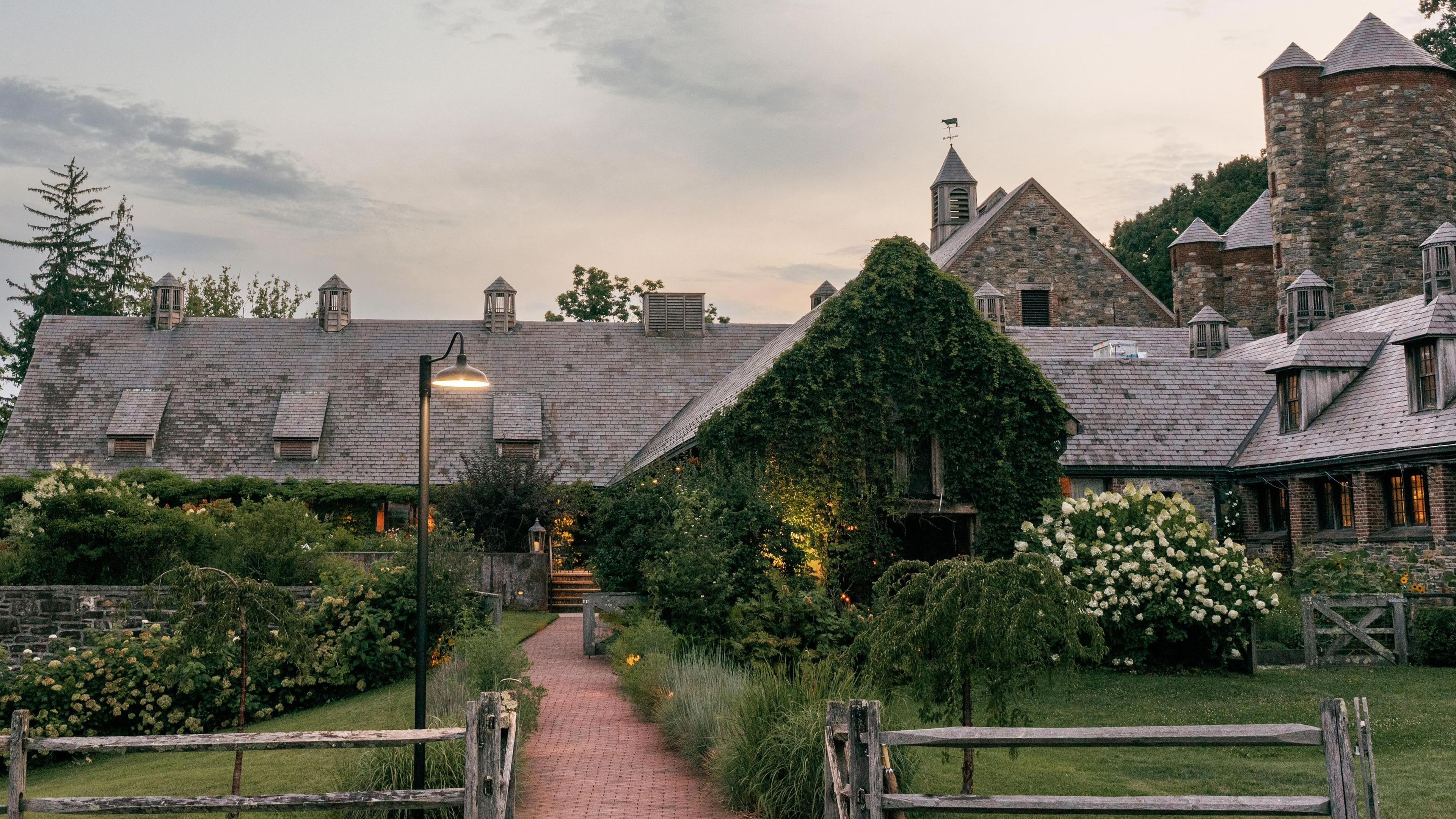
Bars in Hartsdale
Browse all →

Hotels in Hartsdale
Browse all →




At a Glance
- Cozy
- Rustic
- Classic
- Family
- Group Dining
- Casual Hangout
- Standalone
Current opening hours
- Monday
- 11:15 AM–9:30 PM
- Tuesday
- 11:15 AM–9:30 PM
- Wednesday
- 11:15 AM–9:30 PM
- Thursday
- 11:15 AM–9:30 PM
- Friday
- 11:15 AM–9:30 PM
- Saturday
- 11:15 AM–9:30 PM
- Sunday
- 11:15 AM–9:30 PM
Hours can change for holidays and private events. Last verified .
Know Before You Go
- Getting there
- 411 Central Ave, Hartsdale, NY 10530