Our verdict
Skipperstuen sits at Dyvigvej 31 in Nordborg, a small harbour town on the island of Als in southern Denmark. The setting places it firmly within a regional dining tradition shaped by the Lillebælt strait and the agricultural land surrounding it, a tradition where the distance between source and plate is measured in kilometres, not supply chains. For visitors exploring the quieter end of Danish coastal dining, it represents a grounded local option away from the Copenhagen circuit.

Pearl is the En Primeur Club membership app, where members save venues, book tables and use the concierge.
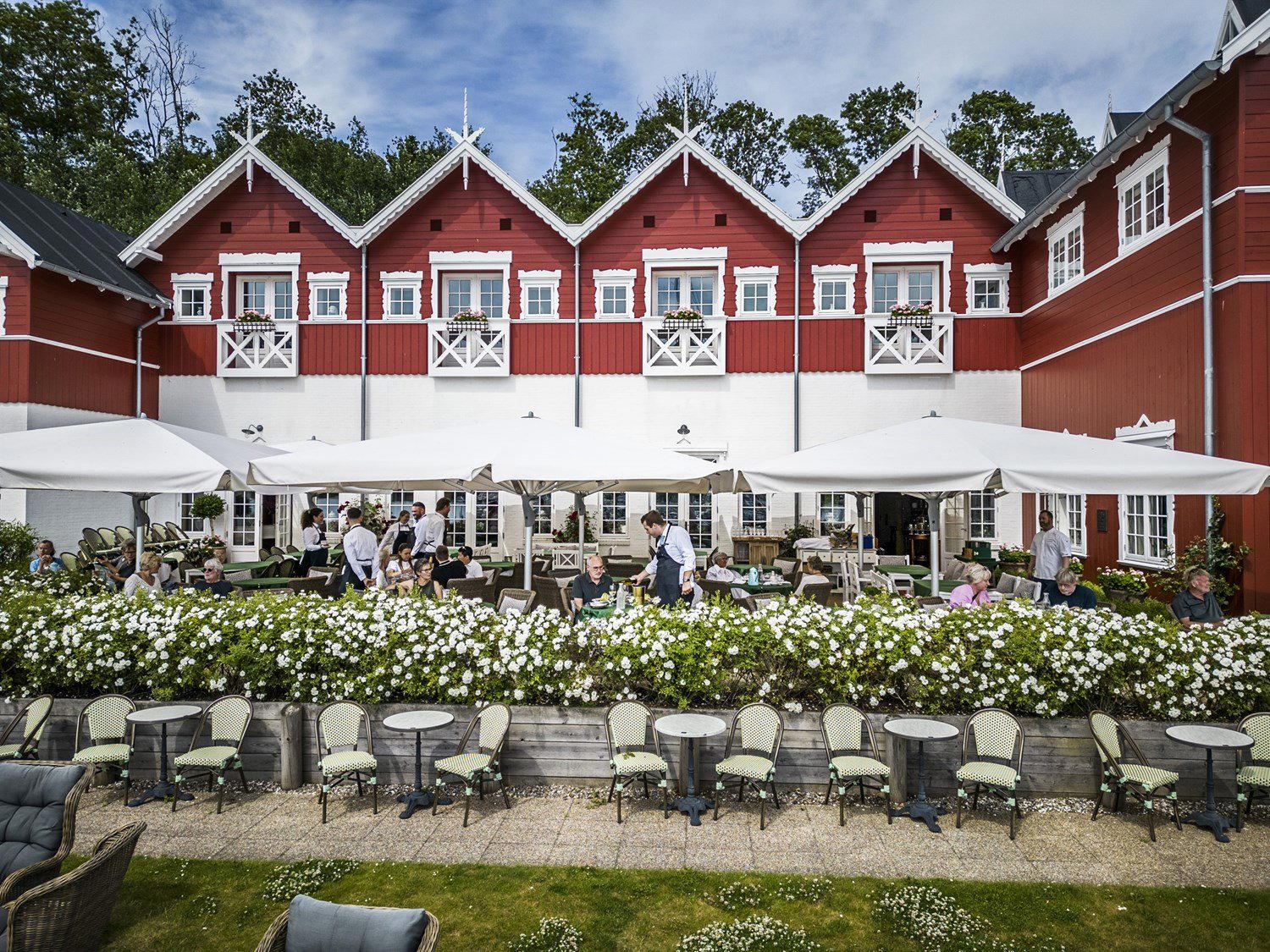
The menu
What to order
- Stjerneskud
- Fried plaice
- Dry-aged steaks
Where the Harbour Shapes the Menu
Southern Denmark's island of Als sits in the narrows between Jutland and the smaller straits feeding into the Lillebælt. Nordborg, at the island's northern edge, has always oriented itself toward the water, the town's geography makes the sea both backdrop and larder. Restaurants in this part of Denmark operate within a tradition where coastal proximity is not a marketing angle but a logistical reality: the catch that arrives in the morning can be on a plate by evening without passing through a wholesale market in a larger city. Skipperstuen, at Dyvigvej 31, sits within that tradition.
The address places the venue close to the waterfront character that defines Nordborg's older quarter. In harbour-adjacent dining rooms across provincial Denmark, the setting tends to do significant work: low ceilings, nautical references worn in rather than installed, and light that changes character dramatically between a summer evening and a winter lunch. Whether Skipperstuen's interior follows that pattern precisely is not something verifiable from available data, but the address and name, Skipperstuen translates roughly as the Skipper's Room, point clearly toward that lineage.
Ingredient Sourcing as the Central Argument
The broader Danish food conversation of the past two decades has been dominated by Copenhagen: by Geranium, by Noma's legacy, by the New Nordic movement that rewired how Scandinavian kitchens thought about local sourcing. What that conversation sometimes obscures is the degree to which provincial Danish restaurants, particularly coastal ones, were already working from a hyper-local ingredient model long before it became a philosophically articulated movement. In harbour towns like Nordborg, sourcing locally was never an ideology; it was simply what you did when the fishing boats were fifty metres from your kitchen door.
Als and the surrounding Southern Jutland region supply a specific kind of larder. The strait waters yield flatfish, herring, and smaller shellfish. The island's agricultural interior, Als is unusually fertile for a Danish island, produces root vegetables, dairy, and grain that have supplied regional kitchens for centuries. Restaurants in this tier, operating in smaller towns with less tourist traffic than coastal Jutland or the Copenhagen archipelago, tend to price against a local clientele rather than against the premium expectations of destination diners. That price calibration affects portioning, format, and how ambitiously kitchens reach beyond the immediate region for ingredients.
For the kind of diner who wants to understand how Danish coastal cooking operates outside the award circuit, venues like Skipperstuen offer a more unfiltered view than the Michelin-tracked houses further north. Compare the approach to something like Henne Kirkeby Kro on Jutland's west coast, which occupies a similar provincial-coastal position but with a more developed destination profile, or Dyvig Badehotel, Nordborg's other notable dining address, which draws on the same island larder from a hotel-restaurant format.
Nordborg in the Danish Dining Map
Denmark's restaurant geography has stratified clearly. Copenhagen concentrates the award-tracked, internationally visible operations: the tasting-menu counters, the natural wine bars with editorial coverage, the venues that draw visitors from abroad specifically to eat. A second tier covers the larger provincial cities, Aarhus with Frederikshøj, Aalborg with Alimentum, Odense with ARO, Vejle with LYST, where ambitious kitchens serve a local professional class and attract food tourists from within Denmark. Below that sits a third tier of genuine local restaurants in smaller towns, where the clientele is almost entirely local, the format is more relaxed, and the sourcing is often closer to the ground precisely because there is no premium to be extracted from distance or rarity.
Nordborg falls into that third category. The town's dining scene, covered more fully in our full Nordborg restaurants guide, is compact and oriented toward residents rather than tourists. The nearest comparable coastal dining context might be Pearl by Paul Proffitt in Kruså, another southern Jutland address that sits outside the main tourist circuit, or MOTA in Nykøbing Sjælland, which operates in a similarly overlooked provincial context. For visitors arriving with expectations calibrated to Copenhagen counters like Jordnær or Parsley Salon, the register here is different: less performance, more function.
Planning a Visit
Nordborg is accessible by road from Sønderborg, approximately 20 kilometres to the south, and from the mainland via the Als Sund bridges. The town is not served by major rail connections, so a car is the practical choice for most visitors. Skipperstuen's address at Dyvigvej 31 places it in the harbour-adjacent part of town. Alongside Skipperstuen, Restaurant Amstrup&Vigen represents another option within Nordborg's dining scene for those spending more than a day on Als.
For context on what Danish regional cooking looks like when it reaches destination scale, Dragsholm Slot Gourmet in Hørve and Frederiksminde in Præstø demonstrate how provincial kitchens can build serious reputations around hyper-local sourcing models. The distance between those operations and a harbour-town dining room like Skipperstuen is partly one of scale and ambition, but also one of audience: venues at Dragsholm's level are performing for an international jury, while a Nordborg restaurant is primarily feeding the people who live near the water it sources from. Neither is a lesser version of Danish food, they are different expressions of the same geographic argument. For international travellers accustomed to benchmark seafood programs at places like Le Bernardin in New York or tightly constructed tasting menus like Atomix, the appeal here is the opposite of spectacle: it is cooking that does not need to explain itself to anyone outside the room. And there is a case, in the broader map of how to spend time eating in Denmark, for including at least one meal that operates on those terms. Domæne in Herning offers a comparable provincial register for those travelling through Jutland's interior.
Frequently asked questions
Is Skipperstuen good for families?
Skipperstuen sits in Nordborg, a small island town on Als with a relaxed pace that generally suits family visits. The harbour setting tends to appeal to children, and the local seafood focus gives a genuine sense of place rather than a generic menu.
What should I expect atmosphere-wise at Skipperstuen?
The address on Dyvigvej places the restaurant close to the water in a town shaped by fishing and maritime trade, so the atmosphere draws from that geography rather than from urban dining conventions. Expect something closer to a working harbour inn than a Copenhagen tasting-menu room: unhurried, locally oriented, and less performative than the award-circuit restaurants to the north. The scale of Nordborg itself keeps things grounded.
Is Skipperstuen worth visiting as a destination restaurant from Sønderborg or the Danish mainland?
Nordborg sits roughly 20 kilometres north of Sønderborg and is reachable from the Jutland mainland via the Als Sund bridges, making Skipperstuen a plausible standalone reason to travel to the island rather than a stopover addition. For visitors already exploring Als's coastline, the Dyvigvej address puts it at the harbour edge of a town with few competing dining options at this register. The case for the detour rests on the sourcing argument: food that reflects the island's waters and the broader southern Jutland food culture, outside Copenhagen's well-documented restaurant orbit.
What dish is Skipperstuen famous for?
For current menu details, check the venue's official channels or check their local listings.
What's Skipperstuen's location?
Skipperstuen is located at Dyvigvej 31, 6430 Nordborg, Denmark, Nordborg.
How hard is it to get a table at Skipperstuen?
That said, waterside restaurants in seasonal coastal towns can fill quickly in summer months, so advance planning is advisable, particularly for weekend evenings between June and August.
How It Stacks Up
Comparable venues nearby, for context on price, style, and recognition.
| Venue | Cuisine | Price | Awards | Notes |
|---|---|---|---|---|
| SkipperstuenThis venue (the venue you are viewing) | French-Danish Brasserie | $20–30 | Not listed | Not listed |
| Dyvig Badehotel | Danish-French Brasserie with Seafood | Not listed | Star Wine List · Relais Chateaux Award | Nordborg |
| Restaurant Amstrup&Vigen | Nordic-French Fine Dining | Not listed | Relais Chateaux Award | Nordborg |
| London | Modern Danish Bistro | Not listed | Not listed | Latin Quarter |
| Cafe Konrad | Danish Brunch Cafe | Not listed | Not listed | heart of Randers |
| På Torvet | Classic Danish Smørrebrød Café | Not listed | Not listed | Ærøskøbing |
Continue exploring
More in Nordborg
Restaurants in Nordborg
All restaurants in Nordborg →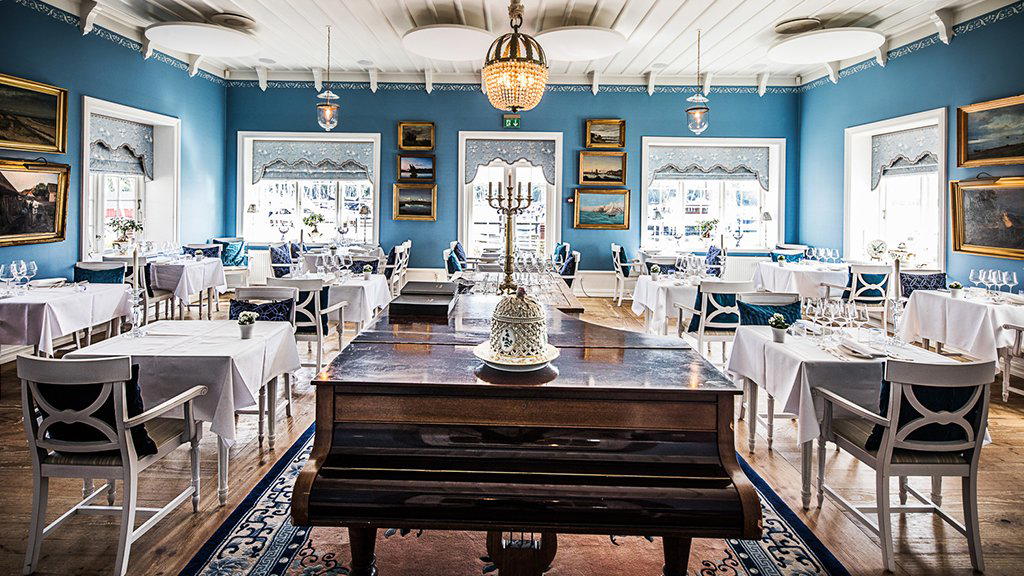
Bars in Nordborg
Browse all →Hotels in Nordborg
All hotels in Nordborg →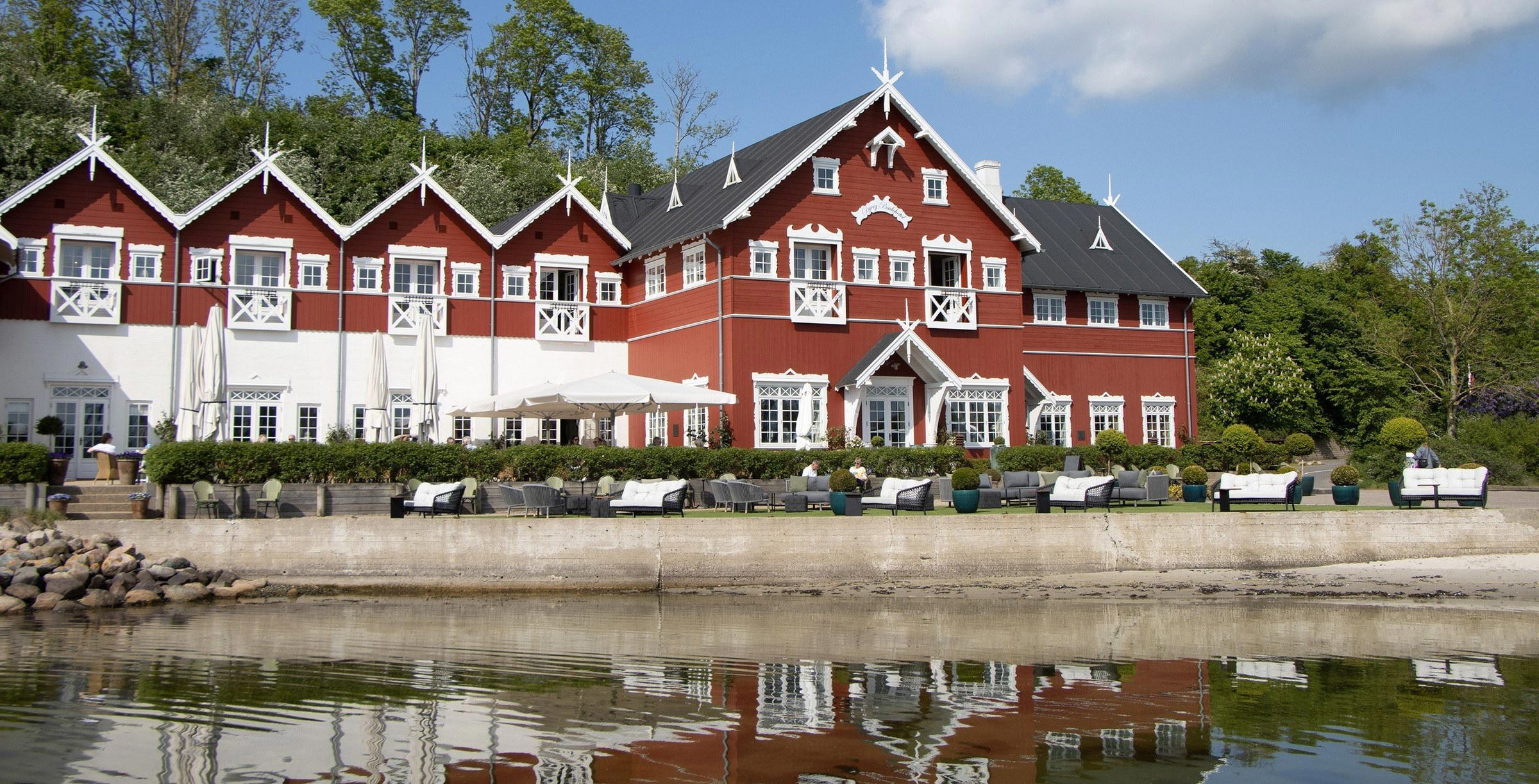
Wineries in Nordborg
Browse all →
Details
- Rustic
- Cozy
- Classic
- Casual Hangout
- Family
- Waterfront
- Waterfront
- A La Carte
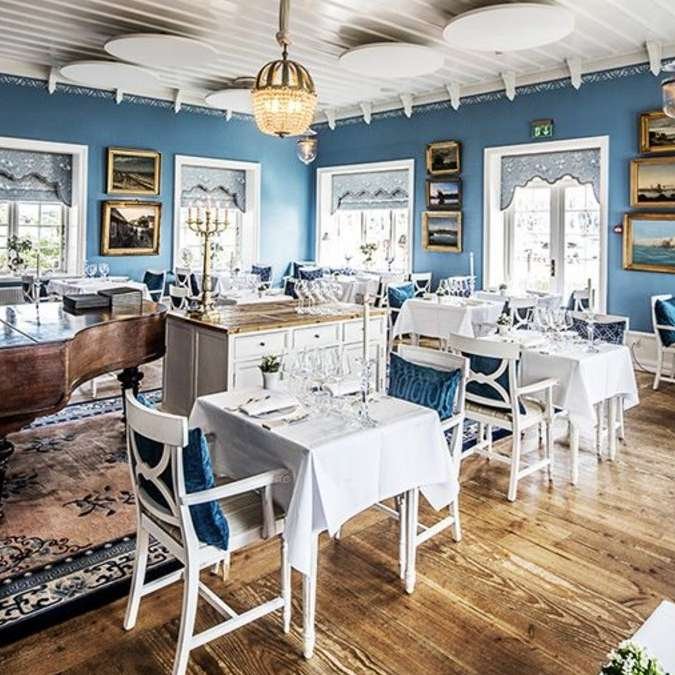
Old-fashioned style with rustic wooden ceiling, old ship's piano, stuffed birds, and rustic furniture creating a cozy, relaxing atmosphere.