
Curry Ya Nunkui belongs to Osaka’s serious curry circuit rather than its tourist-dining lane: small-scale, low-friction, and judged on depth of spice work rather than ceremony. Its Tabelog Curry WEST 100 selections in 2019, 2020, 2023, and 2024 place it within the region’s recognized curry cohort, with a compact Sakai setting that suits solo diners as much as small groups.
Pearl is the En Primeur Club membership app — saves, bookings, and concierge access live there. Same editors, same standards.
- Address
- 大阪府堺市堺区南島町2-51-1
- Website
- tabelog.com
 Saves & bookings on Pearl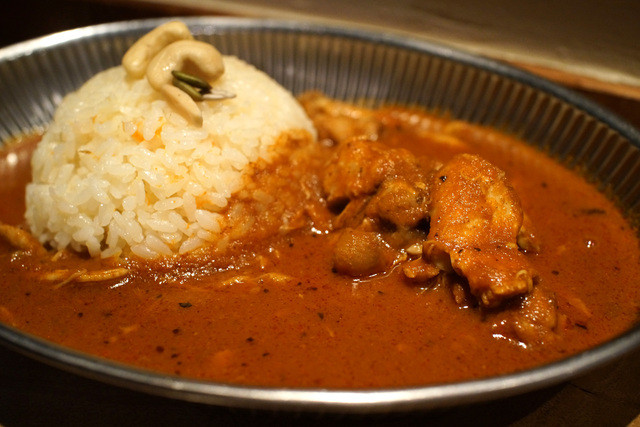
Approaching a small curry room in Sakai changes the tempo of an Osaka meal. The city’s louder food rituals, takoyaki steam, kushikatsu counters, department-store basements, sit elsewhere; here the signal is quieter: curry, Indian curry, café format, a compact room, and a local audience that treats spice as a reason to travel beyond the obvious central districts.
Osaka curry has never been a single tradition. It absorbs Japanese curry-rice comfort, South Asian spice grammar, café culture, and the city’s appetite for inexpensive specialization. Curry Ya Nunkui belongs to the specialist end of that spectrum, where the question is not luxury but concentration: how much character can fit into a modest plate, a short service window, and a room built for repeat eating rather than occasion dining.
Sakai curry culture rewards sourcing discipline over spectacle
The stronger curry addresses in Kansai tend to make ingredient sourcing visible through structure rather than announcement. Rice has to hold shape under sauce. Spice has to carry heat, bitterness, sweetness, and aroma without collapsing into generic warmth. Vegetables, pulses, meat, or seafood, when used, need to read as part of the curry’s architecture rather than decoration. That is why small curry shops can command regional attention without the theatrical language attached to tasting-menu restaurants.
Curry Ya Nunkui’s recognition on Tabelog Curry WEST 100 in 2019, 2020, 2023, and 2024 matters because the list is category-specific. It does not reward a restaurant for general polish across a broad menu; it places curry specialists into direct competition with other curry rooms across western Japan. A 3.58 Tabelog score adds another useful signal, not as a universal verdict, but as evidence of sustained diner approval in a category where local repeat custom carries real weight.
The pricing tier also tells part of the story. In Osaka, curry at this level competes less with hotel dining than with ramen, udon, tonkatsu, and set-meal counters, all formats where value is judged quickly and publicly. Compared with higher-spend Osaka rooms such as Nankai Grill Higashi ten, this is a different dining economy: fewer ceremonial cues, more pressure on the plate itself. Compared with casual staples such as Ginshari en or Honke Kojima, the appeal is narrower and more spice-led, which is exactly the point.
That makes the ingredient question central. Osaka diners are not short of carbohydrates, sauce, or comfort food; what separates a serious curry counter is the control of base, spice blend, and supporting elements. The available category tags, curry, Indian curry, and café, suggest a hybrid register rather than a strict reproduction of one national form. In Kansai, that hybridity is normal. The city has long treated imported foodways as working material, adjusting them to local rhythms without stripping away their core logic.
A 12-seat room changes how the meal behaves
Small capacity shapes the experience as much as the cooking. A 12-seat layout, including counter seating and two tables, pushes the room closer to a neighborhood specialist than a destination restaurant with layers of service. Counter seats in Japanese curry shops are not merely functional; they compress the distance between kitchen pace and diner attention. The format suits people eating alone, pairs who care more about the plate than the room, and travelers willing to leave central Osaka for a sharper read on local taste.
Reservations are unavailable, which places the restaurant inside a familiar Japanese casual-dining pattern: turn up, respect the queue, and accept that popular small shops operate within finite daily output. The stated request not to line up before opening is worth taking seriously. In dense residential and semi-residential neighborhoods, good dining manners include not making the restaurant’s success a nuisance for its neighbors. That social contract is part of the culture around small, high-demand food rooms in Japan.
The Sakai address also matters. This is Osaka Prefecture, but not the Osaka most visitors consume in a two-night itinerary. Sakai has its own civic identity, older craft associations, and a slower relationship to destination dining than Umeda, Namba, or Kitashinchi. Eating curry here frames Osaka as a metropolitan region rather than a single entertainment core. For a broader map of where the city’s eating culture spreads, Our full Osaka restaurants guide is the useful next layer; city planning across hotels, bars, wineries, and experiences sits separately at Our full Osaka hotels guide, Our full Osaka bars guide, Our full Osaka wineries guide, and Our full Osaka experiences guide.
How it fits into a wider Osaka and Japan itinerary
For travelers building an Osaka food route, Curry Ya Nunkui works as a corrective to the city’s better-known snack mythology. It is not the obvious first stop for someone chasing neon and street-food shorthand; it is the more revealing stop for someone tracing how everyday formats become specialist culture. Pairing it mentally with bakery, café, and casual dining addresses such as.cafe, 52CHO-ME BAKERY, 551 Horai (551蓬莱), 99 Pizza Napoletana Gourmet, and a canto (Italian) shows how broad Osaka’s mid-priced eating culture is: not one category, but a network of precise cravings.
The same logic travels across Japan. Curry specialists, rice-led formats, sake bars, and compact counters often reveal more about local dining habits than grand rooms do. Useful comparison points outside Osaka include [Curry Senmon Ten] Maruyama Kyoju. in Sapporo, [ki:] in Kyoto.know in Kumamoto, (Shoku) Vietnam in Kawasaki. 鮪と炭火焼き うお炭 秋葉原店 in Tokyo, and -Grilled beef Sukiyaki- KAMAKURA TANUKIAN 鎌倉 たぬき庵 in Kamakura. Across the Pacific, Jōdo Saké Bar in Los Angeles and Onigiri Time in Pasadena underline the same point in diaspora form: focused Japanese dining often speaks clearest when the format is narrow.
The editorial case for this Sakai curry shop is therefore specific. It is for diners who want Osaka beyond shorthand, who understand that regional recognition in a humble category can be as meaningful as formal awards in expensive rooms, and who are willing to let spice, sourcing discipline, and small-room etiquette define the meal.
Comparable Spots, Quickly
Comparable venues at the same tier for side-by-side context.
| Venue | Cuisine | Price | Notes |
|---|---|---|---|
| Curry Ya NunkuiThis venue — the venue you are viewing | Curry / Indian Curry | $ | Not listed |
| Nepal & Indian Manakamana | Nepalese & Indian Curry House | $ | Chūō |
| Curry & Spice Warung | Osaka Spice Curry & Indian Curry | $$ | Nishi |
| Ganesh N | Indian home-style curry plates | $$ | Kita |
| Moriyama Ya | Indian-style Curry House | $ | Kita |
| Niji no Hotoke | Osaka spice curry & Japanese-style Western curry | $ | Tennōji |
Recognition history
Dated appearances from independent guides and award organizations, with the underlying list record or original source where available.
Tabelog 100 #98 · No. 98
Tabelog · Tabelog 100 - Curry - WEST - 2024
Continue exploring
More in Osaka
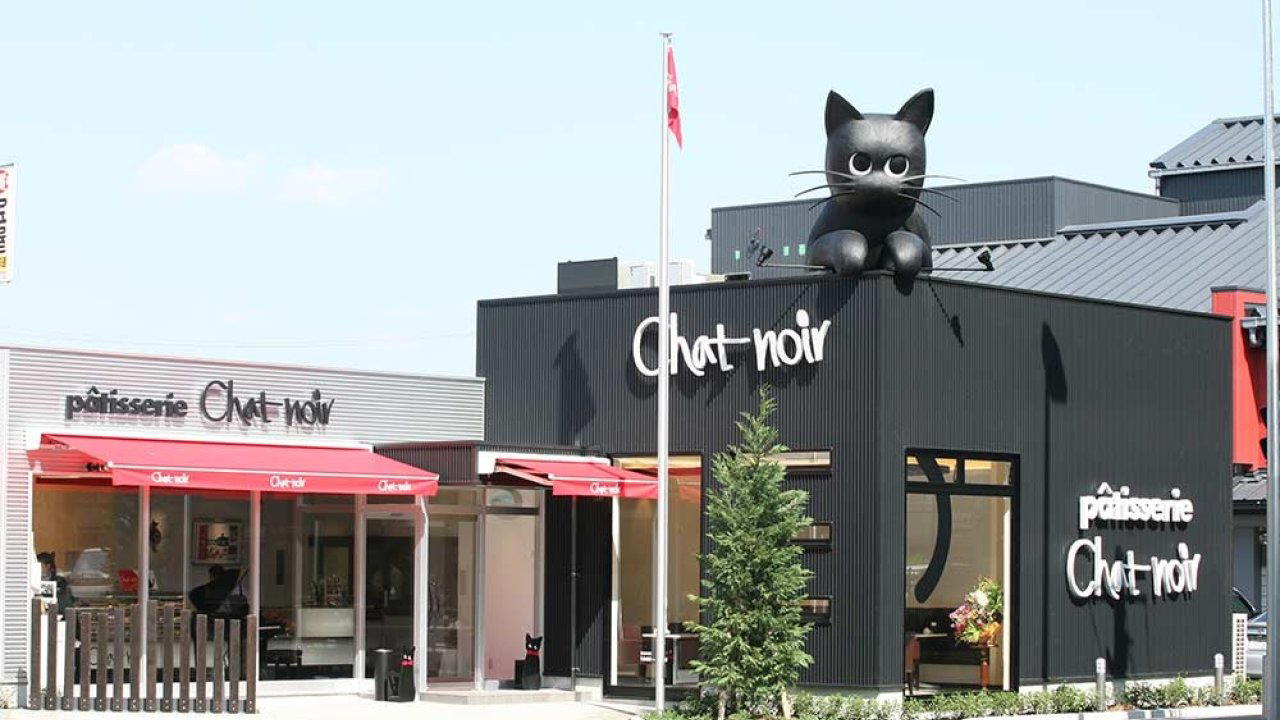
Restaurants in Osaka
Browse all →




Bars in Osaka
Browse all →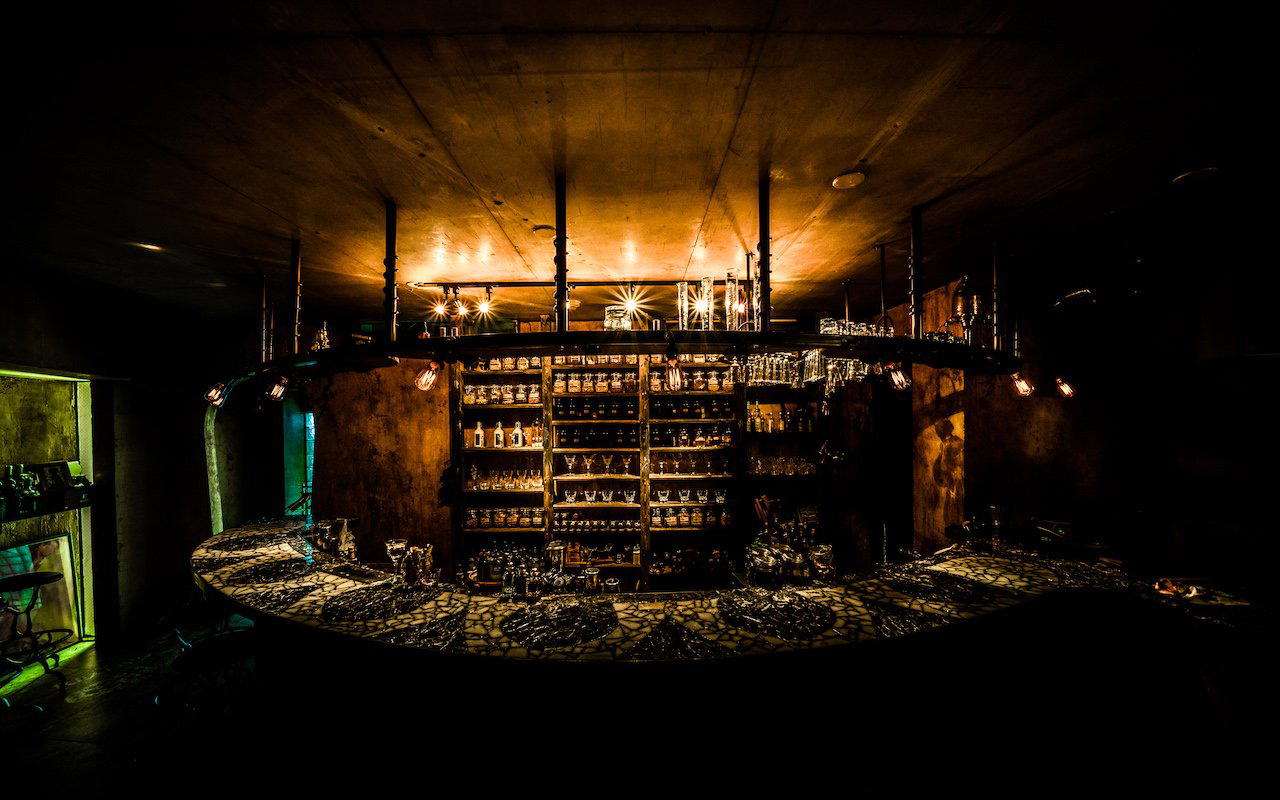


Hotels in Osaka
Browse all →



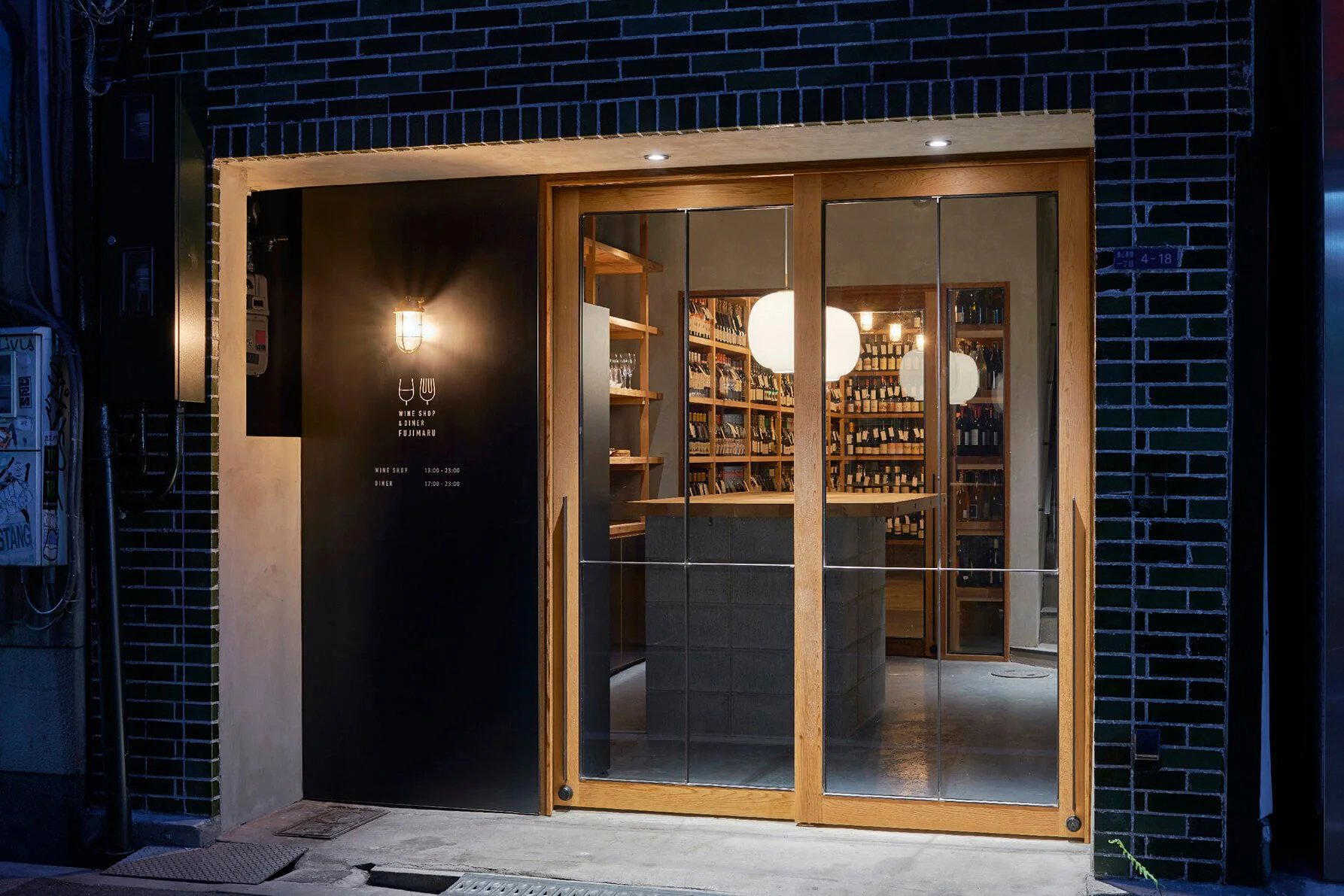
Wineries in Osaka
Browse all →
At a Glance
- Cozy
- Trendy
- Solo
- Casual Hangout
- Standalone
Stylish and relaxing, with counter seating and a compact, hideout-like atmosphere.