Our verdict
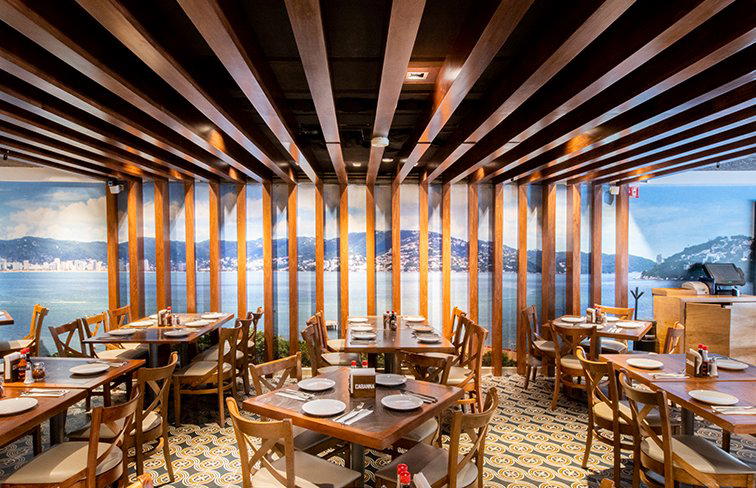
Cabanna Restaurant operates in Culiacán's Tres Ríos development, one of Sinaloa's more ambitious mixed-use urban projects. The address places it in a commercial corridor that has attracted several notable dining options, situating Cabanna within a city whose food culture draws heavily on Pacific coast ingredients and northern Mexican ranch traditions. Visitors exploring Culiacán's emerging restaurant scene will find it worth including in their planning.

Pearl is the En Primeur Club membership app — saves, bookings, and concierge access live there. Same editors, same standards.
- Address
- Blvd. Francisco Labastida Ochoa 1695, Desarrollo Urbano Tres Ríos, 80020 Culiacán Rosales, Sin., Mexico
- Phone
- +526677120919
- Hours
- Mon–Sat 11 AM–10 PMSun 11 AM–7 PM
- Website
- cabanna.com.mx
- Directions
- Get directions
The menu
What to order
- Camarón Roca
- Chicharrón Cabanna
- Leche de Tigre
Culiacán at the Table: What the City's Dining Scene Tells You
Sinaloa's capital does not appear on the shortlist of Mexican dining destinations the way Oaxaca, Mexico City, or the Baja peninsula do. That absence says more about media attention than culinary substance. Culiacán sits at the intersection of Pacific seafood abundance and the deep cattle and agriculture traditions of northern Mexico, a combination that shapes restaurant menus here in ways that differ sharply from the mole-centred south or the modernist tasting-menu circuits found at places like Pujol in Mexico City or Le Chique in Puerto Morelos. The city's restaurants, at their most representative, work with shrimp and ceviche from the coast alongside grilled beef preparations that reflect the ranching economy of the state's interior. That culinary duality is not a compromise; it is the character of Sinaloan cooking.
Tres Ríos, the planned development where Cabanna Restaurant is located on Blvd. Francisco Labastida Ochoa, represents a newer layer of Culiacán's urban fabric. Developed as a mixed-use commercial and residential zone, Tres Ríos has become the address of choice for the city's mid-to-upper dining segment, drawing operators who want modern infrastructure and a clientele already oriented toward spending on food and hospitality. The corridor functions less like a historic dining district and more like a deliberate concentration of commercial ambition, comparable in some respects to the Nuevo Polanco development strategy in Mexico City, though at a significantly smaller scale.
The Tres Ríos Restaurant Tier and Where Cabanna Sits
Within Culiacán's dining geography, the Tres Ríos addresses occupy a distinct position. Restaurants here compete less on heritage and neighbourhood character and more on format, finish, and the breadth of their menu proposition. That competitive logic rewards establishments that can hold a room for business lunches and family dinners equally, which tends to produce menus that range wider than the specialist approaches you find at chef-driven projects like KOLI Cocina de Origen in Monterrey or Levadura de Olla Restaurante in Oaxaca. Cabanna operates in that broader-appeal register, positioned alongside other notable Culiacán addresses including Asador La Vaca Argentina Culiacán and Casa Bon, both of which anchor the city's more established dining circuit.
Comparing Culiacán's better restaurants to the nationally recognised tier reveals a meaningful gap in formal recognition. Operations like Alcalde in Guadalajara or Pangea in San Pedro Garza García carry verifiable award credentials and function within a critical ecosystem of food media coverage. Culiacán's scene, including Cabanna, operates largely outside that framework, which makes peer comparisons based on formal recognition less applicable. What matters more here is local reputation and consistency within the city's own standards, factors that are harder to assess from the outside but more meaningful to the residents who make up the primary dining public.
Sinaloan Cooking: The Cultural Logic Behind the Menu
Understanding what a restaurant in Culiacán is attempting requires some grounding in what Sinaloan cuisine actually is. It is not a codified tradition in the way that Oaxacan cuisine is, with its seven moles and its pre-Hispanic ingredient continuity documented by food historians. Sinaloan cooking is more pragmatic and more immediately tied to the state's economic identity: fishing in the coastal lagoons and along the Pacific shore, cattle ranching in the foothills and valleys, and the agricultural production of vegetables and chiles that has made Sinaloa one of Mexico's most significant farming states. The result is a cuisine built on freshness and directness rather than complexity and technique.
Ceviche and aguachile are the most globally recognised Sinaloan contributions to Mexican food culture, with aguachile in particular having migrated to restaurant menus well beyond the state's borders. The preparation, raw shrimp cured briefly in lime with chiles and served cold, rewards the quality of the shrimp more than any technique applied to it, which is why proximity to the Pacific coast matters. Restaurants in Culiacán that work with these preparations have an ingredient advantage over counterparts in landlocked cities, even those with more sophisticated kitchen programmes. That geographic logic is worth bearing in mind when assessing what any Culiacán restaurant is positioned to do well. For a broader look at how Mexico's coastal and regional cooking scenes are developing, the range visible across venues like HA' in Playa del Carmen, Arca in Tulum, Animalón in Valle de Guadalupe, and Olivea Farm to Table in Ensenada provides useful context for where Sinaloan cooking sits within the national picture.
Visiting Cabanna: What to Consider Before You Go
The venue's address in Tres Ríos places it in a part of Culiacán that is direct to reach by car and within a commercial zone that includes parking and nearby amenities. Blvd. Francisco Labastida Ochoa is one of the development's main arteries, which means the approach is legible even for visitors unfamiliar with the city. For those exploring Culiacán's dining options more broadly, our full Culiacán restaurants guide provides context on the city's wider restaurant geography and how to structure a visit across its different districts.
This applies equally to questions about private dining capacity and event formats, which vary across Tres Ríos operators. The comparison set is useful here: a mid-range restaurant in a Mexican regional city of Culiacán's scale typically prices notably below the $$$$ tier occupied by operations like Huniik in Merida, Gaia at Maykana in Riviera Maya, or the benchmark fine-dining tiers you find at Le Bernardin in New York City or Lazy Bear in San Francisco, though the precise pricing for Cabanna requires direct confirmation.
Frequently asked questions
Is Cabanna Restaurant suitable for children?
Cabanna's address in Tres Ríos, a commercial district designed around boulevard access and family-oriented retail, points toward a format that accommodates mixed-age groups. Sinaloan dining culture broadly skews toward family gatherings rather than adult-only settings.
How would you describe the vibe at Cabanna Restaurant?
Tres Ríos is Culiacán's polished commercial corridor, and restaurants along Blvd. Francisco Labastida Ochoa tend to read as mid-to-upper casual: table service, a full dining room rather than counter seating, and a crowd that mixes business lunches with evening family dinners. Cabanna fits that register. Expect a sit-down environment rather than anything experimental or nightlife-adjacent.
Is Cabanna Restaurant a good option for experiencing authentic Sinaloan cuisine in Culiacán?
Cabanna sits in Tres Ríos, the district where Culiacán's current restaurant investment is concentrated, placing it within the tier that local diners turn to for considered, sit-down meals rather than street-level antojitos. Sinaloan cuisine, one of Mexico's most protein-forward regional traditions, draws on Pacific seafood and northern beef ranching in ways that rarely surface on menus outside the state. A restaurant at this address, in this city, is positioned to offer that regional cooking to both locals and visitors arriving from outside Sinaloa.
What do regulars order at Cabanna Restaurant?
Sinaloa's culinary identity is built around Pacific seafood, particularly aguachile, ceviche variations, and grilled fish, alongside beef preparations from the state's cattle-ranching interior. Regulars at restaurants in this city and tier typically anchor their orders around those categories.
What's the address for Cabanna Restaurant?
Cabanna Restaurant is located at Blvd. Francisco Labastida Ochoa 1695, Desarrollo Urbano Tres Ríos, 80020 Culiacán Rosales, Sin. Mexico, Culiacan.
Do they take walk-ins at Cabanna Restaurant?
No reservation data for Cabanna has been published, and its location within a high-traffic commercial zone in Tres Ríos suggests walk-in traffic is part of the normal flow. Restaurants on Blvd. Francisco Labastida Ochoa generally serve a local clientele that includes spontaneous visits. Calling ahead remains advisable for weekend evenings or larger groups.
Booking and Cost Snapshot
Comparable venues nearby, for context on price, style, and recognition.
| Venue | Cuisine | Price | Notes |
|---|---|---|---|
| Cabanna RestaurantThis venue — the venue you are viewing | Modern Mexican Seafood | $20–30 | Not listed |
| Casa Bon | Mexican Contemporánea | Not listed | Centro, Mexican Contemporánea |
| Asador La Vaca Argentina Culiacan | Argentine Steakhouse | $30–50 | Desarrollo Urbano Tres Ríos, Argentine Steakhouse |
| Call Me Lalo Taquería | Beachfront Mexican taquería | $20–30 | Puerto Vallarta, Beachfront Mexican taquería |
| Mercado 20 de Noviembre | Traditional Oaxacan Market Food | $1–10 | Centro, Oaxacan Market Food |
| Tacos Providencia | Authentic Guadalajara Taqueria | $10–20 | Lomas de Guevara, Authentic Guadalajara Taqueria |
Continue exploring
More in Culiacan
Restaurants in Culiacan
Browse all →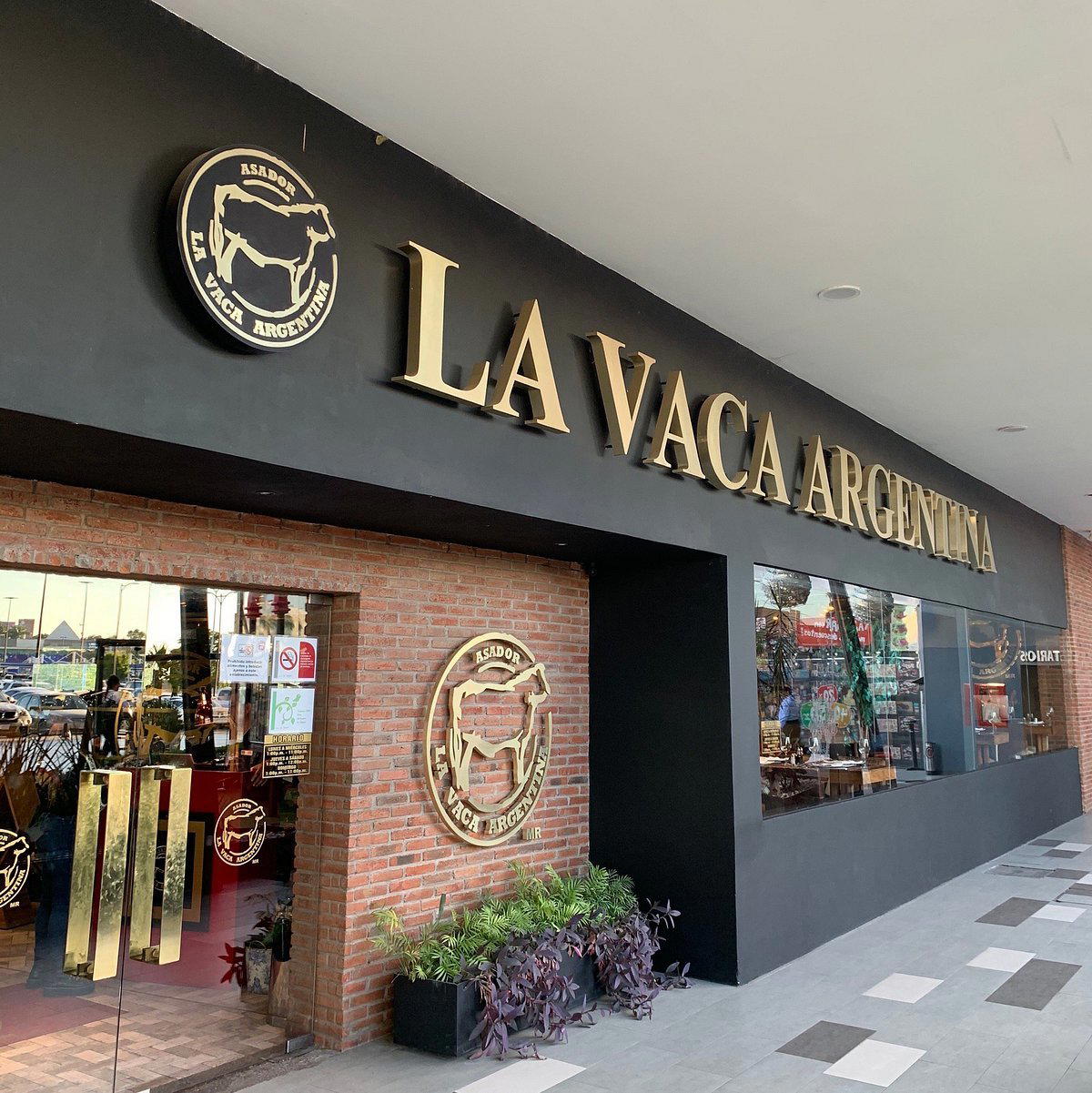
Details
- Lively
- Trendy
- Elegant
- Group Dining
- Date Night
- Celebration
- Casual Hangout
- Open Kitchen
- Terrace
- Craft Cocktails
- A La Carte
- Small Plates
- Craft Cocktails
- Vegetarian Friendly
- Gluten Free Options
Current opening hours
- Monday
- 11 AM–10 PM
- Tuesday
- 11 AM–10 PM
- Wednesday
- 11 AM–10 PM
- Thursday
- 11 AM–10 PM
- Friday
- 11 AM–10 PM
- Saturday
- 11 AM–10 PM
- Sunday
- 11 AM–7 PM
Hours can change for holidays and private events. Last verified .
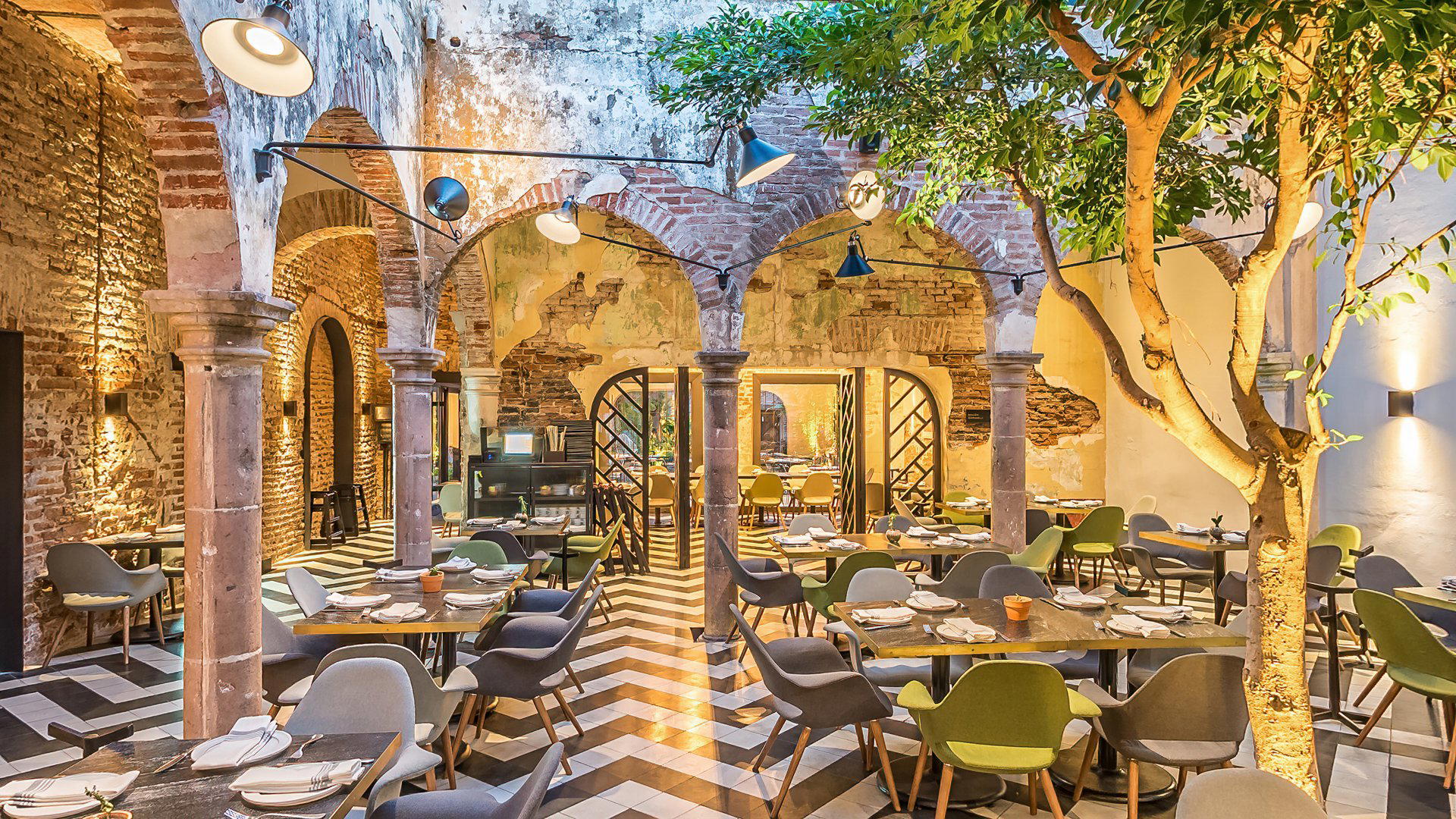
Fun and upbeat with good music, energetic service, and a cool, hip lounge-bar vibe transporting guests to a relaxed beach mood.