Google: 4.8 · 274 reviews
Sihlhalde

A Michelin-starred farmhouse restaurant in the quiet hamlet of Gattikon, Sihlhalde earns its reputation through radical restraint: chef Gregor Smolinsky works with a handful of precisely sourced ingredients per dish, letting quality carry the plate. The brasato ravioli and soufflé have near-cult status among regulars, and the plane-tree terrace makes it a compelling seasonal destination south of Zurich.
 Discover on Pearl
Pearl is the En Primeur Club membership app — saves, bookings, and concierge access live there. Same editors, same standards.
A Farmhouse at the Edge of the Sihl Valley
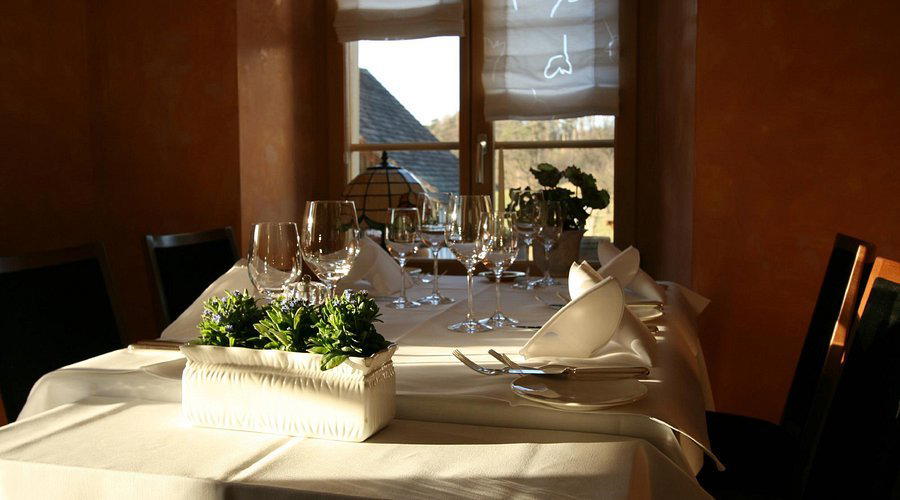
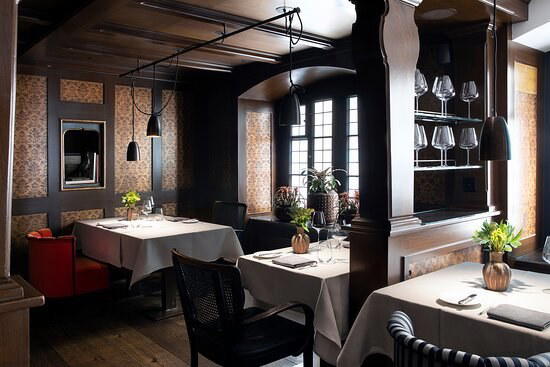
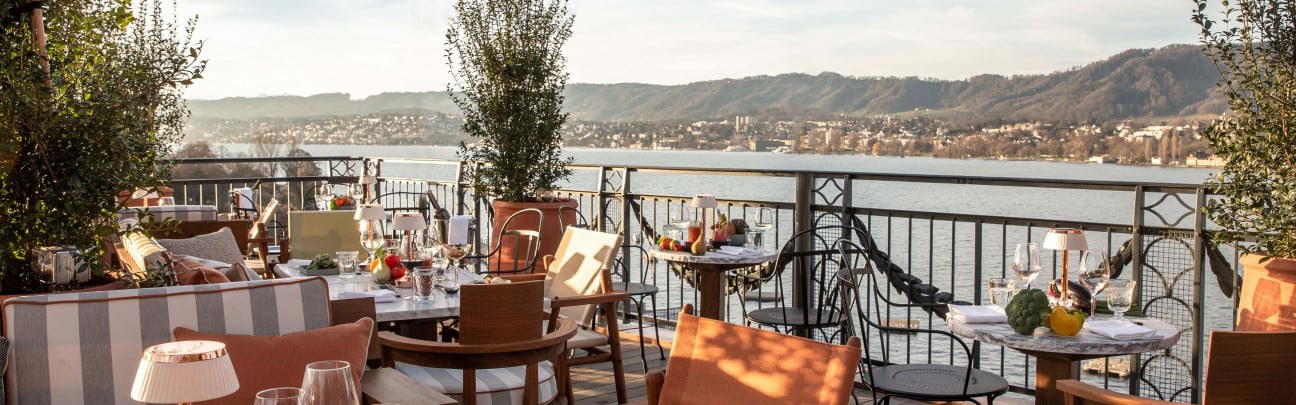
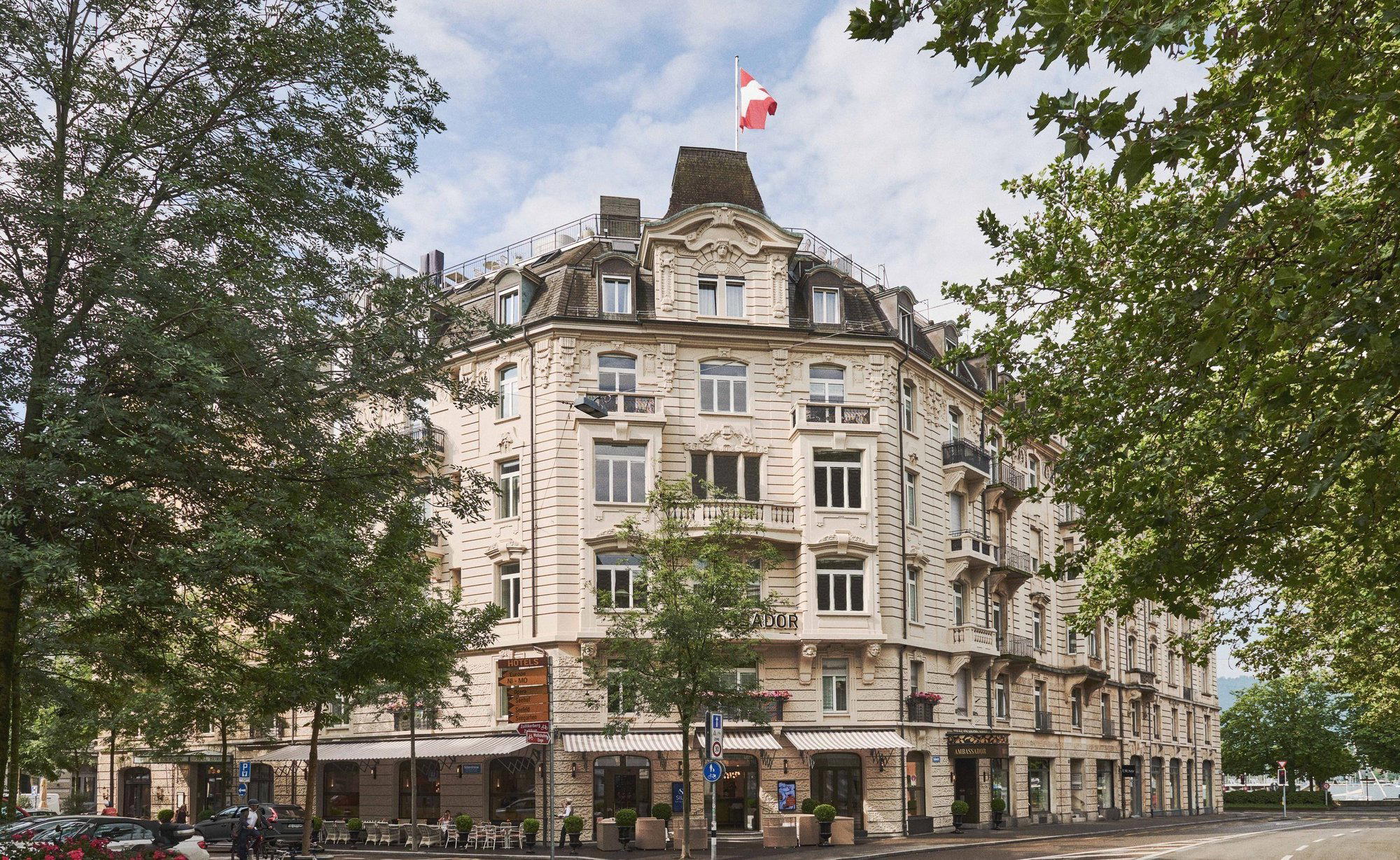
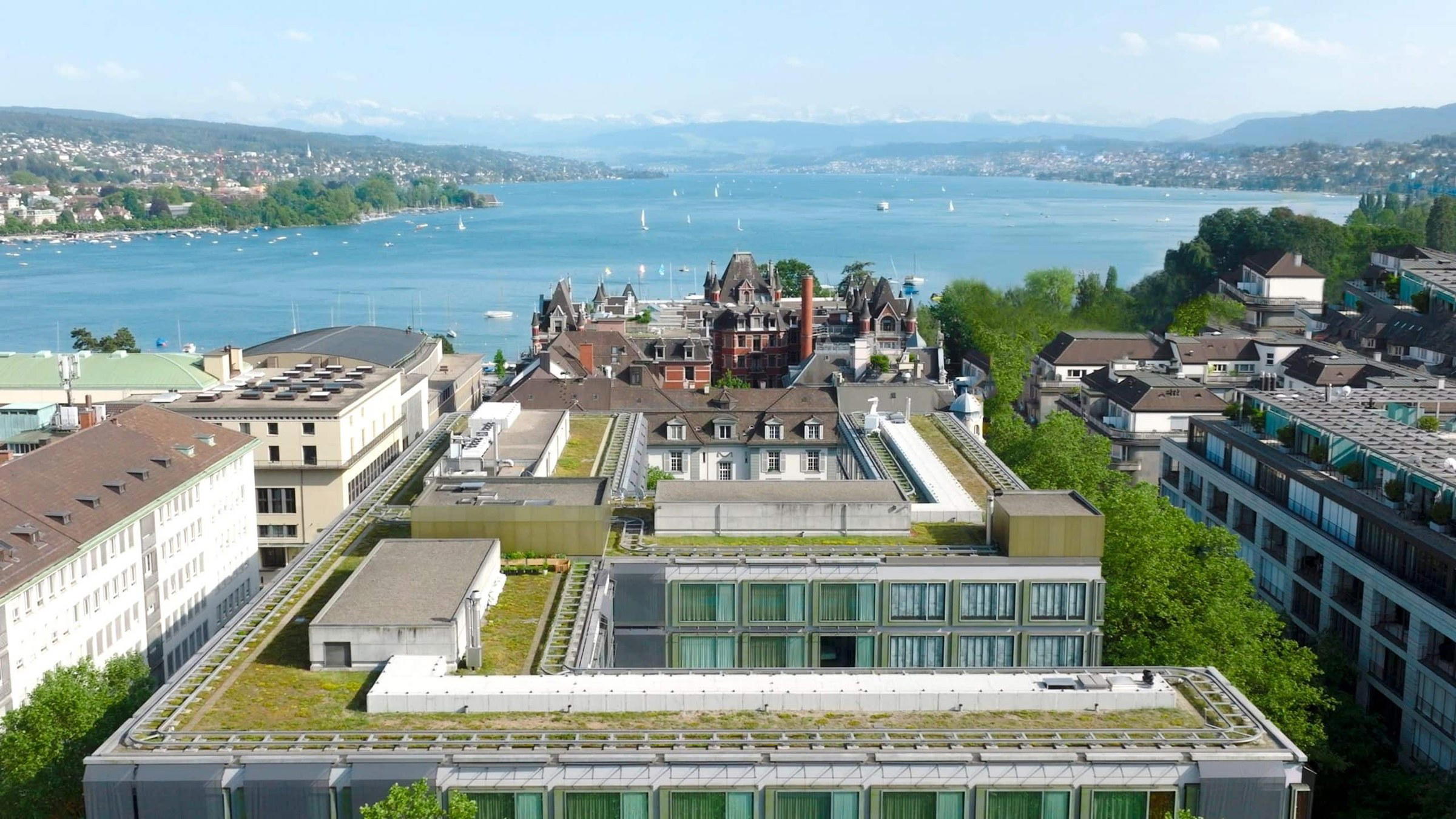
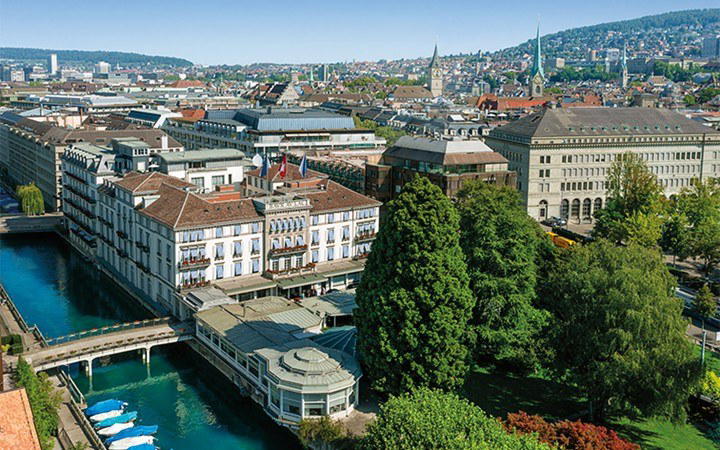
The approach to Gattikon sets expectations before you sit down. The hamlet sits in the Sihl valley south of Zurich, quiet enough that the sound of the road fades before you reach the address. Sihlhalde occupies a historical farmhouse on Sihlhaldenstrasse 70, and the building carries the particular weight of a place that has been inhabited for generations — low eaves, stone and timber, a terrace shaded by mature plane trees that frames a view across open countryside. In a region where Swiss dining at this level often arrives in purpose-built contemporary rooms, the setting is a deliberate counterpoint: old structure, seasonal light, a pace that adjusts itself to the surroundings.
That physical context is not incidental. It points toward the kind of restaurant Sihlhalde is: one where the emphasis falls on what is on the plate rather than what surrounds it, and where the sourcing and quality of ingredients functions as the central editorial argument of the menu.
The Case for Sourcing as a Culinary Statement
Classic cuisine in Switzerland sits across a wide spectrum. At the higher end of the country's Michelin-recognised table, many kitchens have moved toward elaboration: modern technique, creative plating architectures, and multi-element compositions that signal ambition through complexity. Places like Schloss Schauenstein in Fürstenau and focus ATELIER in Vitznau represent that direction, operating at €€€€ price points with creative or modern Swiss classifications. Memories in Bad Ragaz and IGNIV Zürich by Andreas Caminada in Zurich similarly sit in that upper tier of conceptual reach.
Sihlhalde makes a different argument. Its Michelin one-star recognition (2024) places it in measurable company, but the kitchen's method is one of reduction rather than accumulation. Chef Gregor Smolinsky works with limited component counts per dish, a discipline that removes the technical flourish as camouflage and exposes the ingredient directly to scrutiny. When a plate carries three or four elements, each one needs to justify its place, and the sourcing decision becomes visible in a way that multi-element cooking can obscure. A freshly caught John Dory served with grainy mustard sauce and Catalogna — a chicory-family green with pronounced bitterness , illustrates the approach: the fish is the point, the companions are framing, and the dish works entirely on the quality of what arrived in the kitchen that morning.
This is a mode of cooking with a clear historical lineage in French and Swiss classic tradition. It demands confidence in the supply chain and a willingness to let the product bear the entire critical weight of a course. Among the peer set of Swiss Michelin tables operating at a €€€ price point, it represents a considered position rather than a default one.
What the Menu Communicates
The brasato ravioli and the soufflé have, by consistent account, achieved the kind of regularity-and-reputation combination that earns the term near-cult status among the restaurant's returning clientele. In the context of a kitchen philosophy built around restraint, the endurance of these two dishes says something about how classic technique , slow-braised filling, precisely timed batter , rewards the same reduction logic that governs the rest of the menu. They are not complex in the contemporary sense; they are accomplished in the older sense, where the test is execution over time rather than novelty of conception.
The cuisine classification is Classic Cuisine, and that label carries weight here in a way it does not always carry. It signals a kitchen that is not chasing categories or trend cycles but is instead operating within a set of standards it takes seriously on their own terms. For a reader comparing Sihlhalde to, say, Cheval Blanc by Peter Knogl in Basel or L'Atelier Robuchon in Geneva, the distinction is one of register and ambition type rather than quality level. Sihlhalde is not trying to be those places; it is operating in a different part of the Swiss fine-dining taxonomy.
Visitors comparing across European classic cuisine addresses might also draw lines to Maison Rostang in Paris, another Michelin-recognised house where the idiom is classical and the sourcing logic is front-facing. The parallel is useful for calibrating what a meal at Sihlhalde will feel like in register, if not in specific style.
Service, Setting, and the Rhythm of the Room
The restaurant is frequently fully booked, which in a farmhouse-scale space means advance reservation is not optional , it is the baseline assumption for anyone planning the drive from Zurich or beyond. The service model, consistent with the building and the menu, runs toward the informal end of fine dining: attentive but not formal, warm in a way that reads as genuinely hospitality-led rather than scripted. The description of service as almost familial is substantiated by the restaurant's track record and Google rating of 4.7 across 258 reviews, a score that holds at that level across a meaningful sample size.
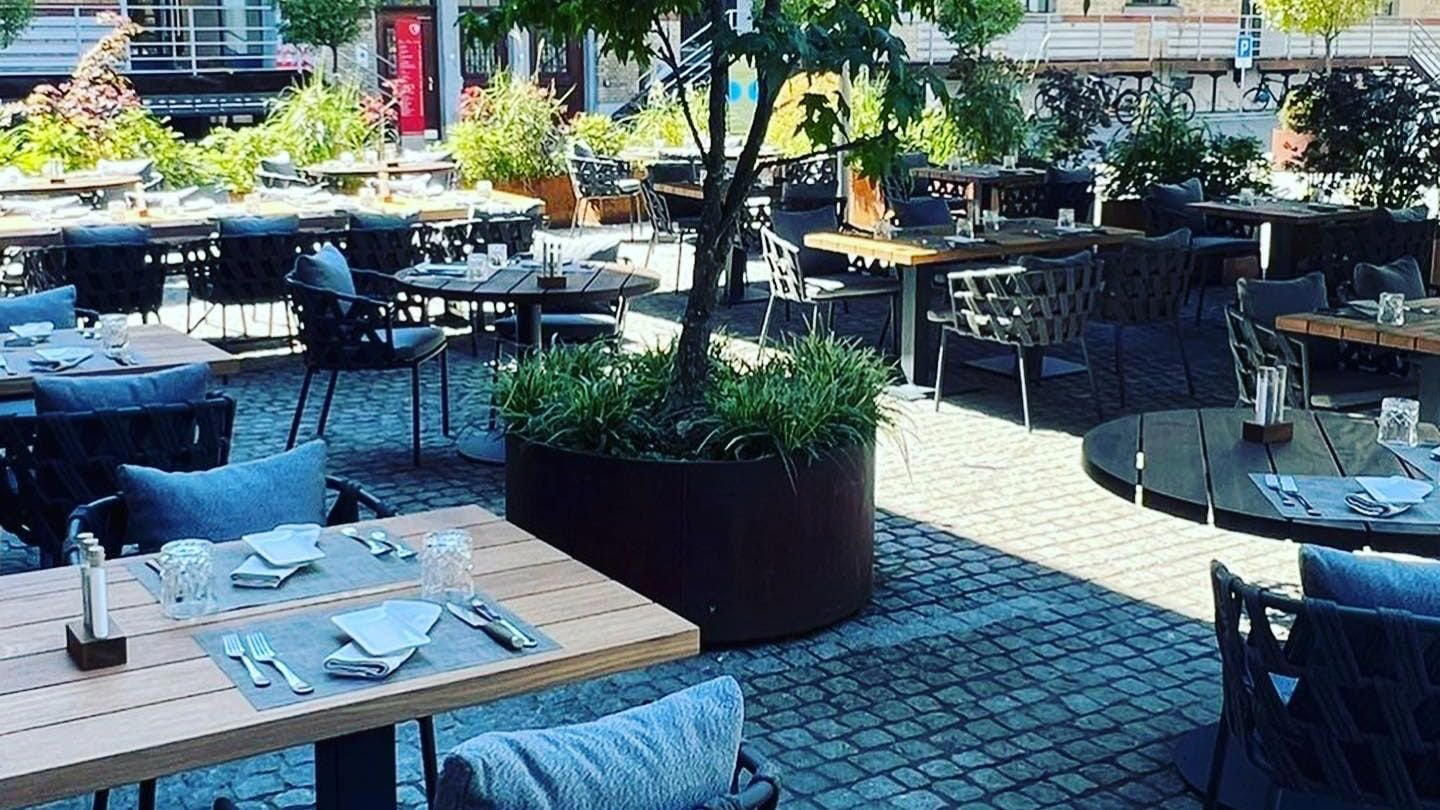
The plane-tree terrace is a seasonal consideration worth planning around. Shaded and open to the valley views, it functions as a distinct dining environment from the interior farmhouse room, and the period from late spring through early autumn shifts the calculus of when to visit. Sihlhalde sits at a price point (€€€) that positions a meal here as a deliberate occasion rather than a casual drop-in, and the terrace in good weather adds an environmental argument that the interior, however characterful, cannot replicate in the same way.
Getting There and Planning the Visit
Gattikon sits roughly 12 kilometres south of central Zurich, accessible by car along the Sihltal corridor. The restaurant has parking on site, a practical detail worth noting given the rural address and the absence of obvious public transport options at the doorstep. For those combining the visit with Zurich-based travel, the journey out is short enough to treat as a lunch or dinner excursion without significant logistical overhead.
Operating hours run Tuesday through Saturday, with lunch service from 11:30 AM to 3:00 PM and dinner from 6:30 PM to 11:30 PM. The kitchen is closed on Sundays and Mondays. Given the restaurant's tendency to book up, planning several weeks ahead for dinner and at minimum a week or two for weekday lunch is a reasonable baseline. Weekend dinner should be treated as requiring the longest lead time.
For those building a broader itinerary around Swiss Michelin dining, Sihlhalde pairs naturally with Zurich-based addresses like IGNIV Zürich for a contrast in format and register, or with further-afield destinations like Einstein Gourmet in Sankt Gallen, Colonnade in Lucerne, or Da Vittorio in St. Moritz for a fuller map of the country's recognised dining range. The broader Swiss table is also anchored at the multi-star level by Hotel de Ville Crissier in Crissier, which represents a different tier of investment and ambition. For readers arriving from across the border, KOMU in Munich offers a useful classic-cuisine comparison point in the neighbouring German context, and 7132 Silver in Vals extends the Swiss circuit into a very different architectural and geographic register.
For a complete picture of eating, staying, and exploring in the area, see our full Gattikon restaurants guide, our full Gattikon hotels guide, our full Gattikon bars guide, our full Gattikon wineries guide, and our full Gattikon experiences guide.
In Context: Similar Options
These are the closest comparables we have in our database for quick context.
| Venue | Cuisine | Price | Awards | Notes |
|---|---|---|---|---|
| Sihlhalde | Classic Cuisine | €€€ | Michelin 1 Star | This venue |
| Schloss Schauenstein | Modern European, Creative | €€€€ | Michelin 3 Star | Modern European, Creative, €€€€ |
| Memories | Modern Swiss | €€€€ | Michelin 3 Star | Modern Swiss, €€€€ |
| focus ATELIER | Modern Swiss, Creative | €€€€ | Michelin 2 Star | Modern Swiss, Creative, €€€€ |
| IGNIV Zürich by Andreas Caminada | Sharing | €€€€ | Michelin 2 Star | Sharing, €€€€ |
| La Table du Lausanne Palace | Modern French | €€€€ | Michelin 2 Star | Modern French, €€€€ |
At a Glance
- Cozy
- Classic
- Romantic
- Elegant
- Rustic
- Date Night
- Special Occasion
- Business Dinner
- Celebration
- Terrace
- Historic Building
- Garden
- Private Dining
- Local Sourcing
- Garden
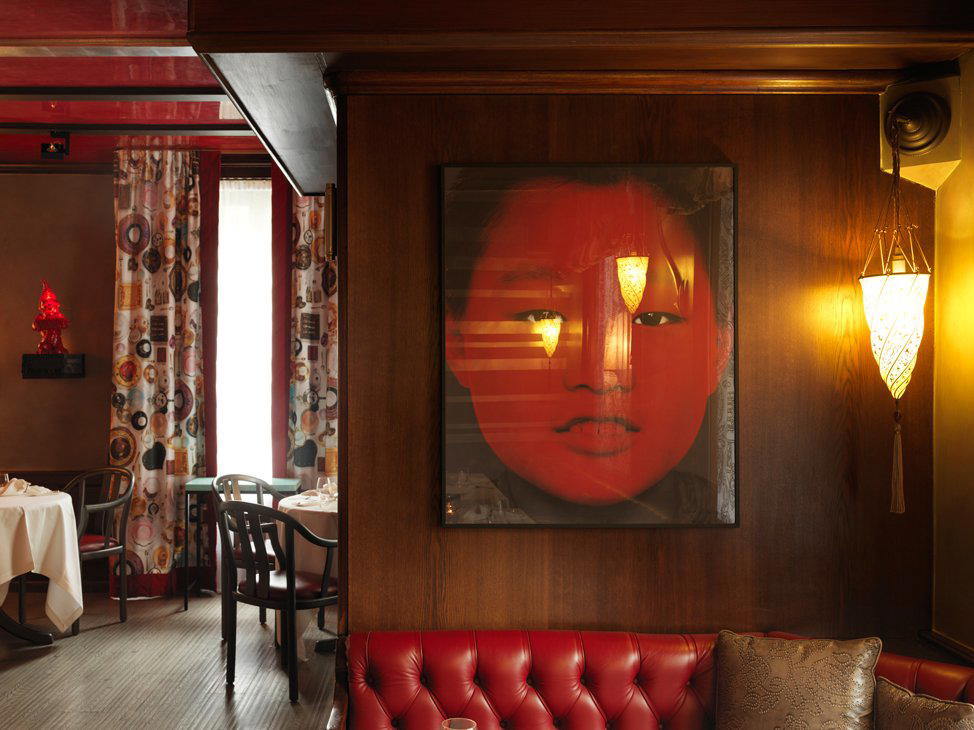
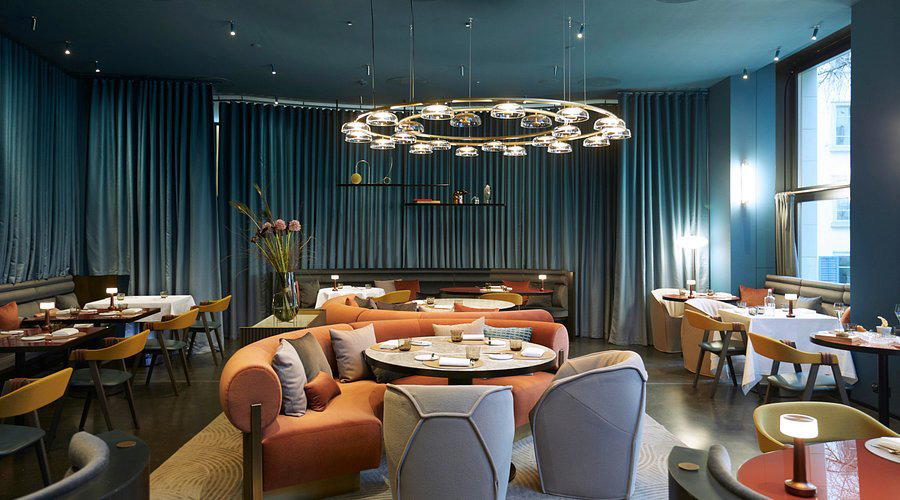
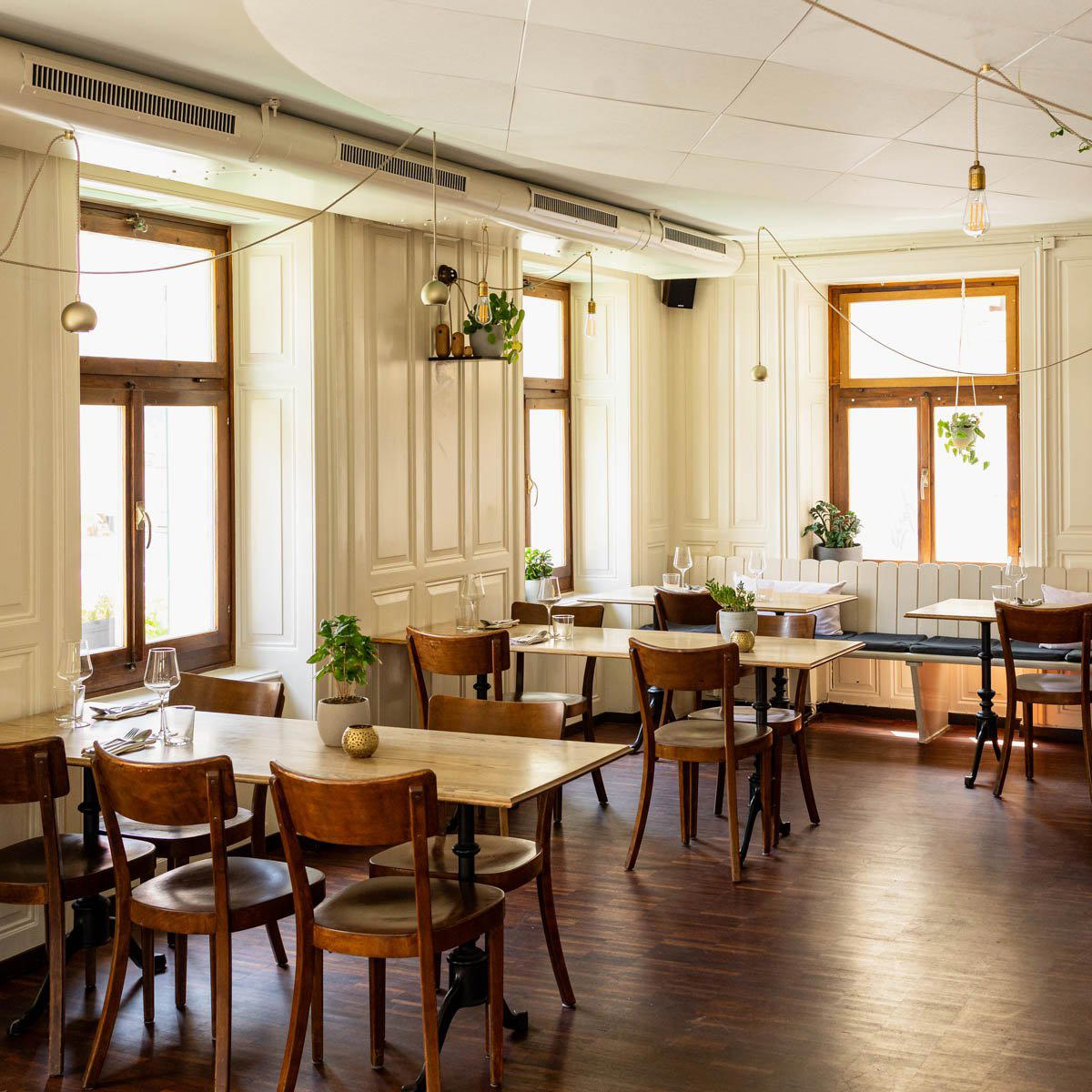
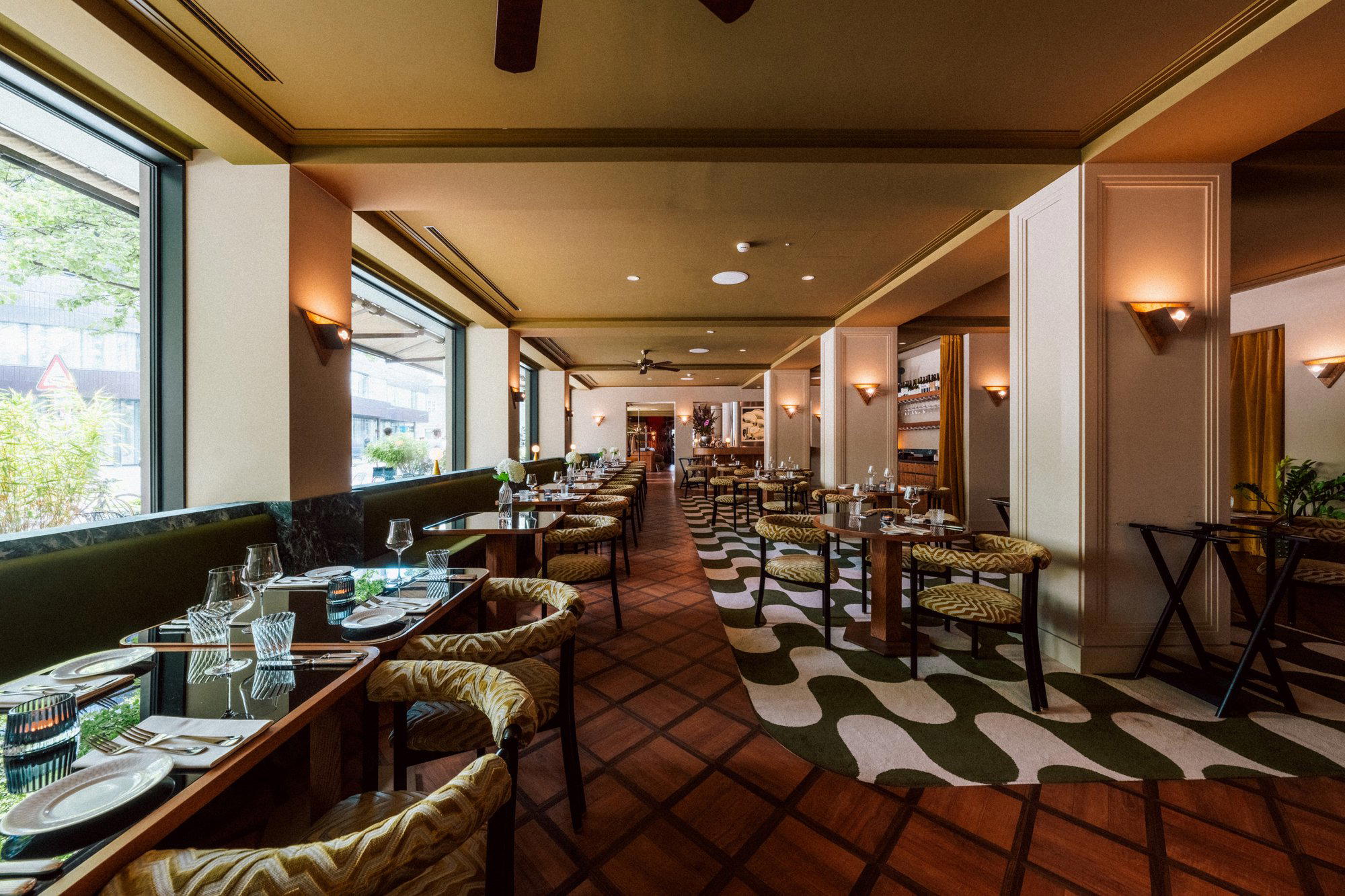
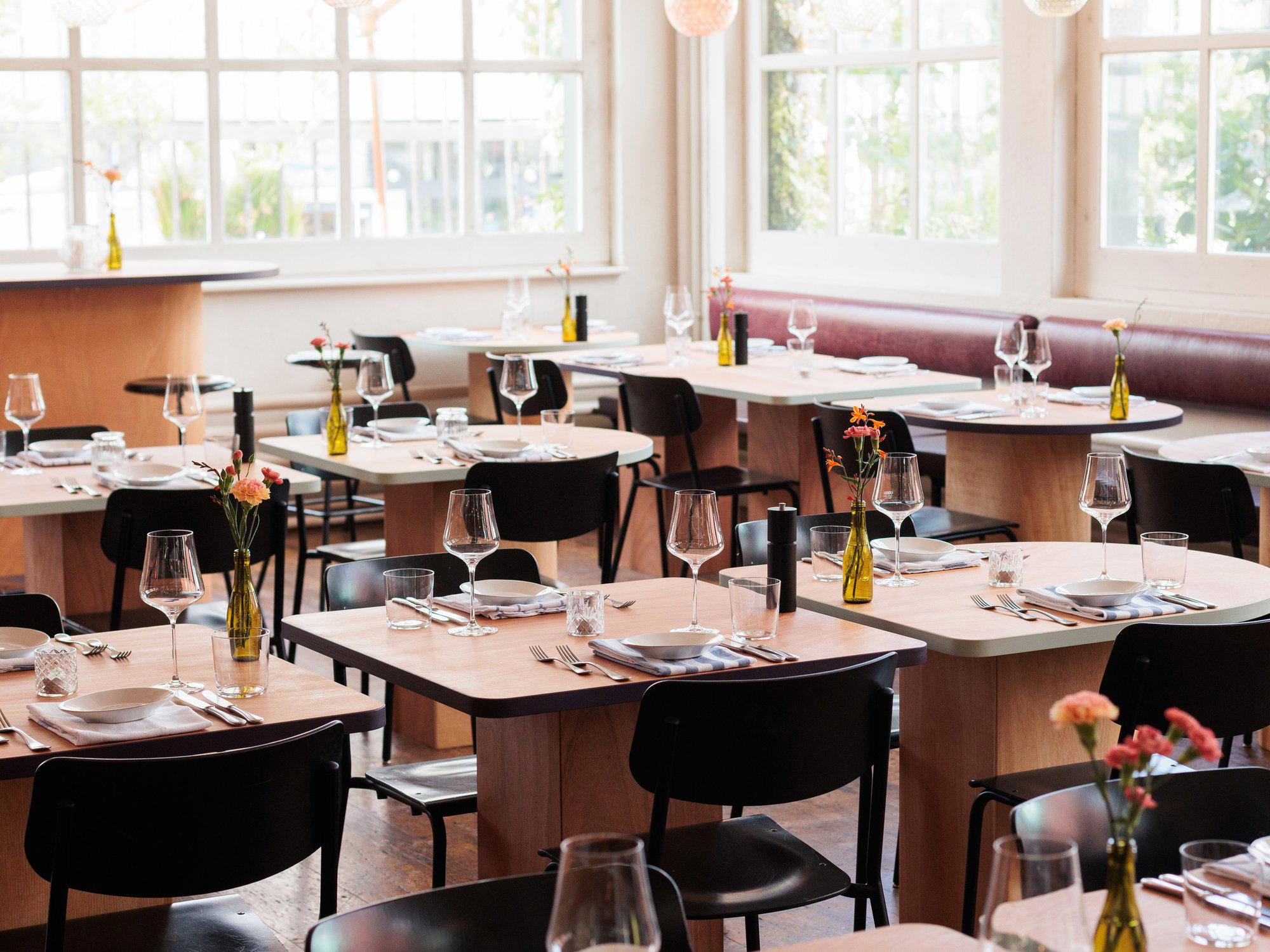
Cozy low dining room with immaculately laid tables and white cloth napkins; terrace shaded by plane trees overlooks sweeping countryside valley; multiple intimate rooms in traditional period property.