Side Street Inn On Da Strip
Side Street Inn On Da Strip on Kapahulu Avenue occupies a particular niche in Honolulu's dining scene: the kind of local institution that regulars treat as a standing appointment rather than an occasional outing. Known for its plates of fried rice, pork chops, and other local-style comfort food served in generous portions, it draws a crowd that skews decidedly away from the tourist corridors of Waikiki, just a few blocks away.
- Address
- 614 Kapahulu Ave #100, Honolulu, HI 96815
- Phone
- +1 808 739 3939
- Website
- sidestreetinn.com
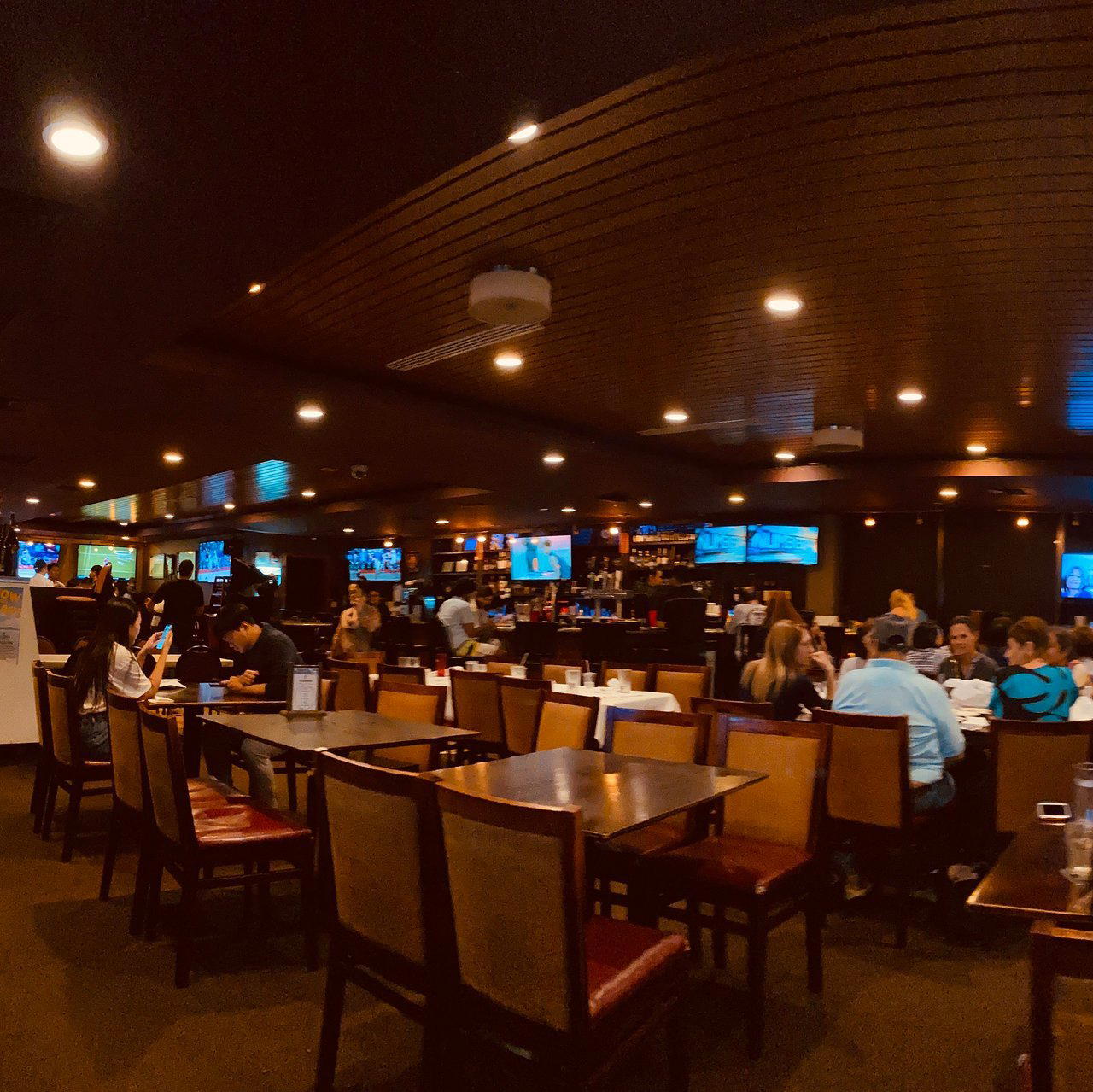
Kapahulu Avenue and the Anatomy of a Local Institution
Honolulu's dining identity has always run along two parallel tracks. There is the version visitors encounter: resort restaurants, ocean-view brunches, mai tais at sunset. And then there is the city that locals actually eat in, concentrated in neighborhoods like Kapahulu, Kaimuki, and Moiliili, where the measure of a good plate is portion size, price, and whether the cook knows what they are doing with a wok. Side Street Inn On Da Strip, at 614 Kapahulu Ave, sits firmly in the second category. The Kapahulu location functions as an extension of the original Side Street Inn, a bar and kitchen that became a fixture of Honolulu's after-hours dining culture for local chefs and industry workers long before that story became a point of marketing. The Strip version trades some of that late-night intimacy for a broader, more accessible format on one of the city's most food-dense corridors.
Kapahulu Avenue is worth understanding on its own terms before arriving at any single address. The street runs from the edge of Waikiki up toward the H-1 freeway and packs an unusual density of locally operated restaurants, shave ice stands, and plate lunch counters into a relatively short stretch. It is not a destination designed for visitors, which is precisely why locals use it with such regularity. Eating here tends to feel lower-stakes and more honest than the curated dining rooms of downtown or Kakaako. Side Street Inn On Da Strip fits that texture: the food is the point, the vibe is communal, and the room does not try to be anything it is not.
The Bar as Gathering Point
The bar side of Side Street Inn's identity matters more than it might appear from the outside. Local bar culture in Honolulu has historically centered on neighborhood spots where drinks are poured without ceremony and conversation flows across tables of strangers. That tradition is distinct from the craft cocktail programs that have proliferated in places like Kakaako, where venues like Bar Leather Apron in Honolulu operate with formalized technique and curated spirits lists. Side Street Inn occupies a different position: the bar is a social anchor, not a technical showcase. Drinks here are companions to food, not the main event, and the people behind the bar tend to operate with the kind of practiced, unaffected hospitality that comes from years of reading a room rather than a formal bartending curriculum.
That model of bartending as neighborhood stewardship has counterparts across American bar culture. At Jewel of the South in New Orleans and Julep in Houston, the craft is more explicitly foregrounded, but the underlying instinct toward genuine hospitality over performance connects similar spaces across very different cities. In Honolulu, that instinct tends to express itself through food as much as drink. You do not go to Side Street Inn to evaluate a bartender's clarification technique; you go because someone behind the bar knows your order and the kitchen will send out a plate of fried rice that makes sense at any hour.
Local-Style Food as the Through Line
Hawaiian local food is a distinct culinary category that developed across generations of plantation-era immigration, drawing from Japanese, Chinese, Filipino, Korean, Portuguese, and Native Hawaiian traditions. It is not the same as Native Hawaiian cuisine, and it is not what resort menus typically present as Hawaiian food. Plate lunches with two scoops of rice and mac salad, saimin, loco moco, fried rice cooked in a well-seasoned wok: these are its grammar. Side Street Inn built its reputation on executing that grammar with consistency and generosity. The fried rice, reportedly a dish that chefs from around the island have driven across town to eat at closing time, became the kind of specific, repeatable thing that defines a restaurant's place in a city's collective memory.
That reputation puts Side Street Inn in a different comparable set than the ramen houses and smoothie counters that share the Kapahulu corridor. AGU Ramen - Ward Centre and Andy's Sandwiches and Smoothies each anchor a specific niche in Honolulu's casual dining map, but Side Street Inn's combination of bar culture and local-style kitchen gives it a broader social function. It is the kind of place that appears in multiple contexts: post-shift, post-game, post-concert, late on a weeknight when the other options have closed.
Placing Side Street Inn in Honolulu's Wider Bar Scene
Honolulu's bar scene has diversified considerably over the past decade. The craft cocktail tier has matured, with technically driven programs operating alongside hotel bars that target the visitor market. At the other end, neighborhood bars on streets like Kapahulu and School Street maintain the kind of local regulars-first culture that makes them genuinely useful to the people who live nearby. Side Street Inn sits at the intersection of those two worlds: known enough to attract visitors who have done their research, but grounded enough in neighborhood habit that it has not drifted toward performance.
For visitors building a broader picture of Honolulu's drinking and eating culture, the contrast with Beachhouse at the Moana is instructive. One operates as a beach-adjacent hotel bar with a view calibrated for out-of-towners; the other functions as a neighborhood institution that happens to be accessible to anyone willing to move a few blocks off the tourist circuit. Both are legitimate ways to spend an evening in Honolulu, but they represent entirely different relationships to the city. The EP Club's full Urban Honolulu restaurants guide maps more of those distinctions across neighborhoods and price points.
Comparable bar-and-kitchen hybrids in other American cities tend to confirm that this format works well when the kitchen is taken as seriously as the bar. ABV in San Francisco and Superbueno in New York City each pair a bar program with a food identity that earns its own attention. Kumiko in Chicago operates in a more refined register but shares the instinct that food and drink should reinforce each other rather than exist in separate lanes. Side Street Inn's version of that pairing is less polished in presentation but no less intentional in practice: the fried rice exists because the kitchen knows what it is doing, not because someone thought a bar needed a menu item.
Other spots on the Kapahulu corridor worth knowing include 9th Ave Rock House, which anchors a different segment of the neighborhood's bar culture, and The Parlour in Frankfurt on the Main offers an interesting international comparison point for how neighborhood bars build loyal regulars across very different cultural contexts.
Planning Your Visit
Side Street Inn On Da Strip is located at 614 Kapahulu Ave, Suite 100, in the stretch of the street that runs between the Waikiki end and the freeway. Kapahulu is accessible by car with street parking available along the avenue, though spaces fill quickly during peak evening hours. Reservations are recommended; the format skews walk-in, which means arriving early in the evening is the more reliable approach on weekends. The kitchen's hours and the bar's closing time track more closely to neighborhood bar rhythms than to early-closing tourist-area restaurants, making it a reasonable option for later dinners. The dress code is casual.
Cuisine Lens
Comparable venues nearby, for context on price, style, and recognition.
| Venue | Cuisine | Price | Awards | Notes |
|---|---|---|---|---|
| Side Street Inn On Da StripThis venue — the venue you are viewing | Dining | $$ | , | |
| Mahina & Sun’s | Hawaiian-Inspired Home Cooking with Asian Fusion | $$ | , | Waikiki |
| Zippy's Kapahulu | Hawaiian Comfort Food & Local Plate Lunch | $ | , | Kapahulu |
| Shore Bird Restaurant & Beach Bar | Dining | $$ | , | Waikiki |
| Bread & Butter | Fusion Hawaiian Tapas & Café | $$ | , | Ala Moana |
| L&L Hawaiian Barbecue | Hawaiian Plate Lunch | $ | , | Ala Moana - Kakaako |
Continue exploring
More in Urban Honolulu
Restaurants in Urban Honolulu
Browse all →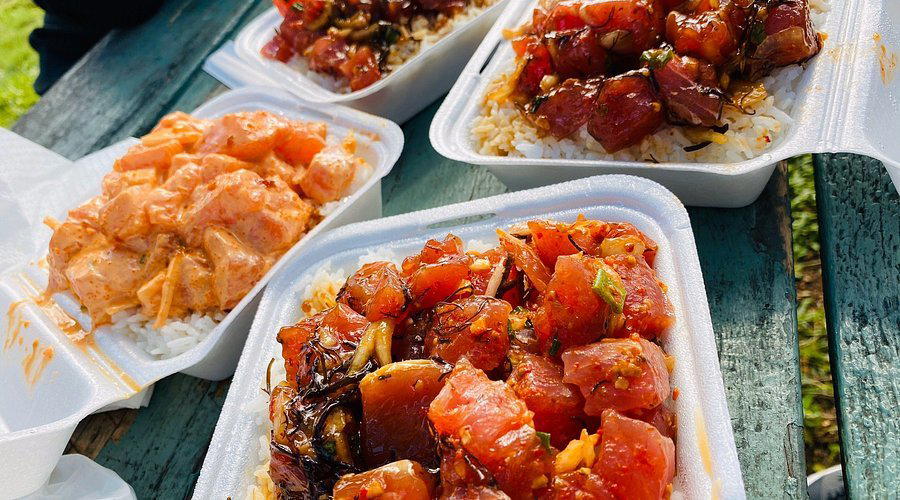
Bars in Urban Honolulu
Browse all →
At a Glance
- Lively
- Cozy
- Group Outing
- Casual Hangout
- Live Music
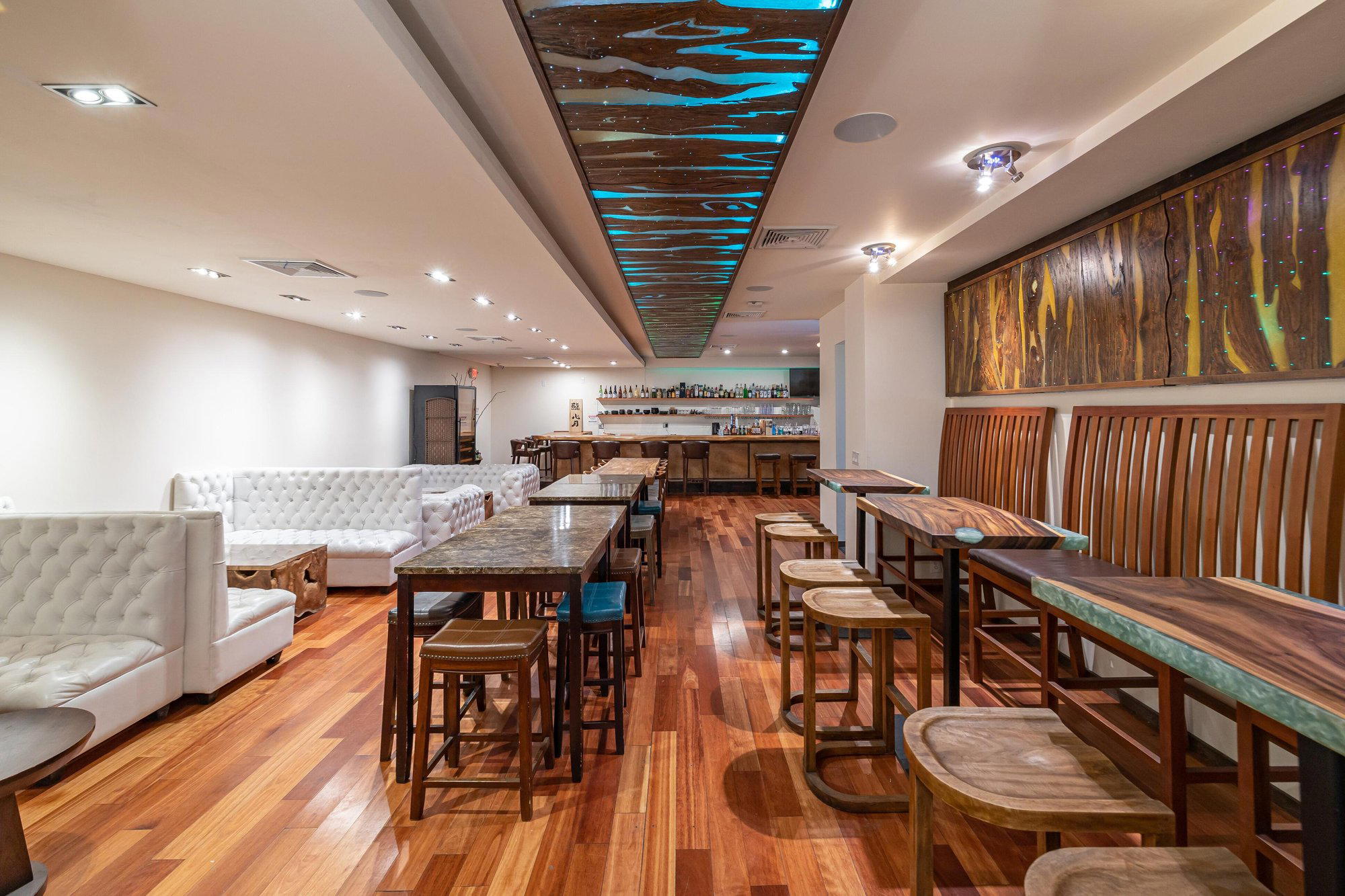
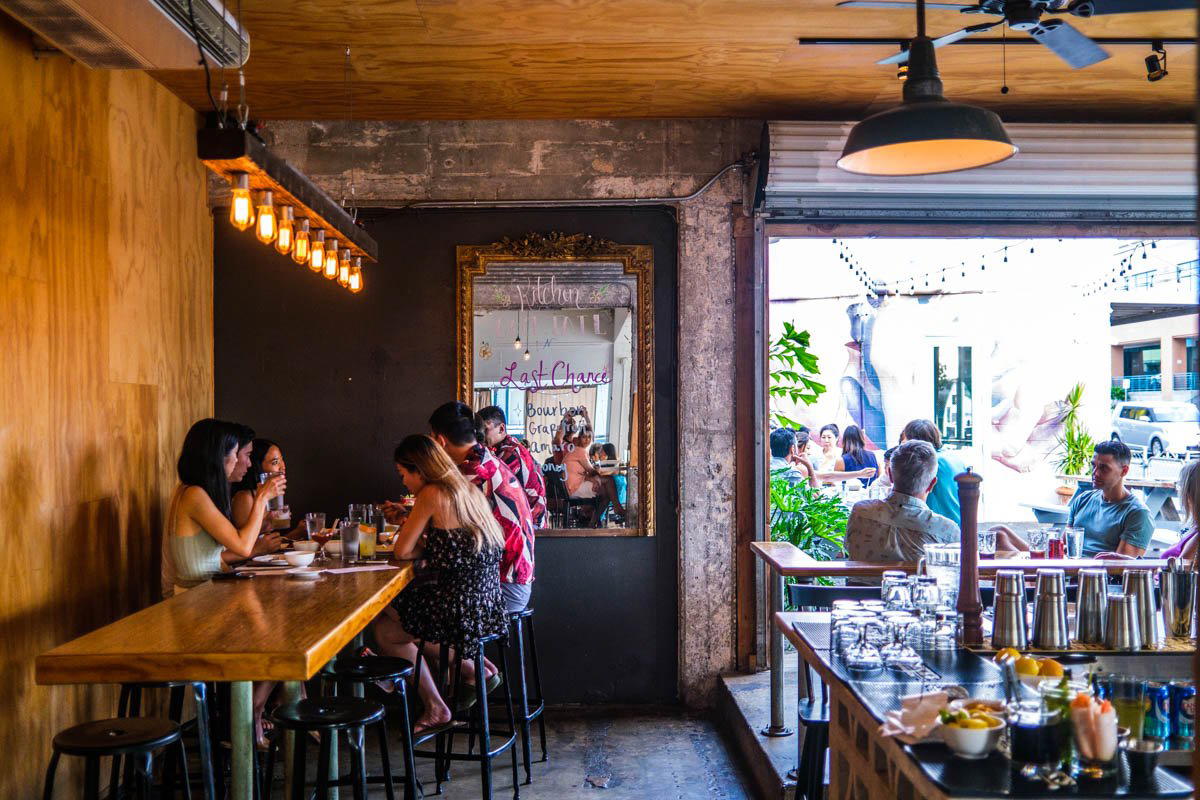
Comfortable updated atmosphere with modern sleek design, warm smiles, and lively energy from live local music.