Our verdict
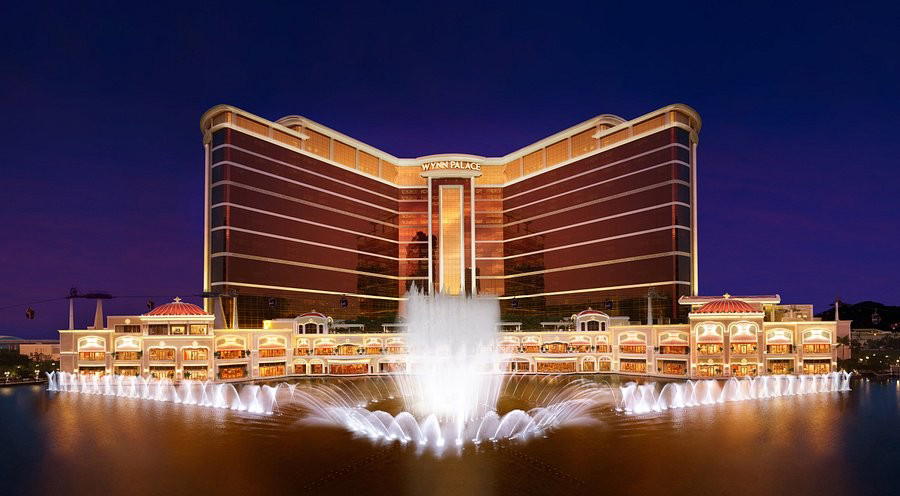
Sichuan Moon at Wynn Palace repositions one of China's most fiery regional cuisines inside a formal, design-led dining room that reads more Ginza than Chengdu. Ranked #77 on Opinionated About Dining's Top Restaurants in Asia (2023) and shaped by the creative partnership of André Chiang and Wilson Fam, it occupies the upper tier of Macau's modern Chinese dining circuit, where technique and setting carry as much weight as the heat on the plate.

Pearl is the En Primeur Club membership app, where members save venues, book tables and use the concierge.
The menu
What to order
- Peppercorn Flavored Duck Foie Gras
- Masterpiece Ma Po Tofu
- 88 Fortune Treasures
Where Sichuan Heat Meets Wynn Palace Formality
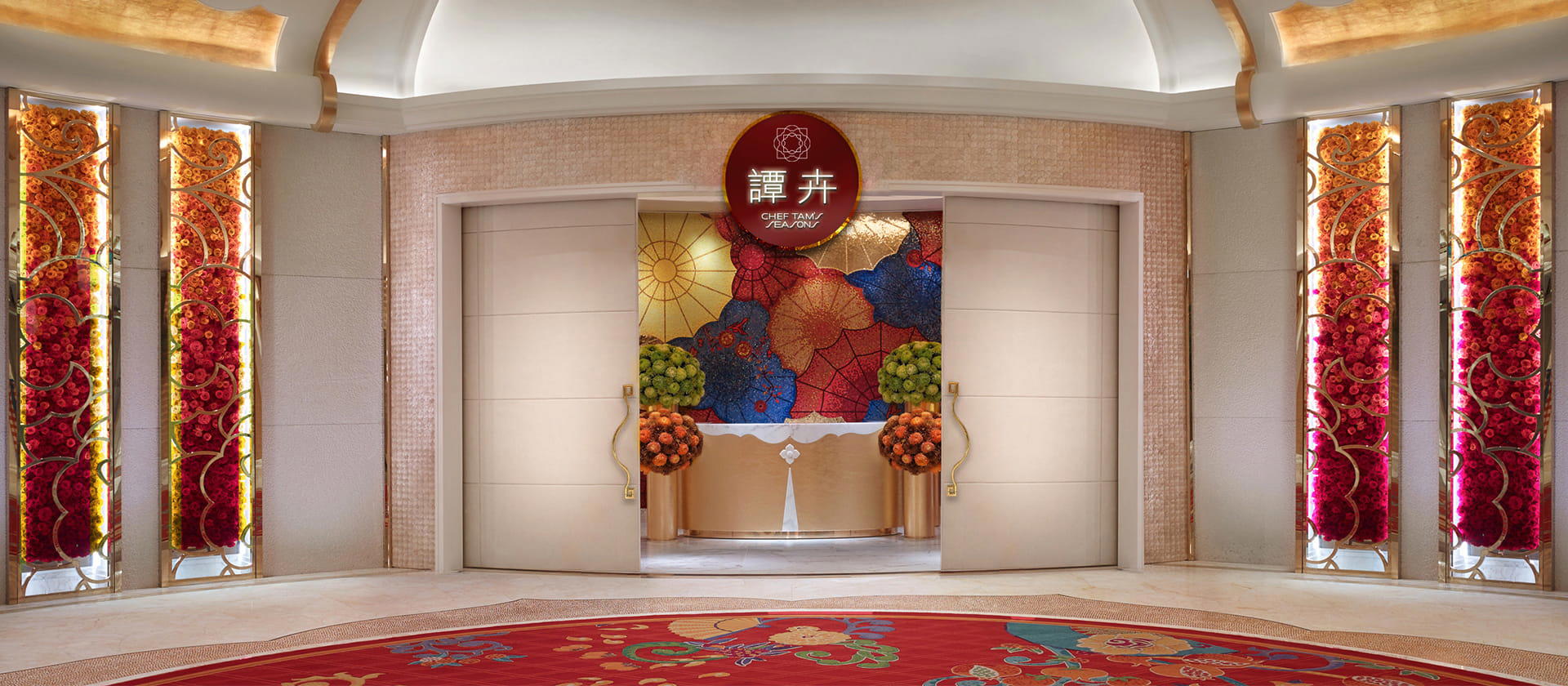
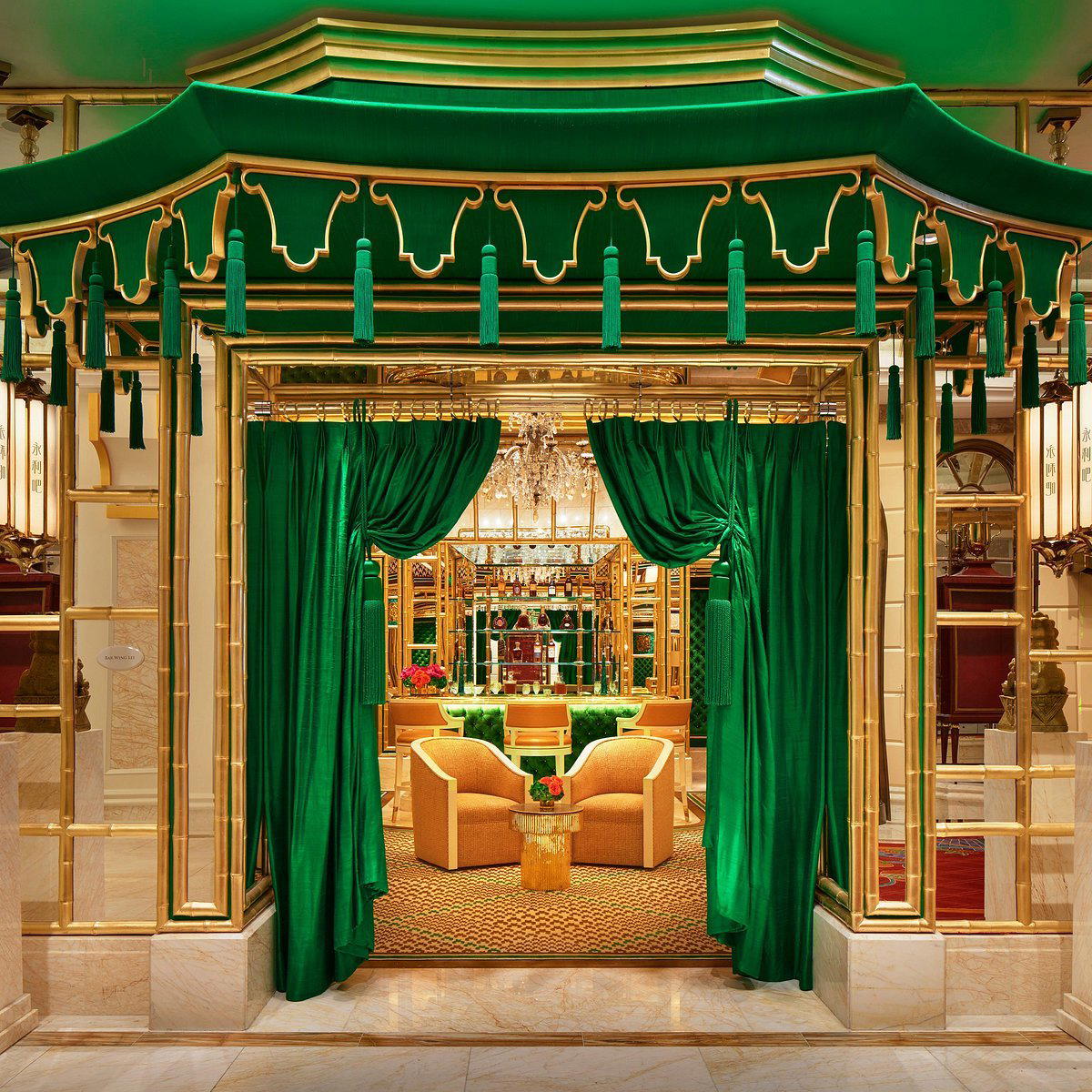
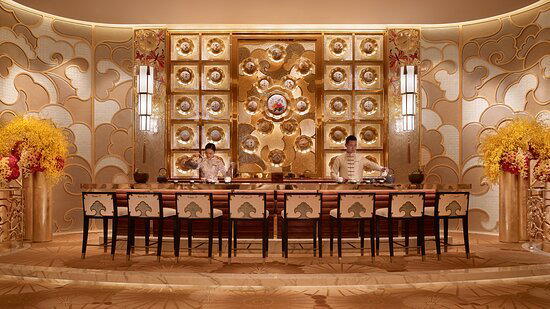
The approach to Sichuan Moon sets the interpretive frame before a single dish arrives. Inside Wynn Palace, the corridor leading to the restaurant belongs to a visual language of lacquered surfaces, theatrical lighting, and a quiet that sits in deliberate contrast to the casino floor beyond. This is Macau's version of a familiar high-low tension: a cuisine built on the aggressive aromatics of doubanjiang and Sichuan peppercorn served in a room calibrated for restraint. That tension is the editorial premise of the entire experience.
Macau's fine dining circuit has bifurcated sharply over the past decade. On one side sit the European flagship rooms Robuchon au Dôme and Alain Ducasse at Morpheus among them, anchored by Michelin pedigree and classical French structure. On the other, a tier of modern Chinese rooms that argue the cuisine itself can carry the same formal weight.
The Sensory Architecture of the Room
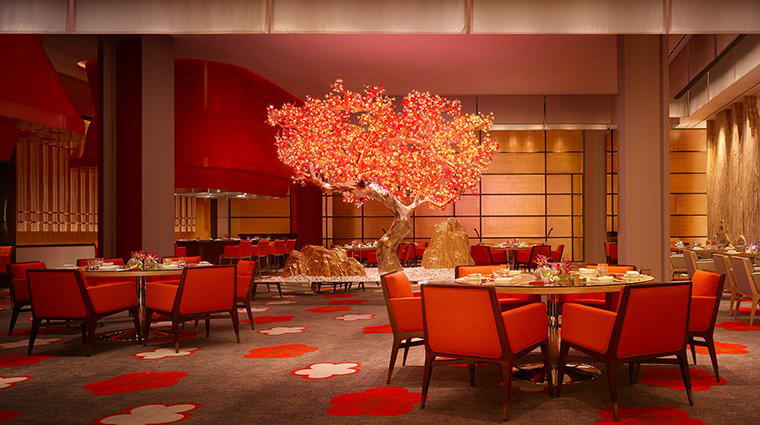
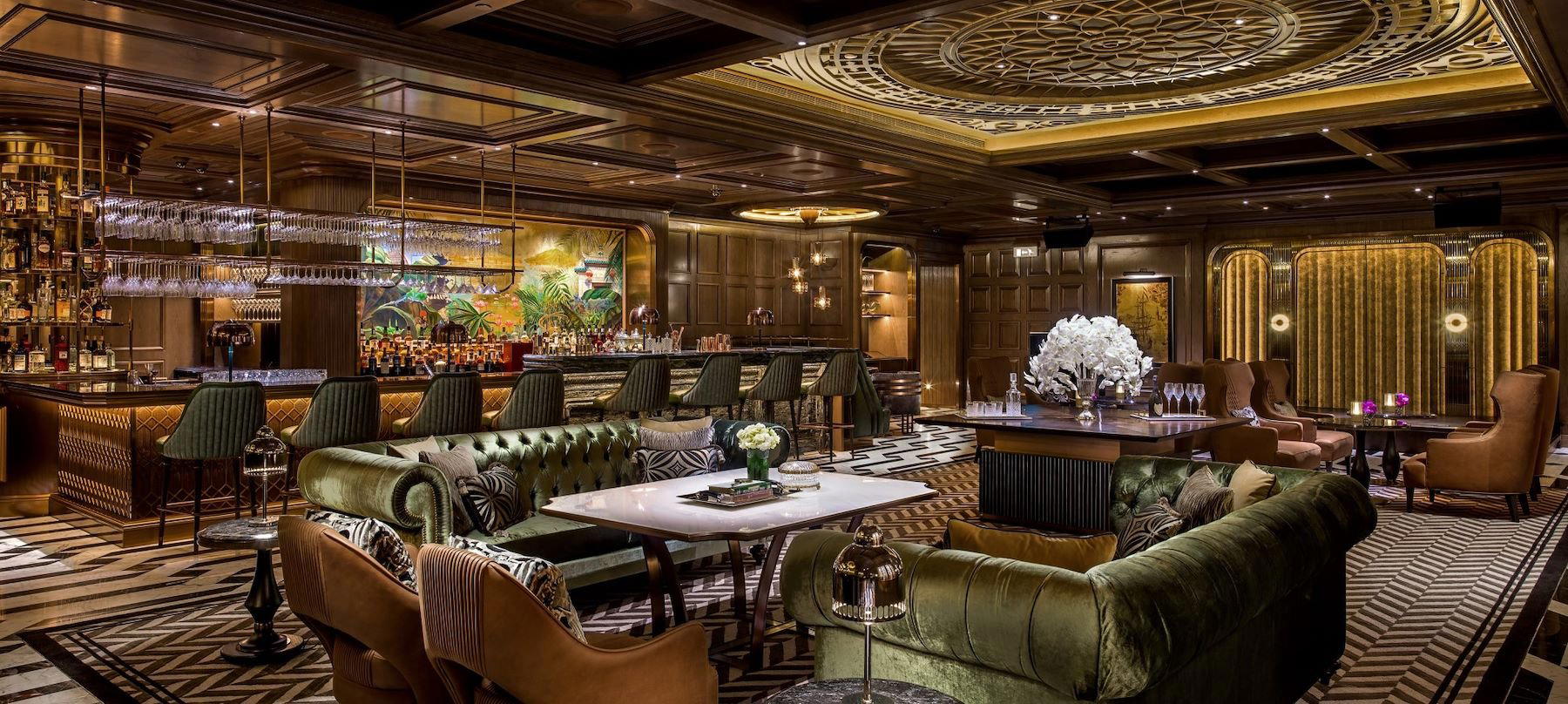
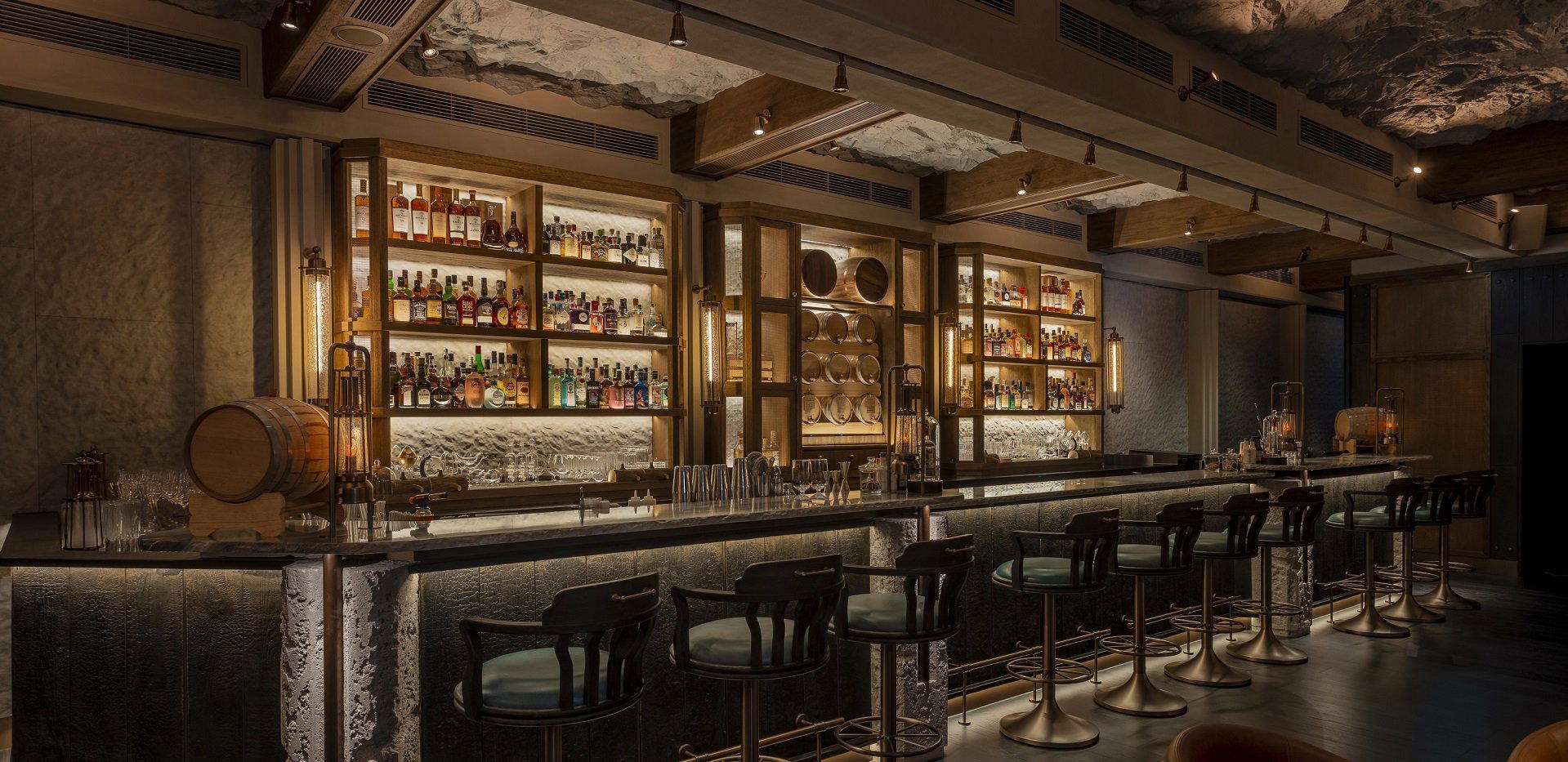
The physical environment at Sichuan Moon does specific editorial work. Modern Sichuan, at street level in Chengdu or in mid-market rooms like Feng Wei Ju, operates through controlled noise, the clatter of a busy dining room amplifies the communal pleasure of the cuisine. Sichuan Moon removes that ambient layer. The room is quiet, the lighting low. The effect is to transfer all sensory attention to the plate, where the cuisine's inherent drama, the numbing mala heat, the aromatic depth of aged chilli oils, the oscillation between fire and fragrance, arrives without distraction.
This is a deliberate repositioning. When André Chiang, whose career connects to the kind of formal European fine dining technique that defines rooms like Le Bernardin in New York, brings that sensibility to a regional Chinese cuisine, the result changes the register of the ingredient. A Sichuan peppercorn that would announce itself loudly in a louder room becomes something to consider when the room is still. The partnership with Wilson Fam, who brings proximity to Chinese regional cooking, creates a functional division: one set of hands understands how to frame a dish; another understands what the dish is actually saying.
Modern Sichuan at the top of the Market
Understanding where Sichuan Moon sits in the category requires a brief map of modern Sichuan as a genre. The cuisine has been moving through a cycle of reappraisal in fine dining across Asian cities. What was treated for a long time as too blunt for premium restaurant formats, too dominant in heat, too regionally specific, has in recent years found serious traction at the upper end, partly because the complexity of mala flavour responds well to the kind of detail-focused technique that premium kitchens apply. Dishes carry heat as an architectural element rather than as the whole story.
Macau's position in this story is useful. The territory's restaurant economy runs on casino resort infrastructure, which provides the physical scale and financial base for rooms that would not be commercially viable elsewhere. That same infrastructure supports Chef Tam's Seasons and Jade Dragon in the Cantonese register. Sichuan Moon occupies the equivalent position in the Sichuan lane, a cuisine that has fewer representatives at this price point, which shapes both its critical interest and its audience.
For comparative reference points outside Macau, the trajectory of modern Chinese regional cooking at premium level can be traced in rooms like Xin Rong Ji in Chengdu, 102 House in Shanghai, and Ru Yuan in Hangzhou. Each of those operates within a tighter local food culture; Sichuan Moon works within Macau's more international visitor base, where the assumption of prior familiarity with the cuisine is lower, and the room needs to do more explanatory work through format and atmosphere.
Critical Positioning and Awards Context
The Opinionated About Dining ranking is a meaningful data point precisely because OAD operates through expert surveying rather than inspector methodology. An #77 position in Asia across all restaurant categories represents a strong signal from the critic and enthusiast community rather than a commercial award. For contextual scale, rooms like Atomix in New York operate in a similar critical space, drawing scoring from the same community of engaged, well-travelled diners who treat awards as evidence rather than marketing.
How Sichuan Moon Fits Into a Macau Trip
Sichuan Moon sits at Wynn Palace on Cotai, the reclaimed strip that holds the majority of Macau's modern resort infrastructure. For a trip structured around Macau's serious dining rooms, the natural sequence places Sichuan Moon alongside Chef Tam's Seasons and Jade Dragon for Chinese dining and Robuchon au Dôme for the European tier. The full map of dining options across Macau, including adjacent options in the mid-market Sichuan and Hunan registers, is covered in our full Macau restaurants guide. Those planning a longer stay will also find relevant context in our Macau hotels guide, bars guide, and experiences guide.
For Sichuan specifically, the contrast between Sichuan Moon and a room like Feng Wei Ju illustrates the full price-tier spread of the cuisine in one city. Feng Wei Ju operates in the mid-market register; Sichuan Moon is the premium version of the same regional tradition. Knowing that spread before booking clarifies what each room is optimising for and what kind of visit each suits.
Frequently asked questions
Can I bring kids to Sichuan Moon?
Sichuan Moon sits inside Wynn Palace on Cotai and operates as a formal dining room shaped around André Chiang and Wilson Fam's modern Sichuan menu. The format and setting are oriented toward adult diners rather than families with young children, and Sichuan cuisine at this register often involves complex heat profiles that may not suit younger palates. Families visiting Wynn Palace will find more appropriate options elsewhere in the resort.
Is Sichuan Moon better for a quiet night or a lively one?
Sichuan Moon reads as a quiet night destination. The Wynn Palace corridor approach and the formal architecture of the room establish a measured, considered pace rather than an animated social atmosphere. It ranked #77 on the Opinionated About Dining Top Restaurants in Asia list in 2023, a survey weighted heavily toward culinary seriousness, which aligns with the room's temperament.
What distinctions does Sichuan Moon have?
Sichuan Moon has received recognition including: Opinionated About Dining Top Restaurants in Asia Ranked #77 (2023).
What do people recommend at Sichuan Moon?
Published menu specifics are not available in current documentation, so recommending individual dishes here would be speculative. What the OAD Top 77 Asia ranking (2023) does confirm is that the kitchen's modern Sichuan approach has earned consistent recognition from expert diners. Contacting Wynn Palace directly via their reservations team is the most reliable way to get current menu guidance before your visit.
What kind of cuisine does Sichuan Moon serve?
What part of town is Sichuan Moon in?
Sichuan Moon is located at Wynn Palace, Av. da Nave Desportiva, Macao, Macau.
The Essentials
Comparable venues nearby, for context on price, style, and recognition.
| Venue | Cuisine | Price | Awards | Notes |
|---|---|---|---|---|
| Sichuan MoonThis venue (the venue you are viewing) | Modern Sichuan Fine Dining | $300–500 | Not listed | Not listed |
| Vista 38 | Modern Sichuan Fine Dining | $150–200 | Not listed | Cotai Strip, Modern Sichuan Fine Dining |
| Chún – MGM Cotai | Modern Cantonese Fine Dining | Not listed | World's Best Wine Lists Awards WBWL 3-Star | Cotai, Modern Cantonese Fine Dining |
| Wynn Palace Hotel - Chef Tam Season’s | Modern Seasonal Cantonese | $200–300 | Star Wine List | Cotai, Modern Seasonal Cantonese |
| Lakeview Palace | Innovative Jiangnan Cuisine | $150–200 | Michelin Plate · Wine Spectator Best of Award of Excellence | Cotai, Innovative Jiangnan Cuisine |
| Fontana | International Buffet | $50–100 | Wine Spectator Best of Award of Excellence | Cotai, International Buffet |
Recognition history
Dated appearances from independent guides and award organizations, with the underlying list record or original source where available.
Opinionated About Dining Top Restaurants in Asia Ranked #77
Opinionated About Dining