Our verdict
Shibumi occupies a quiet address on Malmskillnadsgatan in central Stockholm, operating at a register distinct from the city's New Nordic flagship counters. Where peers like Frantzén or AIRA pursue Scandinavian produce through a European lens, Shibumi draws from a Japanese aesthetic tradition — spare, deliberate, and structured around the logic of the menu itself rather than spectacle or scale.

Pearl is the En Primeur Club membership app — saves, bookings, and concierge access live there. Same editors, same standards.
- Address
- Malmskillnadsgatan 38B, 111 57 Stockholm, Sweden
- Phone
- +46768721321
- Hours
- Mon ClosedTue–Thu 5 PM–12 AMFri–Sat 4:30 PM–12 AMSun Closed
- Website
- shibumi.nu
- Directions
- Get directions
What the Address Tells You Before You Sit Down
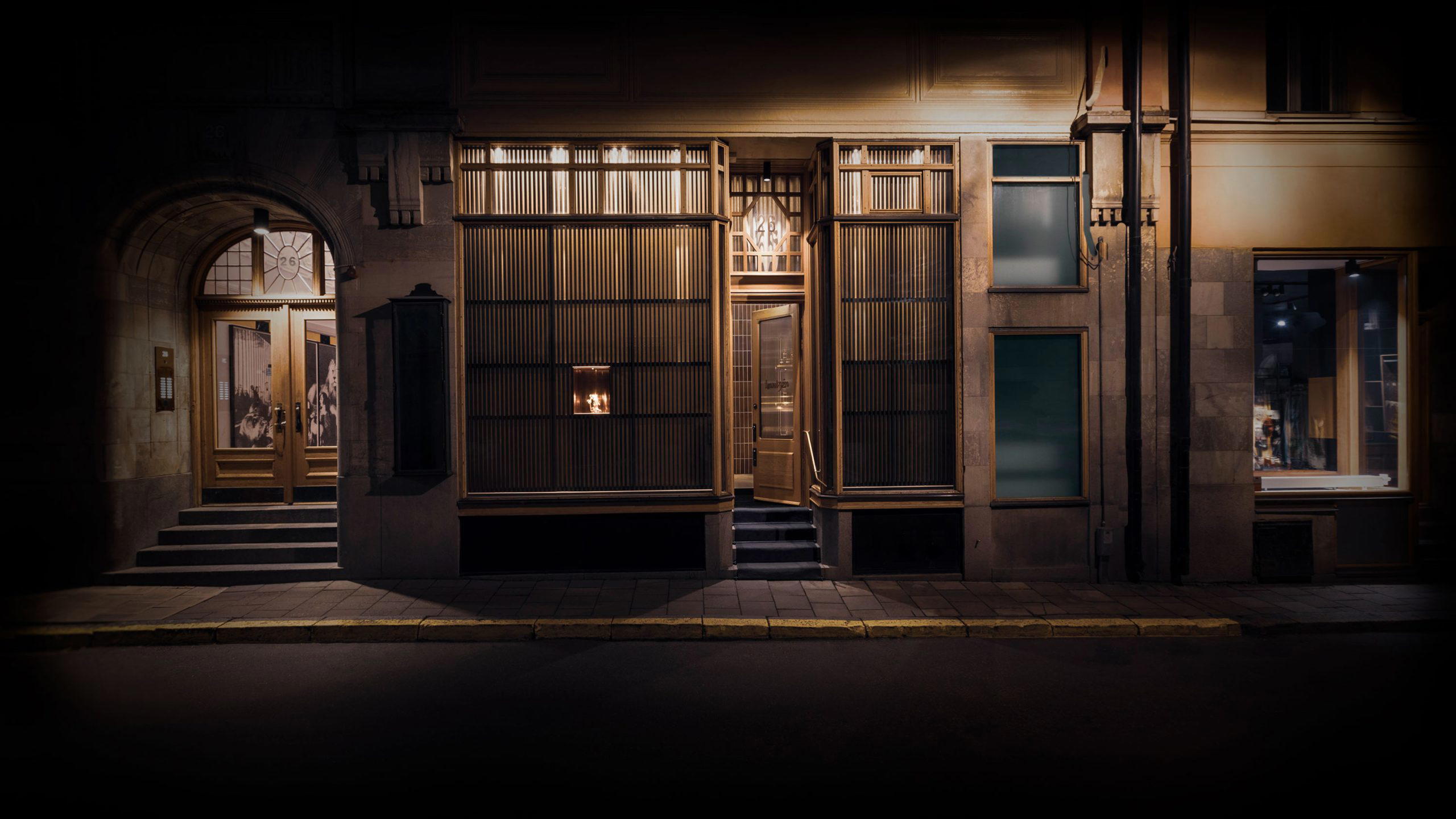
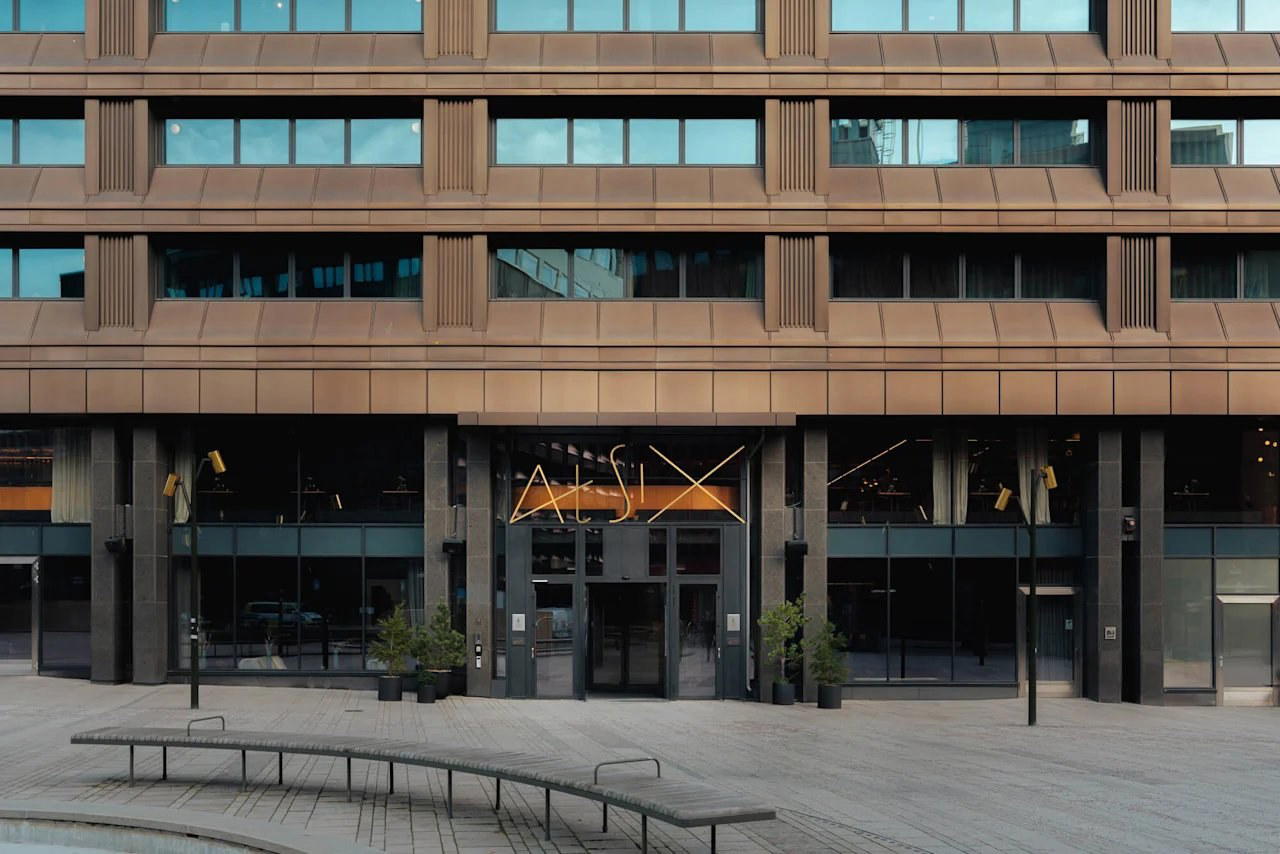
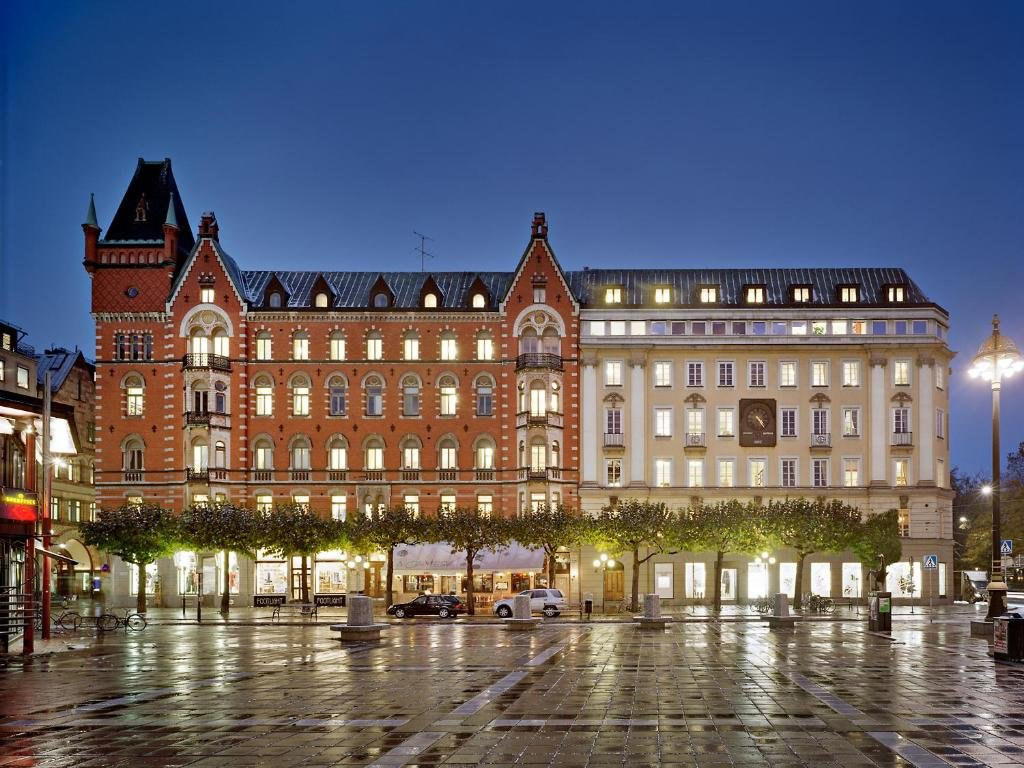
Malmskillnadsgatan cuts through central Stockholm with little ceremony. The street is functional rather than scenic, which means a restaurant on this block earns nothing from its postcode. That positioning says something about Shibumi's operating logic: the room does not rely on a prestigious address to set expectations, and the menu carries the weight instead. In a city where the highest-profile dining rooms tend to cluster around Östermalm or the waterfront, a counter operating quietly in the inner city occupies a different kind of authority — one built on repeat visitors and deliberate word-of-mouth rather than foot traffic.
Stockholm's fine dining tier has consolidated around a recognisable set of formats: the long tasting menu anchored in Nordic produce, the chef-as-auteur model, and the kind of room that signals its own ambition through interior design and press coverage. Frantzén, AIRA, and Operakällaren each occupy that tier with different emphases, but they share a common grammar. Shibumi operates in a different register, one shaped by Japanese dining philosophy rather than Scandinavian produce logic — and that distinction changes everything about how the menu is constructed and how you move through the meal.
Menu Architecture as Editorial Statement
The word shibumi comes from Japanese aesthetic philosophy and refers to a quality of understated, unforced refinement, the kind of beauty that does not announce itself. It is the opposite of maximalism, and in the context of menu design, it suggests a kitchen that edits aggressively rather than accumulates. Where many tasting menus at this price tier operate through accumulation, more courses, more garnishes, more technical gestures, a shibumi-inflected approach asks what can be removed without loss of meaning.
Japanese kaiseki tradition, which structures a meal through a strict progression of temperatures, textures, and cooking methods, provides the clearest parallel for what this kind of menu architecture looks like in practice. Each course serves a function in the sequence rather than competing for attention in isolation. The result is a meal that reads as a single argument rather than a collection of dishes. This structural logic distinguishes Shibumi from peers like Aloë or Adam / Albin, both of which work within more explicitly Nordic frameworks.
It also places Shibumi in conversation with a broader international movement. At restaurants like Atomix in New York, the kaiseki-informed tasting format has been applied to Korean culinary tradition with considerable critical recognition. The common thread is not the cuisine itself but the structural discipline: a commitment to sequence, restraint, and the idea that the menu's architecture is itself an expression of culinary values. Shibumi brings that discipline to Stockholm, where it sits as a counterpoint to the New Nordic maximalism that has defined the city's international reputation since the early 2010s.
Where This Sits in Stockholm's Competitive Set
Stockholm's top-tier restaurant scene is smaller than its international profile suggests. The Michelin presence is real but concentrated, and the city's most discussed rooms, Frantzén at three stars, the consistently recognised Operakällaren, and newer entrants like AIRA, occupy the upper bracket and price accordingly. A restaurant drawing on Japanese aesthetic principles rather than Scandinavian ingredient identity operates in a niche within that ecosystem, attracting a guest profile that is specifically interested in that structural and philosophical contrast.
Across Sweden more broadly, the fine dining conversation extends well beyond Stockholm. Vollmers in Malmö, VYN in Simrishamn, and ÄNG in Tvååker each represent distinct regional approaches to serious cooking, while Signum in Mölnlycke and 28+ in Gothenburg anchor the western corridor. Within that wider landscape, Shibumi's Japanese-inflected format is a genuine outlier, not because outlier status is desirable in itself, but because it fills a gap that the Nordic-dominant model leaves open. Guests who have worked through the major Stockholm tasting menus and want a different structural experience have limited alternatives at this level of seriousness. See our full Stockholm restaurants guide for a broader map of the city's dining options.
The Room and the Pace
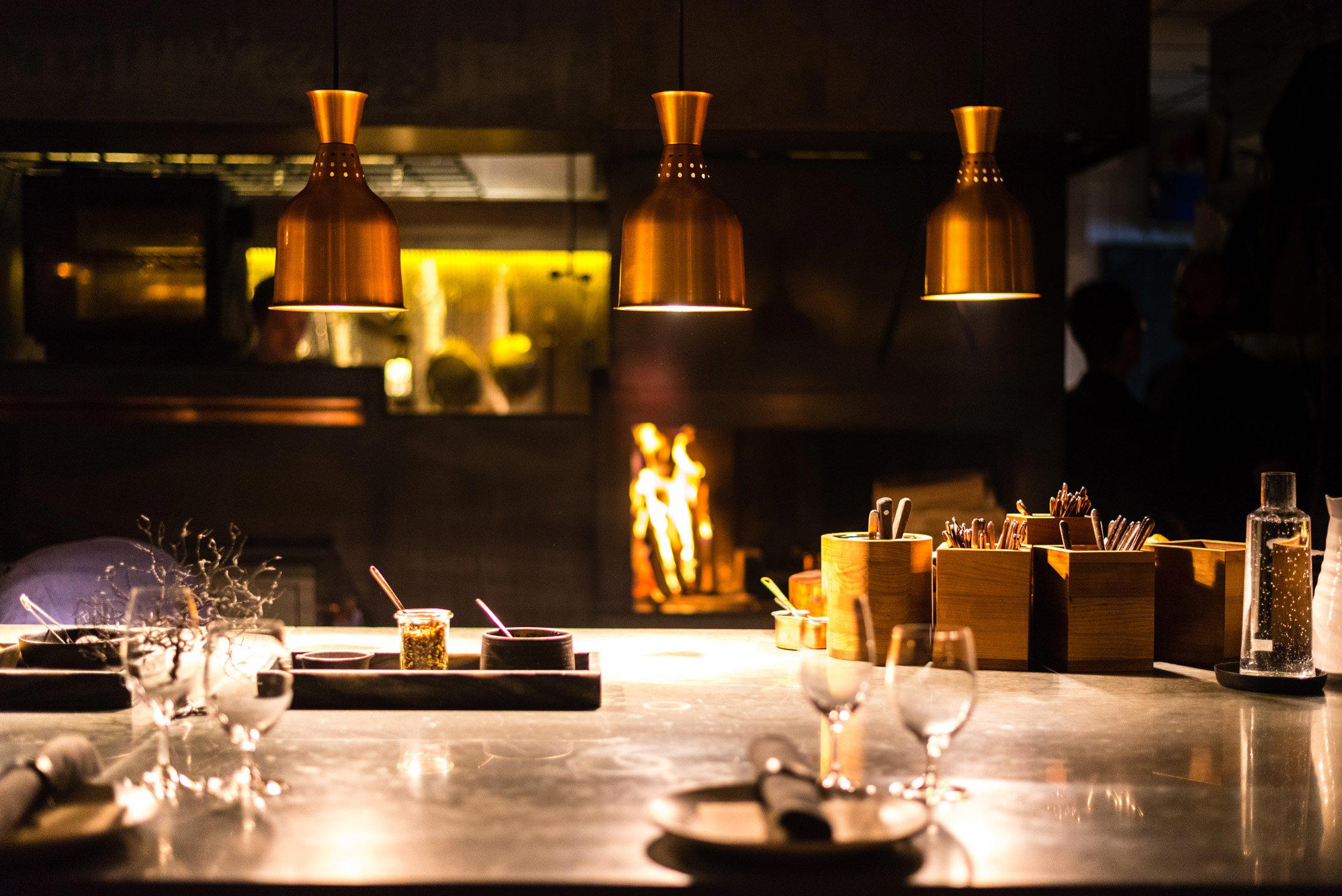
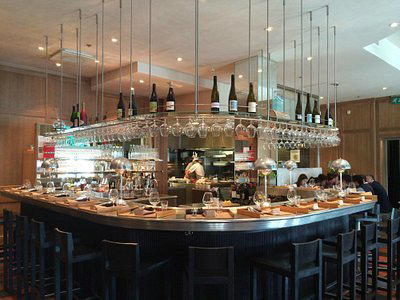
Counter dining, which Shibumi's format implies, changes the rhythm of service in ways that distinguish it from table-based tasting menus. The kitchen is visible, courses arrive at the pace of preparation rather than on a service clock, and the physical proximity between cook and guest collapses the distance that most fine dining rooms maintain deliberately. In Tokyo and New York, this format has become the dominant model for the most serious omakase and kaiseki counters. In Stockholm, it remains less common at the top tier, which gives Shibumi's format a specificity that goes beyond cuisine type.
The comparison point internationally is instructive. Le Bernardin in New York demonstrates how a restaurant can operate at the highest level of technical precision within a rigidly defined menu philosophy, in that case, seafood, without the format feeling limiting. Constraint, applied with conviction, produces clarity rather than restriction. Shibumi's shibumi-philosophy approach applies a similar logic: the menu's limitations are its argument, not its apology.
Planning Your Visit
Shibumi is located at Malmskillnadsgatan 38B in central Stockholm, accessible from the Hötorget or Kungsträdgården metro stations within a short walk. The restaurant's format and philosophy suggest advance booking is advisable; counter-format rooms at this tier in Stockholm typically operate with limited covers and fill well ahead of service dates. Diners considering Shibumi alongside other serious rooms in the city should note that the structural experience here differs substantially from New Nordic tasting menus, and the two formats serve different purposes in a multi-night Stockholm itinerary. For visitors with time to explore beyond the capital, the restaurants in our Sweden network, from Knystaforsen in Rydöbruk and PM & Vänner in Växjö to Adrian Restaurang in Borås, Brasserie Park in Jönköping, and Enoteket in Norrköping, offer a full picture of what serious Swedish cooking looks like outside the capital.
Frequently asked questions
Is Shibumi okay with children?
Counter-format restaurants built around deliberate pacing and a quiet, unhurried room are generally not suited to young children. Shibumi's address on Malmskillnadsgatan 38B places it firmly in an adult dining context. Families with older teenagers who can engage with a multi-course progression would be better positioned than those with younger children.
What's the vibe at Shibumi?
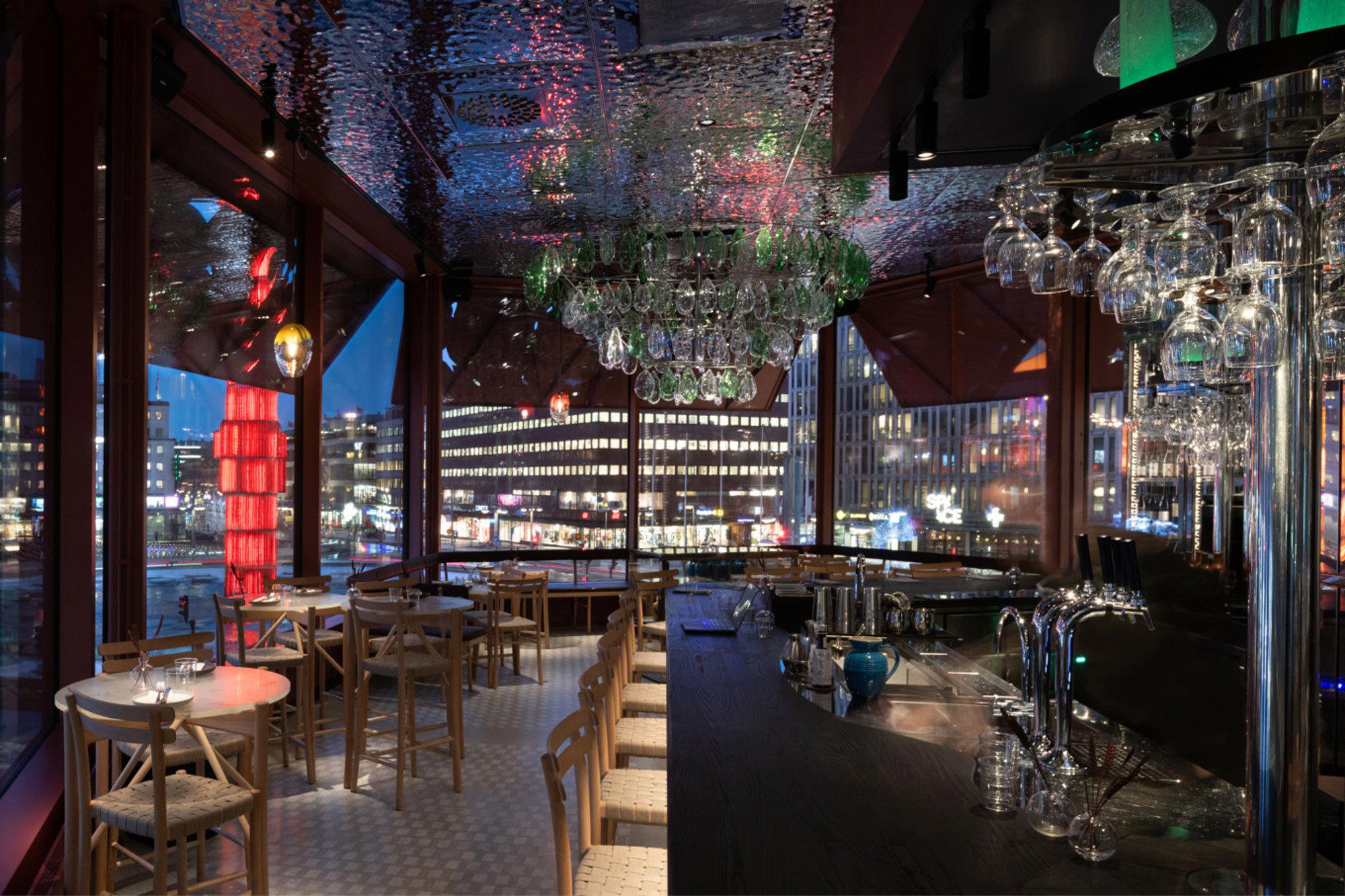
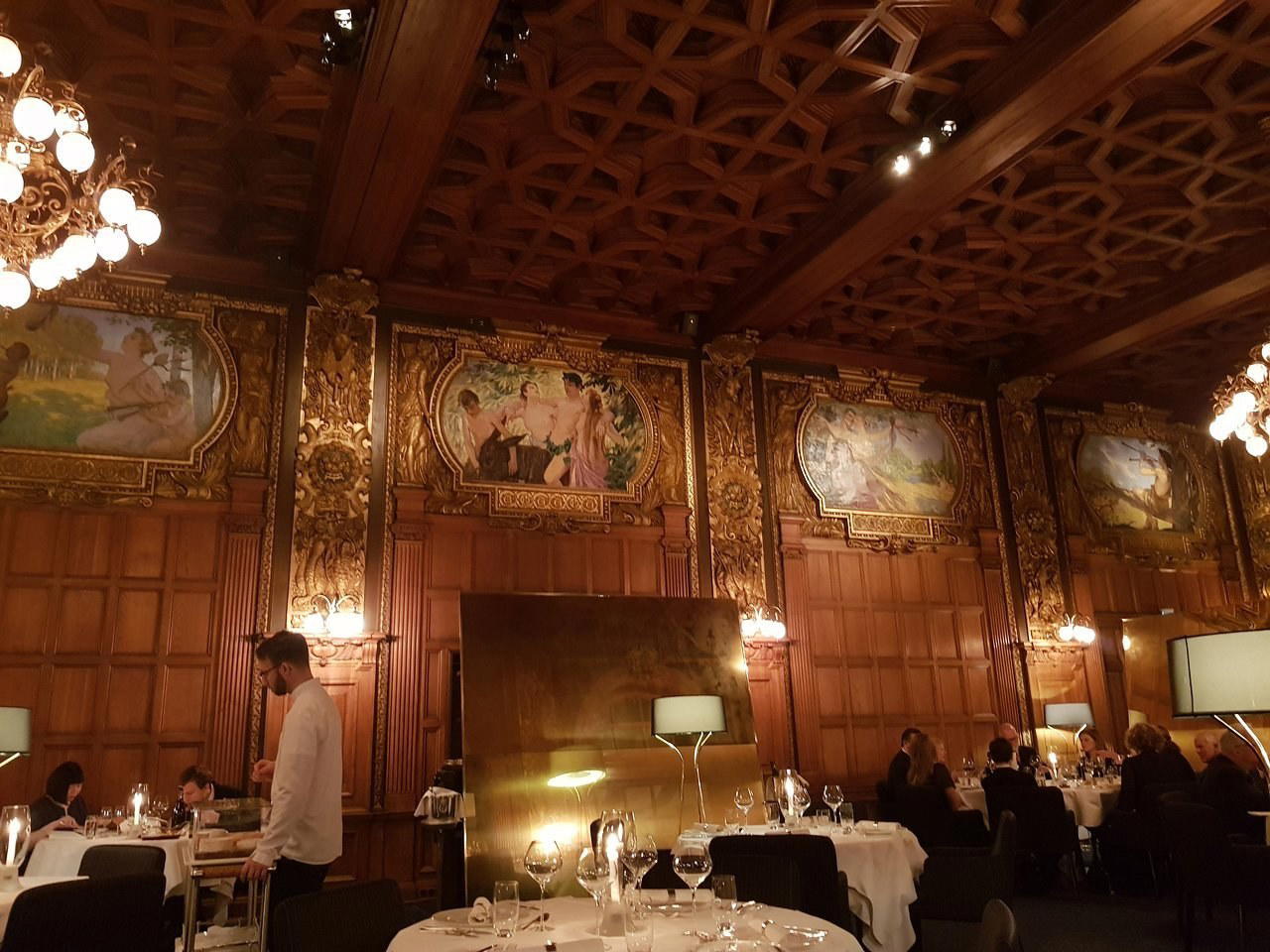
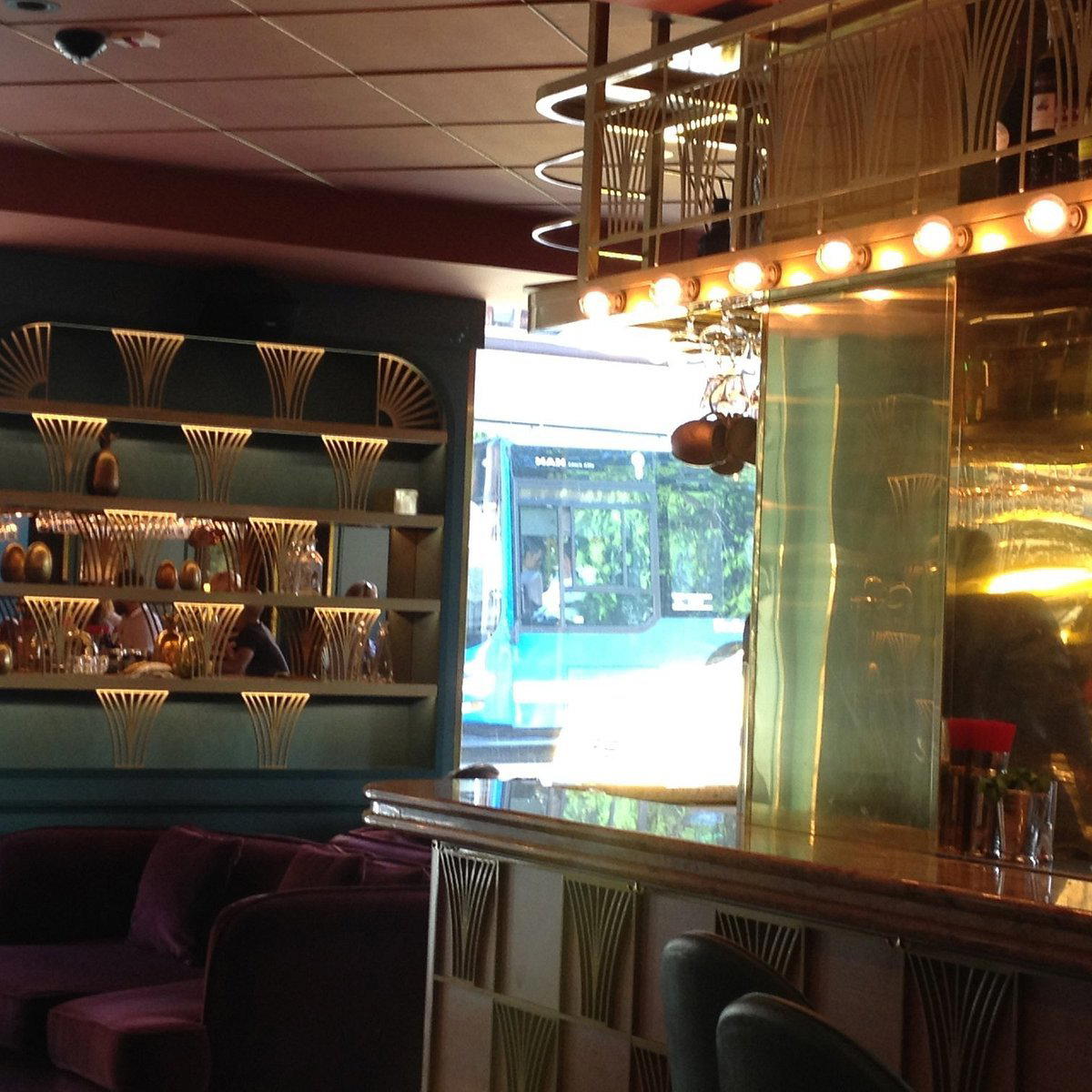
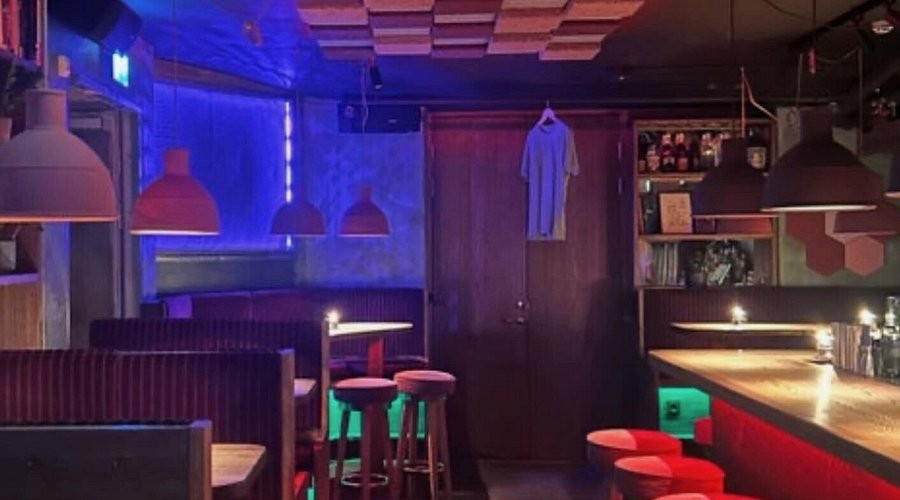
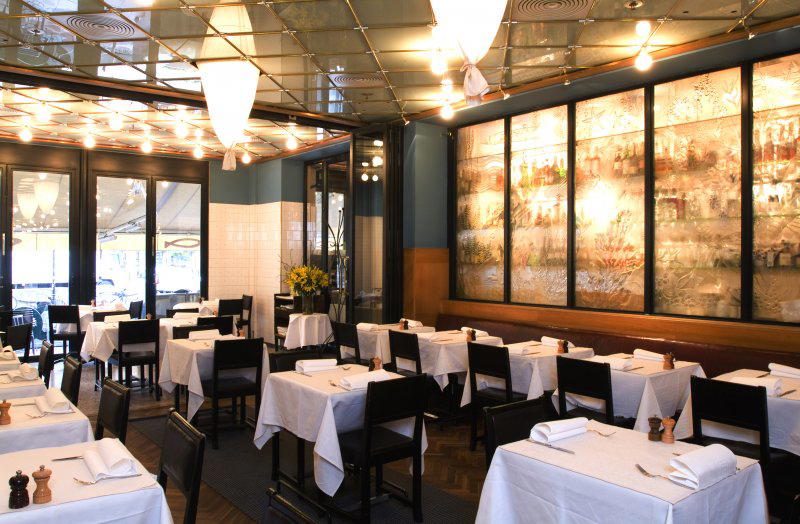
The room follows the logic of the name: shibumi in Japanese aesthetics describes an understated, unforced refinement rather than theatrical luxury. Malmskillnadsgatan is a working central Stockholm street with no ambient grandeur, which means the experience is entirely interior-facing. Expect a pace governed by the kitchen, low ambient noise, and a format where the counter itself becomes the focal point of the evening.
How does Shibumi fit into Stockholm's Japanese-influenced fine dining scene?
Stockholm has a small but serious cluster of restaurants drawing on Japanese technique and philosophy, and Shibumi occupies a distinct position within it by grounding its approach in the wabi-sabi aesthetic concept rather than in sushi or izakaya formats. The Malmskillnadsgatan address sits within walking distance of Hötorget, keeping it accessible to the city's central dining circuit. In a restaurant scene where Michelin recognition is concentrated among a handful of addresses, venues operating outside that framework often attract a more committed regular clientele.
What do regulars order at Shibumi?
At counter restaurants structured around a set progression, the menu is not typically à la carte, so the question of what to order is answered before you arrive. Regulars tend to invest instead in the drinks pairing and in timing their reservations to align with seasonal shifts in the kitchen's sourcing. Stockholm's short-season produce calendar means the experience changes materially across the year.
Compact Comparison
Comparable venues nearby, for context on price, style, and recognition.
| Venue | Cuisine | Price | Awards | Notes |
|---|---|---|---|---|
| ShibumiThis venue — the venue you are viewing | Modern Japanese Izakaya | $50–100 | Not listed | Not listed |
| Restaurang Tako | Modern Japanese-Korean Fusion | $50–100 | Not listed | Östermalm, Modern Japanese-Korean Fusion |
| Soyokaze | Norrmalm, Luxury Omakase Sushi | Not listed | Not listed | Not listed |
| Ai Ramen Sofia | Authentic Japanese Ramen | $20–30 | White Guide Sweden Restaurants - Recommended | Södermalm, Authentic Japanese Ramen |
| Grodan | French-Swedish Fine Dining | $50–100 | Not listed | Östermalm, French-Swedish Fine Dining |
| Miss Voon - Stockholm | Asian-Scandinavian Fusion | $50–100 | Not listed | Östermalm, Asian-Scandinavian Fusion |