
White Guide Sweden Restaurants - Recommended
Our verdict
Ai Ramen Sofia occupies a specific corner of Stockholm's casual dining scene that the city's Nordic-forward fine dining circuit rarely touches. Situated on Erstagatan in the Södermalm district, it represents the quieter end of Stockholm's growing appetite for Japanese ramen formats, away from the Michelin-tracked tasting menus that define the city's restaurant conversation.

Pearl is the En Primeur Club membership app — saves, bookings, and concierge access live there. Same editors, same standards.
- Address
- Erstagatan 22, 116 32 Stockholm, Sweden
- Phone
- +4686437180
- Hours
- Mon–Fri 5–9 PMSat–Sun 12–9 PM
- Website
- airamen.se
- Directions
- Get directions
- Booking
- Book on the venue's website
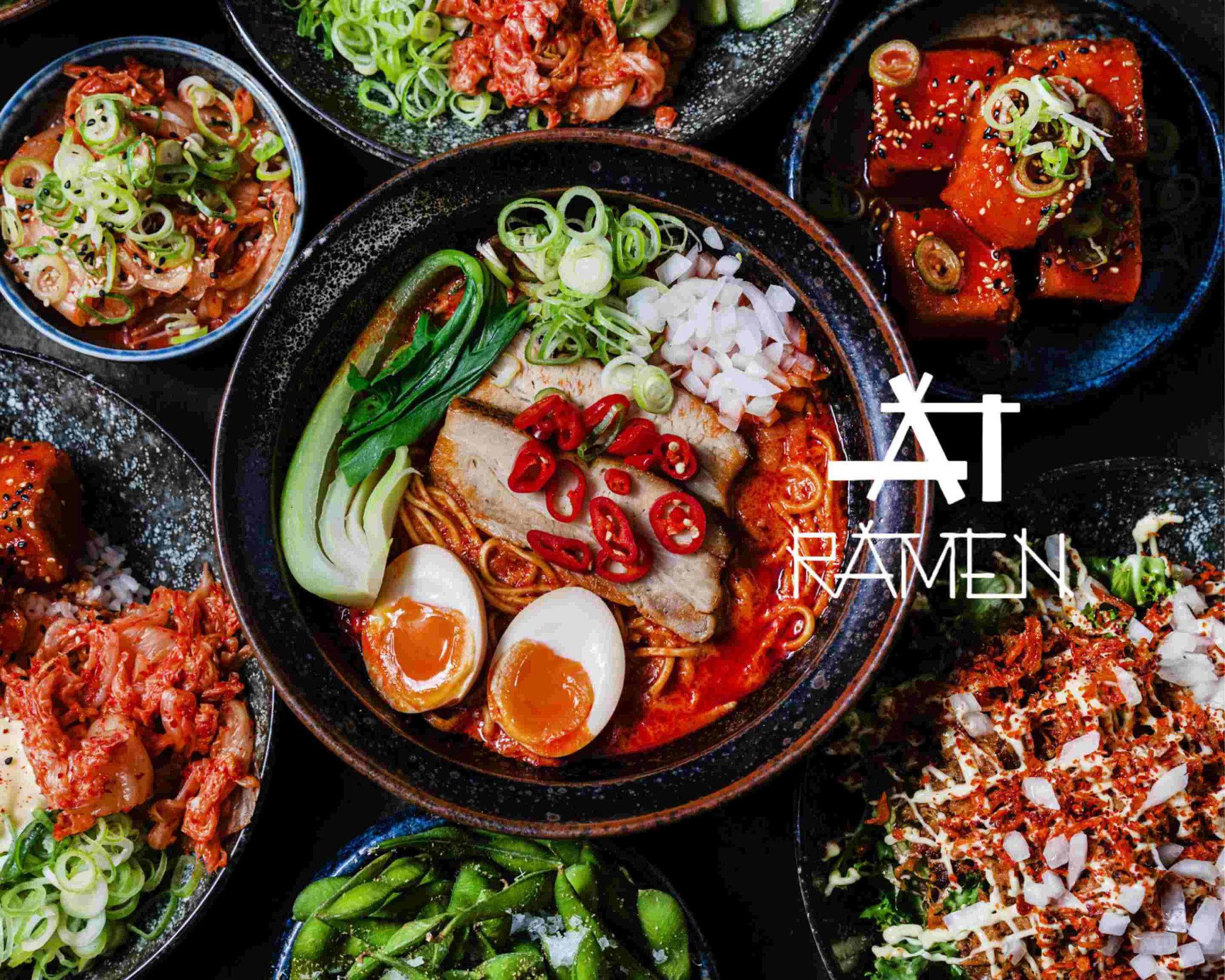
Södermalm and the Ramen Question in Stockholm
Stockholm's restaurant identity is dominated by the tasting-menu format. The city's most-discussed tables, from Frantzén to AIRA and Aloë, operate at price points and booking depths that place them firmly in a different category from the city's casual dining circuit. Between those high-commitment counters and the neighbourhood bistro, there is a middle register that Stockholm has been slower to develop than London, Copenhagen, or Amsterdam: the serious bowl. Ramen sits in that gap. In a city where Japanese cuisine still skews toward omakase and high-end sushi, a focused ramen shop represents a different kind of proposition entirely.
Erstagatan 22 sits on one of Södermalm's quieter residential stretches, south of Medborgarplatsen and away from the denser bar and restaurant traffic of SoFo and Hornsgatan. The address has a neighbourhood logic to it: this is not a destination engineered for tourists or listed-table hunters, but a spot that earns its repeat business from the surrounding streets. Södermalm has long been the district where Stockholm's dining scene allows itself to be informal, and a ramen counter reads as a natural fit for that register.
The Sensory Register of a Ramen Counter
Ramen shops communicate through atmosphere before a bowl arrives. The smell of long-simmered stock, the sound of water at a rolling boil, the narrow counter sightlines that force proximity between kitchen and guest: these are the genre's defining sensory conditions. In Japanese cities, those conditions are non-negotiable and closely associated with quality. The broth is typically the result of hours, sometimes days, of reduction; the noodles are calibrated to a specific thickness and chew for each style; the temperature of the bowl itself is considered part of the dish's construction.
Stockholm's engagement with that tradition is still developing. Where cities like New York have seen ramen move through multiple waves, from novelty to fast-food to serious craft (as at venues like higher-commitment dining formats that share a technical precision ethos), Stockholm is at an earlier point in that arc. A ramen counter in this city still occupies a position of relative curiosity rather than genre saturation, which changes what it needs to do to hold attention. The craft has to carry the room because the category doesn't yet carry itself by reputation alone.
Erstagatan's residential setting reinforces the sensory expectations of the format. There is no theatrical entrance, no design spectacle designed to pre-frame the experience. What arrives at the table is what makes the visit. That is, in its own way, a commitment to the dish itself, a format logic shared by counter-format operations in other cities where the room is secondary to the plate.
Stockholm's Casual Dining Gap and Where Ramen Fits
The comparison set for a ramen counter in Stockholm is not Operakällaren or Adam/Albin. Those operate at a remove in terms of price, format, and booking behaviour. The relevant comparison is with the city's wider casual Asian dining offer, a category that has grown but remains thinner than in other Nordic capitals. Copenhagen's ramen scene, anchored by several dedicated shops with defined regional styles, gives a sense of where Stockholm's equivalent could develop. Oslo has seen similar movement. Stockholm is catching up.
Within that context, a ramen shop on Södermalm addresses a specific need: a high-quality, lower-commitment bowl in a district that runs on repeat local custom. The format rewards consistency over spectacle. A guest returning twice in a week expects the tonkotsu to taste the same on both visits. That is a different kind of discipline from the tasting-menu circuit, but no less demanding. Sweden's broader dining scene has shown it can sustain quality at multiple price registers, from the Nordic fine dining on offer at Signum in Mölnlycke or VYN in Simrishamn to more grounded neighbourhood formats. Ramen occupies the accessible end of that range without being any less technically specific in its demands.
Södermalm as Context
Understanding Ai Ramen Sofia requires understanding Södermalm's dining character. The island south of Gamla Stan has historically absorbed the city's more relaxed dining formats: wine bars, mid-priced Italian, natural wine shops, and the kind of café that locals use as an office three mornings a week. It is the district most likely to support a ramen counter because it is the district most accustomed to format diversity at the informal end of the scale.
Erstagatan specifically sits at a slight remove from the most commercially dense parts of Södermalm, which can work in a focused restaurant's favour. Less foot traffic from tourists, more reliance on deliberate visits and neighbourhood habit. For a dining format that depends on repeat customers to validate its consistency, that geography has advantages. The comparison is partly to casual specialists elsewhere in the Swedish restaurant ecosystem: Vollmers in Malmö and PM & Vänner in Växjö operate in different categories but share the logic of building a loyal local base before reaching for wider recognition.
Södermalm's broader dining density also means that a ramen counter competes primarily on product quality rather than location advantage. There is no shortage of options within walking distance. What earns return visits in this kind of environment is broth depth, noodle calibration, and the accumulated logic of a menu that knows what it is doing and repeats it reliably. The rest of Sweden's more regional restaurant scene, covered in depth through venues like ÄNG in Tvååker, Knystaforsen in Rydöbruk, and Hoze in Gothenburg, demonstrates that Swedish dining quality is distributed across formats and price points, not concentrated exclusively at the tasting-menu tier.
Planning a Visit
Ai Ramen Sofia is located at Erstagatan 22 in the Södermalm district, reachable from Medborgarplatsen T-bana station in under ten minutes on foot. For visitors building a Stockholm dining itinerary across multiple nights, the ramen counter fits as a lower-commitment meal alongside the city's heavier-investment options. Our full Stockholm restaurants guide maps the full range, from the formal tasting-menu circuit to neighbourhood-level casual dining. Those interested in the southern Swedish restaurant scene more broadly will also find depth through guides to Claesgatan 8 in Malmö, Sydkustens at Pillehill in Skivarp, and Bistro Jarlen in Halmstad.
Frequently asked questions
What is Ai Ramen Sofia known for?
Ai Ramen Sofia is known as a ramen-focused counter in Södermalm, one of Stockholm's most diverse dining districts. In a city where Japanese dining has historically concentrated on sushi and omakase formats, a dedicated ramen shop addresses a specific gap. The venue's position on Erstagatan places it in a residential context that rewards consistent quality over novelty.
What's the signature dish at Ai Ramen Sofia?
Ramen counters in this format typically anchor their offer around a core broth style, whether tonkotsu, shoyu, or miso, with variations built around that base. For current menu information, checking the venue directly or through local Stockholm listings is the reliable approach.
How far ahead should I plan for Ai Ramen Sofia?
Many ramen counters in this format operate on a walk-in basis, particularly at off-peak hours, though demand at a Södermalm address can concentrate at lunch and early evening. Confirming current policy directly before visiting is advisable, particularly if planning around a fixed schedule in Stockholm.
Do they accommodate allergies at Ai Ramen Sofia?
Stockholm's dining culture broadly supports allergy communication, and Swedish food service regulations require that allergen information be available on request.
Is Ai Ramen Sofia worth it?
For Stockholm visitors or residents specifically looking for a ramen counter at the casual end of Södermalm's dining range, Ai Ramen Sofia addresses a format that the city's Nordic fine dining circuit does not. The value question depends on what quality the bowl delivers, which requires a visit to assess.
Is Ai Ramen Sofia part of a wider Japanese dining trend in Stockholm?
Stockholm's Japanese dining scene has historically concentrated on high-end sushi and omakase formats, with casual ramen representing a later and still-developing layer. Ai Ramen Sofia's Erstagatan address places it within Södermalm's broader move toward format diversity at the informal end of the dining spectrum. As ramen gains category recognition in Nordic capitals more broadly, counters like this one sit at the leading edge of that shift in Stockholm specifically.
Just the Basics
Comparable venues nearby, for context on price, style, and recognition.
| Venue | Cuisine | Price | Awards | Notes |
|---|---|---|---|---|
| Ai Ramen SofiaThis venue — the venue you are viewing | Authentic Japanese Ramen | $20–30 | White Guide Sweden Restaurants - Recommended | Not listed |
| Ai Ramen Klara | Japanese Ramen | $20–30 | Not listed | Norrmalm, Japanese Ramen |
| Meatballs | Traditional Swedish Meatballs | $20–30 | Not listed | Södermalm, Traditional Swedish Meatballs |
| Cafe Rival | Swedish Bistro & Scandinavian Tavern | Not listed | Not listed | Riddarholmen, Swedish Bistro & Scandinavian Tavern |
| Nook | Nordic-Asian Fusion | $30–50 | Falstaff Restaurant - Listed | Södermalm, Nordic-Asian Fusion |
| Tengu | Japanese Ramen and Small Plates | $20–30 | White Guide Sweden Restaurants - Fine Level | Östermalm, Japanese Ramen and Small Plates |
Recognition history
Dated appearances from independent guides and award organizations, with the underlying list record or original source where available.
White Guide Sweden Restaurants - Recommended
White Guide
Continue exploring
More in Stockholm
Restaurants in Stockholm
Browse all →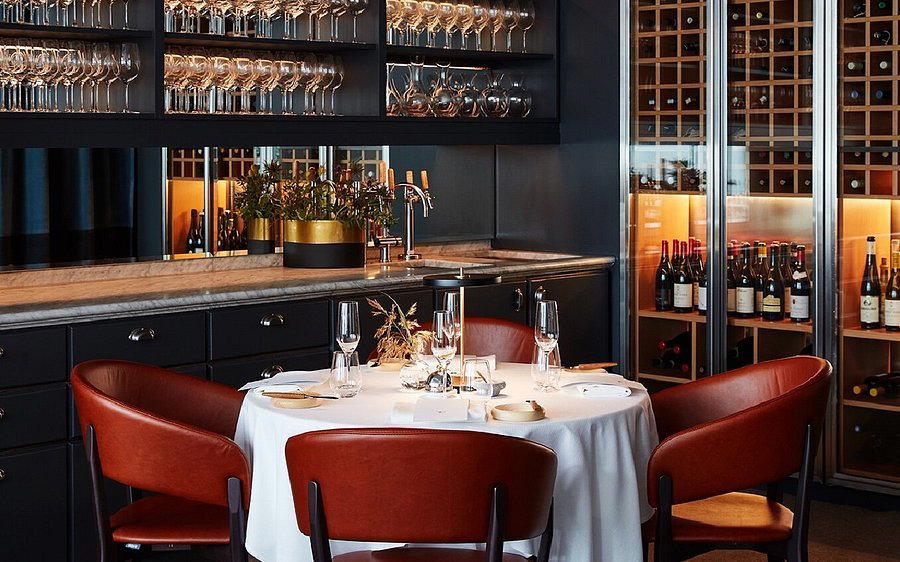
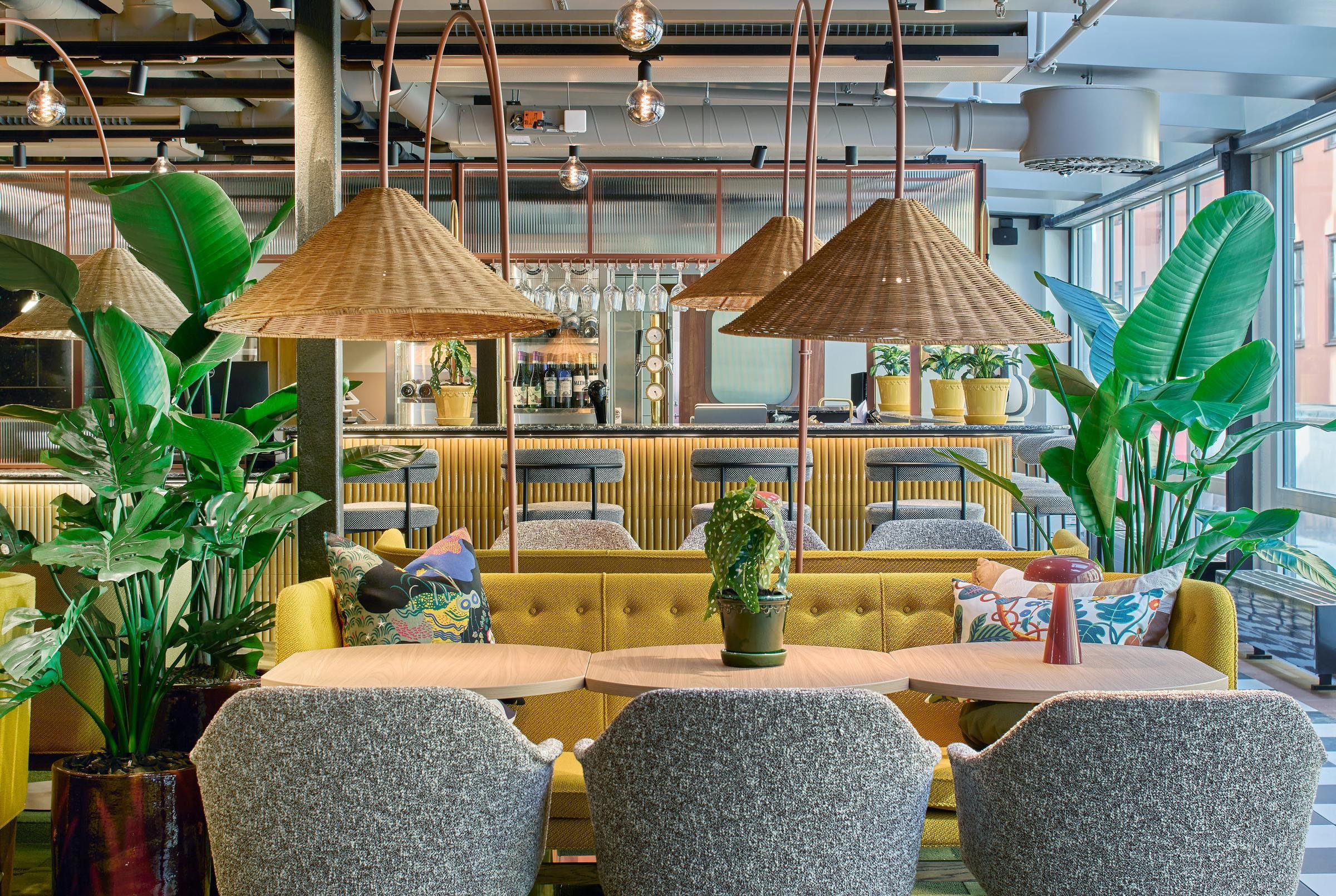
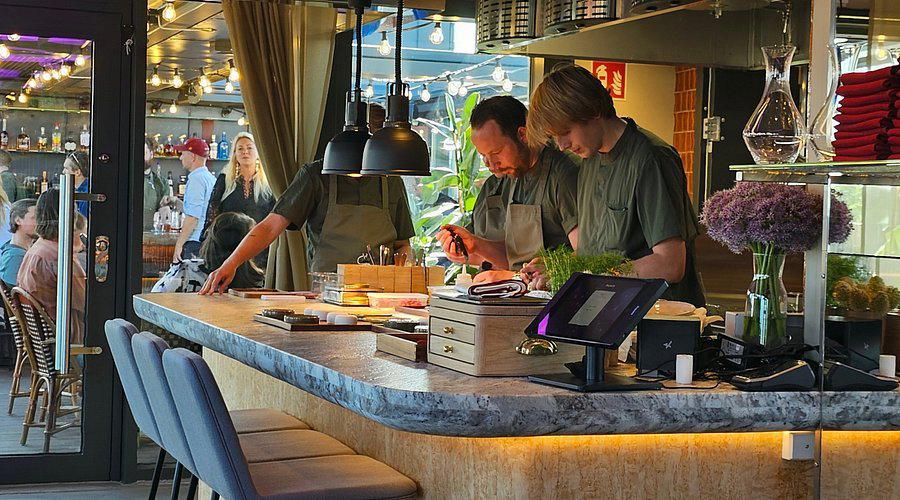
Bars in Stockholm
Browse all →


Details
- Cozy
- Trendy
- Casual Hangout
- Sake Program
- A La Carte
- Vegetarian Friendly
- Vegan Options
Current opening hours
- Monday
- 5–9 PM
- Tuesday
- 5–9 PM
- Wednesday
- 5–9 PM
- Thursday
- 5–9 PM
- Friday
- 5–9 PM
- Saturday
- 12–9 PM
- Sunday
- 12–9 PM
Hours can change for holidays and private events. Last verified .
Simple, cozy neighborhood spot with a noisy room and homemade feel.