Michelin Guide Plate · Wine Spectator Best of Award of Excellence
Our verdict
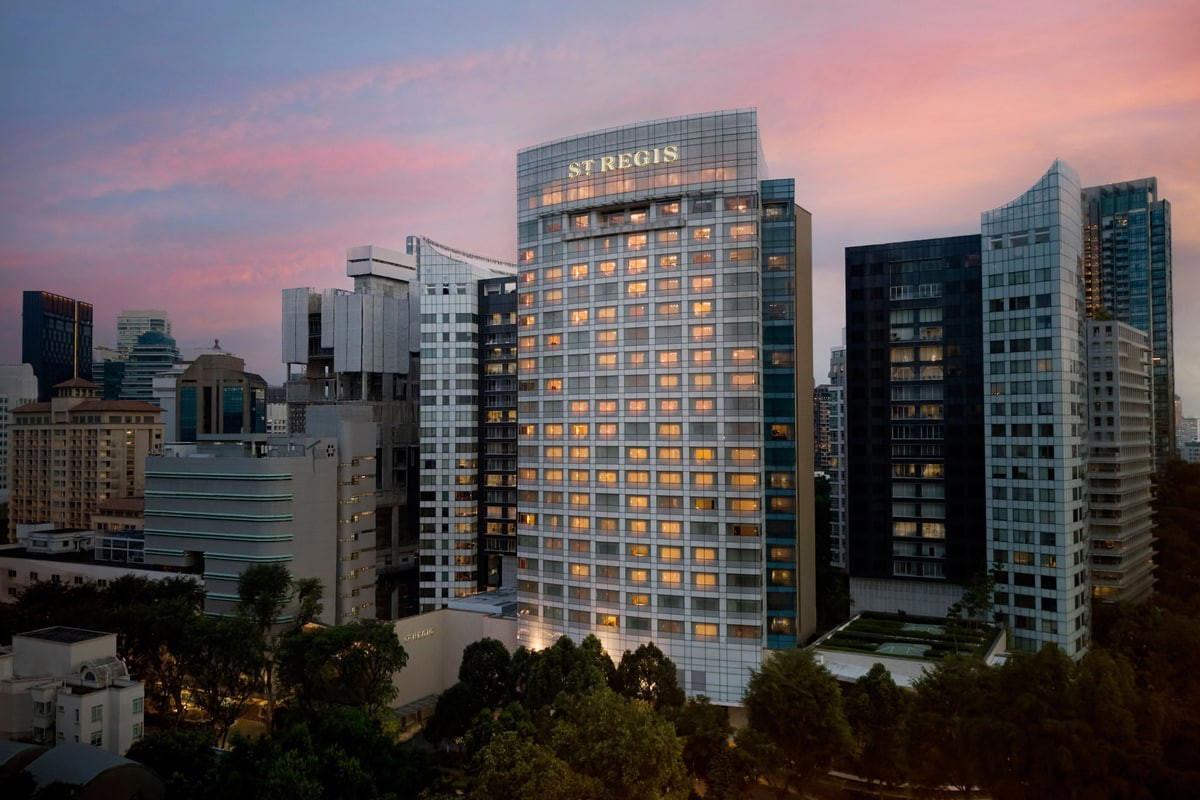
Shang Palace at Singapore is one of the city-state's long-established Cantonese dining rooms, operating at the upper end of the price tier with a wine list of 360 selections and 1,000-bottle inventory weighted toward France. With sommeliers Marcus Tan and Harry Loh managing the floor and Chef Daniel Cheung in the kitchen, the restaurant draws both hotel guests and destination diners seeking classical Cantonese technique in an Orchard fringe setting.

Pearl is the En Primeur Club membership app, where members save venues, book tables and use the concierge.
The menu
What to order
- Roasted Peking Duck
- Baked Live Prawns with Garlic and Sarawak White Peppercorn
- Pan-fried bun with chilli crab meat
Cantonese Fine Dining in Singapore: The Long View
Singapore's high-end Chinese dining scene has shifted considerably over the past two decades. What was once a category dominated by hotel ballrooms and banquet-format service has fractured into a more complex tier structure: standalone Cantonese specialists competing for critical recognition, mid-market dim sum houses driving volume, and a smaller cohort of hotel-anchored restaurants that have had to make a deliberate choice about which direction to face. Shang Palace at Singapore sits in that last group, and the choices it has made over time place it in a distinct position within the city's Cantonese offer.
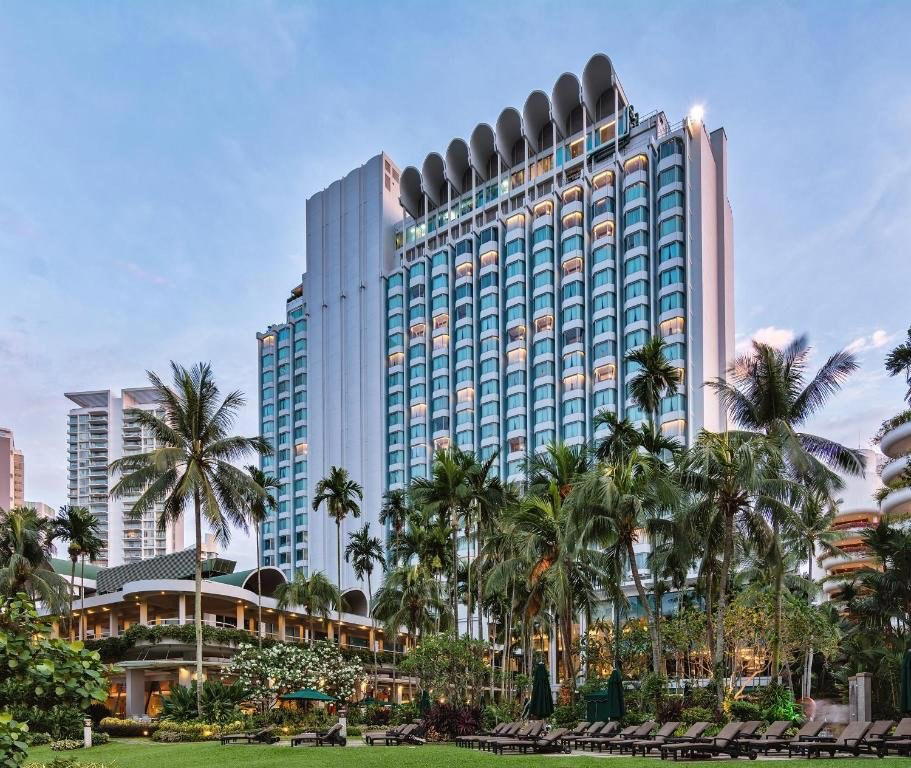
The broader context matters here. Singapore now hosts serious competition at every price point in Chinese cuisine. Summer Pavilion at the Ritz-Carlton operates at the $$ tier with Michelin recognition and a lighter format. The question that hotel Cantonese rooms consistently face is whether to chase the critical credentialing that drives destination traffic, or to consolidate around a core of loyal hotel guests and business dining. Shang Palace's current positioning, at the $$$ cuisine pricing tier, suggests it has opted for the former, pricing itself alongside destination restaurants rather than the more accessible hotel dining bracket. Hotel dining rooms in this kind of setting often lean on their physical separation from the city's commercial energy as an implicit part of the experience: the sense of having left the main circuit behind. That physical context shapes how the room reads, and why the restaurant has historically attracted a mix of diplomatic, corporate, and celebratory dining rather than the casual walk-in traffic that sustains street-level restaurants.
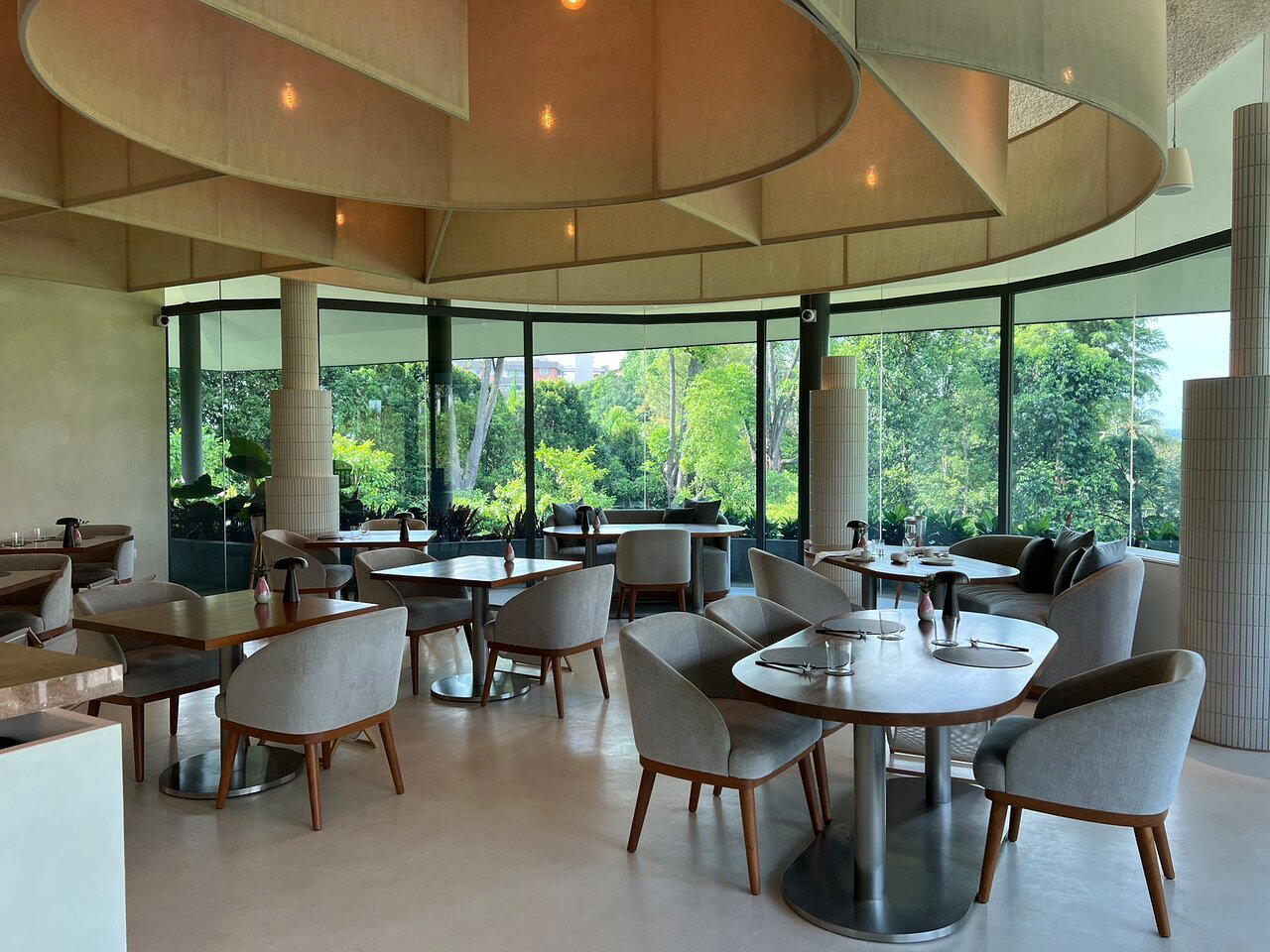
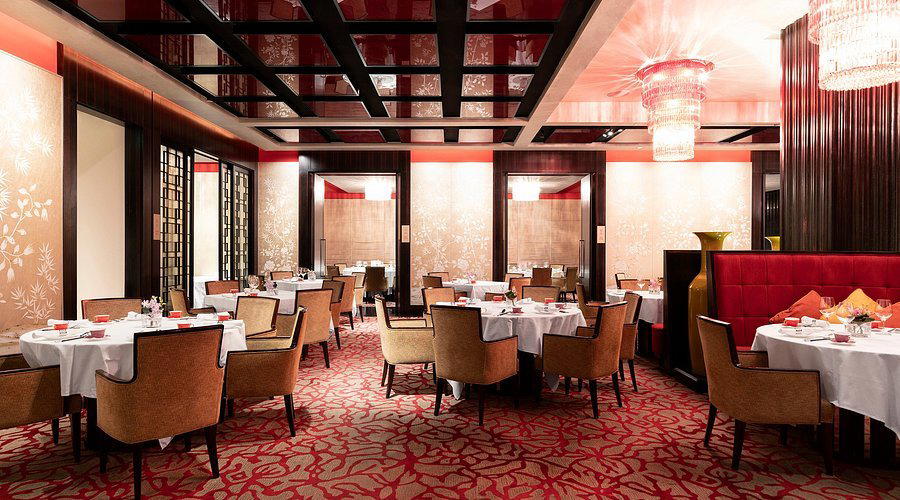
Evolution of the room itself reflects wider shifts in what Singapore diners expect from premium Cantonese spaces. The heavily lacquered, red-and-gold aesthetic that defined hotel Chinese restaurants through the 1990s and 2000s has given way, in many properties, to a more restrained interpretation of Chinese design vocabulary. Whether that trajectory applies here is a question of timing and investment cycle, but the general pressure in the category is clear: rooms that still read as period pieces from the banquet era struggle to attract the younger professional demographic that now drives high-spend dining in Singapore.
The Wine Program as a Differentiator
Where Shang Palace makes a clear, verifiable statement about its ambitions is in the wine program. A list of 360 selections backed by a 1,000-bottle inventory is substantial for any restaurant in Singapore; for a Cantonese dining room, it is a signal that the operation is not treating wine as an afterthought. The France weighting on the list aligns with what high-end hotel restaurants in Asia have long found: that the international business and diplomatic clientele who anchor weeknight covers in properties like this one tend to orient toward Burgundy and Bordeaux as default reference points.
The pricing tier for the wine list sits at $$$, with a corkage fee of $35 for bottles brought in. That corkage figure is competitive within Singapore's fine dining tier, restaurants like Les Amis and Odette operate with different corkage structures that reflect their standalone status and deeper investment in their own lists. At Shang Palace, the $35 corkage signals a pragmatic approach: the restaurant is willing to accommodate diners who bring their own bottles rather than insisting on list-only purchasing, which is consistent with a business dining orientation where clients may arrive with specific bottles in mind.
Having two named sommeliers, Marcus Tan and Harry Loh, on the floor is also worth noting in context. Singapore's fine dining wine service has matured considerably, with properties like Zén and Jaan by Kirk Westaway building their reputations partly on the depth of their beverage programs. A dual-sommelier team at a Cantonese room indicates Shang Palace is competing on that axis rather than treating wine service as a support function.
Chef Daniel Cheung and the Cantonese Tradition
Cantonese cuisine at the fine dining level is a discipline where technique and sourcing do most of the speaking. The category's classical reference points, precise wok control, restrained seasoning, the primacy of ingredient quality over sauce complexity, tend to reward chefs who have spent years in the tradition rather than those pivoting from other culinary backgrounds. The $$$ cuisine pricing tier implies a full tasting or à la carte structure with premium ingredients, which in Cantonese fine dining typically means whole fish, aged proteins, and seasonal seafood playing central roles.
Comparable Cantonese operations at this tier in the wider region, including 8½ Otto e Mezzo Bombana in Hong Kong for cross-category reference, demonstrate that high-end hotel restaurants in Asia can sustain critical credibility alongside hotel-traffic economics. The model is well established; the execution is what separates the rooms that hold critical attention from those that drift into comfortable irrelevance over time.
Where Shang Palace Sits in Singapore's Current Dining Order
Singapore's most-discussed fine dining rooms in recent years have tended to be the standalone tasting-menu operations: Meta, Odette, and the creative end of the spectrum represented by Zén. Hotel Cantonese rooms occupy a different conversation, one that is less driven by the critical apparatus of awards season and more by consistent execution over time. The restaurants in this category that retain their position do so through reliability rather than reinvention: the same technical standards applied to changing seasonal produce, the same service structure deployed for different kinds of occasion.
Shang Palace's longevity within the estate places it in the category of restaurants that have accumulated institutional knowledge rather than chasing critical cycles. Whether that is an asset or a constraint depends on what a diner is looking for. For those seeking the kind of assured Cantonese cooking that comes from a kitchen with deep institutional experience, the restaurant's track record is its strongest argument. For those looking for the energy of Singapore's newer creative dining rooms, the calculus is different.
For broader orientation across Singapore's dining scene, the full Singapore restaurants guide covers the range from hotel anchors to independent newcomers. Those planning a longer stay can also reference the Singapore hotels guide, bars guide, and experiences guide for a fuller picture of the city's premium offer.
Planning Your Visit
Shang Palace serves both lunch and dinner, which makes it one of the few $$$ Cantonese rooms in Singapore with a full midday service, useful for business lunches or for visitors who prefer to allocate their evening hours elsewhere. The wine list runs to 360 selections with a France-weighted cellar of 1,000 bottles; corkage is set at $35 for those bringing their own. Reservations are advisable, particularly for weekend dim sum lunch, which tends to draw both hotel guests and regulars from Singapore's wider Cantonese dining circuit.
Frequently asked questions
Where is Shang Palace in Singapore?
Shang Palace is located at 22 Orange Grove Rd, Singapore 258350, Singapore.
What awards or recognition does Shang Palace have?
Shang Palace has received recognition including: WINE: Wine Strengths: France Pricing: $$$ i Wine pricing: Based on the list\'s general markup and high and low price points:$ has many bottles < $50;$$ has a range of pricing;$$$ has many $100+ bottles Corkage Fee: $35 Selections: 360 Inven….
What should I eat at Shang Palace?
The kitchen works within the Cantonese fine dining tradition, where classical technique and ingredient sourcing carry the menu rather than architectural plating or complex reduction work. Chef Daniel Cheung leads the kitchen, and the format covers both lunch and dinner at the $$$ price tier, which signals full à la carte and set menu options across multiple services. Without confirmed current menu listings, specific dish recommendations require checking directly with the restaurant.
Should I book Shang Palace in advance?
Yes, particularly for weekend lunch. Cantonese rooms at the $$$ tier in Singapore, hotel-based or otherwise, fill their midday sessions well ahead, and Shang Palace operates within the Shangri-La estate, which adds corporate and leisure demand on top of the dining-only crowd. Booking at least a week in advance for weekend lunch is advisable; weekday dinner tends to carry more flexibility.
What's Shang Palace best at?
The wine program is the most clearly documented differentiator: 360 selections backed by a 1,000-bottle inventory with a France weighting, priced at the $$$ tier and a $35 corkage fee for those bringing their own bottle. Sommeliers Marcus Tan and Harry Loh oversee the list, which places the program well above what most standalone Cantonese rooms in Singapore maintain. That combination of serious wine infrastructure alongside Cantonese fine dining is relatively uncommon in the category.
Can Shang Palace adjust for dietary needs?
Hotel-operated Cantonese kitchens at this level in Singapore generally accommodate dietary requirements with advance notice, given the format flexibility of the cuisine and the staffing depth of a Shangri-La property. The presence of General Manager Stephan Kapek and dedicated sommelier coverage suggests a service infrastructure built to handle specific guest requests. check the venue's official channels ahead of your visit to confirm what adjustments are available for your requirements.
Similar Picks
Comparable venues nearby, for context on price, style, and recognition.
| Venue | Cuisine | Price | Awards | Notes |
|---|---|---|---|---|
| Shang PalaceThis venue (the venue you are viewing) | Classic Cantonese Fine Dining | $100–150 | Michelin Guide Plate · Wine Spectator Best of Award of Excellence | Not listed |
| Hua Ting | Authentic Cantonese | $50–100 | World's Best Wine Lists Awards WBWL 3-Star | BOULEVARD |
| Min Jiang at Dempsey | Cantonese and Sichuanese | Not listed | Michelin Guide Plate · Michelin Plate | RIDOUT |
| Jin Ting Wan | Refined Modern Cantonese | $200–300 | Michelin Guide 1 Star · Conde Nast Hot List Restaurants | BAYFRONT SUBZONE |
| SUSHI ZEN | Traditional Edomae Sushi Omakase | $200–300 | Michelin Guide Plate · Michelin Plate | Keong Saik |
| Chin Huat Live Seafood Restaurant 镇发活海鲜 | Singaporean Live Seafood Zichar | $50–100 | Not listed | SUNSET WAY |
Recognition history
Dated appearances from independent guides and award organizations, with the underlying list record or original source where available.
Michelin Guide Plate
Michelin Guide
Wine Spectator Best of Award of Excellence
Wine Spectator
Full recognition history (3 entries)
Wine Spectator Best of Award of Excellence
Wine Spectator