Seogwan by Yellow Cow
Our verdict
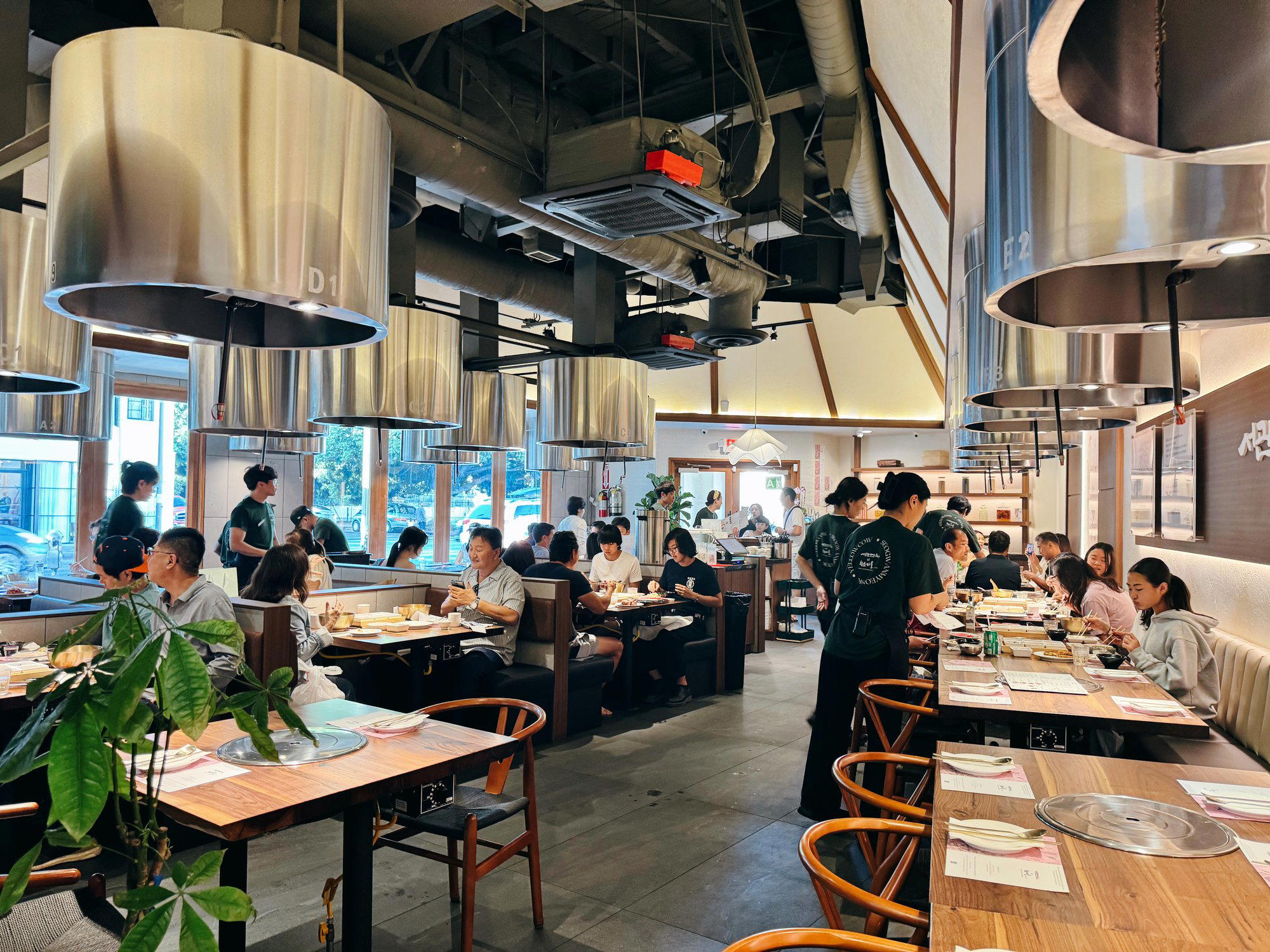
Seogwan by Yellow Cow brings Pyongyang naengmyeon, the cold buckwheat noodle tradition of North Korea's former capital, to Los Angeles — a city with Korean cuisine depth but few practitioners of this specific regional form. The format is spare and deliberate, positioning Seogwan in a different tier from the broader Korean dining scene that surrounds it in the LA metro area.

Pearl is the En Primeur Club membership app — saves, bookings, and concierge access live there. Same editors, same standards.
- Address
- Los Angeles, United States
- Directions
- Get directions
The menu
What to order
- Pyongyang-style naengmyeon
- Dot Jeyuk
- Budae jjigae
A Cold Noodle Tradition in a City Built for Heat
Los Angeles Korean dining runs loud and wide: KBBQ smoke, army stew, late-night sullungtang, tofu houses open past midnight. What it rarely offers is quiet. Pyongyang naengmyeon, the cold buckwheat noodle preparation that traces its lineage to the North Korean capital, belongs to a different register entirely. The bowl arrives chilled, the broth pale and composed, the mood closer to a Japanese soba counter than the grill-everything energy that defines much of Koreatown. Seogwan by Yellow Cow operates inside that quieter tradition, offering a format that most diners in this city have not encountered and that most Korean restaurants in America do not attempt.
Naengmyeon is not a new invention. The dish has documented history stretching back centuries in Korean culinary writing, and Pyongyang-style specifically, distinguished by its dongchimi radish-and-beef broth base and thin, firm buckwheat noodles, has long been treated as a point of regional pride by those with roots in the North. Serving it in Los Angeles, a city with one of the largest Korean diaspora populations outside Korea itself, is an act of culinary preservation as much as a restaurant concept.
The Sourcing Argument Behind Spare Food
Naengmyeon's ingredient list is short, which means every component carries more weight. The broth, when done faithfully, depends on beef of clear provenance and radish fermented over time. The buckwheat for the noodles is ideally stone-ground and used at a high percentage, which gives the finished noodle its characteristic snap and slight bitterness. These are not qualities that survive industrial shortcuts. The name Yellow Cow signals the sourcing orientation directly: hwang so, the Korean yellow cattle breed, is the peninsula's heritage bovine equivalent to Japanese wagyu or Spanish retinta, prized for its flavour depth and historically central to Korean beef cookery before commodity production took over. Anchoring a naengmyeon restaurant to a specific cattle breed is an argument about material quality made at the naming stage, before a single bowl is ordered.
This positions Seogwan in a conversation happening across American dining about what ethical sourcing actually looks like when applied to cuisines outside the European fine dining tradition. At Blue Hill at Stone Barns in Tarrytown, the farm-to-table model has been refined over two decades into something codified and celebrated. At Single Thread Farm in Healdsburg, Japanese kaiseki structure meets northern California agriculture in a highly engineered format. What Seogwan attempts is a version of the same underlying logic applied to Korean regional cuisine: trace the ingredient, honour the breed, serve the thing straight. The dish itself is the argument, not a tasting menu narrative around it.
The sustainability case for naengmyeon is structural. Cold noodle service requires no live fire, no grill ventilation, no tableside combustion of any kind. The energy footprint of the format is low relative to KBBQ or any other service model built around active cooking at the table. Whether Seogwan formalises that into a stated environmental program is not yet documented, but the format's inherent lean toward whole-animal beef use (the broth cycle consumes cuts that premium steakhouse service ignores) and minimal-heat service aligns with a broader movement in dining toward lower-impact operations. Restaurants in this tier nationally, from Lazy Bear in San Francisco to Addison in San Diego, have made sourcing and waste reduction part of their public identity. Seogwan's approach appears embedded in the concept rather than marketed around it.
Where It Sits in the LA Korean Dining Order
Koreatown's dining density is real. The neighbourhood functions as the cultural and commercial centre of the largest Korean community in the United States, and its restaurant range spans street food counters to sit-down establishments that could hold their own in Seoul. But Pyongyang naengmyeon specialists are scarce. The dish requires a specific broth-making discipline, a willingness to work with buckwheat at percentages that most noodle houses avoid, and a customer base that understands what it's eating. Seogwan's entry into this space is not competing against the broad Korean dining field. It is competing against the two or three other serious naengmyeon practitioners in the region, if that many exist.
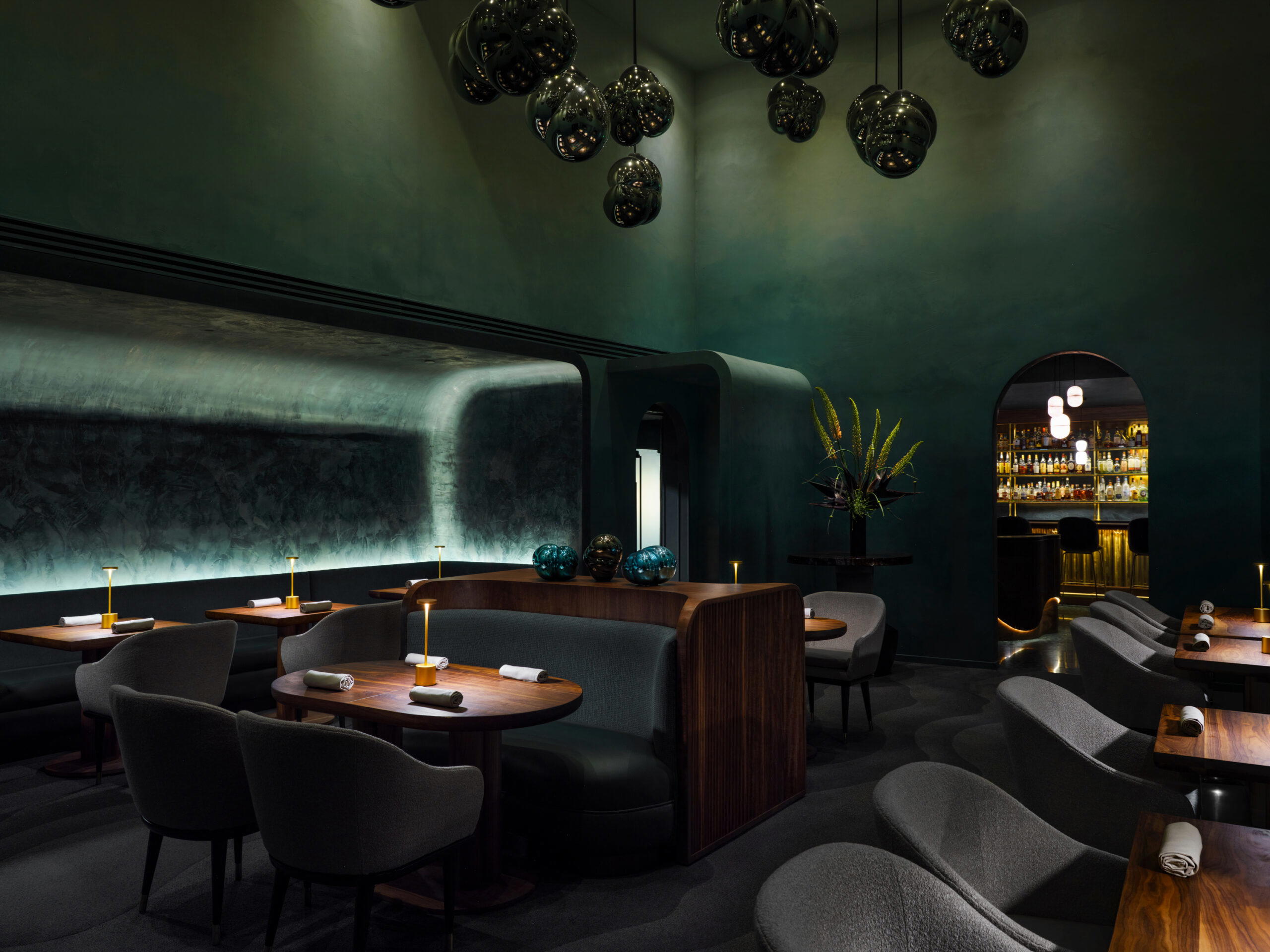
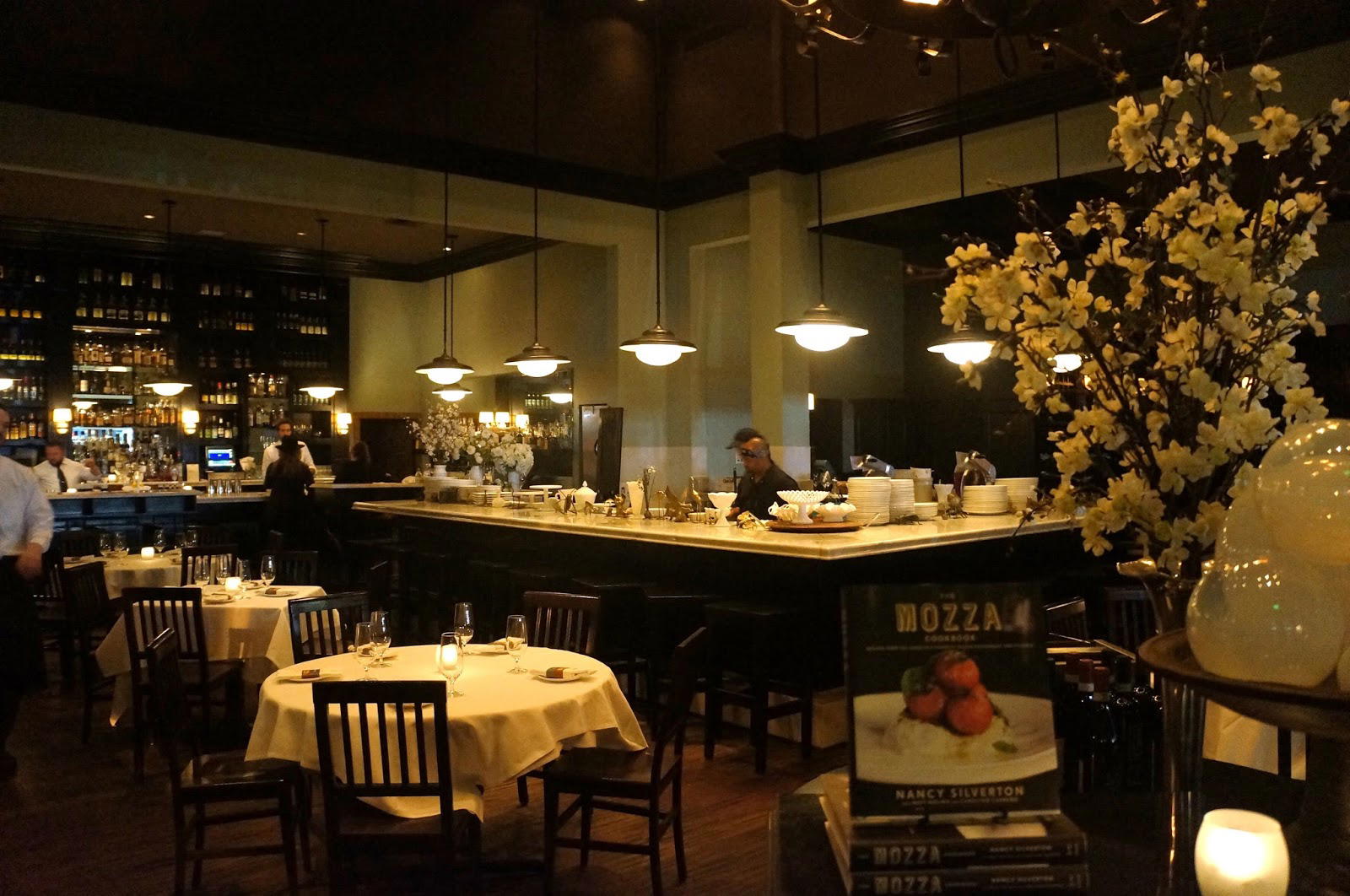
Across the wider Los Angeles dining scene, the reference points for this kind of specialist, tradition-rooted format are mostly found in other cuisines. Providence has built its identity around seafood sourcing discipline. Osteria Mozza derives its authority from adherence to a specific regional Italian tradition. Somni operates at the precision end of modernist cooking. Seogwan by Yellow Cow occupies a space that none of those restaurants address: Korean regional heritage at the level of the specific bowl, served straight. For a city of Los Angeles's scale and diversity, that gap is notable. See our full Los Angeles restaurants guide for broader context on where Seogwan sits in the city's dining geography.
For comparison, the Korean tasting menu format has found its clearest American expression in New York at Atomix, where contemporary technique applied to Korean ingredients produces a high-ticket, highly awarded result. Seogwan proposes the opposite direction: subtract technique until what remains is the tradition itself.
Planning a Visit
| Consideration | Seogwan by Yellow Cow | Hayato (Japanese, $$$$) | Kato (New Taiwanese, $$$$) |
|---|---|---|---|
| Cuisine focus | Pyongyang naengmyeon / Korean regional | Japanese kaiseki | New Taiwanese tasting menu |
| Service format | Cold noodle specialist | Omakase counter | Tasting menu |
| Price range | $$$$ | $$$$ | |
| Booking method | Advance reservation required | Advance reservation required | |
| Walk-in feasibility | Confirm with venue | Not typical | Not typical |
| Sourcing emphasis | Heritage cattle breed (hwang so) | Japanese seasonal produce | Taiwanese-rooted ingredients |
Address, hours, and booking details are not yet publicly confirmed through our standard verification. For broader context on farm-to-table and sourcing-led American dining, reference points include Bacchanalia in Atlanta and The Inn at Little Washington, both of which have built long-term identities around ingredient provenance in ways that parallel what Seogwan attempts through a very different culinary lens.
Frequently asked questions
What do people recommend at Seogwan by Yellow Cow?
The restaurant's stated focus is Pyongyang naengmyeon, the cold buckwheat noodle preparation associated with North Korean culinary tradition, served with a dongchimi-and-beef broth base. That is the dish the restaurant is built around and the starting point for any first visit. Specific menu details and secondary dishes are not yet confirmed through verified sources.
Is Seogwan by Yellow Cow reservation-only?
Specialist noodle format restaurants in Los Angeles, particularly those operating with a defined concept and limited scope, commonly require reservations, especially during peak service hours. For the highest-demand Korean dining in the city, planning ahead is the safer approach regardless of format.
What is Seogwan by Yellow Cow leading at?
The restaurant's clearest credential is specificity: Pyongyang naengmyeon is a narrow regional form, and practitioners operating at this level of concept clarity are rare in Los Angeles. The name's reference to hwang so, Korea's heritage yellow cattle breed, signals a sourcing discipline that applies to the broth base rather than a general Korean menu.
Is Seogwan by Yellow Cow overpriced or worth every penny?
Naengmyeon in its traditional form is not a high-ticket dish category, but when the sourcing involves heritage-breed beef and the format is specialist rather than broad, pricing tends to land above casual Korean dining. The honest comparison is not against KBBQ or tofu houses but against other ingredient-led, focused format restaurants in Los Angeles, where the cuisine's regional integrity is part of what you are paying for.
How does Seogwan by Yellow Cow connect to the broader tradition of Pyongyang naengmyeon, and why does that matter in Los Angeles?
Pyongyang naengmyeon is among the most historically documented dishes in Korean culinary history, associated with the former North Korean capital and distinct from southern mul-naengmyeon by its dongchimi ferment base and the specific texture of its high-buckwheat noodles. Most Korean restaurants in the United States do not attempt the full form, either because the broth discipline is demanding or because the customer base for this specific dish is narrow. Los Angeles, home to the largest Korean community in the United States, is one of the few American cities where demand for this level of regional specificity is plausible. Seogwan's entry into that space, particularly with a heritage cattle sourcing position, makes it a reference point for what Korean regional cuisine preservation can look like outside Korea itself.
Pricing, Compared
Comparable venues nearby, for context on price, style, and recognition.
| Venue | Cuisine | Price | Awards | Notes |
|---|---|---|---|---|
| Seogwan by Yellow CowThis venue — the venue you are viewing | Korean BBQ & Naengmyeon | $30–50 | Not listed | Not listed |
| Gwang Yang BBQ | Upscale Korean BBQ | $50–100 | Not listed | Wilshire Center, Upscale Korean BBQ |
| Bonjuk | Traditional Korean Porridge & Bibimbap | $20–30 | Not listed | Wilshire Center, Traditional Korean Porridge & Bibimbap |
| The Mulberry LA | Modern Korean-American Bistro | $50–100 | Michelin Plate | Sawtelle, Modern Korean-American Bistro |
| San Manuel Club | American Casual Dining | $30–50 | Not listed | Downtown, American Casual Dining |
| Amiga Amore | Mexitalian | $30–50 | James Beard Award Semi Finalist | Highland Park, Mexitalian |
Continue exploring
More in Los Angeles
Restaurants in Los Angeles
Browse all →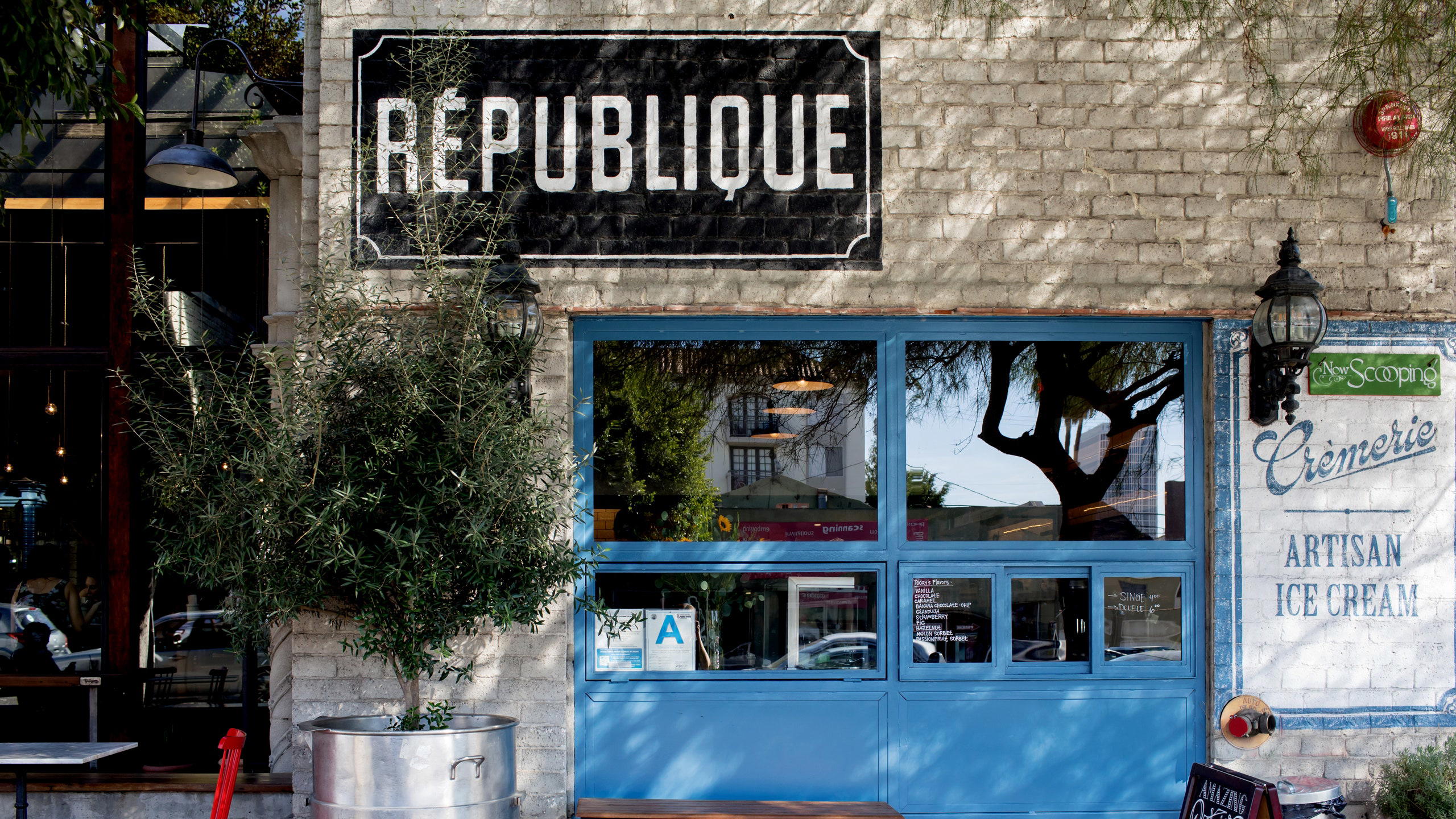
Bars in Los Angeles
Browse all →

Hotels in Los Angeles
Browse all →

Wineries in Los Angeles
Browse all →
Details
- Modern
- Group Dining
- Casual Hangout
- A La Carte
Refined Korean barbecue atmosphere with distinctive banchan highlights.