


Star Wine List · Falstaff Wine Bar - Listed · White Guide Sweden Restaurants - Very Fine Level
Our verdict
Sensum occupies a quiet stretch of Wallingatan, a short walk from Stockholm Central Station, and has built a following around a frequently changing menu with the texture of refined home cooking. It sits in a different register from the city's tasting-menu circuit, trading ceremony for familiarity without sacrificing ambition. For regulars, the draw is less any single dish than the rhythm of returning to a room that seems to know them.

Pearl is the En Primeur Club membership app — saves, bookings, and concierge access live there. Same editors, same standards.
- Address
- Wallingatan 40, 111 24 Stockholm, Sweden
- Phone
- +46 8 411 32 82
- Hours
- Mon ClosedTue–Thu 11 AM–1:30 PM, 4:45–9 PMFri 11 AM–1:30 PM, 4:45–9:30 PMSat 4:45–9:30 PMSun Closed
- Website
- restaurangsensum.se
- Directions
- Get directions
The menu
What to order
- Monkfish
- Chop_iberico
- Hamachi_tostada
The Corner Table Mentality: Stockholm's Neighbourhood Ambition
Stockholm's dining conversation tends to cluster around its tasting-menu flagships. Frantzén, AIRA, and Operakällaren occupy the ceremonial end of the market, where the format, the room, and the price point all signal occasion dining. Below that tier, a smaller category of places has taken a different position: restaurants with clear culinary intelligence and regularly refreshed menus, but without the apparatus of the multi-course production. Sensum, on Wallingatan in central Stockholm, belongs to this second group. Its proximity to Stockholm Central Station — the address sits on a street that connects the Norrmalm shopping corridor to the quieter residential blocks further north — gives it a slightly unexpected quality. The location is convenient without being touristy, urban without being transactional.
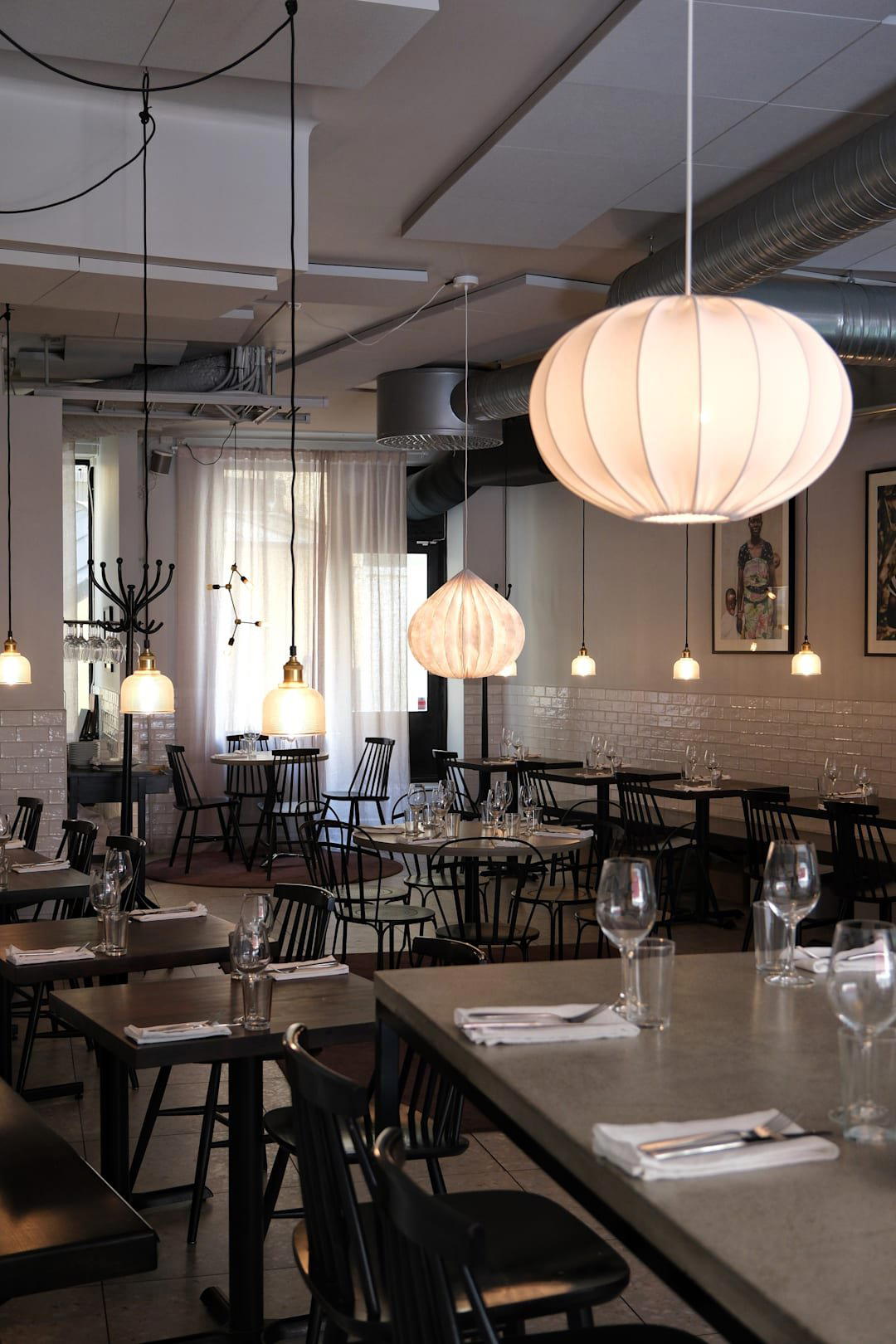
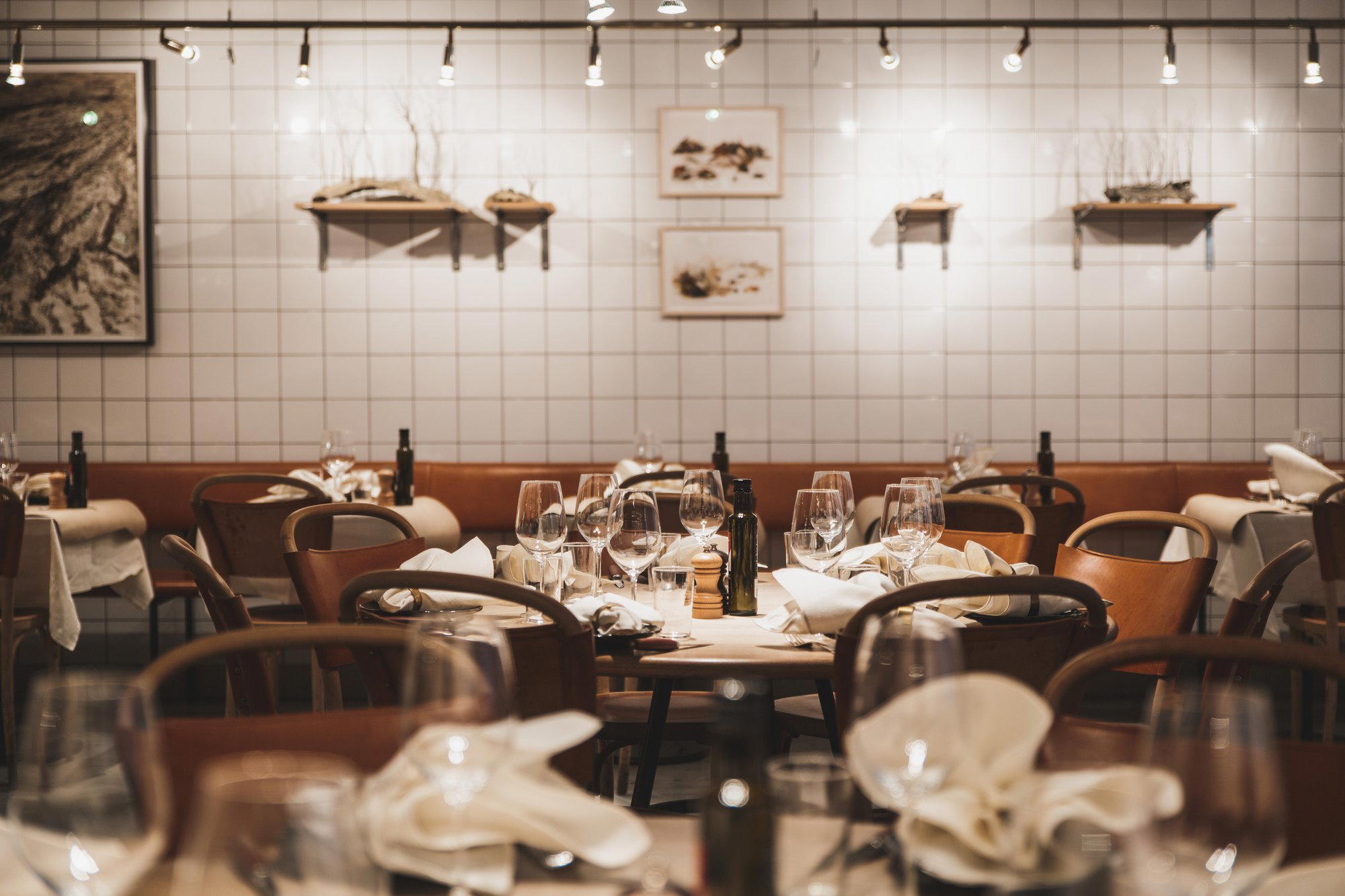
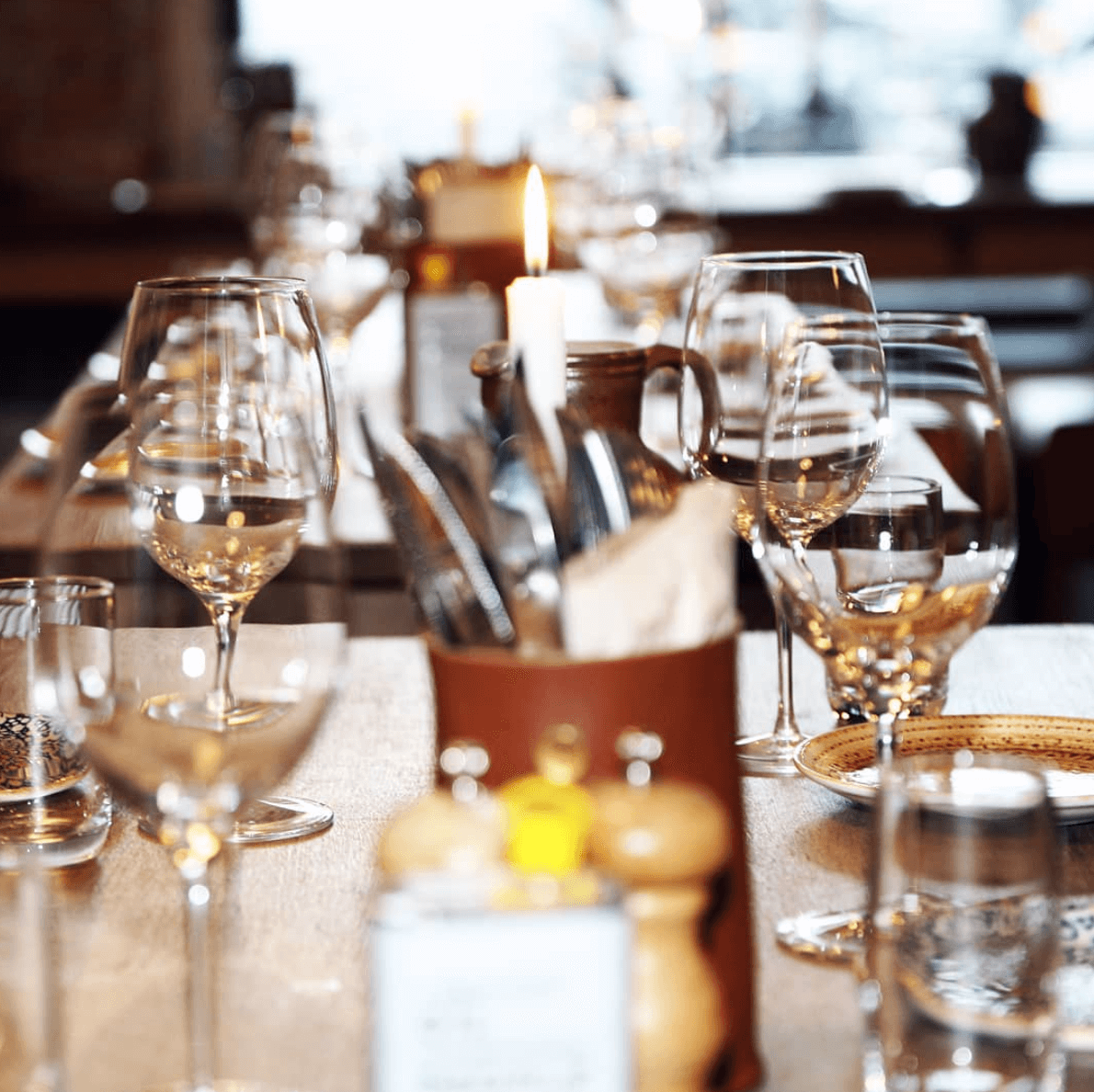
Approach from the street and the room reads as considered rather than designed-for-effect. This is the kind of space regulars stop noticing after the second visit, which is the point. The neighbourhood restaurant format, when it works, is defined by what recedes: the room, the service tempo, the table spacing. What comes forward is the food and the company. Sensum operates in that register.
A Menu That Moves
The menu at Sensum changes, and changes with enough frequency that returning visitors are unlikely to find the same dishes twice in close succession. This is a deliberate choice that places the kitchen in a different competitive position from its higher-priced peers. Adam/Albin and Aloë operate within the New Nordic tradition that prizes seasonal specificity, but their formats are structured and the ritual of the meal is part of the product. Sensum's approach is more fluid: the home-cooking reference point is present in the texture of the dishes and the sense that the menu reflects what the kitchen is thinking about now, not what a tasting architecture requires.
That phrase, home cooking with ambition, appears often in how Sensum describes itself, and it functions as positioning rather than modesty. In Stockholm's dining culture, which has produced some of Scandinavia's most technically precise restaurant cooking, a deliberate return to domestic register signals a point of view. It says the kitchen is choosing warmth over spectacle, and that the measure of a dish is whether you want to finish it and stay at the table, not whether it asks to be photographed first.
What Regulars Return For
The regulars' perspective on a restaurant like Sensum reveals more about the place than any single-visit review can. In Stockholm's neighbourhood dining tier, the distinction between a room people pass through and one they return to is largely about consistency of feel rather than consistency of menu. A regularly changing menu asks something of its regulars: trust. They book without knowing exactly what they'll eat, which means the kitchen earns repeat visits through accumulated goodwill rather than a signature dish that anchors expectations.
This is a harder case to make than the flagship model, where a Michelin star or a signature tasting sequence gives a diner a legible reason to return. Sensum's case rests on the accumulation of good meals in a room that doesn't demand much from you beyond showing up and paying attention. For the Stockholm professional who has already done the tasting-menu circuit and wants a dinner that doesn't require occasion as its premise, this kind of restaurant fills a real gap.
The location reinforces this dynamic. Wallingatan 40 is walkable from central Stockholm, accessible to most of the city without requiring deliberate travel to a destination neighbourhood. For regulars who live or work in Norrmalm, or who arrive by train to Stockholm Central a few minutes away, the logistics are frictionless in a way that matters for repeat visits. The restaurant that is easy to reach becomes the one you go back to on a Tuesday.
Where Sensum Sits in the Stockholm Dining Map
To understand Sensum's position, it helps to map the full range of serious eating in Stockholm. At the ceremonial end, the city's tasting-menu restaurants compete on technique, narrative, and international recognition. Further afield, strong regional tables across Sweden demonstrate what the broader culinary culture is producing: Vollmers in Malmö, VYN in Simrishamn, ÄNG in Tvååker, Signum in Mölnlycke, and Knystaforsen in Rydöbruk each represent a version of ambitious cooking outside the capital's spotlight. PM & Vänner in Växjö adds another data point in this regional picture. What connects them to Sensum is a shared interest in cooking that is rooted and legible rather than conceptual.
Within Stockholm itself, the neighbourhood ambition tier is less well-documented than the Michelin-tracked upper bracket. That is partly a function of how food media works: the tasting-menu format and its awards infrastructure are easier to write about and rank. Restaurants like Sensum operate in a space that rewards regulars more than critics, which means their reputation builds slowly and word-of-mouth carries more weight than press coverage. This is, by international standards, a familiar pattern. The great neighbourhood restaurants of Paris, or the trattorie of Rome that have survived five decades without a guide entry, run on the same logic. Closer comparisons might be drawn from American cities where neighbourhood ambition has produced recognised names: Le Bernardin in New York City occupies the opposite end of the formality spectrum, but the principle of a kitchen with a clear point of view earning deep repeat loyalty applies across formats. Emeril's in New Orleans similarly built its identity on a register that felt personal rather than institutional.
Planning a Visit
Sensum is at Wallingatan 40, a few minutes on foot from Stockholm Central Station, which makes it one of the more practically located serious restaurants in the city. For travellers using Stockholm as a base, the address is reachable from most central hotels without needing a taxi. For EP Club members visiting Stockholm for the first time, it is worth consulting alongside our hotels guide, bars guide, wineries guide, and experiences guide to build a complete picture of what the city offers across categories. Given the changing menu format, booking ahead is advisable, particularly mid-week when the restaurant draws its core neighbourhood clientele rather than weekend visitors. Specific hours, current pricing, and booking methods are best confirmed directly with the restaurant, as these details shift with the menu and season.
Frequently asked questions
What should I expect atmosphere-wise at Sensum?
What is the signature dish at Sensum?
How hard is it to get a table at Sensum?
What is the defining idea at Sensum?
Can Sensum accommodate dietary restrictions?
Just the Basics
Comparable venues nearby, for context on price, style, and recognition.
| Venue | Cuisine | Price | Awards | Notes |
|---|---|---|---|---|
| SensumThis venue — the venue you are viewing | Modern European Small Plates | Not listed | Star Wine List · Falstaff Wine Bar - Listed | Not listed |
| Fotografiska DINE & DRINK | Sustainable Scandinavian Fine Dining | $50–100 | Not listed | Södermalm, Sustainable Scandinavian Fine Dining |
| Aristo | Modern European Neighborhood Krog | Not listed | Star Wine List · White Guide Sweden Restaurants - Very Fine Level | Östermalm, Modern European Neighborhood Krog |
| Le Bon Canon | European Swedish Bistro | Not listed | Star Wine List | Kungsholmen, European Swedish Bistro |
| Nektar mat & vin | Seasonal Nordic Small Plates with Southern European Influences | $50–100 | Star Wine List | Vasastan, Seasonal Nordic Small Plates with Southern European Influences |
| Sperling & Co. | Modern European Grill | Not listed | Michelin Plate · World's Best Steaks Europe's 50 Best #27 | Östermalm, Modern European Grill |
Recognition history
Dated appearances from independent guides and award organizations, with the underlying list record or original source where available.
Star Wine List
Star Wine List
Falstaff Wine Bar - Listed
Falstaff
White Guide Sweden Restaurants - Very Fine Level
White Guide
Continue exploring
More in Stockholm
Restaurants in Stockholm
Browse all →
Bars in Stockholm
Browse all →
Details
- Elegant
- Cozy
- Modern
- Trendy
- Date Night
- Business Dinner
- Casual Hangout
- Open Kitchen
- Natural Wine
- Craft Cocktails
- Local Sourcing
- Small Plates
- A La Carte
- Gin Tonics
- Natural Wines
- Vegetarian Friendly
- Vegan Options
Current opening hours
- Monday
- Closed
- Tuesday
- 11 AM–1:30 PM, 4:45–9 PM
- Wednesday
- 11 AM–1:30 PM, 4:45–9 PM
- Thursday
- 11 AM–1:30 PM, 4:45–9 PM
- Friday
- 11 AM–1:30 PM, 4:45–9:30 PM
- Saturday
- 4:45–9:30 PM
- Sunday
- Closed
Hours can change for holidays and private events. Last verified .
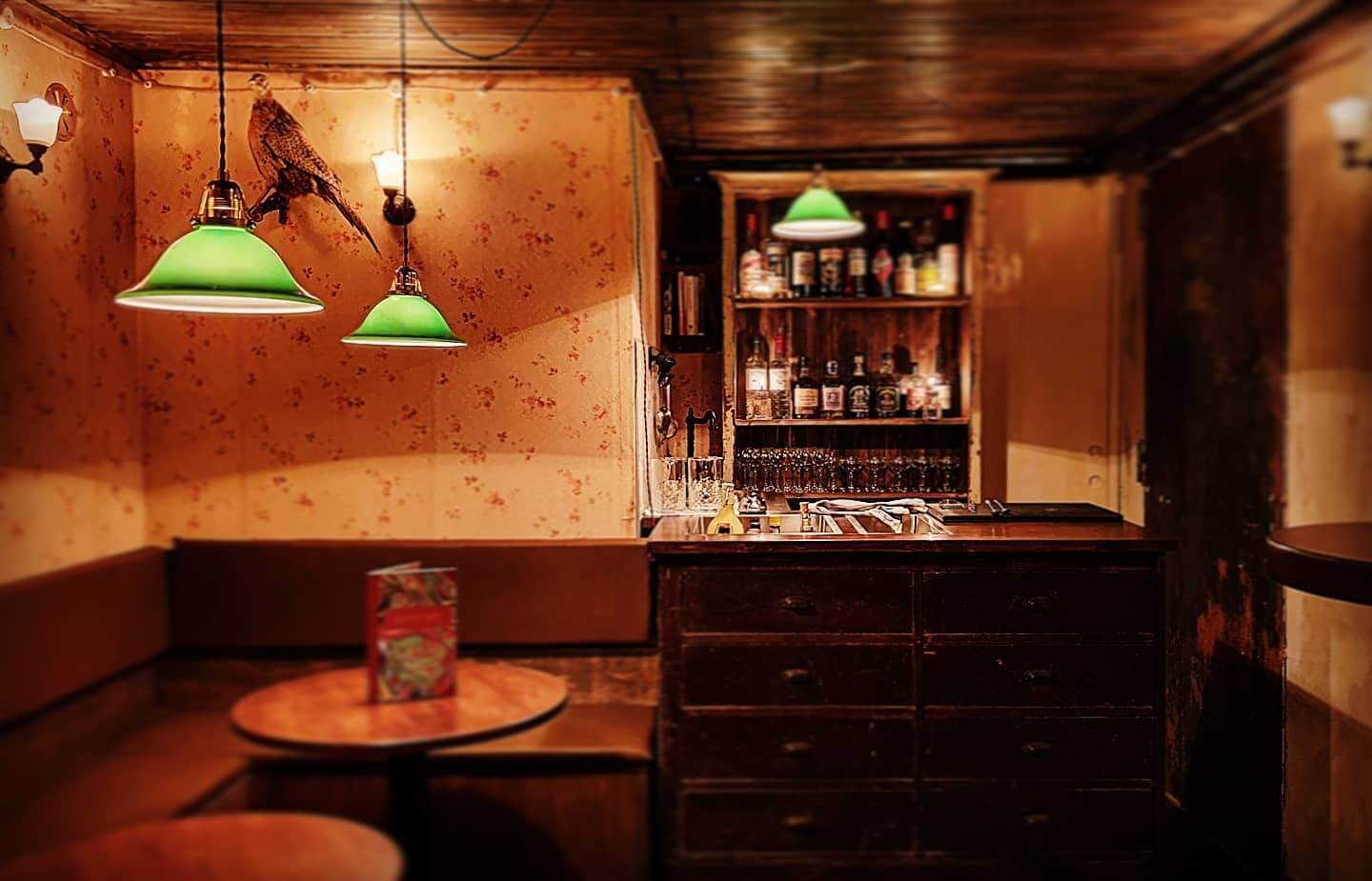
Warm, cozy, and elegant atmosphere with a charming, low-key neighborhood feel.