On Marrickville Road in Sydney's inner west, Semola occupies a slice of the neighbourhood's Italian-leaning dining scene, the kind of address where the pasta program carries more weight than the room's decor. Positioned between casual trattoria comfort and considered modern cooking, it draws a crowd that tracks the suburb's shift from industrial edge to serious eating destination.
Pearl is the En Primeur Club membership app — saves, bookings, and concierge access live there. Same editors, same standards.
- Address
- 212 Marrickville Rd, Marrickville NSW 2204, Australia
- Phone
- +61412277831
- Website
- semola.com.au
- Directions
- Get directions
 Saves & bookings on Pearl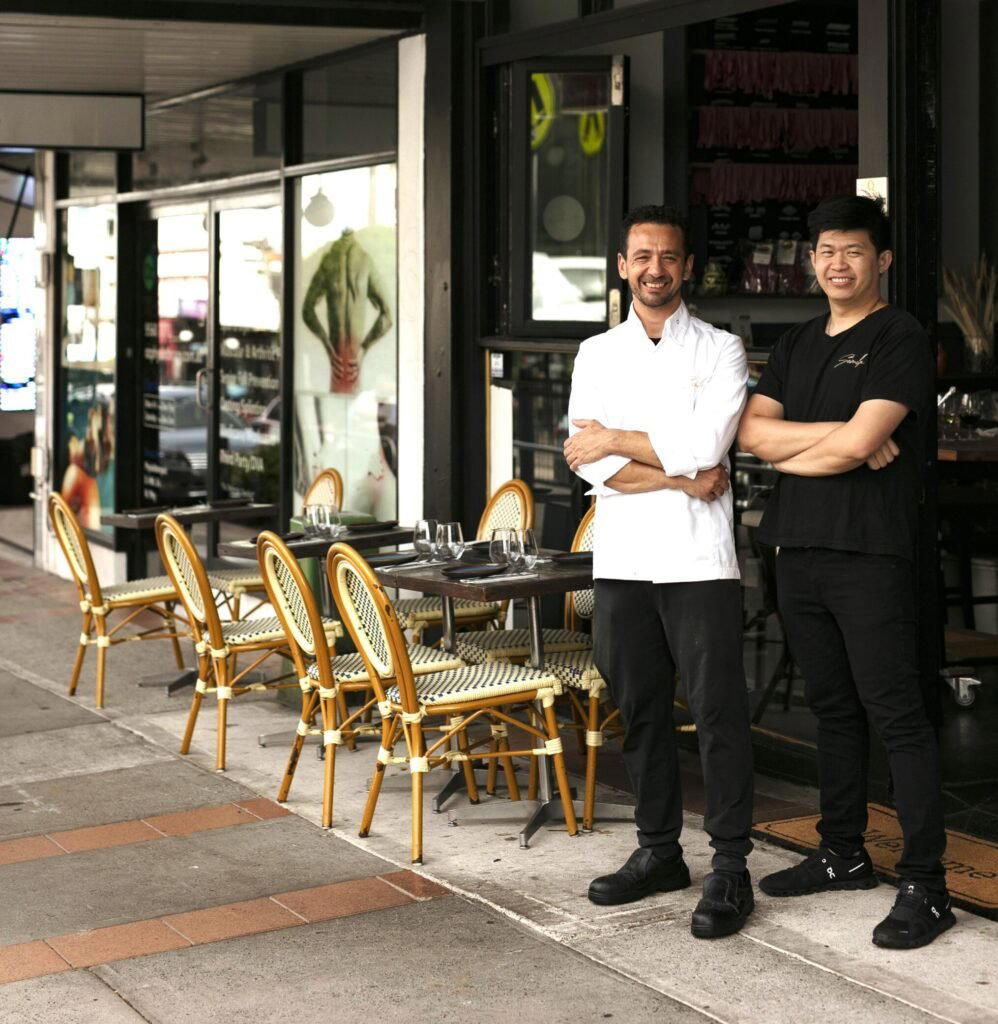
Marrickville's Inner West Italian Scene
Sydney's inner west has been reshaping its dining identity for the better part of a decade. Marrickville, once defined by its Vietnamese grocers and Lebanese bakeries along the main strip, now holds a more layered offer, one where neighbourhood Italian restaurants compete not just on price or proximity, but on the quality of their pasta and the depth of their wine lists. Semola Sydney, at 212 Marrickville Road, sits inside that shift. It is a neighbourhood Italian restaurant in Marrickville, Sydney, where residents expect the cooking to be considered without demanding the formality of the CBD.
The Italian-leaning dining room in an inner-city suburb is a format Sydney has seen refined across Surry Hills and Newtown over the past fifteen years, and Marrickville now runs its own version of that story. Semola operates in a different register, closer to the neighbourhood trattoria model, but with the kind of attention to sourcing and technique that the inner west's dining culture increasingly demands.
The Lunch and Dinner Divide on Marrickville Road
The gap between daytime and evening service at neighbourhood Italian restaurants in Sydney is often sharper than menus suggest. At lunch, the room tends to move faster, the light comes in differently, and the typical diner is eating between obligations rather than making a night of it. The value proposition shifts accordingly: shorter format, accessible pricing, a glass of house white rather than a bottle from the lower shelves. Dinner reorients the experience toward leisure. Tables linger. The wine conversation opens up. Kitchen ambition has more room to express itself in a two-course sequence that builds across the meal.
For a restaurant on Marrickville Road, this divide matters practically. The suburb draws a midday crowd from the surrounding commercial and creative industries, the kind of diner who wants something genuinely good without committing to a two-hour lunch. By evening, that audience expands to include residents from Petersham, Dulwich Hill, and beyond who treat the strip as a destination rather than a convenience. Venues that manage both service moods well, rather than optimising for one, tend to hold their local reputation over time. This is the tension that defines neighbourhood Italian dining in Sydney's inner west, and it is the lens through which Semola's appeal is best understood.
But for those already tracking the city's more dispersed dining story, the Marrickville address is worth mapping.
Where Semola Sits in the Wider Australian Italian Conversation
Italian cooking in Australia has been through several revisions. The first-generation trattoria model of the 1980s gave way to a more chef-driven approach in the 2000s, which in turn has fractured into a range of positions: the wood-fired, produce-led interpretation; the strict regional Italian model; and the looser neighbourhood Italian that draws on Italian technique without committing to any single region's canon. Sydney venues like 10 William St and 10 Pounds occupy specific points in that range. The 1021 Mediterranean address in Sydney offers a Mediterranean-adjacent register that illustrates how porous the category has become.
Marrickville's dining scene draws on similar range. The suburb has the demographic mix, including long-term Greek and Portuguese communities and a growing cohort of food-industry workers living locally, to support both conservative Italian comfort and more adventurous interpretation. A restaurant like Semola benefits from that context. The suburb does not demand novelty for its own sake, but it has the palate to reward it when it arrives on the plate.
For comparison across the Tasman, Melbourne's inner-north Italian scene offers a useful reference point. Venues like Bar Carolina in South Yarra and the cafe culture around Barry Cafe in Northcote show how the neighbourhood Italian format adapts to different city characters. Sydney's version tends to be slightly less wine-bar-forward, more oriented around the pasta program as the anchor of the meal. At the destination dining end of the Australian spectrum, venues like Attica in Melbourne and Brae in Birregurra set the standard for produce-driven ambition, a different category entirely, but one that raises the baseline expectation across Australian dining.
The Broader Sydney Dining Context
Sydney's appetite for neighbourhood Italian is partly a function of geography. The city's dining density is spread across a large footprint, and inner-west suburbs like Marrickville function as self-contained eating destinations for their immediate catchment. That dynamic rewards the restaurant that builds genuine local loyalty over the one that chases a single-visit destination audience. Restaurants like Bayly's Bistro in Kirribilli and Johnny Bird in Crows Nest illustrate the neighbourhood-anchor model in other parts of the city.
And for those interested in how Italian-adjacent registers connect to Mediterranean and Middle Eastern street food traditions, a pattern visible in Marrickville's own food culture, Jaani Street Food in Ballarat and Kulcha Restaurant Wollongong document how that influence moves through regional Australian cities.
At the international reference end, the technical rigour of a room like Le Bernardin in New York City or the tasting-menu discipline of Atomix represent what happens when a restaurant fully commits to a single culinary logic. Neighbourhood Italian in Sydney operates in a different mode, one where the test is consistency across lunch and dinner, across regulars and first-timers, across a menu that holds its shape week to week. That is a different kind of ambition, and on Marrickville Road, it is the more relevant one.
Planning Your Visit
Address: 212 Marrickville Road, Marrickville NSW 2204. Getting there: Marrickville is served by Sydney Trains on the T3 Bankstown Line; Marrickville station is a short walk from the restaurant strip. Reservations: Reservations are recommended, particularly for weekend evenings. Timing: Weekday lunch offers one relaxed entry point; Friday and Saturday evenings require advance planning. Budget: Pricing is consistent with the inner-west neighbourhood Italian tier, below the CBD tasting-menu bracket, above the straight-casual pizza-and-pasta format.
The Minimal Set
Comparable venues nearby, for context on price, style, and recognition.
| Venue | Cuisine | Price | Notes |
|---|---|---|---|
| Semola SydneyThis venue — the venue you are viewing | Marrickville, Authentic Italian Pasta | $$$ | Not listed |
| Olio | Ultimo, Modern Sicilian Italian | $$$ | Not listed |
| barmilano | Maroubra, Northern Italian Beachside | $$$ | Not listed |
| Uccello | Sydney, Modern Southern Italian | $$$ | Not listed |
| Civico 47 | Paddington, Modern Italian | $$$ | Not listed |
| Chester White Cured Diner | Not listed | $$ | Potts Point, Italian Charcuterie & Pasta Diner |
Continue exploring
More in Sydney
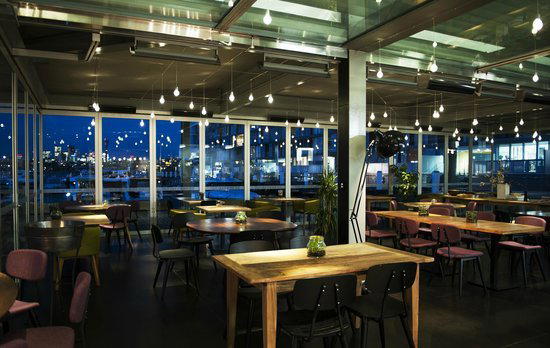
Restaurants in Sydney
Browse all →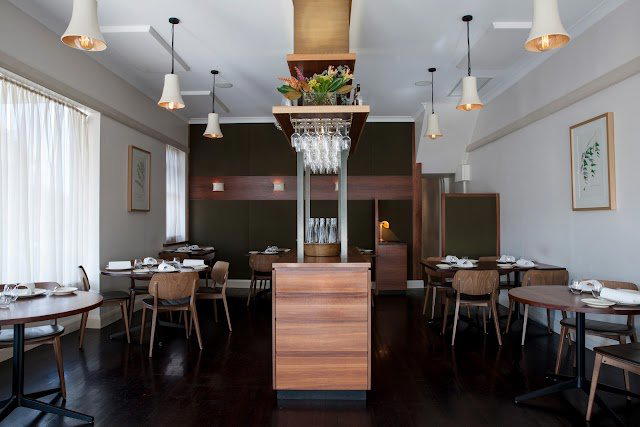
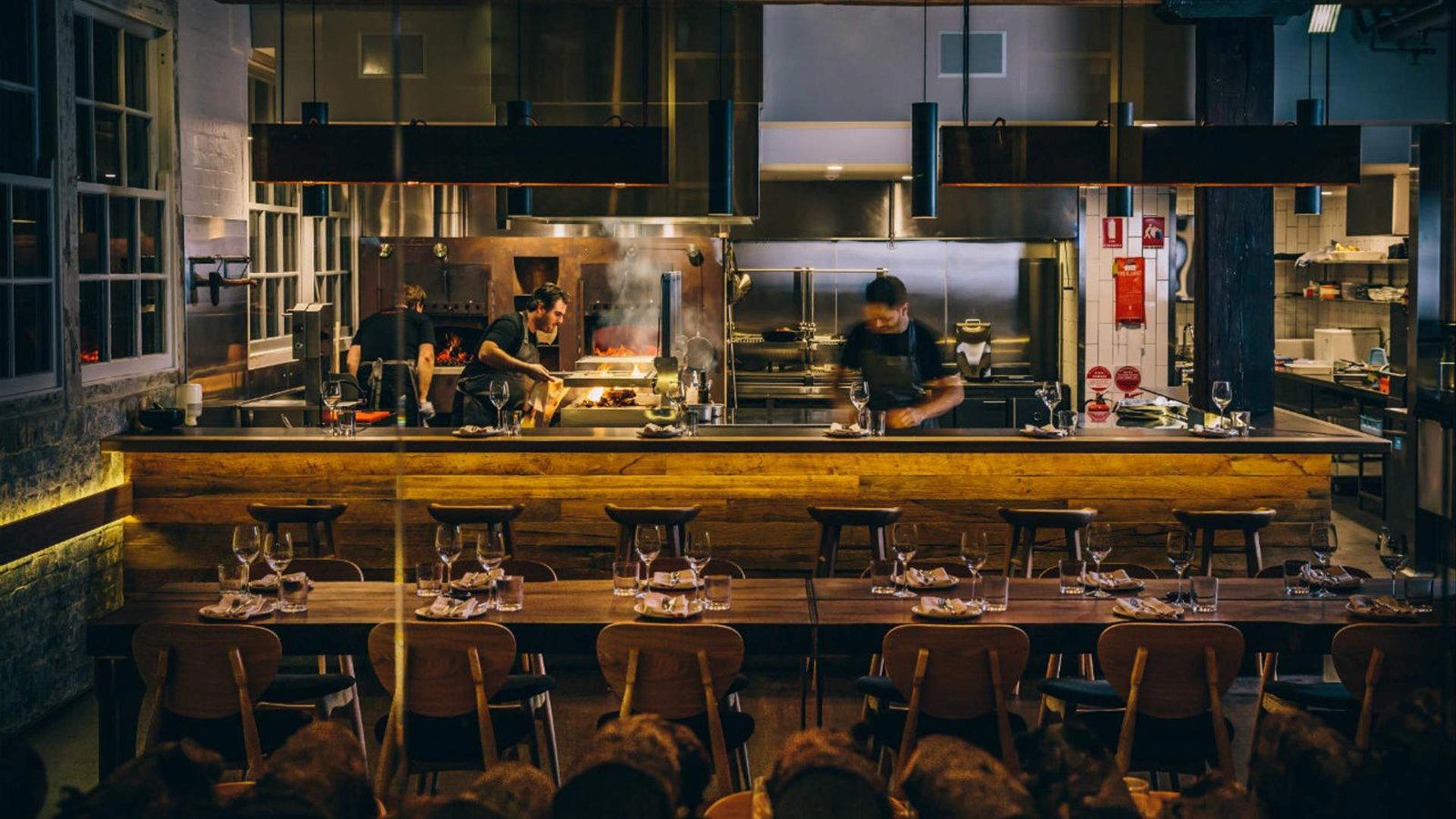
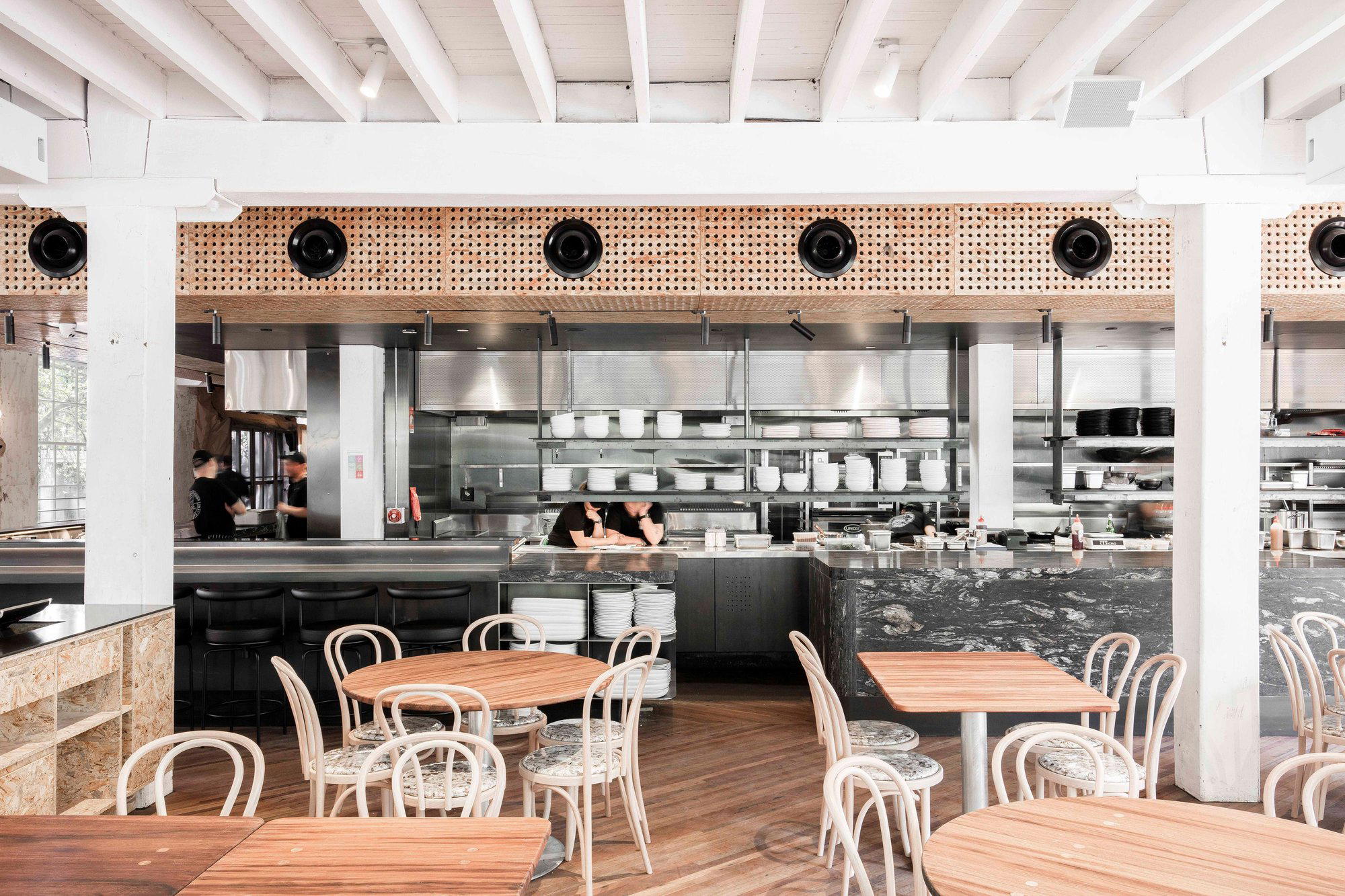
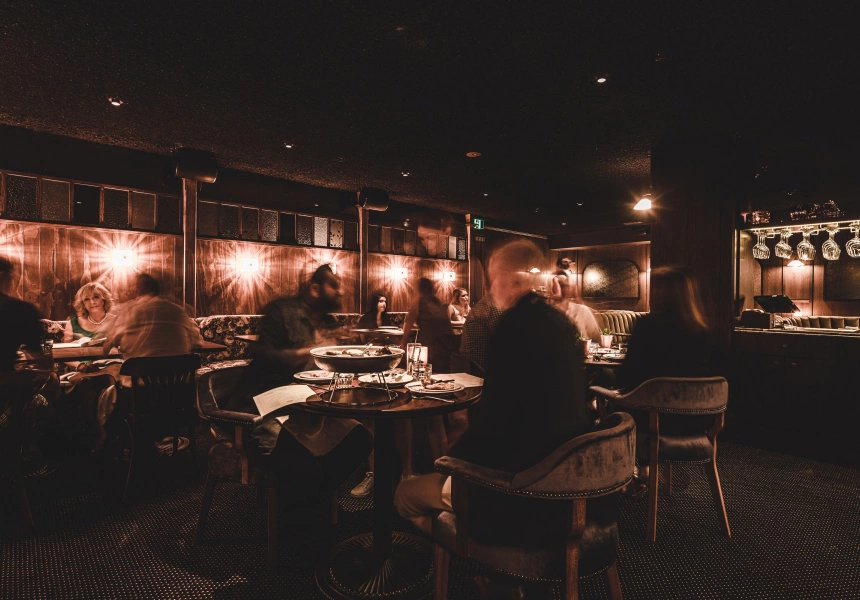
Bars in Sydney
Browse all →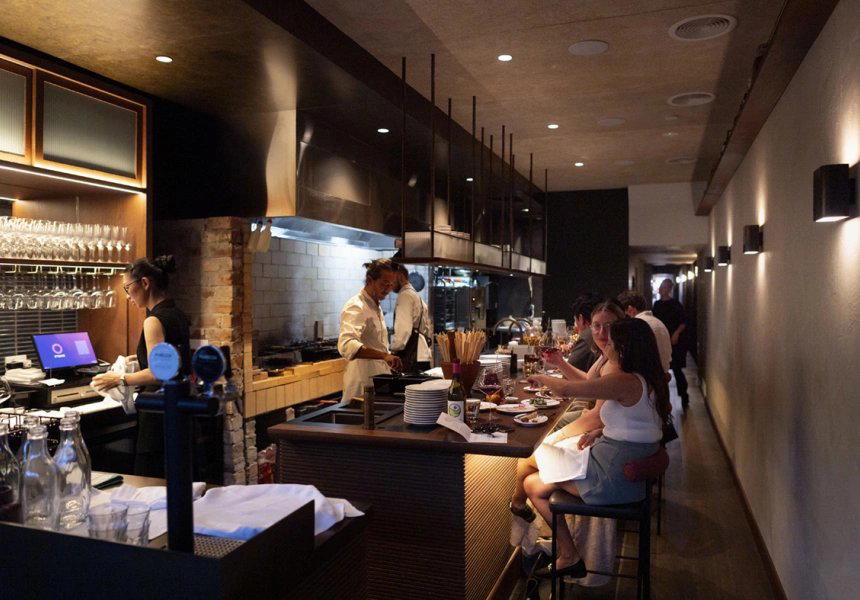
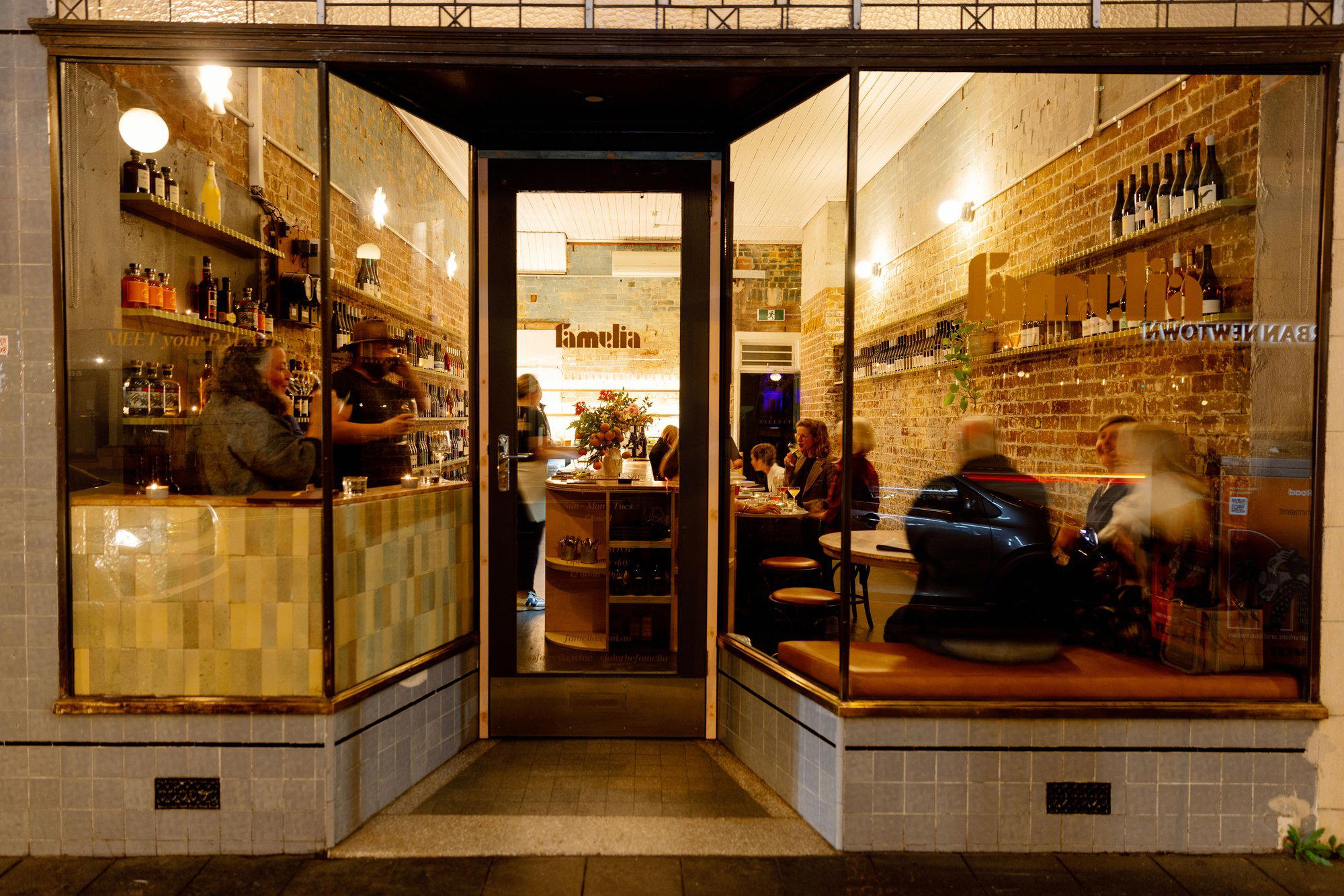
Hotels in Sydney
Browse all →
At a Glance
- Cozy
- Classic
- Intimate
- Date Night
- Group Dining
- Open Kitchen
- Extensive Wine List
- Local Sourcing
Current opening hours
- Monday
- 5:30–9 PM
- Tuesday
- 5:30–9 PM
- Wednesday
- 5:30–9 PM
- Thursday
- 5:30–9 PM
- Friday
- 12–3 PM, 5:30–10 PM
- Saturday
- 12–3 PM, 5:30–10 PM
- Sunday
- 12–3 PM, 5:30–9 PM
Hours can change for holidays and private events. Last verified .
Warm, neighborhood-style Italian atmosphere transporting guests to the streets of Napoli.