Los Camellos

Los Camellos belongs to Puebla’s everyday taqueria culture rather than its formal dining circuit, the side of the city where ingredient turnover, griddle rhythm, and salsa discipline matter more than ceremony. In Azcarate, away from the historic-center restaurant cluster, it gives travelers a useful read on how Puebla eats when the meal is built around tacos rather than mole service.
Pearl is the En Primeur Club membership app — saves, bookings, and concierge access live there. Same editors, same standards.
- Address
- C. 24 Sur 703, Azcarate, Heróica Puebla de Zaragoza, Puebla, 72501, MEX
- Phone
- +52 221 364 5991
- Website
- guide.michelin.com
- Directions
- Get directions
 Saves & bookings on Pearl
Approaching Los Camellos means leaving the postcard version of Puebla behind. The address sits in Azcarate, east of the historic core’s tiled façades and convent-era dining rooms, where the city’s food grammar becomes more immediate: tortillas, meat, heat, lime, salsa, and the quick choreography of a taqueria built for regular use rather than long-form ceremony.
That distinction matters in Puebla. Visitors often arrive looking for mole poblano, chiles en nogada, and the polished regional cooking represented by places such as El Mural de los Poblanos (Mexican Poblano), where the city’s canon is presented with a dining-room frame. Taquerias answer a different question: how does a city with deep culinary memory feed itself on an ordinary day? Los Camellos sits in that answer, using a casual format to show why Puebla’s food culture is not confined to its heritage dishes.
Azcarate shifts the Puebla meal from heritage dining to taqueria rhythm
Puebla’s historic center concentrates much of the visitor-facing restaurant conversation, but the more revealing meals often happen just outside it. Azcarate is not remote, but it changes the tone. The meal becomes less about architectural backdrop and more about throughput, freshness, and how quickly a kitchen can keep multiple taco styles moving without losing control of seasoning or texture.
The appeal of a taqueria in this context comes from sourcing expressed through speed. Meat has to turn over, tortillas have to carry rather than collapse, and salsas have to do distinct jobs instead of acting as generic heat. A colorful taqueria “that can do it all” is useful shorthand here: breadth is not a decorative claim, it signals a kitchen expected to handle different orders and appetites in the same sitting. In a city where many restaurants lean into a single regional identity, that range gives the room its reason for being.
Los Camellos also belongs to a more informal Puebla lineage than the city’s destination restaurants. Augurio and Cultivo speak to a contemporary, ingredient-conscious Puebla, while Casa Bacuuza and El Güero Marinero widen the city’s range beyond the classic poblano script. The taqueria format does something less formal but equally instructive: it shows the city’s appetite at street level, where repeat customers tend to be less forgiving than visitors and where a weak salsa or tired tortilla has nowhere to hide.
Ingredient quality shows up in turnover, tortillas, and salsa discipline
In Puebla, ingredient sourcing is not only a farm-name conversation. At the taqueria tier, it is read through repetition: whether the kitchen can keep proteins moving, whether tortillas arrive suited to the filling, and whether the salsa bar has enough contrast to shape different bites. This is where casual Mexican cooking becomes exacting. A taco format looks simple only until the components fall out of balance.
The restaurant is compelling because it sits in the category where the food has to perform without the insulation of a tasting menu, wine pairing, or elaborate room. The sourcing story is therefore practical. Good product has to survive high heat, quick service, and the squeeze of lime at the table. The more varied the taqueria’s offer, the more that sourcing burden increases, since each protein or preparation asks for its own handling. Breadth without discipline turns into clutter; breadth with discipline becomes the reason to cross town.
That is also why comparison with Puebla’s formal restaurants can mislead. Restaurante Casareyna and Salón Mezcalli occupy a different mode of local hospitality, while Semitas “Beto” points toward another essential Puebla category: the sandwich tradition built around cemitas, papalo, and local bread structure. The restaurant belongs to the taco side of that map. It is not trying to replace the city’s regional dining rooms; it fills the gap between canonical Puebla and the faster, messier, more habitual ways the city eats.
Travelers building a Puebla itinerary should treat that distinction as a feature. A serious food day in the city can include a heritage meal, a market or cemita stop, and a taqueria run without repeating the same lesson. For broader planning, our full Heroica Puebla de Zaragoza restaurants guide is the natural starting point, with parallel reads in our full Heroica Puebla de Zaragoza hotels guide, our full Heroica Puebla de Zaragoza bars guide, our full Heroica Puebla de Zaragoza wineries guide, and our full Heroica Puebla de Zaragoza experiences guide for the rest of the city around the table.
How to place it in a wider Mexico dining itinerary
The restaurant makes the strongest case for travelers who are already thinking beyond Puebla’s set-piece dishes. Mexico’s dining culture changes sharply by region and format: coastal seafood grills, Baja and Pacific resort restaurants, Mexico City’s internationalized dining rooms, and neighborhood specialists all answer different needs. A Puebla taqueria should not be judged by the same criteria as 7 Seas Seafood Grille in Los Cabos, 4 Fuegos in Riviera Maya, or 1890 in Todos Santos; the point is tighter, faster, and more local.
The broader network is useful for contrast. 10 Experiences Tour in Cozumel frames food through an experience format, while 4 Mori Santa Fe in Mexico City and 4 Mori Interlomas in Jesus Del Monte belong to another register of urban dining. Even cross-border references such as Jōdo Saké Bar in Los Angeles and Onigiri Time in Pasadena underline the same editorial point: format defines expectation. A taqueria is judged by pace, sourcing, heat, and repeatability.
For Puebla specifically, the restaurant is worth seeking out because it sharpens the city’s culinary picture. The formal canon tells one story, and the taco counter tells another. Put together, they show a city where tradition is not only preserved in historic dining rooms; it is also tested every day through tortillas, salsa, and the demands of a hungry neighborhood.
Quick Comparison
Comparable venues by cuisine and price in the same metro.
| Venue | Cuisine | Price |
|---|---|---|
| Los Camellos | This colorful taqueria can do it all. Away from the historic center... | This venue |
Recognition history
Dated appearances from independent guides and award organizations, with the underlying list record or original source where available.
Michelin Bib Gourmand
Michelin
Continue exploring
More in Heroica Puebla de Zaragoza
Restaurants in Heroica Puebla de Zaragoza
Browse all →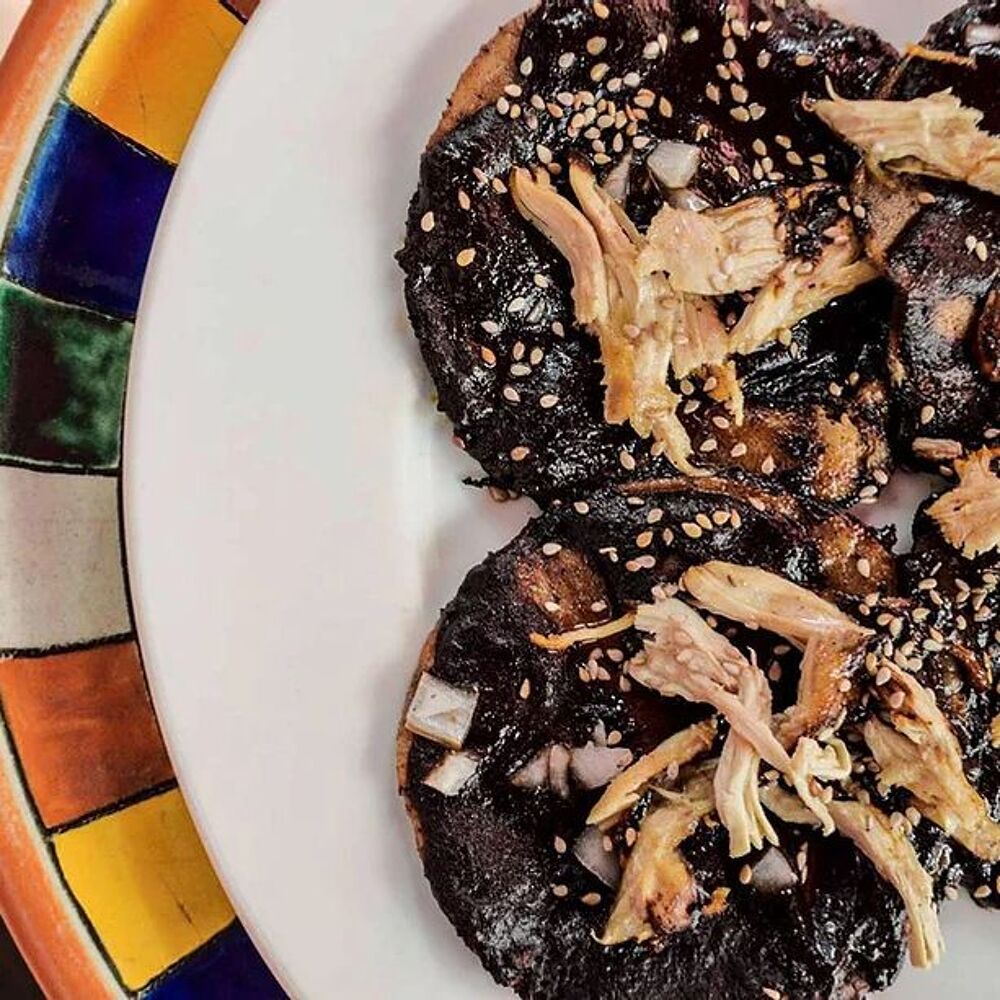
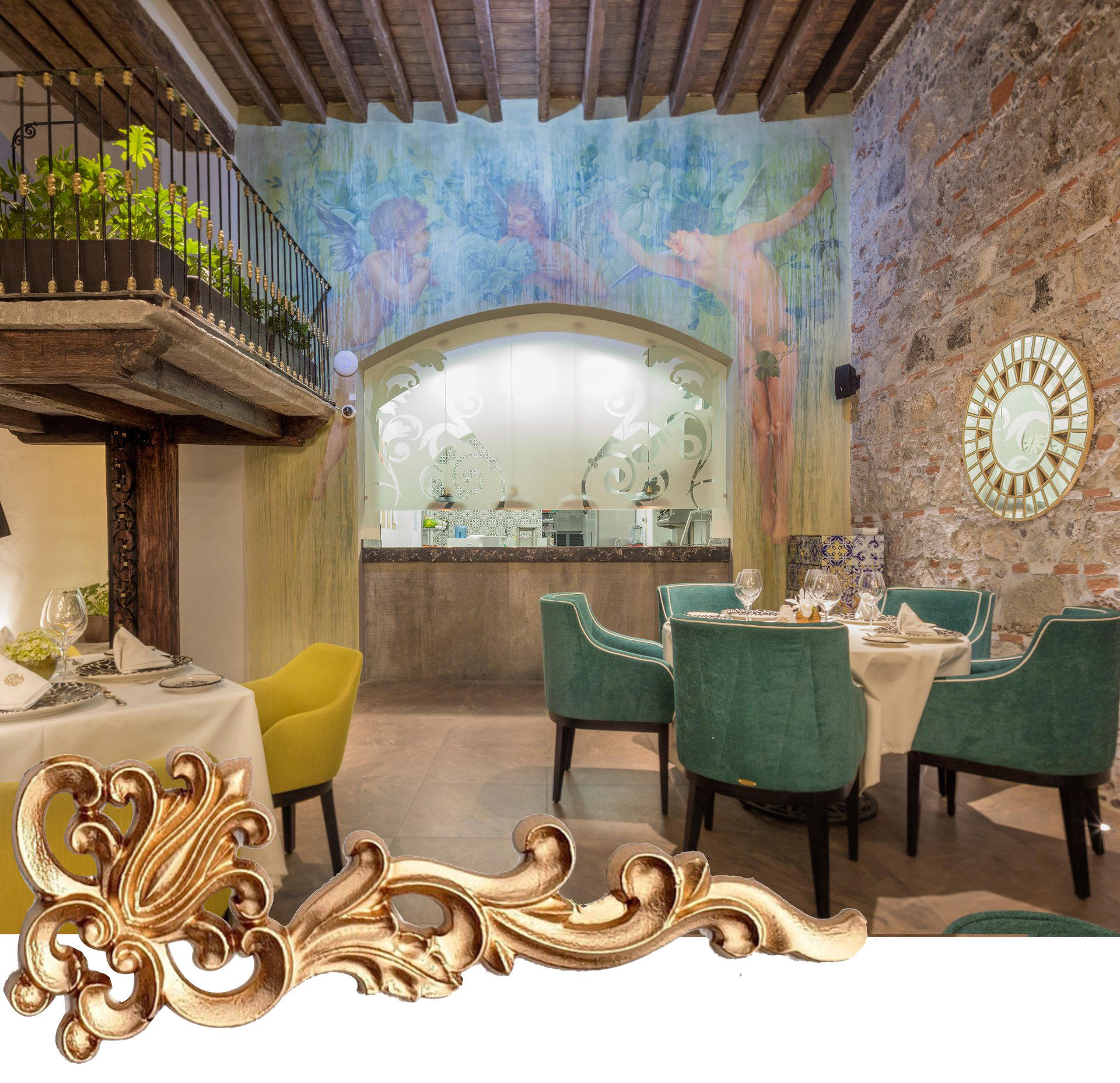
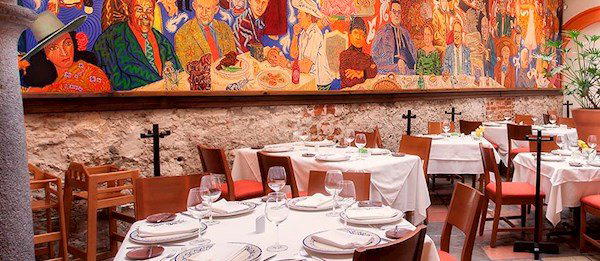
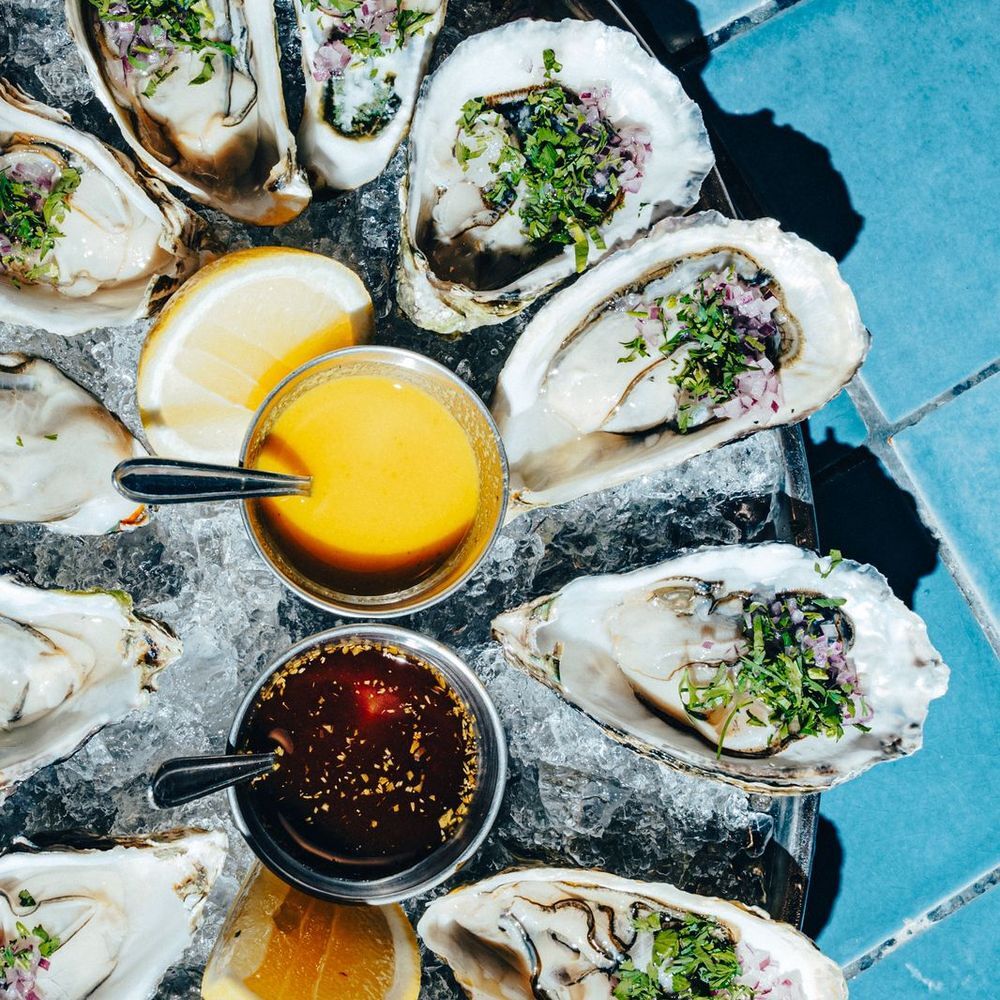
Hotels in Heroica Puebla de Zaragoza
Browse all →
At a Glance
- Quiet
- Casual
- Casual Hangout
- Solo
- Family
- Late Night
- Standalone
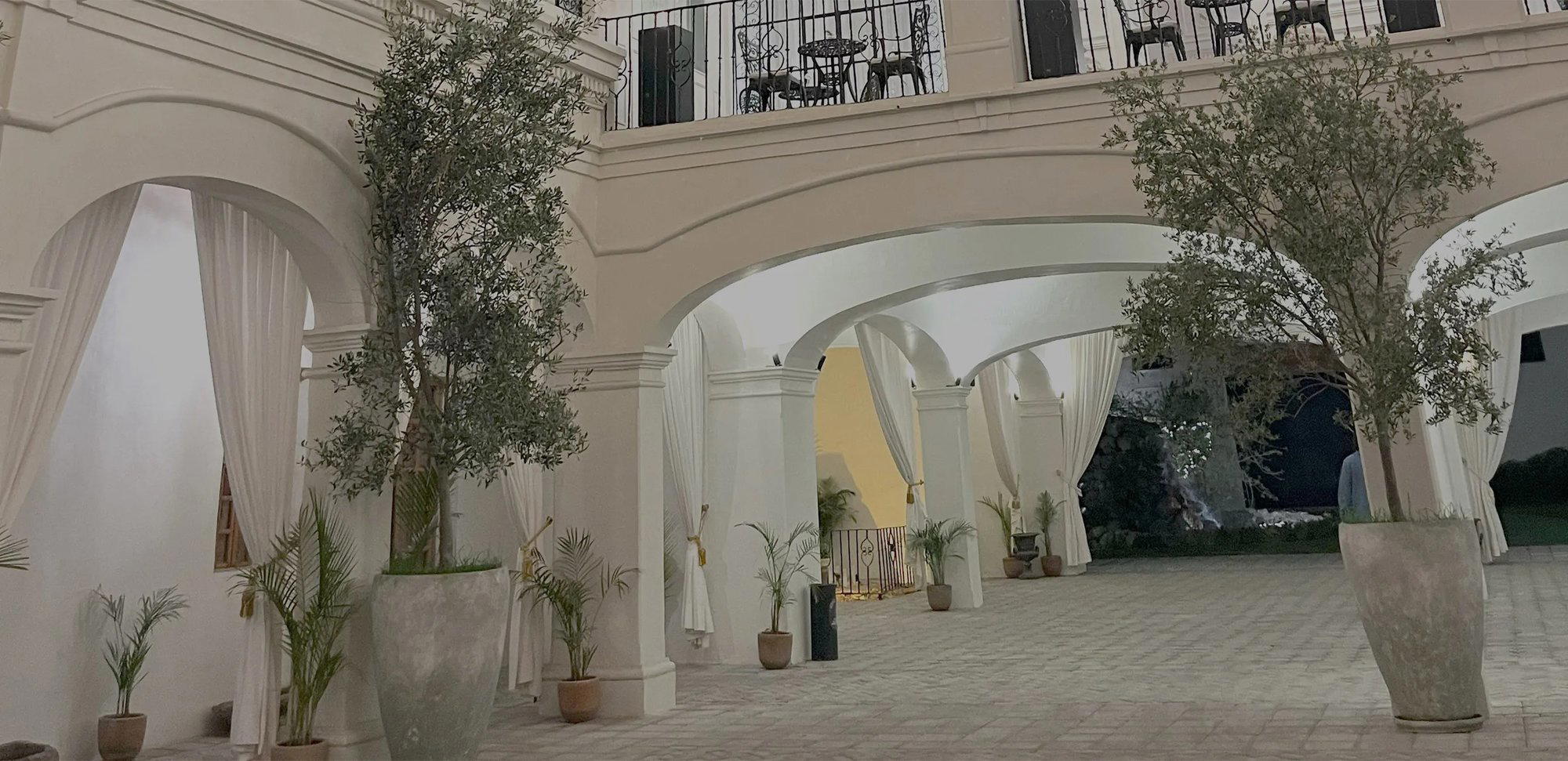
A quiet, unfussy taquería away from Puebla’s historic center, with a simple, focused setup that emphasizes the food—soft tortillas, succulent meats, and salsas—over decor, creating a relaxed, neighborhood feel close to the ecological park.